
Fall Trim or Spring Cutback? Choosing When to Prune Knock Out Roses in North Carolina
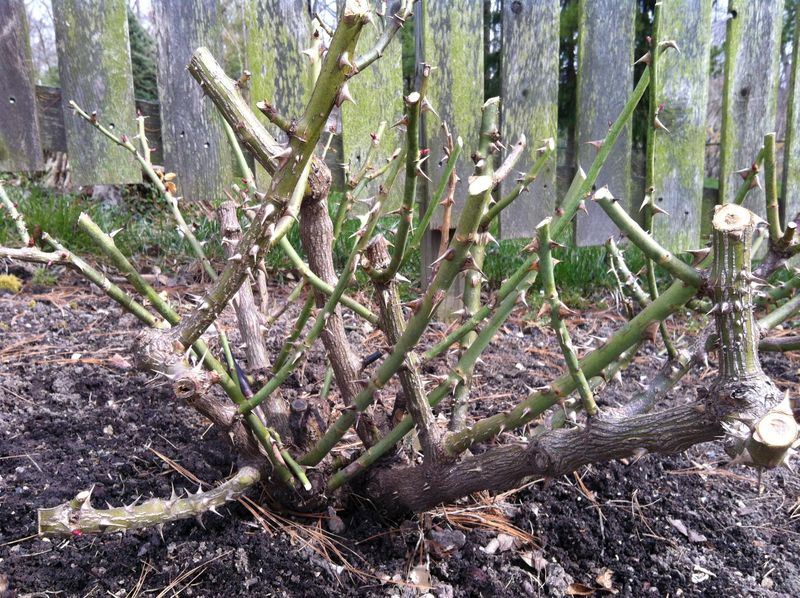
Your Knock Out roses are shaggy, October is wrapping up, and the pruners are calling from the garage shelf. Before you cut, know that North Carolina gardeners get two different timing answers from trusted sources.
One fits the size of your shrub, and the other fits the winter weather your yard actually gets. Here is how to pick the cut that suits your roses, from the Piedmont to the coast to the mountains.
Late October is not a statewide pruning deadline
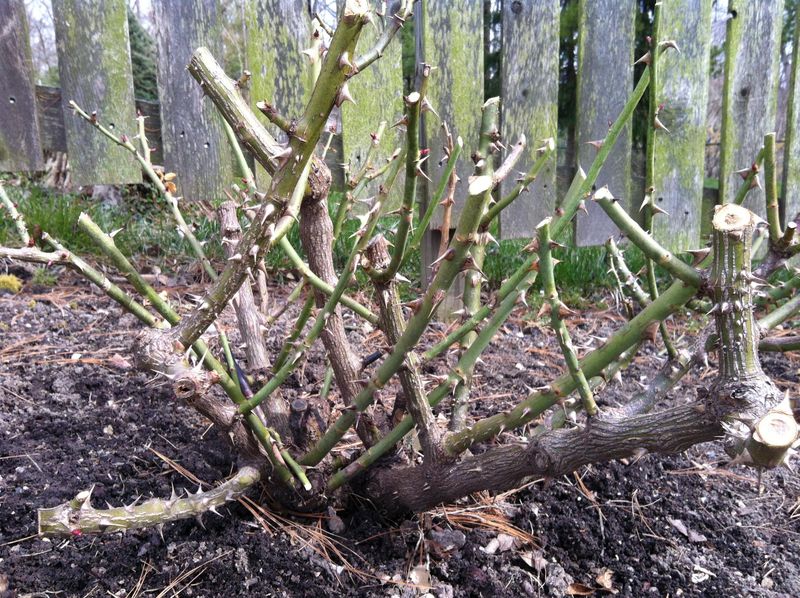
Plenty of gardeners hear that one late-October task sets up next spring’s flowers. The sources do not show that.
No single fall cut has been shown to decide how heavily your Knock Out roses bloom, and nobody can promise a bloom payoff from any pruning date.
Part of the problem is the calendar itself. A gardener in Asheville may see hard freezes weeks before someone near Wilmington sees one.
NC State publishes first and last frost dates for counties and stations across the state, and it notes that those averages are not guarantees. A warm fall one year can be followed by an early freeze the next, so late October means different things in different yards.
The bigger point is that the experts do not give one identical schedule. The Knock Out grower says to do the main annual cutback in early spring, once the danger of frost has passed.
NC State’s Extension Gardener Handbook says shrub or landscape roses can be rejuvenated in either fall or spring.
Treat those as two valid options instead of one settled rule. The rest of this article helps you match the cut to your reason for making it.
For the main annual cutback, wait for spring
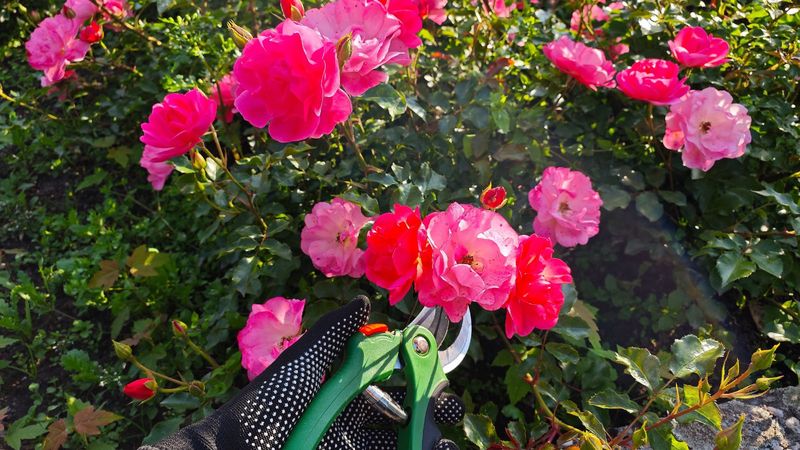
Ask the folks who grow Knock Out roses when to do the big yearly haircut, and the answer is early spring. Their care guidance says to wait until the last threat of frost has passed, then cut back established plants.
Their roses bloom from spring until frost, so this cut is routine upkeep.
Think of it as managing size and shape. A spring cutback keeps a shrub from sprawling over a walkway or swallowing the foundation planting.
It also clears out tired wood so the plant can push fresh growth. It is not a proven way to make the roses flower more heavily, so skip any promise that a harder cut means more blooms.
The grower’s pruning page suggests cutting back to about 12 inches. That number applies to the standard-size Knock Out roses the grower describes.
If you have a different rose, or a compact type, treat the figure as a starting point to check against your own plant.
Spring timing also lets you see what winter did. Canes that look dead or damaged are easy to spot once buds begin to swell, and you can cut to healthy wood instead of guessing in November.
When a fall trim may help
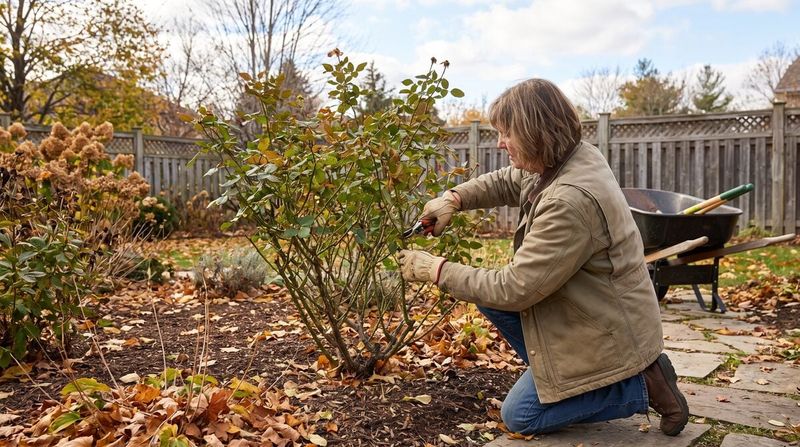
Some shrubs get tall and whippy by November. Long canes act like sails, and a strong wind or ice storm can loosen the roots or snap the stems.
That is the narrow case where a modest fall reduction makes sense.
The Caldwell County office of NC Cooperative Extension suggests in its Knockout rose Q&A that you wait until after two hard freezes before pruning, partly to lessen winter storm damage. The University of Maryland Extension, in its rose pruning guide, suggests reducing landscape roses to around 30 inches before winter so wind does not loosen them, then cutting back further in spring.
Treat both as qualified advice. One comes from a single North Carolina county, and the other comes from a neighboring state, so neither is a statewide rule.
Two hard freezes may arrive in early November in the mountains and well into winter near the coast, so check the local pattern for your area instead of following the calendar.
Notice what this trim is not. It is a light reduction to protect canes, not the hard annual cutback used to control size.
If cold injury worries you, leaving more cane through winter and judging damage in spring may save length that would otherwise be cut away.
Make clean cuts and limit disease spread
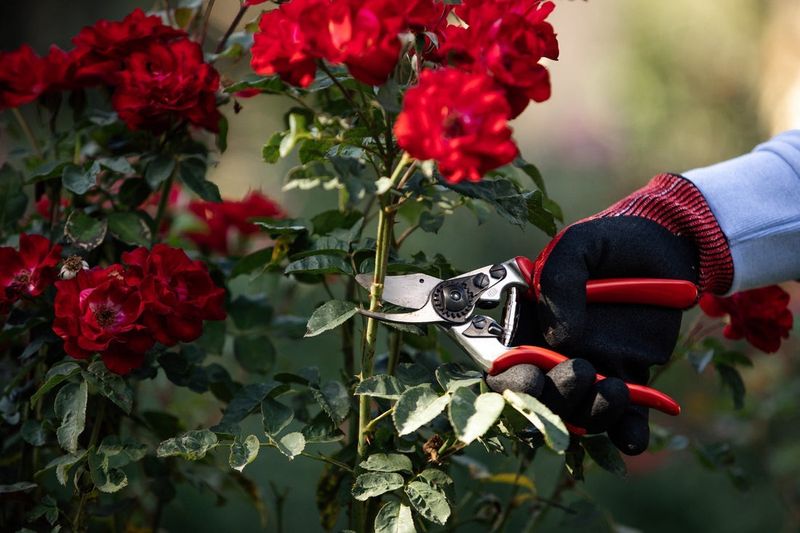
Whichever season you choose, the quality of the cut matters. Start with sharp pruners, because dull blades crush stems and leave ragged wounds.
Keep them clean too.
NC Cooperative Extension in Caldwell County recommends disinfecting pruners between plants to limit the spread of disease. A quick wipe or dip after each shrub is easy to do, especially if you have several roses lined up along a fence.
For the cut itself, the Maryland guide advises cutting just above an outward-facing bud. That points new growth away from the center of the shrub and keeps the middle more open.
Good technique keeps wounds tidy and helps avoid carrying problems from one plant to another. It does not guarantee a bigger flower show, so think of it as basic care, not a bloom trick.
Fertilizer is not a fall bloom shortcut
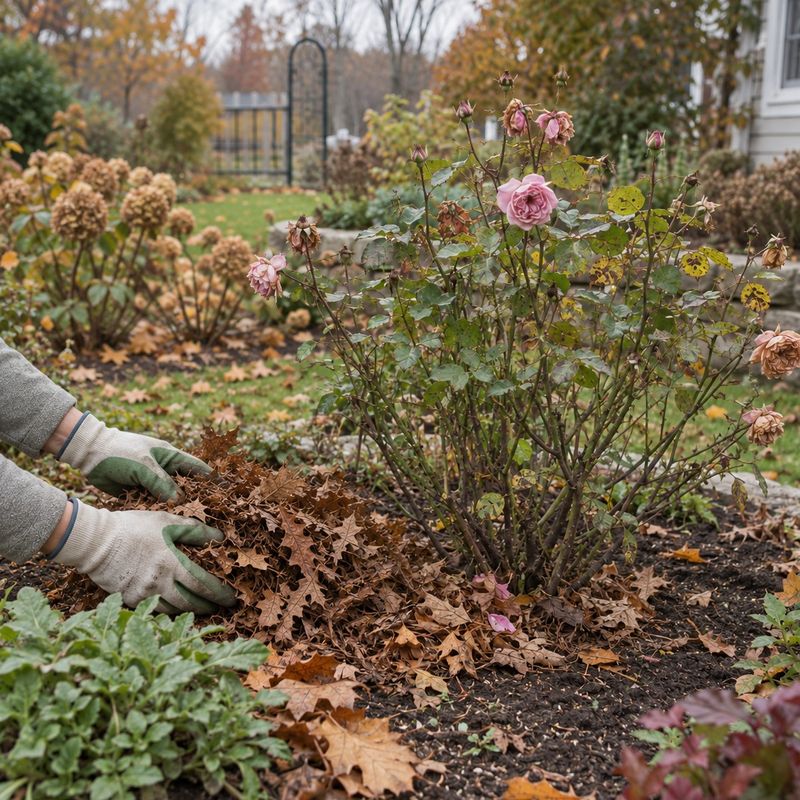
It is tempting to feed roses one last time in the fall, hoping for a stronger spring. Hold off.
The Knock Out grower’s FAQ page says not to fertilize late in summer, because fresh growth may be vulnerable to the first hard frost.
Tender new shoots are exactly what a cold snap damages. Pushing them out right before winter can set the plant up for injury instead of a head start.
The same source says these roses can perform well without extra fertilizer. That does not mean fertilizer is never useful, only that late-season feeding is the wrong move as a bloom shortcut.
If you want to improve your roses, put your effort into timing your pruning thoughtfully and keeping the area around the plants tidy. Leave the fertilizer bag on the shelf until the growing season returns.
Choose the cut that matches the risk
Here is a simple rule. For the main yearly cutback, follow the grower’s early-spring timing.
If long canes could get battered by winter weather, consider a modest trim after a hard freeze, as Caldwell County Extension describes.
NC State’s handbook offers an alternative, with rejuvenation in fall or spring at 6 to 10 inches for shrub or landscape roses. That is an option, not a mandate.
No choice promises heavier blooms.
Your roses will forgive a pruning date far more easily than a rushed, rough cut.