
Fresh Figs From Your Own Backyard: How To Start Your Tree This Winter, Based on Where You Live
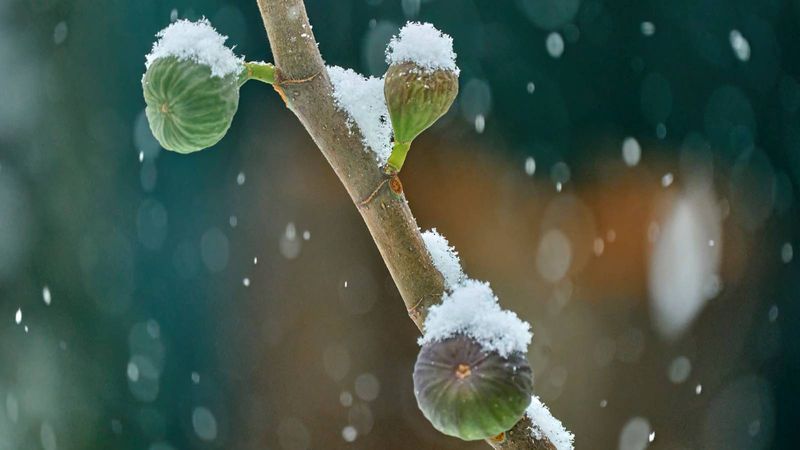
Think you missed your chance to grow figs? Winter is actually a handy time to get a head start.
You can pick the right tree, get a sunny spot ready, or root a cutting while the garden rests. Here is what you can safely do now, and what is best left until your soil and weather cooperate.
Winter can be a start without being planting day
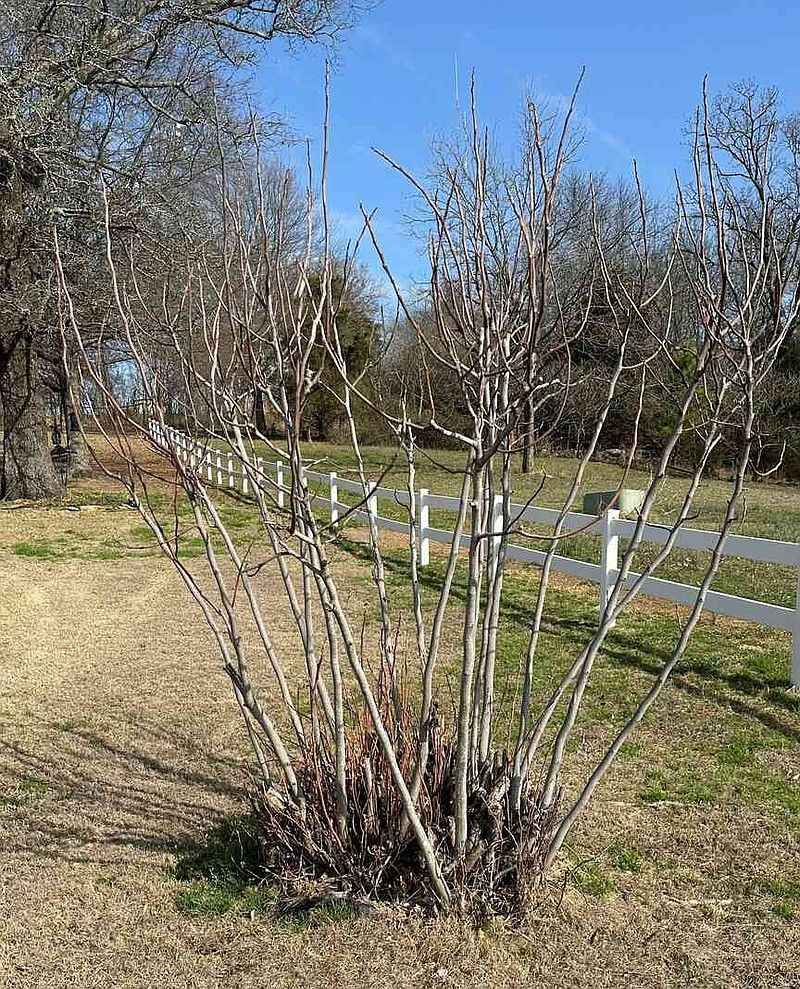
Worried that fig season passed you by? Take a breath.
Winter is a good time to begin a fig project, but beginning does not always mean digging a hole today. Growing figs depends a lot on where you live, so it helps to sort your winter options into three groups: planning, buying dormant stock, and rooting a cutting.
Planning means choosing a fig that suits your climate and finding the right spot in your yard. Buying dormant stock means picking up a leafless tree from a nursery, which is how many bare-root trees are sold.
Propagating means starting a new plant from a piece of dormant wood. None of these require a tree to go into cold ground right away.
Timing for outdoor planting changes with the region. University of Georgia Extension recommends planting dormant figs, yet says bare-root trees in middle and northern Georgia are best planted in spring after the hard freezes have passed.
Tennessee Extension also points to early spring as the best planting time. Those are regional examples, not a rule for every state.
Soil matters too. Maryland Extension’s general tree-planting advice is to plant only when the soil is not frozen.
A container-grown plant may be more flexible than a bare-root one, but frozen ground is still frozen ground.
Your local Extension office can tell you what the calendar looks like where you garden. The next sections walk through each winter option so you can pick the ones that fit your yard.
Choose a fig that fits your winters and your space
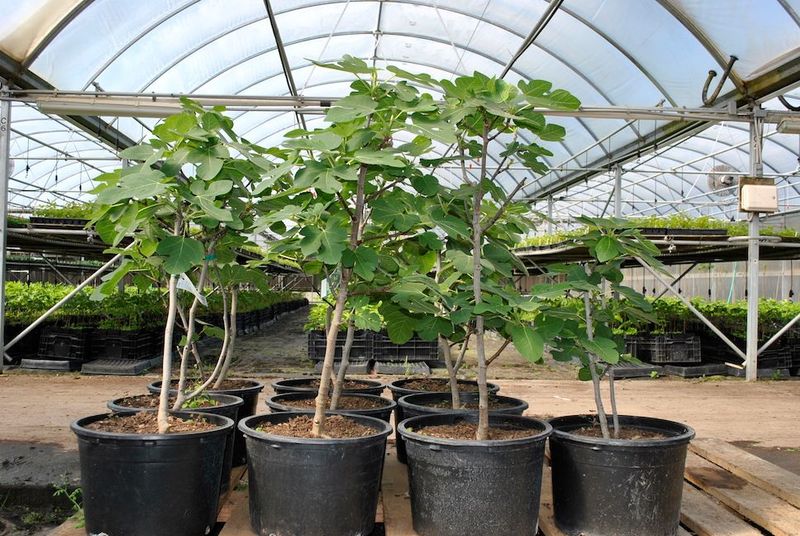
Picking the right fig is where a lot of your success gets decided. Cultivars differ in how they handle cold, and a variety that does well in one state may struggle in another.
Ask local nurseries and your county Extension office which figs perform well near you.
Where winters are cold, a protected location can help. Think of a spot near a south-facing wall that shelters the plant from harsh wind.
UGA Extension also notes that in regions with severe winters, growing a fig in a container lets you move it somewhere sheltered.
Pollination is another thing to check. Most common garden figs suited to Maryland produce fruit without pollination, according to Maryland Extension.
That does not hold for every fig type. UGA warns that some figs grown in California need a pollinating wasp that cannot survive in Georgia, so regional suitability matters.
Think about space as well. A container fig stays smaller and can be shifted around, while a ground-planted fig may grow into a large shrub or small tree.
Before you buy, write down your sun hours, your winter lows, and how much room you can spare. That little list makes shopping far simpler.
A dormant cutting can be another way to begin
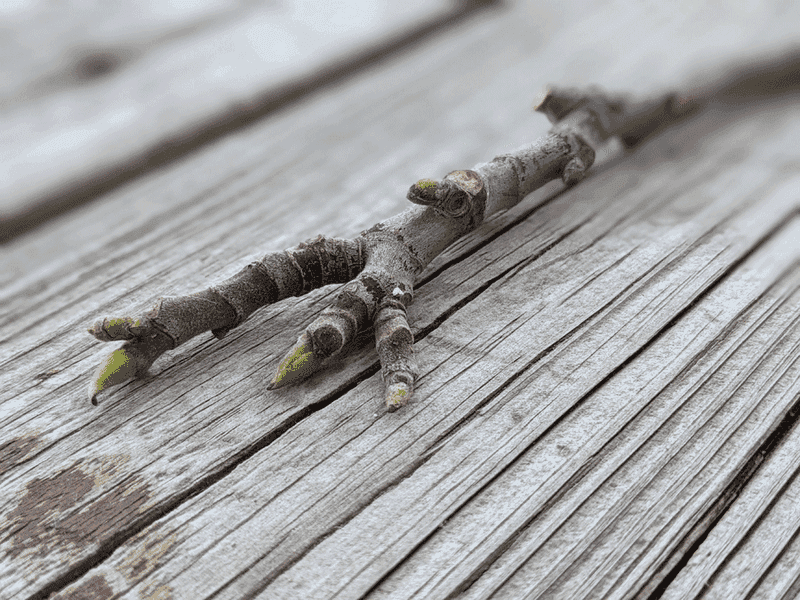
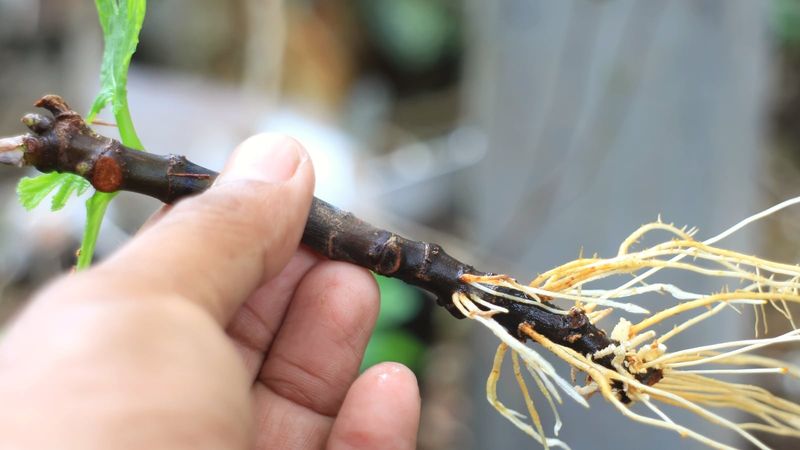
If you know someone with a healthy fig, a cutting can be a low-cost way to start your own. Dormant hardwood cuttings are a recognized winter propagation method.
You only need leafless wood from last season, a pot, and patience.
The general method is simple. Root the cutting in a moist, porous medium, and keep it damp but not waterlogged, since soggy mix can rot the wood.
UF/IFAS describes rooting dormant cuttings this way, and Rutgers Cooperative Extension advises protecting young plants from cold.
Details vary by region. UGA recommends pieces of one-year-old wood about 8 to 10 inches long, taken in late February.
Other Extension offices may suggest a different schedule or method, so treat that as one example rather than a universal recipe. Check the guidance for your own state.
Wear gloves when you make cuts, because fig sap can irritate skin. Label the pot with the variety and date, and keep it somewhere that stays above freezing.
Not every cutting will root, so starting a few gives you better odds.
Find the sunny, well-drained place before planting
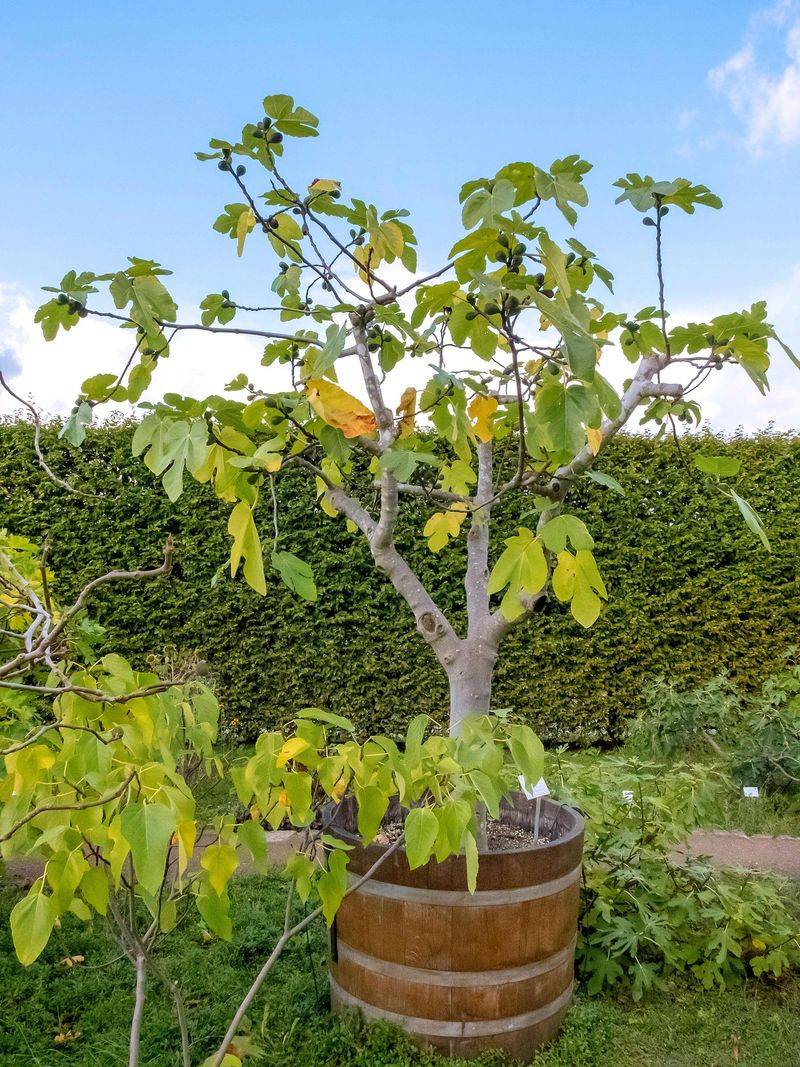
Winter is a good moment to watch how sunlight moves across your yard. Figs want full sun, meaning at least eight hours during the growing season.
Since trees are bare now, remember to picture where shade from leafy trees and fences will fall once spring arrives.
Drainage is the other half of the picture. UGA Extension notes that figs grow in a range of soil types, but Rutgers Cooperative Extension cautions against poorly drained ground.
After a heavy rain, look for spots where water pools for a long time and cross those off your list.
Connect the site to your climate choice. If winters are harsh where you live, a sheltered location near a wall may suit the tree.
If no protected spot exists, a container on a sunny patio may be the better plan, since you can move it indoors to an unheated garage or similar space.
Mark your chosen spot with a stake so you can find it again in spring. Once that is done, you will be ready to plant as soon as your local conditions allow.
Plant dormant stock only when local conditions allow
Once your site is ready, the question becomes when to plant. There is no single calendar date that works nationwide.
Your best guide is a mix of the nursery’s instructions, your local Extension office, and what the soil is doing right now.
Bare-root and container plants are handled differently. Bare-root trees are sold dormant with no soil around the roots, so they are often planted while still leafless.
Container-grown plants may be transplanted later than bare-root ones, but that does not make frozen ground suitable. Maryland Extension advises planting only when the soil is not frozen.
Regional advice shows why local guidance matters. UGA Extension says bare-root trees in middle and northern Georgia are best planted in spring after hard freezes pass, and Tennessee Extension recommends early spring.
Planting depth and pruning also vary. UGA suggests pruning about one-third of the top unless the nursery has already topped the tree, while Tennessee gives a different amount.
So skip any single cutback rule and follow the tag from your nursery plus your local Extension advice.
If the ground is frozen or soggy, heel the tree into a pot or hold it somewhere cool and protected, and keep the roots from drying out. Waiting a few weeks is far better than forcing a planting.
Protect young wood where winter can damage it
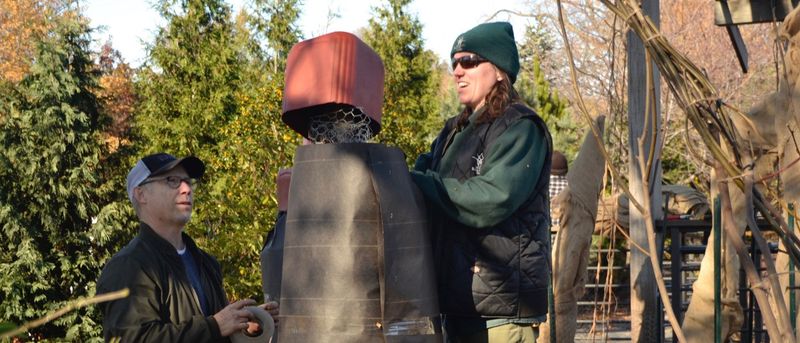
In colder regions, winter protection belongs in your plan from the start. Cold can injure or kill the wood above ground.
Maryland Extension says sustained temperatures below 20°F can harm aboveground wood in that state. That figure is regional guidance, so check what your own area’s Extension office says.
Penn State Extension describes protection methods for figs in Pennsylvania. Methods differ with climate and tree size, so follow guidance written for your region rather than copying one approach everywhere.
Damage does not always mean the end. A fig may survive and regrow from the base after a hard winter.
The catch is that the lost wood could have carried an early breba crop, so you may see leaves but no ripe fruit that season. Tennessee Extension notes that vigorous growth can be more vulnerable to winter injury, which is one reason not to push a young tree with heavy feeding.
When you prune dead or damaged stems, put on gloves and long sleeves. NC State Extension notes fig sap may irritate skin, and sunlight can make the reaction worse.
If sap gets on you, wash it off and stay out of strong sun.
Give your fig time to earn its first harvest
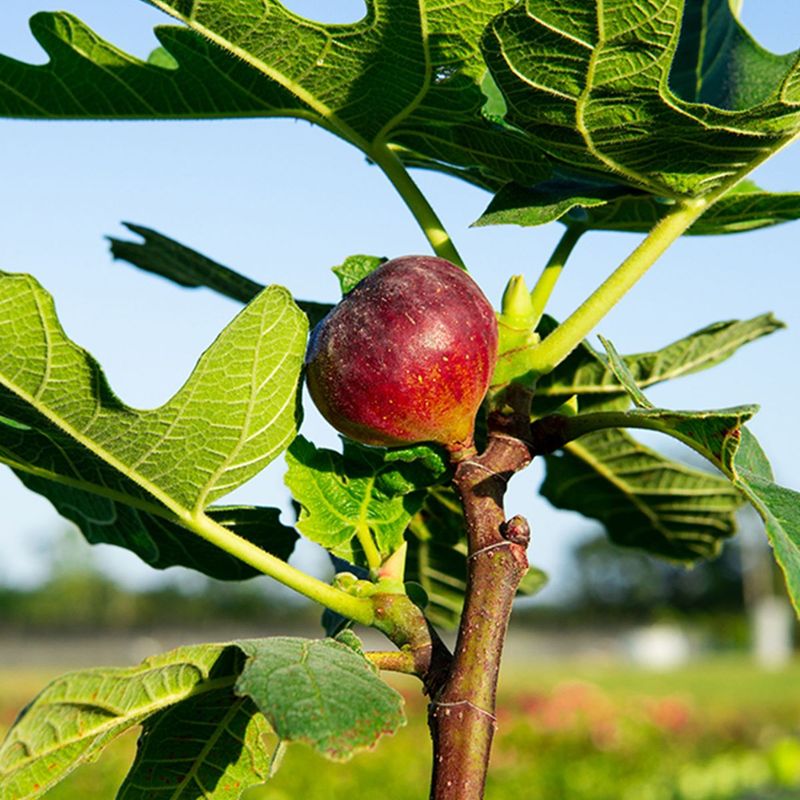
Here is the honest part: a fig planted this year probably will not fill your basket next summer. Maryland Extension says figs usually begin bearing in the second or third year after planting.
Rutgers says trees on their own roots begin bearing at 3 to 4 years. Cultivar, climate, plant size, and winter damage all shift that timeline.
It helps to know how figs fruit. The main crop forms on current-season growth.
Some cultivars also make an earlier breba crop on last year’s wood, and winter injury can wipe that out, as Tennessee Extension explains.
Your next step depends on where you are. Choose a fig suited to your climate, use winter to prepare the site or root a cutting, and plant outdoors once your soil and local timing allow.
Call your county Extension office if you are unsure about dates.
A fig rewards the gardener who waits, and the first ripe one tastes better for it.