
Here’s Exactly How And When To Cut Back Your Hydrangeas So Next Summer Brings The Most Blooms
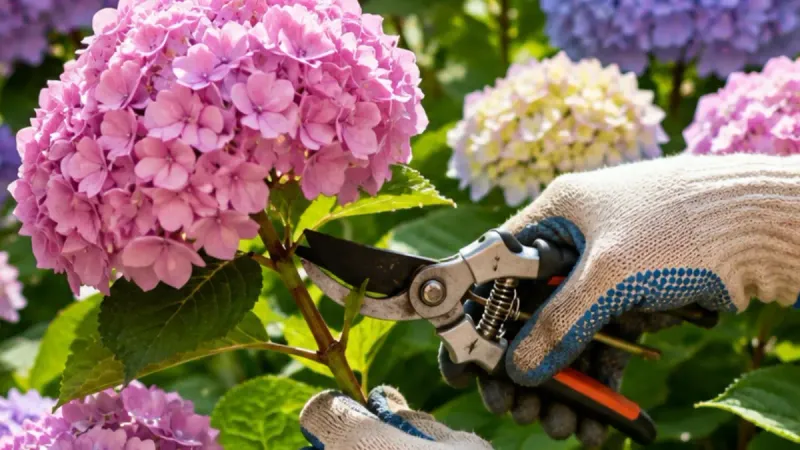
Pruning your hydrangeas at the wrong time of year can quietly wipe out every flower bud before next summer even starts. The fix is not complicated, but it does require knowing which type of hydrangea you have growing in your yard.
Some types set their flower buds on last year’s stems, while others grow fresh buds every spring, and that one difference changes everything about when you should pick up the pruners.
The pruning calendar depends on where next year’s buds form
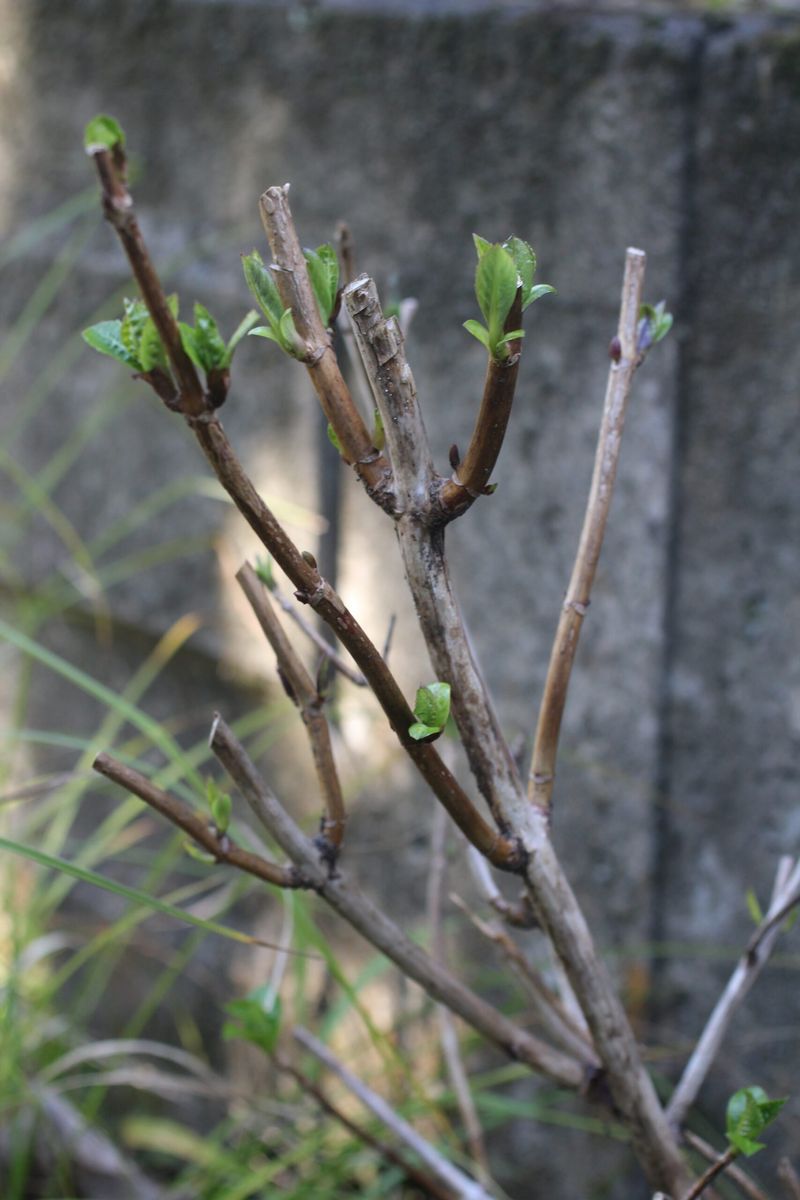
Flower buds on a hydrangea do not always form where you might expect. Some hydrangeas set their buds on stems that grew during the previous season, which gardeners call “old wood.” Cut those stems down in fall or winter and you remove the buds that were already waiting to open next summer, which is why the timing of any cut matters so much.
New-wood bloomers work differently. They push out fresh growth each spring and form flower buds on that new growth, so a winter cut does not erase next year’s display the way it would on an old-wood type.
Illinois Extension’s guidance on hydrangea pruning timing makes clear that getting this distinction right is the single most important step before reaching for the shears.
Fall pruning is not automatically the wrong move for every hydrangea in your yard. The risk is real for old-wood types, but new-wood bloomers are far more forgiving of cuts made later in the season.
University of Minnesota Extension’s hydrangea pruning resource reinforces that the pruning window depends on the specific plant, not on a single rule that applies to all hydrangeas.
Before making any major cuts, take a moment to identify what you have. Pruning cannot guarantee a spectacular bloom season on its own, and cutting at the wrong time can set a plant back rather than helping it.
Knowing your hydrangea type first puts you in the best position to make a confident, well-timed decision.
Can you identify your hydrangea before you prune?
Your best starting point is the plant label or the cultivar name, if you still have either. A tag tucked in the soil near the base, an old receipt from the nursery, or even a photo you took at planting can tell you the species and save you from a costly guessing game.
When that information is gone, leaf and flower shape can offer useful clues, though they are not foolproof on their own.
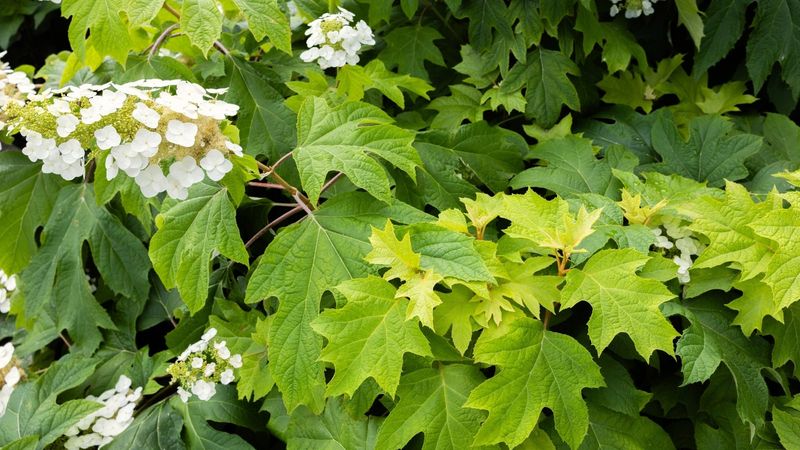
Leaves shaped like a lobed oak leaf point strongly toward oakleaf hydrangea, a reliable old-wood bloomer. Cone-shaped or elongated flower clusters are a common feature of panicle hydrangeas, which are new-wood bloomers.
Rounded, dome-shaped flower clusters appear frequently on smooth hydrangeas, another new-wood type. UGA Extension’s guide to identifying hydrangeas before pruning walks through these visual clues in helpful detail.
The trickier comparison is between bigleaf and mountain hydrangeas. Both tend to have broad, rounded leaves and similar flower forms, and both are primarily old-wood bloomers, but appearance alone may not settle which one you have.
Illinois Extension’s how-to guide on pruning hydrangeas cautions that visual identification has real limits and recommends confirming the cultivar name whenever possible.
When you genuinely cannot identify the plant, the cautious move is to hold off on any major shaping cuts until you can gather more information. A season of patience costs far less than a summer with no flowers.
Prune old-wood hydrangeas soon after bloom only if needed
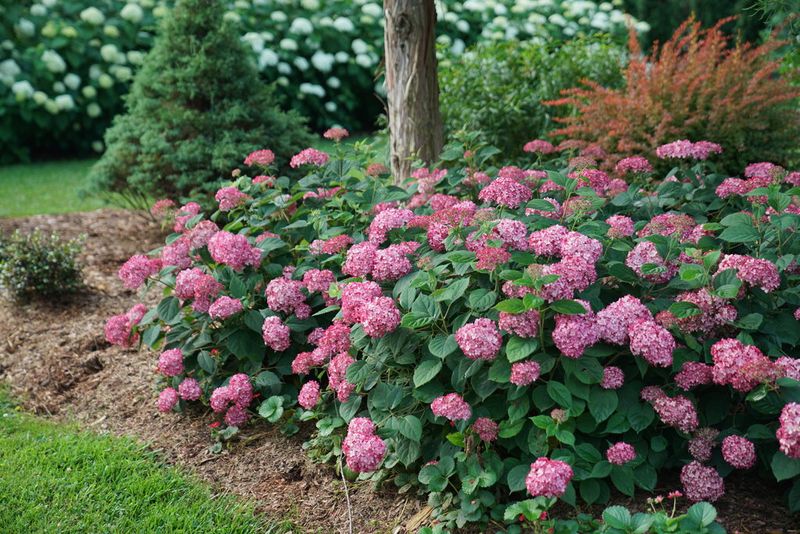
Bigleaf hydrangeas, oakleaf hydrangeas, mountain hydrangeas, and climbing hydrangeas all belong to the old-wood group. Each one carries next summer’s flower buds on the stems it grew this year, which means those stems need to stay intact through fall and winter.
A hard cutback in October or November on any of these plants is essentially pruning away next year’s blooms before they ever get a chance to open.
What often surprises gardeners is that many of these plants do not need routine pruning at all. Oregon State University Extension’s overview of hydrangea care notes that old-wood types can thrive for years with minimal intervention, and that unnecessary cutting can do more harm than good.
Healthy, well-sited plants in the right amount of space often need nothing more than the removal of dead or damaged stems.
If your plant has genuinely outgrown its spot, or if the shape has become unruly, pruning is a reasonable choice, but the timing matters. University of Missouri Extension’s guidance on mophead and lacecap hydrangeas recommends making any size or shape cuts shortly after the plant finishes blooming.
That window, typically in early to mid-summer depending on your region, gives the plant enough time to grow new stems and set buds for the following year before cold weather arrives.
Pruning soon after bloom is the right move when there is a specific reason for it, not a step to add to an annual routine. Illinois Extension’s detailed pruning guide is clear that old-wood hydrangeas do not require cutting back every year, and that restraint is often the better approach for keeping these plants flowering reliably.
Prune panicle and smooth hydrangeas before spring growth
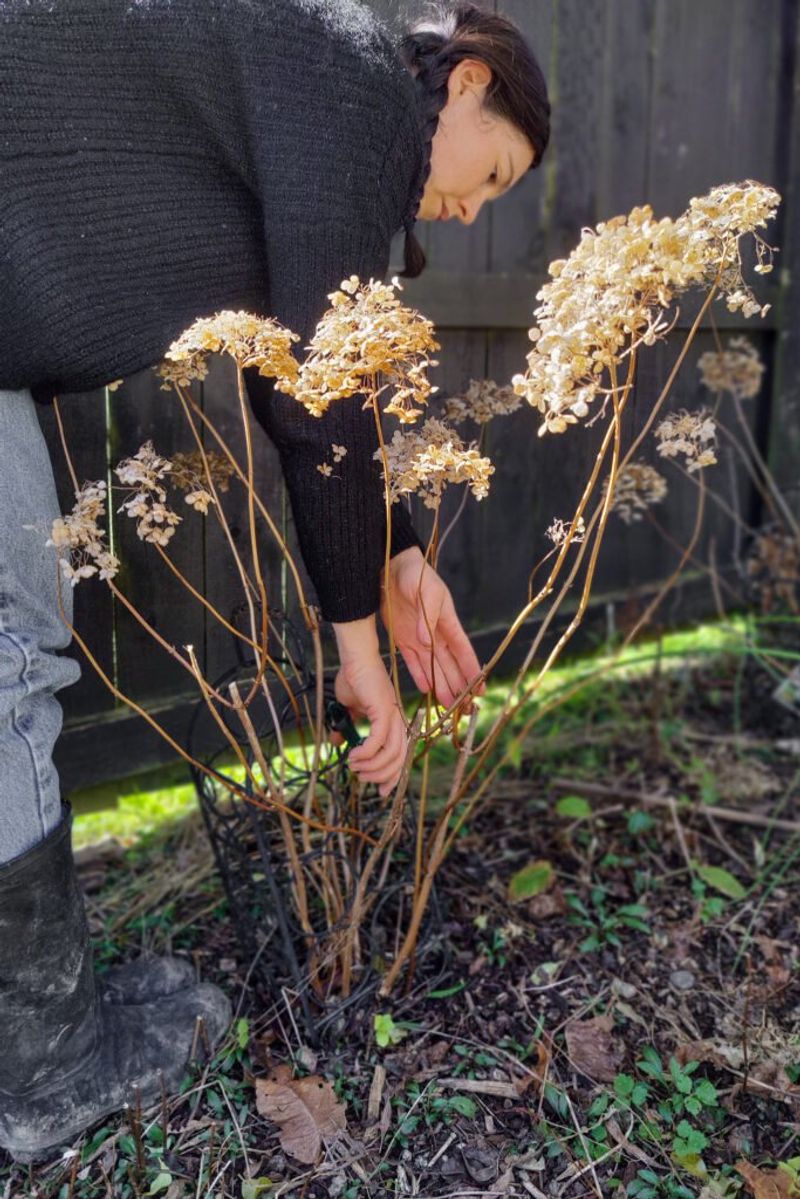
Panicle hydrangeas and smooth hydrangeas operate on a completely different schedule from their old-wood relatives. Both types form their flower buds on new growth that emerges each spring, which means the stems from last year do not carry next summer’s blooms.
Cutting them back in late winter or early spring, before that new growth begins, removes only old wood and leaves the plant ready to push out a fresh set of flowering stems.
Illinois Extension’s pruning guide identifies late winter to early spring, before new growth starts, as the standard recommended window for both panicle and smooth hydrangeas. University of Minnesota Extension echoes that guidance, noting that these new-wood bloomers are considerably more flexible about timing than old-wood types.
Fall pruning on panicle and smooth hydrangeas will not erase next year’s buds the way it would on a bigleaf or oakleaf plant, but Illinois Extension’s timing overview still places late winter or early spring as the preferred season rather than fall. Waiting until just before growth resumes lets you assess winter damage clearly before you cut.
A hard cutback is sometimes described as an option for smooth hydrangeas, but it is not a requirement. How much you remove depends on the size and form you want, not on a rule that more cutting always leads to more flowers.
Adjust the pruning to fit the plant and the space rather than following a one-size approach.
Start with damaged stems, not a drastic cutback
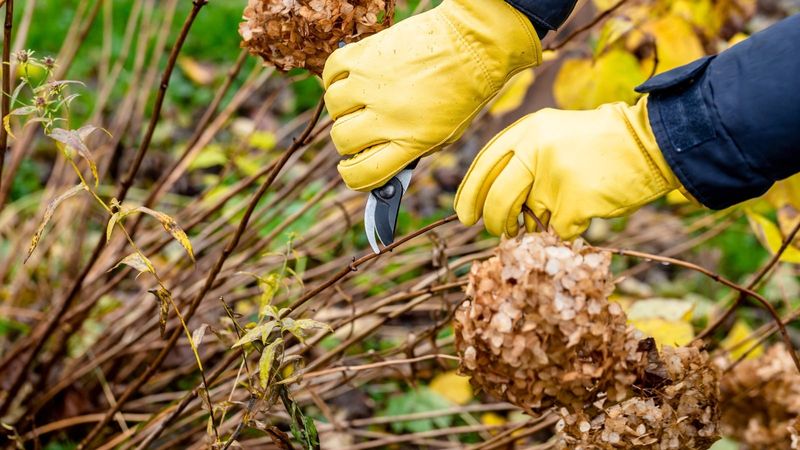
Regardless of which hydrangea type you have, the most sensible place to start is with stems that are already dead, damaged, or showing signs of disease. Removing those stems does not require knowing the exact pruning window for your plant, and it improves the look and health of the shrub without any risk of cutting off next year’s buds.
Think of it as cleanup rather than pruning in the traditional sense.
Penn State Extension’s guide to pruning deciduous shrubs recommends using sharp tools sized appropriately for the branch, since clean cuts heal faster and cause less stress to the plant than ragged ones made with dull or oversized equipment. Hand pruners work well for small stems, while loppers handle thicker wood more cleanly.
Once the dead and damaged material is gone, pause before going further. Illinois Extension advises against major shaping cuts when you are not certain of the hydrangea’s type, and that caution is worth taking seriously.
A well-placed cut on the wrong plant at the wrong time can mean a full season without flowers.
Cutting more does not translate to more blooms. Shaping and size control are legitimate reasons to prune, but they are separate from the basic cleanup step, and they require knowing both the plant type and the right timing before you act.
When in doubt, do less and gather more information before the next growing season.
Some bigleaf cultivars rebloom, but the exception is specific
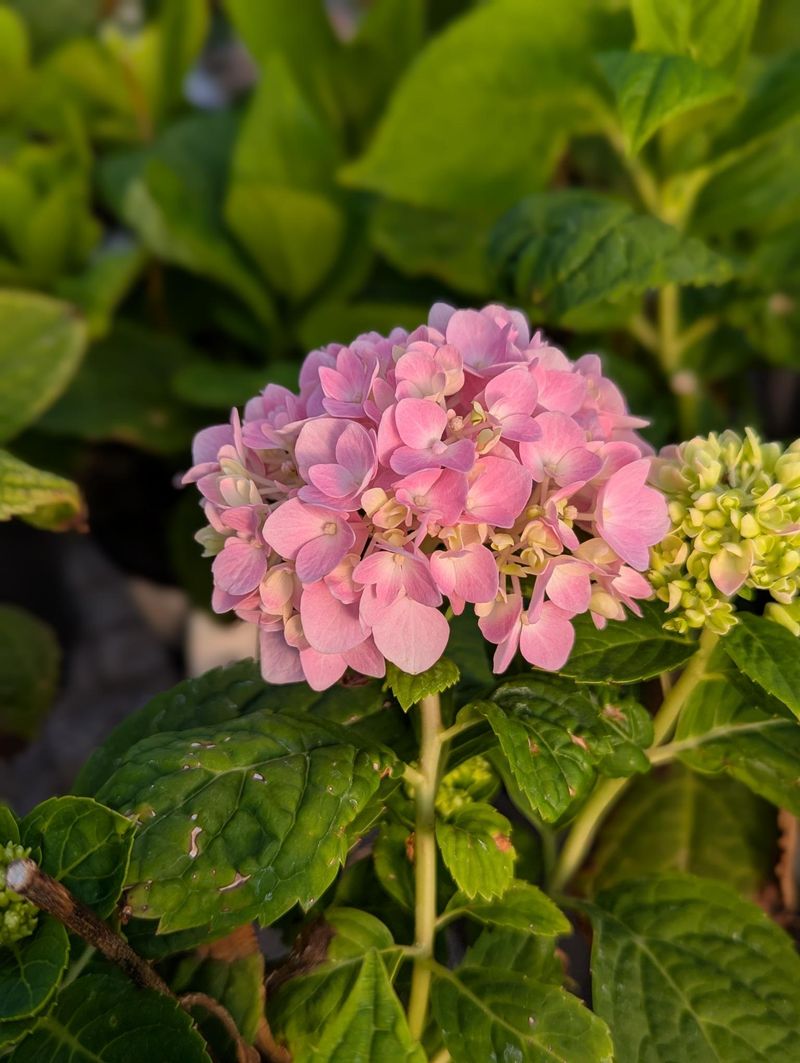
A subset of bigleaf hydrangeas has been bred to flower on both old and new wood, which means they can produce blooms even after winter cold or an ill-timed cut removes the buds on older stems. These reblooming cultivars are a genuine exception within the bigleaf group, and they have given many gardeners a more forgiving experience with a species that traditionally required careful timing.
The catch is that this flexibility belongs to specific cultivars, not to bigleaf hydrangeas as a whole. UGA Extension’s hydrangea identification guide is direct on this point: you need to confirm the cultivar name rather than assume a plant rebloom based on its brand, the shape of its flower heads, or how it looks in the garden.
A mophead flower form, for example, appears on both traditional and reblooming bigleaf types and tells you nothing reliable about pruning tolerance on its own.
Penn State Extension’s species-by-species pruning guide reinforces that even confirmed reblooming cultivars benefit from thoughtful timing and that treating them as interchangeable with panicle or smooth hydrangeas is a mistake. The reblooming trait is a safety net, not a license to prune freely at any point in the season.
When you are unsure whether your bigleaf hydrangea is a reblooming cultivar, treat it as a standard old-wood bloomer until you can verify the cultivar name. That conservative approach protects the buds that are already there.
Poor flowering may have causes besides pruning
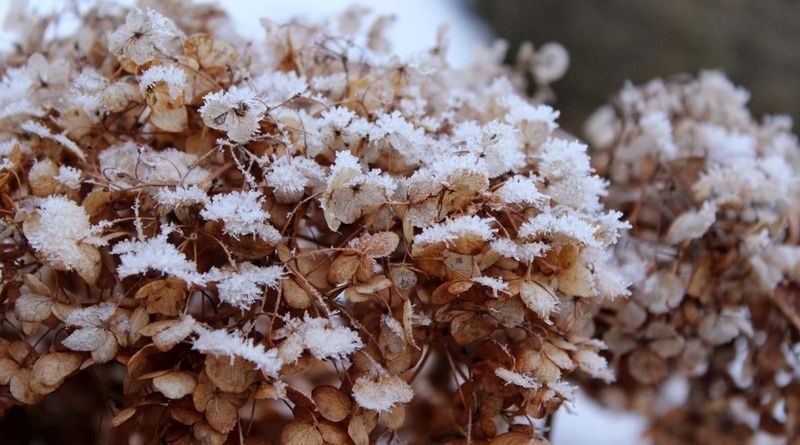
A hydrangea that produced far fewer flowers than expected last summer does not automatically point to a pruning problem. Two of the most common culprits are inadequate sunlight and cold or frost damage to developing buds, and neither one is fixed by adjusting when you prune.
Most hydrangeas need several hours of direct sun each day, and a plant tucked under a dense canopy may simply lack the light it needs to bloom well.
Late frosts are another frequent offender, particularly for old-wood types whose buds are already formed and sitting on the stems through late winter and early spring. A hard frost after buds begin to swell can kill them quietly, leaving the plant with healthy-looking foliage but no flowers.
Illinois Extension lists both sun exposure and cold damage as reasons a hydrangea may fail to bloom, separate from any pruning decision.
Penn State Extension’s resource on why hydrangeas fail to bloom offers a useful checklist for working through possible causes before assuming pruning is the issue. Connecting that diagnosis to your pruning history is worth doing: if the plant has been cut back at the wrong time repeatedly, that history matters, but so does the site’s sun exposure and the region’s recent frost patterns.
Pruning at the right time helps protect existing buds and supports healthy growth, but it cannot compensate for a shadowy location or an unusually cold spring. Addressing the right cause leads to a better outcome than adjusting the pruning calendar alone.
Identify the type before choosing the season
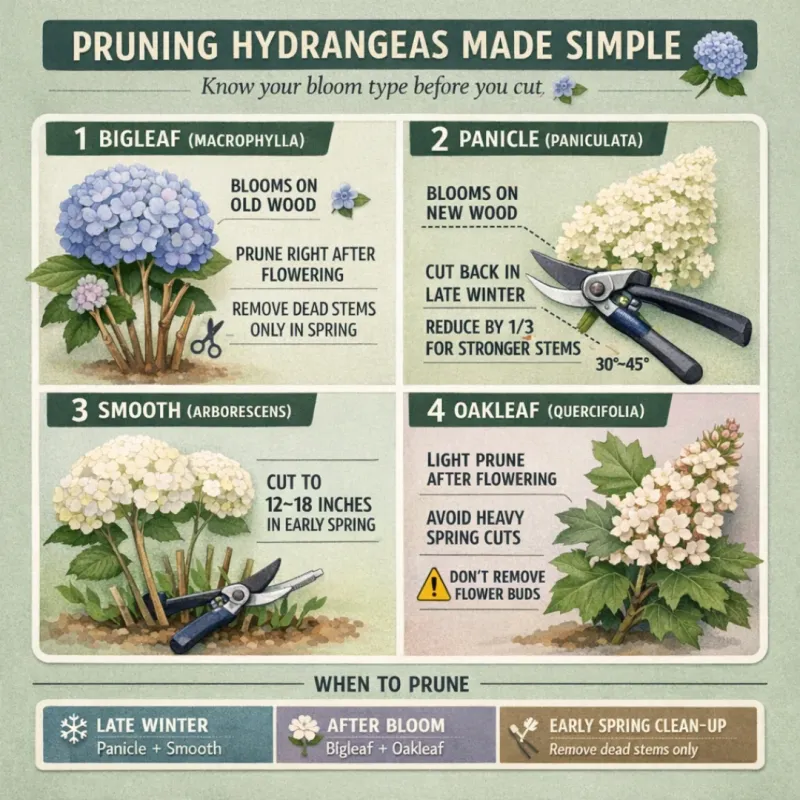
A straightforward action plan starts with one question: which type of hydrangea is growing in your yard? Confirm the species or cultivar name if you can, then use that information to set your pruning window rather than picking a calendar date that may not fit your plant.
For old-wood types, skip fall and winter shaping cuts entirely. If the plant genuinely needs size control or reshaping, schedule that work for shortly after it finishes blooming.
For panicle and smooth hydrangeas, plan any pruning for late winter or early spring before new growth begins. Illinois Extension and University of Minnesota Extension both frame timing in these seasonal terms rather than fixed dates, because local climate determines exactly when those windows open.
Pruning at the right time protects the buds already on the plant, but it is not a guarantee of a spectacular bloom season. Knowing your hydrangea well enough to leave it alone when it does not need cutting is just as valuable a skill as knowing when to prune.