
If Your Hydrangea Buds Browned And Died Before Opening, Here Are 7 Winter Mistakes To Stop Now
You waited all spring for big hydrangea blooms, and instead the buds turned brown, dried up, and fell off. That heartbreak usually starts months earlier, during the cold season, when a few simple habits quietly damage next year’s flowers.
The good news is that most of these problems are easy to fix once you know what to look for. Here are seven winter mistakes that may be stealing your blooms, plus what to do instead.
1. Pruning at the Wrong Time
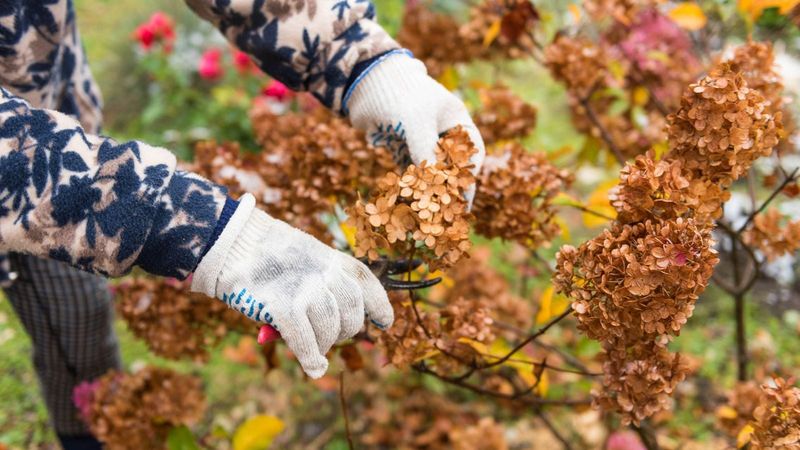
A quick fall cleanup feels productive, but for bigleaf hydrangeas it can be the single biggest reason for a bloomless summer. Mophead and lacecap types form next year’s flower buds on this year’s stems, often by late summer.
Snip those stems in October and you have cut off every future flower.
Late cuts also leave fresh wounds right before freezing weather arrives. Those open ends can dry out and die back, taking nearby buds with them.
Here is the simple rule. Prune old wood hydrangeas, like bigleaf and oakleaf, right after they finish blooming in summer.
Prune new wood types, like panicle and smooth hydrangeas such as Annabelle, in late winter or early spring. If you are not sure which kind you have, leave it alone this winter and watch where flowers appear next year.
2. Skipping Winter Protection
Picture a sweater with holes in it. That is roughly what a bare bigleaf hydrangea faces in a cold zone, with its tender buds sitting right at the tips of exposed stems.
Bigleaf hydrangeas are often only borderline hardy in colder parts of the US, especially zones 5 and 6. Roots may survive just fine while the flower buds freeze solid.
The fix costs very little.
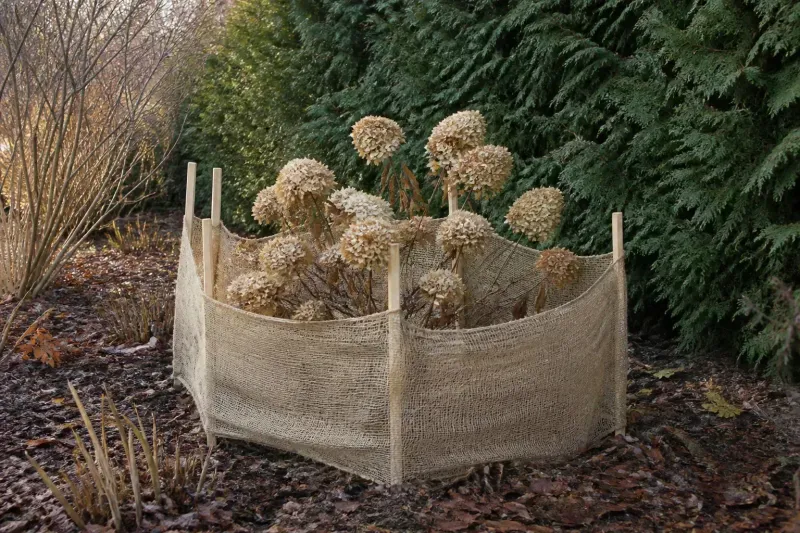
Once the ground freezes, circle the shrub with stakes and chicken wire, then fill the cage loosely with dry leaves or pine straw. A burlap wrap around the outside adds a windbreak.
Avoid plastic, which traps heat and moisture and can cook buds on sunny days. Remove the cage gradually in spring once hard freezes are behind you.
3. Letting the Soil Go Dry Before Freeze-Up
Winter drought sounds strange, yet it is one of the sneakiest bud killers out there. Cold, dry wind keeps pulling moisture out of stems and buds even when the plant looks asleep.
If the roots head into winter thirsty, they cannot replace that lost water. Buds slowly dry out, and by spring they are brown and papery instead of green and swelling.
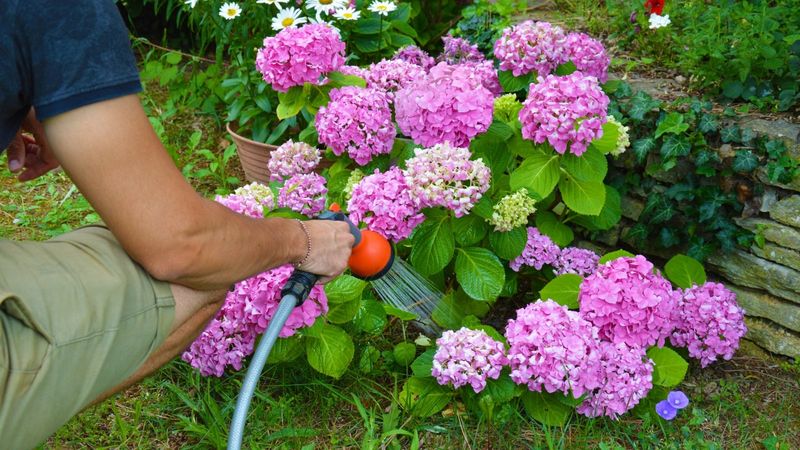
Give your hydrangea a deep soak every week or so through fall if rain is scarce, right up until the ground freezes. Aim for slow watering at the base rather than a quick splash.
In milder southern areas where soil rarely freezes, check moisture during dry winter spells and water lightly when the top couple of inches feel dry.
4. Fertilizing Too Late in the Year
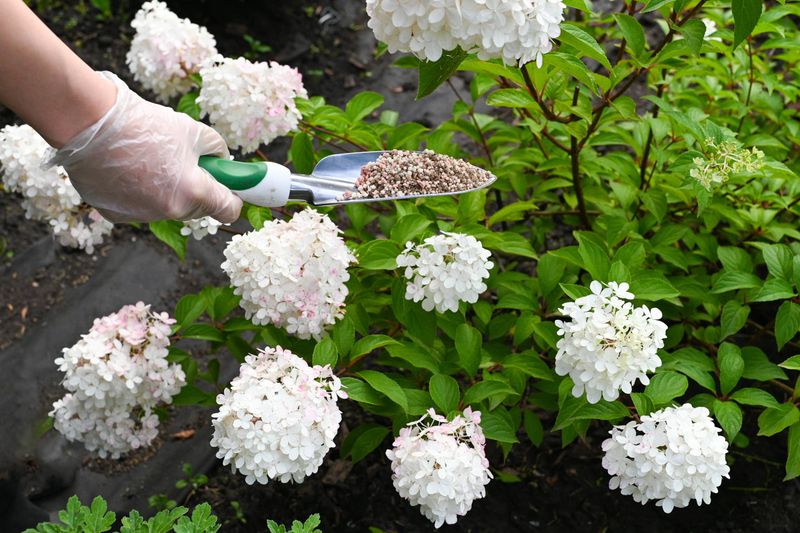
Kind intentions can backfire. A late summer feeding tells your hydrangea to push out soft new shoots at exactly the wrong moment.
That fresh growth does not have time to toughen up before frost. When cold hits, those tender stems and any buds on them are usually the first to die.
The result can be delayed or sparse blooms come spring.
Stop fertilizing hydrangeas by about mid-August in most of the US. One light feeding in spring as growth begins is plenty for many gardens.
Let the plant slow down naturally in fall so it can harden off.
5. Going Light on Mulch
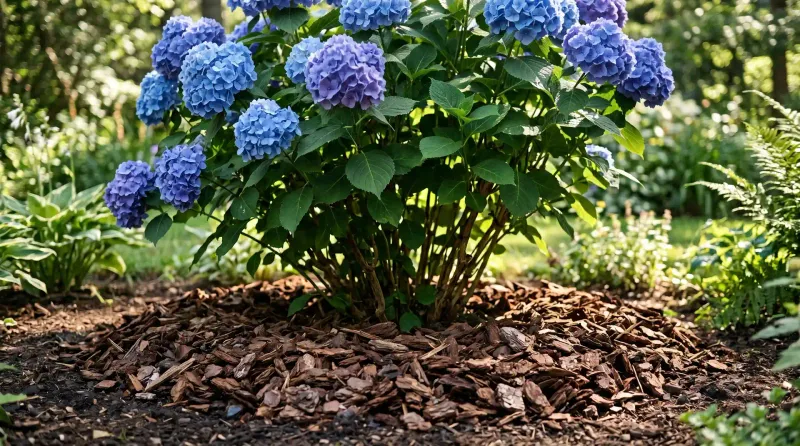
Ever notice a plant looking lifted out of the ground after winter? That is frost heaving, and a thin or missing mulch layer makes it much more likely.
As soil freezes and thaws over and over, it can push roots upward and tear fine root hairs. A stressed root system struggles to feed and water the buds above it.
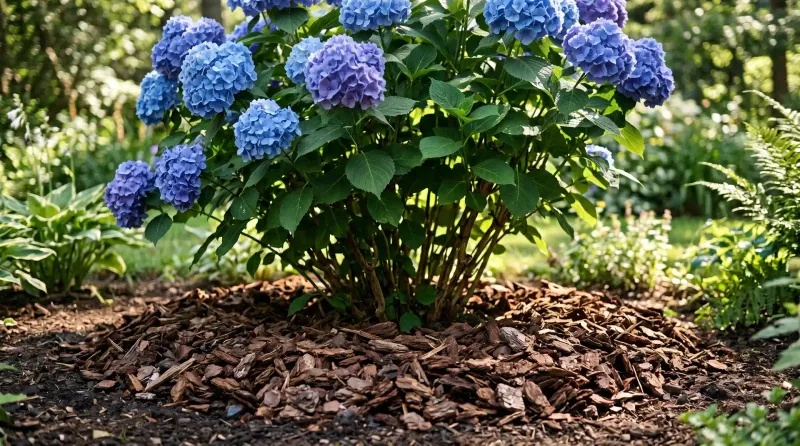
Spread 2 to 3 inches of shredded bark, pine needles, or chopped leaves around the base in late fall. Keep it a couple of inches back from the stems to discourage rot.
Mulch holds moisture and evens out soil temperature, a simple layer that does a lot of quiet work.
6. Planting in a Windy, Exposed Spot
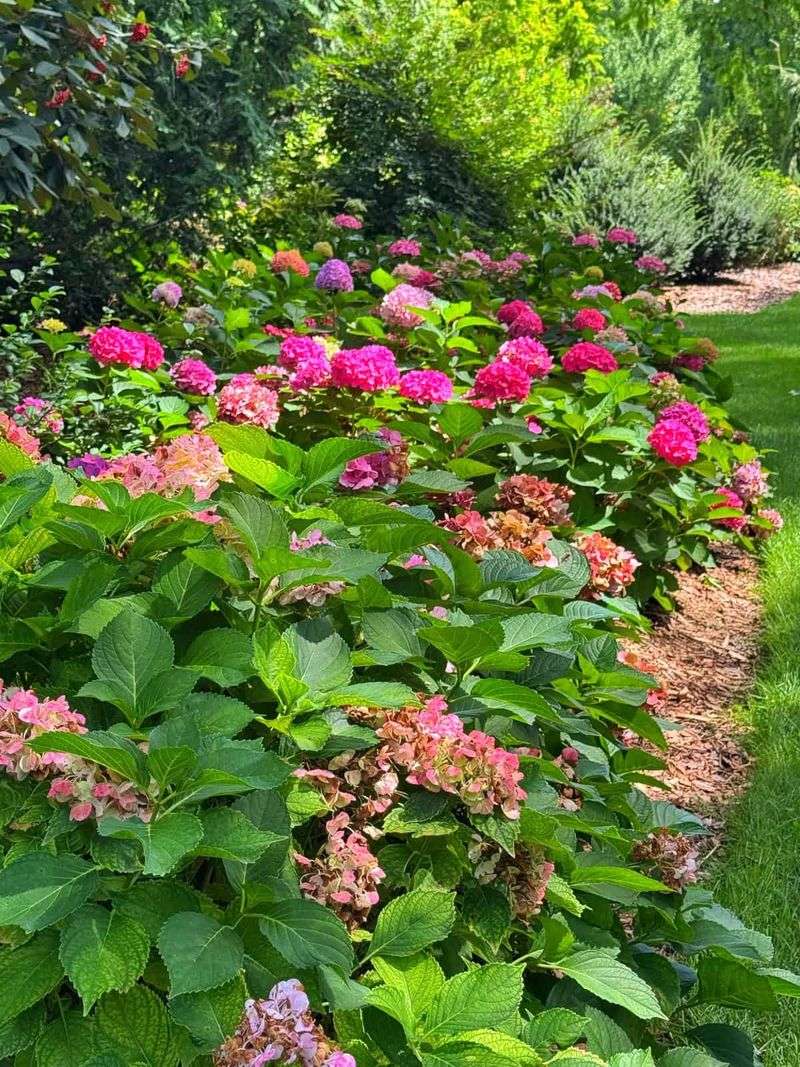
Some yards have that one corner where the wind never quits. Put a bigleaf hydrangea there, and winter gusts can dry out and scorch its buds long before spring.
Harsh wind plus sudden temperature drops is a rough combo, especially early in the season before the plant fully hardens. Buds on the windy side often brown first, which is a handy clue.
If your shrub sits in a wind tunnel, set up a burlap screen on the exposed side for winter. For a longer-term fix, consider moving it in early fall or spring to a sheltered spot near a fence, wall, or evergreen hedge.
Morning sun with protection from biting winter winds tends to suit hydrangeas well.
7. Ignoring Late Spring Frost Warnings
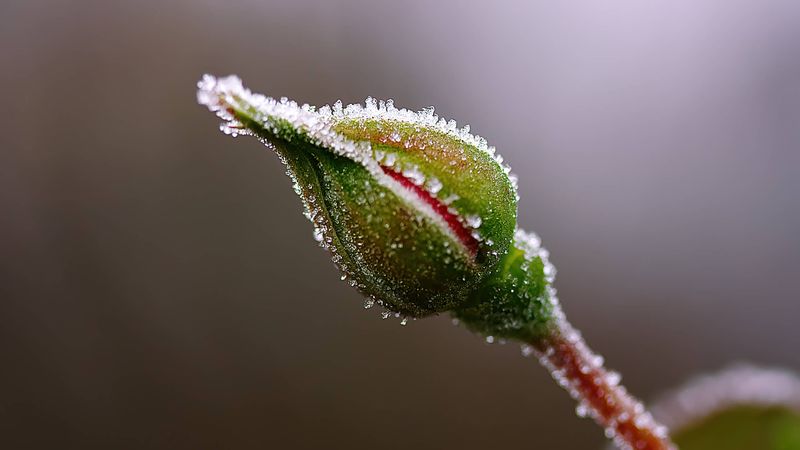
You made it through winter, the buds are swelling, and then one cold April night undoes everything. Late frosts are brutal because they hit just when new shoots are most tender.
Frost-bitten buds often turn black or brown within a day or two. Unwrapping winter protection too early during a warm spell is a common way this happens.
Keep an eye on the forecast through spring. If frost is predicted after growth starts, drape the shrub with frost cloth, an old sheet, or a warming fleece in the evening and remove it the next morning.
That small effort may save a whole season of blooms.
One more tip worth saving: if some buds are lost, many reblooming varieties like Endless Summer can still flower on new growth later in the season.