
If Aphids Keep Colonizing Your Fall Broccoli, These Companion Plants Send Them Looking Elsewhere
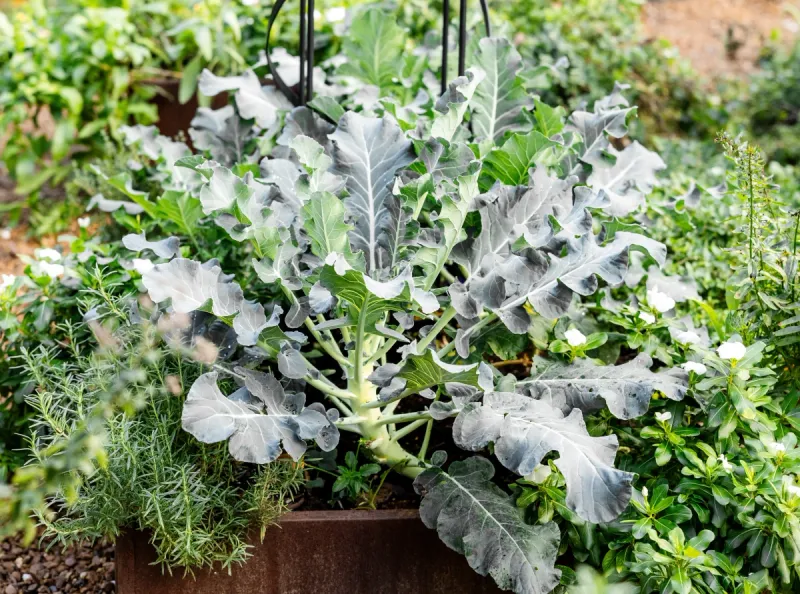
Aphids love fall broccoli almost as much as we do, and they show up in soft green clusters right where the leaves meet the stem. Once a few settle in, they multiply fast and can leave your plants sticky, curled, and stunted before harvest. The good news is that you do not have to reach for chemical sprays to fight back. Tucking a few smart companion plants around your broccoli can confuse, repel, or distract these pests and send them hunting for an easier meal somewhere else.
1. Nasturtiums
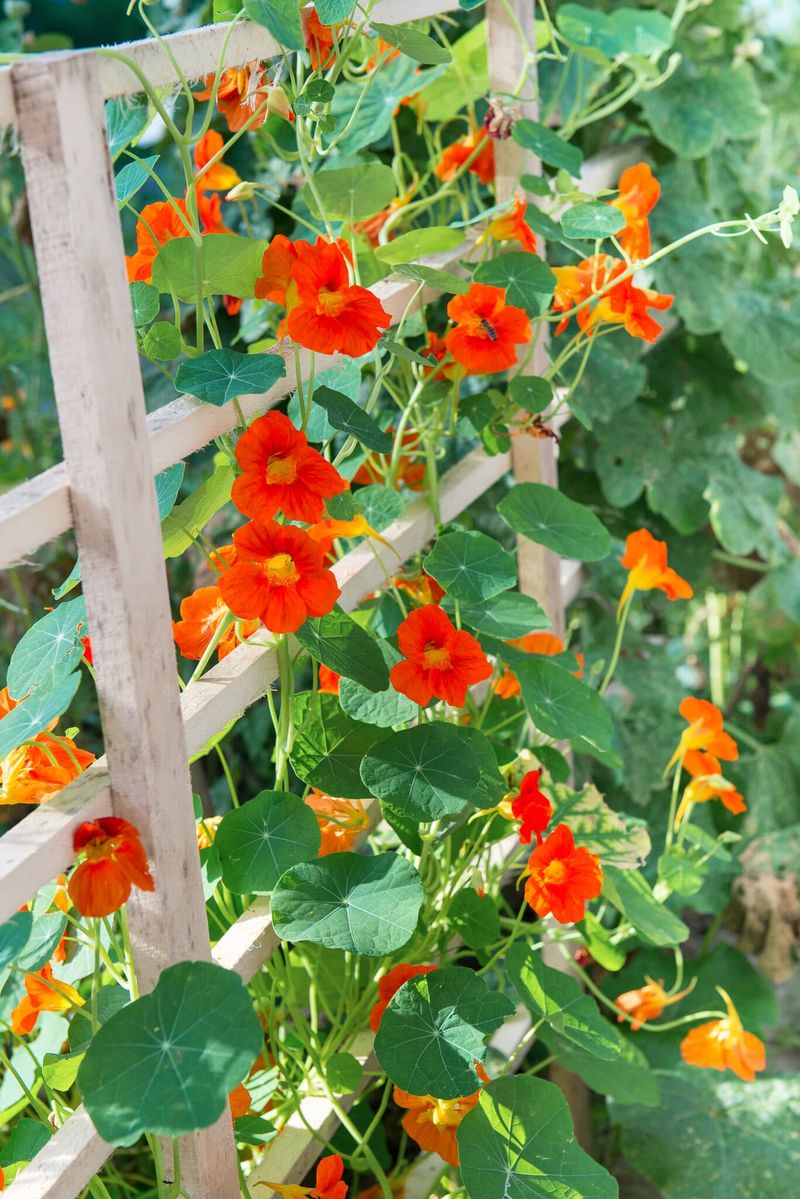
Gardeners have a nickname for nasturtiums that tells you everything: trap crop. Aphids find these peppery-scented plants irresistible and pile onto them instead of your broccoli, essentially volunteering to sit in one easy-to-monitor spot.
Plant them a foot or two away from your brassica bed so the aphids have somewhere tempting to gather. When a nasturtium leaf gets crowded, you can snip it off and toss the whole colony, or blast it with water without ever touching your broccoli.
They also pull double duty by drawing in hoverflies and ladybugs, both of which treat aphids as an all-you-can-eat buffet. The trailing varieties spill nicely over the edge of a raised bed, and the flowers are edible with a spicy, radish-like bite. In most US zones you can direct-sow them in late summer for a fall show that keeps working right up until frost.
2. Garlic
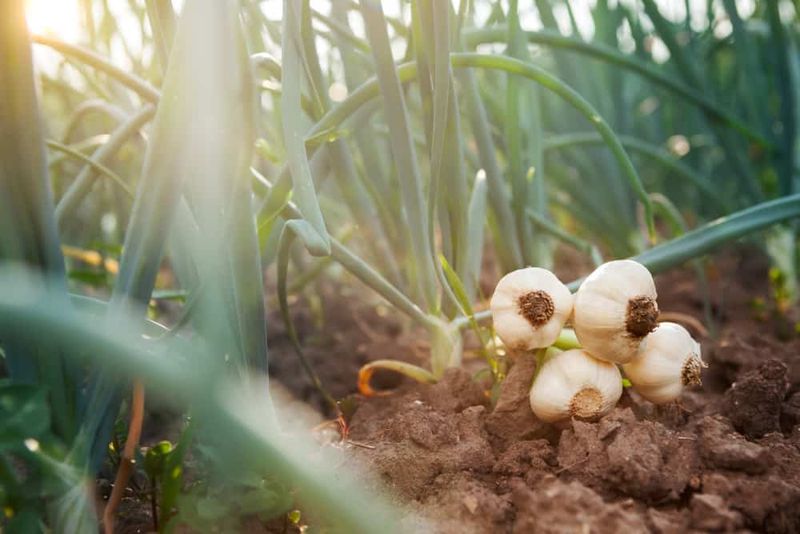
Few smells clear a room like fresh garlic, and aphids seem to agree. The sulfur compounds that give garlic its punch also mask the scent aphids use to zero in on broccoli, so they drift right past your bed looking for a clearer target.
Slip cloves in between broccoli plants in fall and they will quietly stand guard through the cool months while sizing up for a summer harvest. Because garlic stays narrow and upright, it barely competes for space or light.
If you want a faster effect, crush a few extra cloves into a homemade water spray for the leaves. That said, letting the living plants do the work means you get pest protection and a future crop from the same square foot. It is one of the most low-effort deterrents you can plant.
3. Chives
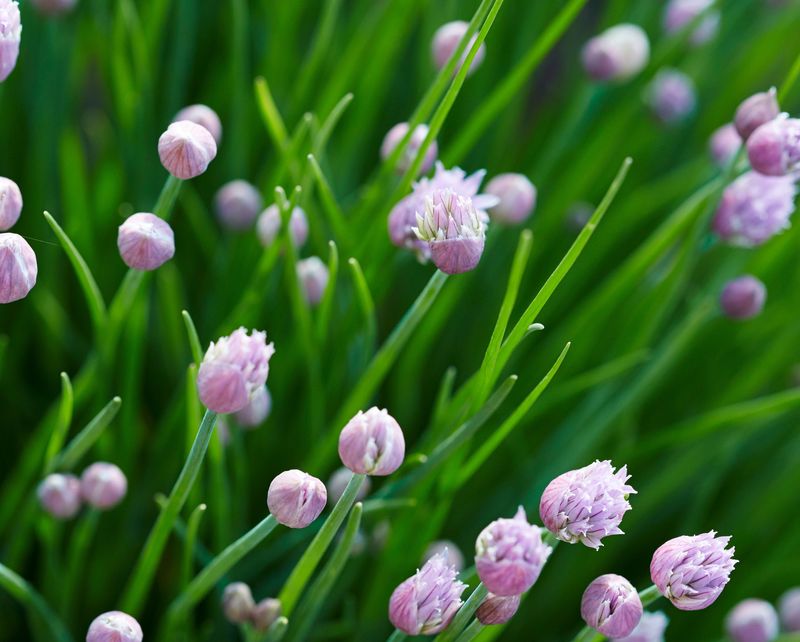
Think of chives as garlic’s gentler cousin, offering the same onion-family scent in a tidy grassy clump that fits almost anywhere. The oniony aroma throws off aphids and other soft-bodied pests that would otherwise home in on tender broccoli leaves.
Unlike bulbing garlic, chives are a perennial in many US backyards, so a single planting keeps coming back season after season. Tuck a clump at the corner of your fall bed or in a nearby pot and it will hold its ground without spreading out of control.
When they bloom, those lavender-purple pom-pom flowers pull in pollinators and beneficial insects, adding another layer of defense. Snip the leaves for the kitchen all season and the plant just keeps producing. Few companions give you this much return for so little fuss.
4. Marigolds
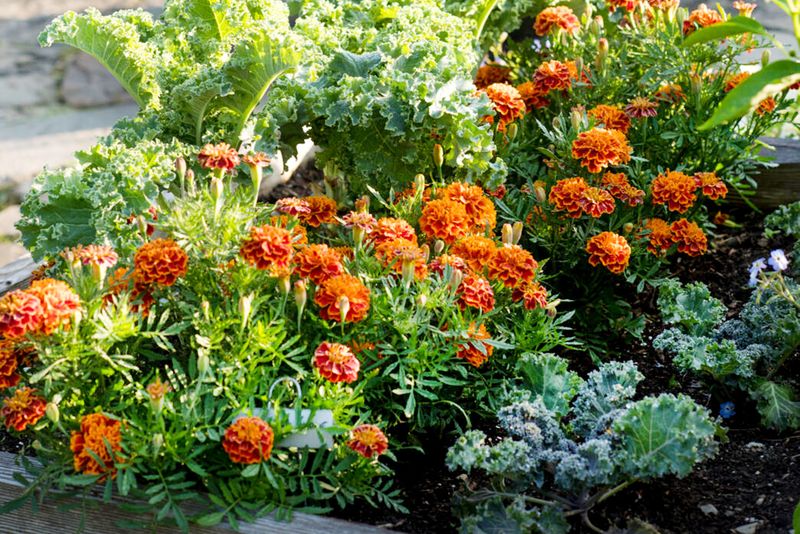
Marigolds earn their reputation as the garden’s bodyguard, and their strong, musky scent is a big reason why. That smell muddles the signals aphids rely on, making it harder for them to find and settle on your broccoli.
French marigolds in particular are famous for their all-around pest resistance, and they thrive in the cooler edges of fall before frost finally takes them down. A ring of them around a brassica bed gives you a bright border and a working scent barrier at the same time.
Here is a bonus worth knowing: the roots may help suppress harmful root-knot nematodes lurking in the soil, so the benefits reach below ground too. Between the color, the fragrance, and the insects they attract, marigolds pack a lot of protection into a cheerful little package that any beginner can grow from seed.
5. Dill
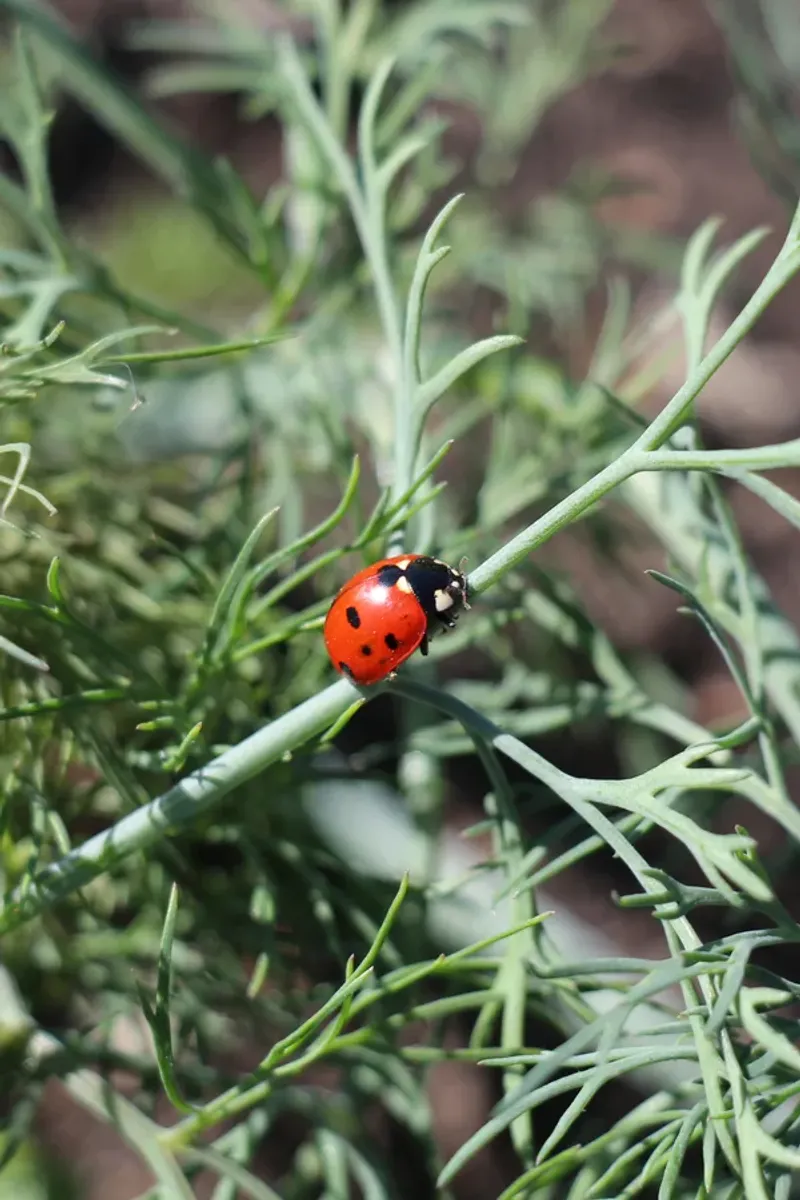
Let a little dill flower near your broccoli and you have basically hung a welcome sign for the aphid patrol. The lacy yellow blooms are a magnet for ladybugs, lacewings, and parasitic wasps, all of which happily hunt aphids for you.
Rather than repelling pests with scent alone, dill works by recruiting an army of predators that keep colonies from ever getting a foothold. It is a slightly different strategy than the strong-smelling onions and marigolds, and pairing the two approaches makes your bed harder to invade.
Sow it a short distance from your broccoli so the feathery foliage does not crowd anything, and let a few plants bolt so the flowers can open. You get free seasoning for the kitchen and a squad of beneficial bugs standing watch. When aphid predators are thriving, the pests rarely stand a chance.
6. Mint
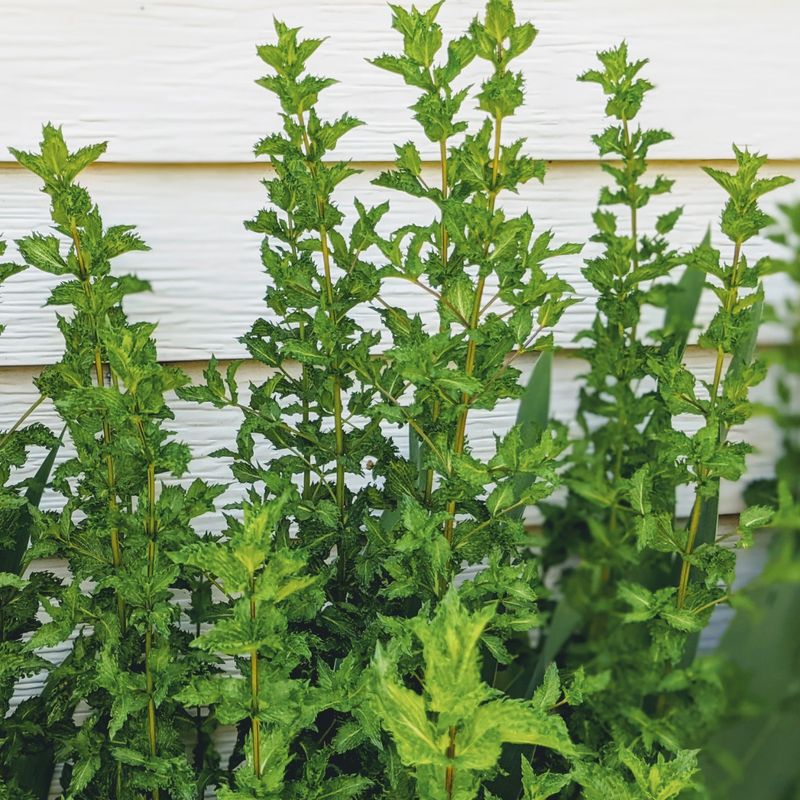
Mint hits your nose the second you brush past it, and aphids find that cool, sharp aroma just as overwhelming. Planted near broccoli, it helps cloud the air with a scent that makes the bed far less obvious to searching pests.
One word of caution keeps mint from becoming a headache: it spreads aggressively through underground runners and will take over a bed if you let it. Keep it in a buried pot or a container set beside your broccoli so you get the aromatic benefit without the invasion.
Beyond aphids, the smell tends to discourage cabbage moths and even a few furry visitors that nibble on greens. Rub a leaf or two and you will understand instantly why bugs steer clear. Grow it contained and mint becomes one of the easiest scent shields around.
7. Cilantro
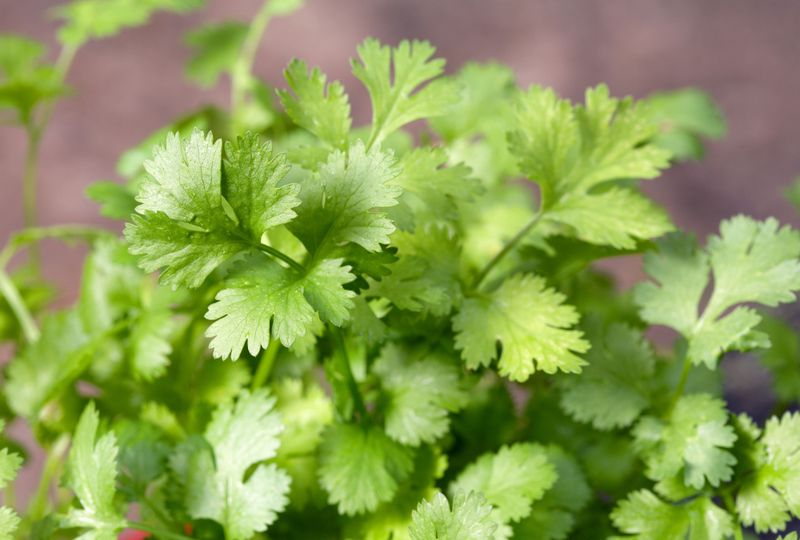
Cilantro loves the cool weather of fall, which makes it a natural roommate for broccoli during the same season. As it starts to bolt and send up delicate white flowers, it turns into a landing pad for hoverflies and other tiny predators whose larvae devour aphids by the dozen.
The pungent leaves also carry a scent that many pests would rather avoid, so it defends on two fronts at once. Because cilantro grows quickly and stays small, you can tuck it into gaps between broccoli plants without stealing much room.
Harvest the leaves for salsa and tacos while the plant is young, then let the last few go to flower for the beneficial insects. When it finally seeds, you get coriander as a bonus. It is a hardworking herb that fits the fall garden like a glove.
8. Thyme
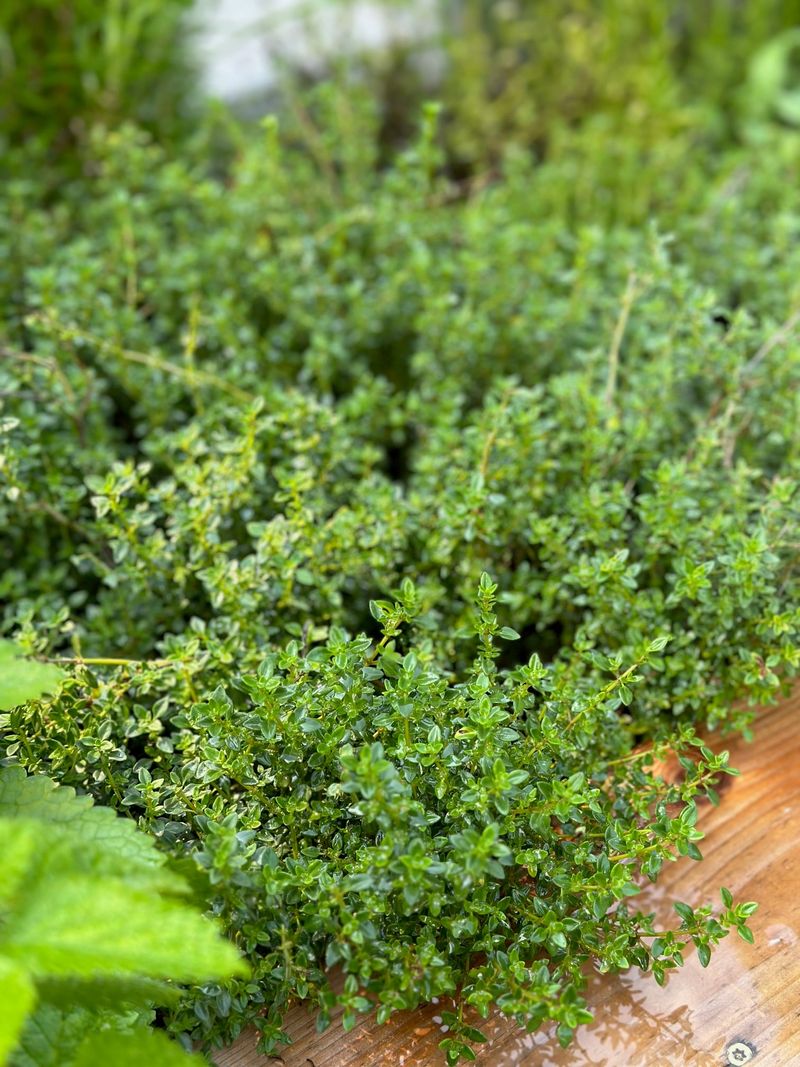
Low and unassuming, thyme carpets the ground with tiny aromatic leaves that punch well above their size. The herb’s earthy, slightly sharp fragrance interferes with the scent trails aphids and cabbage worms use to find their favorite crops.
Because it hugs the soil, thyme makes an ideal living mulch tucked around the base of taller broccoli plants. It shades the ground, holds in a little moisture, and never competes for the sunlight your broccoli needs up top.
As a perennial in many US regions, thyme sticks around year after year, quietly guarding whatever you plant beside it. The small summer flowers also draw in pollinators and predatory insects when they open. Add in the fact that you can snip it fresh for roasts and soups, and this humble herb quietly earns a permanent spot at the edge of the bed.