
If Your Fall Kale And Collards Get Chewed To Lace Overnight, These Smells Send Cabbage Worms Packing

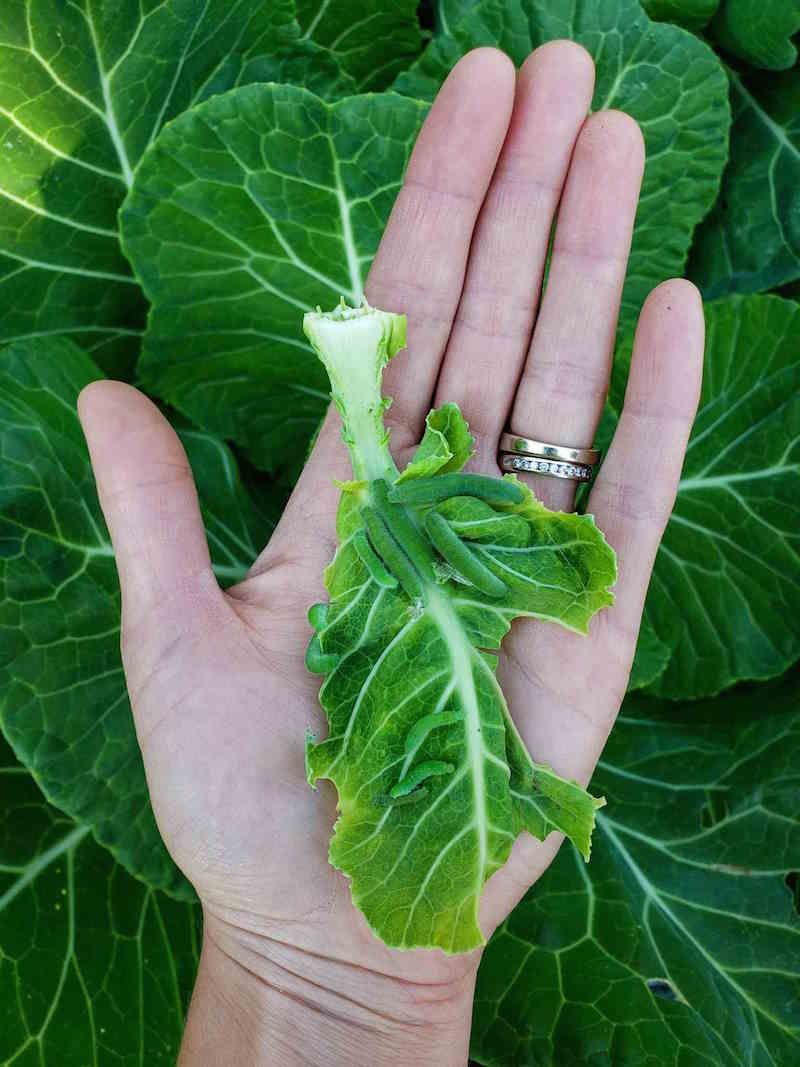
Waking up to kale that looks like green Swiss cheese is enough to ruin any fall gardener’s morning. The culprits are usually cabbage worms, those sneaky green caterpillars that munch your collards down to the veins while you sleep. The good news is that these pests hate certain smells, and you can use that against them with stuff you probably already have at home. Here are seven scents that can help chase cabbage worms out of your fall greens for good.
1. Peppermint
Cabbage worms use their sense of smell to find your greens, and peppermint throws their whole navigation system into chaos. The sharp, cooling scent masks the mustardy smell of kale and collards that draws them in, so the moths that lay the eggs often flutter right past your bed.
A simple spray works wonders here. Steep a handful of crushed peppermint leaves in hot water, let it cool, then mist it over the tops and undersides of your leaves every few days. You can also tuck a few peppermint plants in pots around your bed, though keeping mint contained is smart since it spreads like wildfire.
Fun bit of history: gardeners have leaned on mint borders for generations to keep all sorts of crawling and flying pests confused. The strong menthol punch that makes your breath fresh is the exact thing that sends these worms looking elsewhere for dinner.
2. Garlic Spray
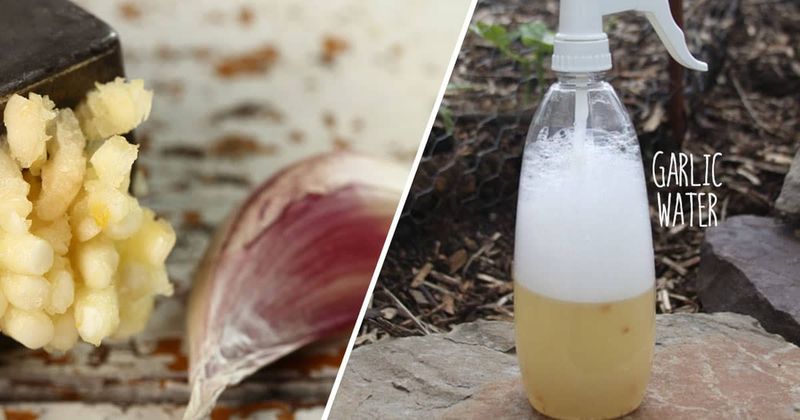
Few kitchen staples pull double duty as well as garlic. Its pungent, sulfur-heavy aroma is downright offensive to cabbage worms and the white butterflies that drop their eggs on your greens.
Whipping up a batch takes minutes. Blend a few cloves with water, strain out the chunks, add a drop of dish soap so it clings to the leaves, and spray your collards from top to bottom. The soap helps the mixture stick even after a light fall drizzle, giving you longer protection between applications.
Reapply after heavy rain or every five to seven days for the best results. Gardeners love this one because a single head of garlic can protect a whole row, and the smell that lingers on the leaves fades for humans long before it stops bothering the bugs. Just aim for early morning or evening so the sun does not scorch damp leaves.
3. Thyme
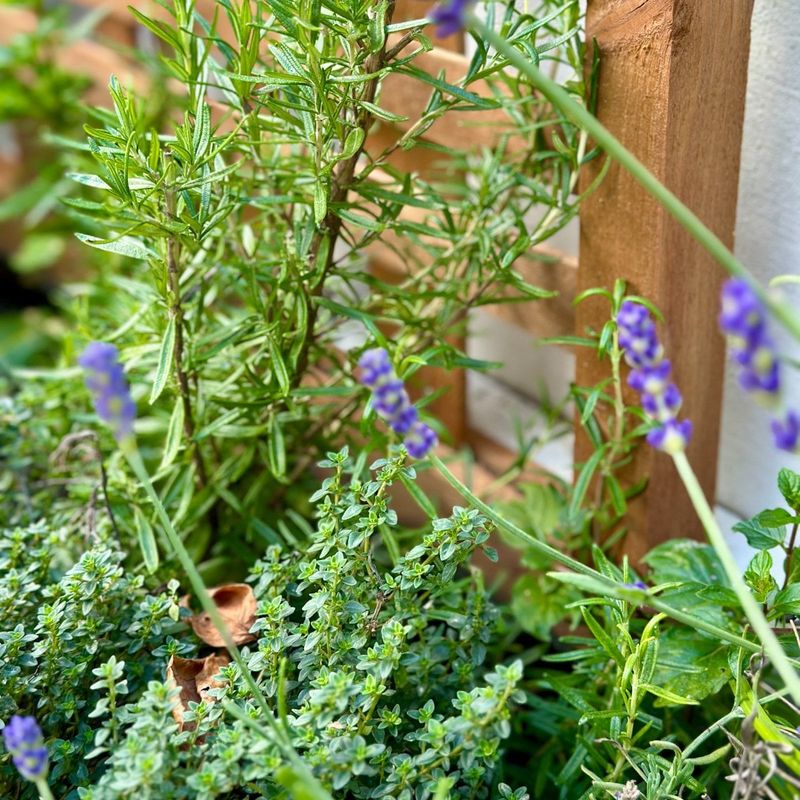
Tucked low to the ground, thyme releases a warm, earthy fragrance that cabbage worms would rather avoid. The oils in its tiny leaves interfere with the scent trails these pests rely on to zero in on your fall crops.
Because it stays compact, thyme makes an excellent living mulch right at the feet of your kale and collards. Plant it as a border and brush your hand across it now and then to release a fresh burst of aroma into the air around your greens.
There is a bonus most folks miss: thyme flowers attract tiny parasitic wasps that hunt cabbage worm eggs. So while the scent keeps grown moths away, the blooms invite in the very allies that clean up any eggs that slip through. Few plants earn their keep in a fall bed quite like this one.
4. Rosemary
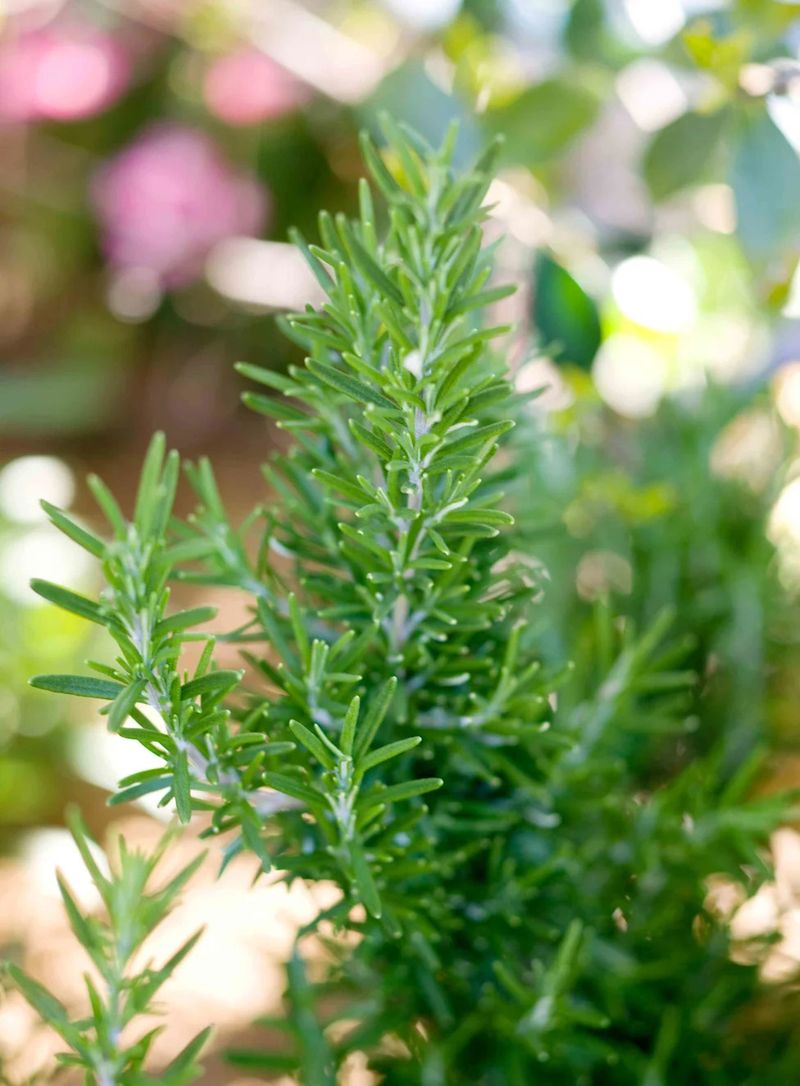
Rosemary brings a piney, almost medicinal punch that cabbage worms simply cannot stand. Its woody scent hangs in the air longer than softer herbs, creating a lasting smell barrier around your greens.
Set a rosemary plant near your bed, or snip fresh sprigs and lay them right across the soil between your kale. As the cuttings dry, they keep pumping out that resinous aroma that muddles a moth’s search for a place to lay eggs.
You can also boil rosemary into a strong tea and spray it over your leaves, which coats them in scent without harming anything you plan to eat. Cooks have prized rosemary for its bold fragrance since ancient times, and that same intensity is what makes it such a reliable guard for fall crops. As a perennial in many US zones, it sticks around season after season with little fuss.
5. Onion
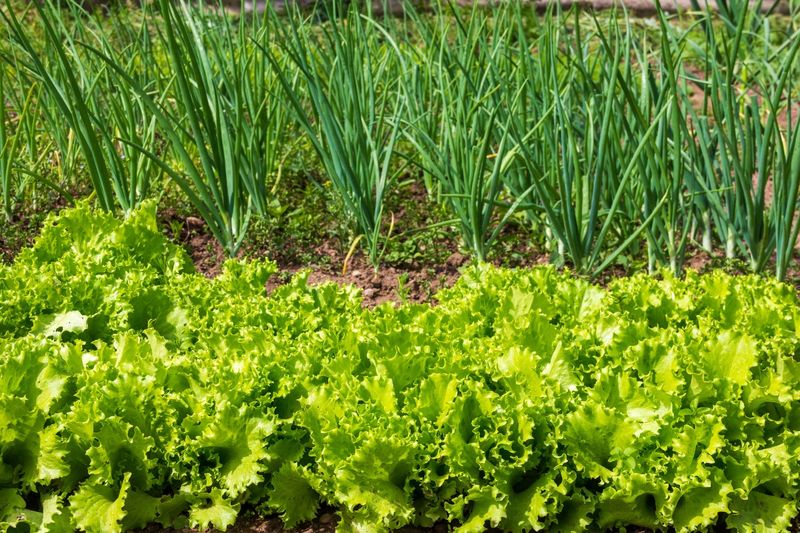
Onions carry the same tear-inducing bite that garlic does, and cabbage worms find it every bit as unwelcome. Slipping onion sets between your kale and collards creates a smelly force field that many pests refuse to cross.
Interplanting is the trick here. Tuck green onions or bulb onions along the edges and gaps of your bed, and their sharp scent rises up to camouflage the greens the worms are hunting for.
Prefer a spray? Steep chopped onion in water overnight, strain it, and mist your leaves the next morning. The lingering smell confuses egg-laying moths without leaving your harvest tasting like an onion patch. Best of all, you get a second crop from the same real estate, so your garden works harder while your kale stays intact.
6. Sage
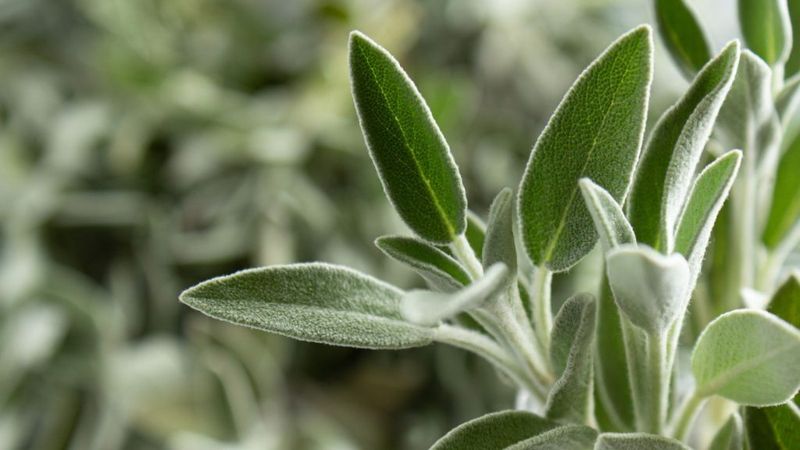
Velvety and gray-green, sage looks gentle but packs a musky, camphor-like scent that cabbage worms steer clear of. Its aroma settles thickly over a bed, making it hard for moths to sniff out your prized greens.
Grow a clump or two at the corners of your kale patch, and give the leaves an occasional gentle rub to keep the fragrance strong. Sage holds its scent well into the cooler months, so it keeps pulling guard duty right through your fall harvest window.
Old-time cottage gardeners often paired sage with cabbage family crops for exactly this reason, long before anyone talked about companion planting. Beyond fending off worms, its silvery leaves add a pretty contrast next to deep green collards, so your pest defense doubles as a good-looking border.
7. Neem Oil
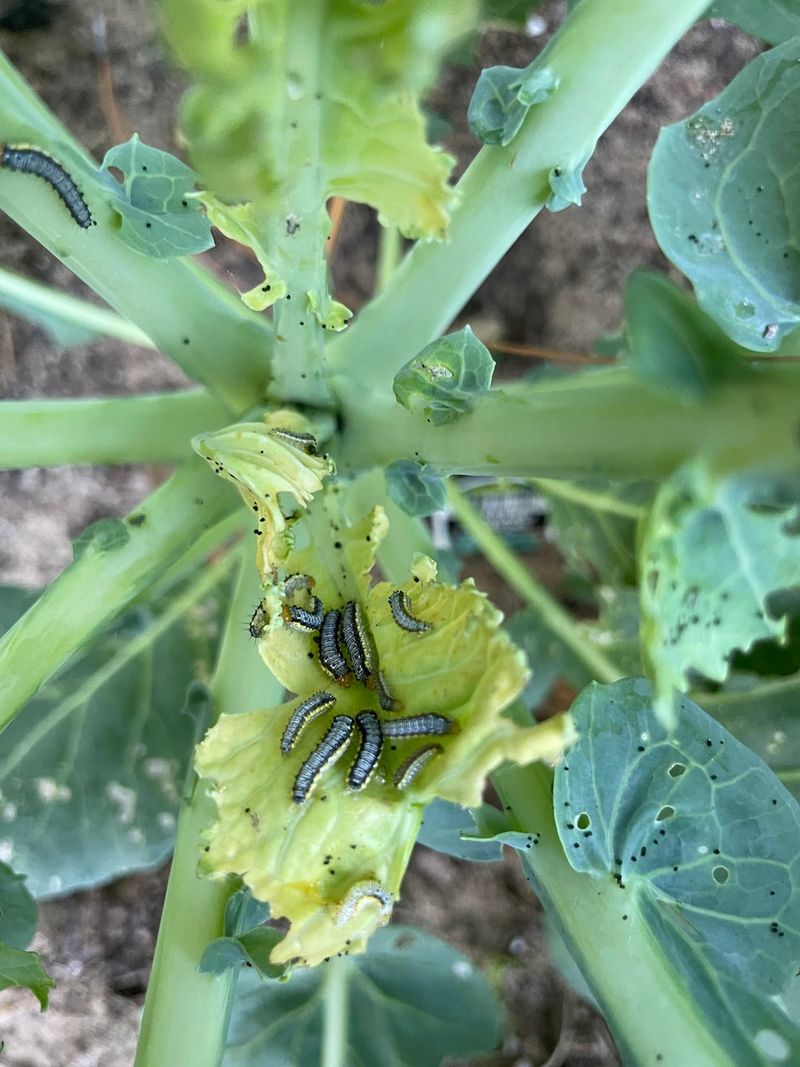
Pressed from the seeds of the neem tree, this oil carries a sharp, garlicky-sulfur smell that does far more than annoy cabbage worms. It coats leaves in a scent and taste the pests hate, and it also disrupts their ability to feed and grow if they do take a bite.
Mix a small amount with water and a drop of mild soap, then spray your kale and collards thoroughly, hitting the undersides where eggs and young worms hide. Evening applications are best since neem breaks down in strong sunlight and this timing spares your helpful bees.
Reapply about once a week and after rain to keep the protective smell fresh. Neem has been used in gardens and homes across the world for centuries, and it may reduce cabbage worm damage while staying gentle on the greens you plan to cook up. Think of it as your heavy-hitter for nights when the worms just will not quit.