
If Mosquitoes And Ants Keep Finding You Outside, Here’s How A Pot Of Peppermint Jams Their Scent Trails
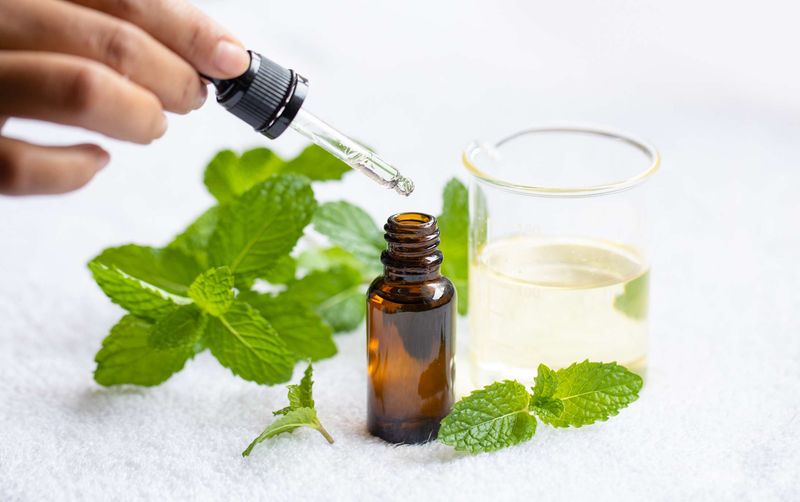
Peppermint smells wonderful in the garden, and it is easy to understand why people hope a pot of it might keep mosquitoes and ants at bay. The idea that a fragrant herb could quietly scramble the signals bugs use to find you sounds almost too good to be true, and in this case, it largely is.
A living peppermint plant is not a proven outdoor pest barrier, but there are real, practical steps that actually work for both mosquitoes and ants around your yard.
A Peppermint Pot Is Not a Proven Outdoor Mosquito Barrier
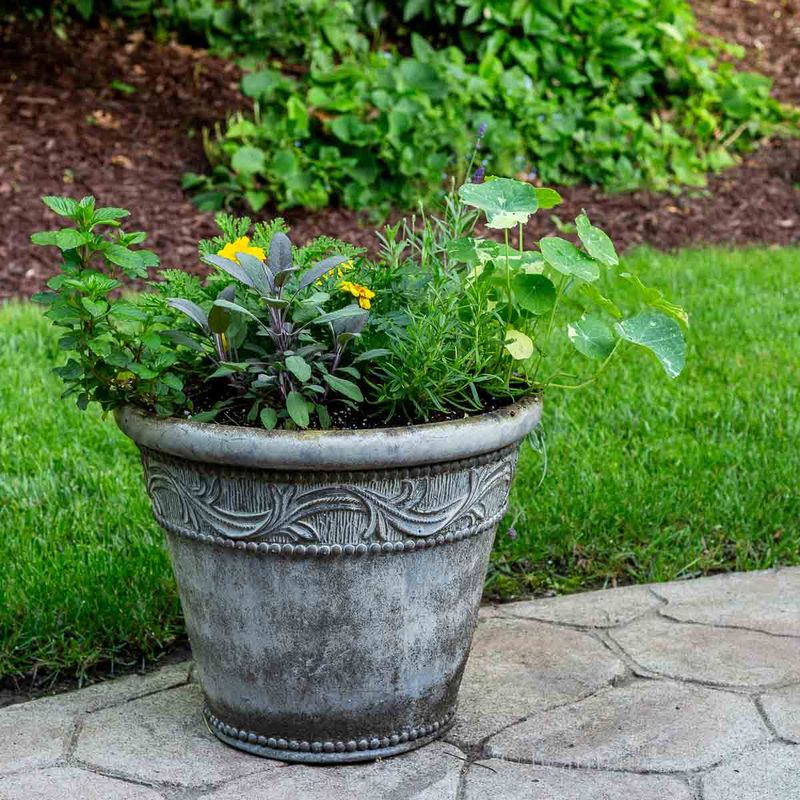
Peppermint earns its place in a backyard garden for plenty of good reasons: it smells fresh, it grows easily, and it can find its way into teas, recipes, and homemade sachets. What it cannot reliably do is create a mosquito-free zone around your patio or garden beds.
Penn State Extension is clear on this point: aromatic plants do not release enough essential oil from their leaves to repel mosquitoes effectively. The scent you notice when you brush against a peppermint leaf is real, but the concentration of volatile compounds drifting into the open air around your chair is far too low to create any dependable barrier between you and a hungry mosquito.
There is an important distinction worth drawing right away. Much of the excitement around peppermint as a pest deterrent comes from research on concentrated, extracted peppermint essential oil, not from studies of a living potted plant placed outdoors.
Those two things are not interchangeable, and treating them as the same leads to real disappointment when the pot does nothing to reduce bites on a summer evening.
The same caution applies to ants. Foraging ants do use chemical trails to find food and water, and peppermint oil has been discussed as a possible aversion agent in some circles.
However, the available evidence does not establish that a pot of peppermint reliably disrupts ant trails in a yard or garden setting. Placing a plant near a trail may do nothing at all for the colony working beneath your soil or inside a nearby structure.
Growing peppermint is a worthwhile choice for many backyard gardeners. Just keep your expectations matched to what the plant can actually do, and reach for evidence-based tools when mosquitoes or ants become a real problem around your tomatoes, hydrangeas, or outdoor seating.
Peppermint Oil Research Does Not Equal Peppermint Plant Protection
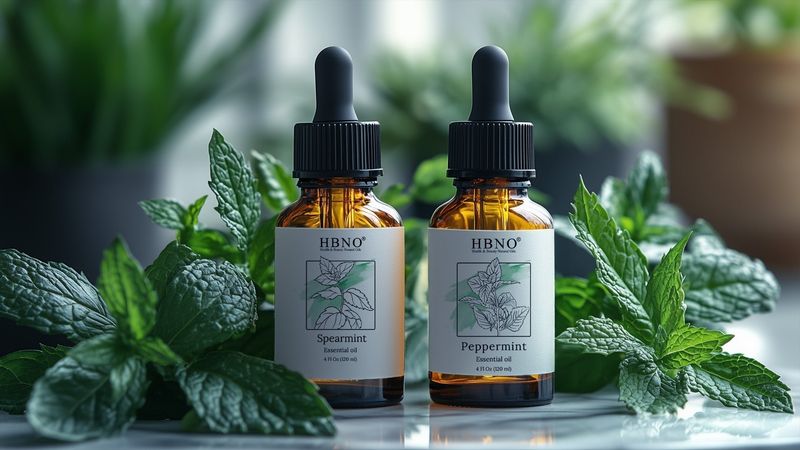
Laboratory research on peppermint essential oil has produced some genuinely interesting results, but those findings are easy to misread when you are standing in a garden center deciding whether to buy a pot.
One human-arm study, published in the Asian Pacific Journal of Tropical Biomedicine, found that peppermint oil applied to skin repelled Aedes aegypti mosquitoes for up to 150 minutes under its controlled laboratory conditions. A related review of plant-based repellents also noted peppermint oil among compounds showing repellent activity in controlled settings.
These are real findings, but they come with significant limits that rarely make it into the social media posts that spread the peppermint-pot idea.
First, both studies used concentrated, extracted essential oil applied directly to skin, not the ambient scent drifting off a potted plant on a patio. The concentration of active compounds in that scenario is orders of magnitude higher than anything a living plant releases into open outdoor air.
Second, Aedes aegypti is one species. U.S. backyards can host Aedes albopictus, Culex species, and others, and the research does not establish equivalent performance against all of them.
Third, even concentrated plant-derived oils tend to be short-lived. Penn State Extension notes that most plant-derived oils last less than two hours, compared with the longer, more consistent protection offered by repellents such as DEET or picaridin.
Wind, heat, and outdoor conditions reduce that window further.
None of this means peppermint oil is worthless as a subject of research. It means that a potted plant and a laboratory-tested concentration of extracted oil are two very different things, and gardeners deserve to know which one the evidence actually supports.
A Plant Scent Cannot Replace Reliable Bite Prevention
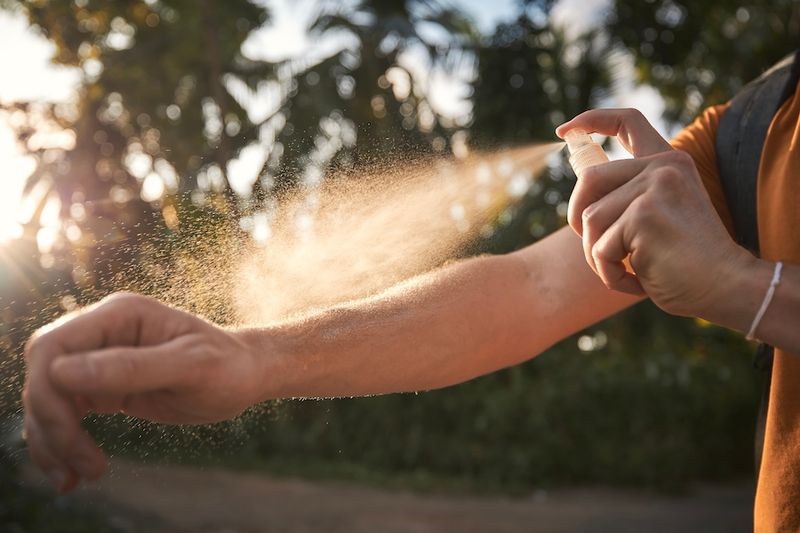
Mosquitoes are remarkably good at finding people, and they rely on more than one signal to do it. A single nearby plant aroma is not enough to override that process, and treating it as reliable bite prevention puts you at real risk, especially during peak mosquito season when diseases like West Nile virus are circulating.
For dependable protection, CDC recommends EPA-registered repellents containing active ingredients such as DEET, picaridin, IR3535, oil of lemon eucalyptus, para-menthane-diol, or 2-undecanone. These products have been evaluated for effectiveness, and when used according to the label, they provide real protection.
Pair them with long sleeves, window screens, and door seals for the most complete defense.
Standing water is the other half of the equation, and it is the part most backyard gardeners underestimate. Mosquitoes breed in surprisingly small amounts of water, and a flowerpot saucer, a bucket left in the yard after rain, or a clogged gutter can produce dozens of adults.
CDC guidance on home mosquito control calls for emptying, scrubbing, turning over, covering, or discarding water-holding containers at least once a week. That single habit removes breeding habitat before it becomes a biting problem.
The contrast with a peppermint pot is worth making explicit. Deterring a mosquito briefly near a leaf is a different outcome from preventing a bite, and preventing a bite is a different outcome from reducing the mosquito population around your home.
Only water management and evaluated repellents address all three levels. A fragrant plant addresses none of them in a way the evidence supports.
Keep the peppermint for the pleasure of growing it. Reach for a labeled repellent and a bucket to empty before you go outside on a warm evening.
Ant Chemical Trails Are Real, but Peppermint Is Not a Colony Fix
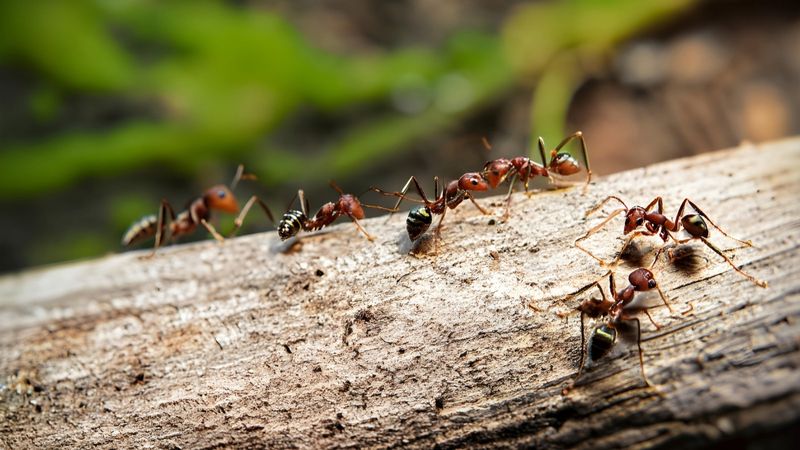
Foraging ants really do leave chemical trails. Worker ants deposit pheromones as they travel between a food source and the nest, and those invisible paths guide other workers to the same spot.
Understanding that biology makes peppermint sound like a logical counter, but the actual evidence points in a different direction.
One frequently cited study, examining Argentine ant trail-following behavior, demonstrated that an oversupply of a specific trail pheromone disrupted the ants’ ability to follow the trail accurately. The mechanism involved flooding the signal so workers could not distinguish the actual path.
That is a real and interesting finding, but it tested a concentrated pheromone compound, not peppermint, and it does not translate directly into a recommendation to place a pot of herbs near an ant line in your yard.
Peppermint oil may cause ants to avoid treated surfaces in some situations, but temporary aversion on a surface is not the same as disrupting a trail, and neither of those outcomes is the same as controlling the colony. The workers will reroute, and the nest continues producing new foragers.
Surface deterrence without colony control is a short-term distraction at best.
Colorado State University Extension recommends a more durable approach: wash ant trails off counters, patio surfaces, and other appropriate nonplant surfaces with household cleaner to remove the odor path temporarily, then address the underlying causes. Remove accessible food and water, locate the nest when possible, and use a properly labeled bait.
Bait works because workers carry it back to the colony, reaching queens and larvae that surface treatments never touch.
The peppermint pot may smell pleasant near your garden bench, but the colony underneath your patio does not care what is growing above it.
Ants on a Plant May Signal Aphids or Scale
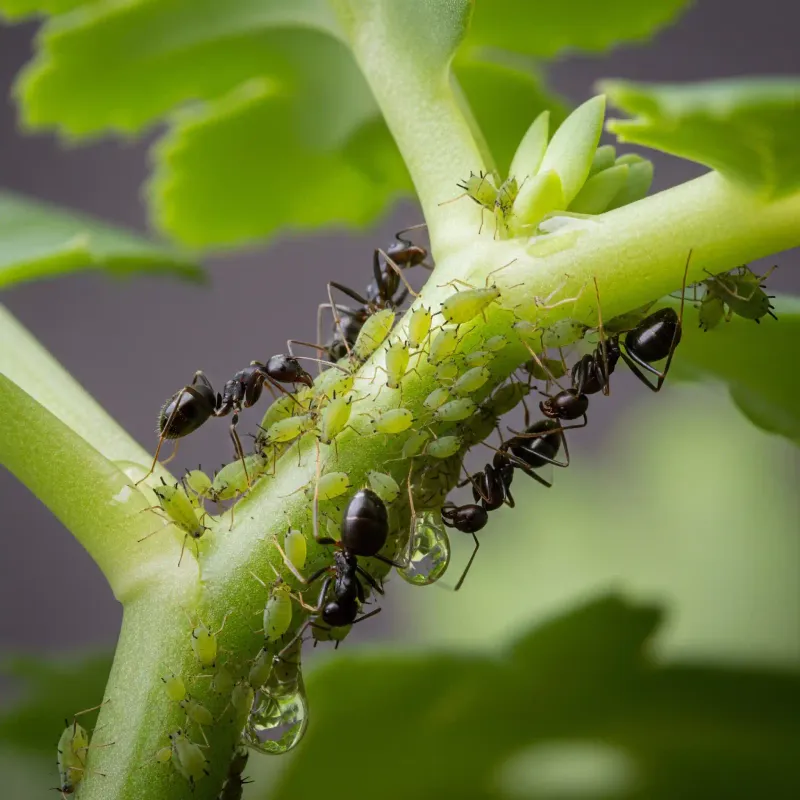
When ants keep showing up on a specific plant, the instinct is to figure out how to drive them away. Before reaching for any treatment, though, it is worth asking why they are there in the first place, because the answer changes everything about how you respond.
Ants are often drawn to plants not by the plant itself but by the sweet, sticky liquid called honeydew that aphids and soft scale insects excrete while feeding on plant sap. University of Minnesota Extension notes that ants will actively protect aphid and scale colonies from predators in order to keep that food source available, which means the ants you see are a symptom, not the cause of the problem.
Start with a close inspection of the plant. Check stems, leaf undersides, and new growth for clusters of soft-bodied insects, which are aphids, or for flat, waxy bumps attached to stems and leaves, which are scale insects.
Look also for sticky residue on leaves or a dark powdery coating called sooty mold, which grows on honeydew deposits. Curled or distorted leaves on tomatoes, petunias, geraniums, or hydrangeas are another clue that a sap-feeding pest is at work.
If you find aphids, a firm spray of water from a garden hose can dislodge many of them from stems and leaf undersides without any chemical treatment. Repeating that step every few days can reduce the population enough that ants lose interest in the plant.
Scale insects are harder to remove physically and may require a labeled horticultural oil or insecticidal soap applied according to the product directions.
Masking an ant trail with peppermint while an aphid colony feeds unchecked is a bit like treating a smoke alarm by removing the battery. Address the pest that is actually damaging the plant, and the ants usually follow.
Use Proven Mosquito and Ant Steps Instead
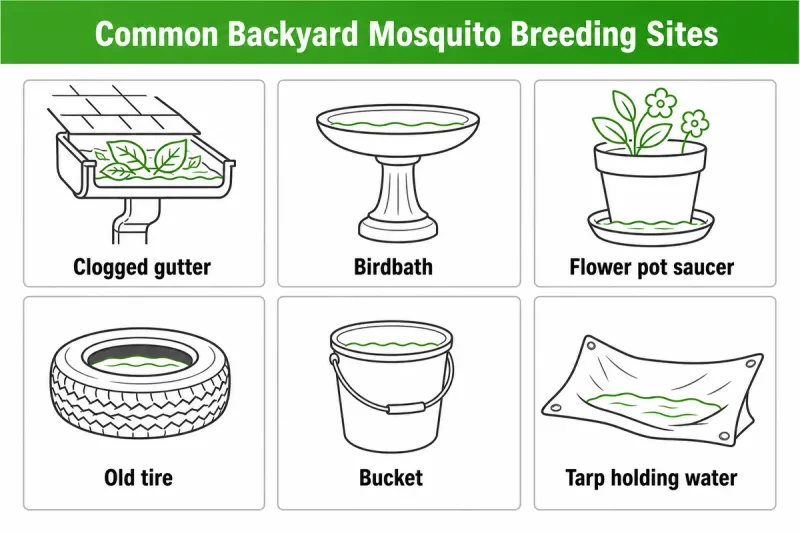
Replacing the peppermint shortcut with steps that actually work does not require a lot of money or specialized equipment. For mosquitoes and ants alike, the most effective actions are the ones you can do this weekend with what you already own or can pick up at any hardware store.
For mosquitoes, start with water. CDC home mosquito control guidance calls for emptying, scrubbing, turning over, covering, or discarding any container that holds water at least once a week.
That list includes flowerpot saucers, buckets, old tires, children’s toys, birdbaths, and clogged gutters. Scrubbing matters because mosquito eggs can stick to container walls and survive between rainfalls.
Once breeding habitat is gone, the local mosquito population drops without any spray or plant required.
When you go outside during peak biting hours, use an EPA-registered repellent with an active ingredient such as DEET, picaridin, or IR3535, applied according to the label. Add long sleeves, screens on windows and doors, and you have layered protection that covers what standing water removal alone cannot.
For ants, the practical sequence is: clean the trail, remove the attractant, locate the nest, and treat the colony when needed. Colorado State University Extension recommends washing ant trails on patio surfaces, counters, or floors with household cleaner to eliminate the odor path temporarily, then removing food debris, moisture sources, and anything else drawing workers to the area.
When the colony needs direct attention, a properly labeled ant bait is usually the best tool because workers carry it back to the nest. One important caution: do not spray repellent products near bait stations.
Repellents can prevent ants from picking up the bait, which stops it from reaching the queens and larvae that keep the colony going. Let the bait do its job without interference.
Do Not Turn Peppermint Oil Into an Unlabeled Garden Spray
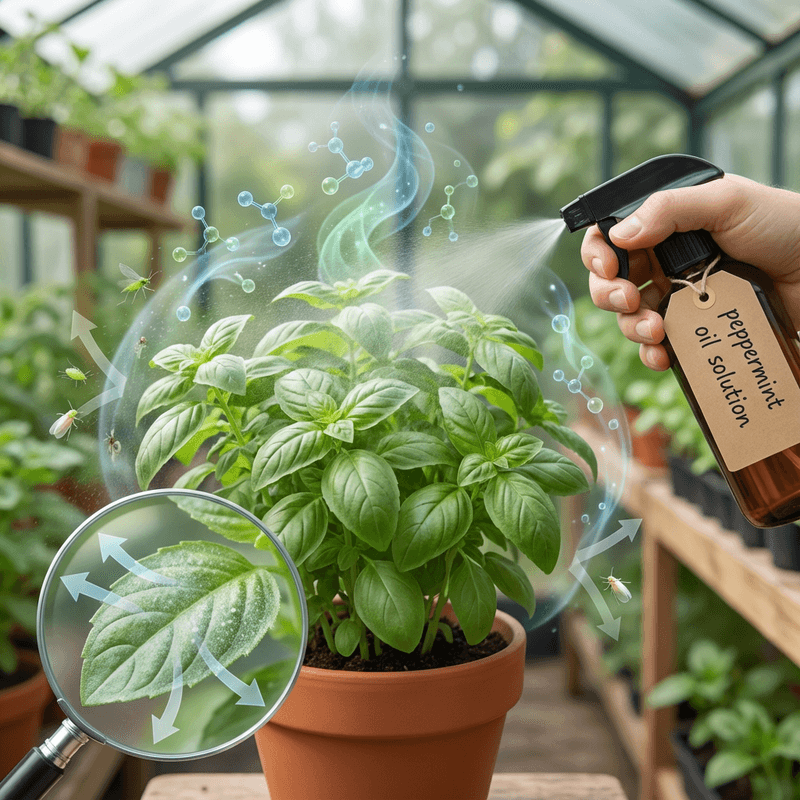
Once someone learns that peppermint oil has shown repellent activity in lab tests, the next logical step often seems to be mixing up a stronger batch and spraying it directly on plants. That step carries real risks that are worth understanding before you reach for the spray bottle.
Oil-based products, including plant-derived oils, can cause phytotoxicity, meaning chemical damage to plant tissue. University of Maryland Extension identifies heat as a major risk factor, with temperatures above roughly 85 degrees Fahrenheit increasing the likelihood of leaf burn from oil-, soap-, and sulfur-based pesticides.
University of Connecticut Extension guidance on horticultural oils further notes that drought-stressed plants, tender new growth, and plants in full bloom are especially vulnerable to oil-related injury. Hydrangeas, petunias, clematis, geraniums, and tomatoes all fall into one or more of those risk categories depending on the season and conditions.
A homemade peppermint oil mixture is unlabeled and untested on specific plants. Without a product label, there is no tested dilution rate, no guidance on which plants or growth stages are safe to treat, and no established application interval.
Always use products that carry a label specifying the intended plant and pest, and follow that label exactly.
Peppermint is also listed among ingredients allowed in some minimum-risk pesticide products, which can make it sound officially vetted. However, EPA’s repellent regulation guidance and its minimum-risk pesticide program make clear that minimum-risk products are generally not evaluated for effectiveness.
Exempt from registration does not mean proven to work.
Pet safety is another reason to handle peppermint oil carefully. ASPCA lists mint as toxic to dogs, cats, and horses when large amounts are ingested.
Concentrated essential oils carry additional risk: ASPCA warns that they can cause illness through ingestion or skin contact. Never apply essential oils directly to pets, and clean up any spills promptly so animals cannot lick them.
Grow Peppermint for Its Uses, Not for a Pest-Control Promise
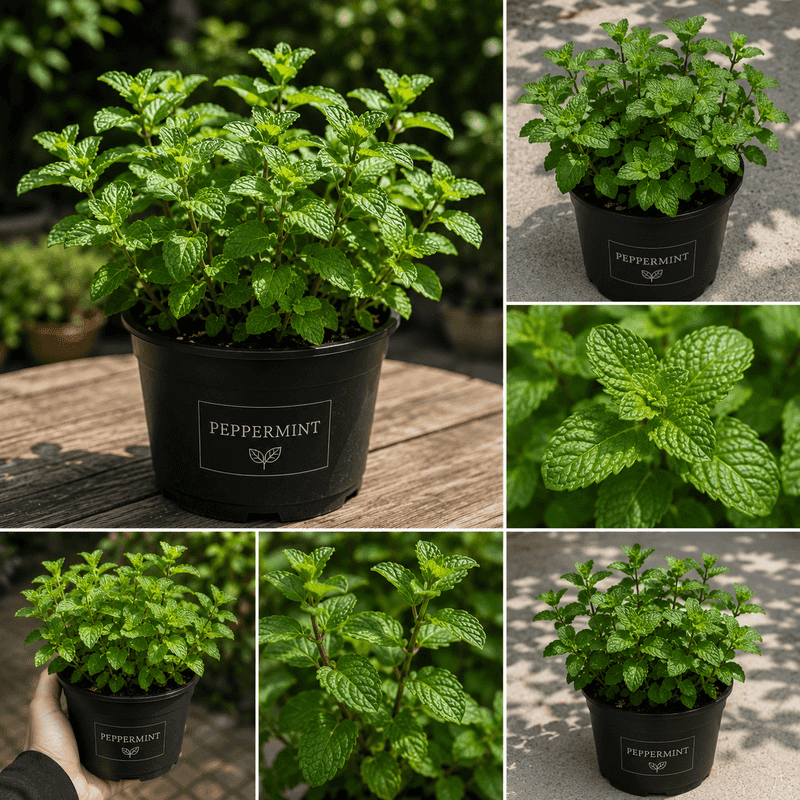
Peppermint is genuinely worth growing. Fresh leaves for tea, a fragrant corner of the patio, a plant that practically takes care of itself in a container: those are real benefits that do not require any pest-control claims to justify the space.
Where the plant falls short is as a substitute for tools that have been tested and shown to work. For mosquitoes, the decision path is straightforward: remove standing water from your yard at least weekly, as Penn State Extension and public health agencies consistently recommend, and use an EPA-registered repellent on exposed skin when you go out during peak biting hours.
For ants around garden plants, clean visible trails from appropriate surfaces, check your plants for aphids or scale before assuming the ants are the primary problem, and use a labeled bait directed at the colony when control is actually needed, following Colorado State University Extension guidance.
Whether peppermint has any meaningful effect on ant trails in a real yard setting remains an open question. The research is limited and does not establish the plant as a dependable solution.
A fragrant herb and a tested pesticide are simply different categories of things, and knowing which is which helps you make better decisions for your garden. The pot of peppermint can stay; just let it be what it actually is.