
If You Toss Bay Leaves In Every Pot Of Soup, Here’s The Calming Molecule They Quietly Share With Lavender
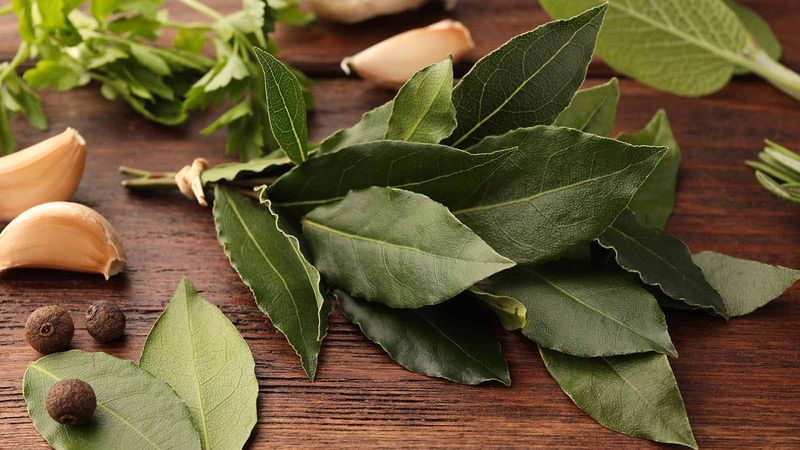
That single dried bay leaf you drop into soup without much thought turns out to share a compound with lavender, one of the most talked-about plants in wellness circles. The molecule is called linalool, and its presence in both plants has sparked a lot of excitement about whether your soup pot might double as a kind of aromatherapy session.
The truth is more nuanced, and honestly more interesting, than the headline suggests. Understanding what the science actually shows helps you get the most out of bay leaves without expecting something they were never meant to deliver.
Start With the Right Bay Leaf
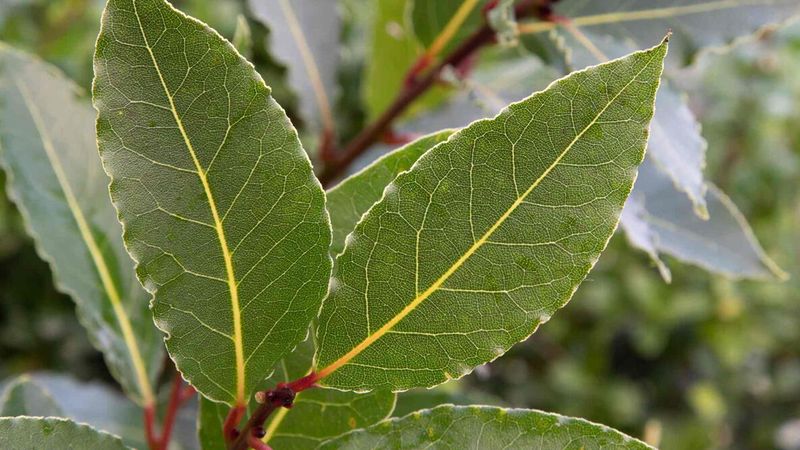
Not every leaf sold as a “bay leaf” comes from the same plant. The species at the center of the linalool conversation is Laurus nobilis, commonly called true bay laurel or sweet bay.
This is the leaf most home cooks in the United States reach for when a recipe calls for a bay leaf, and it is the one recognized by the FDA as a food flavoring agent and adjuvant under 21 CFR 182.10. That classification means it has a long, safe history as a culinary ingredient, not as a medicine or supplement.
The distinction matters because another plant sometimes sold as a bay leaf in North America is California bay leaf, from Umbellularia californicaLaurus nobilis. California bay has a sharper, more pungent aroma and a noticeably different chemical profile from .
Research comparing bay-leaf species confirms that the two plants should not be treated as interchangeable when discussing specific compounds like linalool. If you pick up a bag of bay leaves at a grocery store without checking the label, you may or may not be getting Laurus nobilis, which is worth knowing before drawing any conclusions about chemistry.
For the rest of this article, “bay leaf” refers specifically to Laurus nobilis. That is the species with documented linalool content, and it is the one that makes the comparison to lavender worth examining at all.
Framing bay leaf as a culinary tool rather than a therapeutic one is the right starting point, because the evidence points in that direction even when the chemistry gets interesting.
Linalool Is One Bay-Leaf Compound, Not a Proven Calming Agent

Linalool is a naturally occurring volatile compound found in hundreds of plant species, including true bay laurel and lavender. When researchers analyze the essential oil of Laurus nobilis, linalool shows up reliably, but it shares space with a crowd of other compounds.
Studies on bay-laurel essential oil consistently identify 1,8-cineole, sabinene, alpha-pinene, alpha-terpinyl acetate, and eugenol alongside linalool, and in many samples those other compounds are present in greater concentrations than linalool itself.
Calling linalool “the calming molecule” in bay leaves oversimplifies what is actually a complex aromatic mixture. Linalool is not consistently the dominant compound in true bay laurel oil, and framing it that way implies a clarity the data does not support.
Additional phytochemical analyses reinforce that bay leaf’s volatile profile shifts depending on where the plant was grown, how the leaves were dried, and how the oil was extracted, making any single-compound story incomplete.
Lavender and bay laurel sharing linalool is a genuine chemical overlap, but shared ingredients do not guarantee shared effects. Two foods can contain the same amino acid without tasting alike or affecting the body the same way.
Broader reviews of bay-leaf phytochemistry show that the plant’s overall composition, not any single molecule, drives its aroma and any biological activity. Meanwhile, the National Center for Complementary and Integrative Health notes that even lavender’s well-studied effects are not fully explained and that research results remain mixed.
Treating linalool as a proven calming agent skips over a lot of unanswered questions in the science.
What Bay-Leaf Oil Studies Actually Measure
Most of what researchers know about bay-leaf chemistry comes from analyzing extracted essential oil, a concentrated product made by steam-distilling or cold-pressing plant material. That process pulls volatile compounds out of the leaves in a way that ordinary cooking never replicates.
When a study reports that linalool made up roughly 10.2% of a particular bay-laurel essential oil sample, that figure describes a carefully extracted concentrate, not the wisp of steam rising from a pot of chicken soup on your stove.
Published analyses of Laurus nobilis essential oil have found linalool proportions ranging from below 1% to above 25% across different samples, and those wide swings reflect just how much the plant’s chemistry moves around. Research on how growing conditions affect bay-leaf composition points to geography, climate, plant age, harvest timing, drying method, and storage as major variables.
A leaf dried slowly at room temperature in one country may carry a different volatile fingerprint than one kiln-dried in another.
Earlier work characterizing bay-laurel volatile compounds laid the groundwork for understanding this variability, and food-science investigations into bay-leaf processing have confirmed that drying and storage conditions shift the proportions of key compounds meaningfully. The practical upshot is that no single linalool percentage can represent every bag of dried bay leaves on the market.
Translating oil-study numbers into a soup context also requires knowing how much of a volatile compound actually escapes into the kitchen air during simmering, and at what concentration a person would need to inhale it to notice any effect. Neither of those questions has been answered for culinary bay leaves.
The studies measure what is in the oil, not what reaches your nose across a steaming bowl.
Lavender Research Does Not Prove a Bay-Leaf Effect
Lavender has a longer and better-developed research record than bay leaf when it comes to mood and sleep, but even that record comes with important qualifications. NCCIH’s summary of lavender research describes the evidence for aromatherapy benefits on anxiety, stress, and insomnia as unclear, noting that study quality varies and results are inconsistent.
That is the baseline for lavender, before any comparison to bay-leaf soup is even attempted.
The studies that do show promising results for lavender typically use controlled inhalation setups, measured drops of standardized essential oil on aromatic pads, or oral lavender preparations with defined doses. A systematic review of lavender for anxiety found possible benefits but called for larger, better-designed trials before firm conclusions could be drawn.
Those trials involved carefully standardized exposures, not a dried herb simmering in a pot of broth.
Lavender’s effects, to whatever degree they exist, are also not simply the work of linalool acting alone. Research on lavender’s active constituents suggests that linalyl acetate, another major compound in lavender oil, likely plays a role alongside linalool.
Sensory and psychological responses to a familiar, pleasant aroma may also contribute to how people feel after lavender exposure. Isolating linalool as the single responsible agent oversimplifies a multi-compound interaction.
NCCIH guidance for practitioners on anxiety and complementary approaches reinforces that even the better-supported complementary interventions need more evidence before they can be recommended with confidence. Bay-leaf soup has no comparable research base at all.
The two plants share a molecule, but that overlap is where the parallel ends, because the preparations, doses, chemical profiles, and routes of exposure are all different.
Aroma, Anxiety, and Sedation Are Not the Same Claim

Linalool showing up in a plant’s chemical profile is a long way from proving that smelling the plant will calm you down. For any airborne compound to have a physiological effect, it needs to reach receptors in meaningful concentrations, and the amount released from one dried bay leaf in a pot of soup has not been measured or established as therapeutically relevant.
Presence in an extracted oil and presence in kitchen air are two very different things.
The most frequently cited animal evidence comes from a mouse study on linalool odor and anxiolytic-like behavior. Researchers found that mice exposed to linalool vapor showed reduced anxiety-related behavior without a corresponding drop in overall movement, which distinguished the effect from simple sedation.
That is a genuinely interesting finding, but it is a preclinical result in mice under controlled laboratory conditions, not evidence that a person simmering bay-leaf soup will feel calmer afterward.
Anxiolytic-like behavior in a mouse maze and sedation in a human are also not the same outcome. Sedation involves reduced arousal and motor function.
Anxiety reduction can occur without any sedative effect at all, as the mouse study itself suggested. Conflating the two leads to overclaiming: saying that bay leaves “sedate” or “rival sedatives” goes well beyond what even the most favorable animal findings support.
Human lavender studies that do show measurable outcomes use aromatic pads, diffusers, or capsules with defined and consistent doses, a setup that controls for concentration and exposure time. A dried leaf in a simmering pot varies in linalool content by origin and age, releases an unmeasured fraction of that into the air, and exposes whoever is nearby for an unpredictable duration.
NCCIH guidance on complementary approaches to anxiety makes clear that even interventions with stronger evidence bases require better trials. Bay-leaf soup sits several steps behind that standard.
Use Culinary Bay Leaves for Flavor
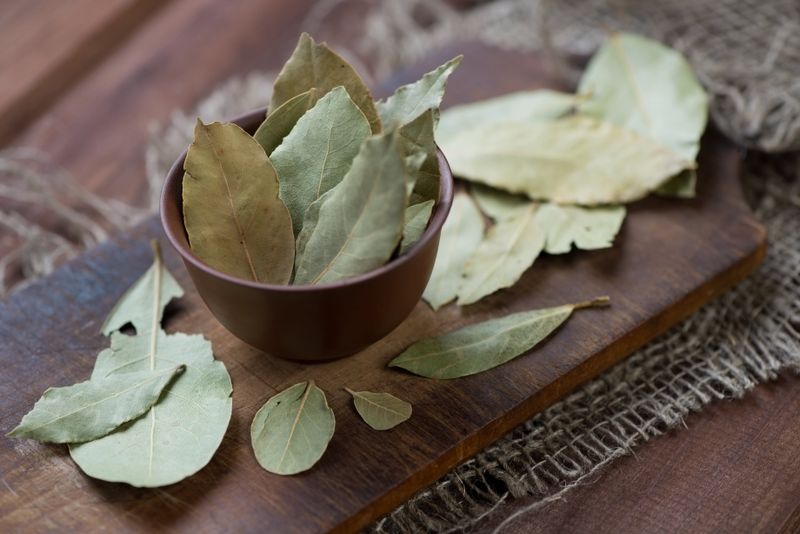
Bay leaves earn their place in the kitchen through flavor, and that is reason enough to keep them in the pantry. True bay laurel adds a subtly herbal, slightly floral depth to soups, stews, braises, and stocks that is hard to replicate with anything else.
The FDA recognizes Laurus nobilis as a safe food flavoring agent, which reflects its long history as a culinary herb rather than a medicinal one.
One practical step that sometimes gets skipped: remove the whole bay leaf before serving. The leaf softens slightly during cooking but never becomes tender enough to eat comfortably.
Biting into one is unpleasant, and leaving it in a dish can confuse guests who do not expect it. Fishing it out before the bowl hits the table takes two seconds and makes the dish noticeably more enjoyable.
Reaching for concentrated bay-leaf essential oil as a shortcut or a stronger version of the culinary leaf is a different matter entirely. Poison Control warns that essential oils can cause harm when swallowed or misused and recommends contacting Poison Control immediately after ingestion.
Essential oils are highly concentrated extracts, not food ingredients, and adding them to soup or swallowing them casually is unsafe regardless of what the source plant is.
Bay leaves also should not be treated as a remedy for anxiety, insomnia, stress, or depression. Even lavender, with a much larger body of research behind it, has not been confirmed as an effective treatment for those conditions.
Expecting a culinary bay leaf to fill that role asks it to do something the evidence does not support. Use it for the warmth and complexity it genuinely brings to a pot of soup, and let that be more than enough.
The Shared Chemistry Is Real, but the Calming Promise Remains Unproven
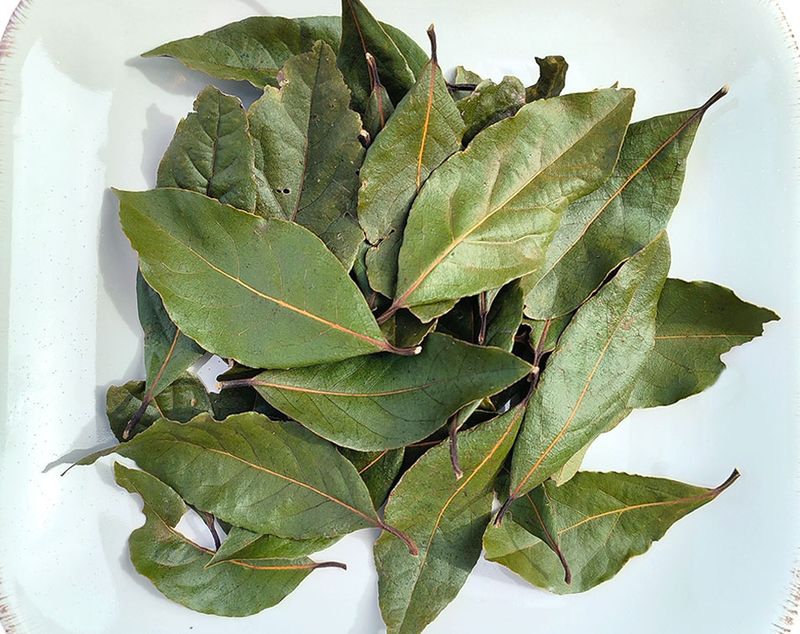
True bay laurel can contain linalool, and so can lavender. That overlap is a real chemical fact, not a marketing invention, and it points toward a genuinely interesting research question about how volatile plant compounds interact with human biology.
Bay-laurel essential oil studies confirm linalool’s presence, and preclinical linalool research gives scientists a reason to keep investigating.
What the shared chemistry does not do is prove that a bay leaf simmering in soup reproduces the conditions studied in lavender aromatherapy trials or delivers a sedative or clinically meaningful calming effect. Lavender’s own evidence base involves controlled preparations at defined doses, and even that evidence is described as mixed.
A culinary leaf in a pot of broth is further still from those conditions.
A useful general rule for food-and-wellness claims: when two plants share a compound, that is a question, not a conclusion. It tells researchers where to look next, not what the kitchen result will be.
Chasing a stronger effect by substituting concentrated essential oil for a culinary leaf introduces real safety risks without any added benefit. Bay leaves belong in the pot for the flavor they reliably deliver, and that quiet contribution to a good bowl of soup is the part the evidence fully supports.