
The North Carolina Native Cover Crops You Sow This Fall That Rebuild Drought-Hit Soil Better Than Mulch
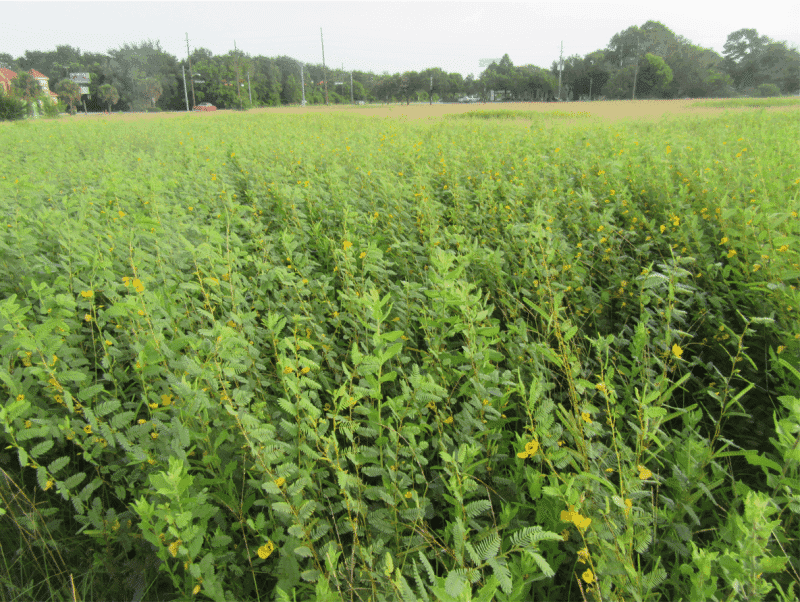
When summer drought bakes your North Carolina yard, the soil underneath can turn hard, cracked, and lifeless. Mulch helps hold moisture, but it just sits on top while living native plants dig deep and actually rebuild the ground below.
This fall, from September through November, you can sow native grasses and sedges that grow roots far deeper than turfgrass, loosen packed clay, and feed birds and pollinators at the same time. Here are eight NC natives that heal drought-hit soil while turning your backyard into a wildlife haven.
1. Switchgrass (Panicum virgatum)
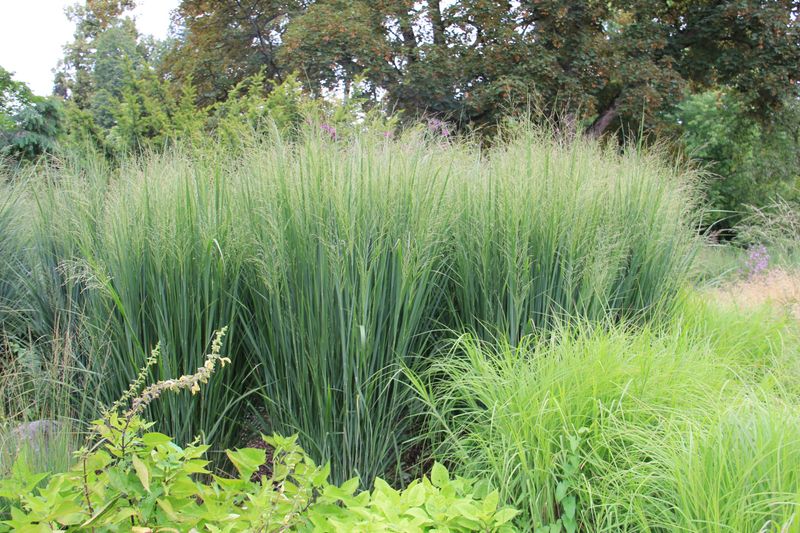
Think of switchgrass as the deep-well driller of your backyard. Its roots plunge several feet down, punching through compacted clay and creating channels that let rainwater soak in instead of running off your parched lawn.
Native to North Carolina’s prairies, meadows, and open woodlands, this tough perennial shrugs off both drought and soggy spells. It handles clay or sandy ground with ease, which makes it a reliable pick whether you garden in the Piedmont or the Coastal Plain.
Come early fall, switchgrass blooms and sets reddish-purple seeds that ripen and cling through winter. Those seeds feed sparrows, finches, and other terrestrial birds during the lean cold months, while the dense clumps offer nesting cover for wildlife.
Fun bit: switchgrass pulls carbon deep into the earth as it grows, so you are literally storing carbon underground while rebuilding your soil. Plant it this fall and let those roots go to work all winter.
2. Pink Muhly Grass (Muhlenbergia capillaris)
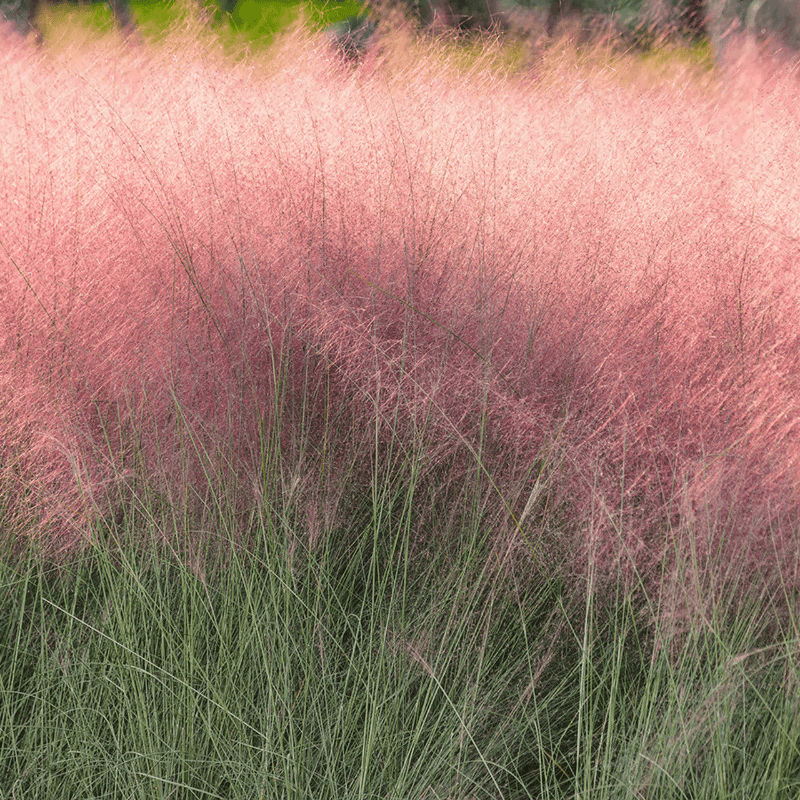
Picture a cloud of cotton-candy pink hovering over your yard every October, and you have got pink muhly grass. Beyond the show-stopping color, this warm-season native quietly toughens up drought-hit soil.
Growing wild across the NC coastal plain and Piedmont, muhly grass laughs at heat, humidity, sandy soil, and dry spells. Its neat clumping habit stays between one and three feet tall, so it works beautifully along borders or planted in big sweeps.
Those famous pink plumes are not just pretty. After the color fades, the seed heads hold on and feed small birds through winter, and the clumps shelter beneficial insects.
If sandy, quick-draining soil has been your enemy during summer droughts, muhly is your friend. Its fibrous roots knit loose ground together and slow erosion far better than a layer of bark chips ever could.
3. Little Bluestem (Schizachyrium scoparium)
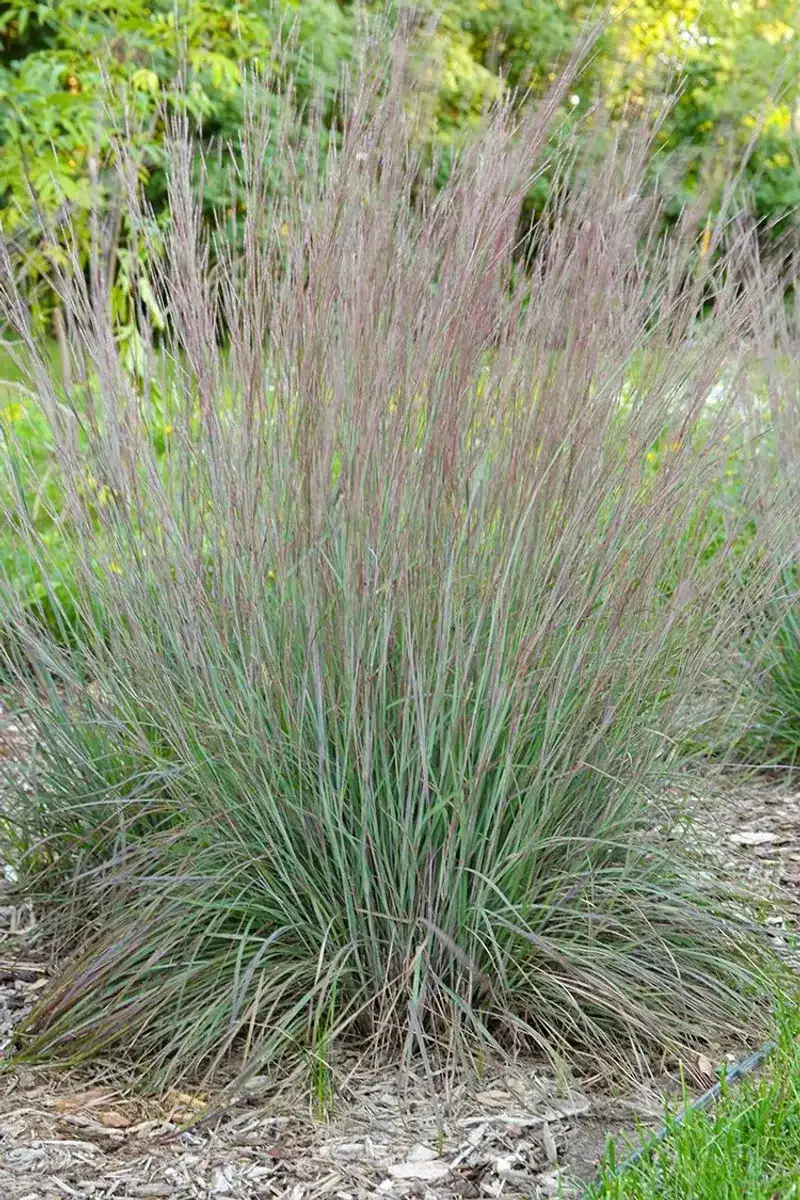
Few grasses earn their keep like little bluestem, a butterfly nursery disguised as a soil builder. Its blue-green summer blades turn a glowing copper-orange in fall, giving your yard a warm seasonal blush.
What sets it apart is how many caterpillars depend on it. In North Carolina, little bluestem hosts numerous species of moth and butterfly larvae, meaning every clump you plant becomes a feeding station for future pollinators.
Underground, the story is just as good. Its deep, fibrous roots break apart compacted layers and add organic matter as older roots die back and decompose, steadily rebuilding tired soil.
Little bluestem stays modestly sized and stands up straight through winter storms, so it holds its shape and keeps sheltering overwintering insects long after the growing season ends. Tuck it into a sunny, dry spot this fall and let it settle in before the cold.
4. Indian Grass (Sorghastrum nutans)
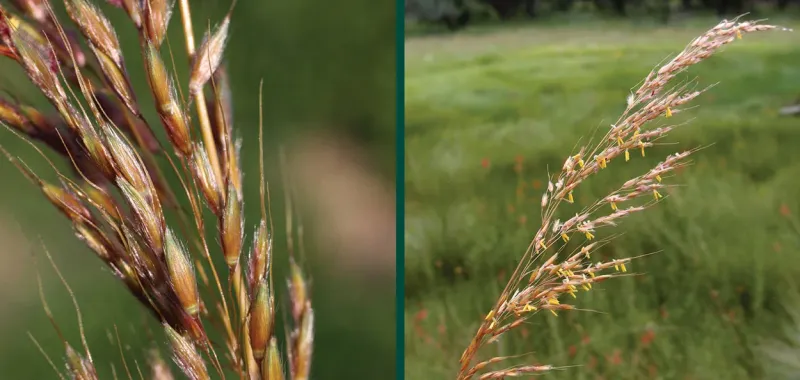
Stand next to mature Indian grass and you will feel small, and that is exactly the point. This towering native can reach five to seven feet, sending down roots that mine deep moisture your lawn never reaches.
Its late-summer plumes shimmer golden-bronze, dangling bright yellow anthers that catch the wind. The tall structure gives birds a perch and hides small wildlife moving through your yard.
Recommended across NC’s Coastal Plain, Piedmont, and Appalachian Mountains, Indian grass adapts to a wide range of yards. Those long roots are champions at breaking up hard clay and pulling carbon down into the subsoil.
Where mulch only protects the top inch of ground, Indian grass reaches deep to open drainage channels and revive drought-compacted layers. Give it room and full sun, and it will anchor a resilient corner of your backyard for years.
5. Big Bluestem (Andropogon gerardii)
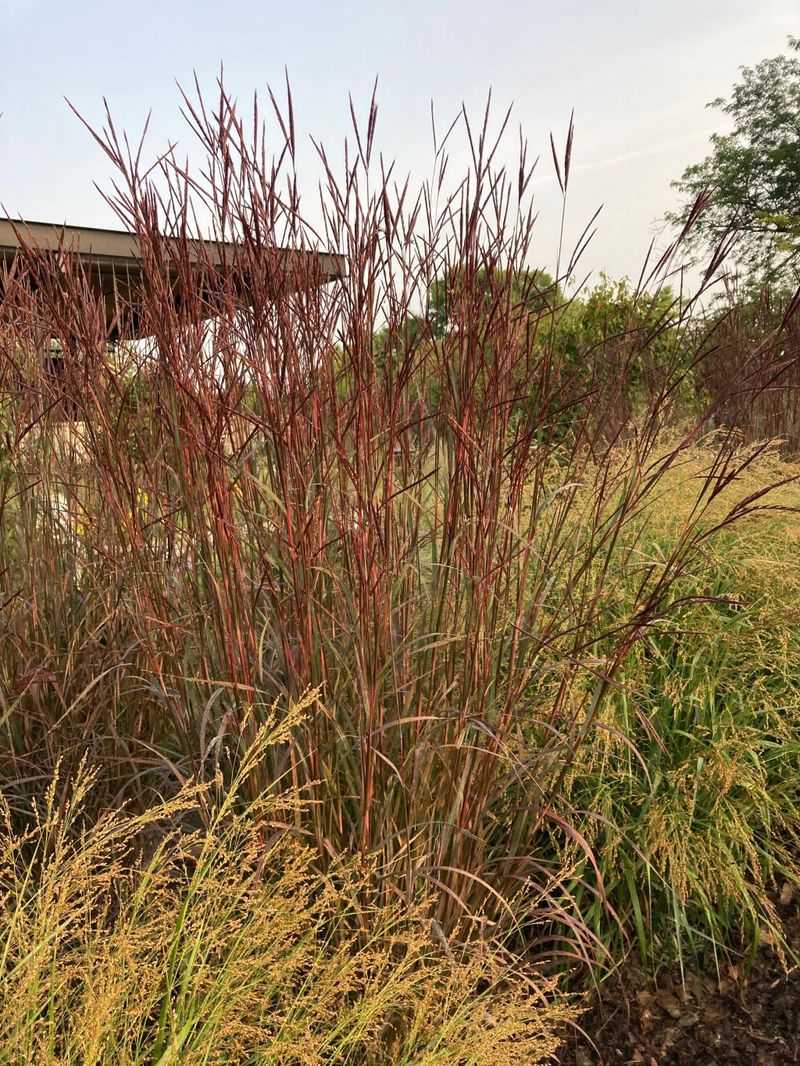
Old-timers called it turkey foot because its seed heads split into three fingers like a bird’s track, and once you spot that shape you will never mistake big bluestem for anything else. It is the giant of native prairie grasses, often topping six feet.
Its claim to fame belowground is a root system that can dive deeper than the plant is tall. Those roots shatter compacted soil, create endless water channels, and keep feeding soil microbes with carbon-rich exudates all season.
Native to North Carolina’s varied ecosystems, big bluestem provides habitat for insects, spiders, and grass skippers, and it acts as a host plant for several butterflies. A stand of it hums with life by late summer.
For a backyard that flooded in spring and cracked in the drought of summer, big bluestem offers real balance. Its deep architecture helps the ground handle both extremes far better than any surface treatment.
6. Broom Sedge (Andropogon virginicus)
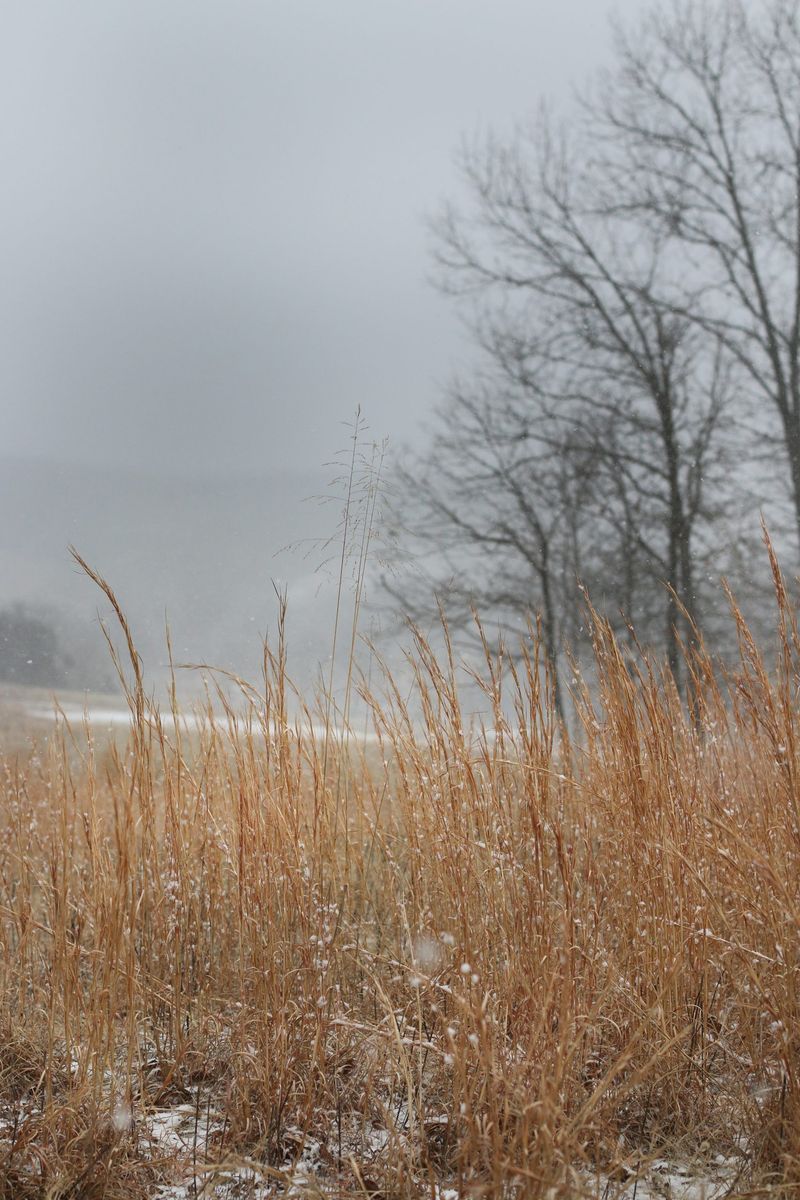
That warm, tawny-orange grass glowing in NC roadside fields all winter? Odds are it is broom sedge, one of the toughest natives you can invite into a struggling yard.
It thrives where almost nothing else wants to grow.
Poor, dry, worn-out soil is exactly its comfort zone. Broom sedge colonizes disturbed and depleted ground, its roots slowly rebuilding structure and organic matter where the land has been beaten down by drought.
The silvery seed tufts feed small birds, and the standing clumps give sparrows and insects winter cover. Its persistent color also keeps your yard looking alive through the gray months.
Because it asks for so little, broom sedge is a smart first step for reviving the hardest, most neglected patch of your property. Sow it this fall and let it pioneer the recovery.
7. Splitbeard Bluestem (Andropogon ternarius)
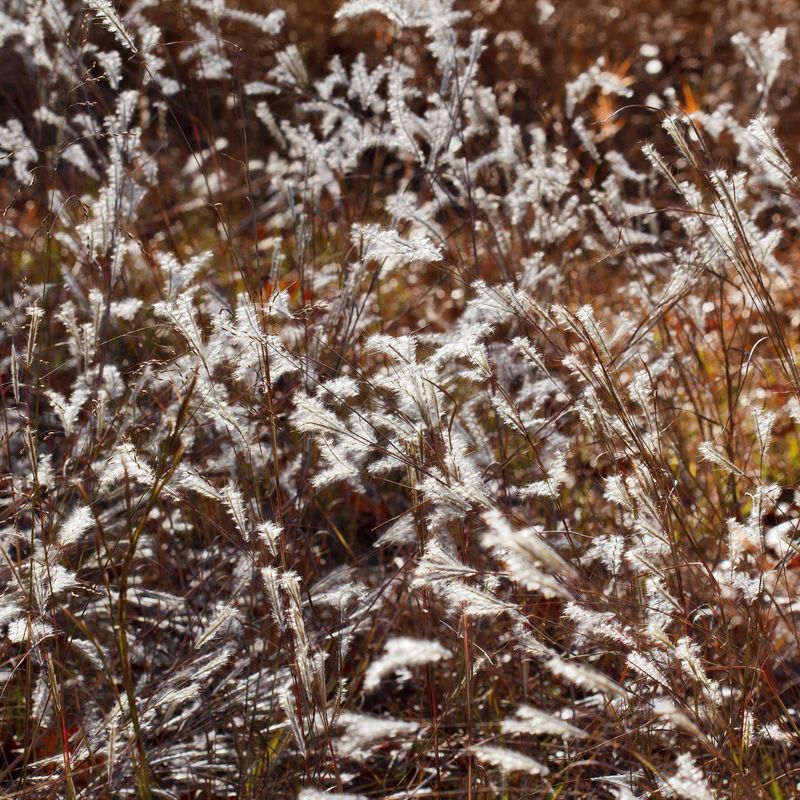
Delicate silvery tufts that split into fuzzy white pairs give splitbeard bluestem a soft, almost frosted look in fall sunlight. It is the graceful cousin in the bluestem family and a favorite for adding fine texture.
This slender native handles the dry, sandy soils common across parts of North Carolina, spreading its roots to hold that loose ground in place. As it grows and dies back each year, it steadily builds the organic matter drought-stressed soil craves.
Grass skippers and other small butterflies use it as a host and shelter, so it earns its spot as a wildlife plant as much as a soil healer. Birds pick through the fluffy seed heads once cooler weather arrives.
Plant it along a sunny edge where you want movement and shimmer, and it will quietly repair the soil while catching every breeze.
8. Native Sedges (Carex spp.)
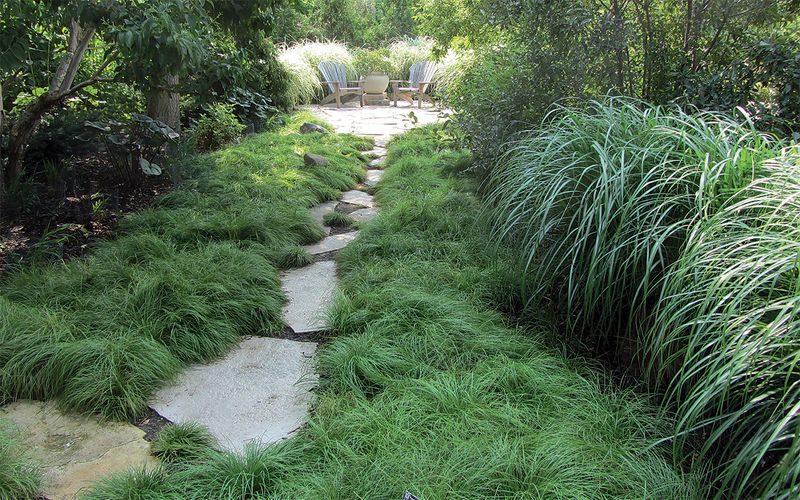
Not every drought-hit spot bakes in full sun, and that is where native Carex sedges shine. These fine-bladed, grass-like plants thrive in the shady corners under trees where turf gives up and bare, crusted soil takes over.
Used as a living groundcover, sedges knit together shaded ground, slow erosion, and keep the soil biologically active and covered year-round. Their roots feed soil microbes and improve structure even where sunlight is scarce.
Various NC Carex species support wood nymphs, satyrs, and moths, quietly boosting the food web in the parts of your yard you might otherwise ignore. They pair naturally with the sun-loving grasses above to cover every zone.
Instead of dumping mulch under your shade trees each year, sow native sedges once this fall and let a self-sustaining green carpet rebuild that soil on its own. It is the low-effort finishing touch for a truly resilient NC backyard.