
If Your Clematis Grows Plenty Of Vines But Never Blooms, Here Are 16 Mistakes Quietly Keeping It Flowerless
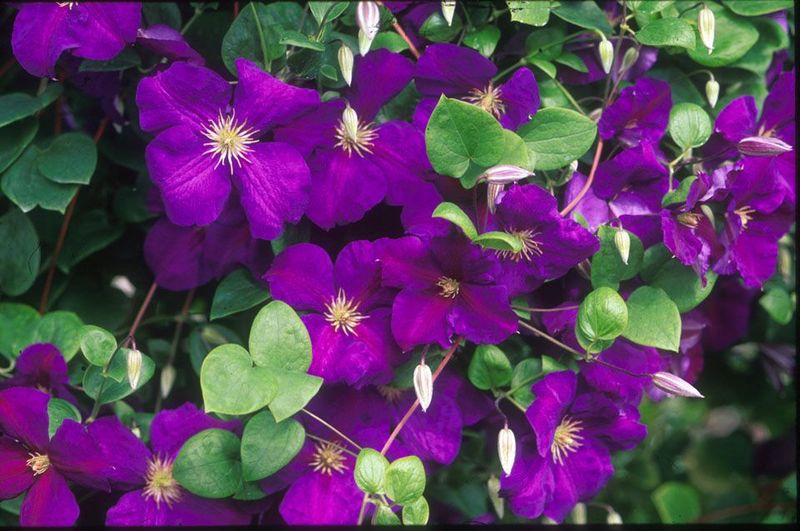
You water it, you watch it climb, and your clematis rewards you with leaves and vines but almost no flowers. It feels unfair, especially when you know this plant is capable of gorgeous, showy blooms.
The good news is that a flowerless clematis is almost always caused by a small, fixable mistake, not a doomed plant. Here are 16 common slip-ups quietly keeping your clematis leafy but bare, plus the easy fixes for each one.
1. Improper Pruning for Your Clematis Group
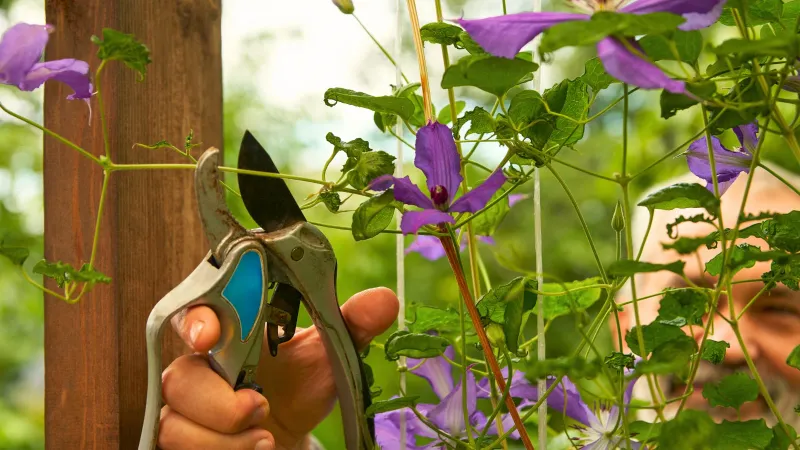
Clematis do not all get pruned the same way, and that single misunderstanding trips up more gardeners than almost anything else. Every variety falls into one of three pruning groups, and each group forms its flower buds at a different time.
Group 1 blooms on last year’s wood, Group 2 flowers on both old and new growth, and Group 3 blooms entirely on fresh growth. If you cut at the wrong moment, you may be snipping off the very buds you were waiting on.
The fix is refreshingly simple. Find out which group your clematis belongs to, usually by variety name or bloom time, then follow that group’s pruning schedule.
Once your timing matches the plant, the flowers tend to show up on their own.
2. Over-Pruning
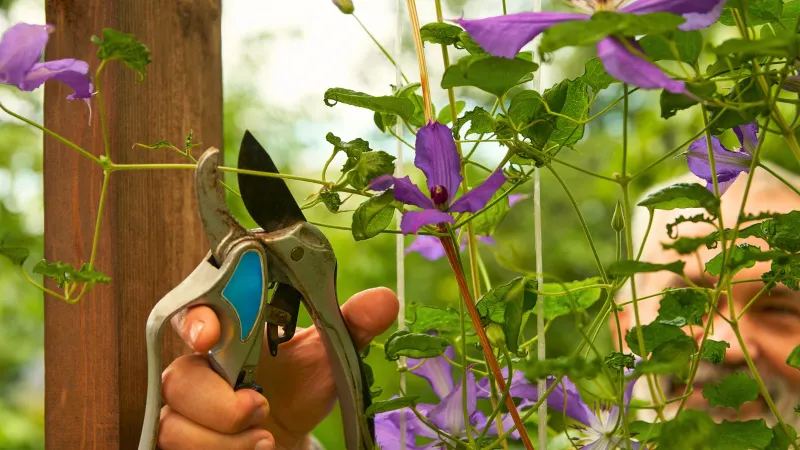
Enthusiasm can backfire fast with clematis. When you hack a Group 1 or Group 2 plant down hard, you strip away the older wood that carries its flower buds, and you end up with a vigorous green plant and zero color.
Group 1 types should only get a light tidy after they finish flowering, mostly to shape them. Group 2 clematis bloom on that old wood too, so a heavy chop sacrifices your earliest and often showiest flush.
Go gentle unless you know your plant is a Group 3 that genuinely wants a hard cut. When in doubt, prune less rather than more, and let the plant tell you what it prefers over the next season.
3. Under-Pruning or Neglect
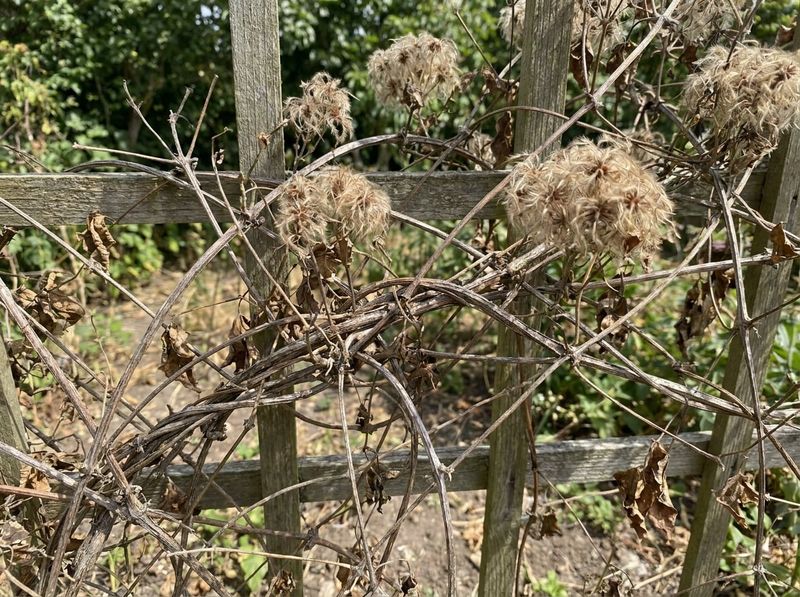
On the flip side, doing nothing at all can smother a clematis in its own mess. Dead, weak, and tangled stems pile up over the years until the plant looks like a bird’s nest.
All that congestion means vines shade each other, air can’t move through, and the plant’s energy scatters instead of feeding blooms. A crowded clematis simply has fewer resources to spend on flowers.
Spend a little time each season clearing out the dead and damaged stems and untangling the survivors. Opening up the plant lets light reach more of it, and you will usually be rewarded with fresher, more generous flowering.
4. No Initial Pruning for Young Plants
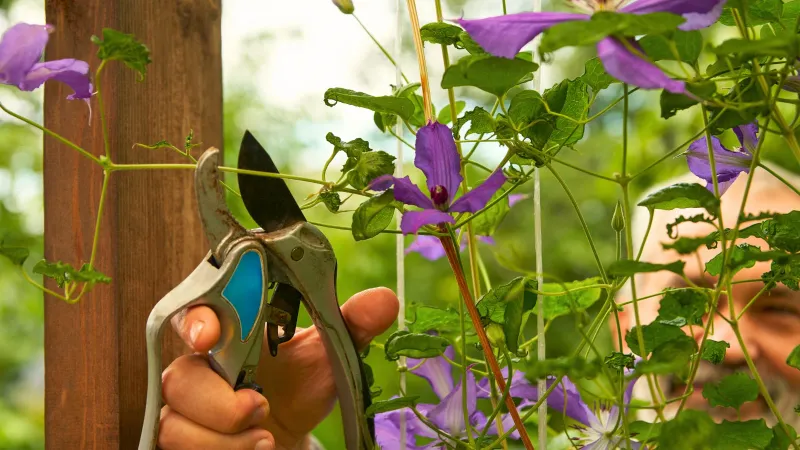
Skipping that first hard prune feels kind, but it actually shortchanges a new clematis for years. A young plant left uncut tends to send up one or two spindly stems and little else.
Cutting a new clematis back to about 30 centimeters, roughly 12 inches, in its first spring seems brutal but pays off. That single cut forces the plant to break from the base and produce several strong stems instead of one weak one.
More stems from the ground means a fuller, bushier plant later, and a fuller plant carries far more flowers. Think of it as an investment that trades a little early size for a lot more future bloom.
5. Insufficient Sunlight
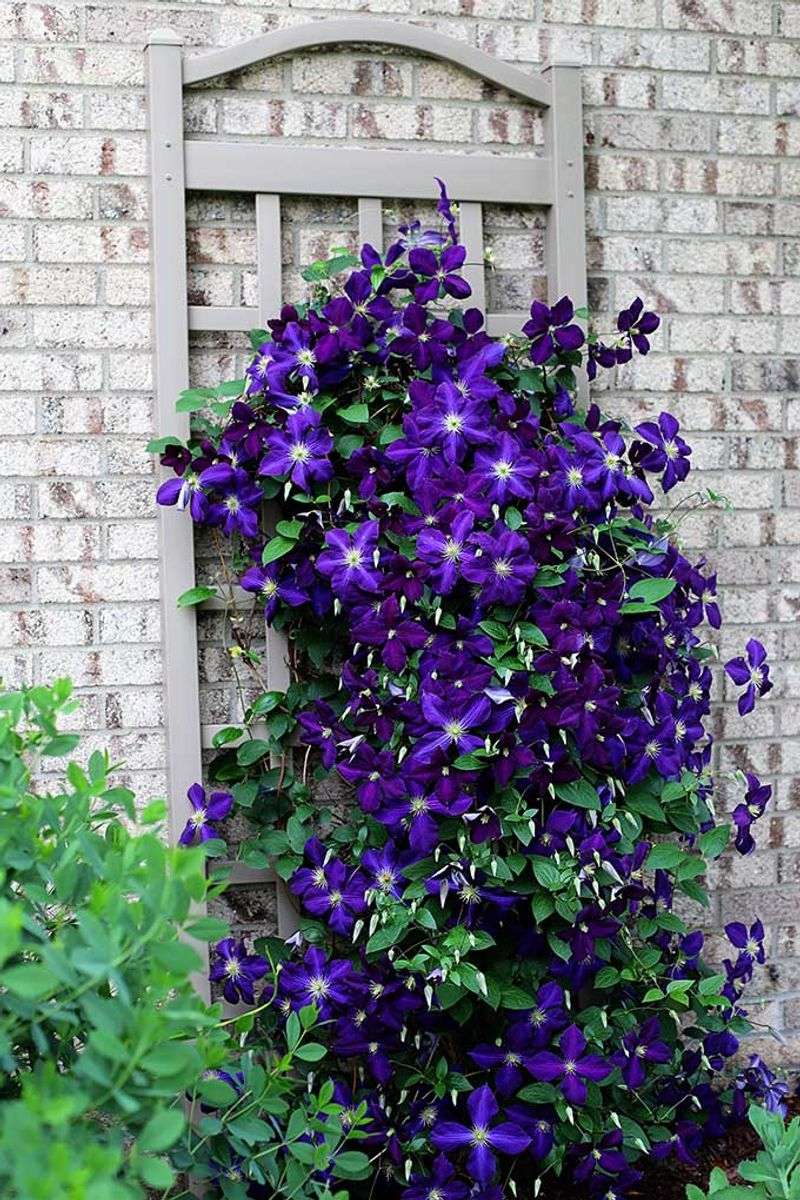
Here’s the classic clematis riddle: cool roots, sunny tops. People remember the shade part and forget that the vines themselves are sun lovers.
Most clematis want at least six hours of direct sun on their leaves and stems to fuel flower production. Tuck one into a dim corner and it will happily grow leaf after leaf while producing almost nothing worth photographing.
If your plant sits in heavy shade, that’s likely your whole problem right there. Moving it to a brighter spot, or thinning back whatever is blocking the light, can flip a leafy green vine into a flowering one within a season.
6. Hot Feet From Warm Roots
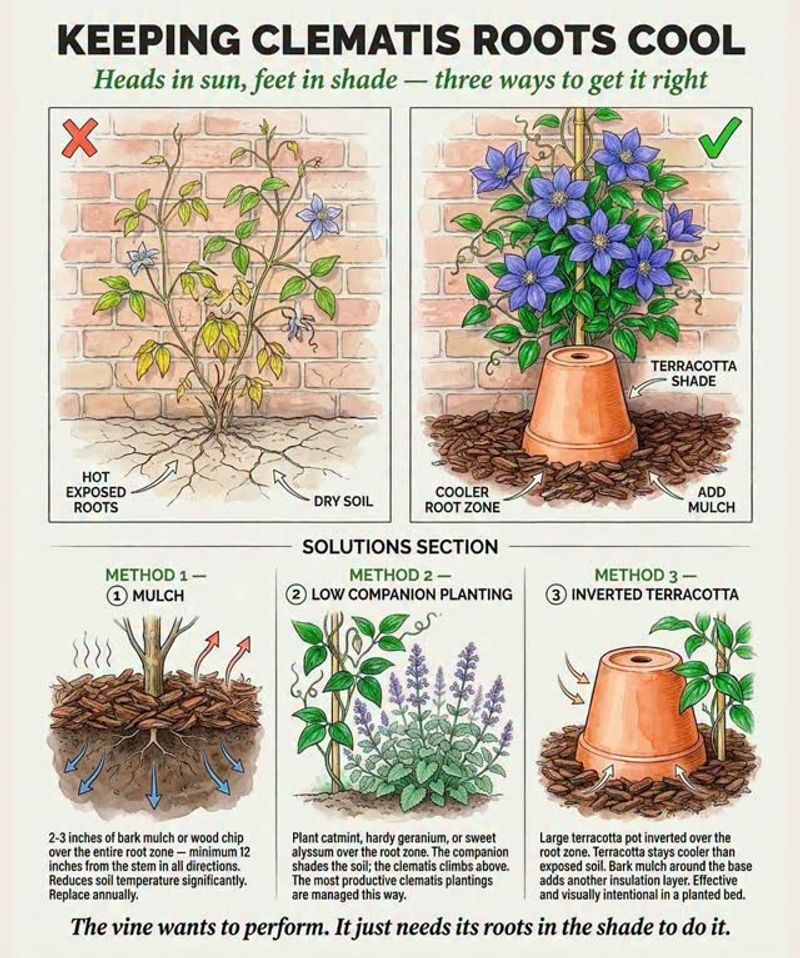
Clematis are fussy about their toes. Their roots want to stay cool and steadily moist, ideally with soil temperatures somewhere between 50 and 65 degrees Fahrenheit.
Let those roots bake in hot, dry soil and the plant gets stressed and stingy with flowers, sometimes stunting altogether. Warm feet are an easy problem to overlook because everything above ground looks fine.
Shade the root zone and you solve it. Plant low perennials around the base, lay down a generous layer of mulch, or set a few light-colored rocks over the soil to reflect heat away and hold in moisture.
7. Too Much Nitrogen Fertilizer
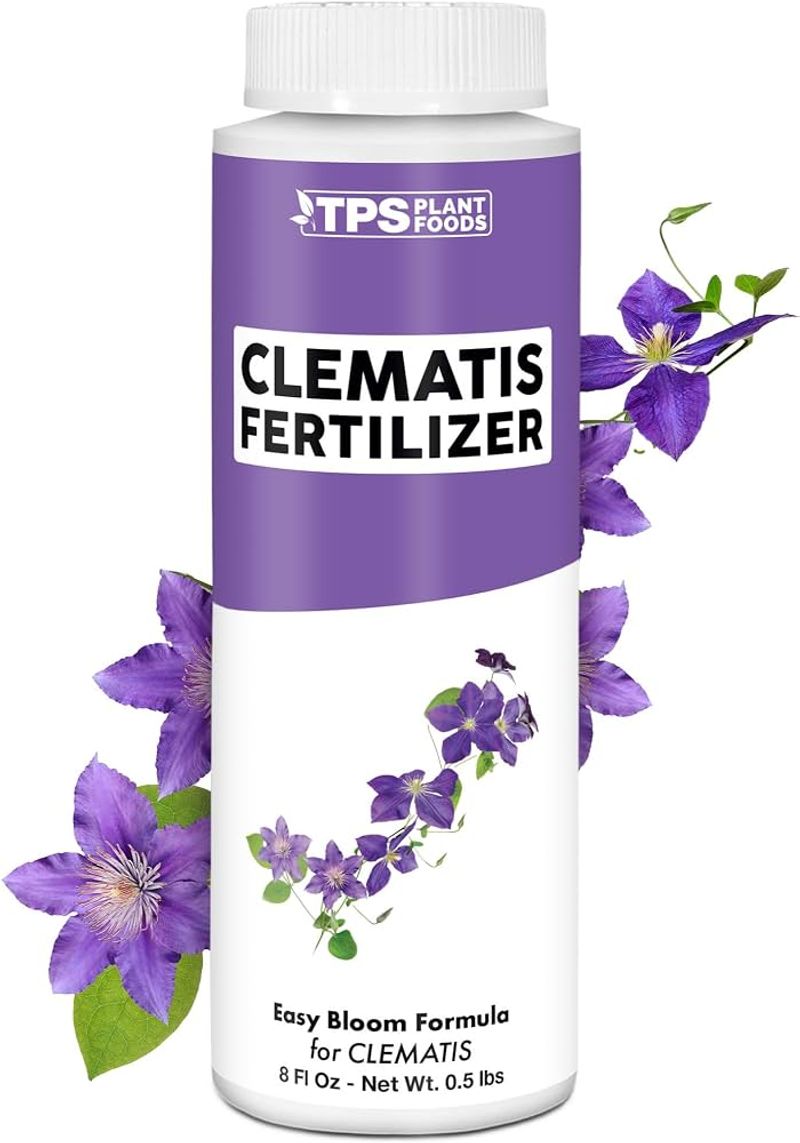
Feed a clematis a diet heavy in nitrogen and it will thank you with a jungle of leaves and hardly a bloom in sight. Nitrogen pushes green growth, and the plant obliges by pouring energy into foliage instead of flowers.
A sneaky culprit is a nearby lawn. If you fertilize your grass generously, runoff can reach your clematis roots and quietly steer it toward all leaf, no color.
Switch to a balanced feed or one lower in nitrogen, such as a 5-10-10 blend or even tomato fertilizer, applied in spring. The higher phosphorus nudges the plant back toward making buds instead of just more vine.
8. Insufficient Nutrients
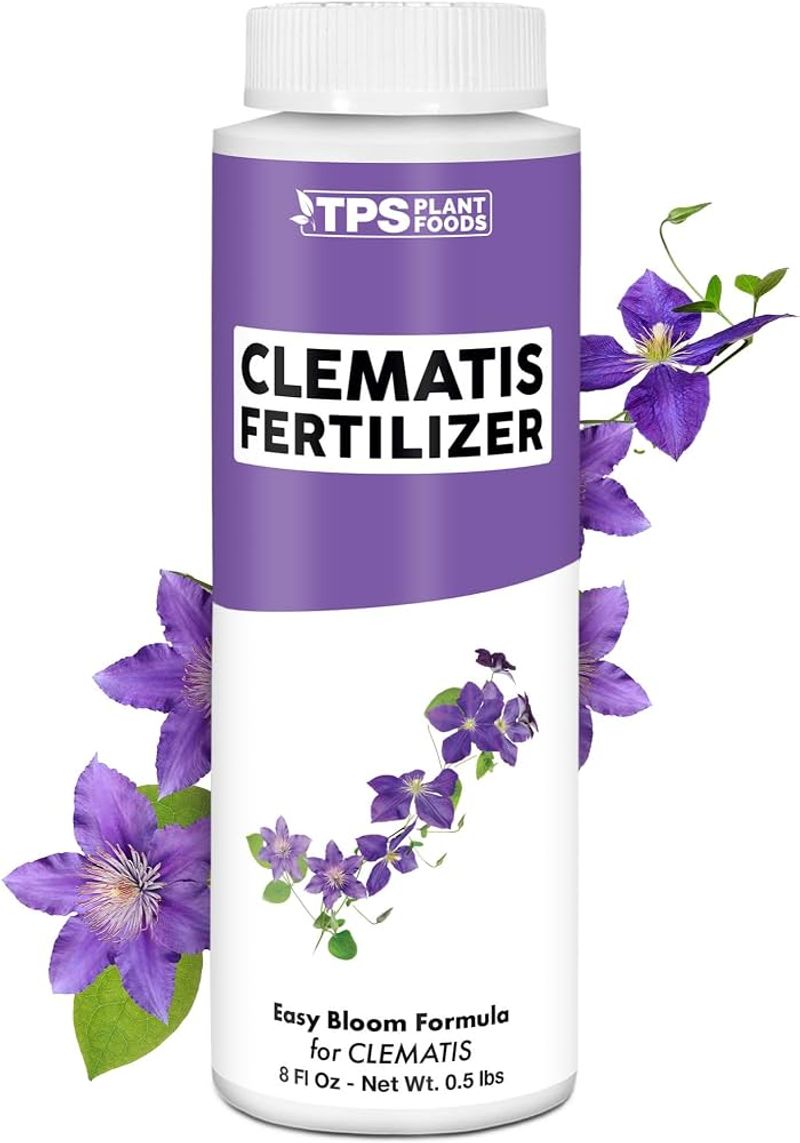
Less common but still real, a hungry clematis can also refuse to bloom. These vines are heavy feeders, and if they run short on the right nutrients they simply don’t have the fuel for a big flower show.
Phosphorus and potassium matter most for flowering. A plant that’s getting by on thin, depleted soil may look okay while quietly skipping the blooms you’re hoping for.
An application of sulphate of potash in late winter or early spring can help once your other conditions are in order. Give the plant a steady, balanced supply and it usually responds by flowering more freely.
9. Incorrect Soil pH
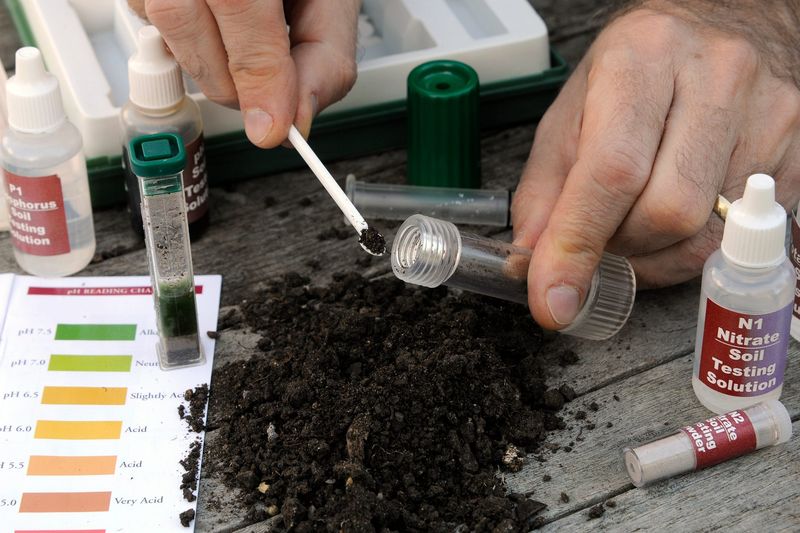
Soil chemistry works behind the scenes, and it can lock nutrients away even when they’re technically present. Clematis do best in soil with a pH between about 5.5 and 7.0.
Push too far into acidic or alkaline territory and the plant struggles to absorb what it needs, which shows up as poor flowering. You could be feeding perfectly and still see nothing, because the roots can’t take up the food.
A cheap soil test settles the question quickly. Once you know your number, you can add lime to raise pH or sulfur to lower it, gently nudging the soil into the range clematis actually enjoy.
10. Poor Soil Drainage
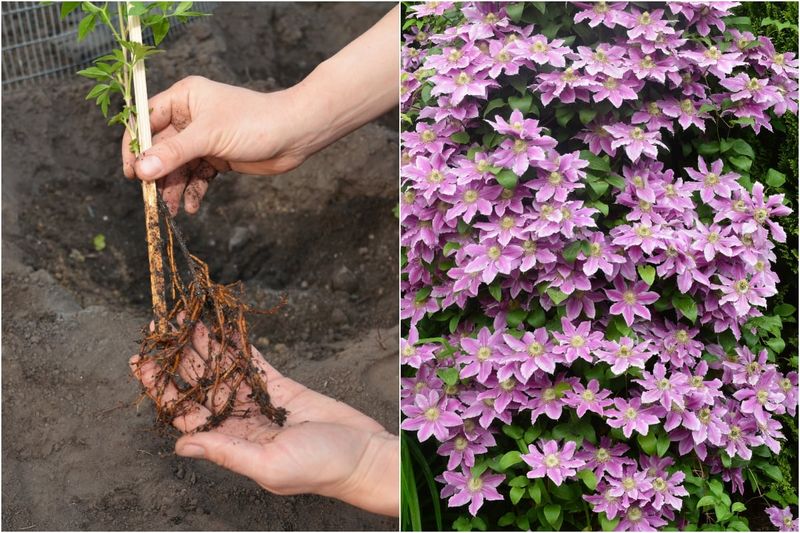
Clematis want a tricky balance: moisture that sticks around, but never soggy, standing water. Get the second part wrong and the roots pay the price.
Waterlogged soil chokes out oxygen and invites root rot, and a stressed root system won’t waste energy on flowers. The plant goes into survival mode instead of bloom mode.
Check that your planting site actually drains. Improving heavy clay with compost, planting on a slight mound, or making sure containers have real drainage holes keeps the roots damp but breathing, which is exactly what clematis crave.
11. The Plant Is Simply Too Young
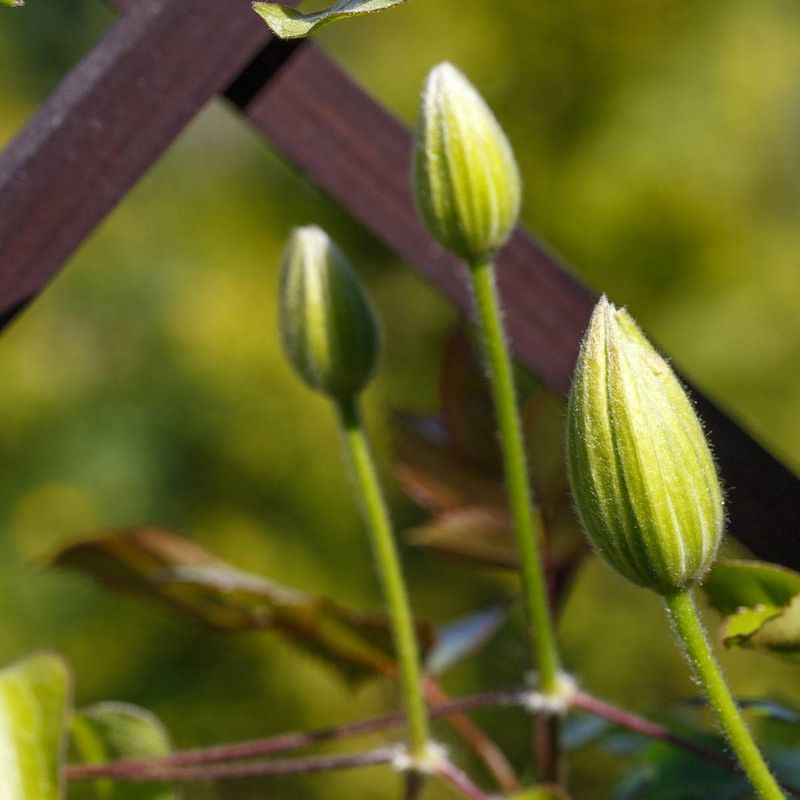
Sometimes the mistake is impatience, not care. A brand-new clematis often spends its early energy building roots rather than putting on a flower display.
There’s an old gardener’s rhyme about clematis: first year it sleeps, second year it creeps, third year it leaps. Many varieties really do take one to three years to settle in and bloom heavily.
If your plant is young and otherwise healthy, the kindest thing you can do is wait. Keep the roots cool, the sun on the vines, and the feeding steady, and the flowers will arrive when the plant is ready to leap.
12. Inconsistent Watering or Drought Stress
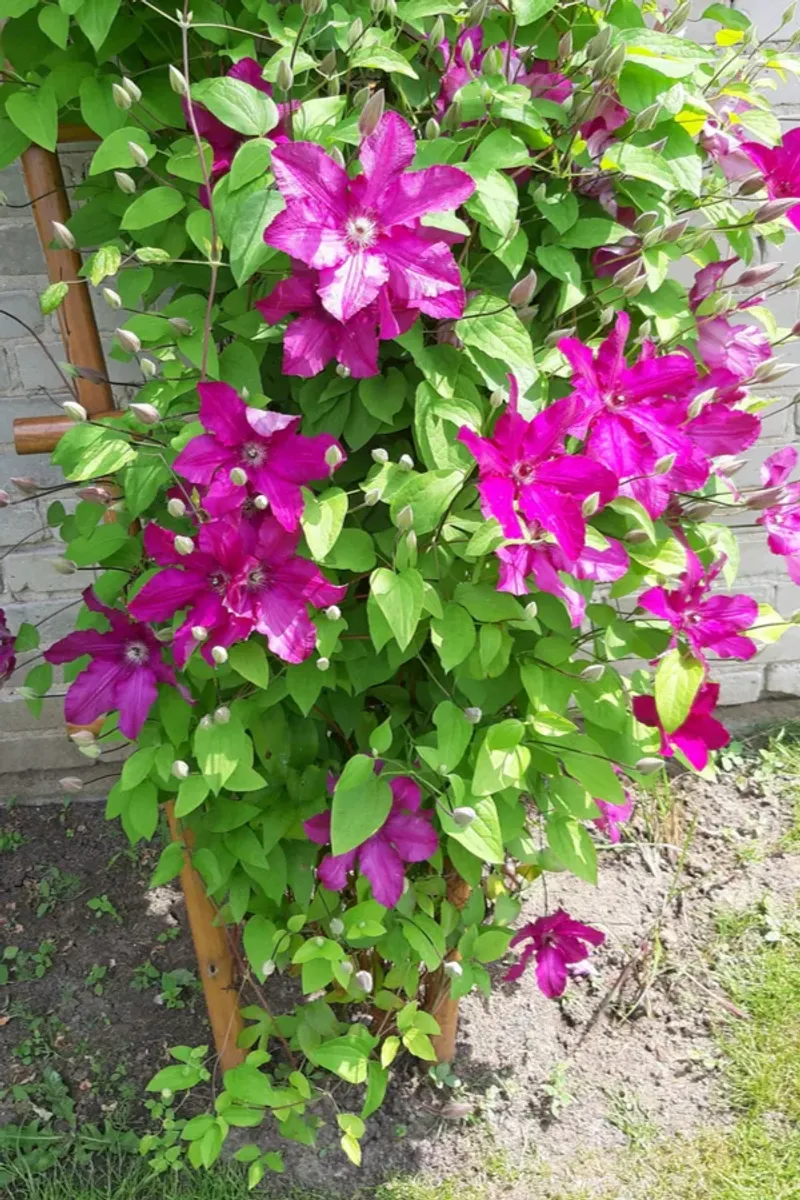
Clematis don’t handle thirst gracefully. During the growing season they want steady moisture, and letting the soil swing between bone dry and soaked stresses them badly.
A drought-stressed plant conserves everything it can, and flowers are the first luxury it drops. You might not even notice the wilting stress before you notice the missing blooms.
Water deeply and regularly, especially while the plant is establishing and during hot stretches. Pair consistent watering with a mulched, shaded root zone and you remove one of the most common reasons a healthy-looking clematis stays flowerless.
13. Frost Damage to Buds
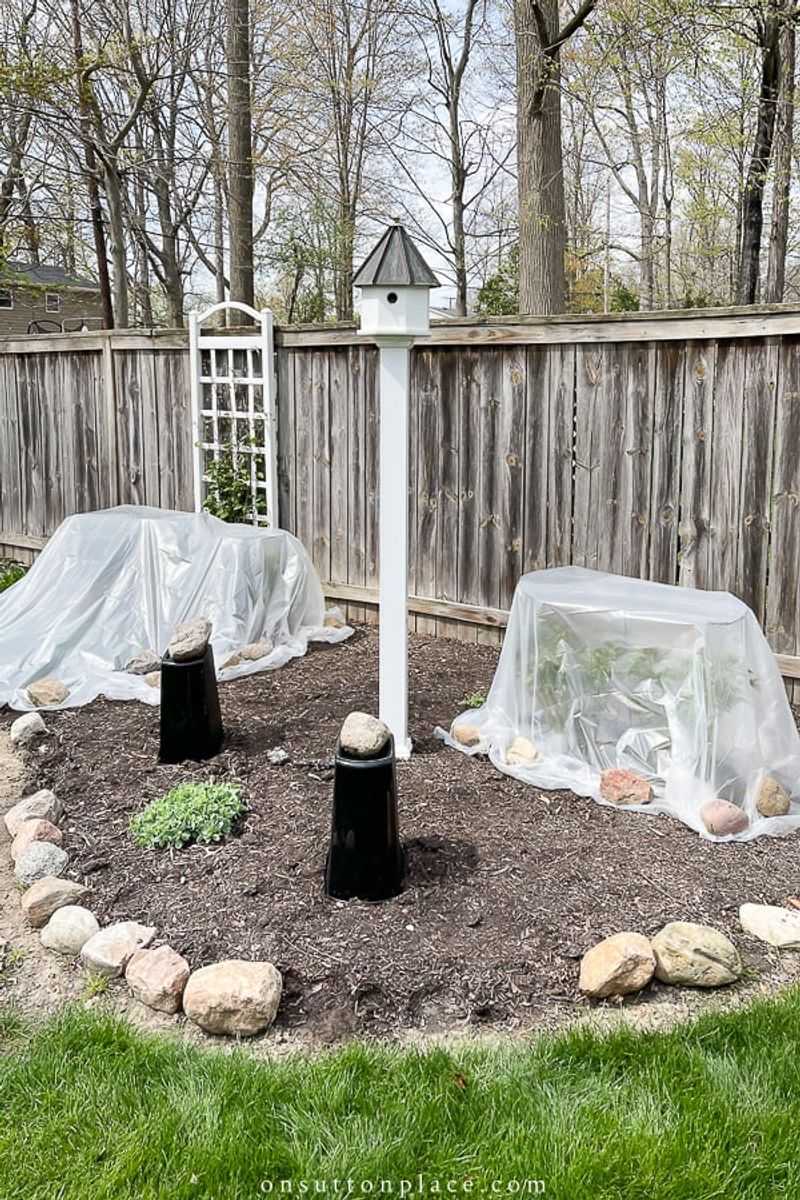
Sometimes the buds form just fine and a cold snap steals them at the worst moment. In the chillier edges of a clematis’s hardiness range, a late spring frost can nip developing buds right off.
You end up with a plant that clearly tried, put on growth, set buds, then lost them overnight. It’s heartbreaking and easy to misread as a mystery.
If late frosts are a repeat problem where you live, be ready to cover the plant with burlap or frost cloth when a cold night threatens. Moving a container clematis to a sheltered spot, or planting near a warm wall, can also spare those tender buds.
14. Planting Too Close to a Structure or Wall
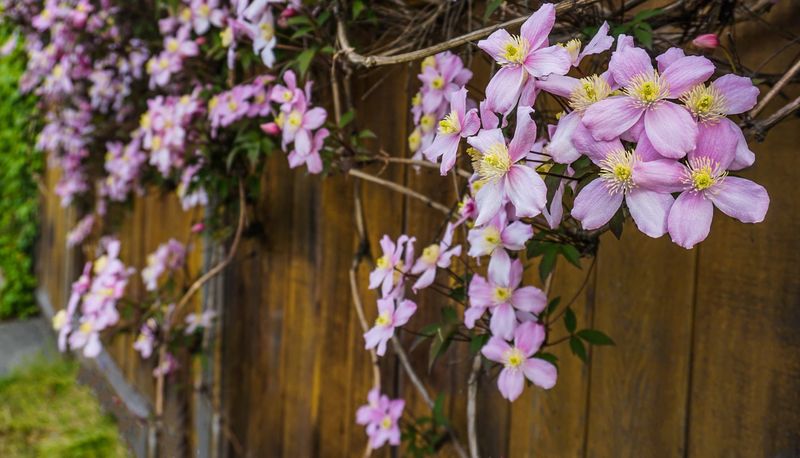
That cozy spot right against the house can quietly work against your clematis. Walls and structures throw off heat, block rain, and choke air movement around the plant.
The result is often hot, dry roots and poor circulation, exactly the conditions that shut down flowering. The vine may climb beautifully while never quite blooming, because its foundation is stressed.
Give the plant some breathing room by setting it out from the wall rather than tight against it. Combine that spacing with mulch and shaded roots, and you turn a struggling wall clematis into a happy one.
15. Incorrect Planting Depth
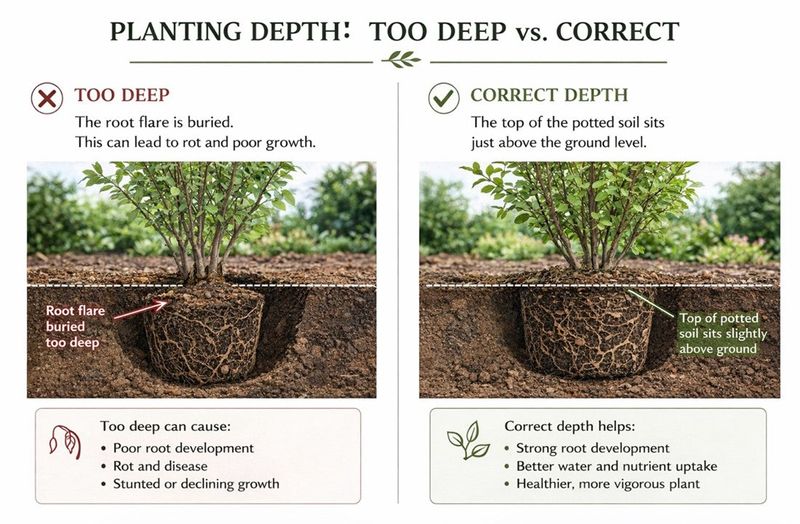
With most plants you match the nursery pot’s soil line, but clematis break that rule on purpose. They actually want to go in deeper, roughly three inches lower than they sat in their pot.
That extra depth encourages the plant to form new shoots from below the soil, which builds a sturdier, more resilient plant. Set it too shallow and it may never establish the vigor it needs to flower well.
If your clematis has never done much and you planted it shallow, depth could be your quiet culprit. Newer plants can be gently reset deeper, giving them a stronger foundation for future blooms.
16. Lack of Adequate Climbing Support
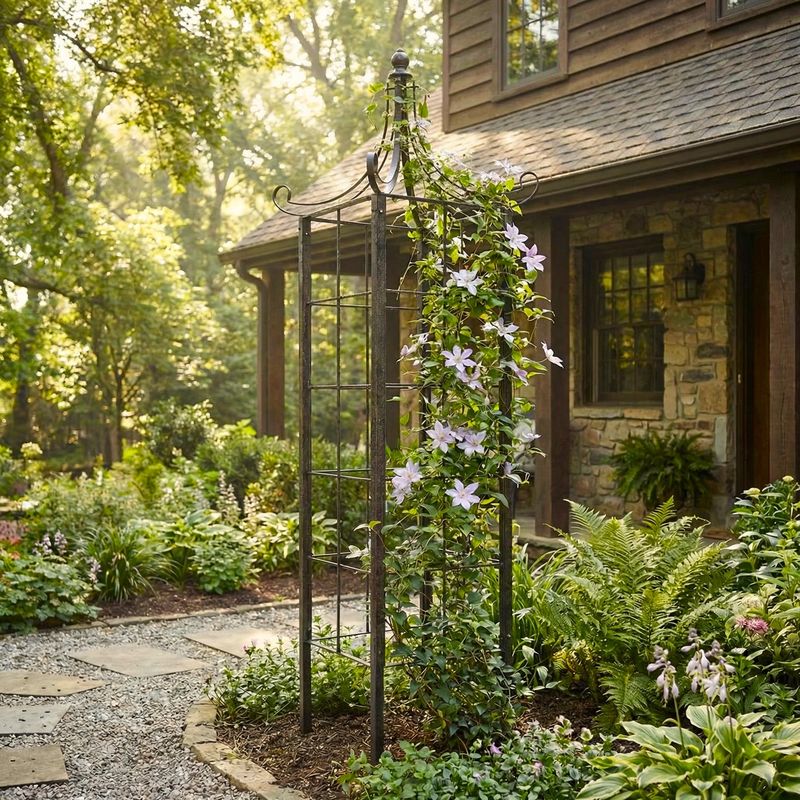
Plenty of vine and nowhere good to go is a recipe for a sprawling, stressed clematis. Without the right support, the plant tangles into itself, and tangled growth shades and strains the vine.
Clematis climb by wrapping their leaf stems around thin supports, so a fat, smooth post gives them nothing to grip. A frustrated climber puts its energy into hanging on instead of flowering.
Offer a trellis, obelisk, netting, or arbor with slim rails or wires the plant can actually grab. Well-supported vines spread out, catch more sun, and reward you with a fuller, more spectacular floral display.
Fix the support, along with sun, cool roots, and the right pruning, and your leafy clematis finally has every reason to bloom.