
The Low-Growing North Carolina Natives That Edge A Walkway For Years Without Ever Needing A Trim
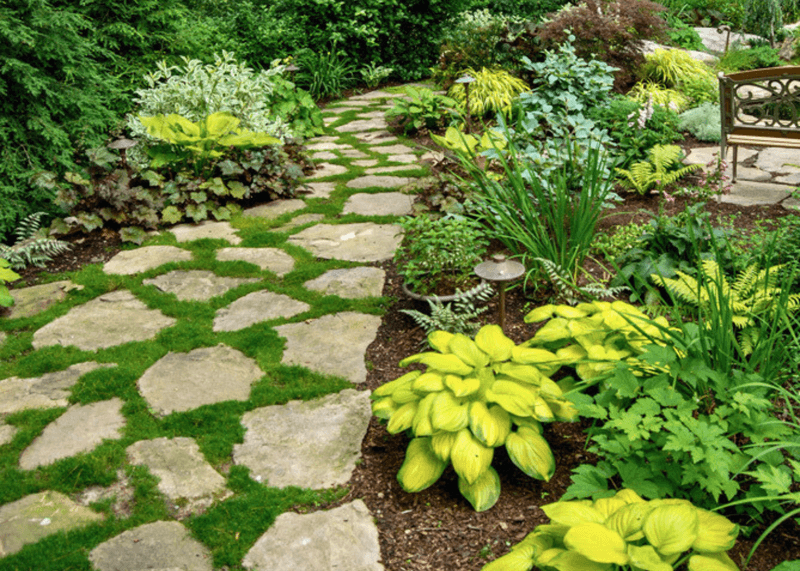
Edging a walkway usually means fighting back the same plants over and over with shears in hand. But some North Carolina natives stay short and tidy all on their own, saving you the work while feeding pollinators and sheltering little critters like box turtles.
Even better, planting these instead of pushy invaders helps keep your yard healthy for the wildlife you love. Here are seven low-growing natives that will hug your path for years without ever asking for a trim.
1. Allegheny Spurge (Pachysandra procumbens)
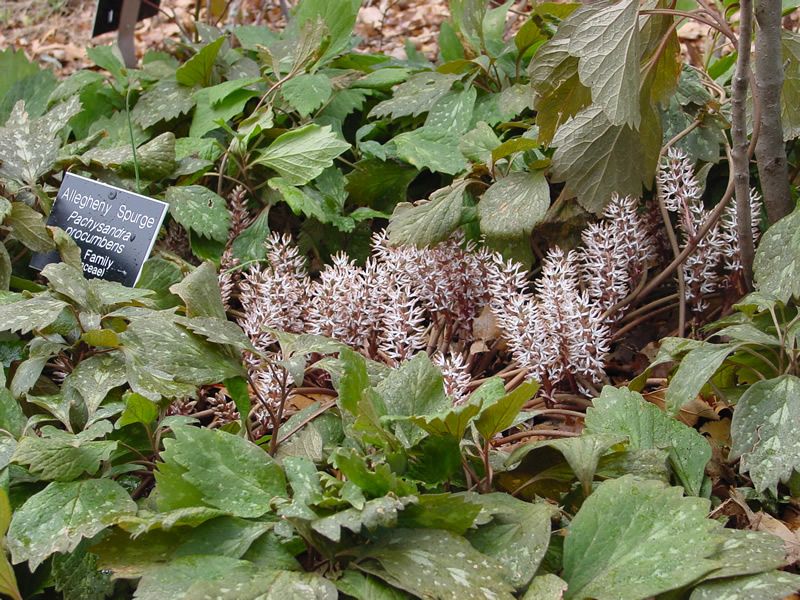
Here is the plant that finally lets you retire your hedge shears. Allegheny Spurge builds a thick, weed-smothering carpet of mottled silvery-green leaves that hold their color right through a North Carolina winter.
In early spring, short spikes of fragrant white flowers pop up close to the soil. The whole plant tops out around 6 to 12 inches, so it never flops over your path or needs cutting back to stay neat.
What makes it special is where it will grow. Shady, even soggy corners suit it fine, and it shrugs off occasional flooding, making it perfect for damp strips beside a walkway.
Its dense foliage also gives small wildlife a place to tuck in.
Best of all, it stays put. Unlike its aggressive Asian cousin Pachysandra terminalis or spreading Liriope spicata, this native minds its manners.
If you have been battling either of those invaders, swap them out for Allegheny Spurge and enjoy the calm.
2. Woodland Stonecrop (Sedum ternatum)
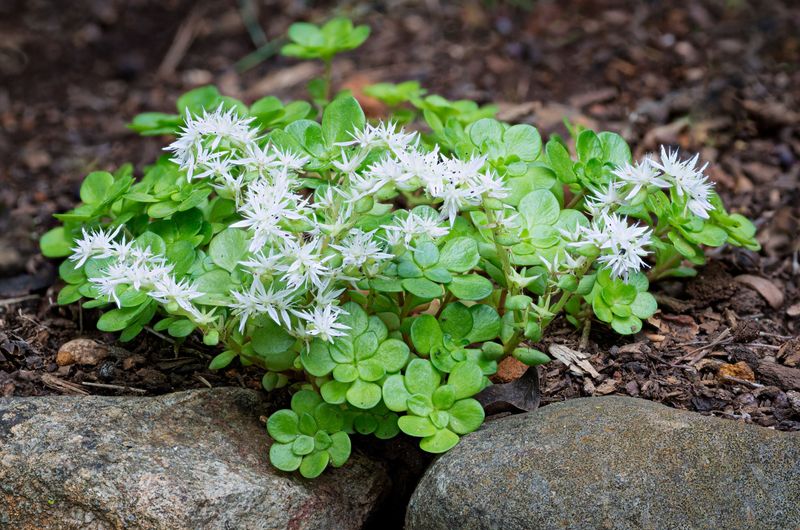
Think of Woodland Stonecrop as the tidy little succulent that asks for almost nothing. It forms neat mats just four to eight inches tall, hugging the edge of a path like it was measured to fit.
From April into June, it sends up clusters of white, star-shaped flowers that bees and butterflies happily visit. It even doubles as a host plant for several moth species, so your walkway edge quietly becomes an insect nursery.
Drought, deer, and rabbits barely faze it. Give it shade, well-drained soil that is not too rich, and a bit of thin dirt over rocks, and it thrives, which is why it does so well in the Piedmont and Mountain regions.
If you have a dry, sunny spot where turfgrass sulks and non-native groundcovers creep, this stonecrop is a smart, homegrown fix. Plant it, water it in, then mostly leave it alone.
3. Green-and-Gold (Chrysogonum virginianum)
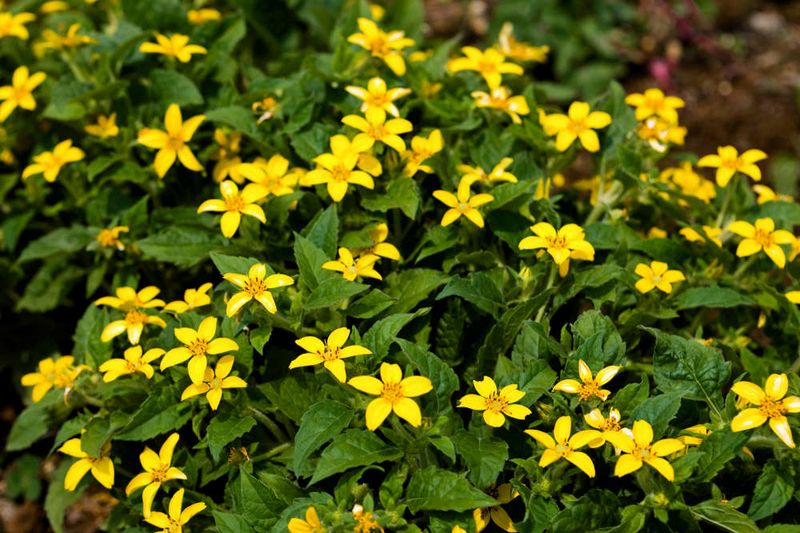
Cheerful is the only word for Green-and-Gold. This evergreen perennial throws out bright yellow, star-shaped flowers in spring and often keeps flashing a few later in the season.
The foliage knits into a lush carpet about 6 inches tall that spreads reliably without turning into a bully. That balance is exactly what you want in a walkway edge: full coverage, no takeover, and no trimming to keep it looking sharp.
It is wonderfully easygoing about conditions, growing in part sun to part shade and handling average to dry soil. You will find it thriving across all three NC regions, from the Coastal Plain to the mountains.
Pollinators love the blooms, deer tend to pass it by, and it makes a colorful stand-in for spreading Liriope spicata or English ivy. Trade the invasive for this bright native and your border earns its keep with wildlife too.
4. Partridgeberry (Mitchella repens)
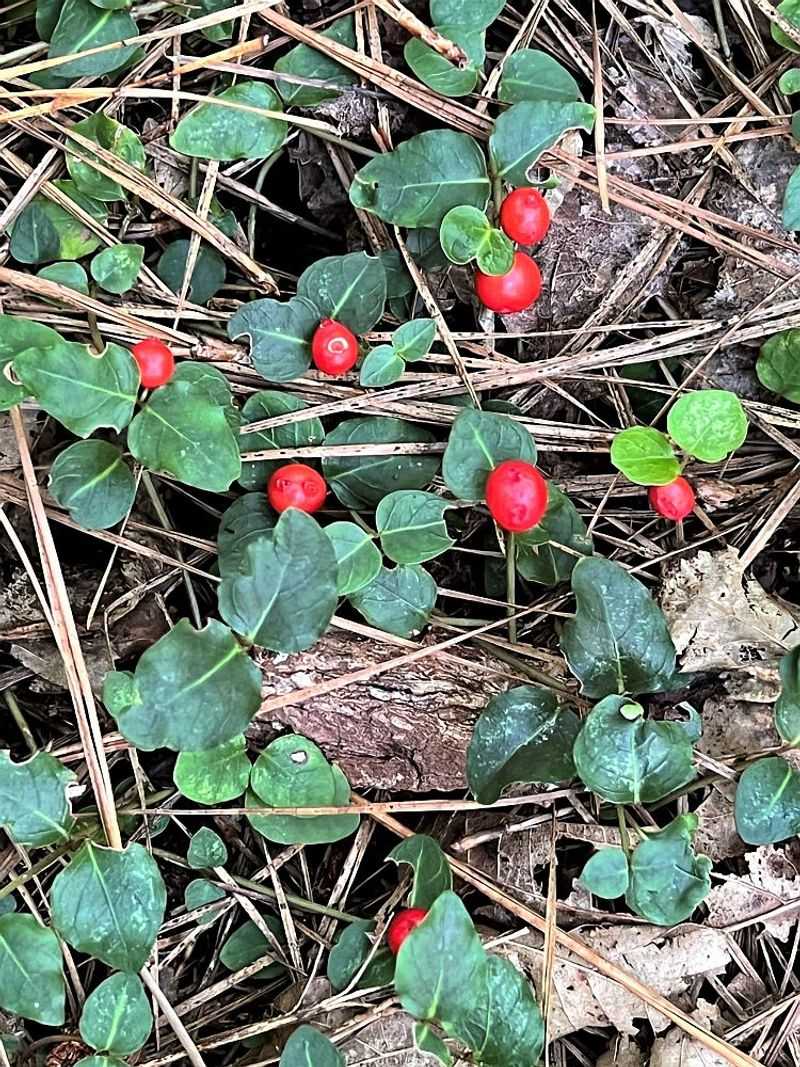
Barely an inch tall, Partridgeberry is the ground-hugger that turns a shady path edge into a living tapestry. It weaves a dense evergreen mat studded with small white flowers in spring and summer.
Then come the berries. Bright red and stubbornly persistent, they often hang on through winter, feeding birds and small mammals when other food is scarce.
Its low, sheltering growth is a gift to ground-dwelling wildlife, including the box turtles so many NC gardeners cherish. The only care it really needs is keeping fallen leaves and debris from smothering it.
It prefers mostly shaded, acidic soil and grows throughout the state. If Vinca (periwinkle) has taken over a shady, acidic bed, pulling it and planting Partridgeberry gives you a gentler carpet that actually gives back to the ecosystem.
5. Creeping Phlox (Phlox stolonifera)
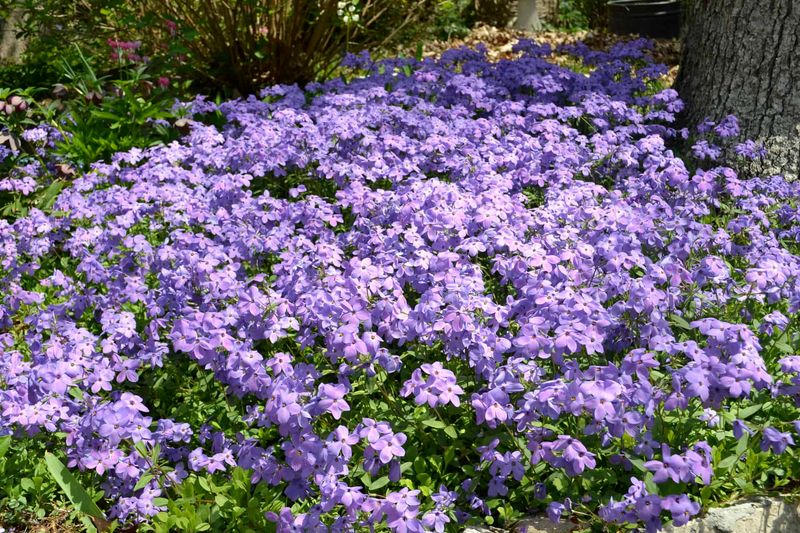
Come spring, Creeping Phlox puts on a show that stops you mid-stroll. A spreading mat of foliage erupts into a profusion of pink or purple blooms, and early pollinators arrive like clockwork.
At 6 to 12 inches tall, it stays low and natural, rarely needing a trim to hold its shape. It simply spreads at a mannerly pace along the path.
Partial to full shade with steady moisture suits it best, though it will handle a sunny slope if the ground stays damp enough. Gardeners in every corner of North Carolina can grow it.
Those butterfly- and bee-friendly flowers make it a genuine wildlife asset, and it stands in beautifully for aggressive Japanese honeysuckle or English ivy. Swap the invasive, keep the color, and let the pollinators thank you.
6. Wild Ginger (Asarum canadense)
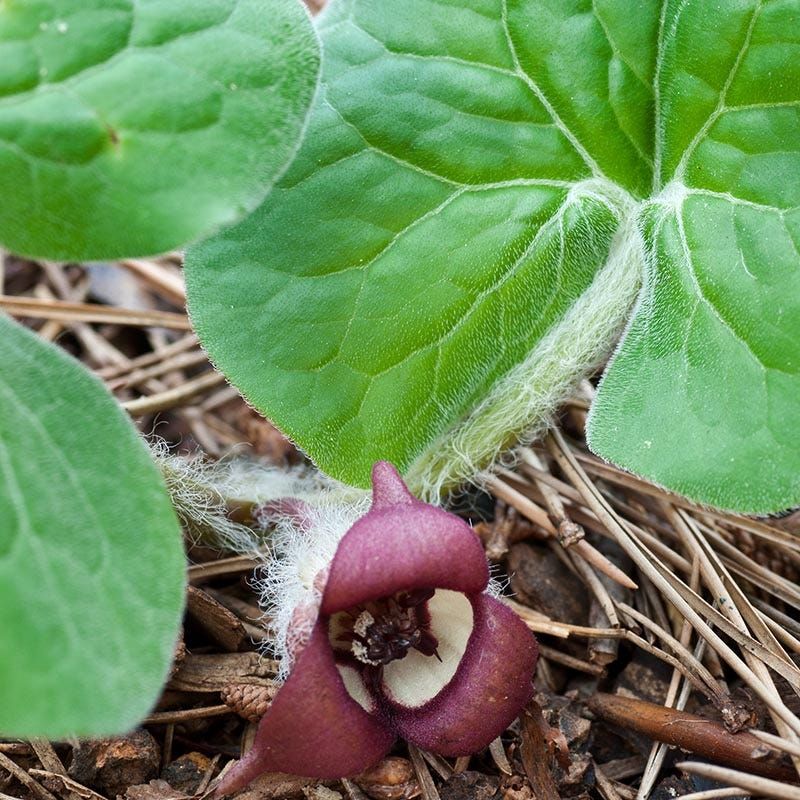
Wild Ginger keeps a secret at its feet. Beneath a lush carpet of heart-shaped leaves, it hides curious cup-shaped, reddish-brown flowers right at ground level in spring, pollinated by tiny insects that crawl in to find them.
The foliage rises 6 to 12 inches and fills shady, moist ground with a soft, woodland look. Once it settles in, it wants nothing from you, no trimming included.
Give it moist, well-drained soil in part to full shade and it becomes a quiet workhorse, offering shelter for small creatures and steady ground cover for the local ecosystem. It is right at home in a North Carolina woodland garden.
If you have leaned on non-native hostas or watched Vinca crawl through a shady, damp bed, Wild Ginger is the native answer. It brings texture and habitat without the invasive baggage.
7. Planting Your Trim-Free Native Edge
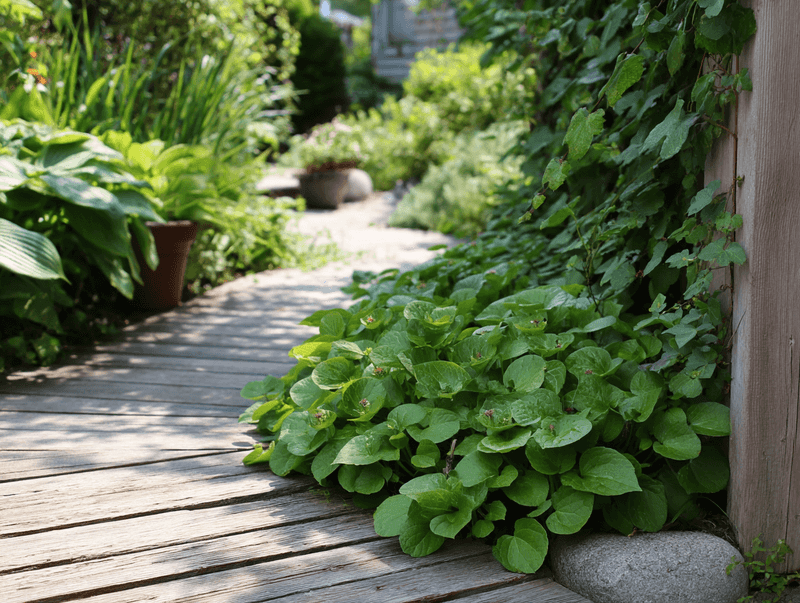
Pulling it all together is easier than you might expect. Start by matching each plant to your path’s real conditions: soggy shade calls for Allegheny Spurge or Wild Ginger, dry thin soil loves Woodland Stonecrop, and Green-and-Gold or Creeping Phlox brighten spots that catch some sun.
Space young plants a bit apart and let them knit together over a season or two. Water them through that first summer, then mostly step back, since these natives are built for our climate and do not need shearing to stay in bounds.
A quick weekend project pays off for years: fewer chores, no invasive headaches, and a border that feeds pollinators, shelters box turtles, and offers winter berries to birds. Trade one aggressive non-native at a time and watch your walkway become a small, thriving piece of North Carolina.