
If Your Coneflowers Wilt And Fade In The Late Summer Heat, Here Are 15 Fixes That Restart The Blooms

Coneflowers are tough prairie plants, but even they can droop and lose their color when late summer heat cranks up. If yours look sad and floppy right now, don’t panic and don’t rip them out just yet.
Most wilting comes down to a few simple habits you can fix today, and the payoff is a fresh round of blooms. Here are 15 practical fixes to get your coneflowers standing tall and colorful again.
1. Water Deeply and Early, Not Often
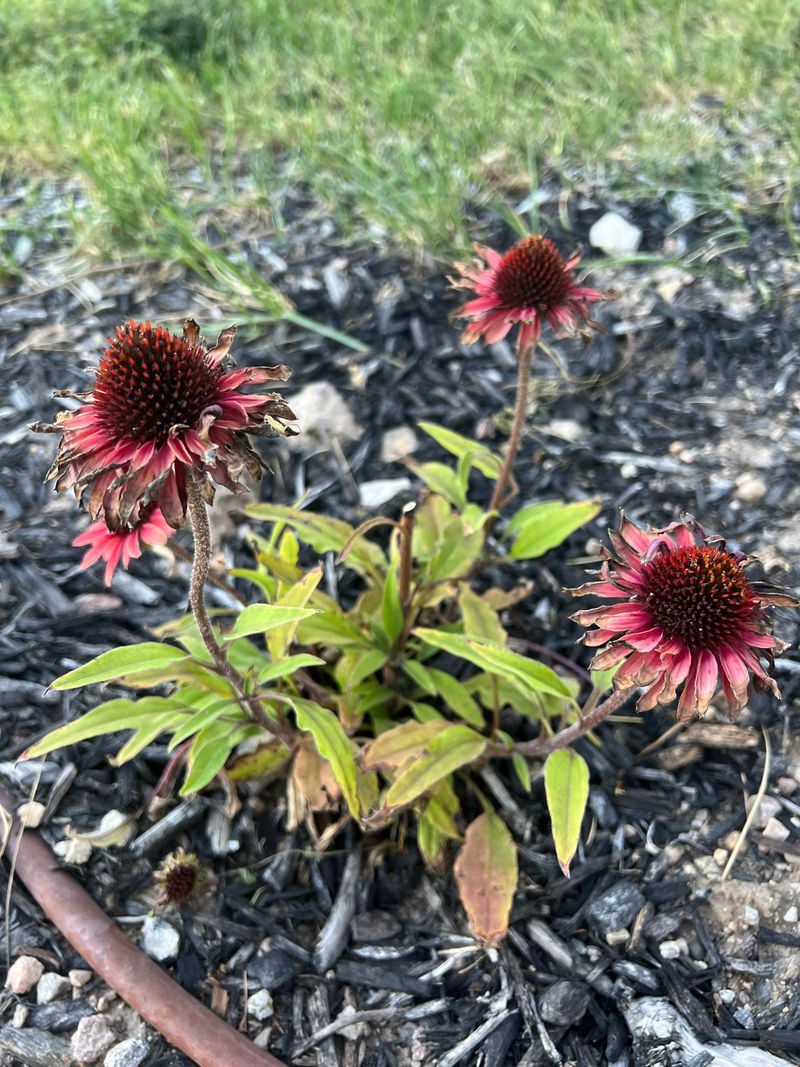
Shallow, daily sprinkles feel helpful, but they actually keep coneflower roots stuck near the hot soil surface where the sun bakes them. A slow, deep soak once or twice a week trains roots to grow down toward cooler ground.
Aim to water in the early morning so the plant can drink before the heat peaks. That head start makes a real difference on scorching afternoons.
Stick your finger a couple inches into the soil to check. If it feels dry down there, give a long drink instead of another quick splash.
2. Apply a Cool Blanket of Mulch

Think of mulch as sunscreen for your coneflower’s roots. A two to three-inch layer of shredded bark or straw keeps the soil cooler and holds moisture through a heatwave.
The soil underneath stays damp longer, so you water less often and the roots stay comfortable. Bare soil, by contrast, dries and heats up fast.
One small trick matters here: leave a little gap around the plant’s crown. Piling mulch against the stem can trap moisture and invite rot.
3. Ensure Excellent Soil Drainage
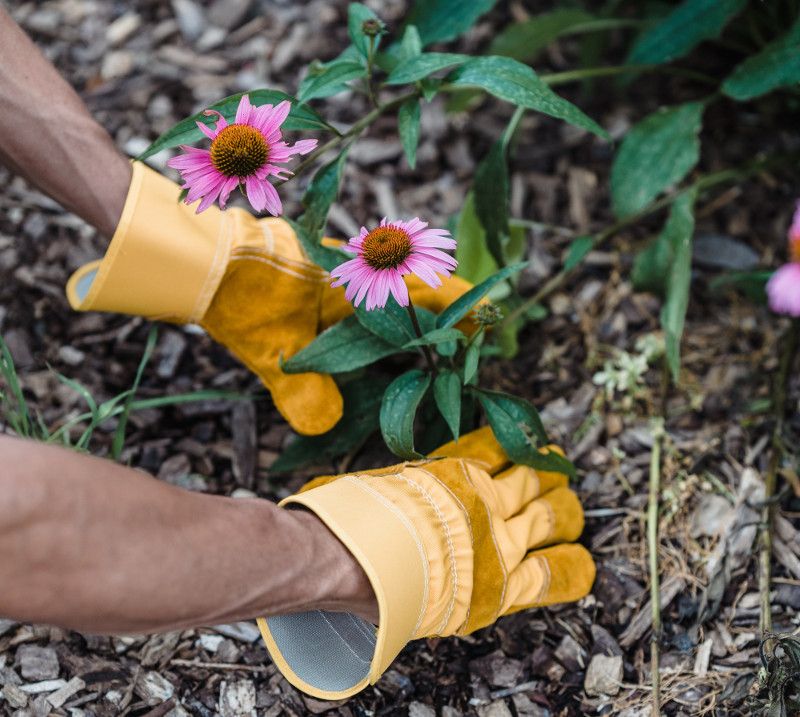
Coneflowers grew up on gritty prairie ground, so they actually handle dry spells better than soggy feet. Water that puddles and lingers stresses them far more than a little drought.
If you notice standing water after you irrigate, work some coarse sand, fine gravel, or compost into the soil to loosen it up. Better structure lets extra water drain away instead of drowning the roots.
Raised beds are another smart move. Lifting the plants helps water run off and keeps the crown from sitting in a wet spot.
4. Avoid Overwatering

It sounds backward, but too much water can wilt a coneflower just like too little. Constantly wet roots can’t breathe, and that leads to root rot and other fungal trouble.
Let the soil dry out between drinks rather than keeping it soaked. These plants would rather be a touch thirsty than swampy.
Watch for the warning signs: yellow leaves, growth that stalls, and stems that go soft and mushy. Those clues usually mean you should back off the hose, not reach for it.
5. Give Extra Moisture to New Plants
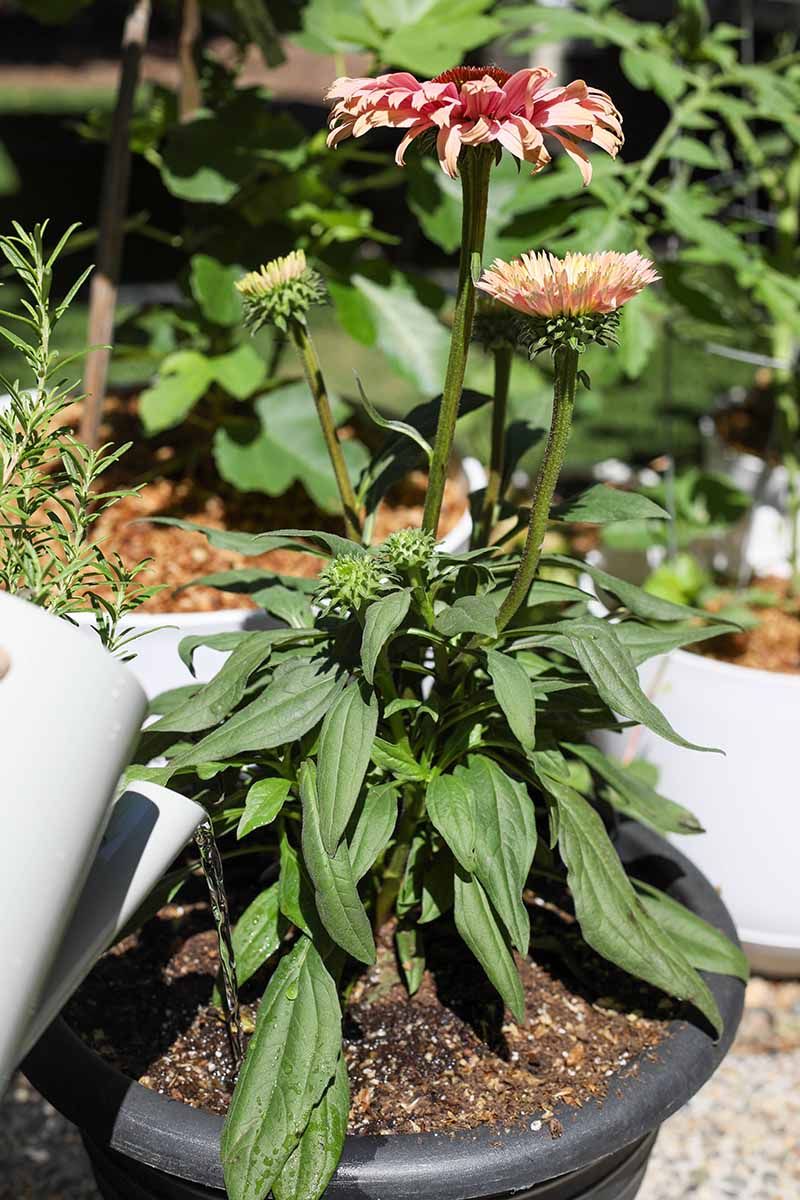
Young coneflowers haven’t built the deep root system that makes mature ones so tough. During their first season, they need steadier moisture to settle in.
Check the top inch of soil often, and water whenever it feels dry to the touch. Consistent moisture now pays off with drought-proof plants later.
Once they’re established, you can ease off and let them fend for themselves more. First-year care is really about getting those roots anchored.
6. Provide Afternoon Shade for Container Coneflowers

A coneflower in a pot lives a hotter life than one in the ground. The whole root ball is exposed to the air, so it heats up and dries out much faster.
On brutal days, slide potted plants to a spot that gets morning sun but catches some light shade from about 2 p.m. onward. That afternoon break spares them the worst of the heat.
Bunching your containers together helps too. Grouped pots shade each other’s sides and hold a little humidity between them.
7. Create Temporary Shade for In-Ground Plants

Sometimes a heatwave is simply too much, even for a plant rooted in the ground. When your coneflowers look badly stressed, a little temporary cover can help them ride it out.
Prop a patio umbrella or drape some shade cloth over them during the hottest hours of the day. You’re not blocking the sun forever, just softening the peak.
Once the temperatures drop back to normal, pull the cover off so the plants get their full share of light again.
8. Ensure Adequate Sunlight (6+ Hours)

Too much afternoon sun can fade petals, but not enough sun creates a different problem entirely. Coneflowers in the shade grow weak, droopy stems and skimp on flowers.
For strong stalks and steady blooms, they want at least six hours of direct sun a day. Anything less and they start reaching and flopping.
If your wilting plants are stuck in a dim corner, moving them to a brighter spot may turn things around. A sunnier home often fixes the sulking overnight.
9. Deadhead Spent Blooms to Encourage Rebloom
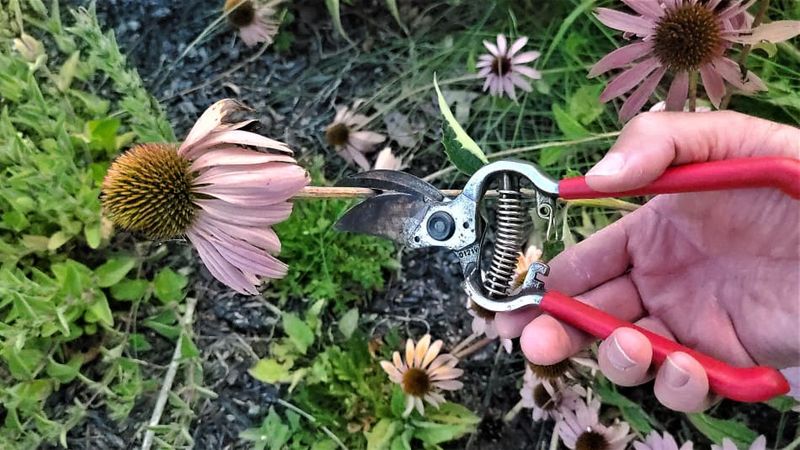
Once a coneflower bloom fades, the plant starts pouring energy into making seeds. Snip those tired flowers off and you redirect that energy straight into new buds.
Cut the spent stem just above a healthy leaf node or a side bud. That clean cut tells the plant to keep the show going.
Keep this up through the season and you can stretch the color well into late summer and early fall. It’s one of the easiest ways to squeeze out extra blooms.
10. Practice Selective Deadheading for Wildlife

Here’s a reason to leave a few faded flowers alone. Coneflower seed heads turn into a buffet for birds once the petals drop.
Goldfinches especially love to perch and pick at those seeds from late summer clear through winter. Leaving some standing gives your garden life when everything else fades.
Try a balance: deadhead part of the patch for more blooms, and let the rest go to seed for your feathered visitors. Everybody wins.
11. Trim Scorched or Brown Foliage
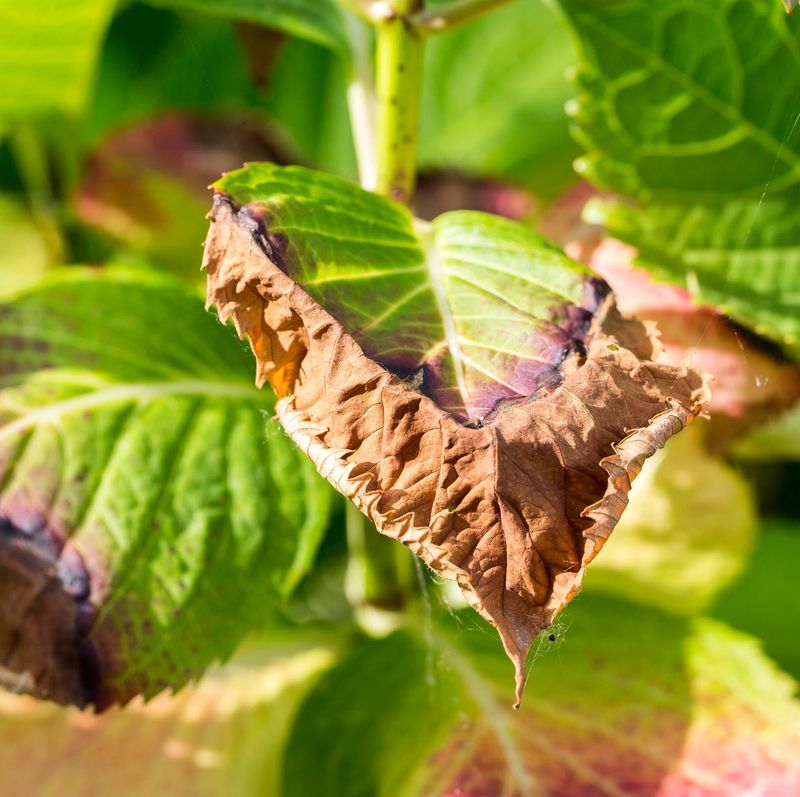
Crispy, brown, heat-fried leaves aren’t doing your coneflower any favors. They just drain energy the plant could be using elsewhere.
Go ahead and clip away the scorched foliage. Removing the damaged parts lets the plant focus on pushing out healthy new growth.
Don’t be afraid to tidy up after a rough stretch of heat. A little cleanup often gives a struggling plant a noticeable second wind.
12. Address Nutrient Deficiencies

When leaves yellow, growth stalls, and blooms barely show up, hungry roots may be the reason. Phosphorus in particular fuels flower production, and a shortage shows up fast.
Feed with a balanced, all-purpose fertilizer or compost in early spring, with maybe a lighter boost in midsummer if the plant seems weak. Go easy though, since more isn’t always better.
Skip anything heavy in nitrogen during bloom season. High-nitrogen feeds push leafy growth at the expense of the flowers you actually want.
13. Avoid Fertilizing During Extreme Heat
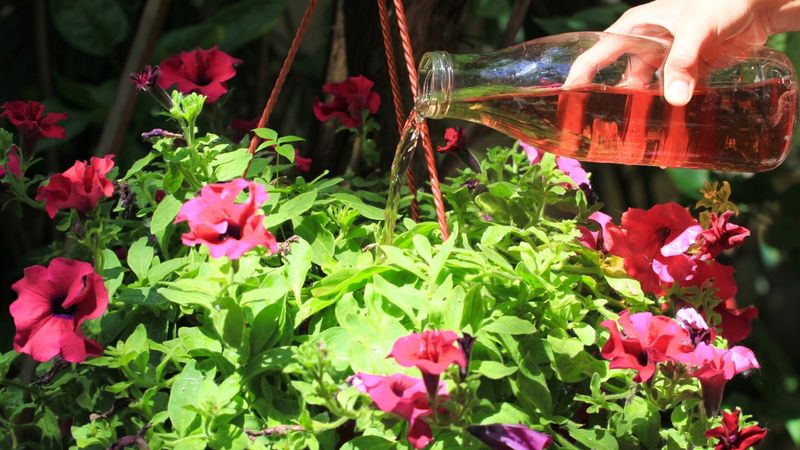
Dumping fertilizer on a plant that’s already baking can backfire. In peak heat, a heavy feeding stresses the roots instead of helping them.
If your coneflower truly looks like it needs a nutrient nudge during a hot spell, reach for a diluted liquid formula instead. A gentle, watered-down dose is far safer than a strong one.
Better yet, wait for cooler, calmer weather to do any real feeding. Timing matters just as much as what you use.
14. Inspect for Pests
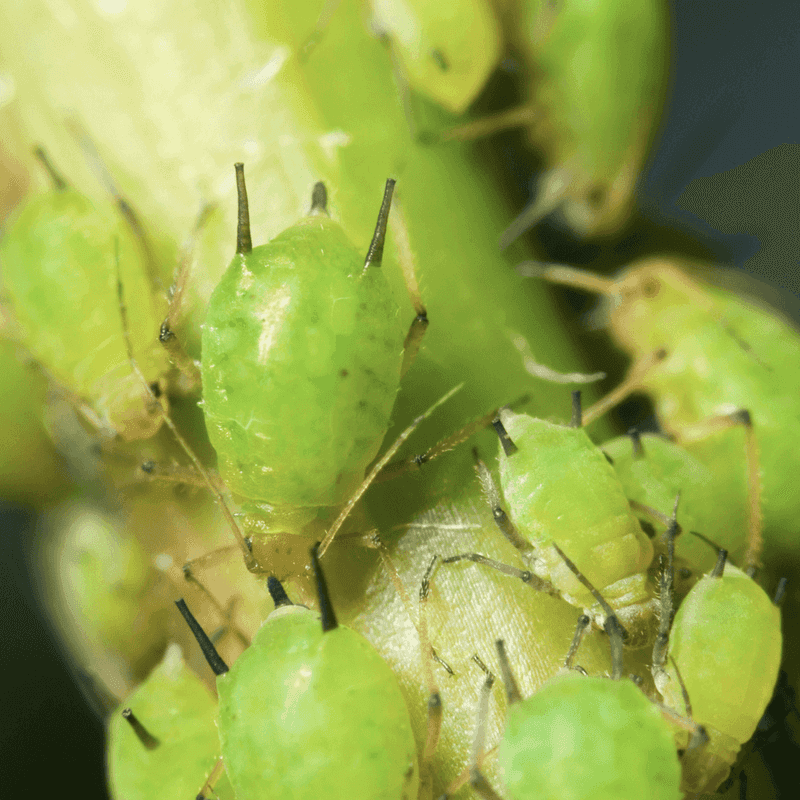
Sometimes the culprit behind wilting isn’t the weather at all. Sap-sucking bugs like aphids, whiteflies, and mealybugs drain plants and leave behind sticky residue and distorted growth.
Check the undersides of leaves and along the stems. If you spot them, a natural spray such as neem oil can help knock the population back.
Watch out for a sneakier issue too. Twisted blooms and stunted plants can signal aster yellows, spread by leafhoppers, and infected plants should be pulled to protect the rest.
15. Manage Fungal Diseases
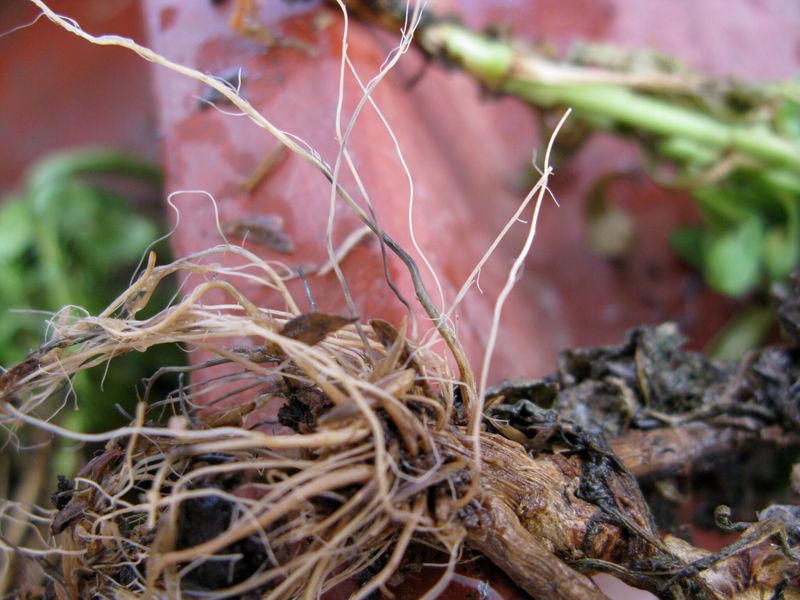
When wilting hangs on even though you’re watering correctly, disease may be at work. Yellow leaves, soft mushy stems, or a foul smell near the base can point to root rot or Fusarium wilt.
Improving drainage and cutting back on water are your first defenses, along with removing any affected parts you find. Cleaning up sick growth slows the spread.
In bad cases of root rot, the kindest move is to remove the whole plant so the pathogen doesn’t travel to its neighbors. It’s tough, but it protects the rest of your bed.