
If Your Fall Lettuce Grows Loose Floppy Leaves But Turns Bitter And Milky When You Cut It, Warm Nights Are Stressing It
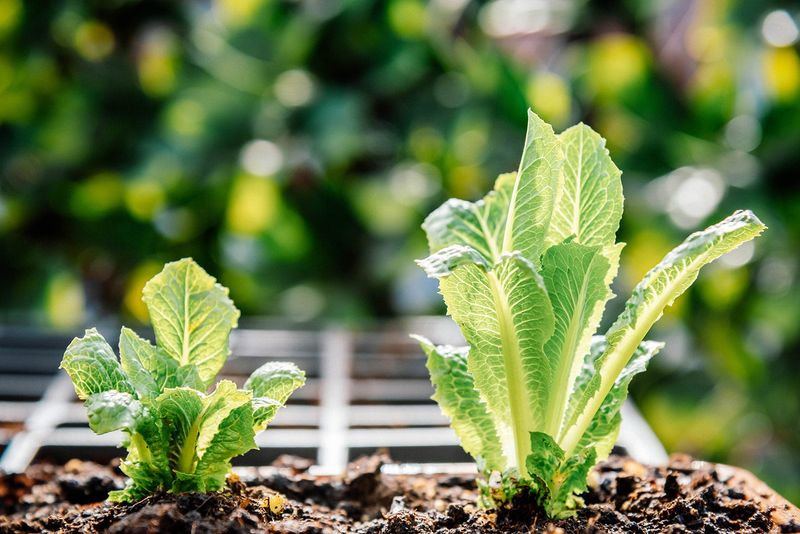
You planted lettuce in late summer, expecting a crisp fall harvest, but the leaves came in floppy and the flavor turned sharp and bitter. Cut a stem or midrib, and a white milky fluid appears, which looks alarming but is actually normal. Before you pull the whole bed, take a closer look at what the plant is telling you, because the cause is not always what it seems.
A Fall Planting Can Still Grow Through Summer Heat
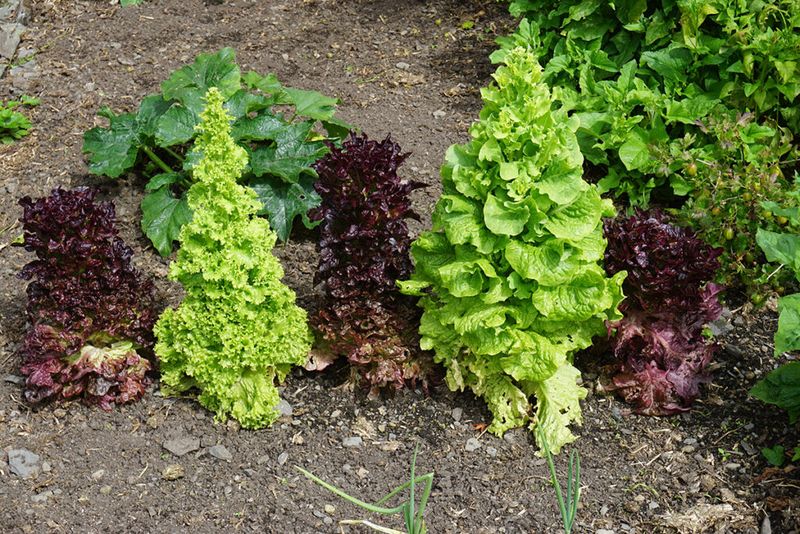
Planting lettuce in late summer does not guarantee the crop grows in cool weather. The calendar says fall is coming, but the soil and air around your seedlings may still be holding onto summer for weeks after you sow. University of Minnesota Extension guidance on midsummer-to-fall planting notes that cool-season crops started in July or August can spend their entire establishment period in heat before autumn temperatures arrive.
That means a “fall lettuce bed” can look perfectly normal on the surface while the plants underneath are dealing with daytime highs in the 80s and nights that never cool below the mid-60s. Lettuce is a cool-season crop that grows best when daytime temperatures stay around 60 to 70 degrees Fahrenheit and nights drop toward 50 degrees. When those conditions do not arrive on schedule, the plant responds to what the environment is actually doing, not what the planting date suggests it should be doing.
Loose leaves, a bitter taste, and milky sap when you cut the stem are all worth noting, but none of them alone pins down a single cause. Floppy growth can be normal for certain varieties, or it can reflect immaturity, water stress, or heat damage. Bitterness and white latex can appear in plants that have not yet bolted. Minnesota Extension’s lettuce growing guide and University of Georgia Extension’s fall garden timing advice both emphasize reading the full picture rather than reacting to one symptom.
The goal of the next several sections is to help you do exactly that.
Residual Heat Can Push Lettuce Toward Bolting
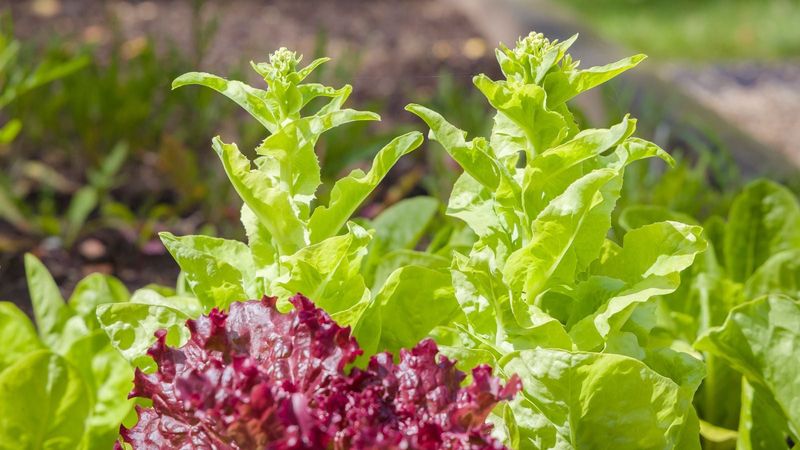
Bolting is the shift a plant makes from producing leaves to producing a flower stalk and seeds. For lettuce, that transition usually means coarser, tougher leaves and a sharp increase in bitterness. Heat is one of the most consistent triggers, and the concern with warm nights specifically is that they reduce the window of overnight cooling that would otherwise give the plant a break from thermal stress.
Research on the molecular basis of high-temperature bolting in lettuce used controlled day and night treatments, including conditions as warm as 33 degrees Celsius during the day and 25 degrees Celsius overnight, to reliably induce bolting compared with cooler controls. That kind of persistent warmth through both day and night is a meaningful stress combination, not just a single hot afternoon. North Carolina State University Extension’s lettuce production guide notes that prolonged high temperatures, especially when paired with warm nights, reduce head quality and promote bolting.
Practical warning ranges from extension sources vary. Minnesota Extension’s lettuce bitter-taste diagnostic tool points to multiple days above 75 degrees Fahrenheit as capable of triggering bolting in some cultivars, while other extension guidance commonly cites sustained temperatures around 80 degrees Fahrenheit as a threshold worth watching. Neither figure is a hard biological limit. Cultivar, plant age, day length, soil moisture, and your local microclimate all shift where that line falls for any individual plant.
Day length adds another layer. Photoperiodic response research across diverse lettuce accessions shows that long days accelerate flowering in many types, which means a late-summer planting is dealing with both heat and extended light exposure at the same time. Additional field research on lettuce bolting confirms that warm nights compound daytime heat rather than acting as a standalone cause. The practical takeaway is that residual summer heat, especially when days stay warm into the evening, can push a fall crop toward bolting well before the first cool nights arrive, but it is one part of a bigger picture that also includes variety choice, how old the plant is, and how consistently it has been watered.
Loose Leaves Offer Clues, Not a Diagnosis
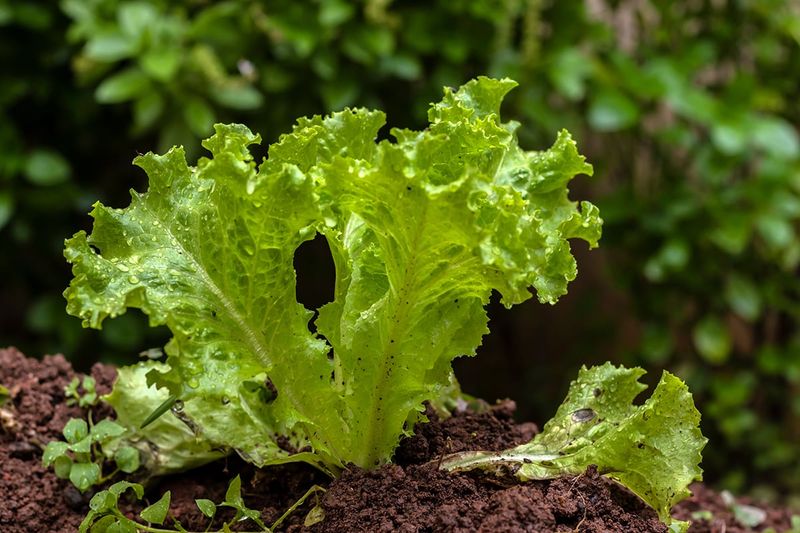
Floppy or loosely arranged leaves make many gardeners nervous, but the first thing worth asking is whether your variety is supposed to look that way. Loose-leaf lettuces, by design, never form a tight head. Butterhead types form a soft, loosely cupped rosette rather than a firm ball. University of Illinois Extension’s lettuce guide distinguishes clearly between these growth habits, which can prevent a lot of unnecessary alarm when plants simply look the way their genetics intended.
Beyond variety, young plants that have not yet filled out often look floppy and under-structured. A seedling three weeks after germination may have floppy cotyledons and early true leaves that firm up with another week of growth. University of Massachusetts Amherst’s fact sheet on lettuce, endive, and escarole notes that immature plants and those experiencing water stress can both show soft, poorly formed leaves that do not necessarily indicate bolting or disease.
Heat injury can also produce loose, wilted, or scorched-edge growth without the plant being anywhere near a flower stalk. NC State Extension’s production guide describes tip burn and marginal leaf damage as common heat and calcium-related symptoms that look alarming but are separate from bolting. Virginia Cooperative Extension’s leafy greens resource adds root problems and poor drainage to the list of causes for weak leaf development.
The more useful diagnostic move is to check the plant’s center. If new leaves are still forming, the center looks compact, and the stem has not elongated, the plant is still in vegetative mode. Dry or cracked soil, a soft or waterlogged root zone, or outer leaves that look scorched at the margins rather than just floppy all point toward stress that is separate from bolting. Read the whole plant before deciding what is actually wrong.
The Milky Fluid Is Normal Lettuce Latex
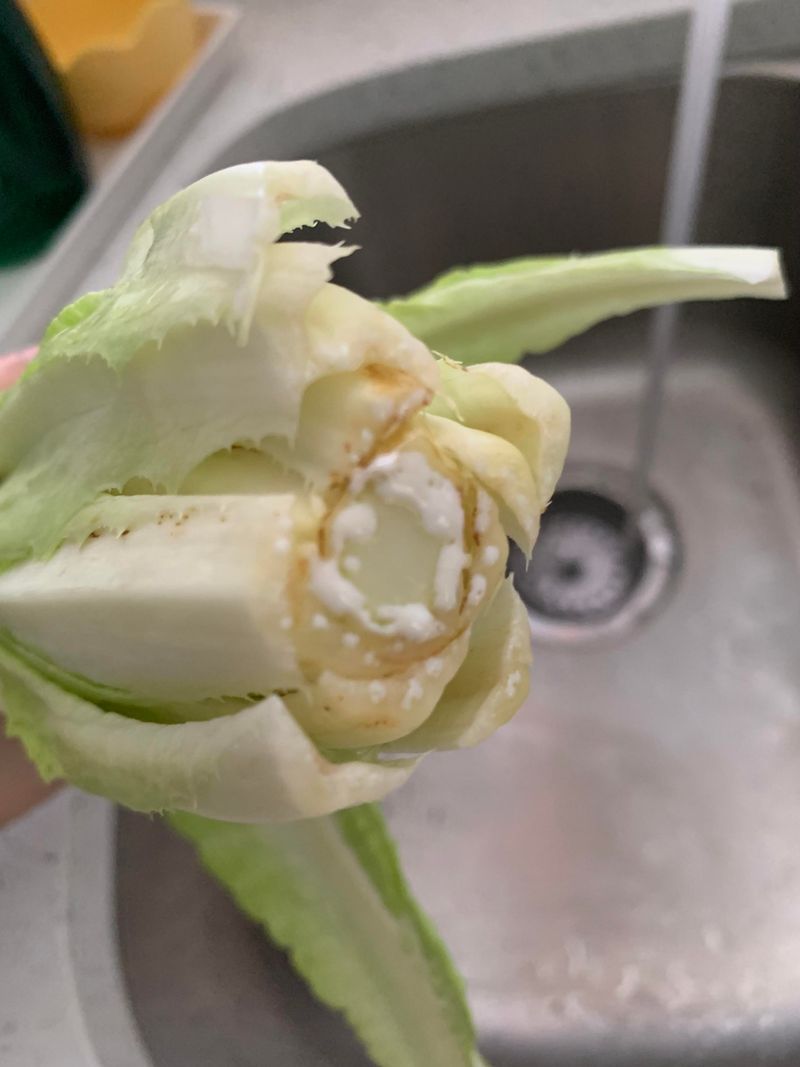
Cutting through a lettuce stem or thick midrib often releases a white or slightly creamy fluid. Many gardeners see this and worry the plant is diseased, overripe, or somehow unsafe. The fluid is actually normal lettuce latex, produced in specialized canals that run through the plant’s vascular tissue. Published metabolite profiling of sesquiterpene lactones from Lactuca species identifies this latex as the primary carrier of the bitter compounds found throughout the plant, including lactucin and lactucopicrin.
Those sesquiterpene lactones are what your taste buds detect as bitterness when you bite into a sharp-tasting leaf. Research on sesquiterpenoid lactones and their roles in plants explains that these compounds are part of the plant’s natural chemistry and are present to varying degrees in all cultivated lettuce. Studies tracking diurnal and daily changes in lettuce compounds show that the concentration of these bitter molecules can shift with time of day, plant maturity, and growing conditions, which is why the same variety can taste noticeably different depending on when and how it is harvested.
The key point for diagnosing your plant is that wounding releases latex whether or not the plant is bolting. A young, healthy lettuce that has never experienced unusual stress will still ooze white sap when you cut it. Research identifying and quantifying bitter compounds at mature and bolting stages confirms that lactone concentrations generally increase as plants age and bolt, but the presence of white sap by itself does not prove the plant has bolted, is diseased, or is contaminated. Treat the milky fluid as a reminder that bitterness is a normal part of lettuce chemistry, not as a red flag that something has gone wrong.
Look for Bolting and Other Stress Signals
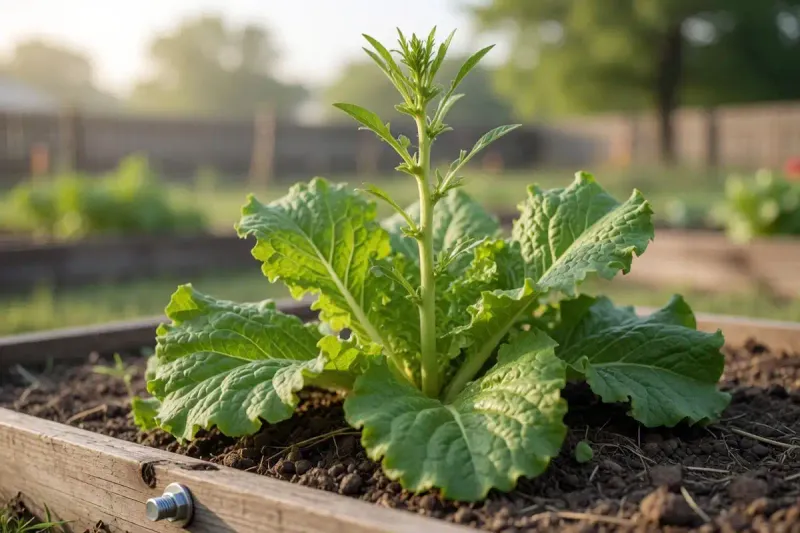
Bitterness and white latex together suggest the plant’s bitter compounds are elevated, but they do not confirm bolting on their own. Actual bolting shows up as physical changes in the plant’s structure. The most reliable sign is an elongated central stem, often called stem extension or “stem stretch,” where the crown visibly rises and the leaves begin to space out along a stalk rather than clustering at the base. A developing flower stalk is the clearest confirmation.
Minnesota Extension’s bitter-taste diagnostic for lettuce and endive lists stem elongation and flower-stalk development as the key visual signs to look for when bitterness increases. If the center of the plant looks compressed and leafy, the plant is probably still in vegetative growth even if it tastes sharper than expected. Also check whether new leaf production has slowed noticeably, which can be an early sign that the plant is redirecting energy toward reproduction.
Water stress and poor drainage can produce symptoms that overlap with heat stress. Dry soil causes wilting and can concentrate bitter compounds; waterlogged roots cause similar wilting plus yellowing and soft rot at the base. Virginia Cooperative Extension’s leafy greens resource and NC State Extension’s lettuce guide both note tip burn and marginal scorch as heat-related signs that are distinct from disease.
When you see yellowing, twisted or cupped leaves, a stunted or distorted plant center, or unusual discoloration in the latex, consider aster yellows as an alternative explanation. UC Agriculture and Natural Resources’ aster yellows resource for lettuce describes abnormal heart growth, twisted inner leaves, and tan or pinkish latex deposits as distinguishing features that separate this disease from ordinary heat stress or bolting. Aster yellows is caused by a phytoplasma transmitted by leafhoppers and cannot be treated once established, so plants showing those distorted symptoms are best removed.
Reduce Stress the Plant Can Still Escape
When a plant has not yet sent up a flower stalk, there is still a window to reduce the stress it is under and slow the march toward poor quality. The most impactful move for most home gardeners is getting soil moisture under control. Lettuce has shallow roots and reacts quickly to dry spells, so letting the soil go from bone dry to soaking wet and back again puts extra pressure on the plant. Utah State University Extension’s lettuce growing guide recommends about 1 to 2 inches of water per week as a general guideline for home gardens, adjusted for your soil type and current weather, with the goal of keeping moisture steady rather than cycling between extremes.
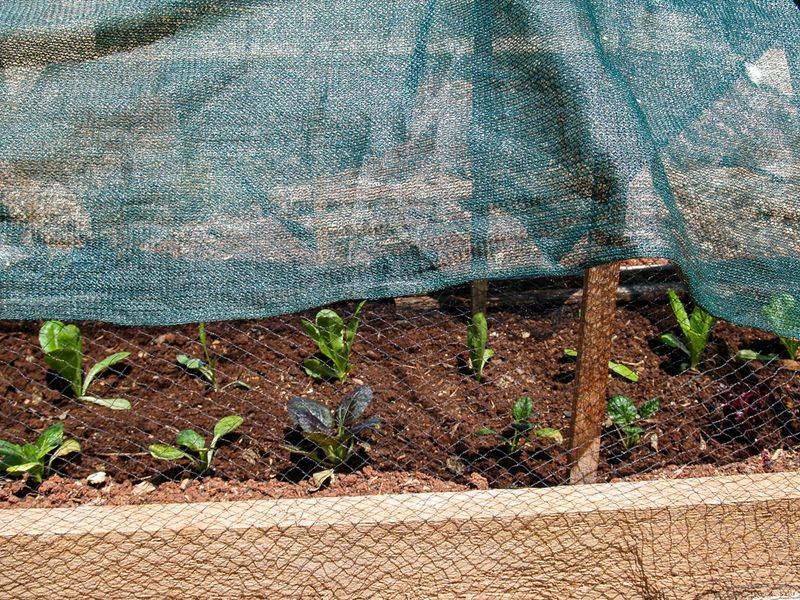
Afternoon shade is the other lever worth pulling during late-summer heat. Minnesota Extension’s guide to midsummer planting for fall harvest and UGA Extension’s fall garden timing guidance both suggest using shade cloth or positioning fall crops where a fence or taller plants block the hottest afternoon sun. Even a few degrees of temperature reduction during peak heat hours can help. A 30 to 40 percent shade cloth laid loosely over the bed is enough for most situations; you do not want to block morning light, which is gentler and less stressful for the plant.
Mulch around the base of the plants helps hold soil moisture and moderates soil temperature at the root zone. USU Extension’s leafy-green irrigation guidance notes that mulching can meaningfully reduce the temperature swings that shallow-rooted crops like lettuce experience between waterings. Straw, shredded leaves, or even a layer of compost works well for a backyard bed.
Be honest about what these measures can do. They may slow deterioration and give the plant a better environment going forward, but they cannot pull back a stalk that has already begun to elongate or restore sweetness to a leaf that has already become strongly bitter. Think of shade, mulch, and steady watering as harm-reduction steps, not a reset button.
Harvest Early and Improve the Next Sowing
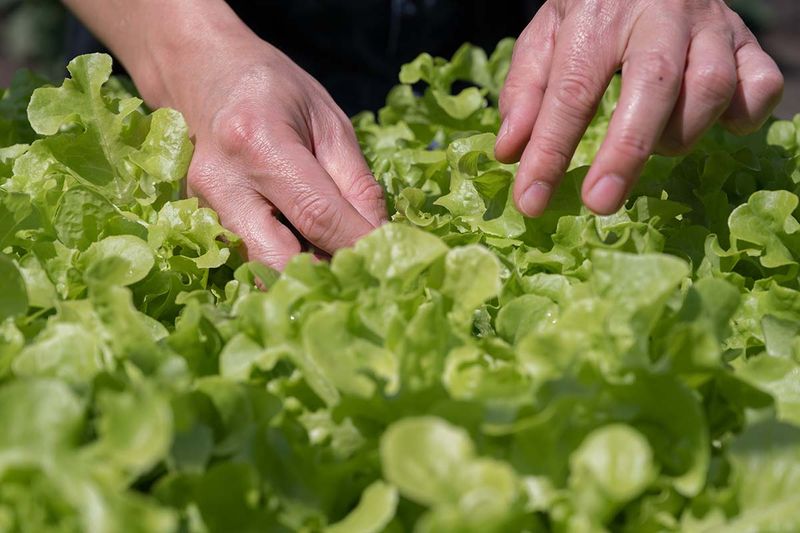
When lettuce is showing signs of stress but has not fully bolted, the best move is often to harvest what you can before the window closes. Outer leaves can be picked while the center is still producing new growth, which buys time and gives you usable, relatively tender material. University of Illinois Extension’s lettuce guide recommends harvesting in the cool of the morning, when leaf tissue holds the most moisture and the ambient temperature has not yet climbed. Cutting early in the day and getting the leaves into a cooler or refrigerator promptly can improve texture and may soften the perception of bitterness, though it will not undo advanced bolting.
Oregon State University Extension’s guide to growing lettuce and greens and Utah State University Extension’s lettuce resource both note that refrigerating harvested lettuce quickly after cutting helps preserve crispness. A brief rinse in cool water can refresh wilted leaves, but it is not a treatment that removes bitter compounds or reverses the plant’s developmental stage.
For the next sowing, two adjustments make a real difference. First, variety selection matters more than most gardeners realize. USU Extension’s leafy-green planting and spacing guide points to slow-bolting and heat-tolerant cultivars as better choices for late-summer starts. Leaf and romaine types often handle heat better than crisphead types, though no variety is immune to prolonged warmth.
Second, succession sowing, starting small batches of seed every one to two weeks rather than all at once, spreads maturity across changing weather so every plant does not hit its peak during the same warm spell. Minnesota Extension’s cool-season crop guidance recommends succession planting specifically for this reason, noting that it also gives you a natural recovery window if one batch runs into trouble.
Bitterness Signals Quality Loss—Unless Spoilage Appears
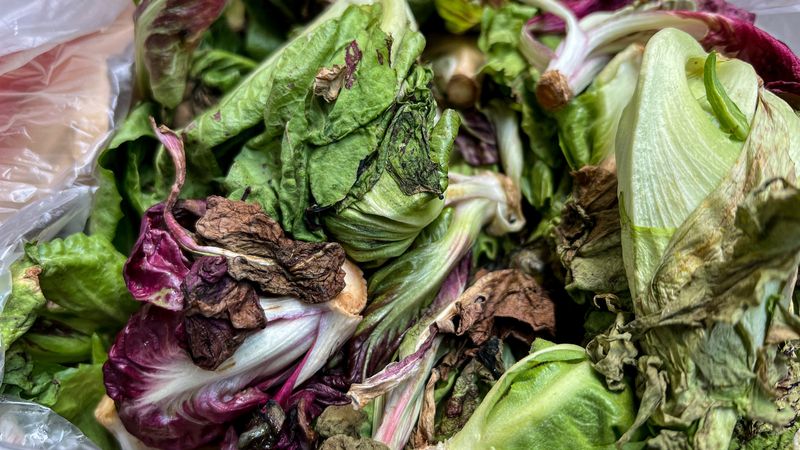
A bitter taste and white milky sap, on their own, do not make lettuce unsafe to eat. Heat- and maturity-related bitterness is a quality problem, not a food-safety problem. The sesquiterpene lactones that make the flavor sharp are naturally present in all cultivated lettuce, and published research on lettuce latex chemistry confirms that the white fluid is a normal plant secretion rather than a sign of contamination or disease. You may not enjoy eating a strongly bitter leaf, but bitterness by itself is not a reason to discard the plant.
The line changes when spoilage is present. Mold, visible decay, sliminess, soft rot, or a fermented or off odor are the signals that tell you to discard the lettuce without tasting it. USDA Food Safety and Inspection Service guidance on molds in food is clear that mold-covered produce should be thrown out, and USDA Agricultural Marketing Service fresh-cut produce standards treat sliminess, decay, and off odors as spoilage indicators regardless of how the plant looked before cutting. If you see any of those signs, the decision is straightforward.
The broader takeaway from this whole assessment is to read the full symptom picture. Warm nights that extend summer-like conditions can contribute to heat stress and encourage bolting, but they are one piece of a pattern that also includes daytime temperatures, day length, plant age, variety, and soil moisture. Confirm bolting with physical signs like stem elongation or a developing flower stalk, not with bitterness or latex alone. Harvest what is still usable, adjust your timing and variety choices for the next round, and let the plant’s actual stage, not one worrying symptom, guide your decision.
A bitter fall lettuce is often a crop caught between seasons, and that is a timing problem worth solving, not a garden failure.