
If Your Fall Kale Grows Tall Leafy Stalks But Only Thin, Papery Leaves, Skipping One Fall Feeding May Be Part of the Story
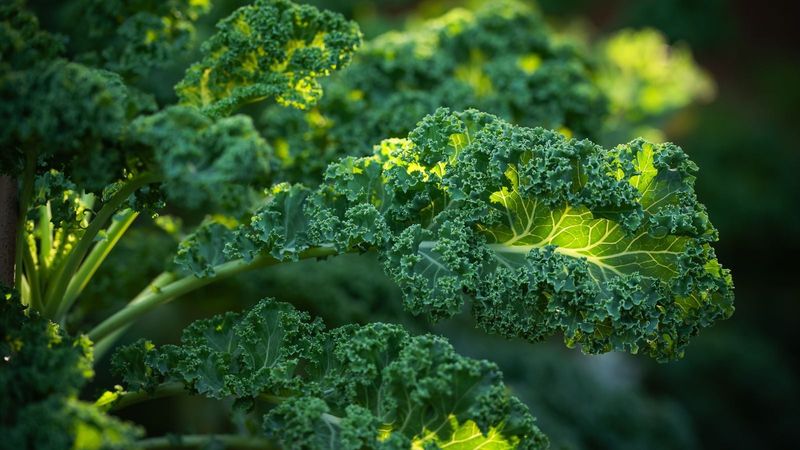
Something feels off when your kale plant looks tall and full but the leaves crumble like tissue paper instead of holding their shape. Before you reach for the fertilizer bag, it helps to know that thin leaves and a leggy stem can come from several different problems, and nitrogen shortage is only one of them. Rushing to feed a plant that is actually stressed by heat, low light, or crowding can waste your effort and sometimes hurt the plant more. A quick look at the whole picture will tell you whether a side-dressing makes sense or whether something else needs fixing first.
Thin Leaves Point to a Problem, Not a Diagnosis
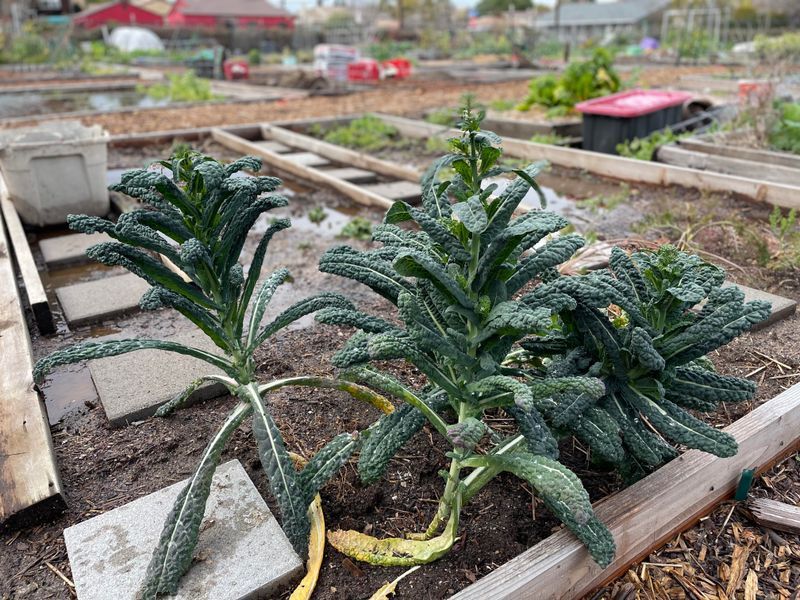
Kale leaves that feel flimsy and insubstantial are telling you something, but they are not handing you a diagnosis. NC State Extension describes kale as a cool-season leafy vegetable that produces its best quality during mild weather, and when conditions shift, leaf quality can drop in more than one way. A tall stem with disappointing leaves is a symptom pattern worth taking seriously, but it matches several different causes.
Nitrogen does play a real role in how kale grows. The nutrient supports vegetative tissue, leaf color, and the kind of tender growth that makes fall kale worth harvesting. When nitrogen runs short, plants can struggle to put on good leaf mass. But leaf texture alone, or a stem that has grown upright, does not point the finger at nitrogen any more than it points at water stress, shade, crowding, pests, or a plant that has started shifting toward flowering.
University of Minnesota Extension guidance on fertilizing plants notes that visual symptoms can overlap between nutrient problems and other stresses, making appearance-only diagnosis unreliable. Penn State Extension reinforces that point, advising gardeners to rule out environmental and pest causes before concluding that a nutrient is missing.
The practical question is not simply whether the plant looks hungry. A more useful question is whether the plant shows a broader pattern consistent with nitrogen shortage, or whether something else is driving the problem. Minnesota Extension’s kale and collards guide recommends checking overall plant health and growing conditions before deciding whether to fertilize. The sections that follow walk through that inspection in order, so feeding comes after the evidence, not before it.
What Nitrogen Shortage Actually Looks Like
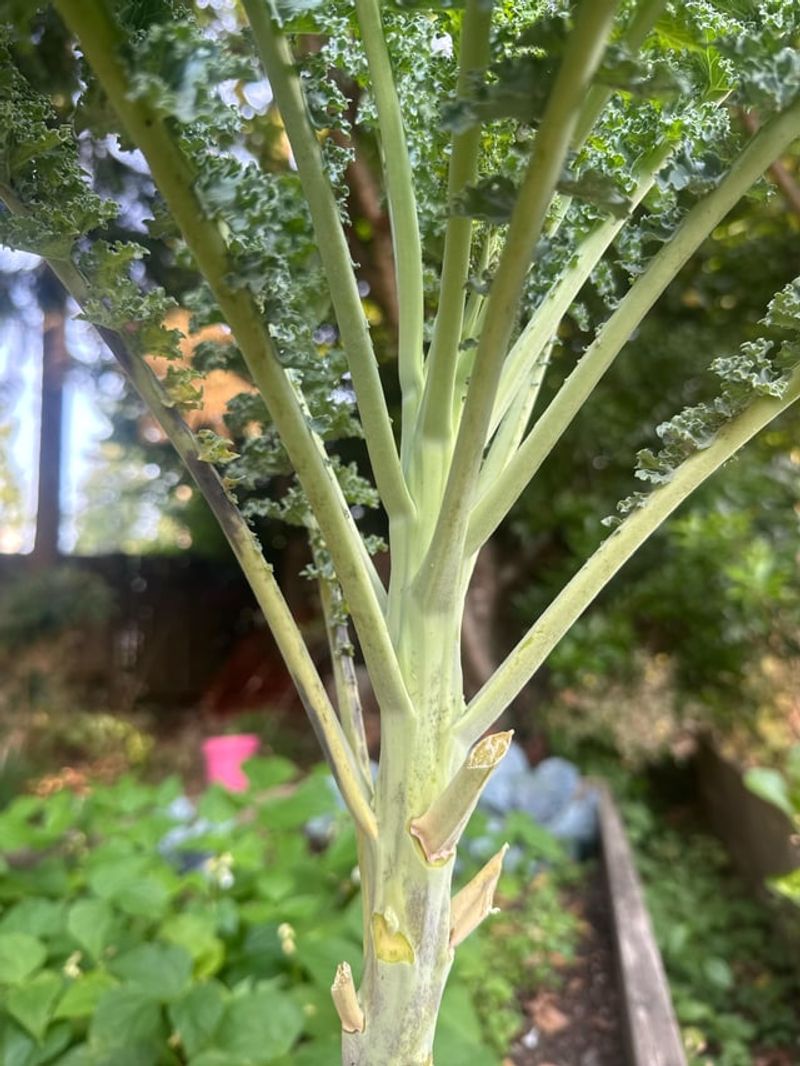
Nitrogen is the nutrient most directly tied to leafy, vigorous growth in vegetables. When a plant has enough of it, leaves tend to be deep green, well-sized, and firm enough to hold their shape after harvest. When nitrogen runs low, the plant essentially starts rationing what it has, pulling the nutrient away from older tissue and sending it toward newer growth at the top.
That internal shift creates a recognizable pattern. West Virginia University Extension’s guide to plant nutrient deficiencies describes nitrogen deficiency as causing overall pale-green to yellow coloring that shows up first on older, lower leaves rather than on new growth at the tips. Stems may be slender and growth may slow noticeably. The plant looks washed out rather than simply producing leaves that feel thin.
That distinction matters. A plant that is dark green and putting out new growth at a normal pace but producing leaves that feel papery or lightweight is showing you something different from a nitrogen-starved plant. University of Minnesota Extension cautions that nutrient deficiency symptoms can look similar to symptoms caused by other stresses, and that reaching for fertilizer based on appearance alone can lead to the wrong fix.
Other nutrient problems can also mimic nitrogen deficiency in ways that complicate diagnosis. Yellowing along leaf margins, brown edges, spots, or widespread distortion may point toward potassium issues, disease, insect feeding, or environmental injury rather than a nitrogen gap. Penn State Extension advises ruling out pests, disease, and environmental stress before concluding that a nutrient is the primary culprit. If older lower leaves are pale or yellow, growth has stalled, and stems look thin, nitrogen shortage becomes a reasonable hypothesis.
If the plant is otherwise vigorous and well-colored, the cause of thin leaves likely lies somewhere else.
Could Heat or Bolting Be Making the Plant Tall?
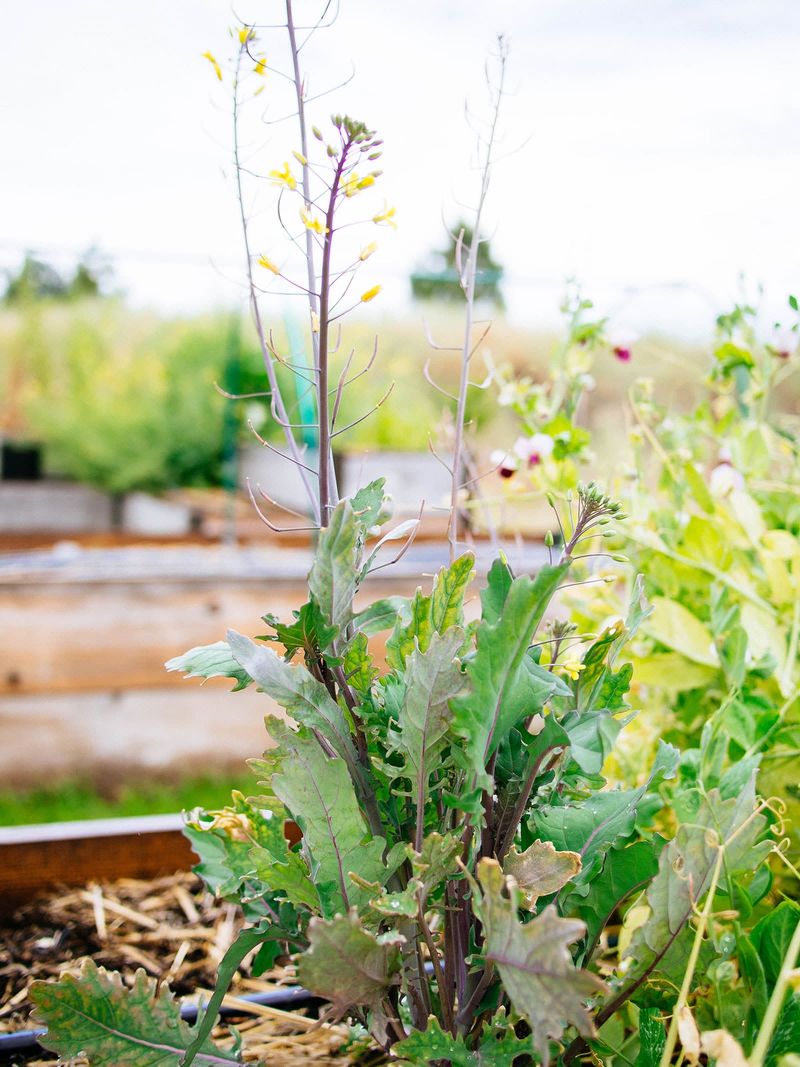
A tall kale plant does not automatically mean the plant is hungry. Several common situations produce upright, leggy growth without any connection to nitrogen levels, and misreading them leads to fertilizer applications that accomplish nothing useful.
Heat is one of the most frequent culprits in fall kale that disappoints. Oregon State University Extension’s heat-stress guide explains that cool-season crops under heat stress can show reduced growth quality, and that stress from warm temperatures affects how plants develop tissue. Kale planted too early in fall, or caught by a late heat spell, may stretch and produce thinner leaves simply because the weather is wrong, not because the soil is depleted.
Low light is another factor that often goes unexamined. Plants reaching for a light source will extend their stems and produce leaves with less substance than plants growing in adequate sun. Crowded beds create the same effect when neighboring plants shade the kale canopy. WVU Extension’s kale growing guide notes that kale performs best with full sun exposure, and shading from nearby plants or structures can reduce leaf quality noticeably.
Root problems and pest pressure also deserve a look before you open the fertilizer bag. Compacted soil, waterlogged roots, or damage from soil-dwelling insects can limit a plant’s ability to take up nutrients even when those nutrients are present in the soil. Checking the base of the stem and the surrounding soil for signs of rot, insect damage, or hardpan is a quick step that can save a wasted application.
Bolting is a separate situation that calls for a different response entirely. University of Minnesota Extension’s guide to non-pest issues in cool-season crops explains that cool-season vegetables shift toward reproductive growth under certain conditions, including heat and day-length changes. A central stem carrying visible flower buds is a bolting plant, not simply a tall one. Applying nitrogen to a bolting kale plant will not reliably pull it back into producing compact, tender leaves.
The plant’s energy is already moving toward seed production, and fertilizer at that stage is unlikely to reverse that direction.
Soil History Helps Decide Whether Feeding Makes Sense
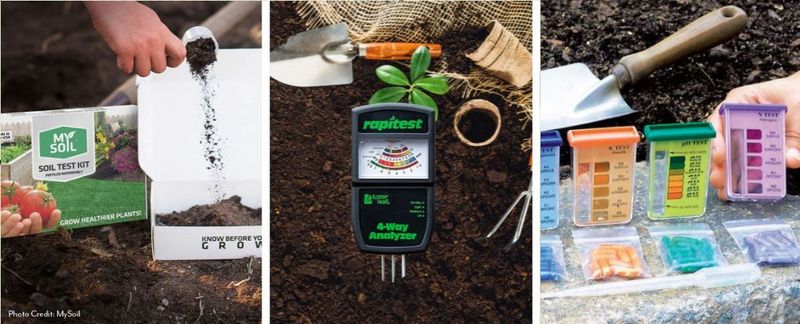
Once you have ruled out heat, light, crowding, pests, root problems, and bolting, the next question is whether the soil actually needs more nitrogen right now. The answer depends less on the calendar and more on what has already gone into that bed.
A soil test is the most reliable starting point. University of Minnesota Extension’s soil testing guidance for fruit and vegetable farms explains that testing gives you a factual baseline for nutrient levels rather than a guess, and that managing nutrients without test data can lead to both over- and under-application. Many cooperative extension offices offer low-cost testing, and the results typically include specific amendment recommendations for your region and crop type.
If a test is not available mid-season, thinking through your soil history can still guide the decision. Beds that received a full pre-plant fertilizer application, a generous layer of finished compost, or a well-rotted manure incorporation before the season started are less likely to be nitrogen-depleted by fall. Minnesota Extension’s collards and kale guide notes that soil fertility, previous amendments, and harvest intensity all affect whether a side-dressing is warranted.
Harvest frequency matters too. A plant that has been picked heavily over several weeks has put out a lot of leaf tissue, and the soil may have less available nitrogen than it did at planting. Sandy soils also lose nitrogen faster than heavier clay soils, especially with frequent watering or heavy rain. Containers follow the same logic: frequent irrigation leaches nutrients out of a confined root zone more quickly than a garden bed.
Penn State Extension’s guidance on manure in home vegetable gardens is a useful reminder that organic amendments are not interchangeable with immediately available fertilizer. Compost and well-rotted manure improve soil structure and release nutrients gradually, but their nitrogen is not as predictably available as that from a labeled granular fertilizer. Factoring in what amendments you used, how recently, and in what amounts gives you a much clearer picture than the date on the calendar.
A Careful Side-Dressing Supports the Next Leaves
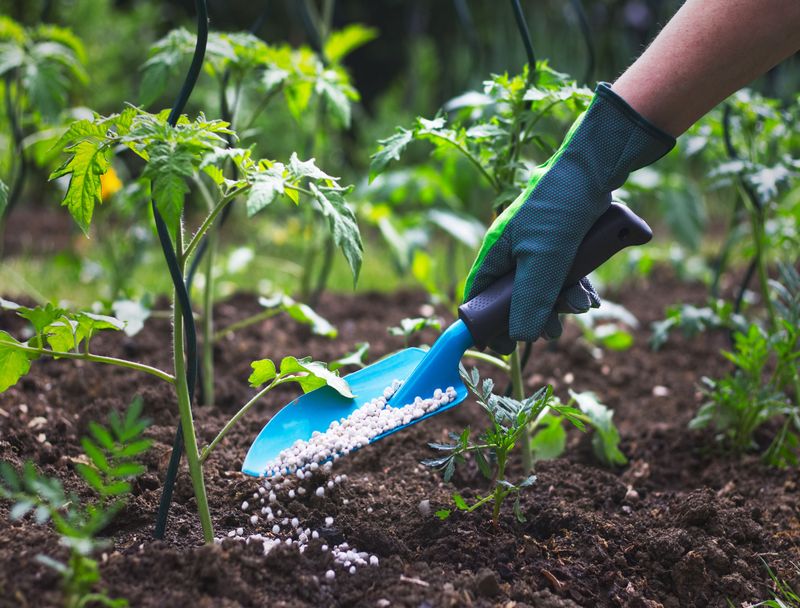
When the symptom pattern, soil history, or a soil test points toward a real nitrogen shortage, a side-dressing with a labeled vegetable fertilizer is a reasonable next step. The key word is labeled: use a product formulated for vegetables and follow its rate exactly rather than estimating.
Published extension examples give a useful sense of scale without setting a universal rule. Utah State University Extension recommends applying a nitrogen fertilizer about four weeks after transplanting or thinning, placed roughly six inches from the plants and watered in. Alabama Cooperative Extension suggests side-dressing nitrogen four to six inches from the stem, four to six weeks after planting. These are product- and region-specific illustrations, not a one-size dose for fall kale everywhere.
Your fertilizer label is the authoritative source for how much to apply and when.
Placement matters as much as rate. Granular fertilizer placed directly against the stem can cause salt injury at the root crown. Set it several inches to the side of the plant, spread it evenly in the root zone, and then water it in as the label directs. Minnesota Extension specifically notes that granular fertilizer should be placed beside the plant rather than against it, and that irrigation after application helps move the nutrients into the root zone.
Several products and practices are worth avoiding around harvestable kale. Weed-and-feed combinations contain herbicides that can damage vegetable crops and contaminate soil. Fresh poultry manure should not be applied near crops you are actively harvesting. Penn State Extension’s produce safety guidance explains that raw or improperly managed manure can introduce pathogens to leafy vegetables.
Heavy nitrogen doses are also counterproductive: Colorado State University Extension’s saline soils resource and their plant nutrition guidance both note that excess fertilizer salts can injure roots and burn foliage. Timing also matters for the environment: avoid applying fertilizer immediately before heavy rain is forecast, and keep it away from drainage ditches, storm drains, and waterways, as EPA nutrient pollution guidance makes clear that yard fertilizer runoff is a real water quality concern.
Moisture and Harvesting Determine Whether New Growth Pays Off

Fertilizing a kale plant sets up the possibility of better leaves, but moisture and harvesting technique determine whether that possibility becomes an actual harvest. A side-dressing that lands in dry soil stays largely unavailable until rain or irrigation moves it into the root zone, so watering consistently after feeding is not optional.
Utah State University Extension recommends roughly one to two inches of water per week for kale, adjusted for soil type and current weather. Sandy soils dry out faster and may need more frequent watering; heavier clay soils hold moisture longer but can also become waterlogged if drainage is poor. Minnesota Extension emphasizes that kale quality is best when growth is rapid and plants are not stressed by heat or moisture swings, which means keeping the root zone evenly moist through the fall transition matters as much as what you feed the plant.
Harvesting technique has a direct effect on whether new growth follows a feeding. NC State Extension and NC State’s school garden crop guide both recommend removing outer leaves while leaving the central growing point and several healthy inner leaves in place. Stripping a plant too aggressively removes the photosynthetic capacity it needs to produce the next flush of growth, and a heavily stripped plant fed with nitrogen still may not recover quickly.
Feeding also cannot repair leaves that are already compromised. Minnesota Extension’s guide to herbicide injury in garden plants and Penn State Extension both note that damaged, scorched, diseased, or herbicide-injured leaves do not recover with fertilizer. New growth from a healthy growing point is the realistic goal, not a restoration of leaves that are already thin, discolored, or otherwise impaired.
Feed the Plant Only When the Evidence Points There
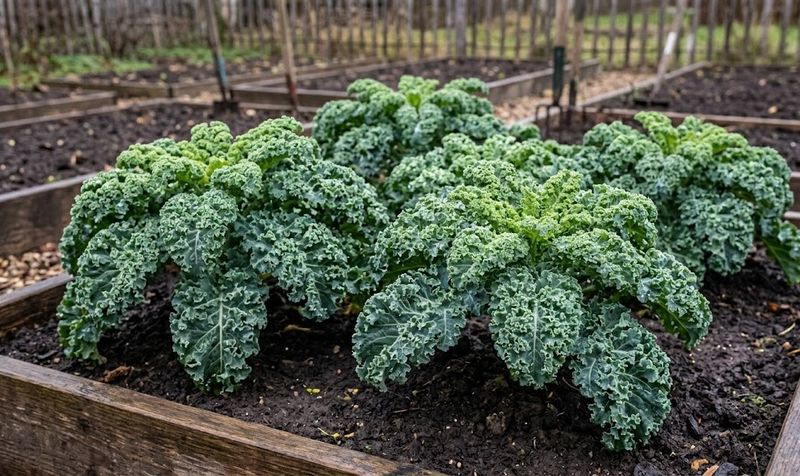
Putting all of this together comes down to a straightforward decision sequence. Start by looking at the whole plant, not just the leaves that disappointed you. Pale or yellowing older leaves, noticeably slow growth, poor vigor, and slender stems form a pattern that makes nitrogen shortage worth investigating. A plant that is otherwise green and growing but producing leaves that feel thin is showing you something different, and that difference matters before you open a fertilizer bag.
Work through the other possibilities first. Check for heat stress, uneven moisture, inadequate sunlight, crowded spacing, pest activity, and root problems. Look at the central stem: if flower buds are forming, the plant has shifted toward reproductive growth, and a nitrogen application will not reliably reverse that. WVU Extension’s nutrient deficiency guide and Minnesota Extension’s fertilizing guide both support a careful, symptom-based approach rather than a calendar-based one.
If the symptom pattern, soil history, or a soil test supports supplemental nitrogen, use a labeled vegetable fertilizer at its stated rate, place it several inches from the stem, and water it in. Minnesota Extension’s kale guide frames fertilization as a response to plant need and soil conditions, not a routine step every fall planting requires. The goal is to support new leaf production during the remaining harvest window, not to prove the plant missed a required feeding or to reverse damage that is already done. Healthy new growth from a plant with a viable growing point and steady moisture is what a well-timed, evidence-based side-dressing can realistically deliver.