
If Your Garlic Chives And Oregano Take Over The Bed But Basil And Cilantro Fizzle Out, Your Herbs Want Opposite Soil
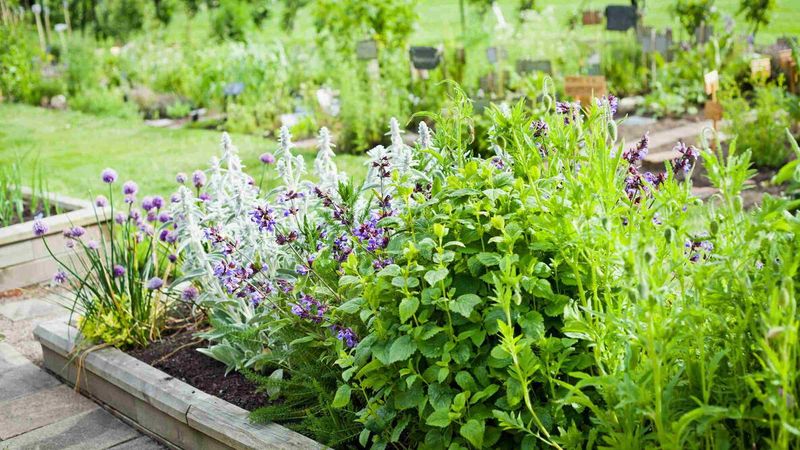
Walk outside to your herb bed on a hot afternoon and you might notice something puzzling: the oregano is sprawling confidently, the garlic chives are filling their corner, but the basil looks droopy and the cilantro has already bolted and gone to seed. That contrast is not random bad luck. Those four herbs respond very differently to the same watering routine and seasonal conditions, and understanding those differences is the fastest way to turn a frustrating mixed bed into a productive one.
The shared bed is hiding different watering jobs
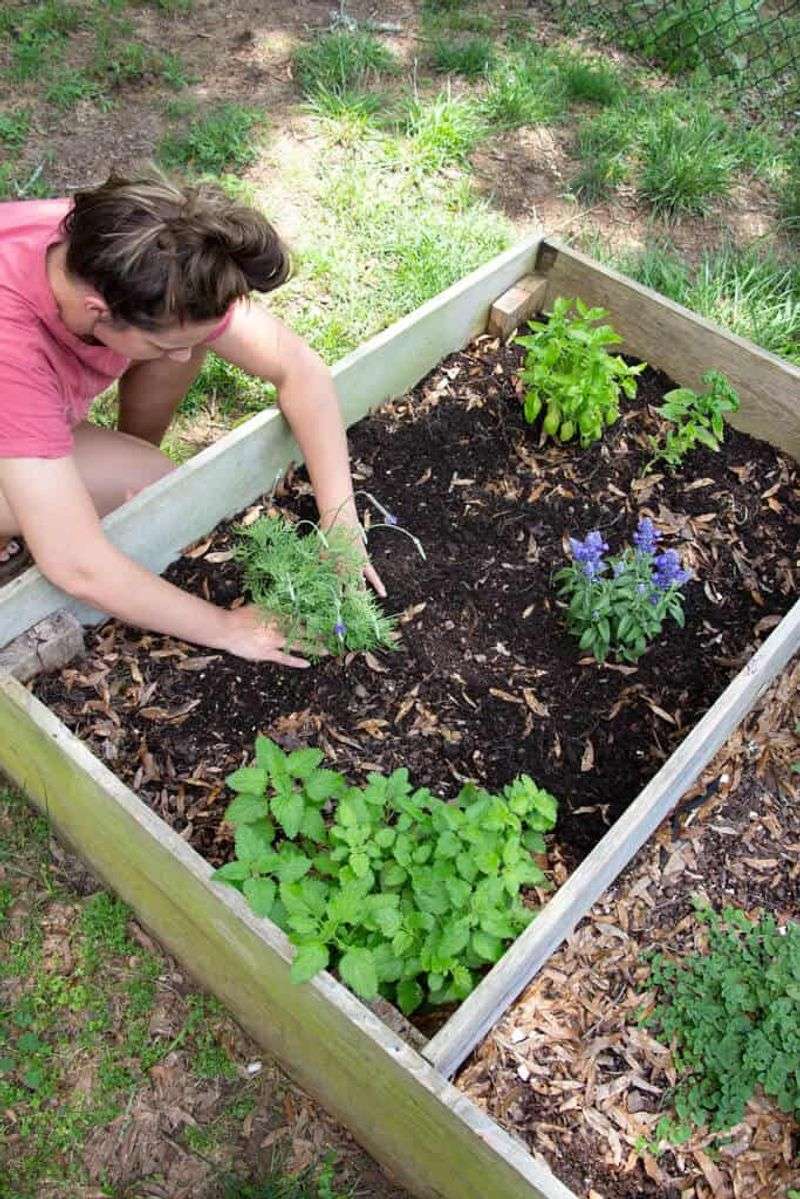
A mixed herb bed can quietly favor one plant over another without any obvious sign that something is wrong. When every herb in the bed receives the same moisture routine, the plants with the closest match to that routine tend to do well, while the others quietly struggle. Soil type is part of the picture, but light exposure, watering frequency, seasonal heat, and the growth habit of each plant all play a role too.
Oregano and garlic chives can look like a matched pair because both tend to hold their own in a shared bed, but they actually have different relationships with water. Oregano is the more drought-tolerant of the two, comfortable letting its root zone dry somewhat between waterings. Garlic chives, by contrast, prefer well-drained soil that still receives deep watering during dry spells, and they do best in soil enriched with organic matter rather than lean, fast-draining ground.
The practical grouping that works for most home gardens looks like this: oregano in the position with the sharpest drainage and the least frequent watering, basil and cilantro in spots that hold moisture more reliably, and garlic chives in well-drained ground that still gets a thorough soak when rain is scarce. As UMN Extension’s herb growing guide notes, most culinary herbs prefer well-drained soil in the pH 6.0-7.5 range, but the meaningful differences show up in how long the root zone should stay moist between waterings. Soil that drains well is not the same as soil that dries rapidly, and that distinction matters when you are trying to keep four herbs healthy in the same garden.
Why oregano thrives in lean, fast-draining soil
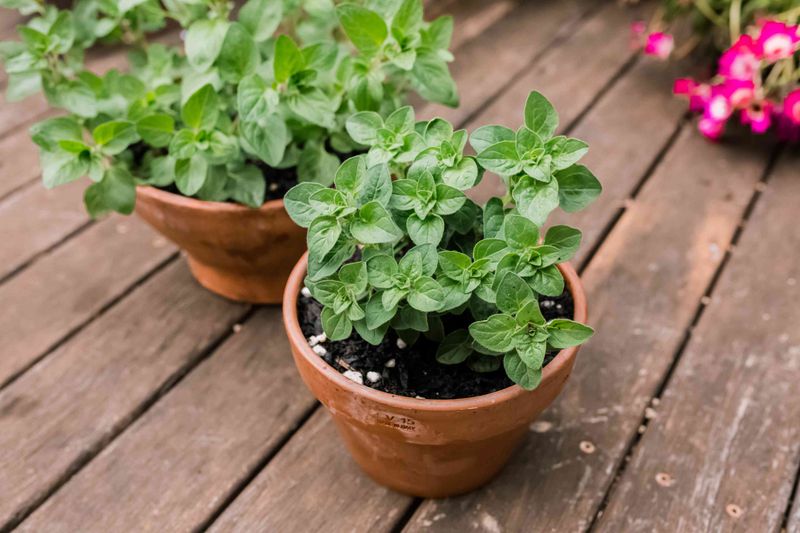
Oregano earned its reputation as a tough, low-maintenance herb by evolving in the rocky, sun-baked hillsides of the Mediterranean. Those origins translate directly into what it wants from your garden: full sun, well-drained average soil, and a root zone that is allowed to dry out somewhat between waterings once the plant is established. Penn State Extension’s oregano guide specifically recommends waiting until the soil dries before watering again, which puts oregano firmly in the less-frequent-watering camp.
That preference for drier conditions is why oregano can look so comfortable in a bed where other herbs are struggling. Heavy clay soil, persistently wet spots, or ground that stays saturated after rain are genuinely bad fits for oregano, and they can lead to root rot even in an otherwise healthy garden. Lean, slightly poor soil is not a problem for oregano the way it would be for many vegetables. In fact, Penn State’s broader herb garden guide points out that Mediterranean herbs as a group tend to thrive in full sun and relatively dry or even gravelly soil conditions.
Drought tolerance, though, does not mean oregano wants bone-dry soil at all times. The goal is a root zone that cycles between moist after watering and noticeably dry before the next one, not soil that is perpetually parched. Excessively rich soil is also worth avoiding: UMN Extension warns that overly fertile conditions can push herbs toward lush, weak growth with lower concentrations of the essential oils that give oregano its flavor and aroma. Place oregano where drainage is sharpest, water it less often than the rest of the bed, and it will generally reward you with steady, vigorous growth without much fuss.
Basil needs reliable moisture without a soggy root zone
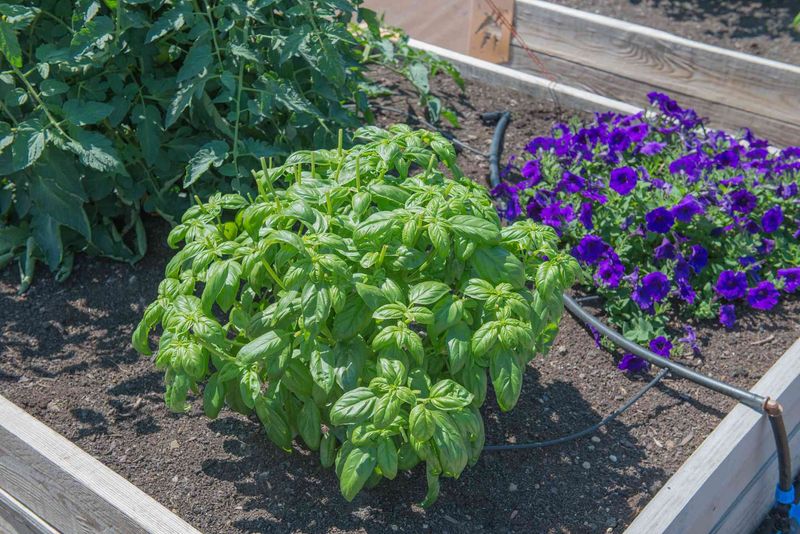
Basil sits at the opposite end of the moisture spectrum from oregano, and that gap is where trouble starts in a mixed bed. As a warm-season annual, basil needs at least about six hours of direct sunlight, warm temperatures, and soil that holds moisture more consistently than what oregano prefers. UMN Extension’s basil growing guide is clear that basil should be planted outdoors only after frost danger has passed, and it should not be allowed to dry out completely in containers. That guidance frames the target well: reliable moisture with good drainage, not wet soil and not repeated dry-downs.
Good drainage still matters for basil. Saturated soil cuts off oxygen to the roots and creates conditions where disease can take hold quickly. Penn State Extension’s indoor herb guide reinforces that basil needs drainage even when grown in pots, where waterlogging is a common mistake. The goal is soil that stays evenly moist, not soil that swings between flooded and bone-dry.
Disease pressure adds another layer to basil’s care. Basil downy mildew spreads more readily when foliage stays wet, so UMN Extension’s basil downy mildew guidance recommends watering at the soil line, keeping leaves as dry as practical, and spacing plants well enough that air can move between them. Morning watering gives foliage time to dry before evening.
Before blaming moisture for every basil setback, consider the full list of possible causes. Cold temperatures, inadequate light, poor drainage, drought, disease, and overfertilization can all produce similar symptoms of decline. Soil moisture is one important variable, but it rarely acts alone.
Cilantro may be losing the season, not the soil
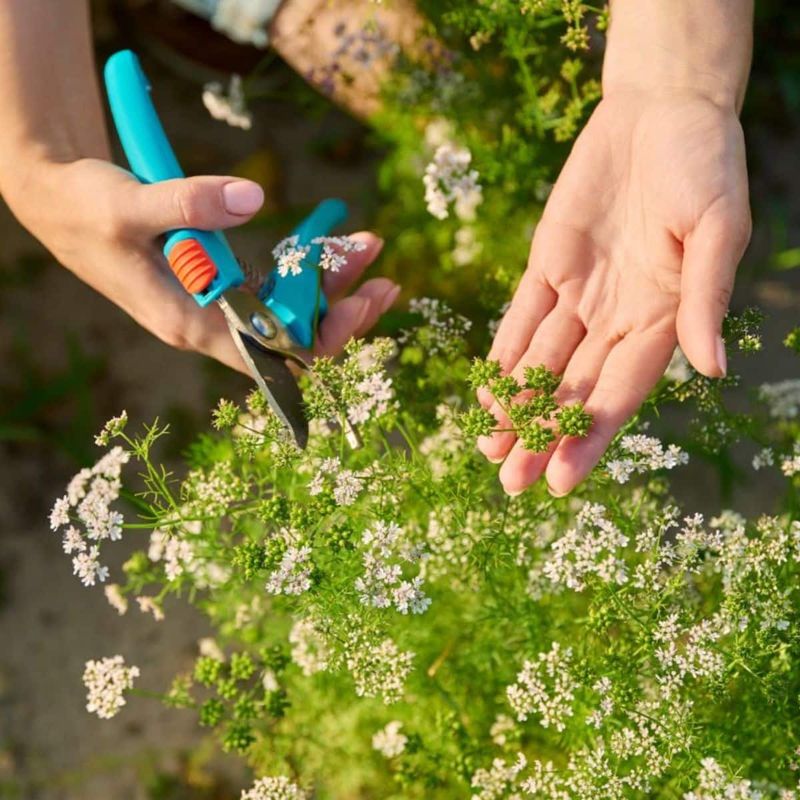
Cilantro and basil both need more consistent moisture than oregano, but cilantro has a separate problem that soil amendments and watering adjustments cannot fully solve: it bolts when temperatures climb and days get long. OSU Extension’s cilantro guide identifies approximately 80 degrees Fahrenheit as the threshold above which cilantro moves quickly toward flowering and seed production, and both heat and day length drive that transition. A plant that is watered correctly and grown in suitable soil can still stop producing usable leaves the moment summer arrives in earnest.
Regular watering does still matter for cilantro. The soil should not dry out between waterings, and during hot stretches, moving cilantro to a spot with afternoon shade or a naturally cooler microclimate can extend the harvest window. A spot on the north or east side of a taller plant or structure can make a meaningful difference in summer without requiring any changes to soil fertility.
The most reliable strategy for steady cilantro production is succession-sowing rather than trying to push a single planting through the hottest weeks. Sowing a small batch every three to four weeks from early spring through late spring, then again in late summer when temperatures start to ease, keeps fresh plants coming without fighting the seasonal trigger that causes bolting. Adding extra fertilizer or amending the soil heavily will not prevent a heat-driven bolt, and OSU Extension’s cilantro production guide points toward timing and placement as the more effective levers. Rich soil can actually push cilantro toward lush, weak growth without improving leaf production during hot weather.
When cilantro declines in summer, the honest diagnosis is usually seasonal rather than a sign that the bed is fundamentally wrong for the plant.
Garlic chives need their own middle ground
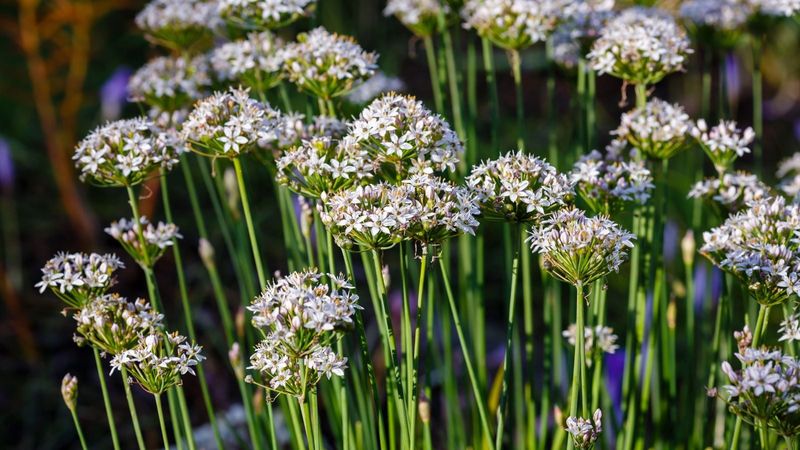
Pairing garlic chives with oregano as two herbs that want the same dry conditions is a common mistake, and it can lead to garlic chives receiving less water than they actually need. UMN Extension’s chive growing guide describes garlic chives as preferring well-drained soil that is also rich in organic matter, and it specifically recommends deep watering when rainfall is infrequent. That profile is meaningfully different from oregano’s preference for lean, dry-between-waterings conditions.
Garlic chives grow in full sun to light shade and are perennial, which means they return each year and gradually expand into larger clumps. Their tendency to fill space reflects normal perennial growth rather than any aggressive spreading through runners or underground rhizomes. Clumps that become crowded benefit from division every three to four years, which also gives you new starts to move to a different bed section or share with other gardeners.
Flower management is worth paying attention to with garlic chives. The white flower clusters are attractive, but allowing them to mature and drop seed can result in many new seedlings appearing around the parent plant in subsequent seasons. Removing flower stalks as the blooms start to fade and before seeds have a chance to form is a reasonable way to keep the planting tidy and limit the spread of seedlings, though the degree to which that reduces reseeding will vary by garden conditions.
The practical placement for garlic chives is in well-drained ground that has been improved with compost or other organic matter, positioned where you can water deeply during dry periods without also soaking a nearby oregano planting. They occupy a middle ground between oregano’s dry-tolerant habit and basil’s need for steady surface moisture.
Build workable sections, containers, and watering controls
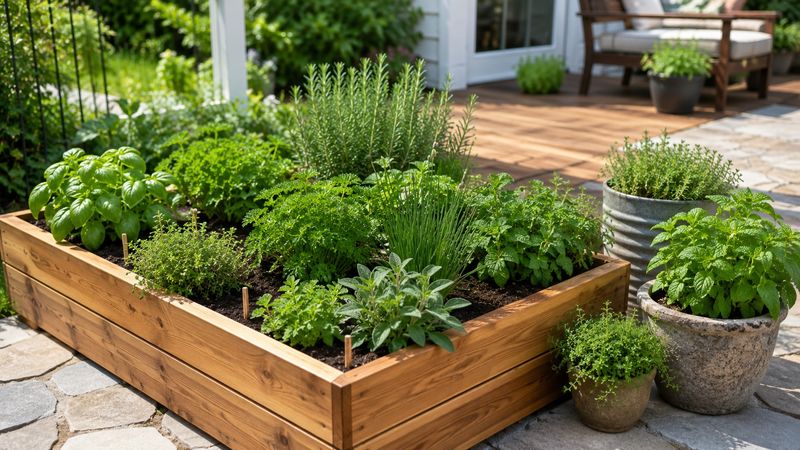
Turning this diagnosis into a real garden plan does not require four separate raised beds or a complete redesign. The goal is creating meaningful differences in drainage, moisture retention, and watering frequency across whatever space you have. Separate containers are the most straightforward option: oregano in a fast-draining mix with coarse sand or perlite added, basil in a moisture-retentive but well-aerated potting mix, and garlic chives in a container with compost-enriched, well-drained soil. UMN Extension’s herb growing guide specifically suggests this kind of container separation as a practical setup for herbs with different moisture needs.
In an in-ground or raised bed, you can create sections rather than fully separate spaces. Place oregano at the edge or end of the bed where drainage is sharpest, often where the bed slopes or where the soil mix is coarser. Give basil a central section where the soil holds moisture a bit longer and where you can water more frequently without affecting the oregano. Garlic chives can share a well-drained section that still receives a thorough soak during dry stretches, kept distinct from the drier oregano corner.
Cilantro’s placement is driven by seasonal cooling as much as moisture. A spot with afternoon shade, or the north-facing side of a taller planting, can reduce heat load enough to extend the harvest window. OSU Extension notes that partial shade or a cooler location can help cilantro during summer, which may matter more than any soil adjustment you make.
Soil texture changes how fast any section dries. Sandy mixes and small containers lose moisture quickly, while clay-heavy ground holds it much longer. OSU Extension’s watering basics guide explains that these texture differences change how often watering is needed, which is why separate irrigation emitters or hand-watering by section is more reliable than one timer running the whole bed. Drip emitters set to different run times for each section, or simply using a watering can for the herbs that need less frequent attention, gives you the flexibility to match each plant’s actual rhythm.
Use the soil—not a calendar—to decide when to water
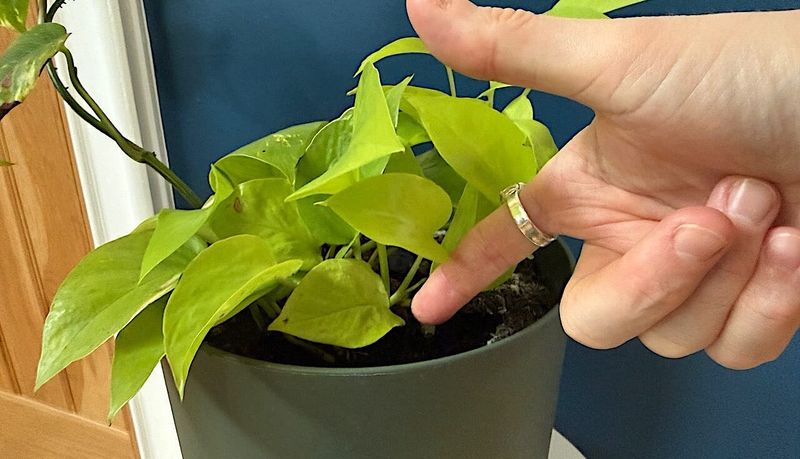
A fixed watering schedule is one of the most common reasons a mixed herb bed underperforms. Soil texture, weather, plant age, root depth, and container size all change how fast the root zone dries, which means a schedule that works perfectly in cool, cloudy April can waterlog oregano and underwater basil by July. The more reliable method is a simple physical check: push a finger roughly two inches into the soil near each herb. OSU Extension’s watering basics guide recommends this kind of direct soil inspection over calendar-based routines, directing water near the base of the plant and watering in the morning when possible.
Each herb has a different target at that two-inch depth. Oregano can wait until the soil feels dry at that point before you water again. Basil should be watered before the soil reaches that fully dry stage. Cilantro needs the soil to stay consistently moist, so check it more frequently during warm weather.
Garlic chives want a thorough soak when the root zone has dried, but they should not sit in persistently wet ground. OSU Extension’s soil-plant-water relationships guide explains that both waterlogging and drought stress limit water uptake, so the goal for every herb is the range between those two extremes, just with different tolerances for how long each plant can stay toward the drier end.
Wilting is not a reliable signal for watering decisions, especially in summer. Heat alone can cause temporary wilting even when the soil still holds adequate moisture, and watering in response to heat wilt can push a plant like oregano into wet conditions it handles poorly. UMN Extension’s heat stress guidance recommends checking the soil before adding water rather than responding to leaf appearance alone. A wilted basil plant at noon on a 95-degree day may recover on its own by evening if the soil is still moist at two inches.
Match each herb to its drying rhythm and season
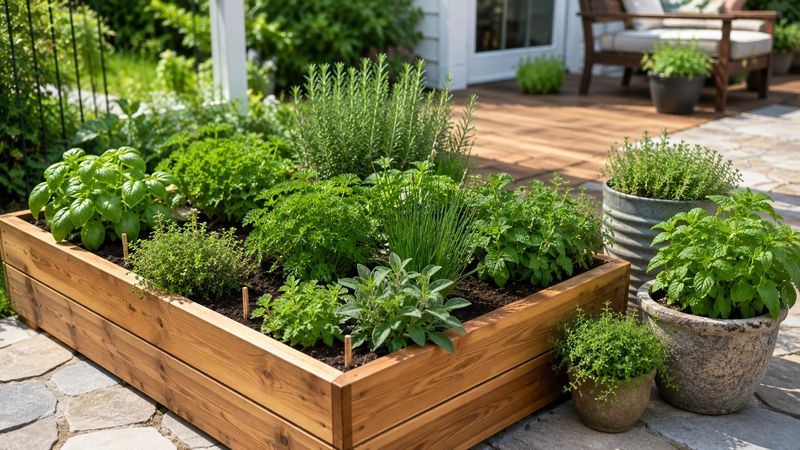
The most useful way to organize a mixed herb bed is by moisture interval and seasonal behavior, not by a simple dry-herb versus wet-herb label. Oregano belongs in the position with the sharpest drainage and the least frequent watering. Basil needs steadier moisture and warm conditions from the start of the season. Cilantro needs regular moisture plus whatever protection from peak summer heat you can realistically provide, whether that is afternoon shade, a cooler microclimate, or succession-sowing timed around the hottest weeks.
Garlic chives need well-drained soil enriched with organic matter and deep watering when the root zone dries, a profile that sits between oregano’s dry tolerance and basil’s need for more consistent surface moisture.
UMN Extension notes that all four herbs can grow in well-drained soil, but the meaningful distinction is how long the root zone should remain moist and how each plant responds to heat and seasonal shifts. That framing is more accurate and more actionable than sorting herbs into dry or wet categories. OSU Extension reinforces that no single watering schedule works across different soil types, container sizes, and weather patterns, which is why observing the soil directly remains the most dependable guide.
Before rearranging the whole bed, spend a week checking moisture at two inches under each herb and noting how the plants respond to heat. The soil and the season together will tell you more than the planting layout alone ever could.