
If Your Fall Mums Bloom Once And Then Quit, A Skipped Summer Pinch May Be Why
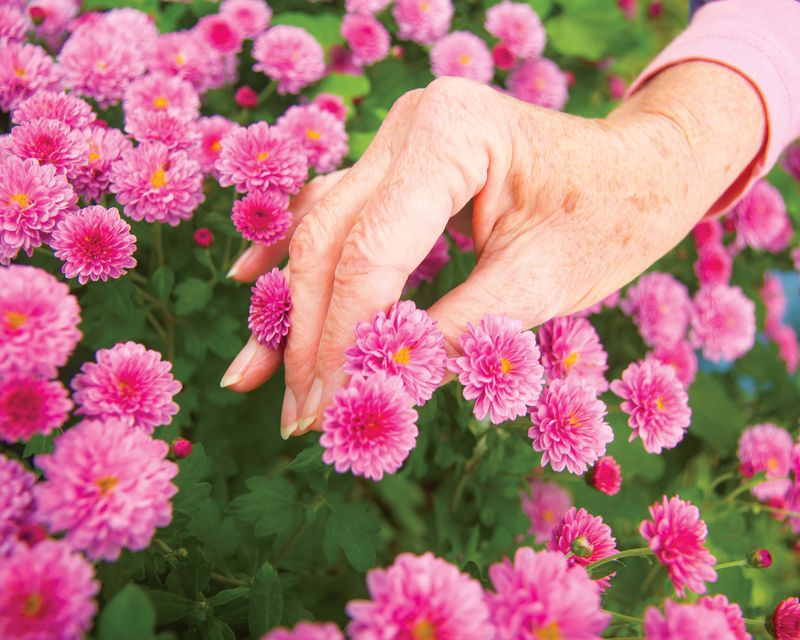
You planted your mums, watched them burst into color, and then noticed the show was over almost as soon as it started. That early exit can feel like the plant let you down, but the real story often begins back in summer, long before a single bud appeared. Skipping the habit of pinching your mums during their vegetative growth phase can leave them with fewer branches and flowering stems, making one thin or early flush look like the whole performance. Understanding what pinching actually does, and what it cannot do, puts you back in control for next season.
A Missed Pinch Can Thin the Main Bloom Display
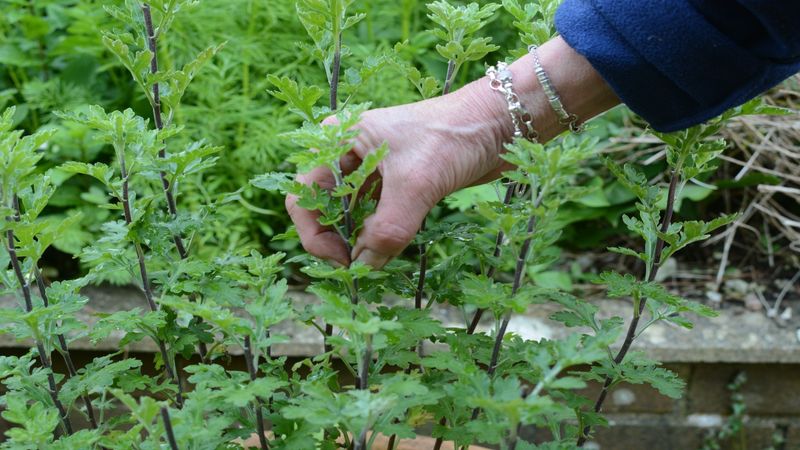
Removing the soft growing tip from each shoot during vegetative growth is not just a tidying move. When you take off that top inch or so, the plant responds by pushing new growth out from the leaf nodes below the cut, producing lateral shoots that become additional stems. More stems mean more potential sites for flower buds when fall arrives, so the plant can spread its blooming energy across a wider, fuller framework instead of concentrating it in just a handful of tall, central stalks.
Skip that step, and the math shifts. Fewer lateral branches means fewer flowering stems, and a mum with limited branching tends to open its flowers in a compressed, lopsided wave rather than a broad, even display. That compressed flush can look impressive for a week and then appear spent, giving the impression that the plant has run out of blooms. Iowa State University Extension guidance on growing chrysanthemums notes that unpinched plants tend to be taller, less branched, and less uniformly covered with flowers compared to plants that received regular pinching during the growing season.
What pinching explains is reduced branching and bloom volume, not a guaranteed failure to produce any flowers at all. An unpinched mum may still flower, and the display may still be attractive, but the structural foundation for a dense, coordinated fall show simply was not built. Think of it as the difference between a plant that had the chance to develop a wide scaffold of flowering stems and one that went straight for height without building that spread.
Pinching Shapes the Plant; It Does Not Guarantee Rebloom
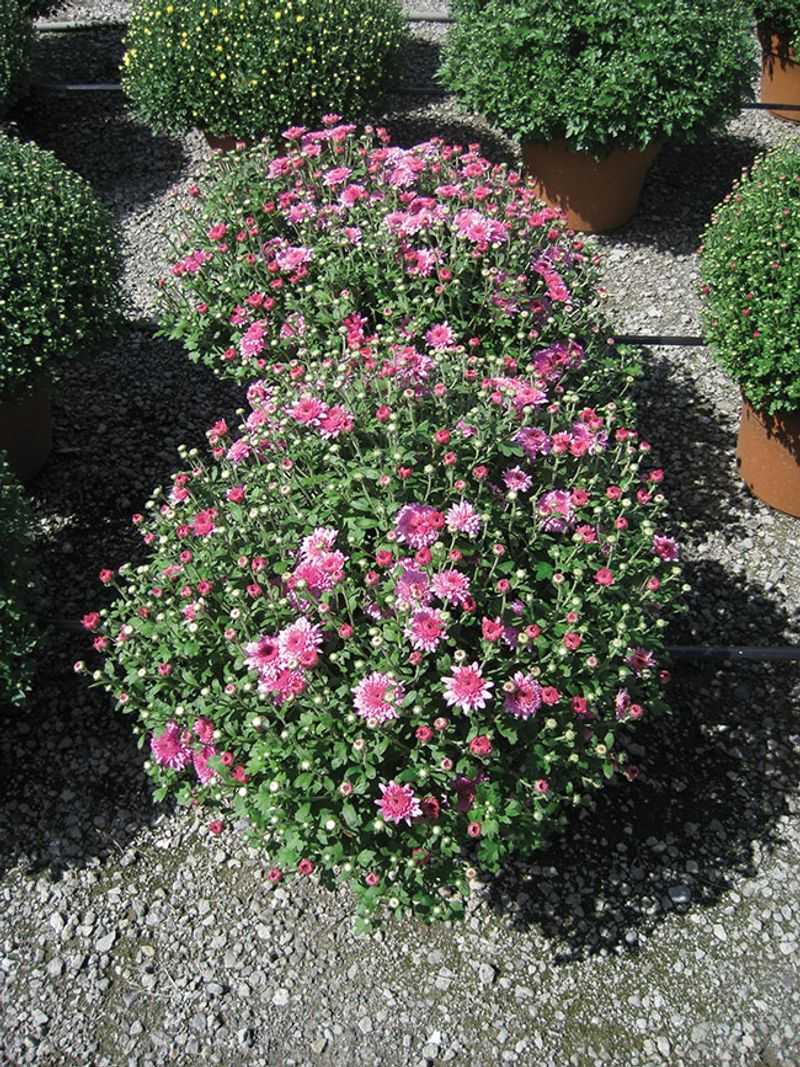
Branching and blooming are related but separate processes in a chrysanthemum. Pinching builds the physical structure, the branching scaffold that carries flowering stems, but it does not flip the switch that tells the plant to form buds. That switch is controlled primarily by day length, or more precisely, by the length of uninterrupted darkness the plant experiences each night. As summer shifts toward fall and nights grow longer, chrysanthemums detect that change and begin initiating flower buds.
Iowa State University Extension’s chrysanthemum growing guide explains that mums are short-day plants, meaning they need sufficiently long, uninterrupted nights to trigger bud formation. Cultivar genetics, growing conditions, and local climate all influence exactly when and how fully that process unfolds. A well-pinched plant with a robust branching structure is better positioned to make the most of that trigger, but pinching itself does not create the trigger.
One practical consequence of this distinction is that pinching after a plant has already bloomed cannot reliably restart a finished flowering cycle. The plant’s bud-forming response is tied to photoperiod and cultivar, not to how recently it was pruned. Equally worth noting: outdoor lighting from porches, streetlights, or security fixtures can interrupt the dark period a mum needs, delaying or preventing normal flowering even on a plant that was pinched on schedule. If your mum sits within range of an artificial light source, that interference may explain more about your bloom display than any pruning decision did.
Start Pinching While New Shoots Are Actively Growing
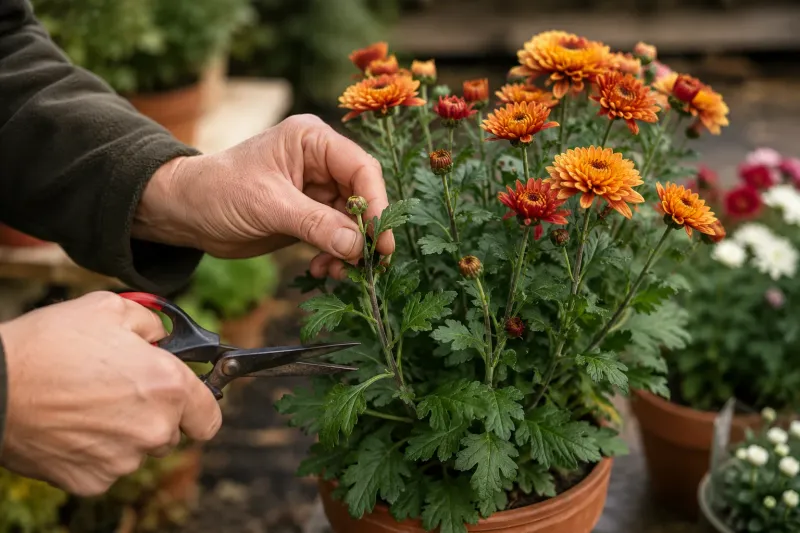
Practical pinching begins when new shoots reach roughly 6 to 8 inches of growth. At that height the stems are still soft and easy to work with, and the nodes below the cut are well positioned to push out the lateral shoots that build the plant’s branching framework. Waiting longer means working with woodier growth and potentially missing the window when the plant can most productively redirect its energy into new side shoots.
Iowa State University Extension’s pinching FAQ recommends pinching two or three times from spring through early summer, repeating the process as lateral shoots elongate to about 6 inches. Each round of pinching adds another tier of branching, gradually building a compact, multi-stemmed plant. Skipping even one of those rounds leaves gaps in the scaffold that the later rounds cannot fully compensate for.
Knowing when to stop is just as important as knowing when to start. The final pinch must occur before the plant begins setting its main flower buds, because any pinching after bud initiation removes developing flower sites rather than creating new ones. The right stopping point varies considerably depending on cultivar flowering class, your local climate, and your expected bloom date. Utah State University Extension guidance puts the final pinch around early to mid-June for early-blooming varieties, late June for mid-season types, and around July 1 for late varieties, while other regional sources extend that window into mid-July for some cultivars and climates.
Those ranges are approximate starting points, not universal rules. Checking with your local cooperative extension office for cultivar-specific timing in your region is the most reliable way to land the final pinch at the right moment.
Make Each Pinch Even and Light
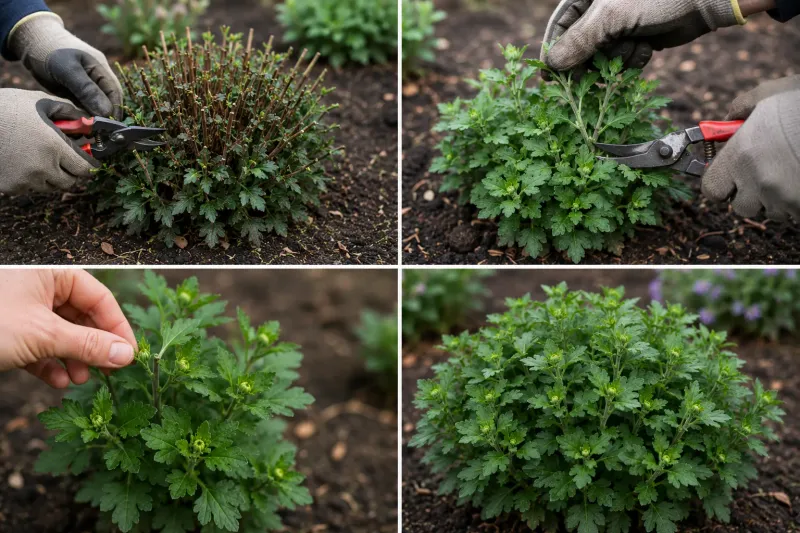
Good pinching technique is lighter than most gardeners expect. The goal is to remove roughly the growing tip or the top inch of each actively growing shoot, cutting or pinching just above a leaf node. That node is the junction where a leaf meets the stem, and it is the site from which new lateral shoots will emerge. Cutting too far down the stem removes more potential branching nodes without proportionally improving the outcome.
University of New Hampshire Extension’s guidance on planting fall mums reinforces working evenly around the entire plant rather than concentrating cuts on one side. Removing growth from only the tallest stems while leaving shorter ones untouched produces an uneven result, with some sections developing dense lateral branching and others remaining sparse. A consistent, all-around approach builds the balanced, bushy shape that supports an even fall display.
Keep this technique reserved for vegetative shoots, the soft, actively growing stems that have not yet developed visible flower buds. Once buds become apparent, the rules change entirely. Cutting into budded growth at that stage removes flower-bearing material rather than redirecting vegetative energy into new branches, which is the opposite of the intended result. If you can see small, rounded bud clusters forming at the shoot tips, set the pruners down and let the plant develop the display it has already committed to building.
If Buds Have Formed, Preserve the Existing Display
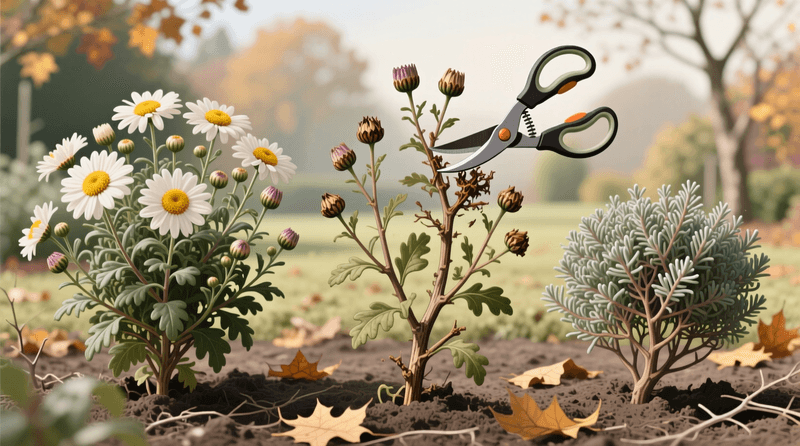
Realizing you missed the pinching window after buds have already appeared puts you in a different situation than a plant still in vegetative growth. The first step is to look closely at the shoot tips. Soft, leafy growth with no rounded bud clusters means the plant may still have a brief window for a light pinch, depending on your cultivar and local frost dates. Small, distinct bud clusters at the tips mean the plant has committed to flowering, and that commitment deserves protection rather than interruption.
Utah State University Extension’s home garden chrysanthemum guide makes clear that aggressive cutting after buds have formed is more likely to remove flower-bearing growth or push the bloom date beyond your first frost than to produce a fresh, improved display. The practical risk is real: a hard cutback in late summer or early fall on a budded plant may leave you with no flowers at all rather than a delayed second showing.
An unpinched plant that reaches the bud stage is not a lost cause. It may be taller and sparser than a well-pinched plant, and its blooms may be less evenly distributed, but the display it produces is still worth protecting. Keeping the plant consistently watered, providing full sun, and shielding developing buds from early frost gives the existing display the best chance to open fully. Iowa State University Extension’s chrysanthemum growing guidance notes that a plant which was not pinched may still flower, even if the result is less full and uniform than a properly shaped plant would produce.
Deadheading Is Maintenance After Bloom, Not Summer Pinching
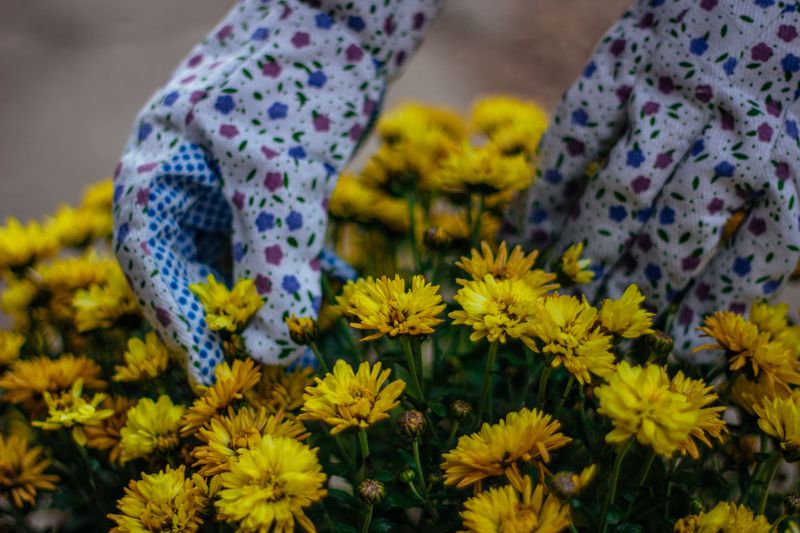
Deadheading and pinching are sometimes used interchangeably in casual garden conversation, but they serve entirely different purposes and happen at different points in the plant’s life cycle. Pinching is performed during vegetative growth, weeks before any buds form, with the specific goal of producing more lateral branches and potential flowering stems. Deadheading is the removal of spent flower heads after blooms have opened and faded, and its purpose is to keep the plant looking tidy and to redirect energy away from seed production.
Penn State Extension’s guide to pruning herbaceous plants distinguishes between these practices and their seasonal roles. Removing faded flower heads can improve the appearance of the display and may extend it when additional viable buds are already developing on the same plant. If a mum carries a mix of open flowers and tight, unopened buds, cleaning off the spent heads lets the remaining buds take center stage without visual competition from browning petals.
What deadheading cannot do is substitute for the branching work that summer pinching performs. University of Georgia Cooperative Extension gardening guidance reflects the same practical limit: deadheading cannot overcome a finished flowering cycle, an unsuitable cultivar, frost damage, disease, inadequate light, or severe stress. If the plant has genuinely run through its available bud sites, removing old flowers will not generate new ones. Deadheading is a maintenance tool, a useful one, but not a replacement for the structural work that should have happened in summer.
Check Light, Plant Type, Care, and Disease Before Blaming Pruning
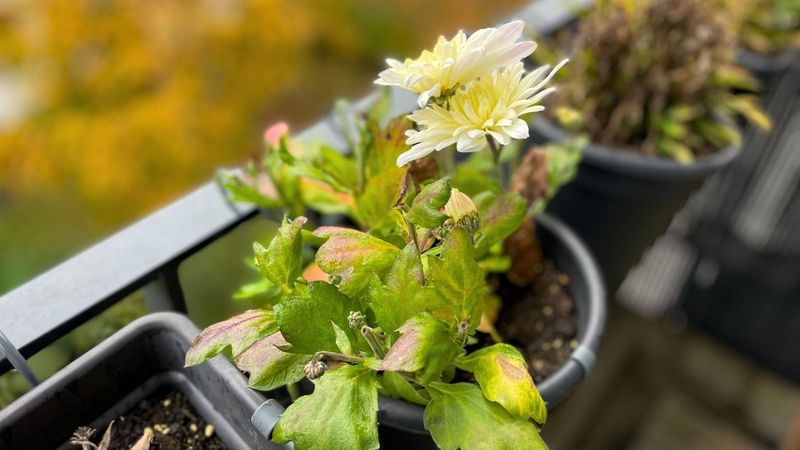
Before attributing a disappointing bloom display entirely to a missed pinch, a quick diagnostic review often turns up a more complete picture. The first question worth asking is what type of mum you actually planted. Garden mums are bred for outdoor performance and can return in suitable climates, while florist or pot mums, the kind sold fully blooming in supermarkets and garden centers in fall, are generally greenhouse varieties. University of New Hampshire Extension’s guidance on fall mums in the garden notes that many florist mums are tender and difficult to re-flower outdoors, so a plant from that category may have limited outdoor bloom potential regardless of how it was pruned.
Sun and water matter more than many gardeners realize. Utah State University Extension recommends full sun and fertile, well-drained soil, with consistent moisture and early-day watering to allow foliage to dry before nightfall. A plant growing in part shade, or one that experienced drought stress during bud development, may produce a reduced display regardless of its pruning history. Artificial light from nearby fixtures is another factor worth checking, since even low-level nighttime illumination can interrupt the dark period chrysanthemums need to initiate buds.
Physical symptoms on the plant itself are the clearest signal that pruning is not the issue. Foliage that yellows, wilts unevenly, develops spots or patches of white powdery growth, or buds that brown and fail to open all point toward potential pest, disease, or root problems. Penn State Extension’s chrysanthemum disease resource lists conditions ranging from fungal and bacterial infections to viral issues that can cause premature flowering, reduced flower size, bud failure, and retarded flower development. Those situations call for diagnosis and targeted treatment, not additional pruning.
Finally, keep in mind that a mum planted in fall may not have enough time to establish roots before winter, and questions about whether it will return next year are separate from what happened to this season’s display. Iowa State University Extension addresses winter survival and establishment as distinct concerns from in-season flowering performance.
Use Better Timing Instead of a Hard Reset

A thin or one-flush-looking mum display is frustrating, but it is also one of the more fixable problems in the fall garden, provided you address it at the right stage and for the right reason. A missed summer pinch can genuinely contribute to fewer branches and a compressed, less uniform flowering display. That connection is real and worth acting on for next season, but it cannot explain every case of a mum that stalls, blooms unevenly, or stops flowering earlier than expected.
Going forward, the practical path is straightforward. Begin pinching when new shoots reach about 6 to 8 inches, repeat the process two or three times as lateral shoots extend, and stop according to your cultivar’s flowering class and local extension timing before buds form. Once budding begins, shift from pruning to protecting: consistent water, full sun, and frost coverage when temperatures threaten. If the symptoms do not fit a pruning problem, look at light sources, plant type, growing conditions, and visible signs of pests or disease before reaching for the pruners.
Iowa State University Extension and Utah State University Extension both offer cultivar-specific and regionally grounded guidance worth bookmarking before next summer arrives. A mum given a proper structural start in June is simply a better-equipped plant by October.