
If Your Grass Refuses To Fill In No Matter What, Here Are 13 Hidden Reasons And The Fix For Each
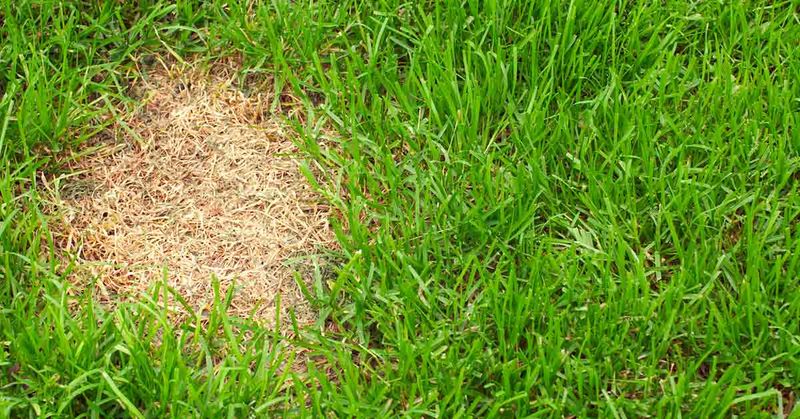
You keep watering, seeding, and mowing, yet those thin, patchy spots in your lawn just won’t disappear. It’s frustrating to do everything right and still watch your grass struggle.
The truth is, there’s usually a hidden reason behind stubborn bare patches, and once you spot it, the fix is often simpler than you think. Here are 13 sneaky culprits and exactly how to solve each one so your lawn can finally thicken up.
1. Nutrient Deficiencies
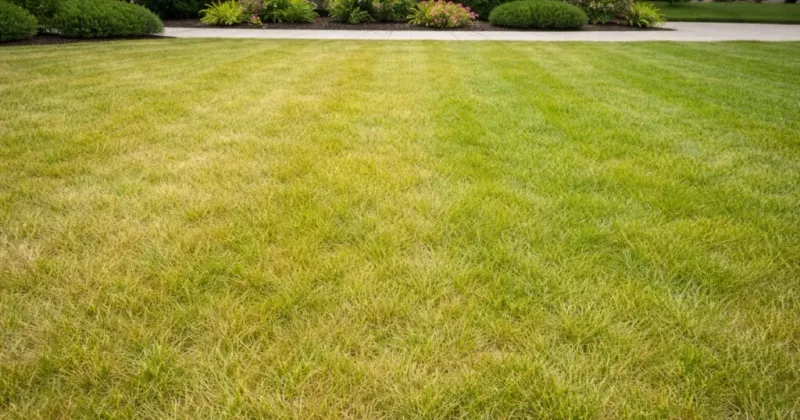
Grass is hungry, even if you can’t hear it grumble. Just like your tomatoes need feeding to fruit, your lawn needs nitrogen, phosphorus, and potassium to grow thick and green.
When the soil runs short on these building blocks, blades come in weak, spindly, and slow to spread. You might mow and water faithfully, but without fuel, the grass simply can’t close the gaps.
The fix starts with a soil test, which takes the guesswork out of it. Once you know what’s missing, apply a quality lawn food matched to the right NPK ratio and feed steadily through the growing season.
Within a few weeks, you’ll notice the color deepen and the thin spots start to knit together.
2. Inadequate or Improper Watering
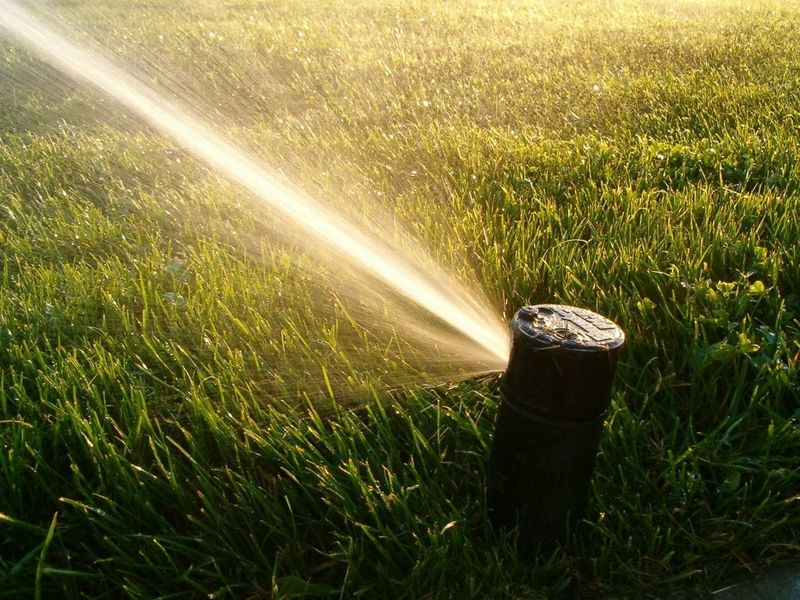
Here’s a twist that surprises a lot of folks: you can love your lawn to death with water. Too much creates shallow, lazy roots and invites disease, while too little leaves the grass stressed and starved for moisture.
Timing matters just as much as amount. A midday soak evaporates before it helps, and an evening one lingers overnight and encourages fungus.
Aim for about 1 to 1.5 inches of water each week, counting rainfall, delivered in deep but infrequent sessions. Water in the early morning so blades dry by nightfall.
Deep watering trains roots to reach down, which builds the sturdy foundation thin grass needs to fill back in.
3. Soil Compaction
Walk the same path across your yard every day, and the ground beneath it quietly turns to concrete. Foot traffic, pets, and heavy mowers press the soil tight, squeezing out the air pockets roots depend on.
Compacted soil blocks water, air, and nutrients from reaching down where they matter. The result is weak, thin grass that never seems to thicken no matter how much you feed it.
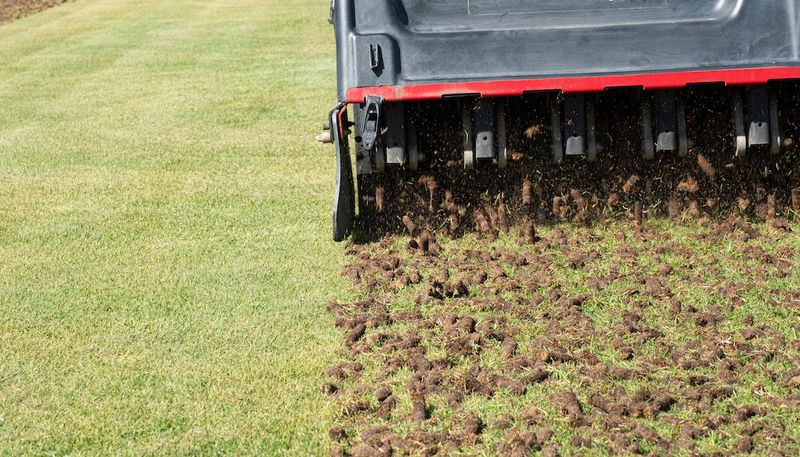
Aerating once a year works wonders here. Pulling small plugs of soil opens up channels so everything can travel deeper.
Follow up with a light topdressing of compost, and you’ll give roots room to breathe and spread again.
4. Excessive Shade
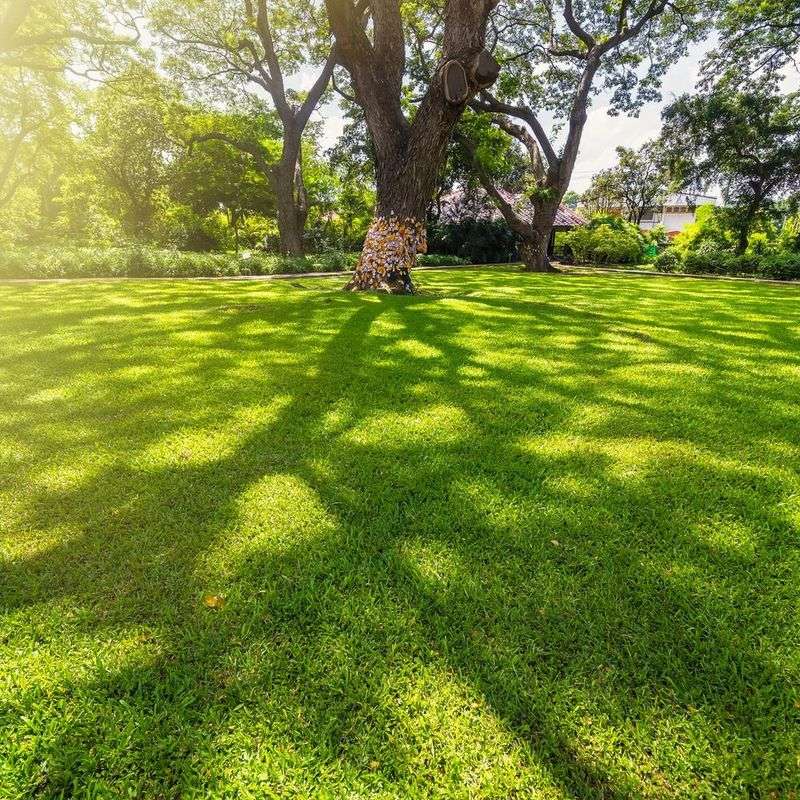
Grass is a sun worshipper, and no amount of coaxing will change that. Blades need light for photosynthesis, so spots tucked under trees, tall shrubs, or the north side of the house often thin out and fade.
You might blame yourself for the sparse patch beneath your oak, but it’s really just chasing sunlight it can’t find.
Trim the lower branches or thin the tree canopy to let more light filter down. If the shade stays stubborn, switch to a shade-tolerant grass blend built for low light, or lean into it with a bed of ground cover or mulch.
Sometimes working with the shade beats fighting it.
5. Pest Infestations
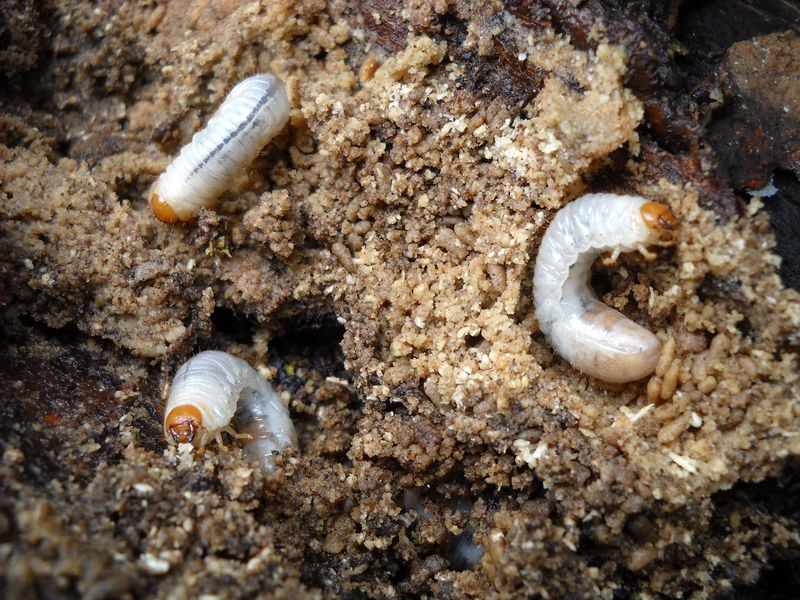
Sometimes the enemy is underground, munching away while you sleep. Grubs feast on grass roots, and chinch bugs suck the juice right out of the blades, leaving your lawn thin, brown, and defeated.
A telltale sign of grubs is turf that lifts up like a loose piece of carpet, since the roots holding it down have been chewed off. Chinch bug damage tends to show as irregular dead patches that spread in hot, dry weather.
Peel back a suspect patch and look for the culprits. If you find them, apply the right preventative or curative pest control at the recommended time of year.
Knock out the pests, and the grass can finally recover the space they stole.
6. Lawn Diseases (Fungal)
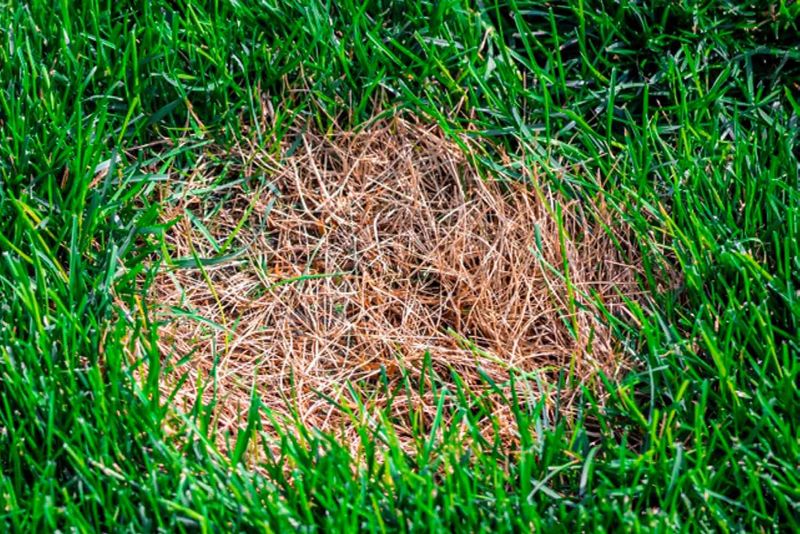
Ever notice a strange ring, a bleached spot, or reddish threads woven through your grass? Fungal diseases like brown patch, dollar spot, and red thread love muggy air, poor circulation, and sloppy lawn habits.
Once they take hold, they leave behind discolored, thinning patches that refuse to green back up on their own.
Beat them by improving airflow through aeration, watering deep and infrequent, mowing at the proper height, and clearing out heavy thatch. For a case that just won’t quit, reach for a targeted fungicide and follow the label closely.
Fixing the conditions matters most, because a healthy lawn rarely gives fungus a foothold.
7. Incorrect Soil pH
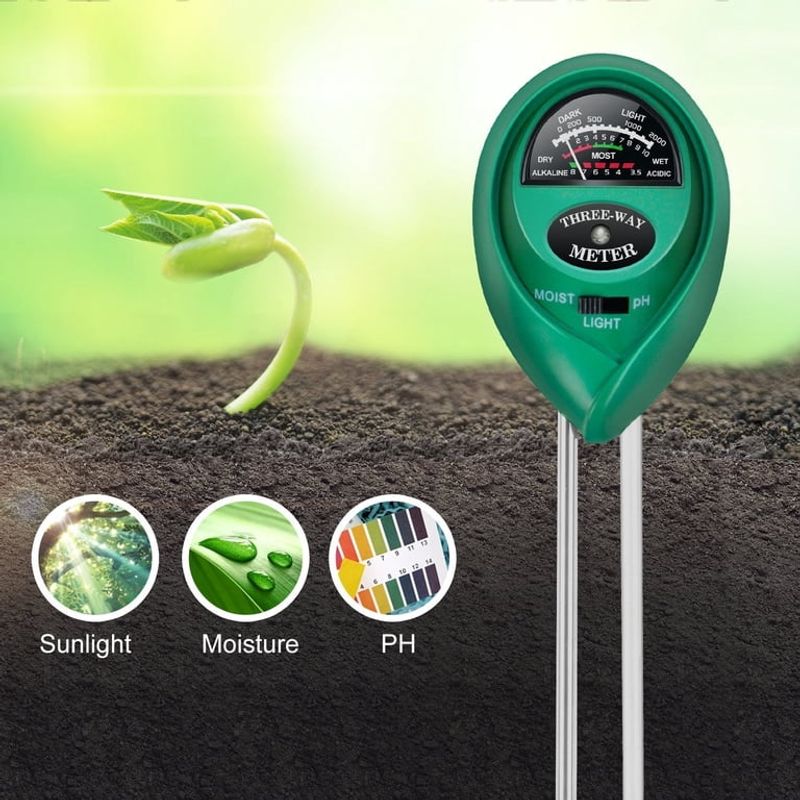
Your grass could be sitting on a full pantry and still starve if the pH is off. When soil turns too acidic or too alkaline, key nutrients get locked away where roots can’t reach them.
The frustrating part is that everything looks fine on paper. You feed, you water, and yet the grass stays thin because it simply can’t absorb what’s there.
A soil test reveals the number you’re working with. To nudge it up, apply agricultural lime; to bring it down, use elemental sulfur, always following the amounts your test suggests.
Get the pH into the sweet spot, and suddenly the fertilizer you were already using starts doing its job.
8. Heavy Foot Traffic
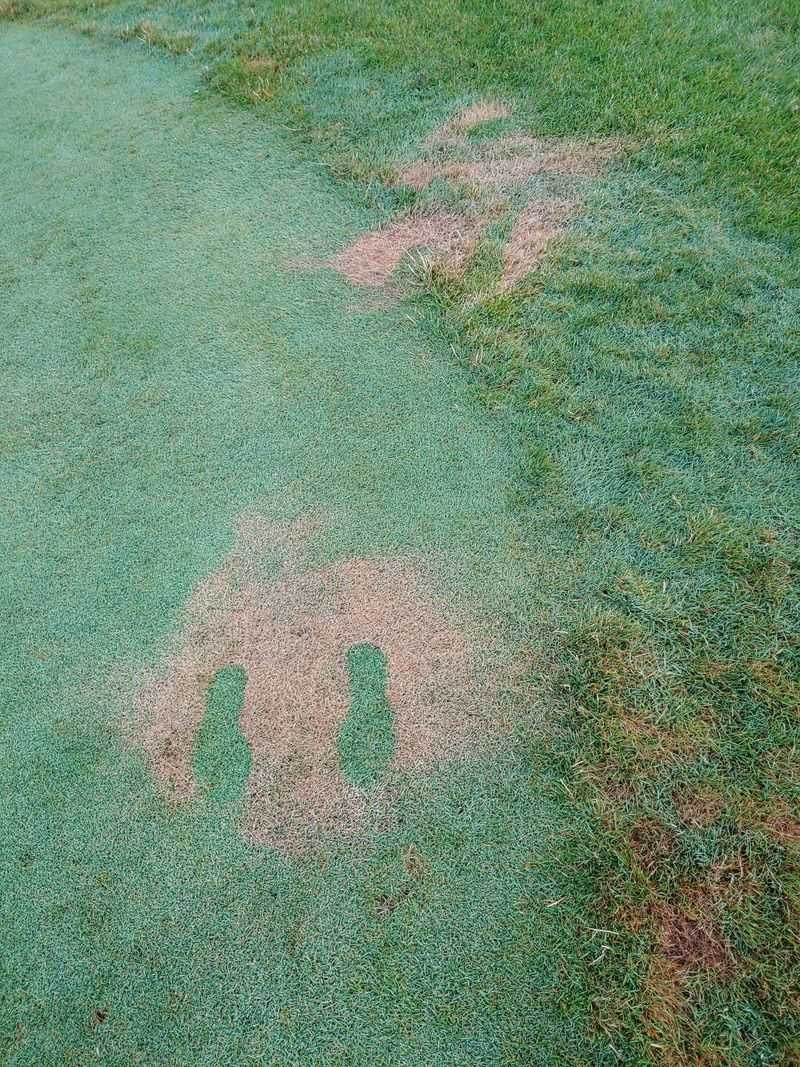
That desire line worn across the yard tells a story. Wherever people and pets travel again and again, the grass gets crushed, the soil packs down, and bare, thin stripes appear.
No seed blend on earth can outrun a hundred footsteps a day.
The trick is redirecting the traffic. Lay down stepping stones, carve out a proper path, or gently block off the busiest lanes so the grass gets a break.
Mowing a touch higher helps too, since taller blades cushion each step and bounce back better. Give the worn areas some breathing room, and they’ll slowly recover.
9. Improper Mowing Techniques
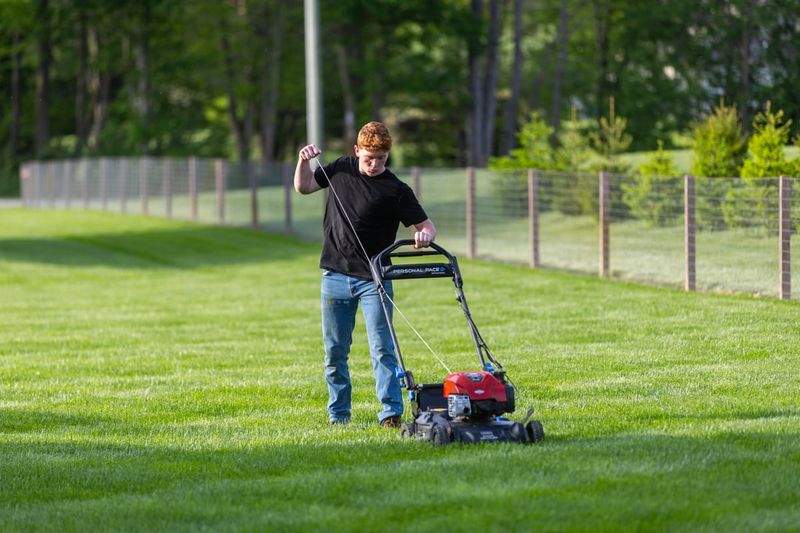
Mowing feels harmless, but it might be the very thing keeping your lawn thin. Cutting too short scalps the grass, mowing too often stresses it, and dull blades tear the tips instead of slicing them clean.
Ragged, scalped grass opens the door to weeds and disease while leaving the turf too weak to spread.
Raise your mower to the tallest recommended height for your grass type, roughly 2 to 3 inches for warm-season and 3 to 4 for cool-season varieties. Never remove more than a third of the blade in one pass, and keep those mower blades sharp.
Better mowing habits alone can transform a thin lawn into a thick one.
10. Poor Quality or Unsuitable Grass Seed
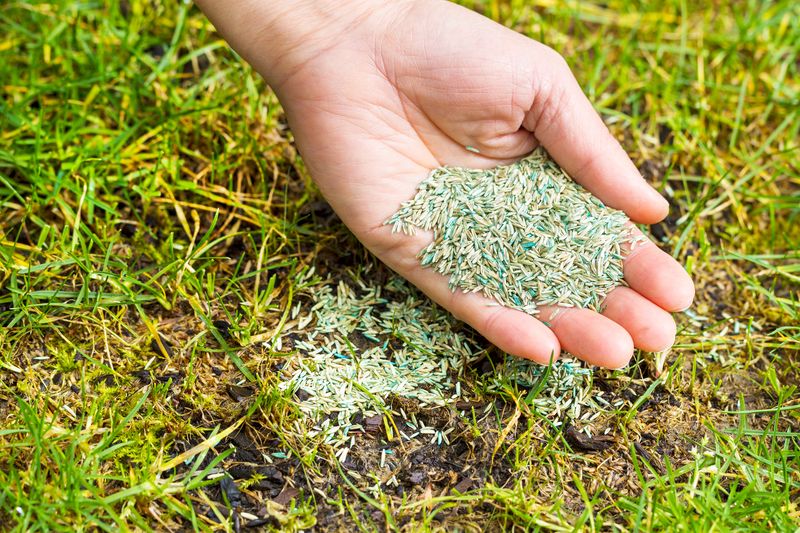
Bargain seed can cost you more than it saves. Cheap mixes or varieties that don’t match your climate, sun, or soil often sprout weak and patchy, leaving you wondering why your hard work never took hold.
A shade-loving spot seeded with a full-sun blend, for instance, is doomed before the first sprout appears.
When you overseed or patch bare spots, invest in high-quality seed or sod suited to your region and the exact conditions of that area. Match shade-tolerant blends to shady corners and drought-hardy types to hot, dry stretches.
The right seed in the right place finally gives your lawn a fighting chance to fill in.
11. Pet Urine Damage
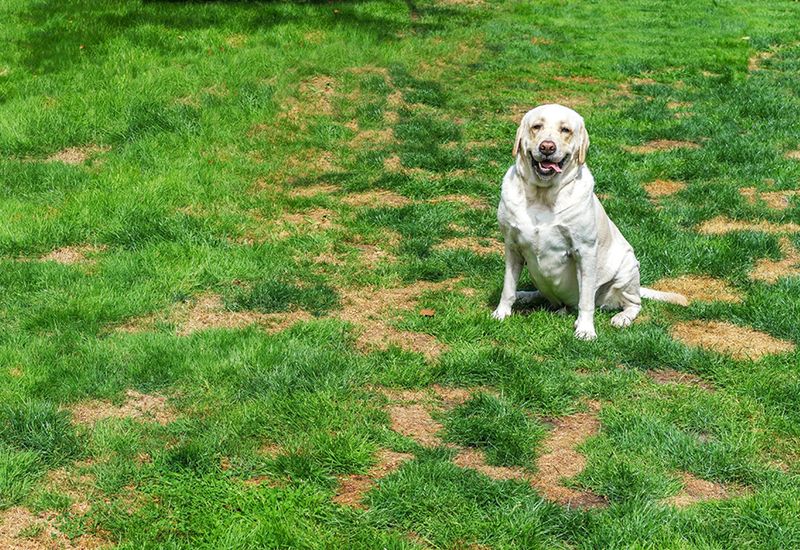
Love your dog, but those mysterious yellow spots ringed with dark green are their calling card. Dog urine is loaded with nitrogen and salts, which scorch the grass in concentrated spots while the diluted edges get an extra green boost.
The pattern is unmistakable once you know it, and it leaves your lawn dotted with thin, dead patches.
Act fast by flushing fresh spots with plenty of water to wash the nitrogen away. For existing dead patches, scrape out the dead grass, loosen the soil, and reseed with a urine-resistant blend.
Better yet, train your pup to use one designated area so the rest of the lawn stays lush.
12. Excessive Thatch Buildup
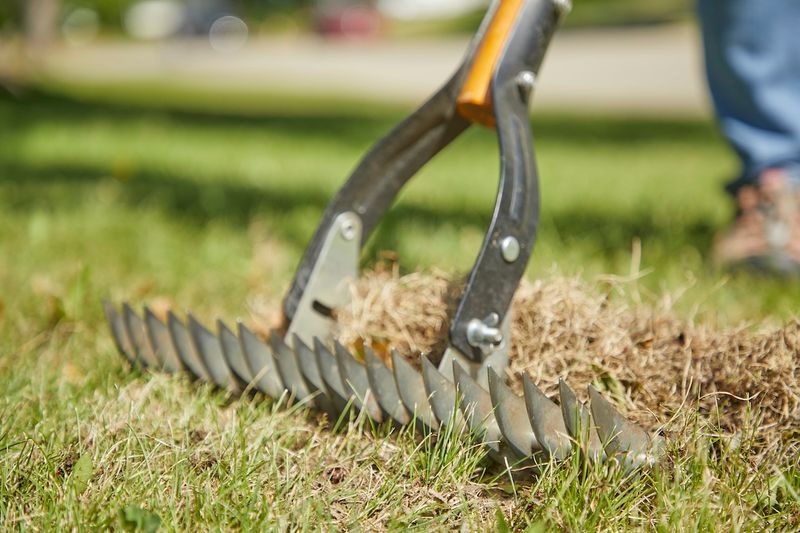
Hidden right beneath the green is a layer that can quietly choke your lawn. Thatch is the spongy mat of dead and living stems, roots, and leaves that builds up between the blades and the soil.
A little is fine, but once it passes half an inch, it acts like a barrier that keeps water, air, and nutrients from ever reaching the roots.
Press your fingers into the lawn; if it feels bouncy and spongy, thatch may be the problem. Break it up with a dethatching rake or a power rake to open things back up.
Clearing that suffocating layer lets everything flow down to the roots, and the grass thickens in response.
13. Chemical or Salt Damage
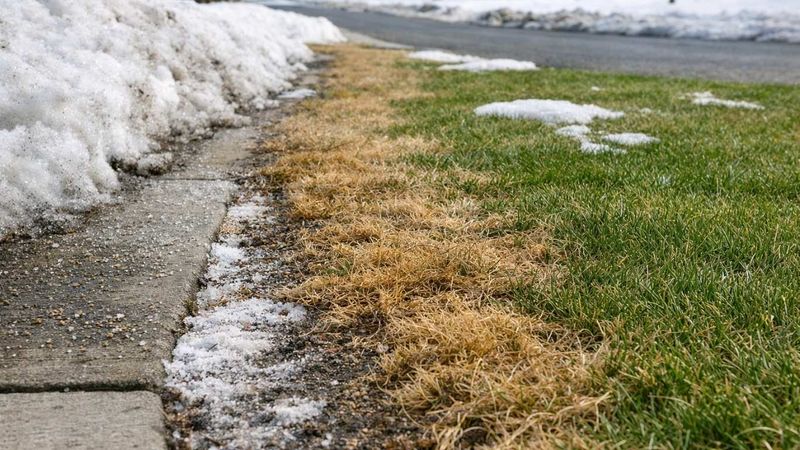
Check the edges of your lawn near the driveway or sidewalk, and you may find a story written in dead grass. De-icing salt from winter washes into the soil, and stray herbicide spills or chemical runoff can poison the turf, leaving thin, lifeless strips along the pavement.
The damage often shows up right where salt or chemicals had the easiest path.
Come spring, flush salt-damaged areas with generous amounts of water to leach the salt out of the soil. Going forward, switch to gentler de-icing products, or plant salt-tolerant grass and hardy landscaping near paved surfaces.
A little prevention keeps next winter from repeating the same bare-edge cycle.