
The One Thing North Carolina Tomatoes Need In Late Summer Heat Or They Stop Setting Fruit Entirely
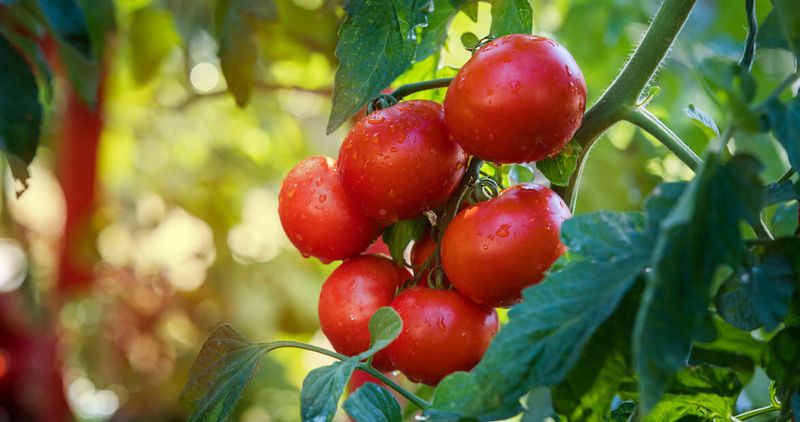
Your tomato plants look lush and green, but the flowers keep drying up and falling off before a single fruit forms. Across North Carolina, late-summer heat is one of the most common reasons a healthy-looking plant can slow way down or nearly stop producing new tomatoes.
Understanding what heat does to a tomato flower, and what you can realistically do about it, gives you the best shot at harvesting something before the season ends.
Heat can make healthy-looking flowers fall before fruit forms
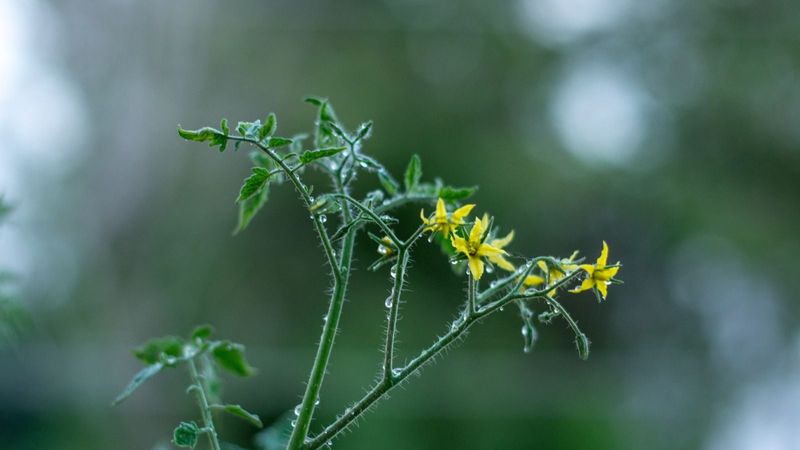
Flowers that dry out, turn brown, and fall from the stem without ever swelling into a tiny green tomato are the classic sign of blossom drop. The problem often catches gardeners off guard because the rest of the plant looks perfectly fine, with full green foliage and no obvious disease.
That disconnect is exactly what makes heat-related blossom drop so frustrating to diagnose.
Extended hot, humid stretches are a known trigger in North Carolina. NC Cooperative Extension guidance on blossom drop identifies daytime temperatures above 90 degrees F and nighttime temperatures above 70 degrees F as conditions that can cause fruit set to fail.
These figures are approximate risk thresholds, not a hard biological switch. Duration, humidity, soil moisture, cultivar, and the specific temperature a flower experienced while it was developing all shape how severe the drop becomes.
Before you settle on heat as the only explanation, take a few minutes to check the whole picture. Look at whether flowers are actually present, or whether the plant has stopped forming them.
Notice whether any small green fruits are developing at all, or whether every flower falls before swelling begins. Check your watering pattern, the hours of direct sunlight the bed receives, and the overall condition of the leaves and stems.
A lush plant with no fruit is not automatically a heat problem. Excess nitrogen can push leafy growth at the expense of flowering.
Drought or wildly fluctuating soil moisture, insufficient sunlight, wind exposure, root injury, herbicide drift, pests, and disease can all produce similar symptoms. Penn State Extension’s overview of heat stress in tomatoes notes that multiple stressors often overlap during hot spells, which makes a careful inspection more useful than jumping straight to any single remedy.
Why foliage can look vigorous while reproduction fails
A tomato plant’s leaves and stems are built for endurance. They can tolerate considerable heat before showing visible damage.
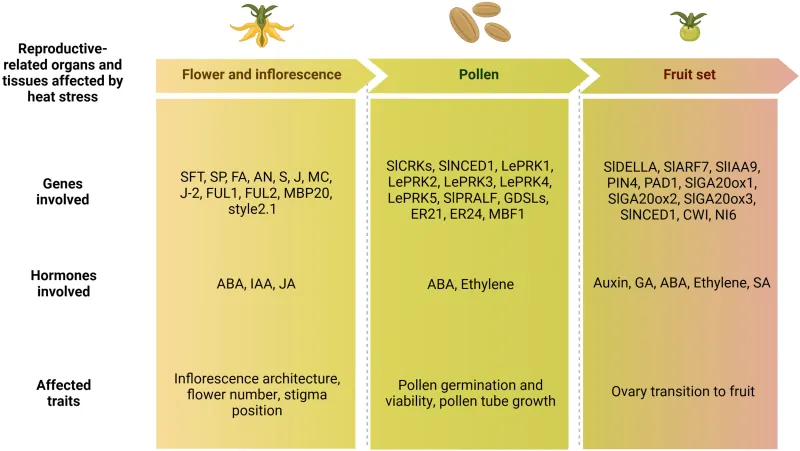
The reproductive process, from pollen release to fertilization, is far more sensitive to temperature swings, but that does not mean every part of the flower fails at the same threshold. The reality is more nuanced, and it explains why a plant can look so healthy while producing almost nothing.
When temperatures climb and stay high, several steps in the pollination process can break down. Pollen may clump inside the anther instead of releasing freely.
Even when pollen does release, high temperatures can reduce its viability, meaning it cannot germinate and grow a pollen tube down to the egg. Research published in the Annals of Botany found that even moderate increases in mean daily temperature can significantly reduce tomato fruit set, with pollen-tube growth and fertilization among the most affected steps.
The green canopy you see tells you that the plant’s basic energy systems are working, not that its flowers can complete the reproductive process.
Cultivar differences matter here. Some varieties carry genetic traits that allow pollen to remain viable at higher temperatures or that support better pollen-tube performance when heat is sustained.
A study comparing processing tomato cultivars under heat stress found that pollen viability and yield did not always move together, meaning a plant could maintain fruit weight under heat while still showing reduced pollen quality. That kind of cultivar-to-cultivar variation is one reason two plants growing side by side in the same bed can respond very differently to the same hot week.
Genetic research on reproductive traits in tomatoes under high temperature confirms that heat tolerance during flowering is a complex, multi-gene trait. No single cultivar is immune, but some handle sustained heat better than others.
Heat may reduce fruit set substantially without eliminating it entirely, and temperatures often need to stay elevated for several days before the damage becomes severe enough to show up as significant blossom drop.
Keep the root zone evenly moist and mulched
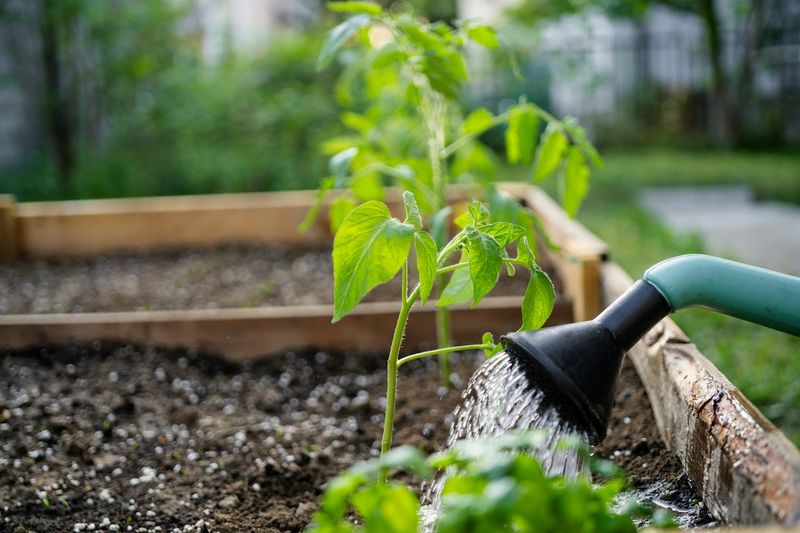
Water stress on top of heat stress compounds the problem quickly. When a tomato plant runs short of moisture during an already difficult stretch of hot weather, it becomes even less capable of supporting the reproductive work happening inside its flowers.
Keeping the root zone evenly moist is one of the most reliable ways to reduce that added burden, even though it cannot rescue a flower whose pollen has already been damaged by sustained high temperatures.
NC State Extension’s home garden tomato guide recommends watering deeply enough to soak the soil to roughly 6 to 8 inches, at approximately seven-day intervals, with about 1.5 inches of water weekly during fruiting. These figures are a reasonable starting point, not a universal prescription.
Containers dry out faster than in-ground beds. Sandy coastal soils drain more quickly than Piedmont clay.
A stretch of 95-degree days will pull moisture out of the soil far faster than a mild week in early summer. Check the soil a few inches down before you water, and adjust your schedule around what you actually find rather than a fixed calendar.
Frequent shallow watering is one of the most common mistakes during a heat wave. It keeps the surface damp while the deeper root zone dries out, training roots to stay near the surface where they are most exposed to heat and drought.
A deep, thorough soak less often encourages roots to reach down into cooler, more consistently moist soil.
Mulch does two jobs at once. It slows evaporation from the soil surface and moderates soil temperature, both of which help keep the root zone stable during hot afternoons.
NC State’s vegetable gardening handbook recommends organic mulches such as straw, composted leaves, or wood chips around established plants. Apply a layer deep enough to be effective, typically 2 to 3 inches, and keep it pulled back a few inches from the base of the stem to avoid trapping moisture against the crown and encouraging rot.
Consistent moisture and a stable root-zone temperature will not undo heat damage already done to flowers, but they give the plant its best foundation for setting fruit when conditions improve.
Protect the canopy during the hottest afternoon hours
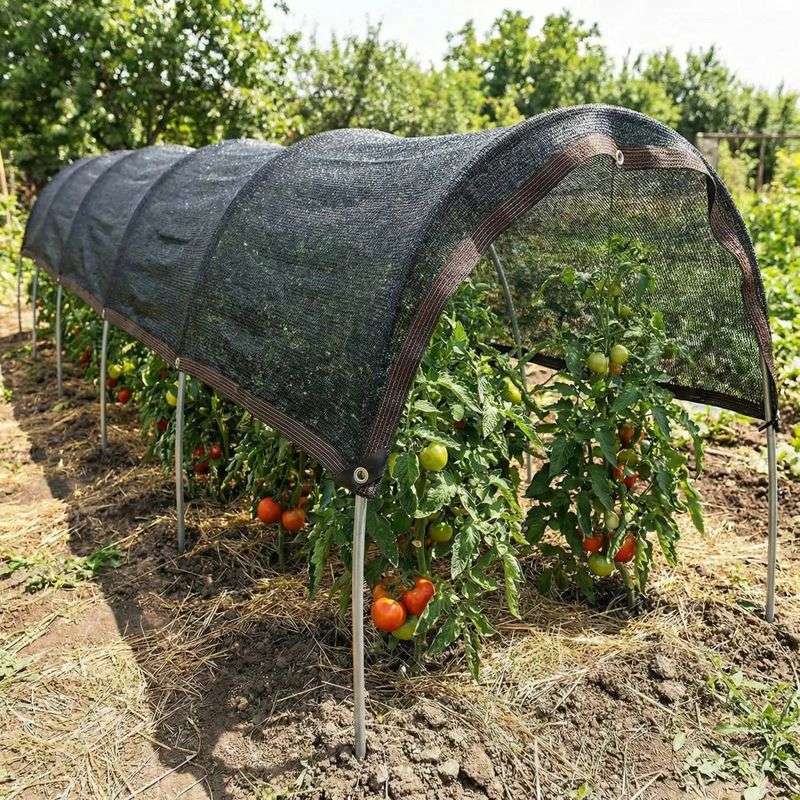
Afternoon sun in North Carolina from July through August can push air temperatures well past 90 degrees F, and the heat load on a tomato canopy during those peak hours adds to the stress on any flowers that are trying to develop. Temporary afternoon shade will not reverse damage that has already occurred, but it can reduce the overall heat burden during the most intense part of the day and help protect flowers that are still forming.
University of Minnesota Extension recommends 30 to 40 percent shade cloth as a temporary measure during peak heat events. That density filters the harshest light without blocking enough to starve the plant.
Tomatoes generally need six or more hours of direct sun to grow and produce well, so the goal is targeted afternoon relief rather than all-day cover. Set up shade cloth so it allows airflow underneath, since still, hot air trapped against the foliage can create its own problems.
Practical installation matters. Use stakes, tomato cages, or a simple PVC hoop frame to hold the cloth above the canopy rather than draping it directly on the leaves.
Secure it so afternoon wind cannot knock it loose. NC State’s vegetable gardening resources recognize shade cloth as a season-extension tool for summer growing conditions, and the same principle applies to protecting an existing crop from the worst heat of the day.
Remove or adjust the shade cloth once the extreme heat passes, or at a minimum make sure morning light reaches the plant freely. Permanent or all-day shading trades one problem for another, since reduced light over time will limit the plant’s ability to produce the energy it needs to flower and set fruit.
Think of afternoon shade as a short-term buffer while you wait for temperatures to moderate, not as a permanent fixture in your garden setup.
Avoid remedies that cannot overcome heat-damaged flowers
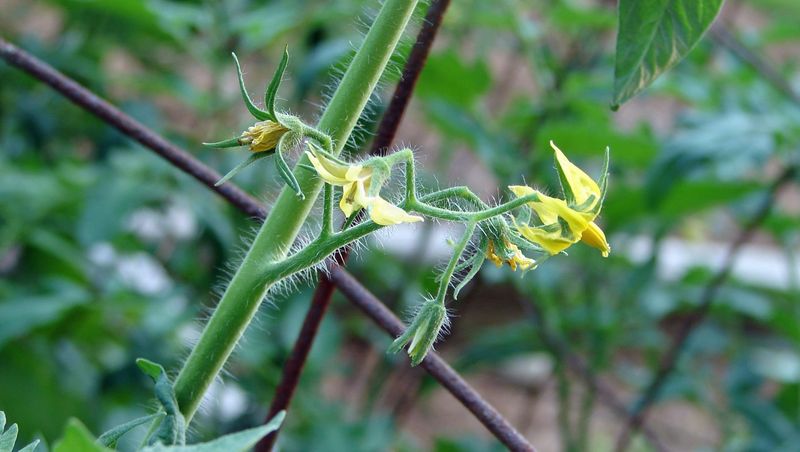
When tomatoes stop producing fruit, the instinct is to do something, and garden centers offer plenty of products that promise results. Some of them are genuinely unhelpful during a heat wave.
Others can make the situation worse if used incorrectly. Knowing which actions to skip saves time, money, and the plant’s energy.
Extra nitrogen is one of the most common overcorrections. A lush green plant with no fruit can look like it needs a boost, but adding nitrogen to a plant that is already producing vigorous foliage tends to push even more leafy growth at the expense of flowering.
Oklahoma State Extension’s guide to non-infectious tomato disorders flags excess nitrogen as a recognized cause of blossom drop and reduced fruit set. Base any fertilizer decisions on a soil test and the product label, not on the appearance of the foliage.
Blossom-set hormone sprays are sometimes marketed as a way to force fruit set when conditions are unfavorable. Oklahoma State’s tomato blossom-drop column notes that these products have little effect during high-temperature conditions.
NC Cooperative Extension also cautions that low-temperature hormone treatments can produce misshapen or hollow fruit under some conditions. If you choose to try one, follow the product label carefully, including temperature restrictions, and do not treat it as a guaranteed fix for heat-damaged flowers.
Calcium supplements are another frequent suggestion when fruit set is poor, but calcium is not the issue during heat-related blossom drop. Calcium amendments address soil pH or nutrient deficiencies and do not correct flower abortion caused by heat.
NC State’s home garden guide draws a clear distinction between blossom drop, which happens before any fruit forms, and blossom-end rot, which appears as a dark, sunken lesion on the bottom of an expanding fruit. Those are two separate problems with different causes, and treating one as the other will not help.
Gentle vibration of flower clusters can help move pollen in calm or sheltered conditions, particularly in a greenhouse where natural wind and pollinators are limited. University of Florida IFAS greenhouse tomato guidance describes vibration as a useful tool in controlled indoor settings.
Outdoors, where heat has already compromised pollen viability, shaking the clusters will not make that pollen capable of fertilizing a flower. It is a minor aid at best, not a substitute for temperature management.
Watch for recovery when temperatures moderate
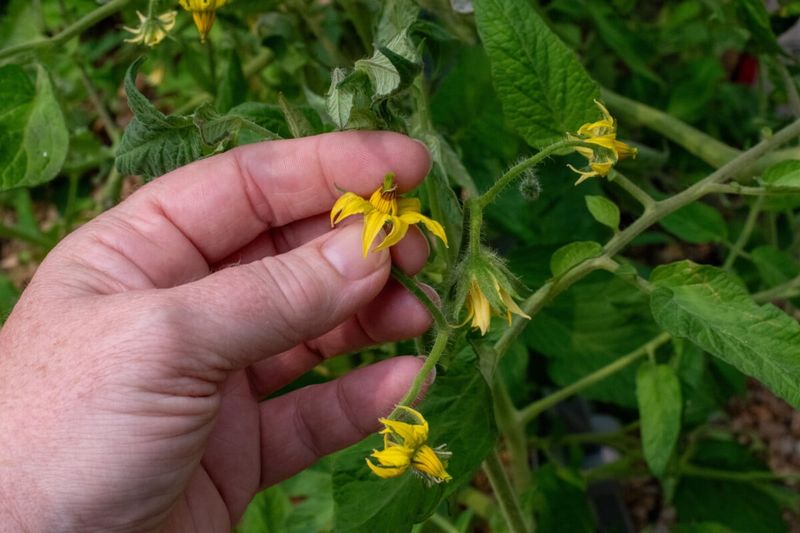
A flower that has already dropped cannot be brought back. Once the pollen is damaged and the flower aborts, that particular chance at fruit is gone.
The more productive question is what happens next, and the answer depends largely on how quickly temperatures ease and how well the plant has been maintained through the hot stretch.
When daytime highs drop back into a more manageable range and nights cool below roughly 70 to 75 degrees F, new flowers produced by the plant have a much better chance of completing pollination and setting fruit. NC Cooperative Extension notes that plants often resume normal fruit set once conditions improve.
Track recovery by watching newly opening flowers and the appearance of small, firm green fruit swelling at the base of a spent bloom, not by counting flowers that already fell.
Heat can affect more than just whether fruit sets. Penn State Extension’s heat-stress overview explains that sustained high temperatures can also reduce seed set inside the fruit, lower overall fruit weight, slow or disrupt ripening, and contribute to sunscald on fruit that is suddenly more exposed to direct sun.
Uneven coloration and poor internal quality can show up even in fruit that managed to set during the heat. These are not reasons to give up on the crop, but they are worth knowing so you can judge your harvest realistically.
Oklahoma State’s non-infectious disease guide reinforces that keeping the plant as stress-free as possible during a heat event preserves its capacity to respond when temperatures moderate. The watering, mulching, and shade steps described earlier are not about rescuing already-damaged flowers.
They are about keeping the plant in the best possible shape so that when the next wave of flowers opens under cooler conditions, the plant has the moisture, energy, and canopy health to support them through to fruit.
Plan the next crop around your North Carolina region
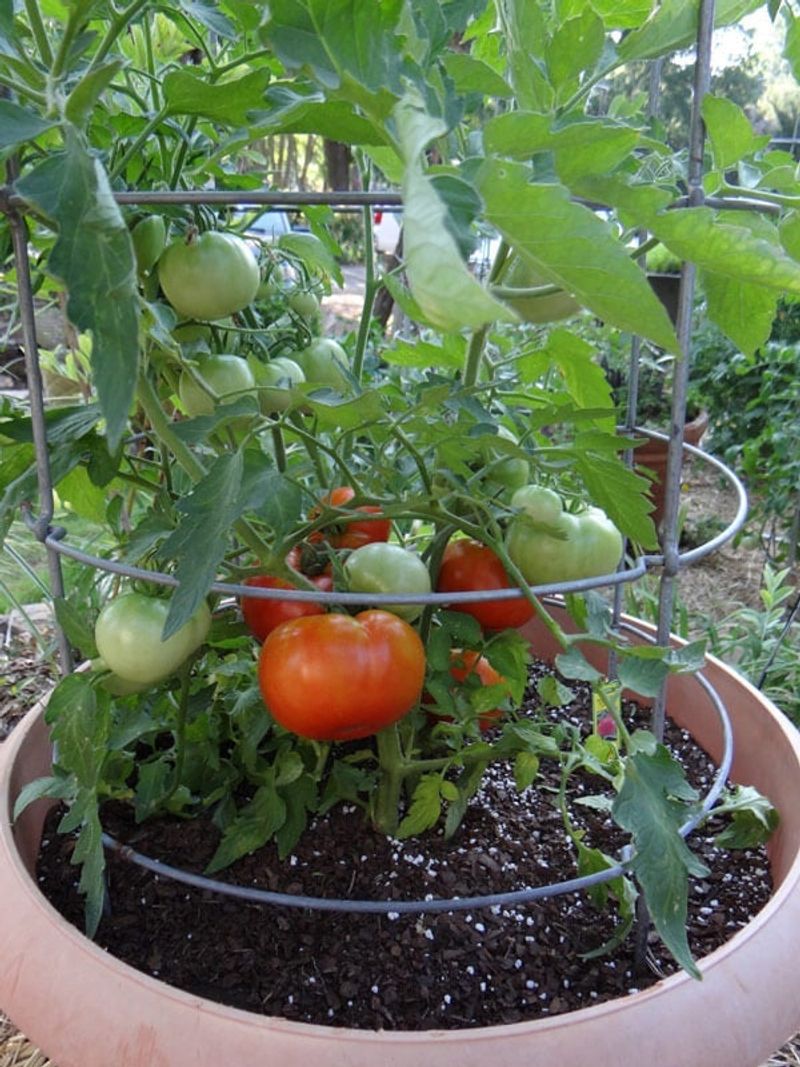
Late summer is not the end of the tomato season for every North Carolina gardener, but the options differ significantly depending on where you live. The Coastal Plain, Piedmont, and mountain regions each have their own frost dates, summer heat patterns, and fall growing windows, and planning around those differences is more useful than following a one-size-fits-all calendar.
For eastern North Carolina, the Southeastern U.S. Vegetable Crop Handbook lists a fall tomato transplant window of approximately August 1 through 15, which gives 60-to-80-day varieties enough time to mature before the first frost.
Piedmont gardeners working with similar-length varieties may also have a planting opportunity around early August, though the specific window depends on local frost timing. Western North Carolina’s shorter growing season and earlier fall frosts make a late-summer reset harder to pull off, and no single general fall window applies across the mountains.
If you garden in the western part of the state, check with your local Cooperative Extension office for advice specific to your elevation and county.
Choosing the right variety can improve your odds when heat is a recurring challenge. NC State’s vegetable gardening handbook names varieties such as Solar Set and Sun Leaper as heat-tolerant options.
The University of Georgia Commercial Tomato Production Handbook also lists Solar Fire and Solar Set among hot-set types suited to southeastern conditions. These cultivars are bred to maintain better pollen viability and fruit set under heat, but they are not immune to drought, disease, pests, or extreme weather.
Alabama Cooperative Extension’s blossom-drop overview puts it plainly: heat-tolerant varieties improve the odds, they do not guarantee a full harvest. The most practical takeaway from a difficult late-summer stretch is to reduce plant stress now, protect what moisture and canopy you have, and let the next flush of flowers tell you whether the season still has something to give.