
If Your Houseplant Looks Harmless On The Shelf, Here Are 13 That You Should Think Twice About Bringing Indoors
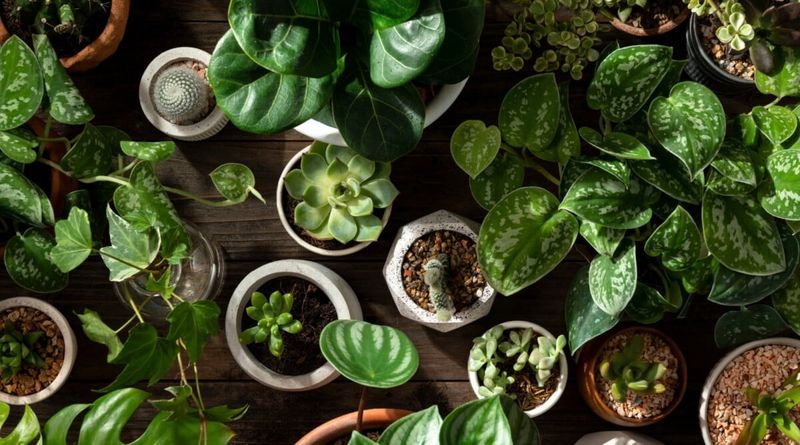
That cute little plant at the garden center might not be as friendly as it looks. A surprising number of popular houseplants carry hidden toxins that can hurt curious pets, small kids, or even you if you handle them the wrong way.
Knowing which ones to watch for helps you keep a green home without any scary trips to the vet or doctor. Here are 13 common plants worth a second look before they land on your shelf.
1. Oleander (Nerium oleander)
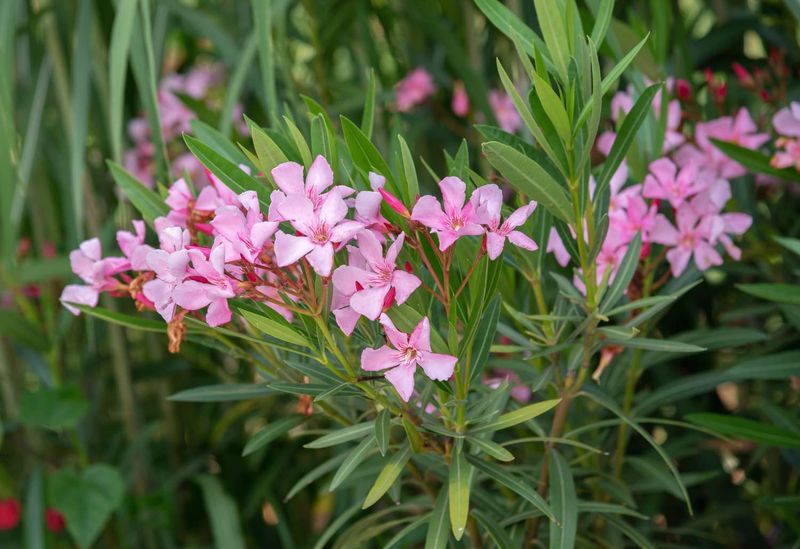
Beautiful blooms, deadly secret. Oleander shows off gorgeous pink and white flowers that tempt anyone into bringing it home, but every single part of this plant is loaded with powerful toxins.
Swallowing even a small amount can trigger dizziness, vomiting, and dangerous changes to the heartbeat. Pets and small children are especially at risk, and in serious cases the poisoning can turn fatal.
Here is a wild bit of history: oleander has been considered so toxic that stories warn of people getting sick from using its twigs to roast food. If you love the look, admire it outdoors and far from little hands and paws.
2. Peace Lily (Spathiphyllum)
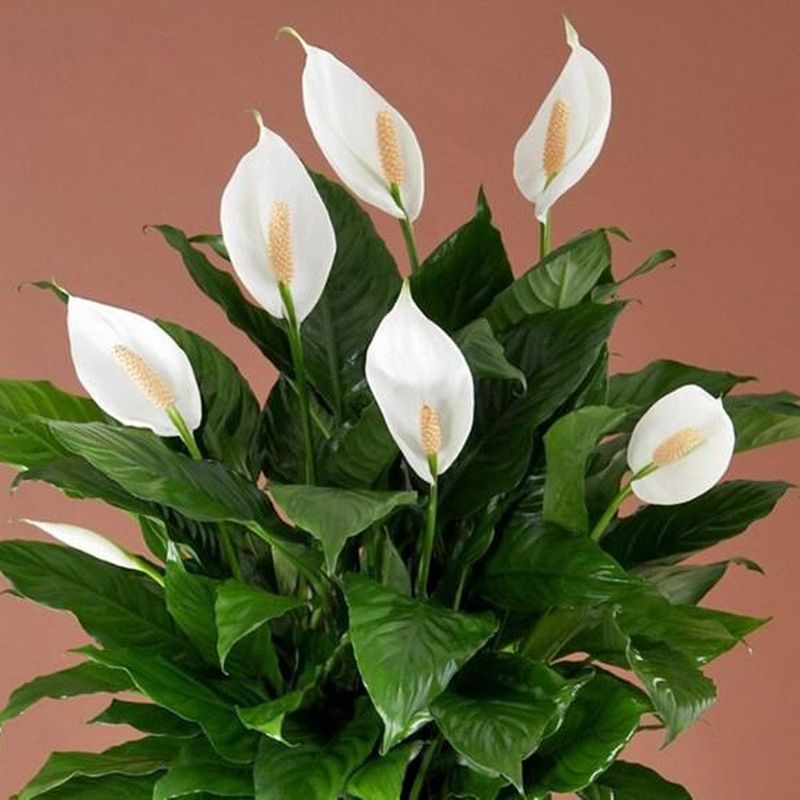
Sold everywhere as the easy, forgiving beginner plant, the peace lily hides a sharper side beneath those elegant white blooms. Its leaves and stems are packed with tiny calcium oxalate crystals.
If a curious cat, dog, or toddler takes a bite, those crystals can cause burning in the mouth, swelling of the tongue and lips, drooling, and trouble speaking or swallowing. It is uncomfortable and frightening, even if it is rarely deadly.
The plant earns its spot on this list because so many people trust it completely and set it right on the coffee table. Keep it well out of reach, or skip it if your home has nibblers.
3. Sago Palm (Cycas revoluta)
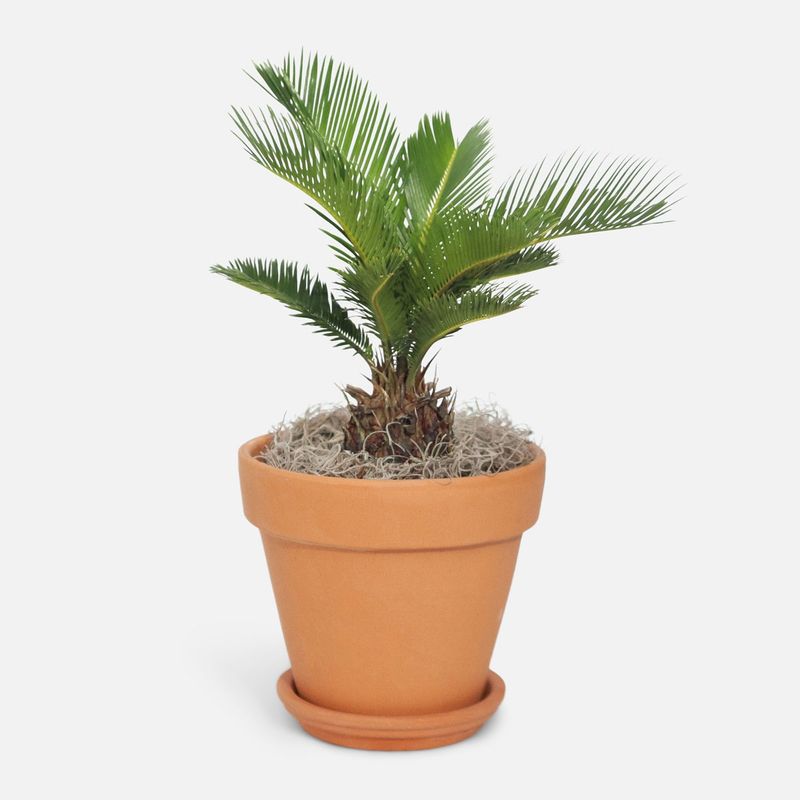
Do not let the tropical, palm-tree vibe fool you. The sago palm looks like a slice of vacation, but it ranks among the most dangerous plants a dog owner can bring home.
The seeds and leaves are extremely toxic, and dogs are drawn to chew on them. Ingestion can cause severe liver damage with a heartbreakingly high fatality rate, even after a pet eats just a little.
Humans can get sick from it too, though pets face the greatest danger. If you share your space with a dog, this is one shelf plant that simply is not worth the gamble.
4. Dieffenbachia (Dumb Cane)
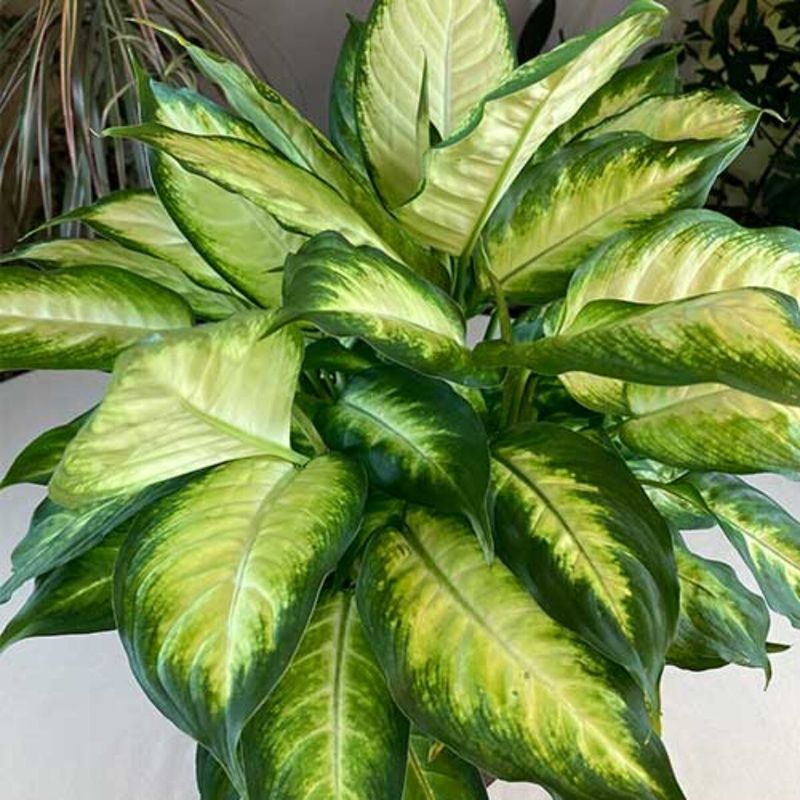
Its nickname alone should raise an eyebrow. Called dumb cane because chewing it can leave you temporarily unable to speak, dieffenbachia hides serious punch inside those big, cheerful variegated leaves.
Every part carries calcium oxalate crystals. A bite brings instant burning in the mouth, swelling of the tongue and lips, and difficulty swallowing, and in severe situations it can become life threatening.
Even handling it can leave your skin irritated. Wear gloves when repotting, wash up afterward, and keep this dramatic beauty far from anyone who might taste-test it.
5. Philodendron
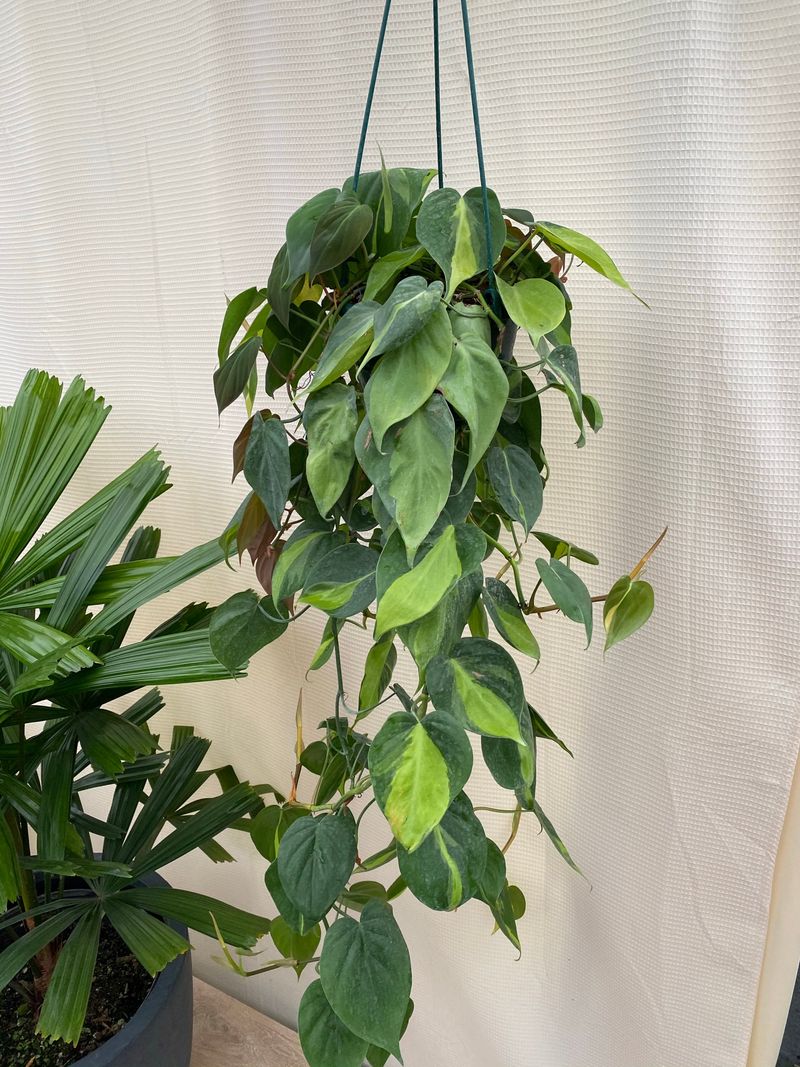
Trailing gracefully from shelves and hanging baskets, the philodendron has become an interior-design darling for its easygoing personality and lush green leaves. It practically thrives on neglect, which is part of the problem.
Because it is so common and so trailing, its vines dangle right into the paths of curious pets and grabby toddlers. The leaves hold calcium oxalate crystals that irritate the mouth, throat, and stomach if chewed.
Contact with the sap can also leave skin feeling irritated. It is a wonderful plant for the right spot, just not somewhere a bored cat can bat it around all afternoon.
6. Pothos (Epipremnum aureum, Devil’s Ivy)
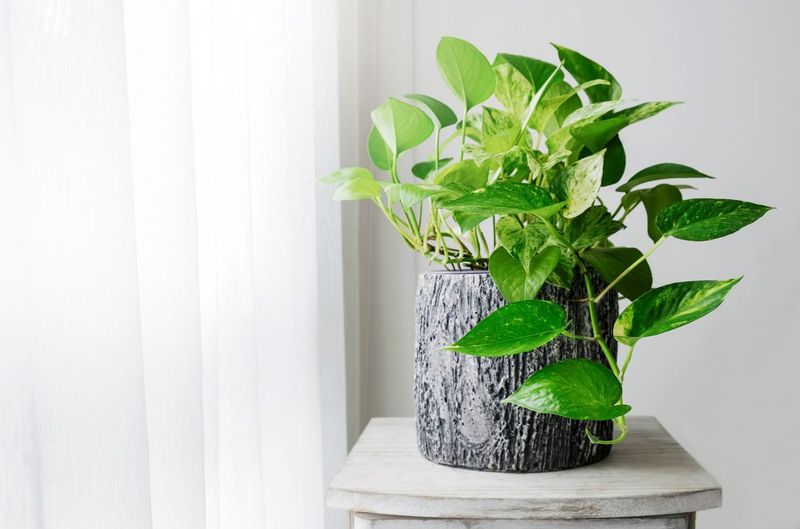
Marketed as the ultimate air-purifying, impossible-to-kill houseplant, pothos shows up in nearly every plant-lover’s collection. That popularity is exactly why it deserves a mention here.
Behind the nickname Devil’s Ivy sits another plant loaded with calcium oxalate crystals. When pets nibble the leaves, they can suffer oral pain, swelling, and even difficulty breathing, along with other effects from its chemical toxins.
Because it grows so fast and trails so far, keeping it truly out of reach takes real effort. Hang it high, prune the wandering vines, and enjoy it without worry.
7. Snake Plant (Dracaena trifasciata)
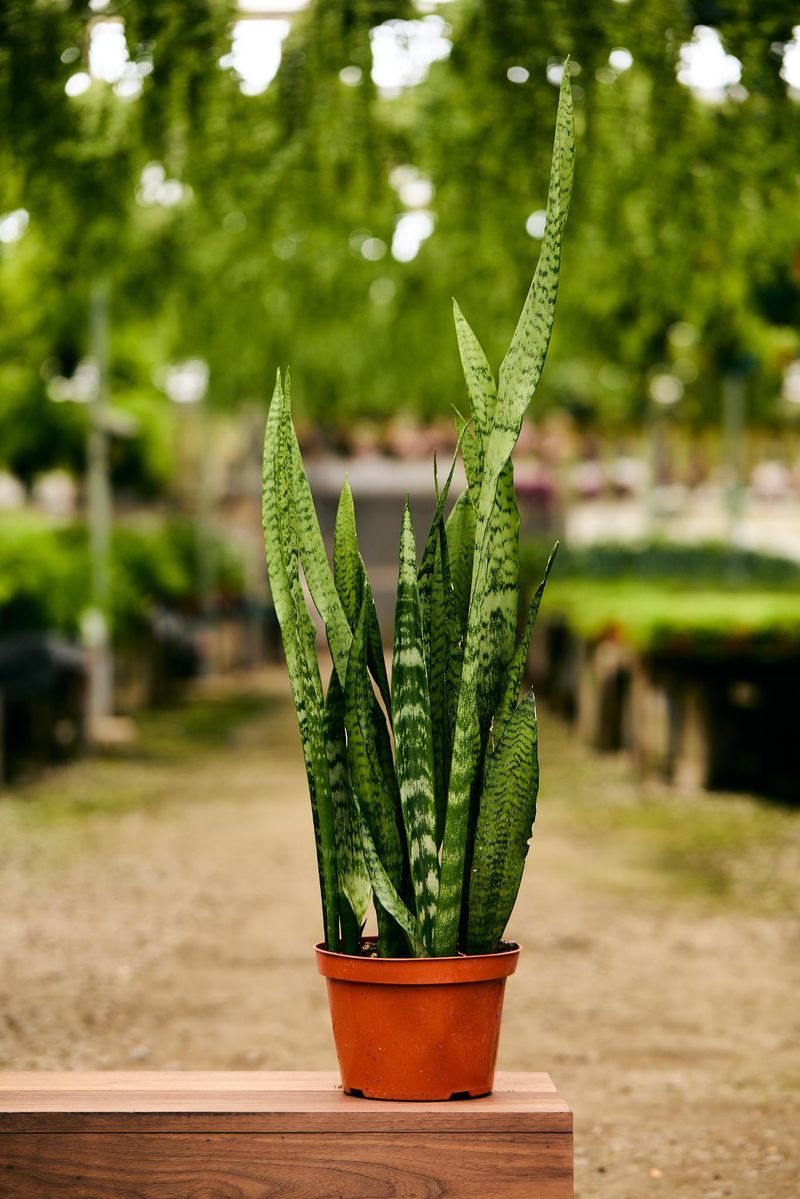
Tough as nails and nearly indestructible, the snake plant is the go-to for people who swear they kill everything green. Its bold, upright leaves shrug off low light and forgotten watering.
That very hardiness lands it in more homes than almost any other plant, so its risks matter. The leaves contain saponins that can upset a pet’s stomach, causing nausea, vomiting, diarrhea, drooling, belly pain, and loss of appetite.
Handling it may leave sensitive skin irritated too. It is not the deadliest plant on the list, but its sheer popularity means plenty of pets get a chance to chew it.
8. Caladium
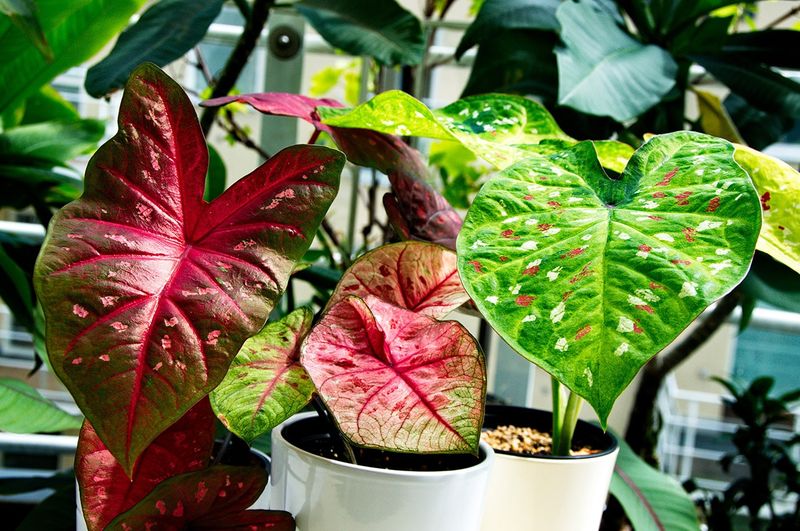
Few plants steal the spotlight like caladium, with its painted, heart-shaped leaves splashed in red, pink, white, and green. The color alone makes it a shelf centerpiece.
All that beauty comes wrapped around calcium oxalate. Chewing any part can irritate mucous membranes, swell the tongue and lips, and bring on vomiting, heavy drooling, and trouble swallowing in both people and pets.
The bright leaves are almost too tempting for a curious kid or a playful kitten. Place it somewhere admired but untouchable, and it stays a joy instead of a hazard.
9. Easter Lily (Lilium longiflorum)
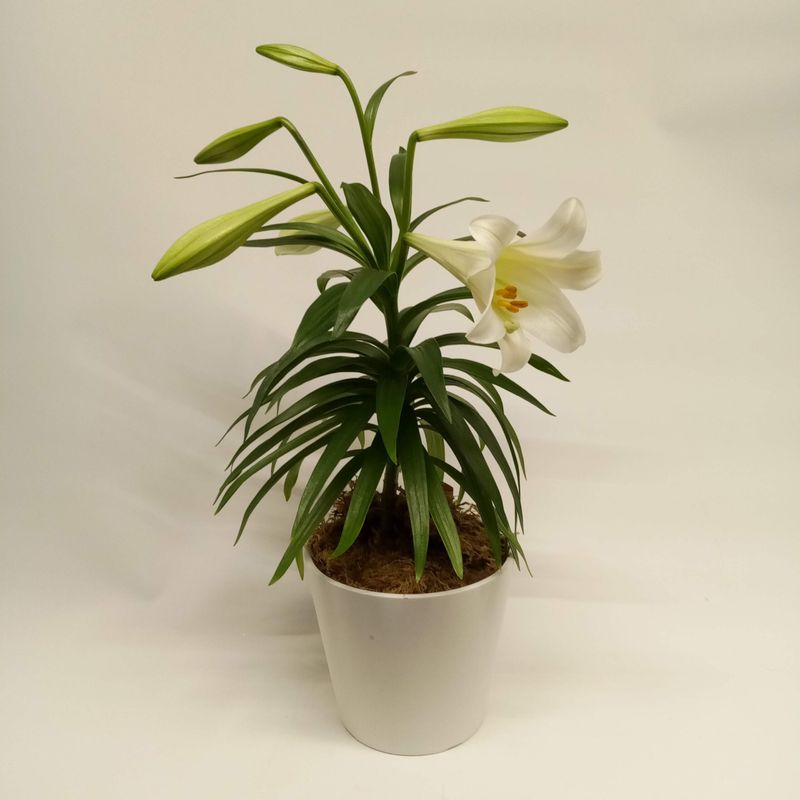
A holiday gift that can turn into an emergency. The Easter lily fills homes each spring with its pure white trumpet blooms, but for cat owners it is one of the scariest plants around.
Cats are extraordinarily sensitive to it. Even a small nibble of a leaf, petal, or a sip of the flower’s water can trigger acute kidney failure, and without fast treatment it can be fatal within one to three days.
Dogs and people fare better, but cats simply cannot be near it safely. If you have a feline in the family, choose a different centerpiece and skip this one entirely.
10. Crown of Thorns (Euphorbia millii)
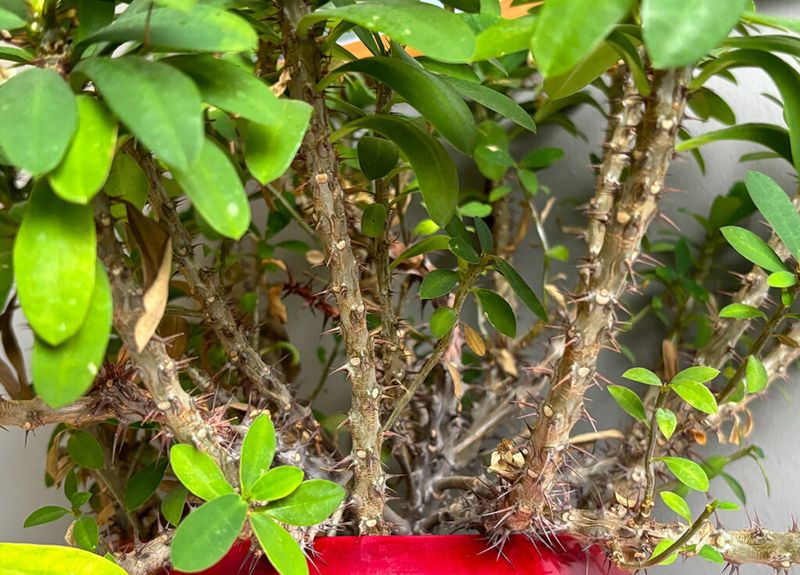
Thorny, stubborn, and quietly beautiful, crown of thorns pairs spiny stems with cheerful little red bracts that bloom for months. It practically dares you to handle it.
Give in, and you will meet its milky sap, which is full of terpenes and diterpenes. Swallowing it can cause sickness, vomiting, and diarrhea, while contact with the sap often leads to genuine skin irritation.
Between the sharp thorns and the irritating ooze, this plant defends itself twice over. Keep gloves handy, wash up after pruning, and put it where curious fingers cannot reach.
11. Aloe Vera
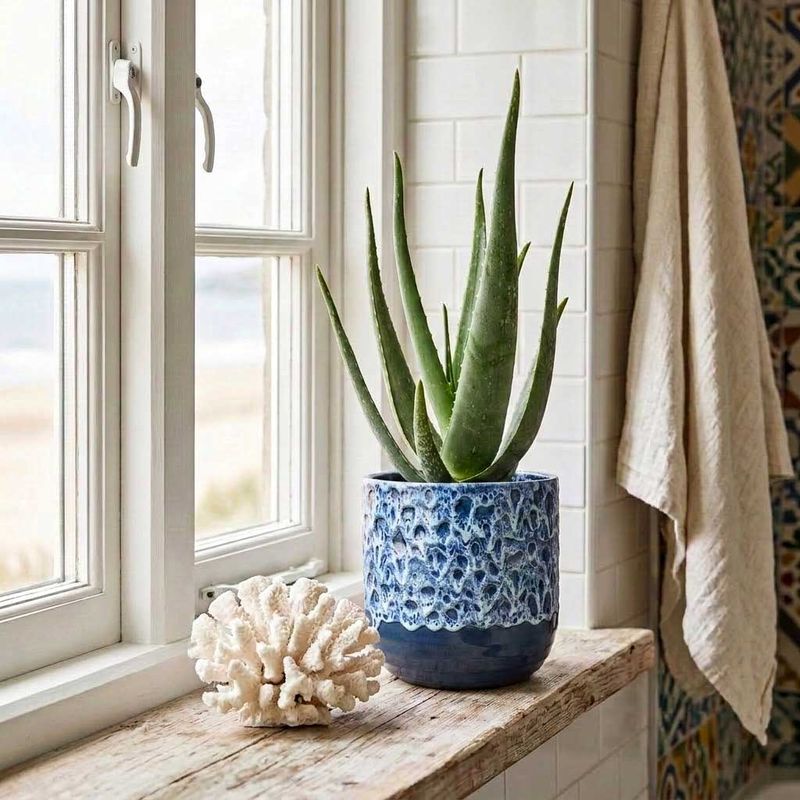
Here is the plant that surprises people the most. Aloe vera lives on countless kitchen windowsills as a soothing remedy for burns, so it feels like the last thing that could cause trouble.
The clear gel inside is famously helpful, but the leaf also contains saponin and anthraquinone compounds. If a pet chews and swallows those parts, it can lead to vomiting, lethargy, and diarrhea.
You can absolutely keep aloe around for its perks, just be mindful that your dog or cat should not be snacking on it. A high shelf keeps everyone happy.
12. Amaryllis (Hippeastrum species)
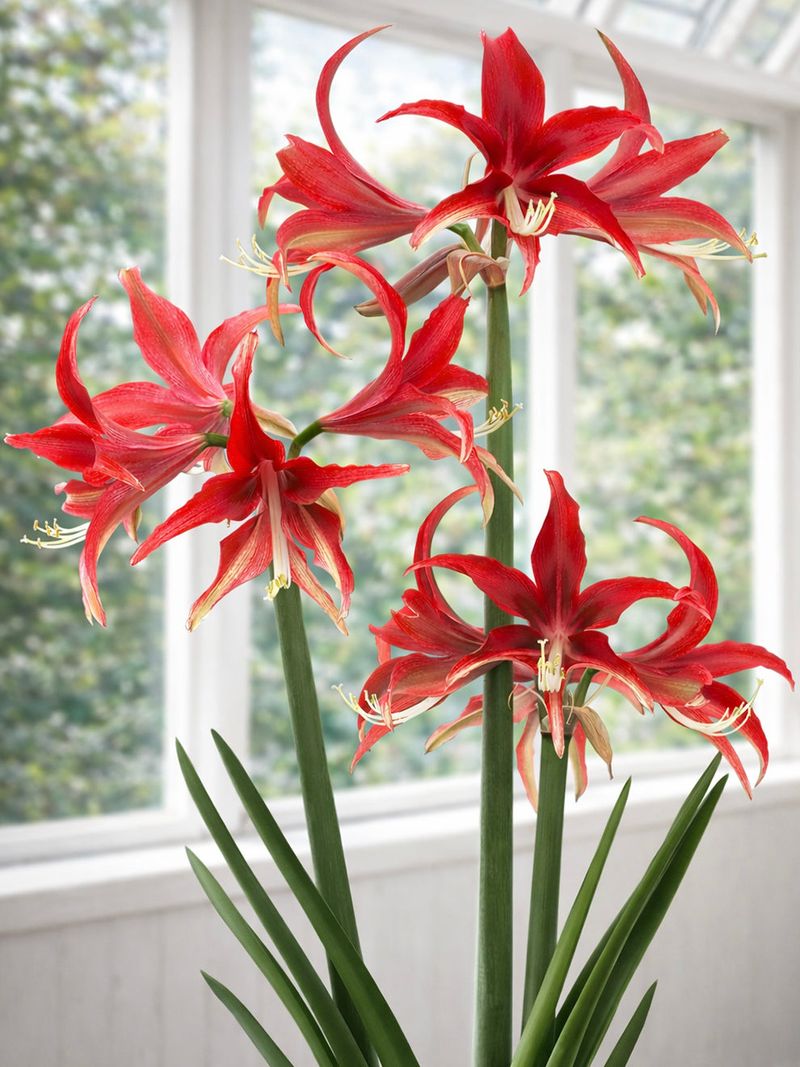
Show-stopping and impossible to ignore, the amaryllis sends up a towering stalk topped with giant trumpet blooms, often as a winter holiday gift. It commands attention in any room.
Beneath the drama, the whole plant, and especially the bulb, is toxic. Poisoning can bring vomiting that is sometimes bloody, low mood, loss of appetite, and excess drooling, and affected cats may show dilated pupils.
The chunky bulb is particularly tempting to a digging dog. Set this beauty up high and keep the bulb well protected so its wow factor stays purely visual.
13. English Ivy (Hedera helix)
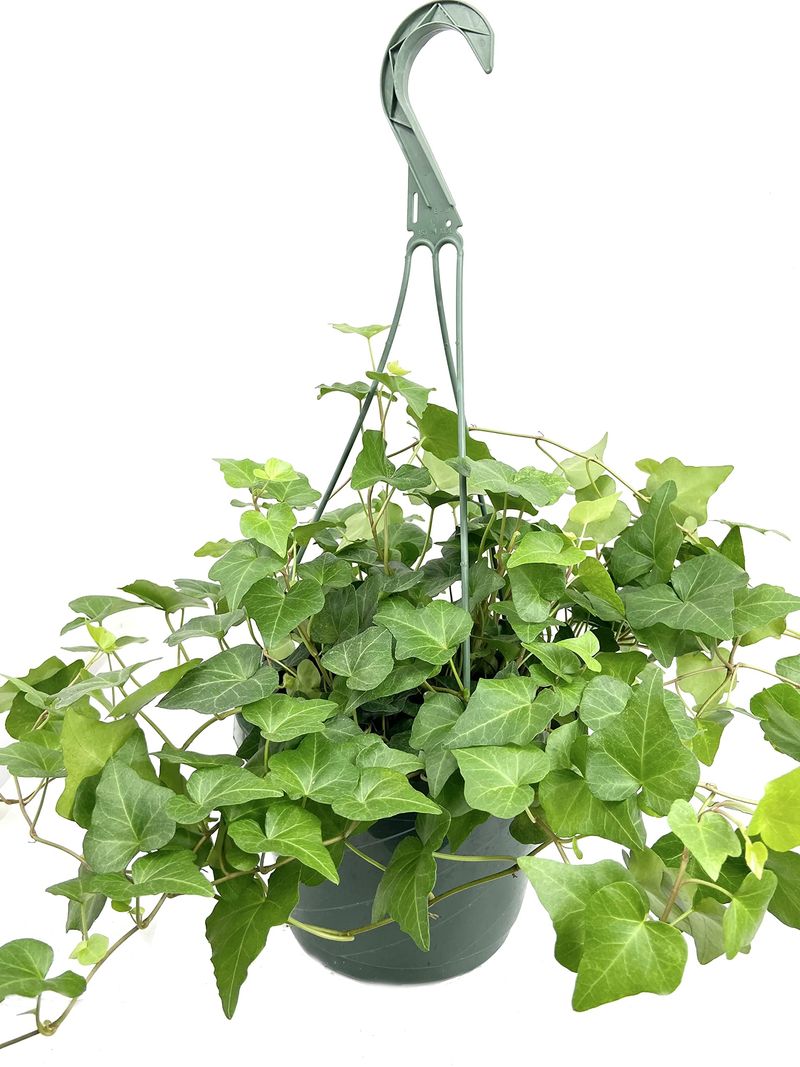
Old-fashioned charm comes with a small catch. English ivy trails and climbs its way into cozy corners and hanging baskets, giving rooms that timeless cottage feeling everyone loves.
For some people, though, simply touching the plant is enough to trigger skin irritation and an itchy rash. Sensitive gardeners often notice it after a repotting session or a trim.
It rounds out the list as a reminder that even a gentle-looking classic can have a prickly personality. Gloves during handling and a spot away from pets keep the charm without the irritation.