
The One Thing North Carolina Compost Piles Need Before September Ends Or They Stall All Winter
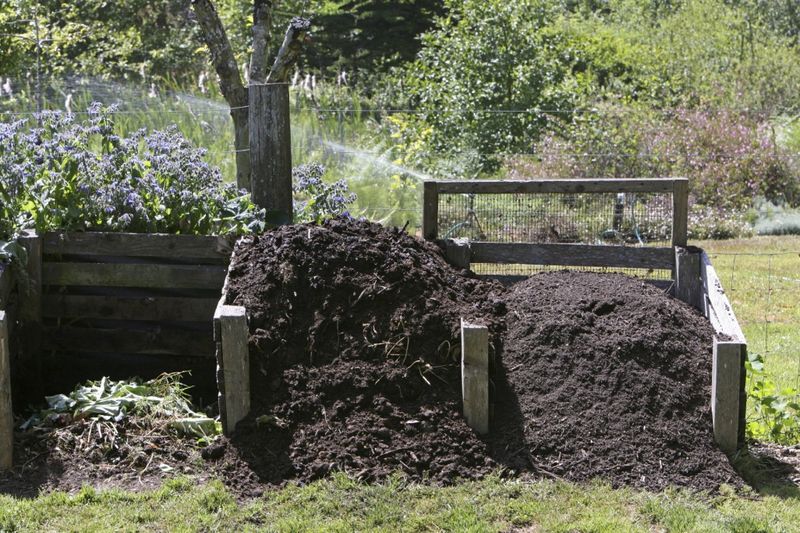
Plenty of backyard composters across North Carolina head into fall with a pile that looks fine on the outside but is quietly drying out, losing balance, or shrinking too small to hold any warmth once cold nights arrive. Late September is a good moment to stop and check what is actually happening inside your pile before temperatures drop and slow everything down.
No single ingredient or one-time fix decides whether your pile keeps working through winter, but a few practical checks right now can make a real difference in how your compost performs over the coming months.
September 30 is not a statewide compost deadline
A lot of gardening advice treats September 30 like a biological clock that shuts off decomposition across the entire state at midnight. That framing is not accurate, and acting on it can lead to the wrong fixes at the wrong time.
North Carolina stretches from the Blue Ridge and mountain counties in the west to the low-lying Coastal Plain in the east, and regional first-freeze maps from the National Weather Service make clear that frost timing differs substantially across those regions. A mountain gardener near Boone may see a killing freeze weeks before someone tending a pile in New Bern or Wilmington.
That regional variation matters because it means late September is more useful as a convenient inspection point than as a hard cutoff. Using it as a prompt to look at your pile before sustained cold arrives makes sense.
Treating it as a universal deadline for adding one specific ingredient does not.
What actually shapes winter performance is a combination of conditions working together: interior moisture, the balance of carbon-rich and nitrogen-rich materials, airflow through the pile, pile mass, and how exposed the pile is to rain and wind. Illinois Extension’s winter composting guidance explains that cold temperatures slow decomposition rather than automatically stopping it, and that freezing can temporarily halt activity, especially in small or exposed piles.
Penn State’s home composting guide describes a pile as capable of going dormant and then resuming as air temperatures rise again.
The difference between a pile that slows down and one that goes completely dormant often comes down to those interacting conditions, not the calendar date. The sections that follow walk through each condition in practical order, starting with the one most North Carolina piles need checked first.
Check the pile’s interior moisture first
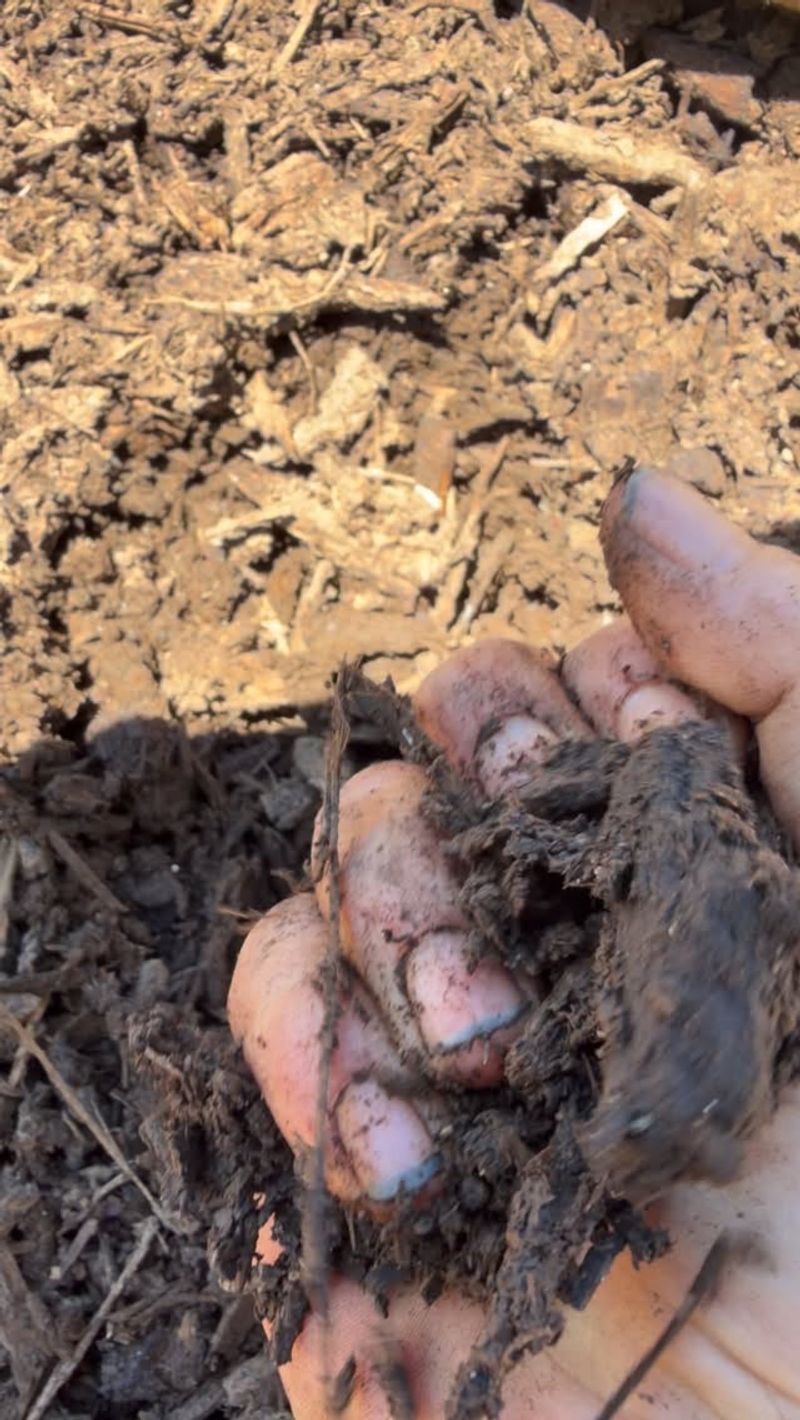
Reaching into the center of the pile rather than just glancing at the surface is the first practical step most composters skip. The outside of a pile can feel damp from rain or morning dew while the interior has dried to the point where microbial activity has slowed to almost nothing.
Grab a fistful of material from at least 12 inches deep and squeeze it firmly.
NC State’s Extension Gardener Handbook describes the target as material that feels like a wrung-out sponge, releasing only a drop or two of water when squeezed. That approximate 40 to 60 percent moisture range supports the microbial populations that break down organic matter.
When material crumbles apart without releasing any moisture, microbes slow down or go dormant regardless of what season it is.
If the interior is dry, add water gradually while turning the pile rather than pouring it over the top. Surface watering tends to run off or wet only the outer layer, leaving the core unchanged.
Work water into the pile in stages, mixing as you go, then recheck the interior after a day or two to see whether moisture has distributed evenly through the mass.
Overwatering creates a different problem that is just as limiting. When water fills the air spaces between particles, oxygen is displaced and aerobic decomposition slows.
NC State’s composting guidance for organic farms notes that a waterlogged pile often develops sour or rotten odors because anaerobic bacteria take over. If your pile smells strongly unpleasant rather than earthy, excess moisture combined with poor airflow is likely the cause, not too little water.
The wrung-out-sponge test is a field check, not a laboratory reading. The right moisture level shifts depending on what materials are in the pile, how fine or coarse the particles are, and how much rain the pile has received lately.
Use it as a starting point, then adjust based on what you observe after turning and remixing.
Match the materials to the problem you find
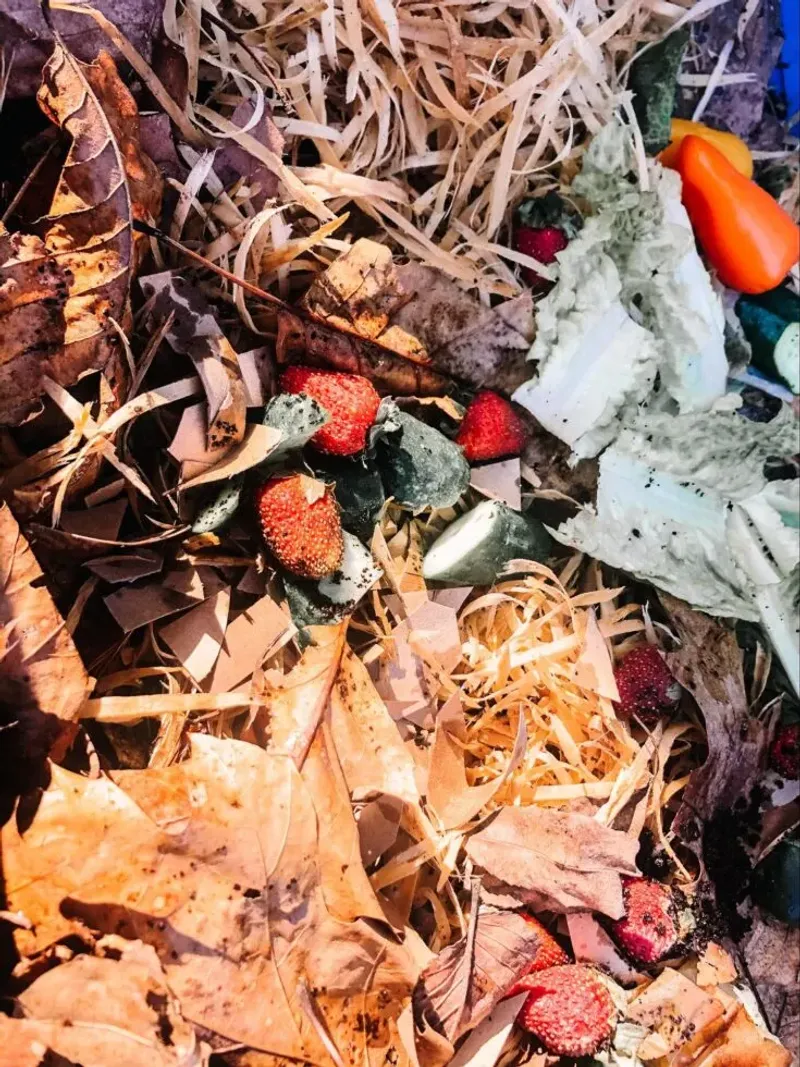
Once you know the moisture situation, the next question is whether the materials in the pile are actually balanced. A pile made almost entirely of dry autumn leaves has plenty of carbon but very little nitrogen, and that imbalance slows decomposition just as effectively as dry conditions.
Leaves are the dominant fall input for most North Carolina yards, which makes this a common and easy-to-miss problem heading into winter.
NC State’s backyard composting publication suggests a starting ratio of roughly two parts browns to one part greens by volume as a practical guideline for home piles. The EPA’s composting overview describes a similar target of approximately three parts browns to one part greens.
Both are approximations, not precise formulas, because the actual carbon-to-nitrogen content varies widely among different leaves, grass clippings, wood products, and food scraps.
If your pile is leaf-heavy, the practical fix is to add nitrogen-rich material rather than more carbon. Grass clippings, fresh vegetable scraps, coffee grounds, and green plant trimmings all work well.
NC State’s organic lawn care appendices confirm that coffee grounds and grass clippings are effective nitrogen sources for home compost systems.
Shredding leaves before adding them and chopping bulky vegetable scraps or plant stalks increases surface area, which gives microbes more material to work on at once. Smaller particles generally speed decomposition.
The caution is that material ground too fine or mixed when very wet can mat together and block airflow, which creates the same oxygen problem as overwatering. A mix of particle sizes, some coarser and some finer, tends to hold air space better than uniform, powdery material.
Adding water alone cannot fix a carbon-heavy pile. Moisture supports microbial activity, but microbes also need nitrogen to build proteins and reproduce.
Correcting the material balance and the moisture level together gives the pile the best chance of staying active as temperatures fall.
Build enough mass while preserving air space
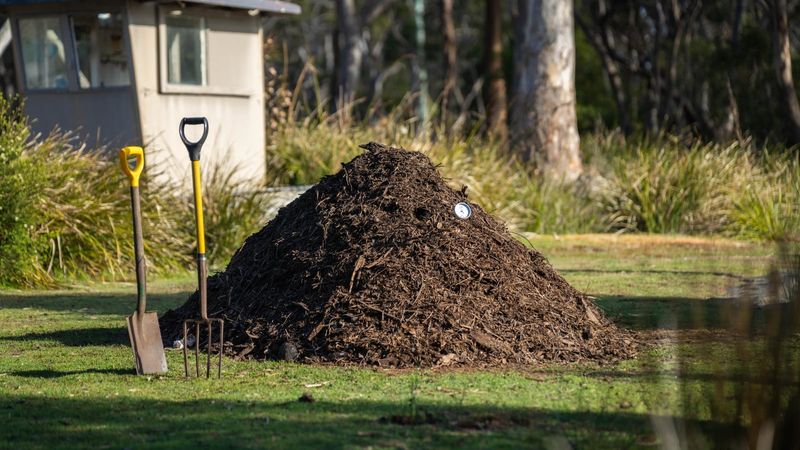
Pile size is the condition most backyard composters underestimate when preparing for cold weather. A pile that is moist and well-balanced but too small loses heat quickly once air temperatures drop, and without internal warmth, microbial activity slows significantly.
NC State recommends a backyard pile roughly 3 to 5 feet high and at least 3 feet in diameter so it can generate and retain enough heat to support active decomposition.
Three feet in each dimension is a useful minimum target to keep in mind. A pile smaller than that has a higher surface-area-to-volume ratio, which means it radiates heat faster than it can generate it during cold nights.
Penn State’s home composting guide notes that a small pile may not maintain heat in late fall and early winter even when other conditions are correct. If your pile has shrunk as material decomposed over summer, fall is a reasonable time to consolidate it or add fresh material to rebuild the mass.
Larger is not automatically better, though. A pile that grows very large and dense can restrict airflow to the interior, reducing the oxygen that aerobic microbes need.
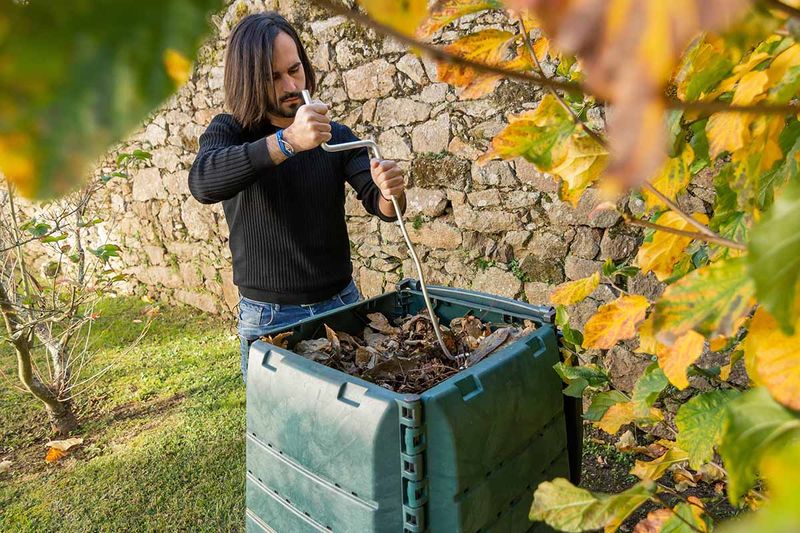
Turning the pile restores air space, breaks up compacted pockets, and mixes wet and dry zones that tend to develop over time. NC State’s Extension Gardener Handbook describes turning as the primary way to reintroduce oxygen and keep the decomposition process moving.
Moisture, pile size, and oxygen solve different problems and cannot substitute for each other. A pile with good moisture but poor airflow can become anaerobic and smelly.
A well-aerated pile that is too small will still cool rapidly in cold weather. Working on all three conditions before sustained cold arrives gives the pile the best foundation for the months ahead.
Protect the pile from rain without sealing it
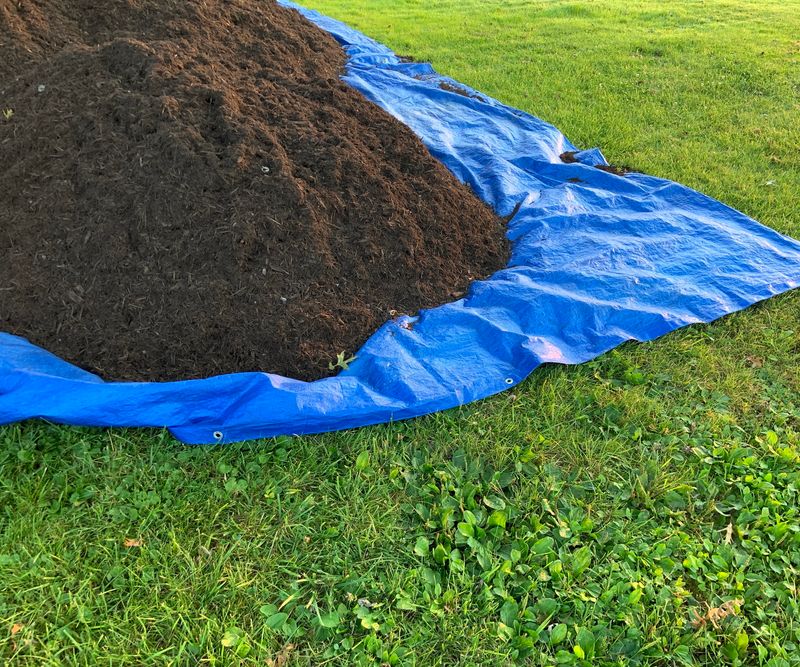
North Carolina falls can bring heavy rain, and a pile that gets repeatedly saturated loses the air space that aerobic microbes depend on. Covering the pile before sustained wet weather arrives is a reasonable protective step, but the type of cover matters as much as whether you use one at all.
Illinois Extension’s winter composting guidance recommends protecting active piles from excessive moisture while keeping airflow intact. A tarp or lid that sheds rain but leaves the sides or base partially open accomplishes that goal.
The pile can still exchange gases with the surrounding air, which keeps oxygen moving in and carbon dioxide moving out.
An airtight cover creates the opposite problem. When a pile is wrapped tightly with no ventilation, carbon dioxide and other gases build up, oxygen drops, and anaerobic bacteria take over.
Oregon State Extension’s guidance on keeping compost active through winter reinforces that managing moisture and airflow together is more effective than simply blocking all weather exposure.
A cover also cannot compensate for a pile that is already undersized, dry, unbalanced, or poorly aerated. Think of rain protection as the last layer of preparation after the other conditions have been addressed, not as a shortcut that replaces them.
Position the cover so it deflects direct rainfall but does not trap heat or create a sealed, waterlogged enclosure. In a typical North Carolina fall, a simple tarp weighted at the edges or a compost bin lid with ventilation slots is usually enough to manage rain exposure without restricting airflow.
Change the routine when the pile freezes
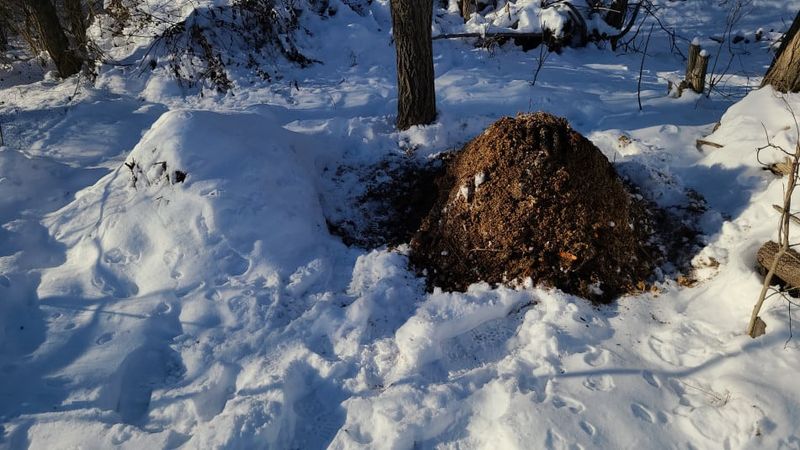
Cold weather changes what the pile needs from you, and the most common mistake is continuing to manage a frozen pile the same way you would an active summer pile. When temperatures drop and stay below freezing, decomposition slows sharply and may halt temporarily, particularly in smaller or more exposed piles.
That is not failure; it is a predictable seasonal response.
Illinois Extension’s winter composting infosheet advises reducing or stopping turning when the pile is frozen or when temperatures remain consistently below freezing. Turning a frozen pile releases whatever heat has built up in the interior, and frozen material does not mix effectively anyway.
The better approach is to leave the pile undisturbed and let it retain whatever warmth it has generated.
Penn State’s composting guide describes a dormant winter pile as capable of resuming decomposition when air temperatures rise again in spring. That pattern of slowing, pausing, and resuming is normal for a well-prepared pile, and it is different from a pile that has permanently stopped working because of poor preparation.
Distinguishing between an actively heating pile and a curing pile also matters here. A curing pile is one that has already finished the active decomposition phase and is simply maturing.
Watering or turning a curing pile repeatedly in an attempt to restart rapid breakdown is unlikely to help and may disrupt a process that is already complete. NC State’s organic farm composting guidance makes clear that curing and active decomposition are separate stages with different management needs.
If your pile has been sitting undisturbed since midsummer and no longer generates heat when you check the interior, it may already be in the curing stage rather than stalled from cold.
Use safe inputs and avoid false sanitation promises
Fall is when many composters feel tempted to add whatever is piling up in the yard or kitchen, assuming that winter cold will handle anything questionable. That assumption leads to real problems.
The materials you add before winter matters, and some inputs create risks that cold temperatures cannot neutralize.
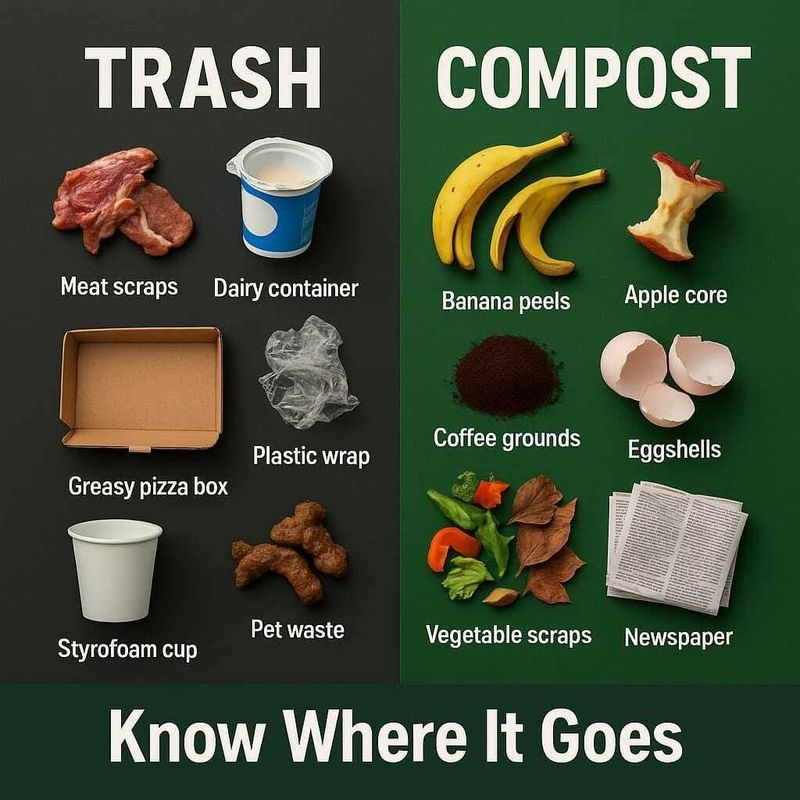
EPA guidance on home composting identifies safe residential inputs as leaves, grass clippings, untreated plant material, fruit and vegetable scraps, coffee grounds and filters, and plain paper or cardboard. Shredding or chopping bulky items where practical speeds breakdown and reduces the chance of pest attraction.
These materials decompose reliably and do not introduce the contamination risks associated with animal products.
Meat, fish, bones, dairy, fats, and pet waste should stay out of a residential backyard pile. They attract rodents and other pests, decompose slowly, and can introduce pathogens that a typical home pile does not reliably eliminate.
Diseased plant material, plants treated with persistent herbicides, and aggressive weeds that have already set seed are also poor choices. NC State’s composting handbook distinguishes clearly between hot composting and cold composting, noting that cold or passively managed piles do not reliably reach the temperatures needed to kill pathogens and weed seeds.
Wood ash occasionally gets recommended as a compost activator, but NC State’s backyard composting publication warns that large additions can harm microbial populations, increase ammonia losses, and reduce the nitrogen available in the finished compost. Small amounts are less likely to cause harm, but ash is not a reliable activator and should not be used as a substitute for correcting moisture or material balance.
Lime carries similar risks when added in large quantities. Stick with the proven inputs and let the biological process work without shortcuts that may backfire.
Give the pile a condition-based fall check
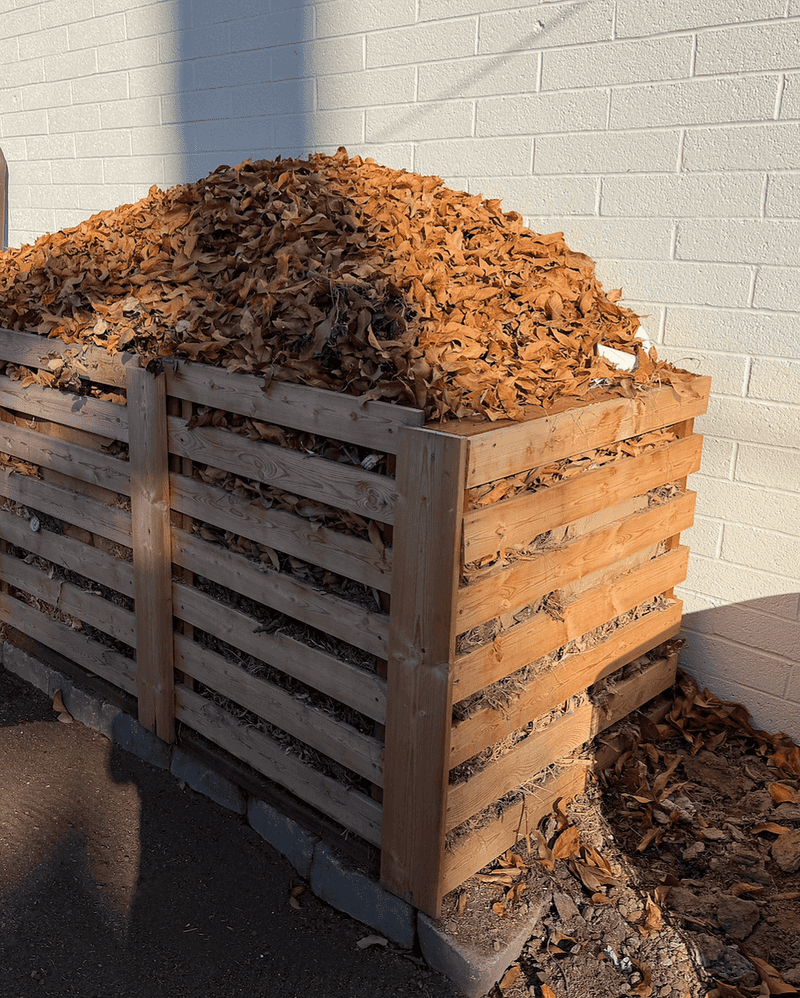
Before sustained cold settles in, run through the pile’s actual conditions rather than assuming everything is fine because the pile looks intact from the outside. Start by reaching into the center and squeezing a handful of material.
If it crumbles dry, add water gradually while turning. If it smells sour or feels waterlogged, add dry leaves or shredded cardboard and turn to restore air space.
Next, look at what the pile is mostly made of. A leaf-heavy pile needs nitrogen-rich additions such as vegetable scraps, coffee grounds, or grass clippings before cold limits how much microbial activity can process new inputs.
Then check the overall size. NC State’s backyard composting guidance recommends at least 3 feet in each dimension to retain heat.
If the pile has shrunk below that, consolidate or add fresh material now.
Add a breathable cover if the pile is exposed to heavy rain, making sure airflow is not blocked. Illinois Extension’s winter composting infosheet supports protecting the pile from saturation while keeping ventilation intact.
Once temperatures drop and stay cold, reduce turning and let the pile hold whatever heat it has built up.
These steps improve the pile’s odds of staying active or resuming quickly in spring, but they cannot guarantee uninterrupted decomposition through every cold stretch. A well-prepared pile may work slowly all winter, go quietly dormant for a few weeks, and then pick back up as temperatures rise.
Either outcome is a reasonable result from a backyard pile, not a sign that the preparation failed.