
If Your Lavender Turns Woody And Sparse, Here Are 15 Summer Tasks That Bring It Back Bushy
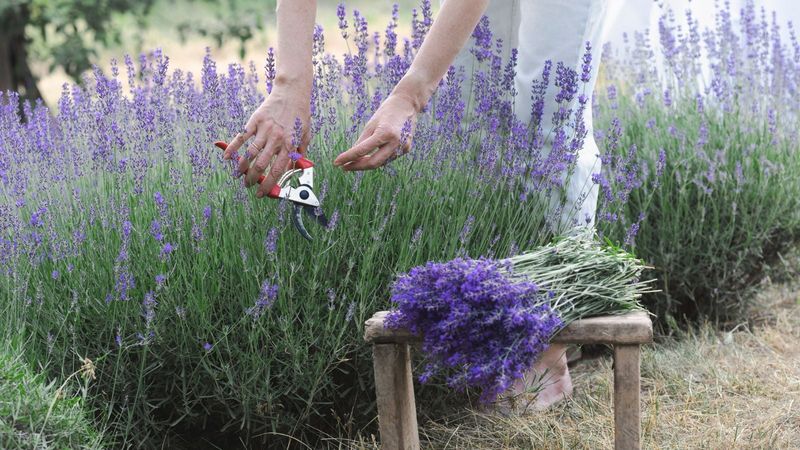
Woody, bare stems and thin, straggly growth are a lavender plant’s way of telling you it needs help. The good news is that summer is the perfect time to step in and coax your plant back into a full, rounded, sweet-smelling mound.
Most of the fix comes down to smart pruning and simple care changes you can do this weekend. Follow these 15 tasks and your tired lavender has a real shot at bouncing back bushy.
1. Perform the Main Summer Pruning
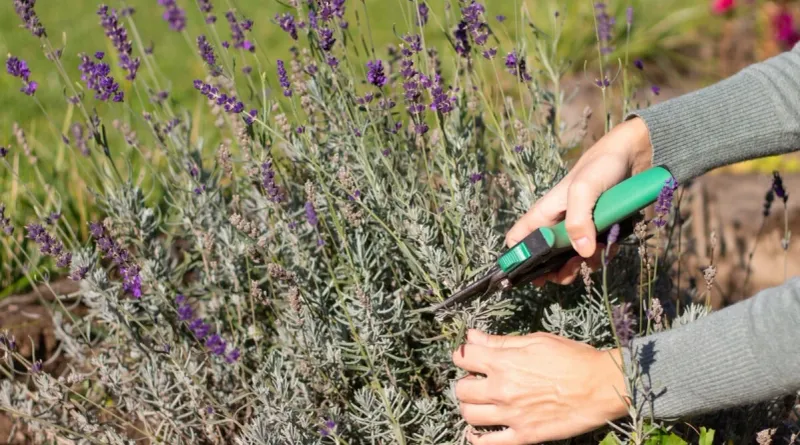
Timing is everything with lavender, and mid-to-late summer is your golden window. Wait until the first flush of blooms has faded but before the flower spikes brown out and set seed.
Cutting at this moment tells the plant to focus on fresh leafy growth instead of pouring energy into seeds. Different varieties bloom on slightly different schedules, so watch your own plant rather than the calendar.
A well-timed summer prune is the single biggest thing you can do to rescue a leggy lavender and keep it compact for years.
2. Cut Back New Green Growth by One-Third
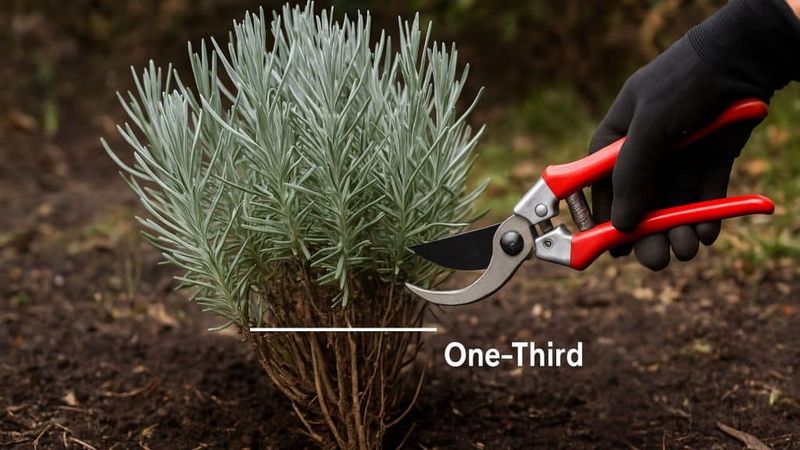
Here is a rule worth memorizing: take off about a third of this season’s new green growth, no more. Trimming that top third encourages the plant to branch out from lower down, filling in those gaps that make it look sparse.
Think of it like a haircut that makes hair look thicker. Each cut stem responds by pushing out two or more new shoots.
Removing roughly a third keeps the plant tidy without shocking it, which is exactly the balance a recovering lavender needs.
3. Avoid Cutting into Old Wood
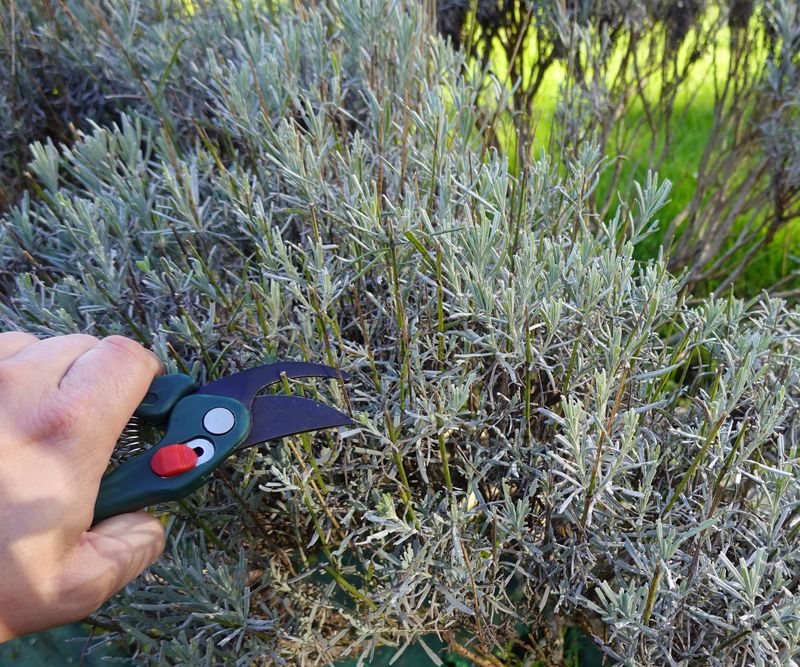
Lavender hides a harsh secret in those bare, gray stems near its base: old wood usually cannot sprout new growth. Slice into it hoping for a fresh flush, and you may end up with a permanently bald patch or a dead plant.
Always keep your cuts in the green, leafy zone above the woody part. The only exception is removing stems that are clearly dead or damaged.
If your plant is mostly bare wood already, prune gently over a couple of seasons rather than hacking it all at once. Patience protects the plant.
4. Make Precise Cuts Above Leaf Nodes
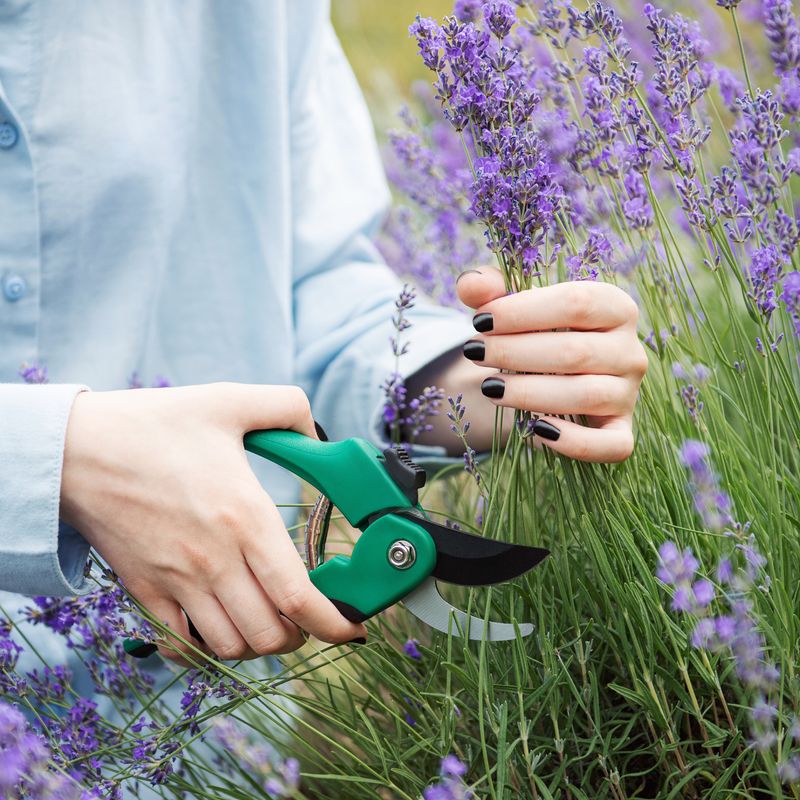
Where you place the blade matters more than you might guess. Snip just above a set of healthy leaves or a leaf node, and that spot becomes the launch pad for new shoots.
Cut in the middle of a bare stretch and the stem may simply die back to the next node anyway, leaving an ugly stub. Aiming for the node keeps growth neat and directed.
A little precision here pays off with a denser, more even mound come next season.
5. Shape into a Rounded Mound
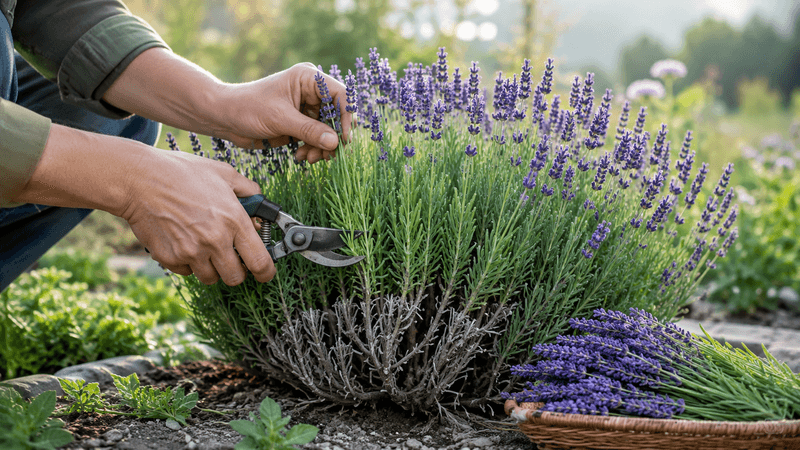
Picture a soft green pillow or a scoop of ice cream, and you have the shape you are after. Rounding your lavender into a dome as you prune helps it hold that tidy form and resist splitting open in the middle.
Plants left to grow flat-topped or lopsided tend to flop apart and expose their woody centers. A mound sheds rain and snow better too.
Step back often as you trim to check your shape from all sides. It is easier to fix a wobbly outline while you are still working than after you have put the shears away.
6. Deadhead Spent Flowers Regularly

Those fading, browning flower spikes are quietly stealing your plant’s energy. Snip them off as soon as they start to wilt, and you redirect that energy from making seeds into growing fresh foliage and, often, more blooms.
Deadheading is quick, low-risk work you can do a little at a time all summer long. Keep a pair of scissors near your favorite garden chair.
Regular tidying also keeps your lavender looking cheerful instead of tired, which makes the whole recovery feel rewarding.
7. Use Sharp, Clean Pruning Tools
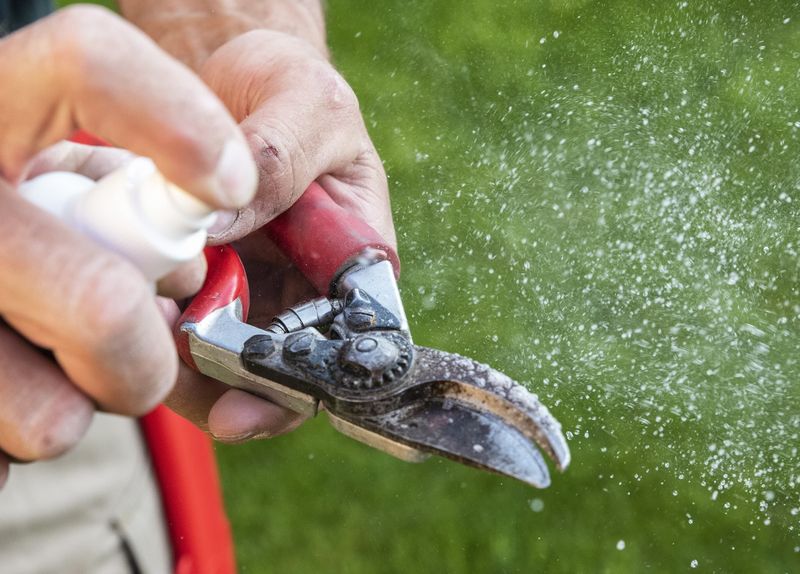
Dull, dirty shears crush and tear stems instead of slicing cleanly, and ragged wounds heal slowly. A sharp, clean blade gives your lavender a tidy cut it can seal over fast.
Wiping your tools with rubbing alcohol between plants also stops you from spreading disease from one to the next. It takes seconds and saves headaches.
Give your secateurs a quick sharpen before a big pruning session. Your hands and your plants will both thank you.
8. Water Deeply but Infrequently
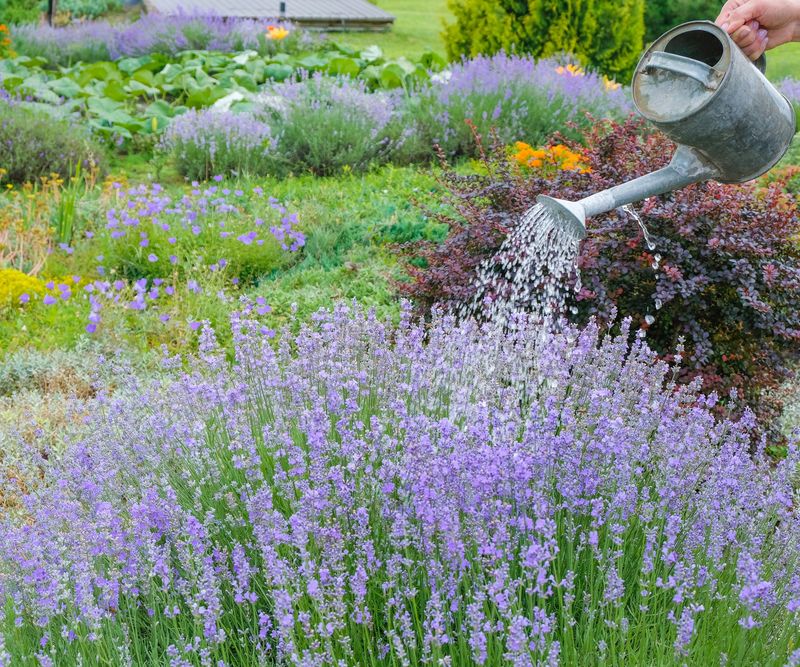
Lavender comes from dry Mediterranean hillsides, so it actually prefers to be a little thirsty. Established plants need a deep soak only when the soil has dried out a few inches below the surface, often just once a week or less in summer.
Deep, occasional watering encourages roots to grow down strong and sturdy. Frequent light sprinkles do the opposite, keeping roots lazy and shallow.
When in doubt, poke a finger into the soil. Dry down deep means water; still damp means wait.
9. Prevent Overwatering
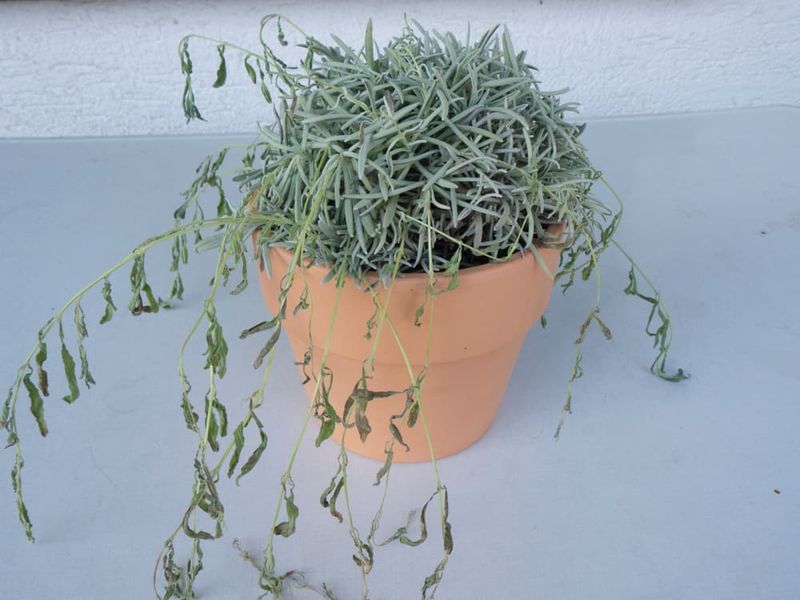
More love in the form of water is the fastest way to kill lavender. Soggy soil suffocates the roots and invites root rot, which weakens the whole plant and worsens that sparse, sad look.
Let the soil dry out fully between drinks, and always water at the base rather than over the leaves. Wet foliage sitting overnight is an open invitation to fungus.
If your lavender is yellowing or wilting even though the ground is wet, back off the hose. Dry is almost always safer than drenched.
10. Ensure Excellent Drainage
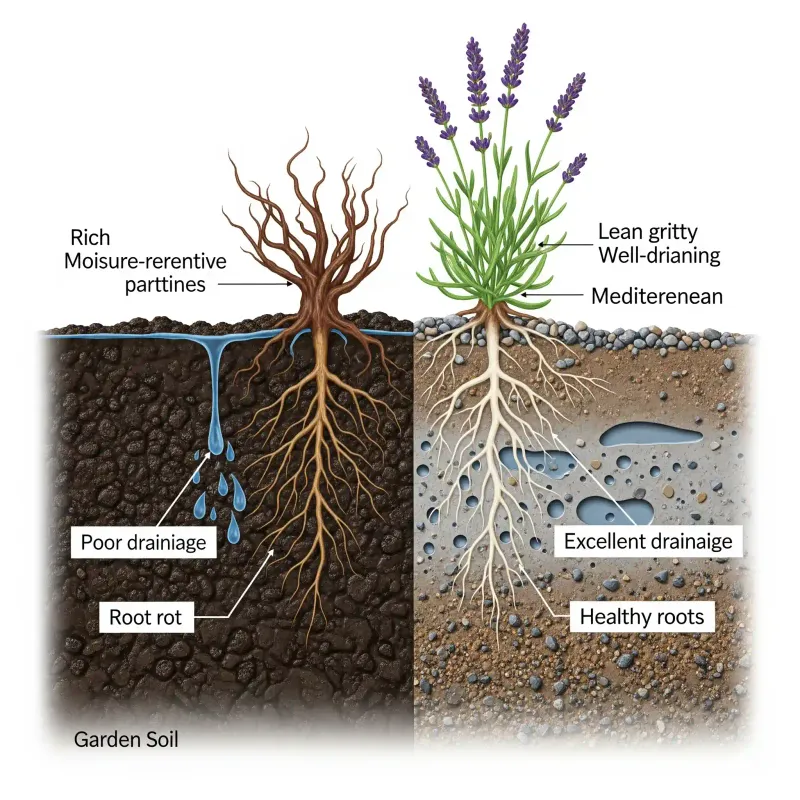
Heavy, clay-packed soil holds water like a sponge, and lavender hates wet feet. Mixing in grit, coarse sand, or fine gravel opens up the soil so water drains away quickly.
Gardeners with stubborn clay often get better results by planting on a raised bed or a slight mound. Lifting the roots above the wettest ground can make all the difference.
Good drainage may prevent the slow decline that turns a lush plant woody and thin. Fix the soil, and many other problems fade on their own.
11. Avoid Summer Fertilization
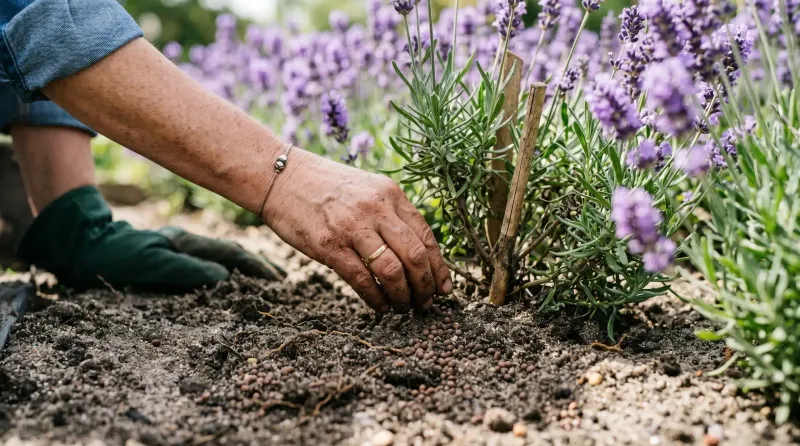
It feels helpful to feed a struggling plant, but lavender thrives on neglect and lean, poor soil. Piling on fertilizer, especially the high-nitrogen kind, pushes soft, floppy, leafy growth with fewer flowers.
That kind of rushed growth can actually make legginess worse, not better. Skip the feeding through summer and let the plant rebuild at its own pace.
If your lavender is planted in decent soil, it likely needs nothing extra at all. Save the fertilizer for your hungrier plants.
12. Provide Full Sun Exposure
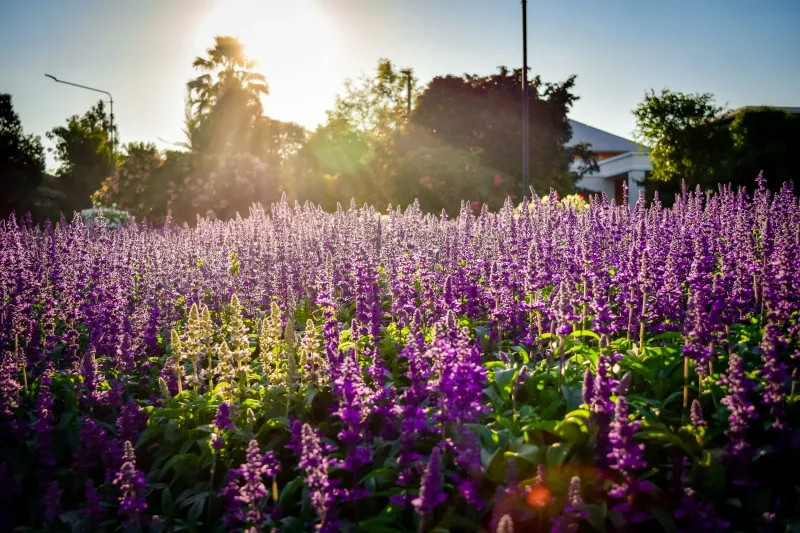
Lavender is a full-blown sun worshipper. Give it at least six hours of direct sunlight a day, and ideally all-day sun, to keep growth tight and flowering strong.
Plants tucked in shady spots stretch toward the light, growing leggy, sparse, and floppy. That reach for the sun is often the hidden cause of a thin, woody plant.
If yours sits in shade, consider moving it in cooler weather or trimming back anything overhead that blocks the light. Sunshine is free medicine for lavender.
13. Remove Damaged or Diseased Stems
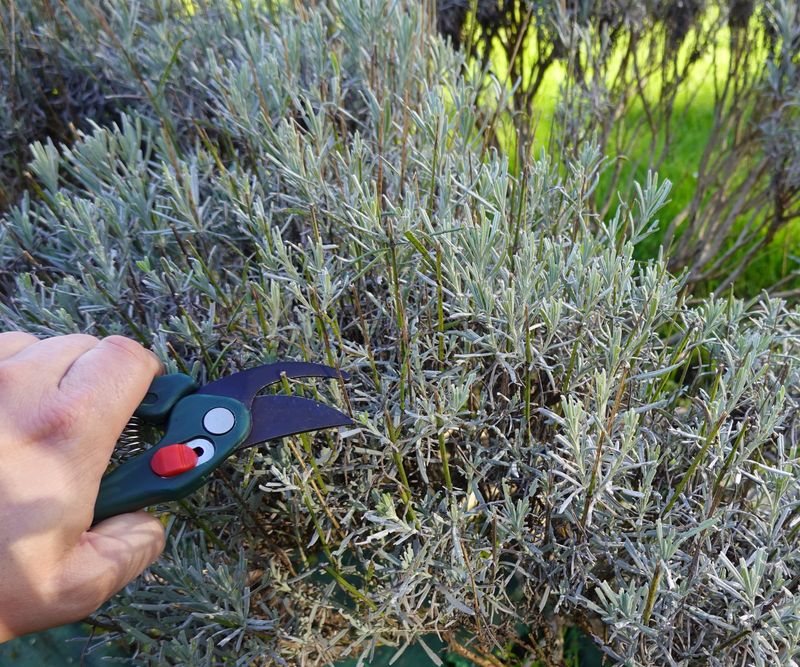
Broken, blackened, or clearly dead stems do nothing but drain resources and harbor problems. Clip them out promptly, cutting back to healthy growth or the base if needed.
Clearing away the damaged bits lets your plant pour its energy into the parts that still have a future. It also opens up airflow through the plant.
Make this a quick habit whenever you walk by. A little regular cleanup keeps small issues from turning into big ones.
14. Monitor for Pests and Diseases

Lavender is tough, but it is not invincible. Peek at the stems and leaves regularly for spots, mold, webbing, or clusters of tiny insects so you can catch trouble early.
Catching a problem when it is small usually means an easy fix, like snipping off an affected shoot or improving airflow. Wait too long and it can spread through the plant.
Good habits like avoiding wet foliage and crowded planting can reduce the odds of disease taking hold in the first place. A quick weekly look is worth the peace of mind.
15. Consider Taking Cuttings
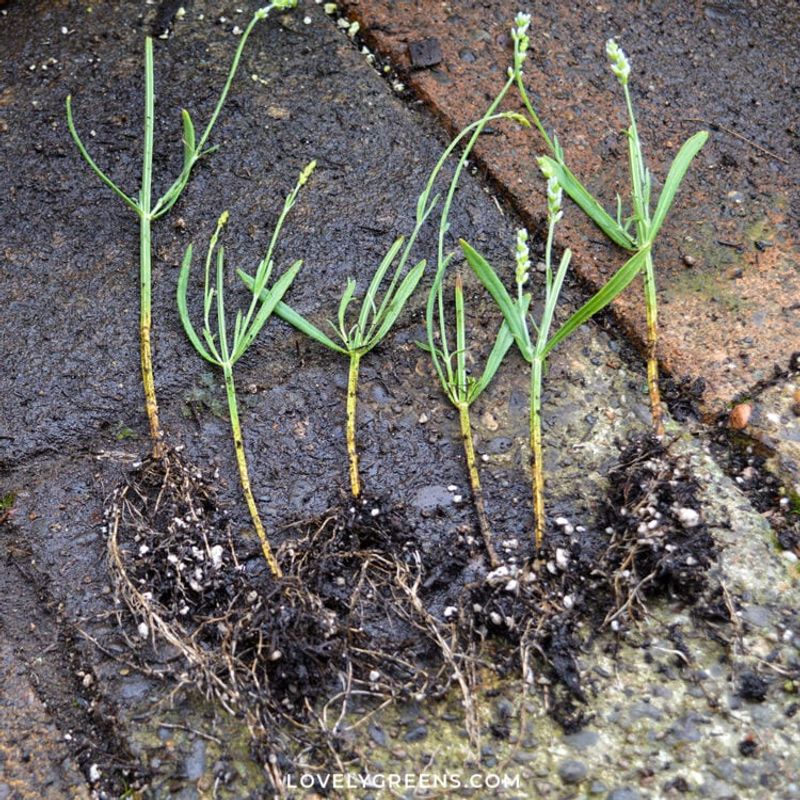
If your plant is so woody you fear it may not last, take out an insurance policy: propagate it. Summer is prime time for snipping softwood or semi-hardwood cuttings and rooting them into brand-new, vigorous plants.
Fun fact, a single healthy plant can supply several cuttings, so one tired lavender can become a whole fragrant row. It is a satisfying way to keep a beloved plant going for free.
Even if the parent bounces back beautifully, you will have young backups ready to fill gaps in the garden. Nothing to lose and plenty to gain.