
If Your Petunias Turn Leggy And Stop Blooming, Here Are 13 Rescue Moves (And 3 Mistakes That Stall Recovery)
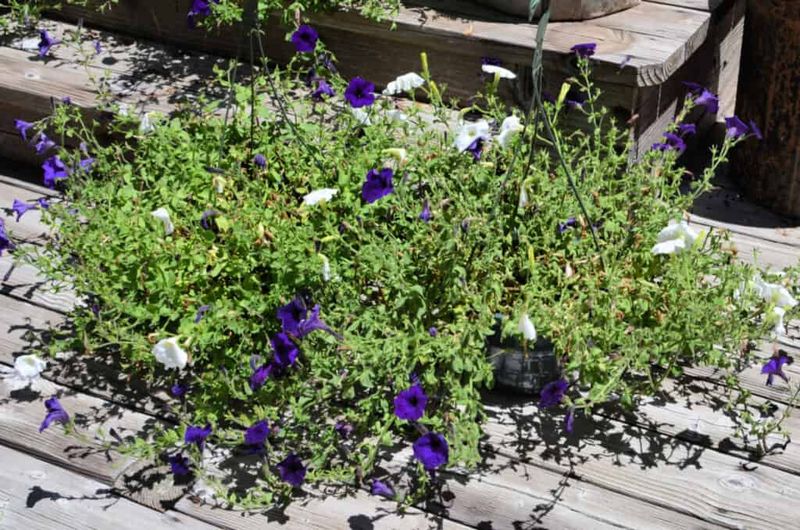
Petunias are supposed to spill over your pots in a wave of color, so it stings when they turn into skinny stems with barely a flower in sight. The good news is that leggy, bloomless petunias are almost always fixable, and most of the fixes take a few minutes and cost nothing.
Below are 13 rescue moves that bring your plants back to life, plus 3 sneaky mistakes that quietly keep them stuck. Grab your scissors and let’s get your petunias flowering again.
1. Prune Back Leggy Stems Generously
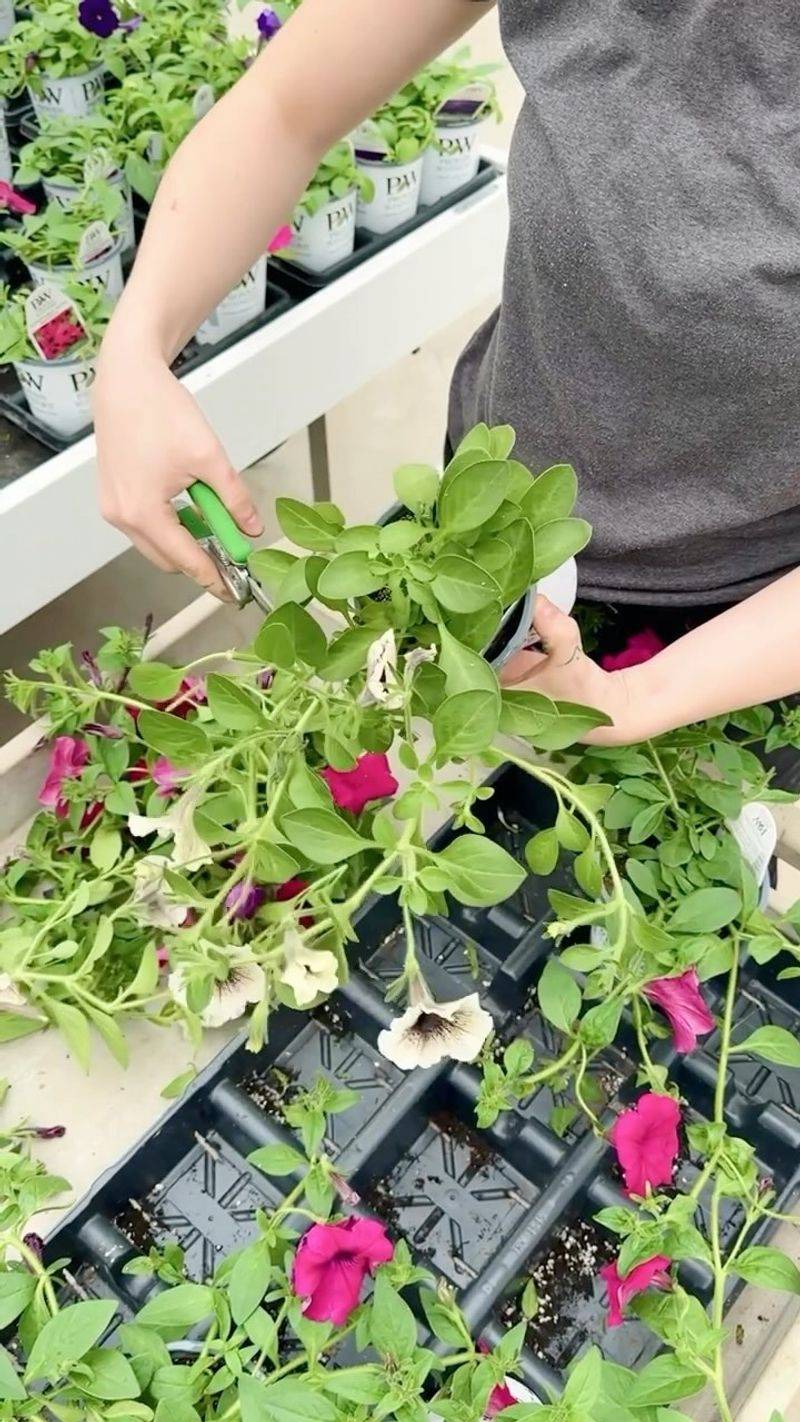
Nothing revives a scraggly petunia faster than a bold haircut. Grab clean scissors and cut those long, floppy stems back by a third to a half, snipping just in front of a leaf node so new growth has somewhere to sprout.
If your plant is truly out of control, you can go as deep as two-thirds. It will look bare and a little sad for a week or so, but that pruning wakes up dormant buds along the stem and pushes the plant to branch out instead of stretch.
Make it a habit to trim every couple of weeks through the season. Regular snips keep the plant compact and covered in flowers rather than leggy and tired.
2. Deadhead Regularly and Correctly
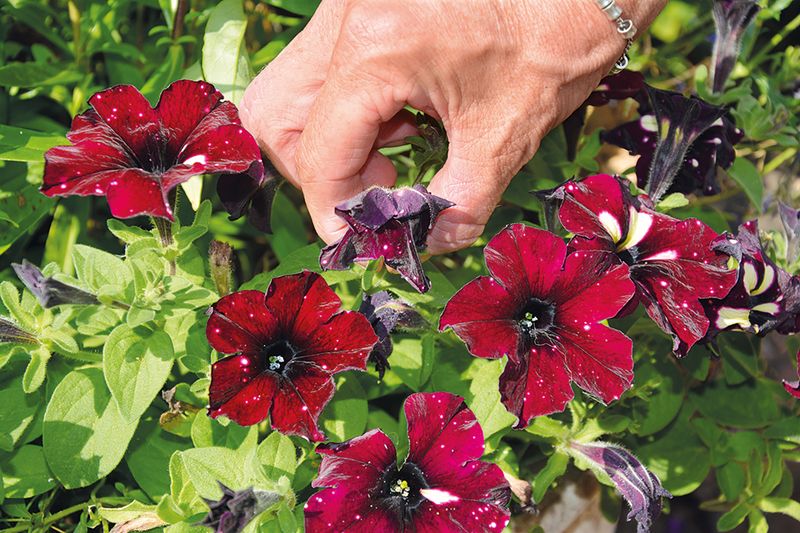
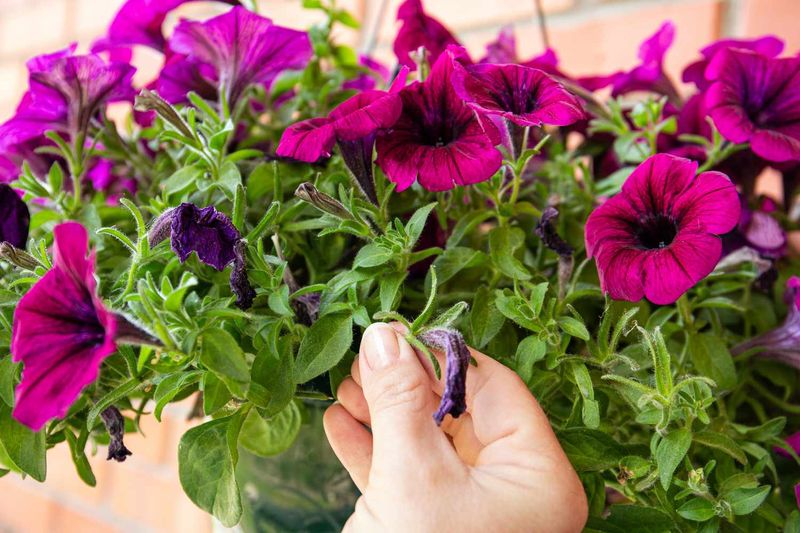
Here’s the part most people get wrong: pulling off the wilted petal is not enough. Behind every faded flower sits a little seed pod, and if you leave it, your petunia pours its energy into making seeds instead of new blooms.
Pinch off the entire spent flower and the small stalk behind it, right down to the base. It feels fussy at first, but your fingers will get fast at it.
Do a quick pass once a week and you’ll notice more buds forming. It’s the single easiest way to trick a petunia into blooming nonstop.
3. Ensure Ample Sunlight
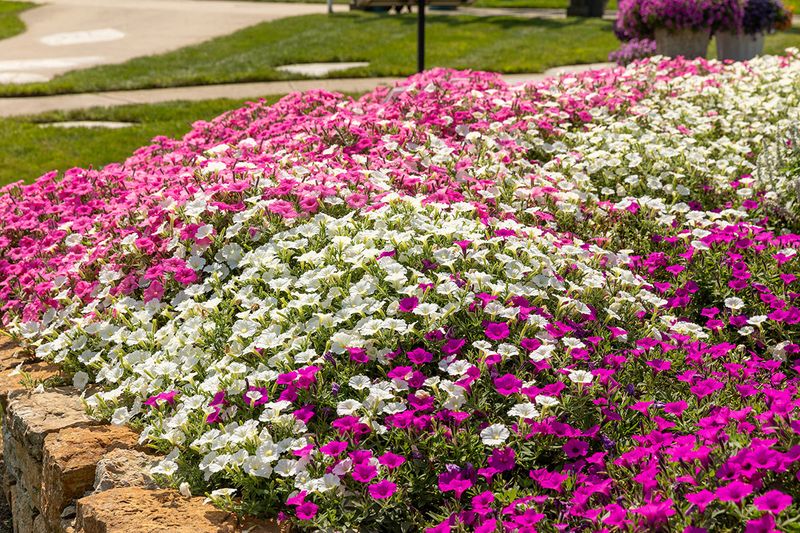
Petunias are total sun worshippers, and skimping on light is the number one reason they turn spindly and stop flowering. They want at least six to eight hours of direct sun a day, no negotiating.
If your pot is tucked under an eave or shaded by a fence, slide it out into the open. Potted plants make this easy since you can just move them to chase the light.
In scorching climates, aim for strong morning sun with a little afternoon shade so the plants don’t cook. That balance keeps them fueled without frying them.
4. Adopt Consistent Watering Practices
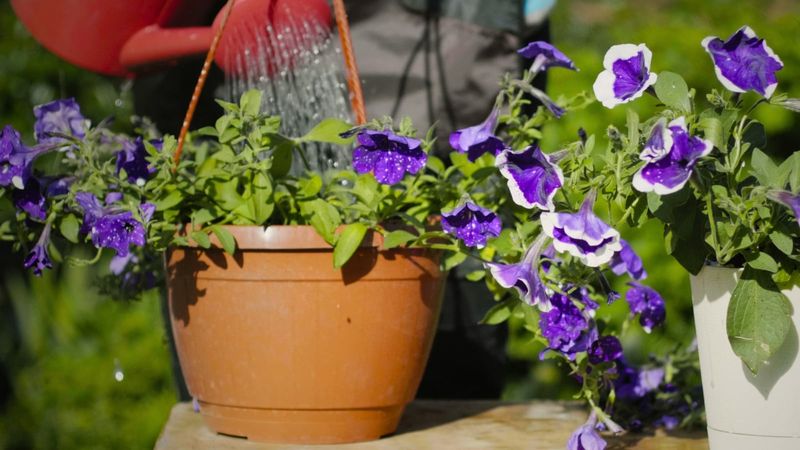
Petunias hate drama when it comes to water. Let them dry to a crisp one day and drown them the next, and they’ll sulk by dropping buds and refusing to bloom.
Poke a finger into the soil. When the top inch or two feels dry, water deeply until it runs out the drainage holes, then wait until it dries again.
Hanging baskets and small pots dry out shockingly fast in summer heat and may beg for water every single day. Check them often rather than sticking to a rigid schedule.
5. Fertilize with the Right Balance
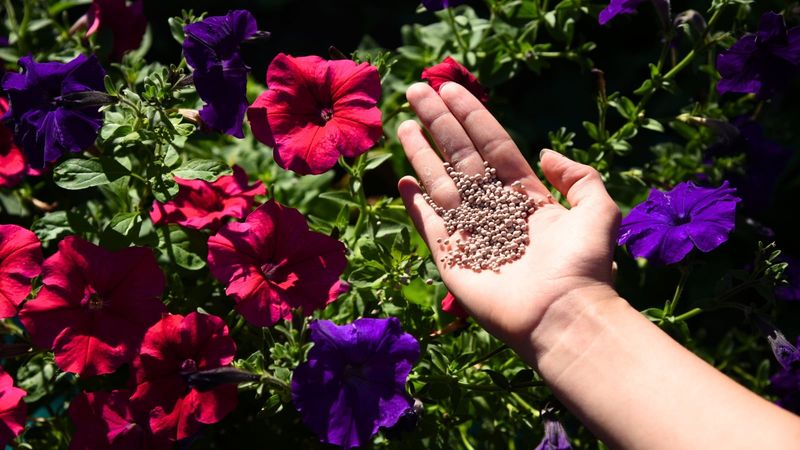
Think of petunias as hungry little machines. They’re heavy feeders, and a plant running on empty simply can’t crank out flowers week after week.
Feed them with a balanced liquid fertilizer like 10-10-10 or 20-20-20 every one to two weeks during the growing season. If you want to push more blooms, reach for a formula with a higher middle number, since phosphorus fuels flowers.
Steer clear of high-nitrogen products, though. Too much nitrogen gives you a jungle of leaves and hardly any color.
6. Repot if Root-Bound
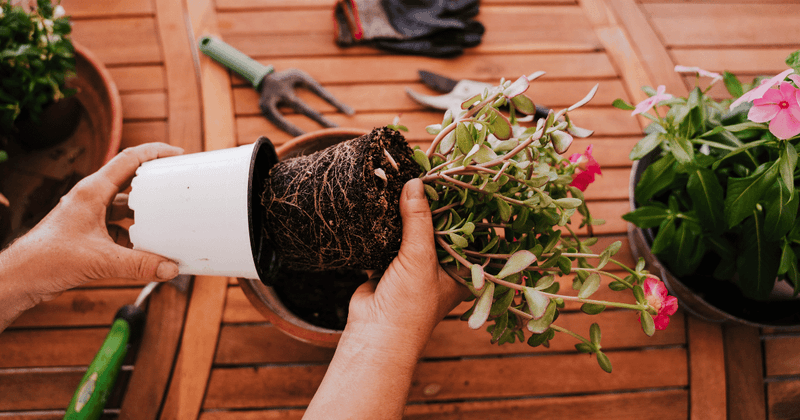
Sometimes the trouble is hidden underground. If your petunia dries out almost the moment you water it, looks stunted, or shows roots circling the bottom of the pot, it’s cramped and desperate for room.
Gently slide it out and take a peek. A dense, tangled root ball is your signal to size up.
Move it into a larger container with fresh, well-draining potting mix. Roots with breathing room can finally support the growth and blooms you’ve been waiting for.
7. Improve Soil Quality and Drainage
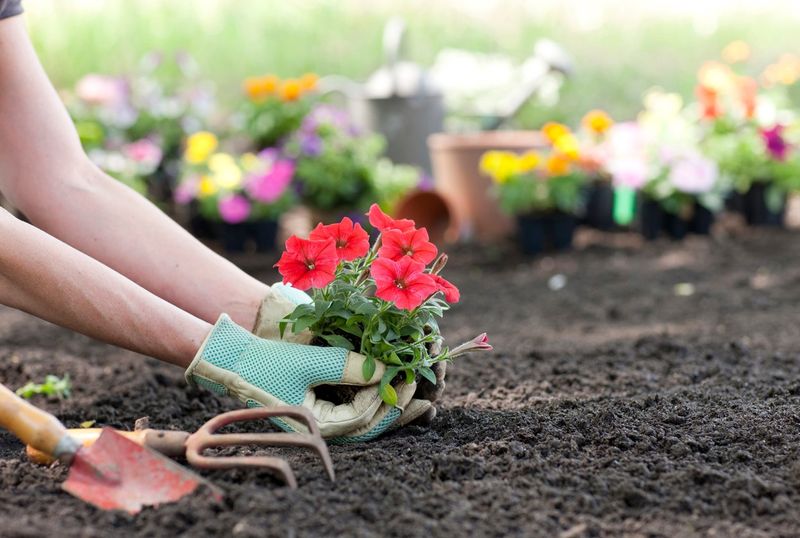
Great blooms start with great dirt. Petunias thrive in fertile, well-draining soil with a slightly acidic to neutral pH between 6.0 and 7.0.
Heavy, soggy ground holds water around the roots and invites rot, while poor, exhausted soil starves the plant. Neither one lets petunias shine.
Work in organic matter like compost or aged manure before planting to loosen the texture and boost nutrients. Better soil means healthier roots, and healthier roots mean more flowers.
8. Protect from Extreme Heat
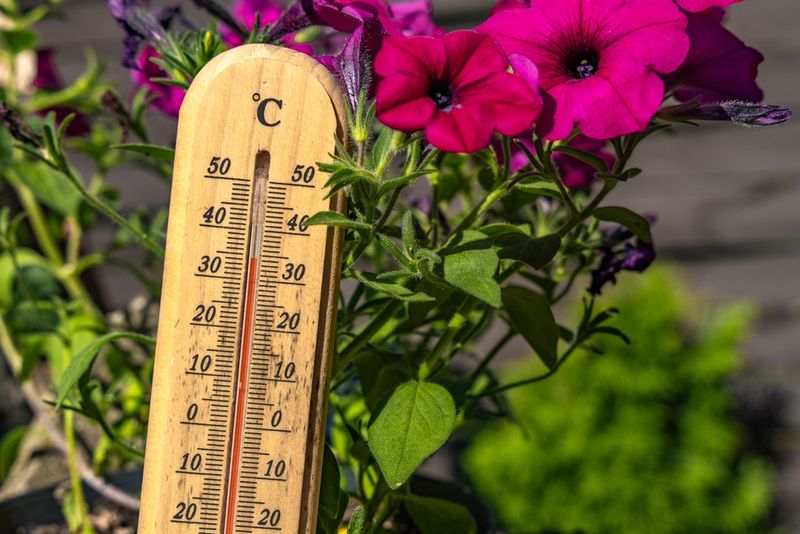
Even sun-loving petunias have a breaking point. When the thermometer climbs into the upper 80s and 90s, blooming often grinds to a halt and the plant coasts on leafy stems.
During a brutal heatwave, scoot your potted petunias into a spot with afternoon shade for a break from the scorching rays. A few hours of relief can keep them from shutting down entirely.
If your summers are consistently blistering, look for heat-tolerant varieties bred to keep flowering through the worst of it. They save you a lot of babysitting.
9. Monitor for Pests and Diseases
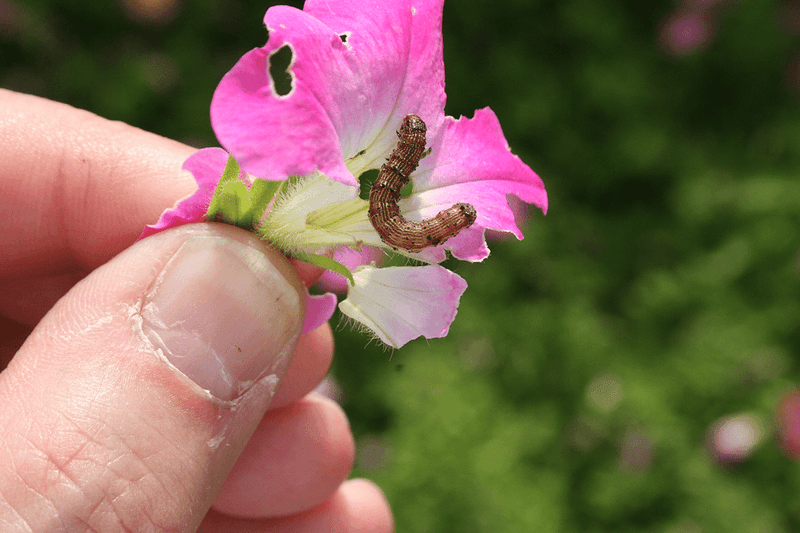
A petunia that suddenly quits blooming might be under quiet attack. Budworms are the classic culprits, chewing holes right through flower buds before they ever open.
Flip leaves over and check the buds regularly for aphids, spider mites, and caterpillars. Catching them early makes them far easier to knock back with gentle methods.
Fungal problems like botrytis and powdery mildew love damp, crowded plants. Water at the base, keep air moving between plants, and you’ll dodge most of these headaches.
10. Apply Mulch
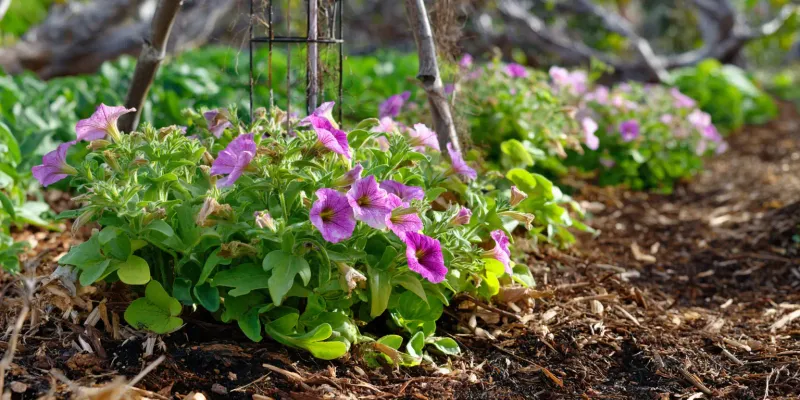
Mulch is the quiet helper your petunias never knew they needed. A layer over the soil keeps moisture from evaporating and steadies the temperature around the roots.
In garden beds, spread two to three inches of organic mulch, keeping it slightly away from the stems. For containers, a thin one-inch layer does the trick.
The payoff shows up on hot days, when mulched plants stay hydrated longer and coast through heat that would leave bare soil bone dry. Less stress means steadier blooming.
11. Choose Suitable Varieties
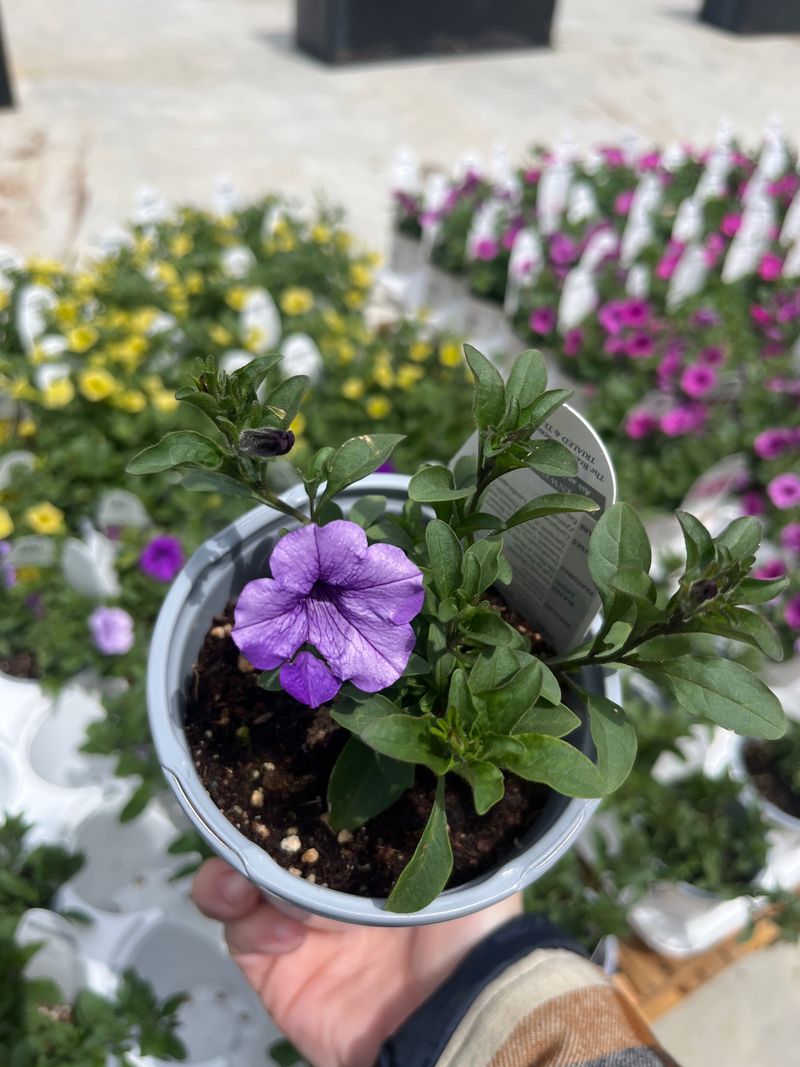
If you fight legginess every single year, the plant itself might be the problem, not you. Some older petunia types are simply prone to stretching into a mess.
Look for self-cleaning or self-heading varieties that hold a naturally tidy, mounded shape and shed spent flowers on their own. They practically prune themselves.
Many newer cultivars are also bred to shrug off heat and humidity while needing less deadheading. Choosing wisely at the garden center saves you weeks of fussing later on.
12. Consider a Mid-Season Haircut
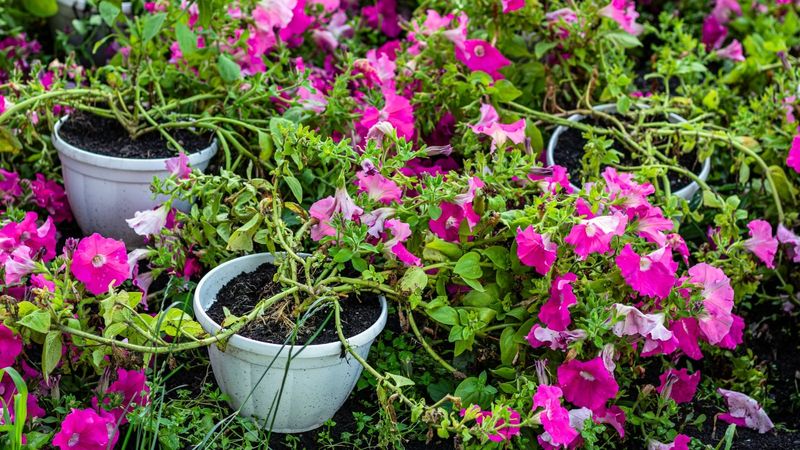
By July, a lot of petunias look worn out, stretched, and flowering only at the very tips. That’s your cue for a real haircut, not just light trimming.
Take courage and cut back about a third of the branches all at once. Yes, the basket will look thin and awkward for a bit, and that’s completely normal.
Within a couple of weeks, fresh growth fills in and a fresh flush of blooms follows. A well-timed midsummer chop can buy you another month of glorious color.
13. Maintain Overall Consistent Care
Here’s the truth that ties everything together: petunias reward routine more than heroics. A steady rhythm of light, water, and food beats scrambling to fix a crisis after the fact.
Pick a day each week to deadhead, check the soil, and give a light feed. These small, boring habits are exactly what keep the plant fat with flowers.
When you stay consistent, problems rarely spiral out of control in the first place. Your petunias settle into a groove and just keep pumping out color.
14. Mistake: Improper Watering Habits
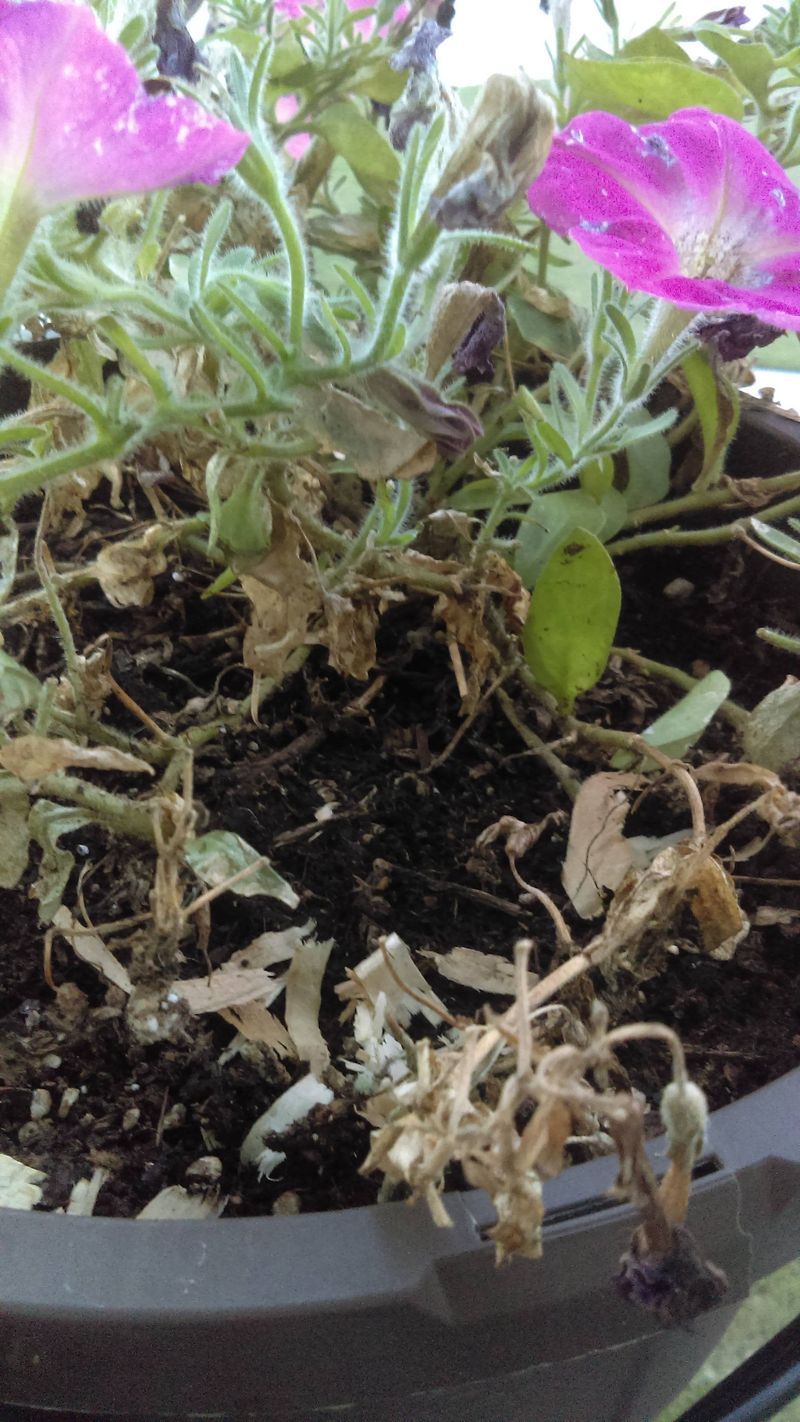
Watering is where good intentions go sideways. Let the soil dry out repeatedly and your petunia slips into survival mode, wilting, shriveling, and refusing to bloom while it conserves every drop.
Overwatering is just as damaging in the opposite direction. Constantly soggy soil suffocates the roots, invites root rot, and shows up as yellow leaves and dropping buds.
Misting the surface is a sneaky trap too, since it never reaches the roots. Water deeply when the top inch dries, and your recovery efforts finally get a chance to work.
15. Mistake: Ignoring Sunlight Requirements
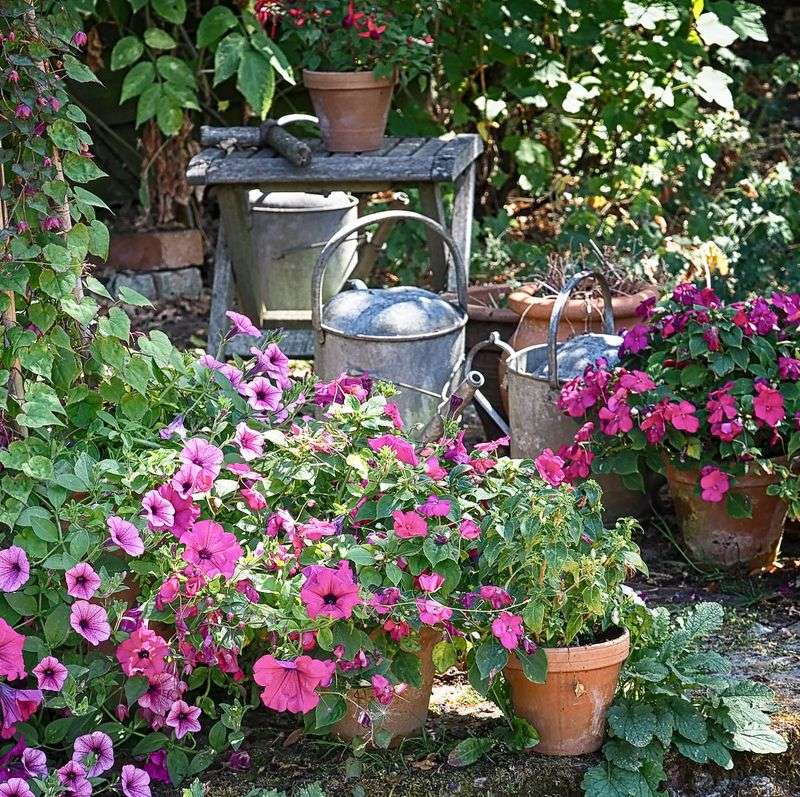
You can prune and fertilize all summer, but if the plant sits in shade, none of it matters. Without enough direct sun, petunias keep stretching and stubbornly refuse to flower.
The fix sounds obvious, yet it’s the step people skip most. Move the plant into six or more hours of real sunlight and watch the difference.
The flip side counts in hot regions, where relentless afternoon sun with no relief keeps petunias in constant heat stress. A little shade during the worst hours lets them recover instead of just enduring.
16. Mistake: Incorrect Fertilization Practices
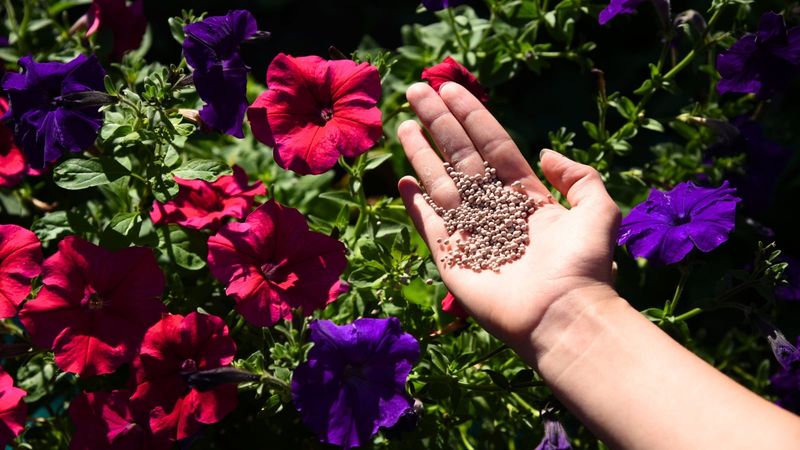
Feeding your petunias the wrong way stalls recovery even when you think you’re helping. Load them with high-nitrogen fertilizer and you’ll grow a beautiful bush of leaves with hardly a bloom in sight.
Sporadic feeding is the other trap. Petunias are hungry heavy feeders, and potted ones burn through nutrients fast, so lazy or too-light feeding leaves them running on fumes.
One more warning: never dump fertilizer onto bone-dry soil, since it can scorch the roots. Feed regularly, use a balanced or bloom-boosting formula, and water first so the roots stay safe.