
If Your Clematis Pours Out Vines But Skips The Flowers, Here Are 12 Hidden Reasons To Check
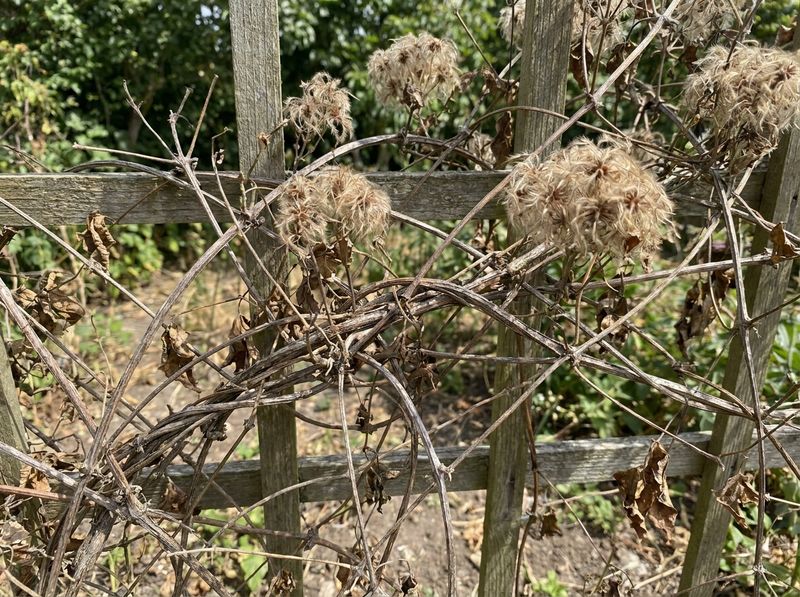
You planted a clematis dreaming of big, showy flowers, but all you got was a tangle of leafy green vines. That is a frustrating spot to be in, and the good news is that a bloom-less clematis almost always has a fixable cause behind it.
Below are 12 hidden reasons your plant might be skipping the show, plus simple steps to nudge it back into flowering. Walk through each one and you will likely spot the culprit hiding in plain sight.
1. Incorrect Pruning for Your Clematis Type
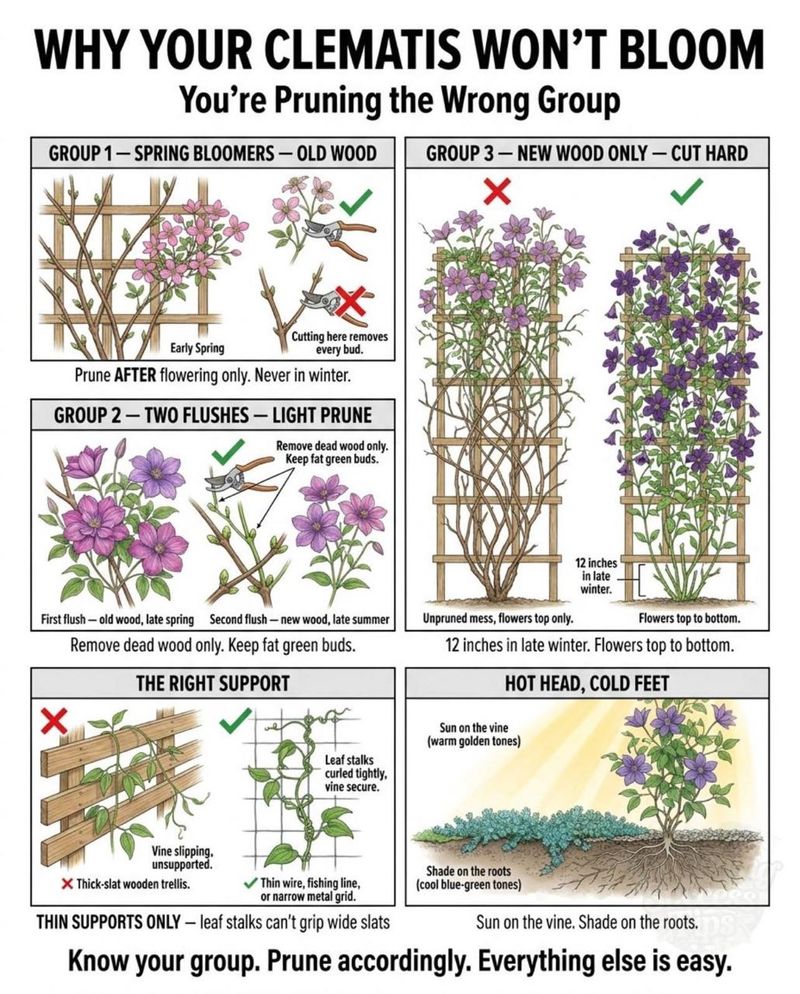
Cutting your clematis at the wrong moment is the sneakiest bloom-thief of them all. Clematis fall into three pruning groups, and each one has its own rulebook for when and how to trim.
Group 1 varieties flower on old wood, so a heavy spring haircut lops off the very stems that were about to bloom. Group 3 types flower on brand-new growth and actually want a hard cutback in late winter, while Group 2 lands somewhere in the middle with a lighter touch.
Figure out which group you own before you reach for the shears. Match your timing to that group, and you may see buds appear the very next season instead of nothing but foliage.
2. Not Enough Sunlight
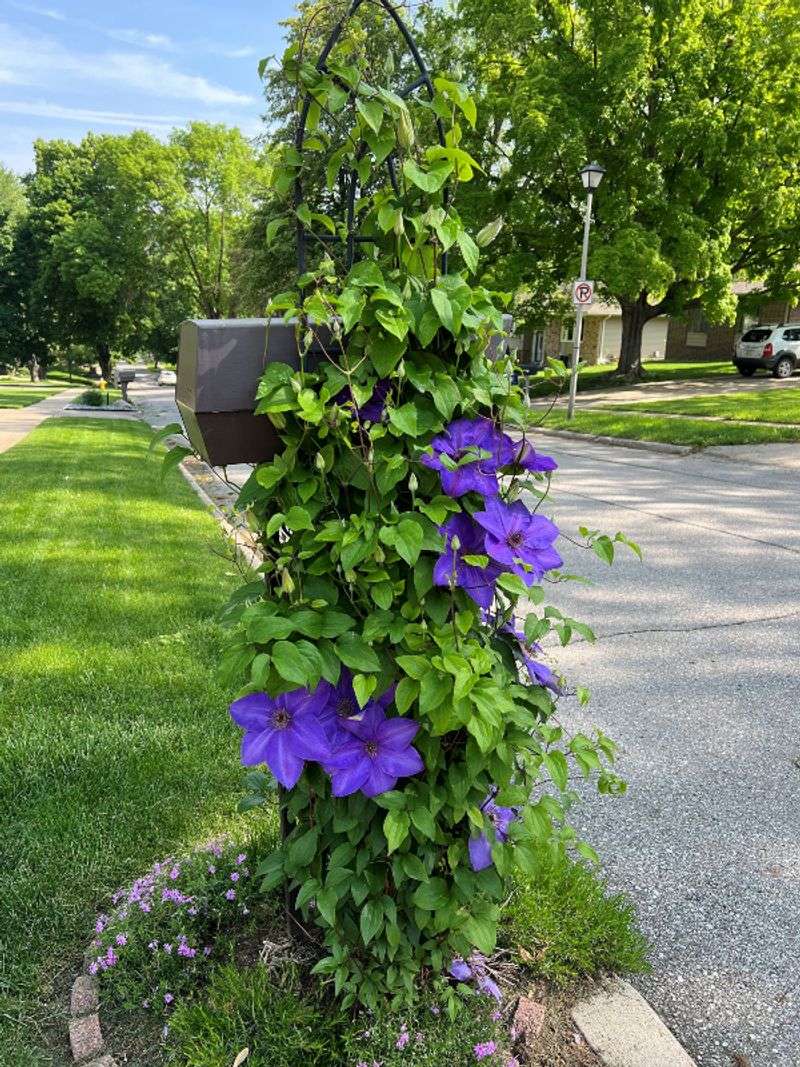
Sunshine is fuel for clematis flowers, and a shady spot quietly starves them. Most varieties want at least six hours of direct light hitting their leaves each day to bloom generously.
When a plant sits in too much shade, it pours its energy into stretching vines toward the light rather than making buds. Look up and around your clematis, because a tree or shrub that was small a few years ago might now be casting a heavy shadow.
If the light has faded, thin out overhanging branches or consider moving the plant to a brighter corner. More sun on the foliage usually means more color on the vine.
3. Too Much Nitrogen in the Soil
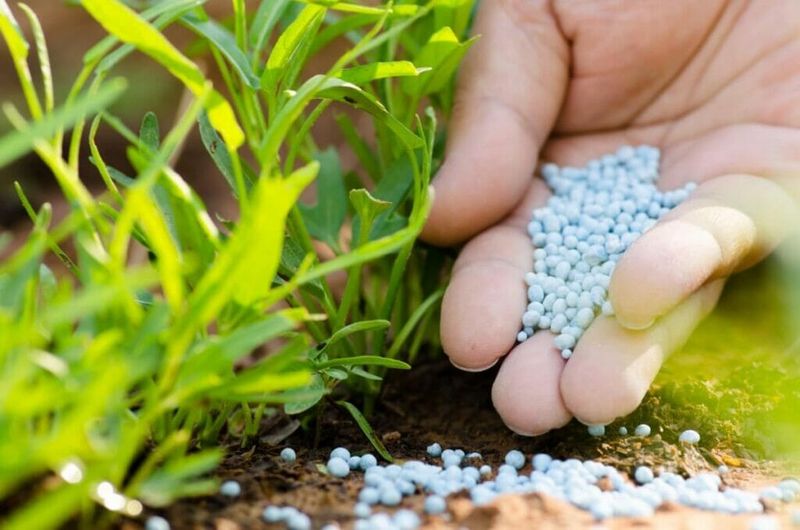
Ever notice how a clematis near a heavily fertilized lawn goes wild with leaves but forgets to bloom? Blame nitrogen.
That nutrient is fantastic for growing lush green foliage, but too much of it tells the plant to skip flowers entirely.
Clematis bloom best when they get more phosphorus and potassium, the nutrients that support roots and flower formation. A balanced or bloom-boosting fertilizer with a lower first number, such as a 5-10-10 or 10-30-20, can help swing the balance back toward flowering.
Ease off any high-nitrogen feed drifting over from your lawn care, too. Sometimes the fix is simply feeding it the right menu.
4. Overly Warm Roots

Clematis live by an odd rule: they crave sun on their leaves but hate hot feet. When the soil around the base bakes and dries out, the plant gets stressed and holds back on flowers.
A classic trick is to keep the roots cool and shaded while the top soaks up light. Lay a two to three inch layer of organic mulch around the base, keeping it a little off the stems.
You can also tuck low-growing annuals or perennials at the foot of the vine to shade the ground naturally. Cool, moist roots often translate into a much happier, bloomier plant.
5. Inconsistent or Improper Watering
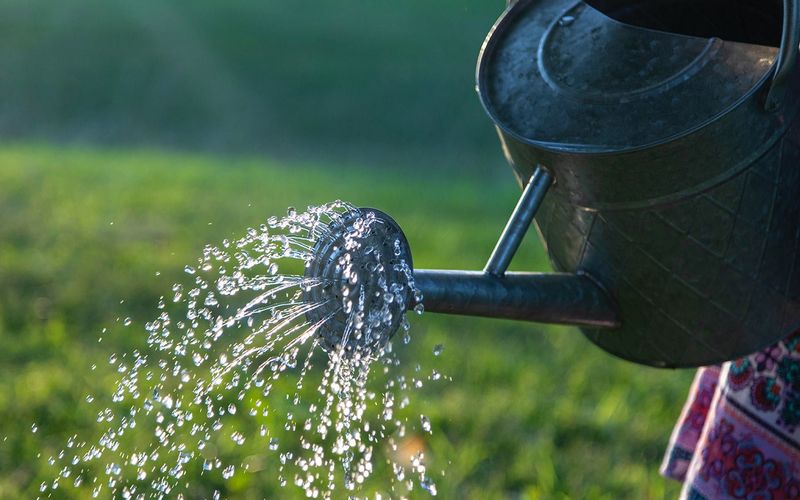
Water swings can throw a clematis completely off its bloom schedule. Both bone-dry soil and soggy, waterlogged roots stress the plant and cut into flower production.
What clematis really want is steady, even moisture through the growing season without ever sitting in a puddle. Aim for roughly one inch of water per week for established plants, and water deeply so it soaks down to the roots rather than just wetting the surface.
Waterlogged soil invites root rot, which is a fast way to lose blooms and eventually the whole plant. Keep it consistent, and the flowers have a much better chance of showing up.
6. The Plant is Too Young
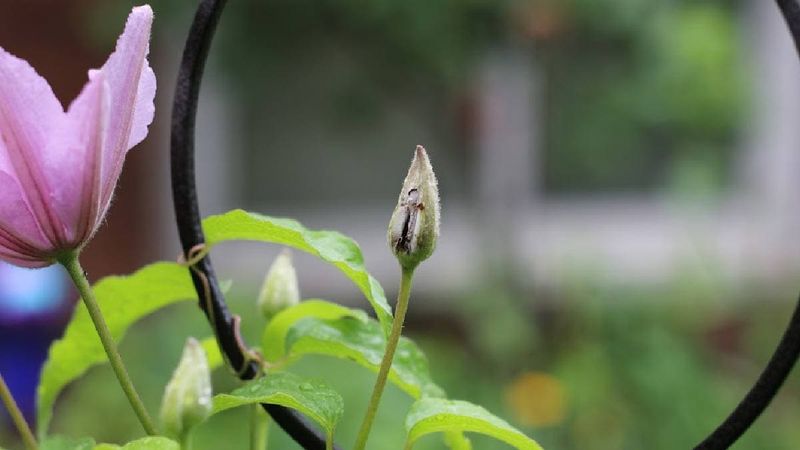
Sometimes the honest answer is that your clematis just needs to grow up. A plant that has been in the ground for under three years is often busy building roots rather than putting on a flower show.
There is even an old gardener’s saying that clematis sleep the first year, creep the second, and leap the third. Group 1 and Group 2 varieties especially reward a little patience.
Keep caring for it properly and resist the urge to give up. Once that root system matures, the vines usually reward you with a flush of blooms worth the wait.
7. Poor Soil Drainage
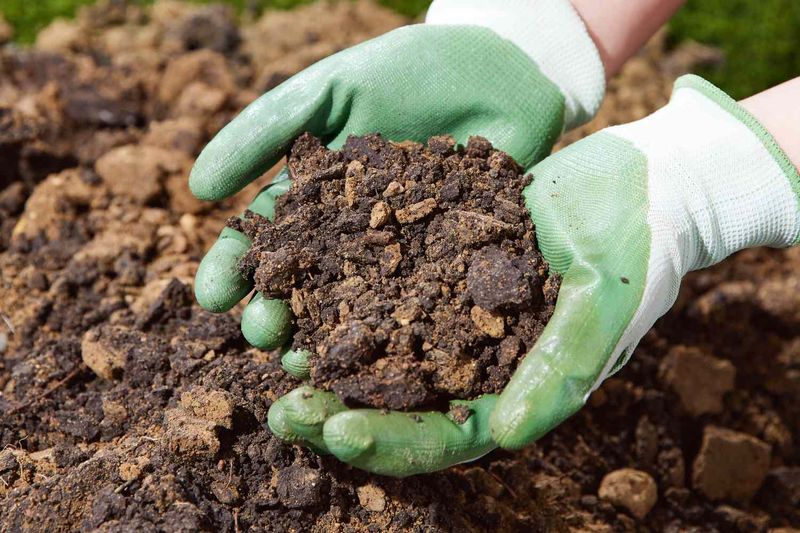
Heavy, sticky clay can quietly drown your clematis roots. While these vines love moisture, they truly dislike soil that stays soggy and refuses to drain.
When water lingers around the roots for too long, they suffocate and the plant loses the energy it needs for flowering. The goal is soil that stays evenly damp but lets excess water move through.
Working in generous amounts of compost or other organic matter loosens the structure and improves drainage over time. Better airflow around the roots often unlocks the blooms that clay was holding hostage.
8. Incorrect Soil pH
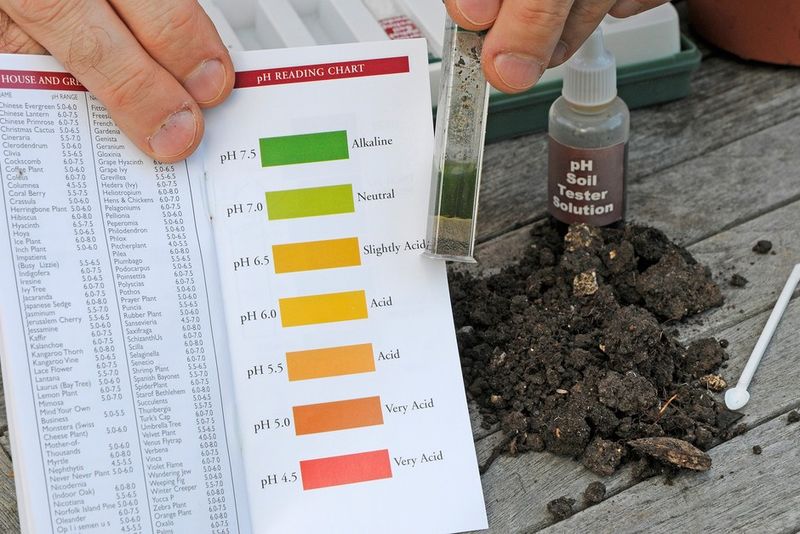
The chemistry underground can matter as much as sun and water. Clematis prefer soil that sits from neutral to slightly alkaline, roughly a pH of 5.5 to 7.0.
When the ground turns too acidic, the plant struggles to take up nutrients and may respond by refusing to bloom. A simple soil test kit takes the guesswork out and tells you exactly where you stand.
If your reading comes back too low, a little garden limestone or wood ash can gently raise the pH. Getting the balance right helps the plant use everything else you are giving it.
9. Lack of Adequate Support
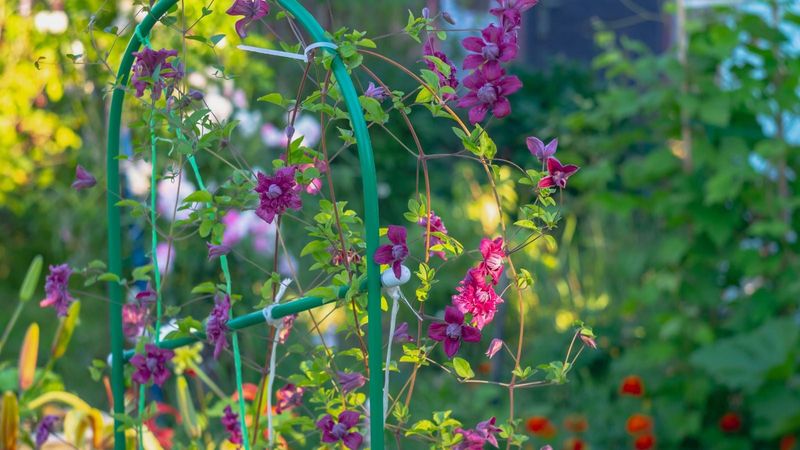
Give a clematis nothing to grip and it will sulk. As natural climbers, they twine their leaf stems around slim supports and need something to hold onto as they reach for the light.
Without a proper structure, vines flop, tangle, and stress themselves, which can shortchange flowering. The catch is that clematis grab with their leaf petioles, so thick posts and fat rails are too wide for them to wrap around.
Offer narrow trellis slats, wire, netting, or thin twine and watch them latch on happily. A well-supported vine spreads its energy toward growth and blooms instead of wrestling with a tangle.
10. Pests and Diseases
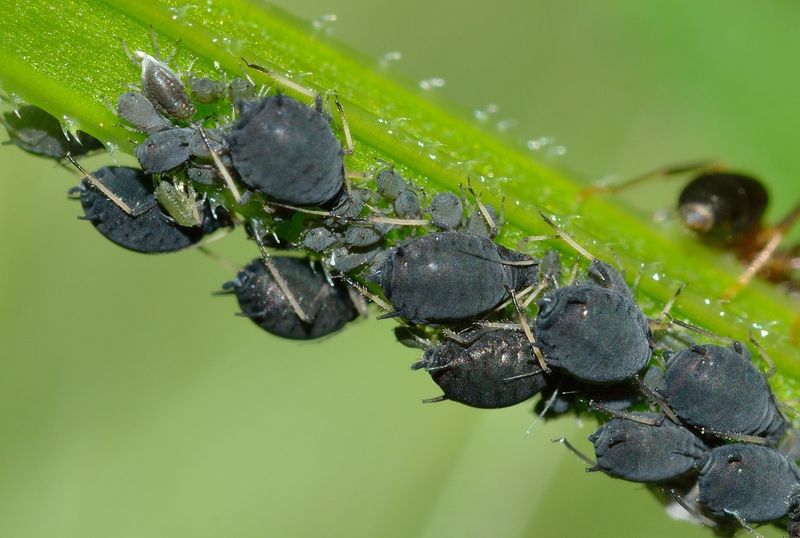
An army of tiny troublemakers can sap the energy your clematis needs for flowers. Aphids and spider mites drain the plant, while powdery mildew and the dreaded clematis wilt can wreak real havoc.
Clematis wilt is the notorious one, causing stems to collapse suddenly, often right before they were about to bloom. When the plant is fighting an infection or infestation, it diverts resources away from making buds.
Check the undersides of leaves and the stems regularly so you can act early. Prompt treatment and cutting back affected growth may help the plant bounce back and try again for flowers.
11. Environmental Stress (Wind, Frost, Heat)
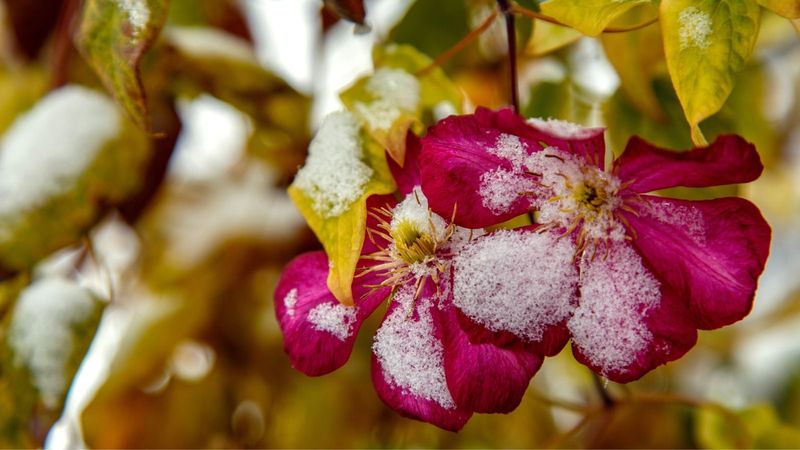
Rough weather can knock the flowers right off your plans. Battering wind, scorching afternoon heat, or a surprise late frost can all damage tender buds before they ever open.
A vine that is constantly whipped by gusts or fried by sun stress tends to hold back its blooms to protect itself. Late spring frosts are especially cruel, nipping the developing buds just as they form.
You can help by setting up a simple windbreak, offering temporary afternoon shade during a heat wave, or draping a light cover over buds on frosty nights. A little shelter can be the difference between a bare vine and a blooming one.
12. Improper Planting Depth
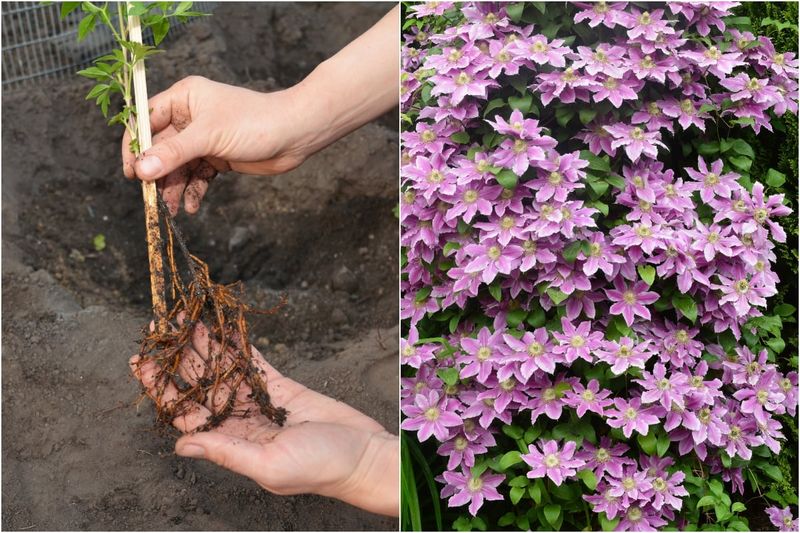
Here is a rule that surprises most gardeners: clematis actually like to be planted deep. Unlike many plants, they do best when set a few inches lower than they sat in the nursery pot, with the crown buried about three to four inches below the soil surface.
Planting that deep encourages a stronger root system and shelters dormant buds hiding underground. Those protected buds give the plant backup shoots if the top ever gets damaged.
Deeper planting can even offer some defense against clematis wilt, since new stems can emerge from below the soil. If your vine was planted too shallow, this could be the quiet reason it is all leaves and no flowers.