
If Your Petunias Watering Leaves Them Leggy And Weak, Here Are 13 Smarter Habits That Keep Them Bushy
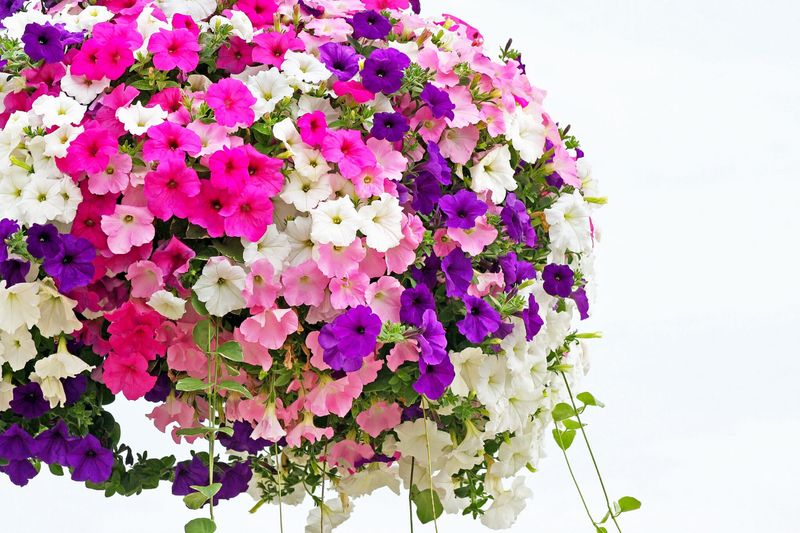
Petunias can turn from full and flowery to thin and floppy faster than you would expect, and watering mistakes are often the hidden reason. When the roots stay soggy or bone dry, the plant stretches out, drops buds, and loses its bushy shape.
The good news is that a few simple changes to how and when you water can bring your petunias back to life. Here are 13 smarter habits that keep your petunias thick, healthy, and covered in blooms.
1. Keep Soil Moisture Steady
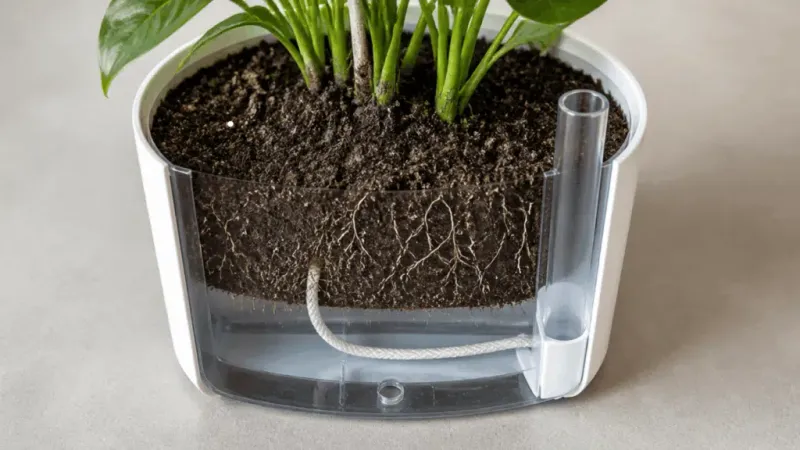
Petunias are creatures of habit, and nothing throws them off quite like a soil that swings from swamp to desert and back again. When the moisture level bounces around, the roots get stressed and the plant reacts by growing tall and thin instead of full and leafy.
Aim for soil that stays evenly damp, like a wrung-out sponge, without ever turning into mud. That steady rhythm keeps the roots calm and lets the plant put its energy into side shoots and blooms.
Once you settle into a consistent pattern, you will notice fewer wilting scares and a plant that holds its shape much better through the season.
2. Test the Soil Before You Water
Grabbing the watering can out of habit is one of the easiest ways to drown a petunia. Instead, let your finger do the talking before you pour a drop.
Push your finger down about one to two inches into the soil. If it comes out dry, it is time to water; if it still feels cool and damp, wait another day.
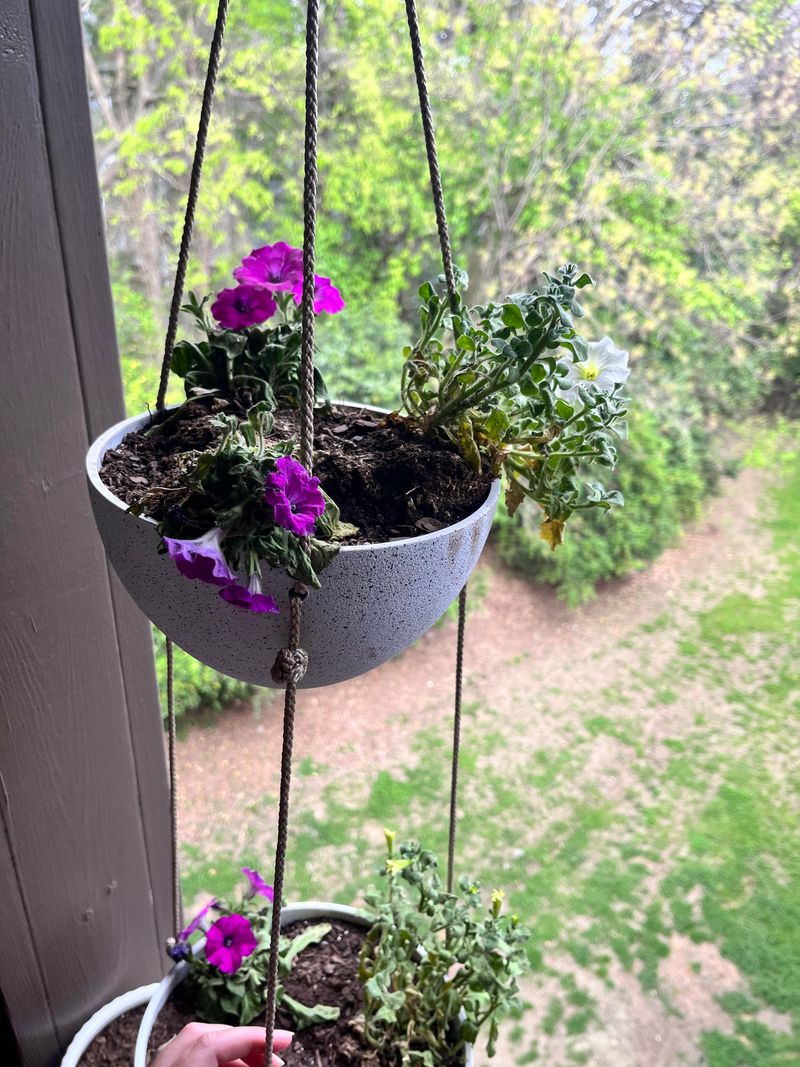
For hanging baskets, there is an even quicker trick. Lift the pot and feel its weight.
A light pot usually means thirsty roots, while a heavy one is still holding plenty of moisture underneath.
3. Water Deeply, Not Just the Surface
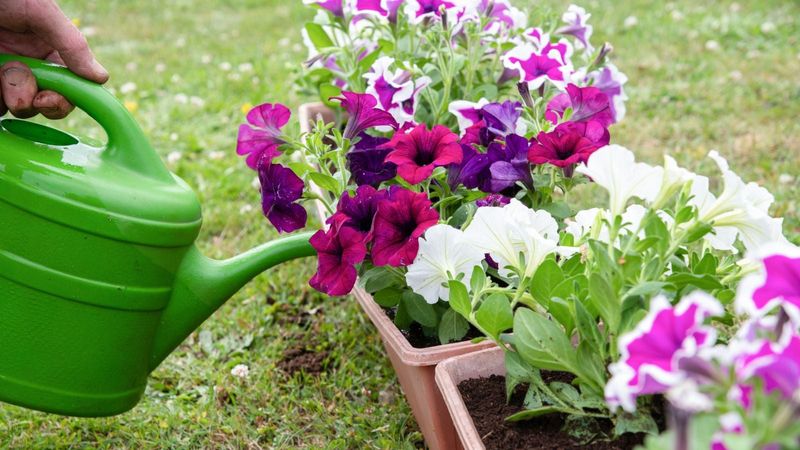
A quick splash on top of the soil feels helpful, but it actually teaches roots to stay shallow and lazy near the surface. Shallow roots dry out fast and leave the plant weak and stretchy.
When you water, keep going until you see it drain out the bottom of the container. For petunias in the ground, soak until the water reaches about four inches down.
Deep watering pulls the roots downward, giving your petunias a stronger foundation that supports a bushier, more upright plant.
4. Match Watering to the Weather
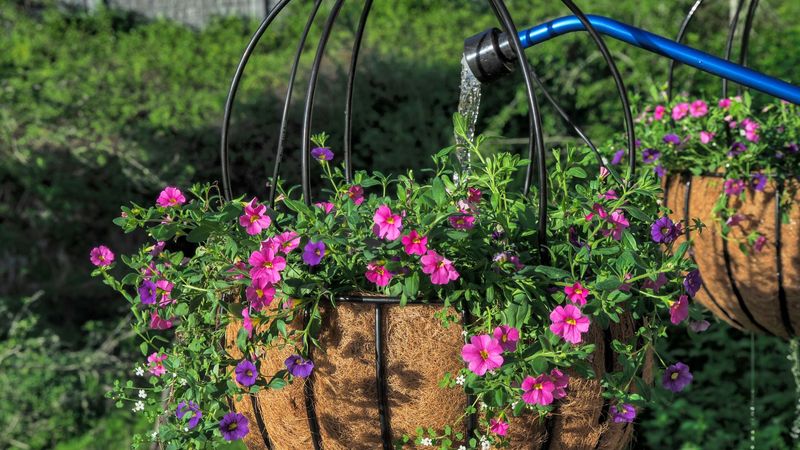
There is no magic once-a-day rule that works all season long, and following a fixed schedule is a fast track to trouble. Your petunias care about the actual conditions, not the calendar.
Pots and hanging baskets dry out quickly and may need daily watering during hot, sunny stretches. In cloudy or cool weather, every two or three days is often plenty.
In-ground petunias sip more slowly, usually needing a drink once a week or every few days during a dry spell. Let the soil, not the clock, tell you when to reach for the hose.
5. Aim Water at the Base
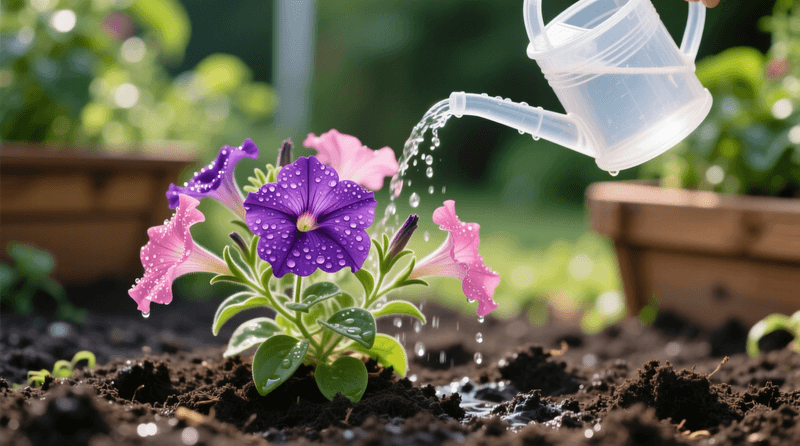
Spraying water all over the leaves might look like a good soak, but it mostly invites fungus and disease to move in. Wet foliage that sits overnight is asking for spots and rot.
Point your water right at the soil where the roots live. That way every drop goes where it is needed instead of clinging to the leaves.
A drip line or soaker hose makes this effortless, delivering slow, steady moisture straight to the base while keeping the top of the plant dry and healthy.
6. Give Roots Great Drainage
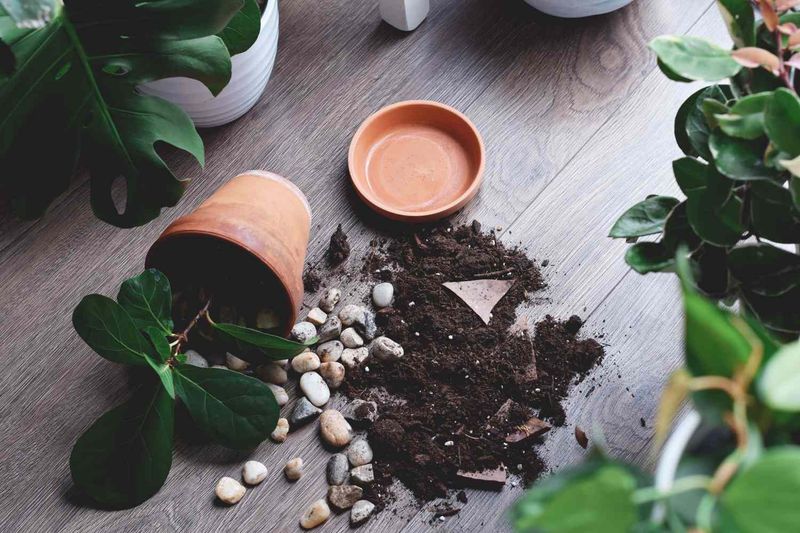
Soggy roots are the silent killers of container petunias. When water has nowhere to go, the roots sit in a puddle, suffocate, and can turn brown and mushy from rot.
Make sure every container has open drainage holes, and use a loose, well-draining potting mix. Raising pots on little feet or bricks keeps water from pooling underneath.
Good drainage protects the roots from the kind of waterlogging that leaves petunias yellowing at the base and flopping over weakly.
7. Skip the Cold Water Shock
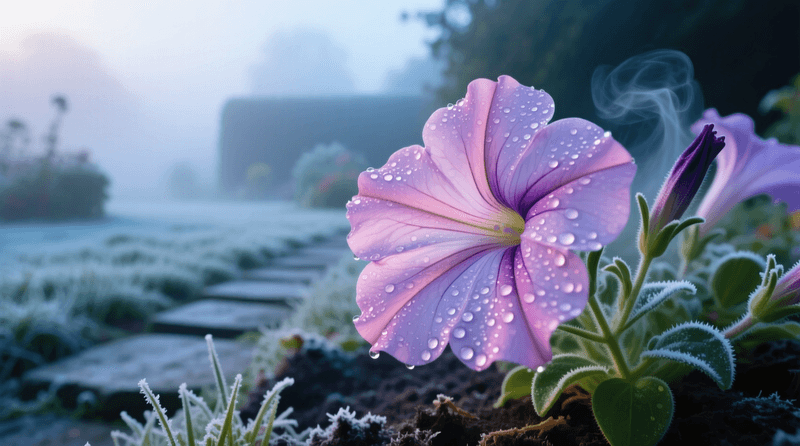
Imagine jumping into an icy pool on a hot day; that jolt is close to what cold water does to petunia roots. The sudden chill can temporarily stop the roots from taking up nutrients.
Let your water sit out and warm to room temperature before you pour it, especially if it comes straight from a cold tap or hose left in shade.
Lukewarm water keeps the roots working smoothly and helps the plant stay busy building foliage instead of recovering from a cold surprise.
8. Water in the Morning
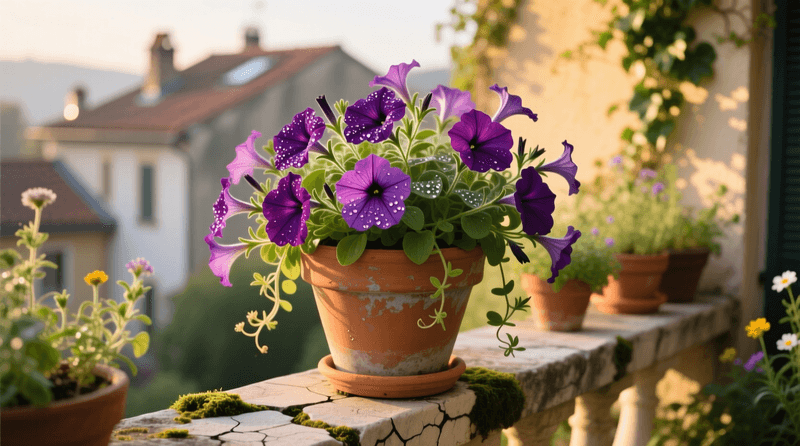
Timing your watering has a bigger payoff than most gardeners realize. Morning is the sweet spot, and here is why it works so well.
Watering early gives the plant a full day to drink and lets any stray moisture on the leaves dry off before evening. Dry foliage overnight means far less chance of fungal disease taking hold.
Fun bonus: morning-watered petunias head into the hot afternoon fully hydrated, so they are less likely to wilt and stress when the sun beats down.
9. Add a Layer of Mulch
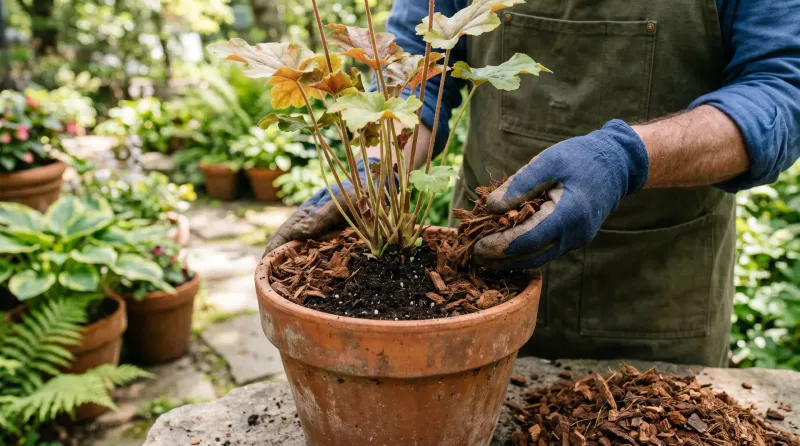
Mulch is like a cozy blanket that keeps moisture from escaping the soil. For petunias in garden beds, a layer helps the ground stay damp longer between waterings.
Even a thin sprinkle of mulch on top of container soil slows evaporation and cuts down on how often you need to water. As a bonus, it keeps weeds from crowding in.
With mulch doing part of the work, your petunias avoid those dry-out-and-drench cycles that leave them stringy and stressed.
10. Give Them Plenty of Sun
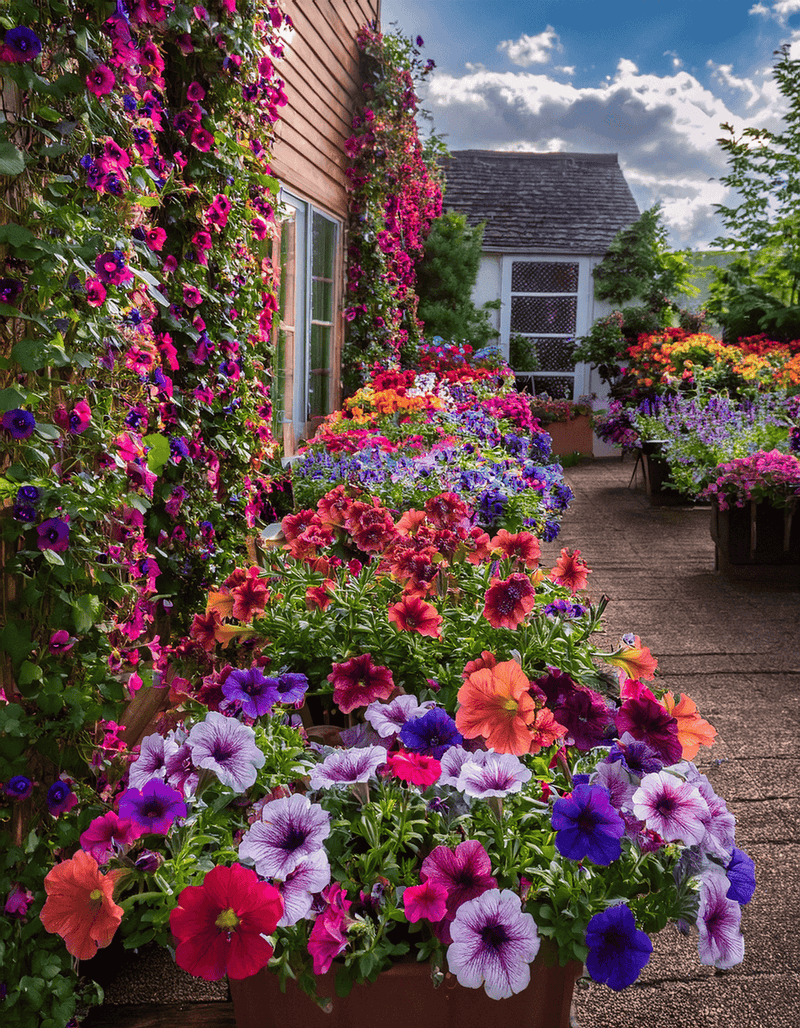
Petunias are sunshine lovers through and through, and skimping on light is a top cause of that leggy, stretched-out look. When they do not get enough sun, they reach and lean toward the nearest bright spot.
Give them at least six hours of direct sunlight each day. A full, sunny location keeps the stems short, sturdy, and packed with blooms.
If your petunias look pale and spindly, check where they are sitting. Sometimes moving a pot into a brighter spot is all it takes to bring back that bushy shape.
11. Pinch and Prune Regularly
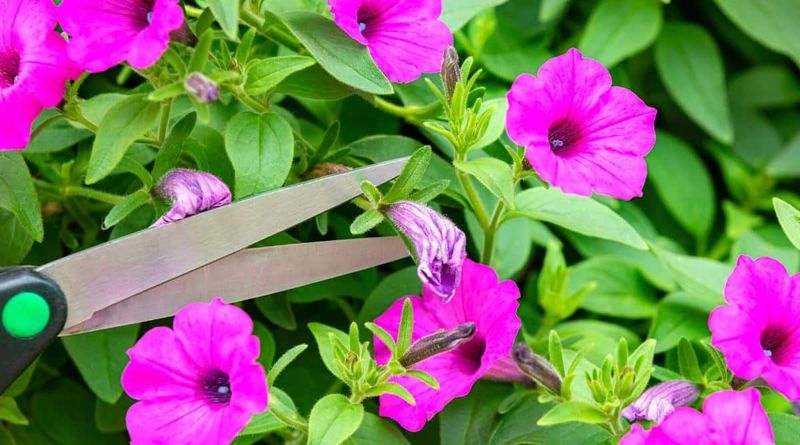
Here is a habit that feels scary but works wonders: cutting your petunias back on purpose. Left alone, they trail and grow leggy, but a little trimming flips that around.
Pinch off the growing tips to push the plant into making new side shoots. If the plant is already long and thin, prune stems back by a third to a half, or even two-thirds for the worst cases.
Starting early in the season gives the best results, but it is never too late. Within a couple of weeks you will see fresh growth filling in and a fuller, rounder plant.
12. Deadhead Spent Blooms
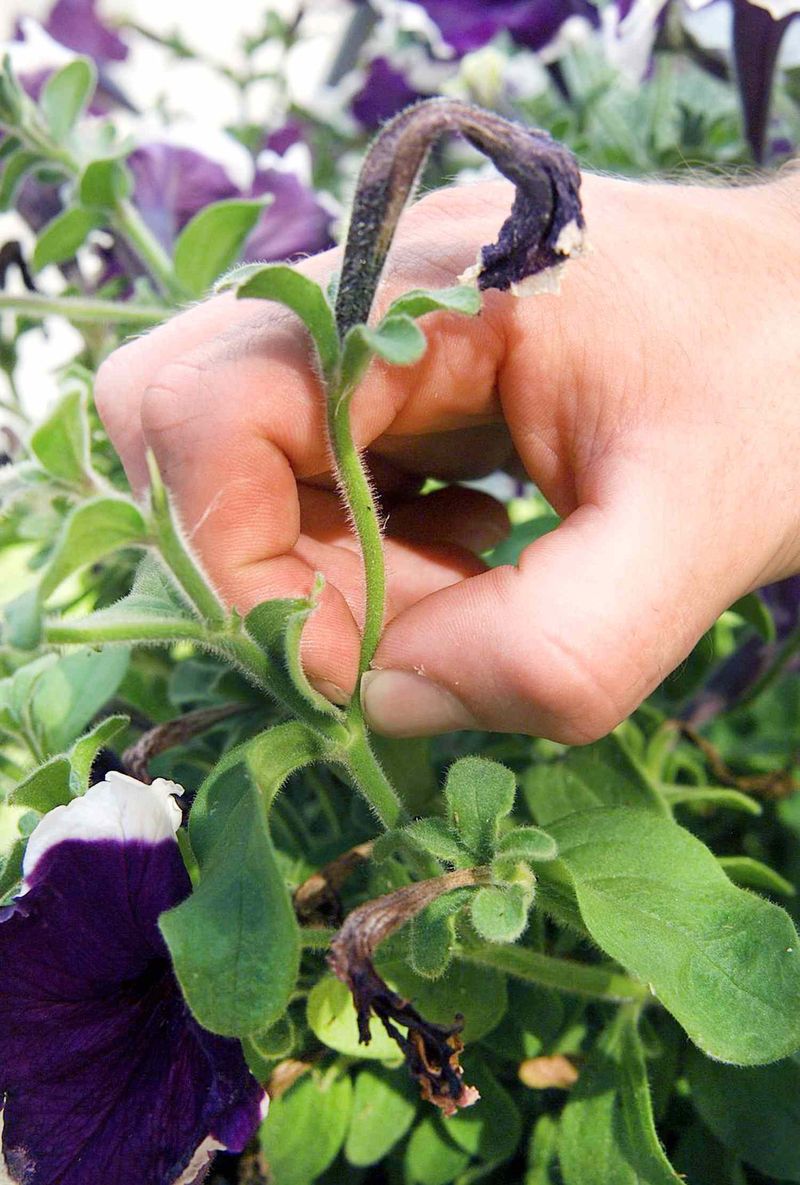
Every faded flower left on the plant is quietly stealing energy. Once a bloom fades, the petunia starts pouring resources into making seeds instead of new flowers.
Pinch or snip off those spent blooms and the little seed pods behind them regularly. That simple move redirects the plant’s energy back toward fresh flowers and leafy growth.
Deadheaded petunias reward you with wave after wave of color and a plant that stays full instead of trailing off into tired, seedy stems.
13. Feed Them, But Not Too Much
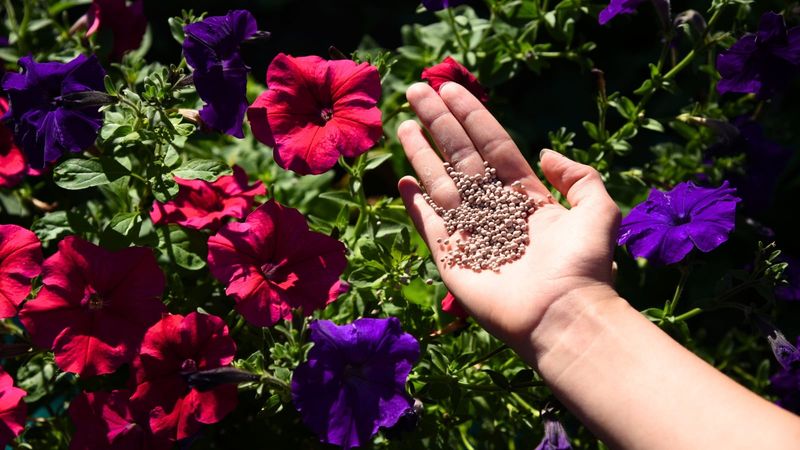
Petunias are hungry plants, especially in containers where frequent watering washes nutrients right out of the soil. Without regular feeding, they run low on fuel and start to fade.
A balanced liquid fertilizer applied every few weeks during the growing season keeps them strong and blooming. Follow the label so you do not overdo it.
One word of caution: too much nitrogen backfires. It can push out floppy leaves at the expense of flowers and actually make the plant leggier, so aim for balance rather than a heavy hand.