
If Your Potting Soil Grows White Crust Or Mushrooms, Here Are 5 Warning Signs Your Pots Give Before The Plant Struggles
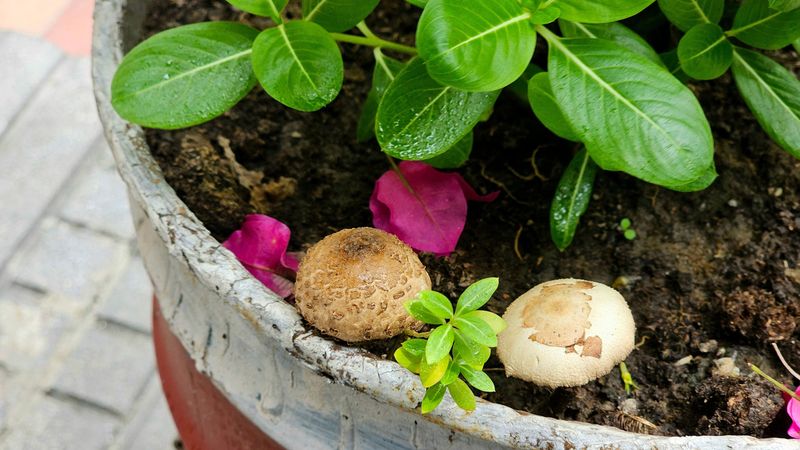
Ever spotted a chalky white layer or tiny mushrooms popping up in your flower pots? Those odd sights aren’t just weird, they’re your pot’s way of waving a little red flag.
Before your favorite hydrangea, tomato, or geranium starts wilting or refusing to bloom, the soil usually gives you clues. Here are five warning signs to watch for and the easy fixes that keep your potted plants happy.
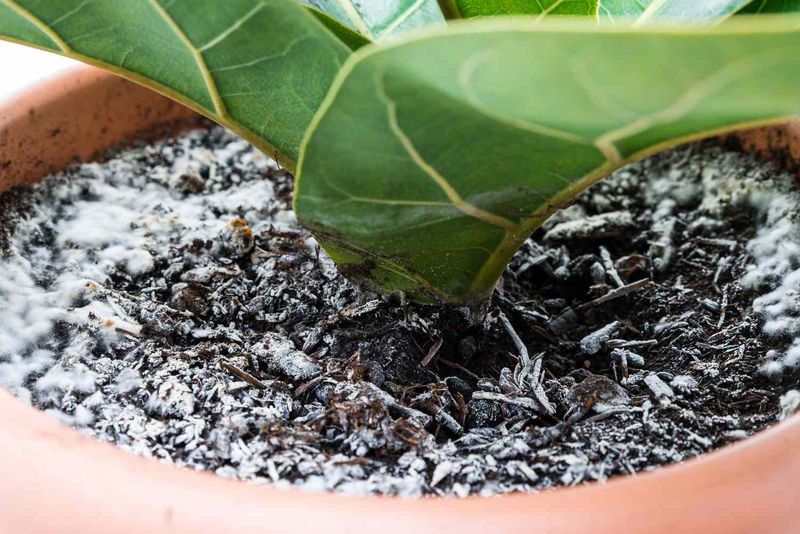
1. White Crust on the Soil Surface Means Salt Is Building Up
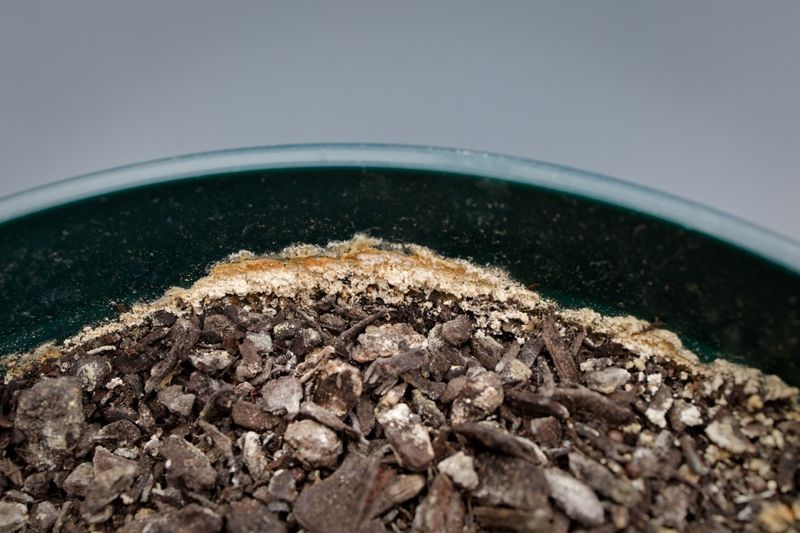
That flaky white layer sitting on top of your soil isn’t mold, it’s leftover mineral salts. Every time water evaporates, it leaves those dissolved minerals from hard water or fertilizer behind.
A little on the outside of the pot is no big deal, but a thick crust in the soil is a warning worth catching early.
Here’s the trouble: too much salt makes it harder for roots to pull in water, which can stunt growth and even scorch tender root tips. Your geranium or tomato might look thirsty even right after you water it.
The fix is simple. Gently scrape the crust off the surface, then leach the soil every few months by flushing it slowly with water about twice the volume of the pot.
Let it drain fully and dump the saucer so those salts don’t sneak back in.
2. Mushrooms Popping Up Signal Constantly Damp Soil
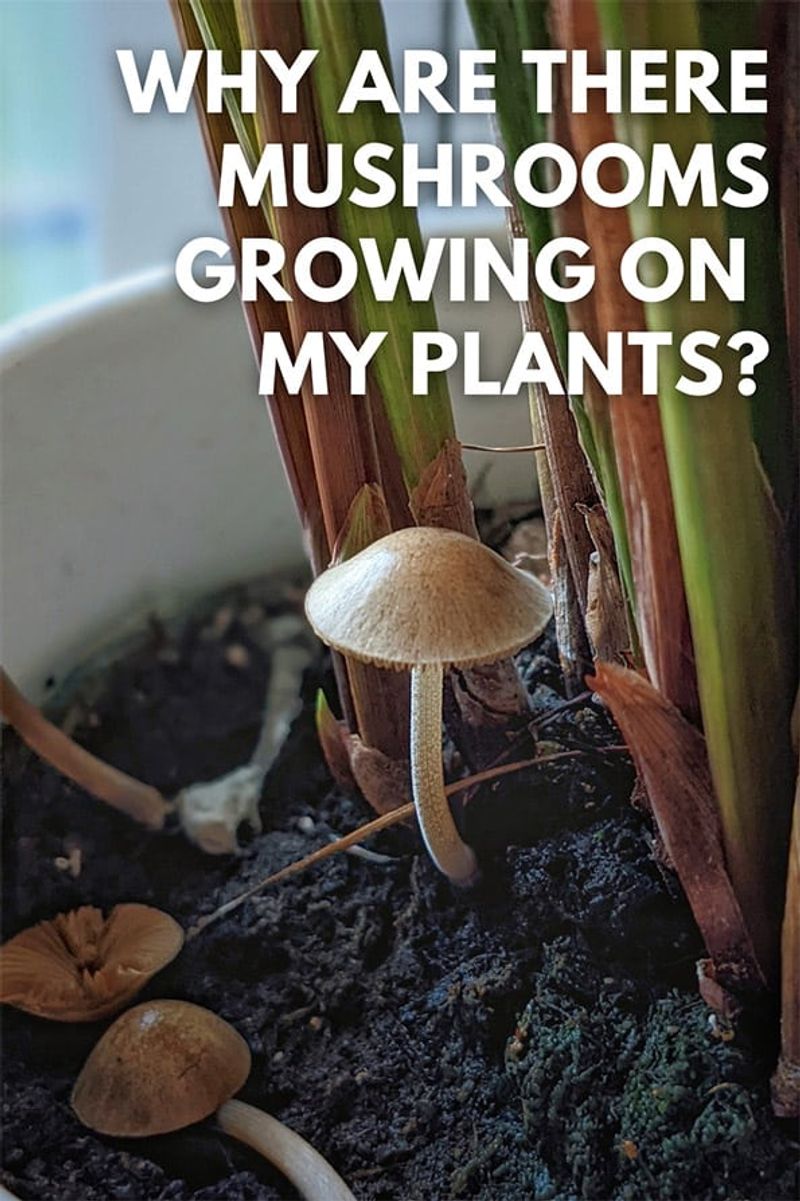
Finding tiny mushrooms in your pot can feel alarming, but most of them are harmless little recyclers feeding on the wood chips and peat in your mix. They’re not eating your plant.
What they really tell you is that the soil has stayed moist, warm, and humid for a long stretch.
And that’s the real concern. The same soggy conditions mushrooms love are also perfect for root rot, the sneaky problem that can quietly kill a plant from below.
Pluck out the caps and toss them, especially if kids or pets are around, since some can be toxic if nibbled. Then let the top inch or two of soil dry out completely before your next watering.
A light dusting of cinnamon on the surface acts as a gentle natural fungicide too.
3. Brown, Crispy Leaf Tips and Edges
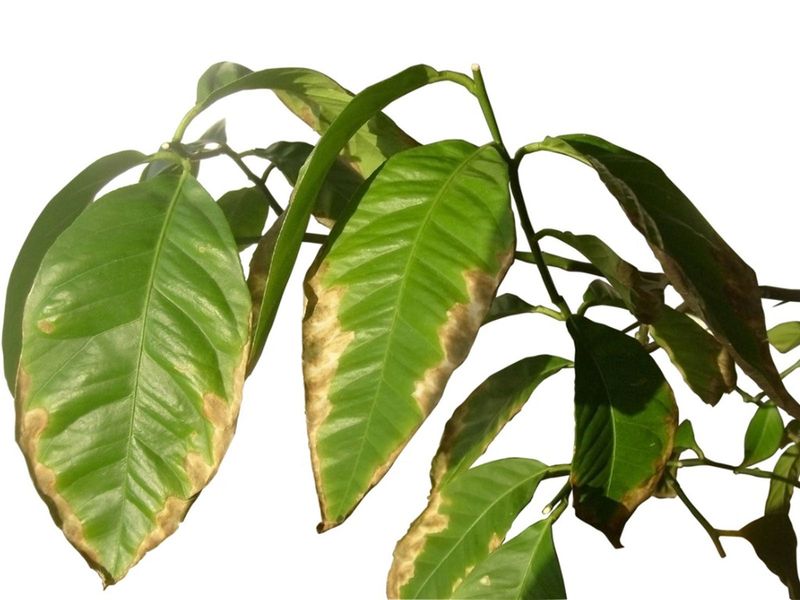
Run your fingers along a leaf and feel crunchy brown edges? That’s often your plant reacting to the very salt buildup that makes crust on the soil.
When roots can’t take up water properly, the tips and margins dry out and turn crispy first.
It’s easy to mistake this for underwatering and then pour on even more water, which only concentrates the salts further. Petunias and tomatoes are especially quick to show this stress.
Switch to watering deeply and less often, letting the top layer dry slightly between drinks. If you can, use rainwater, filtered water, or tap water that’s been boiled and cooled, since those carry far fewer minerals to leave behind.
4. Slow Growth and Poor Flowering
Sometimes a plant doesn’t wilt or brown, it just… sits there. Weeks pass and your clematis or hydrangea barely grows and refuses to flower the way it used to.
That quiet stall is a warning sign too.
When salts throw off the soil’s pH, plants struggle to grab the nutrients they need, even when you’re feeding them. So more fertilizer often backfires and adds to the crust problem.
Ease up and fertilize only during active growing seasons, using a diluted dose at one-fourth to one-half the label rate. Pair that with a good soil flush, and you’ll often see fresh growth and blooms return within a few weeks.
5. Water That Pools Instead of Draining
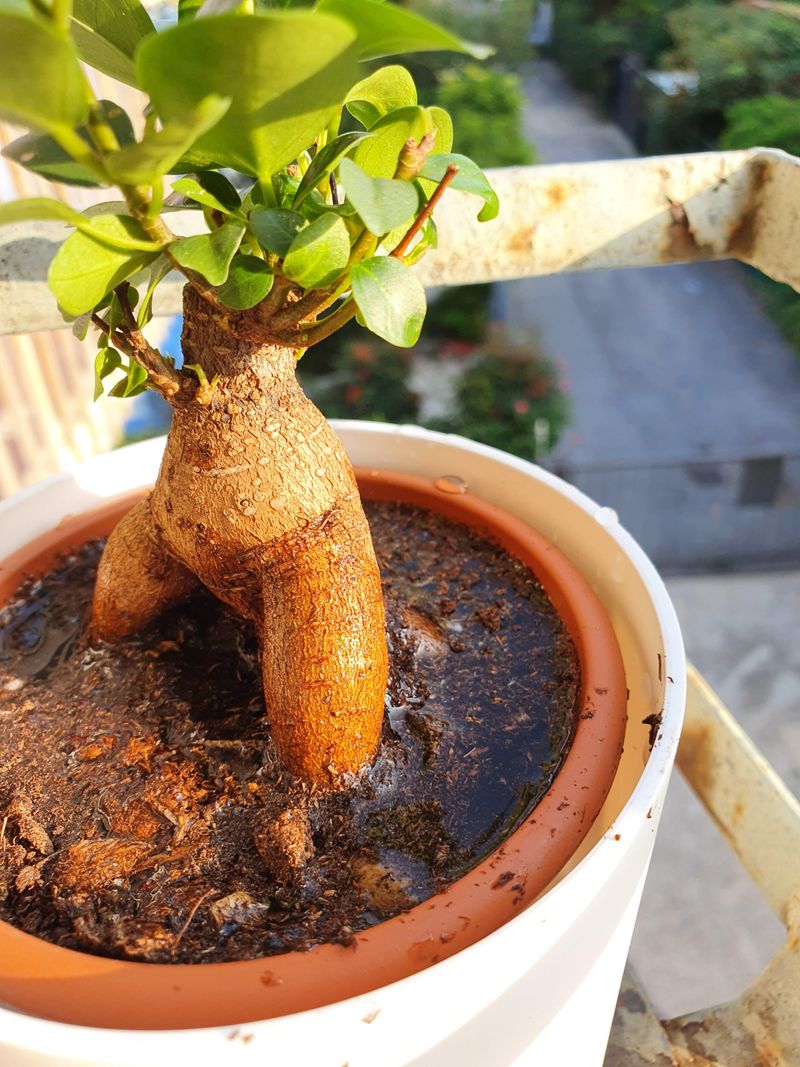
Pour water in and watch it just sit on top like a little puddle? Poor drainage might be the single most telling sign of all, because it feeds both the crust and the mushrooms.
Compacted soil and dense fungal mats can block water and nutrients from ever reaching the roots.
Left alone, that trapped moisture invites root rot and slowly starves your plant even though the pot looks full of water.
Check that your pots have open drainage holes and empty saucers after every watering. If water keeps pooling, loosen the surface to aerate it, or repot with fresh, chunky mix.
Moving the plant somewhere with more light and airflow helps the soil dry between waterings and keeps trouble away.
Catch these five signals early and your hydrangeas, tomatoes, petunias, clematis, and geraniums will thank you with steady growth and better blooms.