
If Your Tomatoes Grow Tall And Leafy But Won’t Set Fruit, Here Are 13 Fixes To Turn It Around
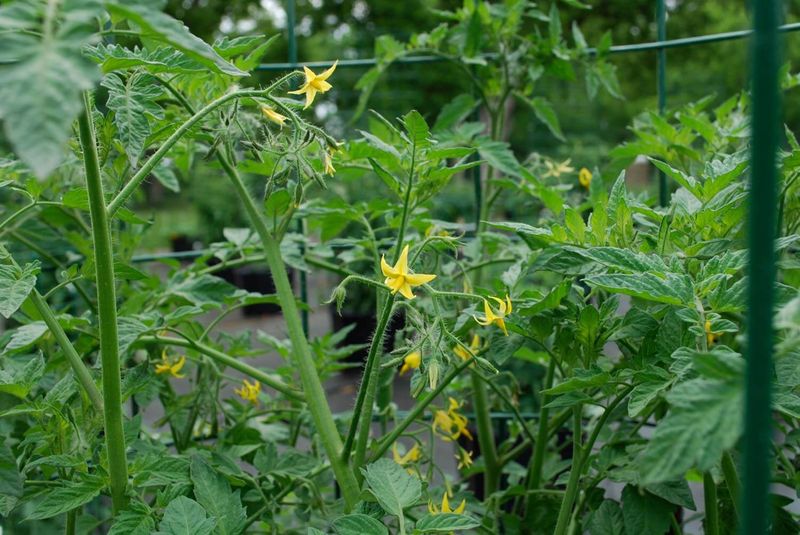
You planted tomatoes hoping for baskets of ripe fruit, but all you got is a jungle of leaves and no tomatoes in sight. It feels backwards, right?
The good news is that leafy-but-fruitless tomato plants usually have a simple cause you can fix fast. Below are 13 practical changes to help your plants stop showing off and start producing.
1. Adjust Fertilizer for Nutrient Balance
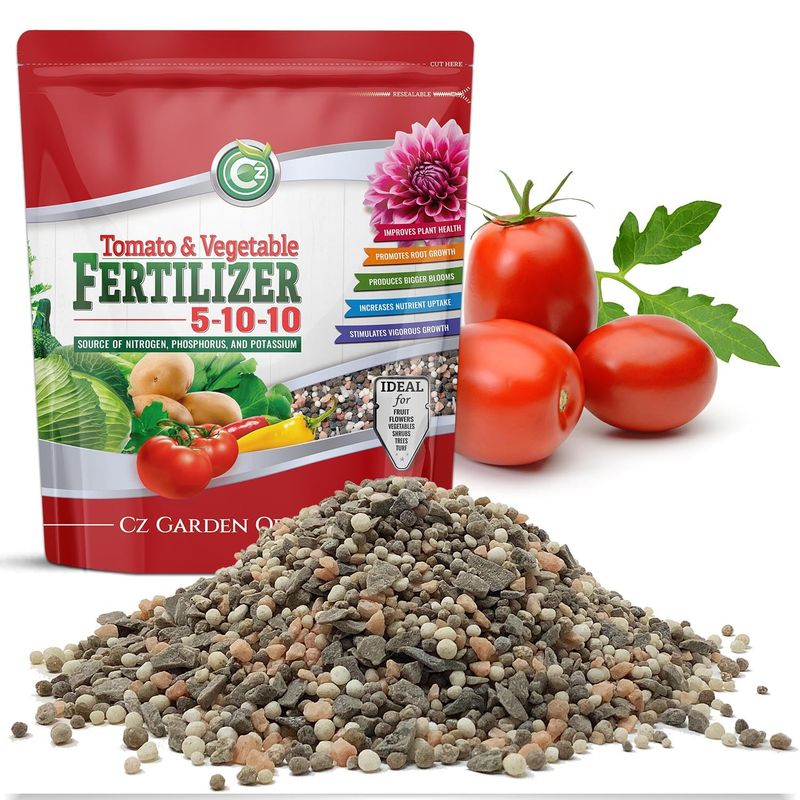
Here is a sneaky culprit most gardeners miss: too much nitrogen. When you feed your plants a nitrogen-heavy fertilizer, they respond by pumping out lush green leaves and skipping the flowers you actually want.
The fix is to stop the high-nitrogen stuff completely. Switch to a balanced blend, or better yet, one that is higher in phosphorus and potassium and labeled for tomatoes or vegetables.
Those nutrients push the plant toward flowering and fruiting.
One more thing to watch: dumping fresh manure or super-rich compost around your plants mid-season can pile on even more nitrogen. If your plant is already leafy and green, hold off and let it rebalance.
2. Provide Adequate Sunlight
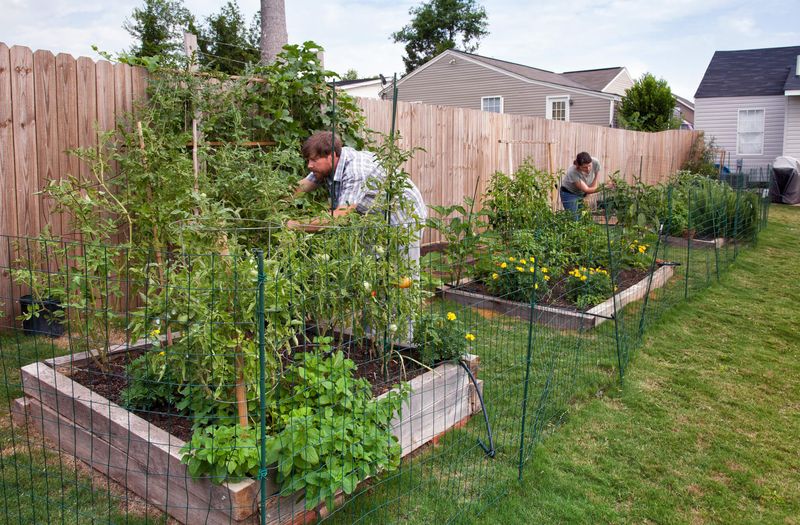
Tomatoes are basically little sun worshippers. They crave at least 6 to 8 hours of direct sunlight every day, and anything less leaves them too tired to make flowers or fruit.
Take a walk around your garden and notice where shadows fall throughout the day. If a fence, tree, or nearby plant is stealing light from your tomatoes, trim it back or move potted plants to a brighter spot.
Growing indoors or in a spot that just does not get enough sun? A simple grow light can fill the gap and give your plants the energy they need to fruit.
3. Manage High Temperatures
Blistering summer heat can shut down fruit set even on a healthy plant. Once daytime temperatures push past 85 to 90 degrees and nights stay above 70 to 75, tomato pollen turns sticky or simply stops working, and the blossoms drop off.
During a heat wave, keep watering steady so your plants are not fighting drought and heat at the same time. A layer of mulch around the base keeps the roots noticeably cooler.
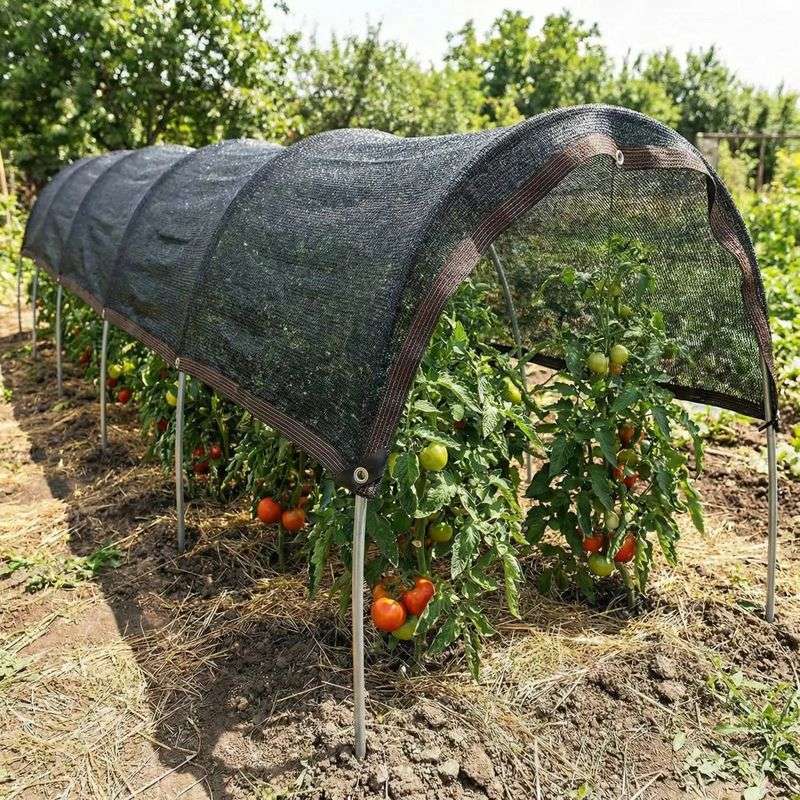
If you live somewhere brutally hot, drape a shade cloth over the plants in the afternoon. That little bit of relief during the worst hours can be the difference between empty vines and a real harvest.
4. Protect from Cold Temperatures
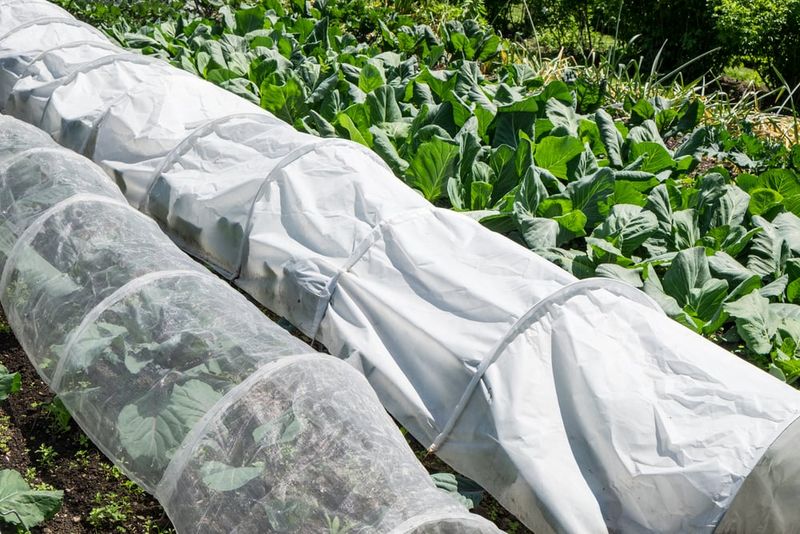
Cold weather is just as hard on tomatoes as extreme heat. When temperatures dip below 50 to 55 degrees, especially at night, pollen stops working properly and flowers fall without setting fruit.
A big mistake is rushing tomatoes into the ground before the soil has warmed up in spring. Patience here really pays off.
If a surprise cold snap rolls in, cover your plants overnight with frost cloth or water-filled teepees, and tuck mulch around the roots to hold in warmth. Once the chill passes, your plants can get back to business.
5. Ensure Proper Pollination
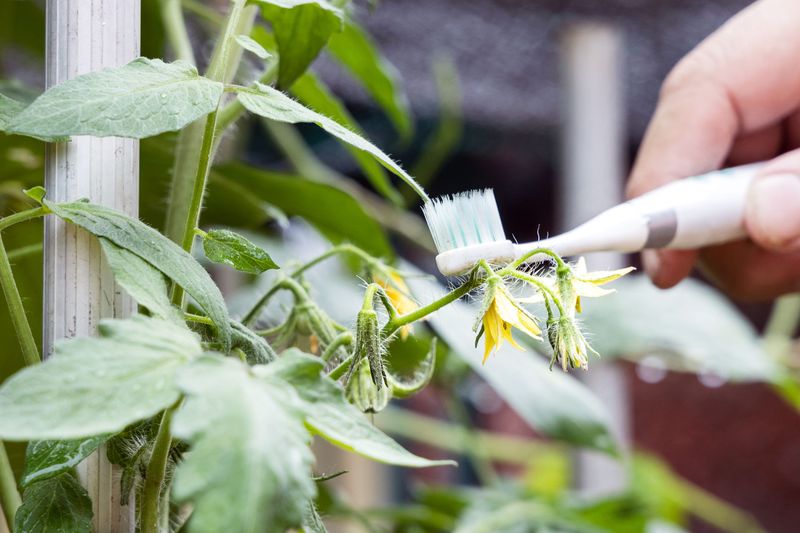
Tomatoes are self-pollinating, which sounds handy until you realize the pollen still needs a nudge to move around inside the flower. Outdoors, wind and buzzing bees usually handle it, but in still air the pollen just sits there.
If you spot plenty of flowers and no fruit, give the plant a gentle daily shake or tap the flower clusters with your finger. It sounds silly, but that little vibration knocks the pollen loose right where it needs to go.
Want backup? Plant a few pollinator-friendly flowers nearby to invite bees over.
More visitors mean better pollination and fuller vines.
6. Regulate Humidity Levels
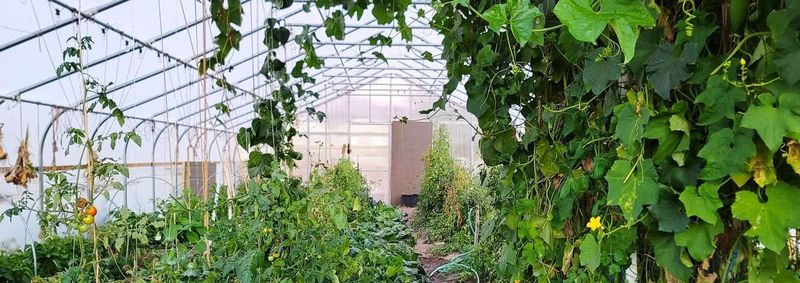
Humidity is a quiet troublemaker when it comes to fruit set. Too much moisture in the air makes pollen clump up and refuse to release, while air that is too dry dries the pollen out so it cannot stick where it needs to.
The sweet spot sits somewhere between 40 and 70 percent relative humidity. Inside that range, pollen behaves and pollination goes smoothly.
In a greenhouse or a very humid climate, improving airflow helps. In bone-dry conditions, a little extra watering nearby can bump up the moisture just enough to get things working again.
7. Maintain Consistent Watering
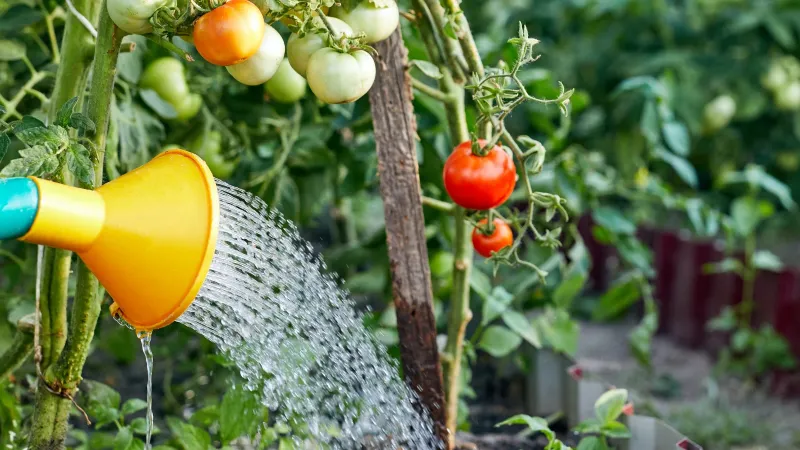
Wildly inconsistent watering stresses tomatoes fast, and stressed plants tend to drop their blossoms instead of turning them into fruit. Both drowning and drought cause trouble.
Aim for deep, regular watering, roughly an inch per week, and adjust when the weather turns hot or rainy. Before you water, poke a finger an inch or two into the soil.
If it still feels damp, wait a bit.
Mulch is your friend here too. It keeps soil moisture steady so your plants are not swinging between soggy and parched.
8. Provide Adequate Space and Airflow
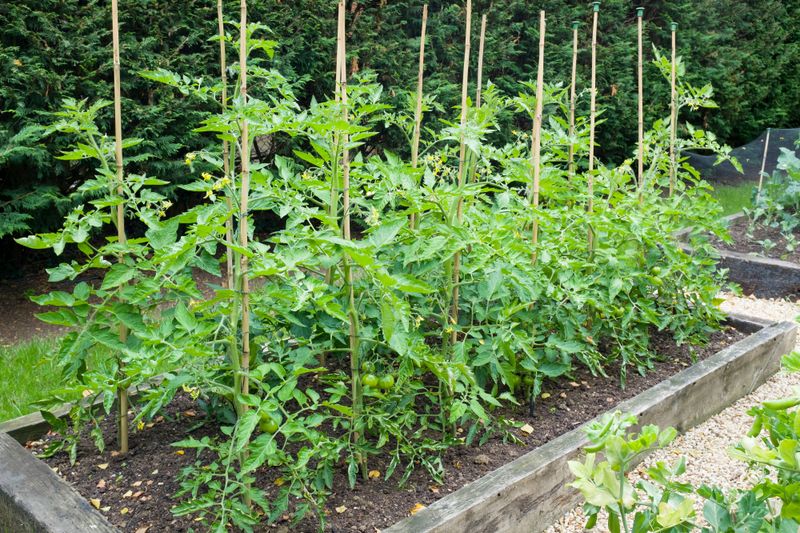
Crammed-together tomato plants might look impressively full, but crowding chokes off the air circulation they need. Without a good breeze moving through, flower formation slows and pollen has a harder time traveling.
Give each plant elbow room when you plant, and resist the urge to squeeze in one more. Proper spacing lets air flow freely between them.
Bonus: that same airflow helps prevent fungal diseases that love damp, stagnant conditions. So spacing your plants out protects fruit and health at the same time.
9. Prune for Productivity
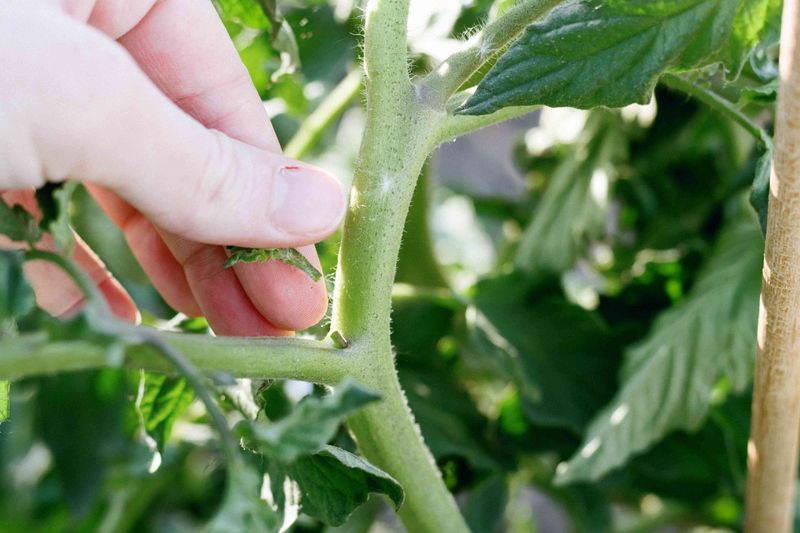
Ever notice those little shoots sprouting in the crooks where a branch meets the main stem? Those are called suckers, and on indeterminate tomato varieties they can quietly steal energy from fruit production.
When your plant pours effort into growing extra foliage, there is less left over for making tomatoes. Too many leaves also block sunlight and airflow from reaching the flowers.
Pinch or snip out the suckers as you spot them. This one small habit redirects the plant’s energy toward the fruit you actually want to harvest.
10. Give Plants Time to Mature
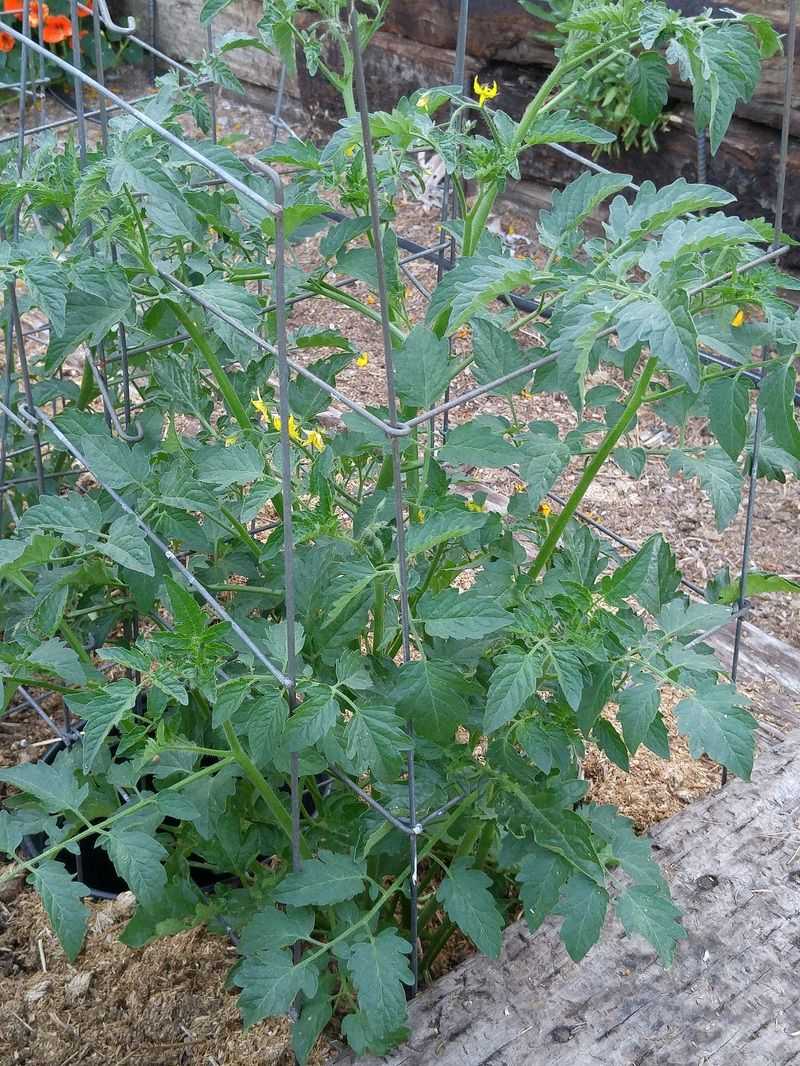
Sometimes the problem is not a problem at all, just a case of impatience. Young transplants often need a stretch of time to build a strong root system before they shift from growing leaves to making fruit.
Plants move through a vegetative stage first, then flip into the reproductive stage where flowers and fruit show up. A plant that is still settling in simply has not reached that switch yet.
If everything else looks healthy and your plant is on the younger side, give it a little more time. Nature often just needs a few more warm days to catch up.
11. Choose Climate-Appropriate Varieties
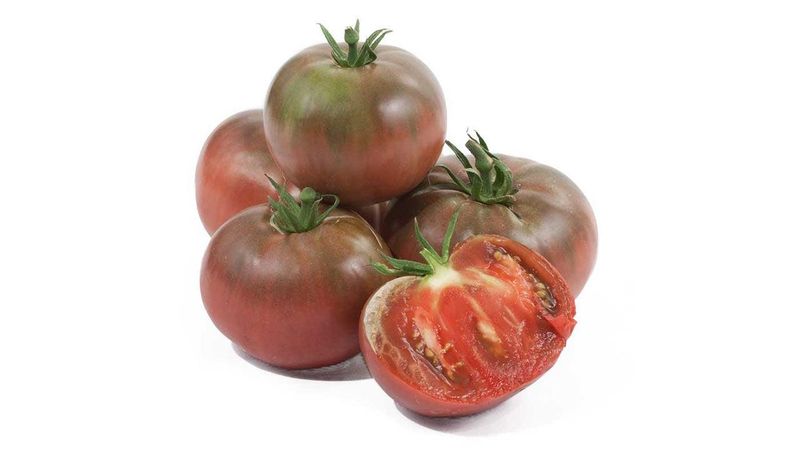
Not every tomato is built for your backyard. Different varieties are bred for different conditions, and choosing the wrong one for your climate can doom fruit set before you even start.
If scorching summers keep wrecking your harvest, look for heat-tolerant types like Buffalosun or Cherokee Purple that shrug off the warmth. Gardeners in cooler regions with short seasons should reach for hardier, quicker-maturing varieties instead.
Matching the plant to your local weather takes a lot of guesswork out of the equation. It is one of the easiest wins for a struggling grower.
12. Address Soil Compaction
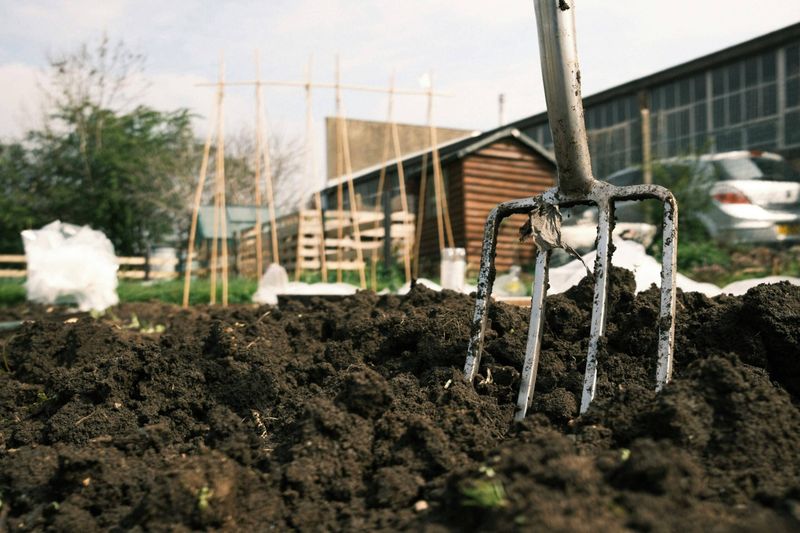
Hard, packed-down soil is like a locked door for tomato roots. When roots cannot spread out easily, they struggle to pull up water and nutrients, and that stress shows up as poor fruit set.
Loose, well-draining soil full of organic matter gives roots room to grow strong and deep. Working in compost before planting makes a big difference.
If your bed feels dense or drains slowly, gently loosen it and mix in organic material. Healthy roots below the surface lead to more tomatoes up top.
13. Monitor for Pests and Diseases
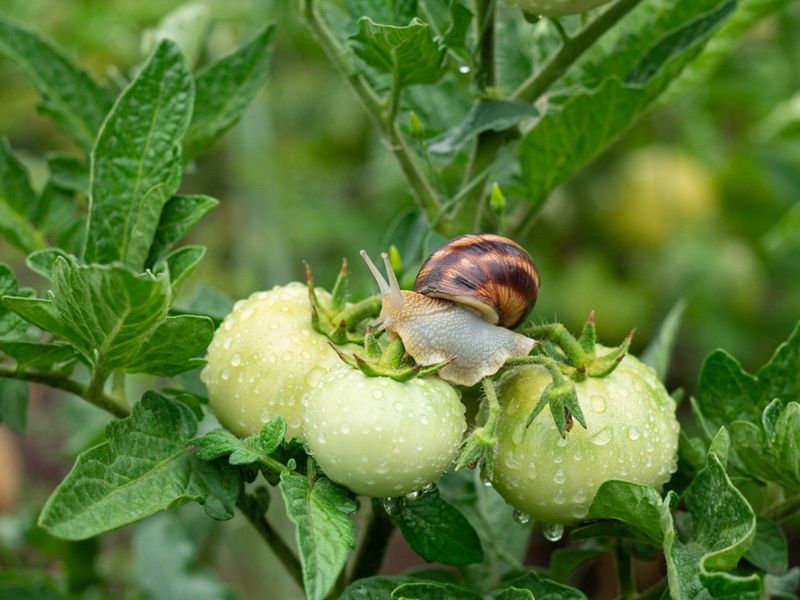
Pests and diseases may not be the direct reason your plant is all leaf and no fruit, but they drain its strength in a big way. A plant busy fighting off aphids or fungus has little energy left to produce tomatoes.
Get in the habit of checking your plants regularly. Flip over leaves, look at the stems, and watch for spots, chewed edges, or tiny crawlers.
Catching trouble early and dealing with it promptly keeps your plant vigorous. A strong, healthy tomato is far more likely to reward you with fruit.