
Mâche in North Carolina: A Possible January Salad From Established Fall Plants
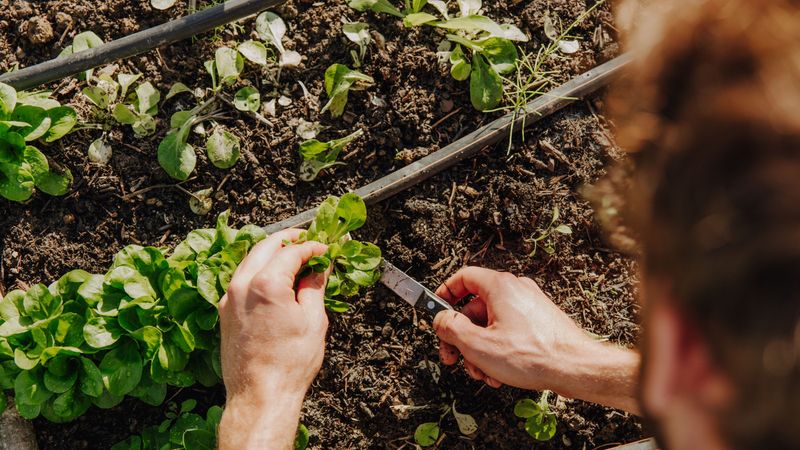
Picture stepping into the backyard in the dead of winter with a pair of scissors and coming back with salad leaves. A small, tender green called mâche may make that possible for some North Carolina gardeners.
It is a mild, low-growing plant that can overwinter when it gets a good start in the fall. Whether you pick leaves in January depends on where you live and how the winter behaves, so here is how to stack the odds in your favor.
Meet mâche, the low rosette behind the winter salad
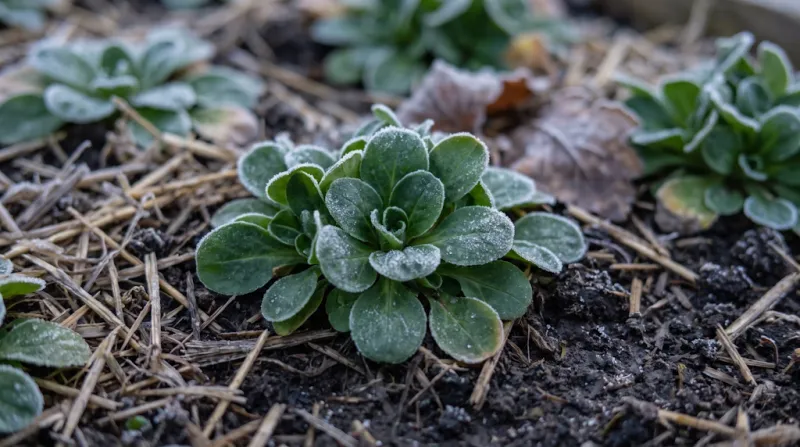
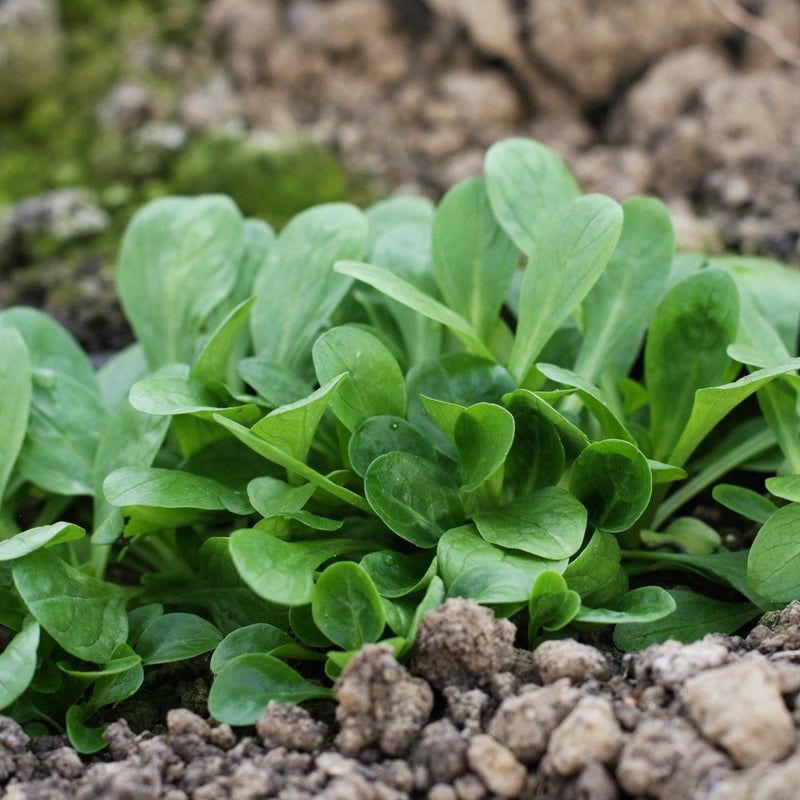
Tuck a handful of mâche into a bowl and you will notice how soft and spoon-shaped the leaves are. Mâche (Valerianella locusta) is also called corn salad or lamb’s lettuce, and it grows as a small, low rosette that hugs the soil.
The flavor is mild and slightly nutty, which makes it an easy match for simple salads.
Gardeners tend to like it because it is gentle rather than sharp or bitter. Utah State Extension’s guide to lamb’s lettuce describes it as a cool-season green native to southern Europe, so it is not a North Carolina native.
That origin matters for how you think about it in the yard. It is a kitchen-garden crop, not a stand-in for native plants that feed local wildlife.
One more habit is worth knowing. According to a UC Master Gardener page on mâche, the plant can self-sow readily.
If you do not want volunteers popping up next year, pull flowering plants before the seed scatters. Self-sowing is not the same thing as invasiveness, and nothing here says mâche is invasive in North Carolina.
This article is about a possible winter harvest, not a guaranteed one. Plants that get established in fall may give you leaves in January, but cold snaps, local conditions, and your region all play a part.
The next sections walk through timing, protection, picking, and washing so you can decide how to try it in your own patch.
January picking depends on fall establishment and local winter conditions
Here is the honest picture: leaves in January come from plants that were already up and growing before winter arrived. Once the coldest weeks set in, growth slows a lot, so a harvest is a bonus from fall effort rather than a steady supply.
Some winters are kind to small greens, and others are not.
NC State’s Extension Gardener Handbook chapter on vegetable gardening treats winter greens as conditional. Success depends on local conditions and on protection, and the planting windows differ across the mountains, Piedmont, and Coastal Plain.
A date that works on the coast may be too late for a mountain yard.
That is why a one-size schedule does not work. A gardener in Asheville is watching for frost much earlier than one near Wilmington, and a Raleigh yard falls somewhere between.
Your own frost dates and the microclimate of your yard, such as a sunny south wall or a low frosty corner, will matter more than any statewide rule.
You may also run across cold-hardiness numbers from other states. Treat them as context, not promises.
Mâche is described as winter-hardy, but hardy does not mean unharmed, and an estimate from Utah or Oregon is not a guarantee for a North Carolina bed.
Protection can tip the odds. NC State’s season extender guidance explains that tools like cold frames can stretch winter production, with results tied to how severe the winter turns out to be.
Sow during cool weather and leave time for plants to establish
Mâche likes cool soil, so fall is your sowing season. The most specific numbers come from Utah, so treat them as one source’s advice rather than a North Carolina calendar.
Utah State Extension suggests direct seeding about a quarter inch deep when soil is roughly 41 to 68 degrees Fahrenheit, and it says seeds may go dormant above 70.
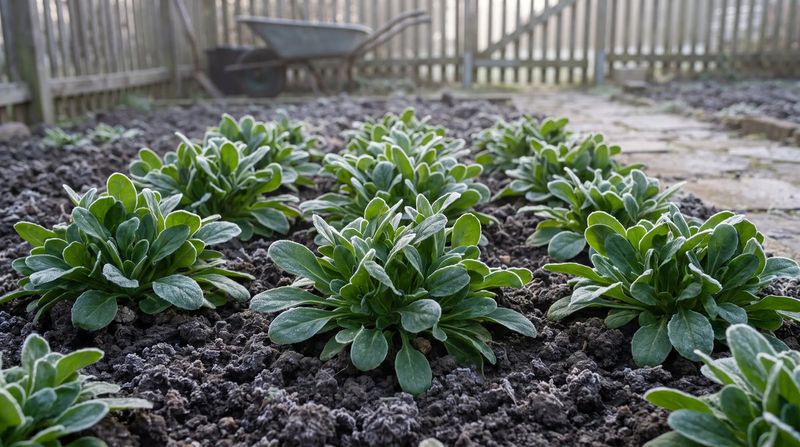
Pick a spot with fertile, well-drained soil. After seedlings come up, thin them to about 3 to 4 inches apart so each rosette has room to fill out.
Crowded plants stay tiny, and you want sturdy ones going into winter.
For timing in North Carolina, a broader reference helps. NC State’s vegetable gardening chapter places short-season leafy greens around September 1 in the Piedmont.
Fall dates run about 10 to 20 days earlier in western North Carolina and 7 to 14 days later in the Coastal Plain. Those dates are for leafy greens in general, not a mâche-specific schedule.
Use them as a starting point, then adjust. In the mountains, you may be sowing in late August, while a coastal gardener might wait until warm September soil cools down.
If summer heat lingers, shade the seedbed or wait a week, since warm soil can keep seeds from sprouting.
A simple habit helps: check soil with a thermometer, keep the seedbed evenly moist, and watch your local frost forecast. The goal is small but established plants before the deep cold, not rushed growth.
Use mulch or cover to help established plants through winter
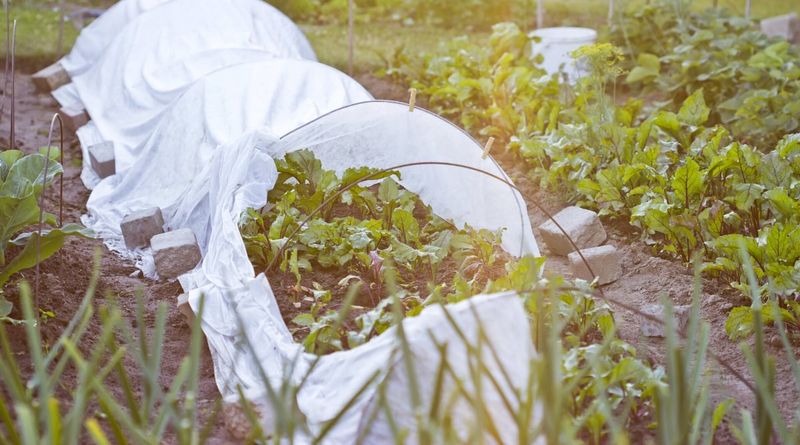
Once your plants have grown a few true leaves, think about blanketing them. Utah State Extension recommends heavy mulch for plants with four to five true leaves.
Straw or shredded leaves tucked around the rosettes (without burying the centers) can soften the swings in soil temperature.
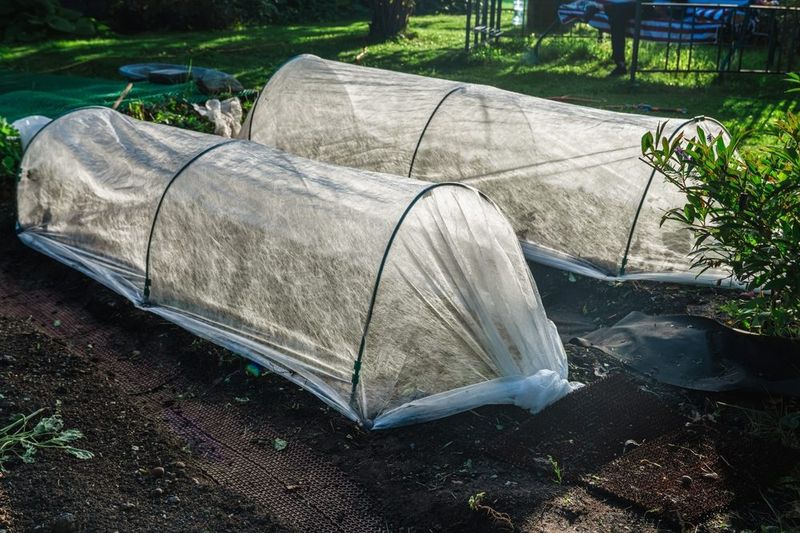
The same source says a row cover can protect against light frost. A lightweight fabric draped over hoops or simply laid over the bed gives a few degrees of shelter on a frosty night.
Anchor the edges so wind does not carry it off.
If you want more protection, a cold frame is another route. NC State’s season extender appendix describes cold frames as a way to extend winter production, with results depending on winter severity and how well the structure is managed.
On sunny days, vent the lid so plants do not overheat.
Watch for clues as winter goes on. Leaves that look flat, gray, or mushy after a hard night may be injured, while firm, dark green rosettes are likely doing fine.
Slowed growth in January is normal, so harvest lightly.
No cover is a guarantee. A mild Coastal Plain winter and a harsh mountain one will treat the same row very differently, so think of protection as improving your chances, not securing a January salad.
There is also no single temperature at which mâche is safe, so keep an eye on your own yard.
Pick leaves gently and wash them before serving
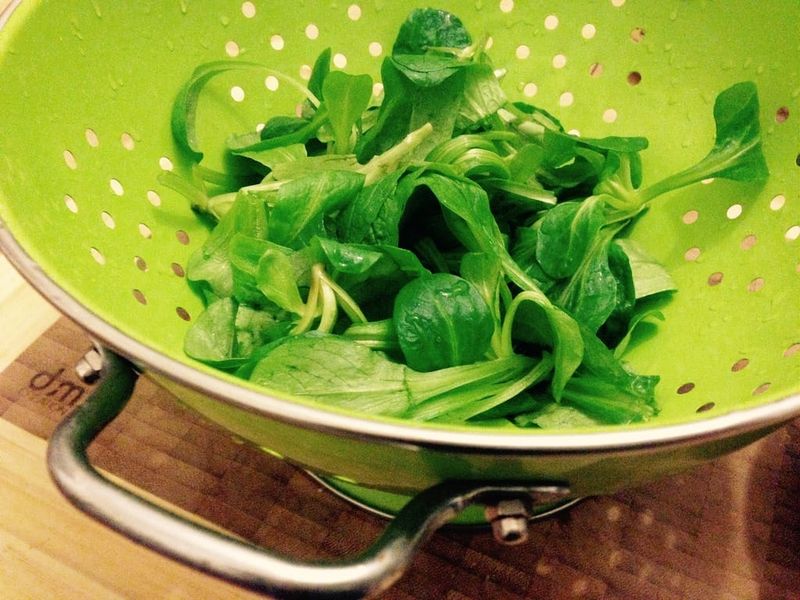
Bring scissors outside rather than yanking plants up. You can snip individual outer leaves and leave the center growing, or cut a whole rosette when it is time to clear the space.
Utah State Extension says harvest can begin while plants are still small.
That advice describes the plant in general, not a promise for a cold January. In midwinter, regrowth can be slow, so take only a few leaves at a time.
Leave enough on each plant to keep it working.
Mâche grows close to the ground, so expect some soil tucked between the leaves. A quick shake in the garden helps, and a good rinse in the kitchen does the rest.
The leaves are tender, so handle them like baby spinach rather than scrubbing.
For food safety, follow FDA guidance on selecting and serving produce safely. Wash homegrown leaves under running water before eating.
Washing can reduce bacteria, but it cannot eliminate it.
Skip soap, detergent, and commercial produce wash. A colander under the tap, a gentle swish, and a spin or pat dry with a clean towel is all you need.
Then toss the leaves with a simple vinaigrette and enjoy.
Plan for a possible January salad, not a promise
Your plan comes down to three choices: a fall sowing window that fits your region, enough time for plants to establish, and some form of protection. NC State’s vegetable guidance and its season extender advice both point to local conditions as the deciding factor.
No single planting date or cover guarantees leaves across North Carolina. Some years you will pick a small bowl in January, and some years the cold wins.
Either way, a pinch of mâche on a frosty morning is worth the try.