
Skip the Fertilizer on a Slow-Growing Snake Plant This Winter and Let Growth Lead
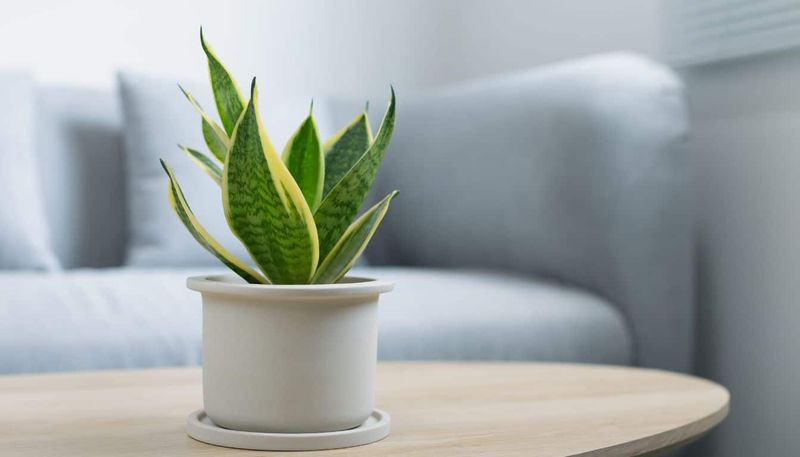
Your snake plant looks the same as it did in October, and you wonder if it needs a boost. It is tempting to reach for the plant food, but a quiet plant is often a plant that is simply resting.
Feeding at the wrong moment can leave salts in the pot and stress the roots. Here is how to read your plant, skip what it does not need, and keep the soil in good shape.
A slow winter snake plant may simply need patience
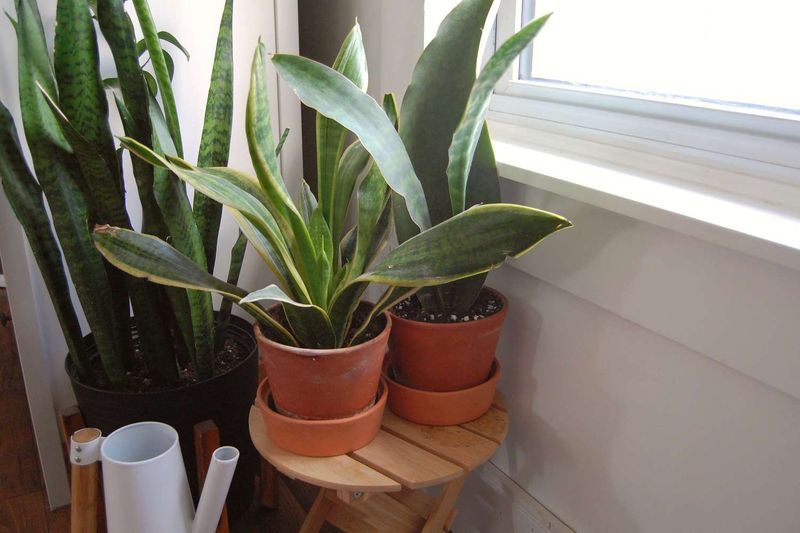
Shorter days and cooler rooms change how an indoor snake plant behaves. Less light usually means slower growth, and some plants stop pushing out new leaves for months.
Your plant has not failed. It is just running at a lower speed.
The New York Botanical Garden suggests giving snake plants a winter rest period with reduced watering and no plant food. Rest is a handy way to describe what many plants do, but it is not a promise.
A snake plant near a bright south window in a warm home may keep growing, while one in a cool, dim room may stall completely.
So what should you look for? New leaf spears rising from the soil, or a fresh leaf slowly unrolling, tell you the plant is still active.
If nothing has changed for weeks, the leaves are firm, and the color looks normal, you can relax. A pause in growth alone is not a sign of trouble.
That is why withholding fertilizer is a sensible default while growth has paused. Illinois Extension advises that houseplants are fertilized when they are actively growing.
A plant that is not building new leaves has little use for extra nutrients, so the food would just sit in the soil.
Think of it like skipping a big dinner when you are not hungry. Nothing is wrong, and your plant will let you know when it is ready to eat again.
Feed according to growth, not the season
Calendars make poor plant managers. A better question is whether your snake plant is making anything new right now.
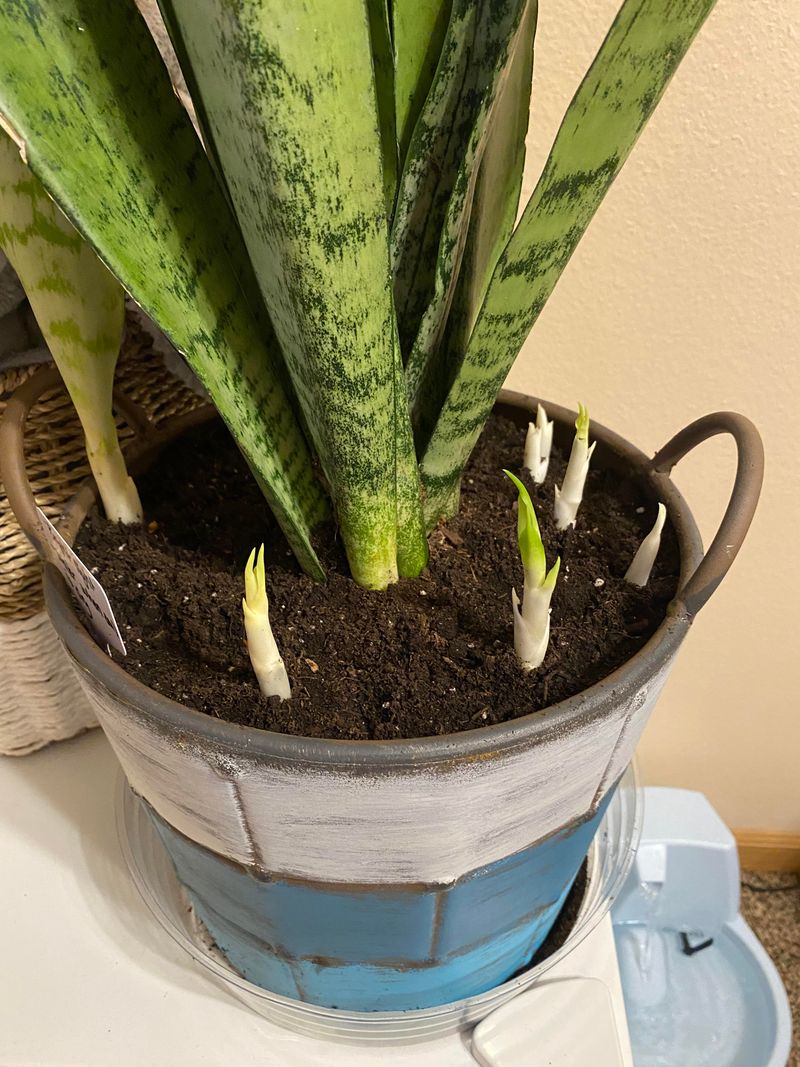
New leaves, a fresh spear, or a pup at the base all mean the plant is using energy and can use some food.
Houseplants generally benefit from fertilizer when they are actively growing, and Illinois Extension houseplant guidance points to growth as the cue. If your snake plant has stopped producing new growth, skip routine feeding.
That does not mean winter makes fertilizer toxic. It means the plant has little reason to use it.
Iowa State University Extension also addresses whether houseplants should be fertilized in winter, and the answer depends on how the plant is doing. Plants that are growing slowly in low light need less, and some need none at all.
Try a simple check on the first of each month. Look at the center of the plant for new leaves and compare it with a photo from last month.
If you see no change, leave the fertilizer on the shelf.
This also means you do not have to feel guilty about a plant in a sunny, warm room that keeps growing. Growth is the signal, so follow it.
A snake plant that is truly active can still be fed, while a stalled one can wait.
Fertilizer injury is not the same as root rot
Let us clear up a common mix-up. Winter feeding does not automatically rot roots.
Fertilizer trouble and root rot are two different problems with different causes.
Too much fertilizer can burn roots or leave salts behind in the soil. Illinois Extension notes that overfertilizing can cause root burn and salt buildup.
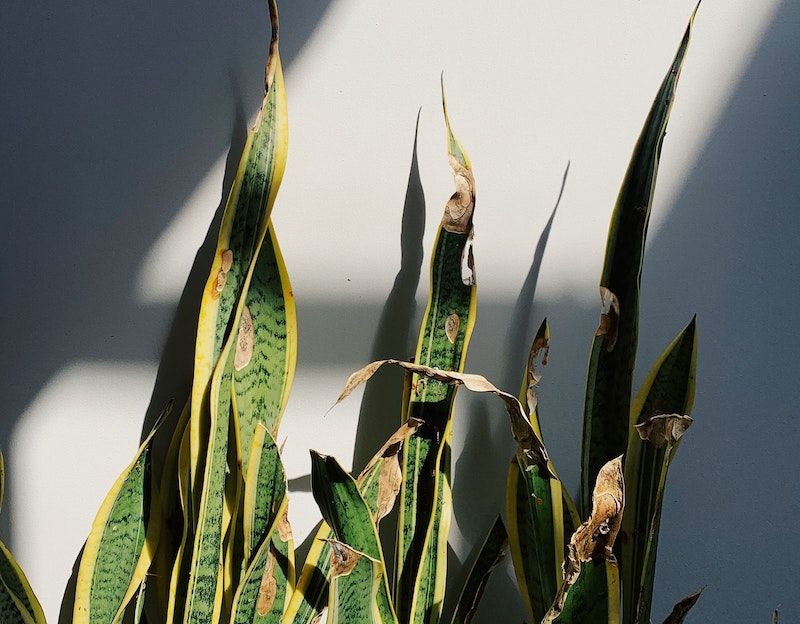
You may see a white crust on the soil or pot rim, or brown, crispy leaf tips.
Root rot is a different story. The University of Wisconsin Plant Disease Diagnostics Clinic describes root rots on houseplants as disease linked to soil-borne pathogens and wet conditions.
Fertilizer is not the sole cause of root damage.
So why skip the food? When growth has paused, routine fertilizer is often unnecessary, and a slow plant may not use what you give it.
The unused nutrients can build up as salts, which is a quiet way to stress the roots.
If you already fed your snake plant this winter, there is no need to panic. Water lightly if the soil is dry enough, let it drain well, and hold off on more food.
Watch for crusty soil or browning tips, and flush the pot with plain water only if the soil is not already soggy.
Check wet soil and roots for signs of trouble
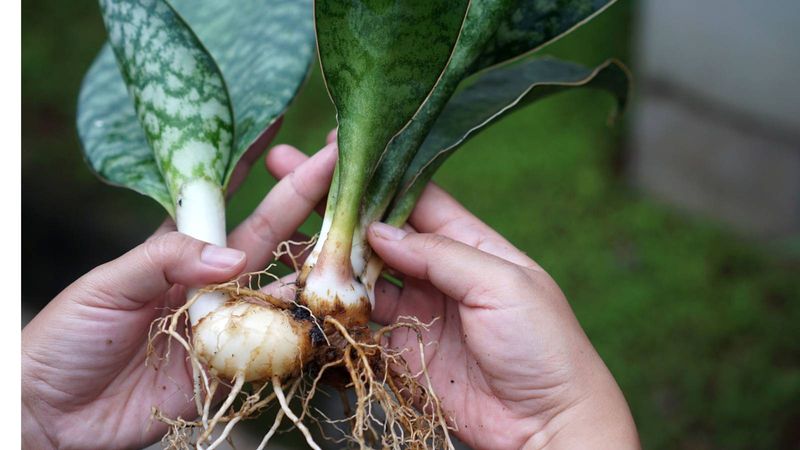
If your snake plant looks unhappy, start with the soil, not the fertilizer bottle. Root rot is tied to wet conditions and soil-borne pathogens, not to the month you last fed the plant.
The Wisconsin clinic explains that soggy soil and pathogens are the usual concerns.
Two warning signs are worth knowing. One is soft, brown roots instead of firm, light ones.
The other is wilting or drooping leaves even though the soil is wet. These are clues, not a certain diagnosis, since other problems can look similar.
Here is a quick routine. Poke a finger or a wooden skewer deep into the pot to see if the soil is still damp.
Check that the drainage hole is open and that the pot is not sitting in a saucer of water. If the soil stays wet for a long time, the plant may be getting more water than it can use.
NC State Extension lists overwatering as a main risk and says snake plants need well-drained soil. That makes moisture and drainage your first suspects.
If you do find mushy roots, you can unpot the plant, trim away the soft parts with clean scissors, and repot in fresh, fast-draining mix. There is no guarantee this will save it, but it gives the plant a fair chance.
Avoid blaming fertilizer without evidence, because that can lead you to miss the real cause.
Resume feeding cautiously when new growth returns
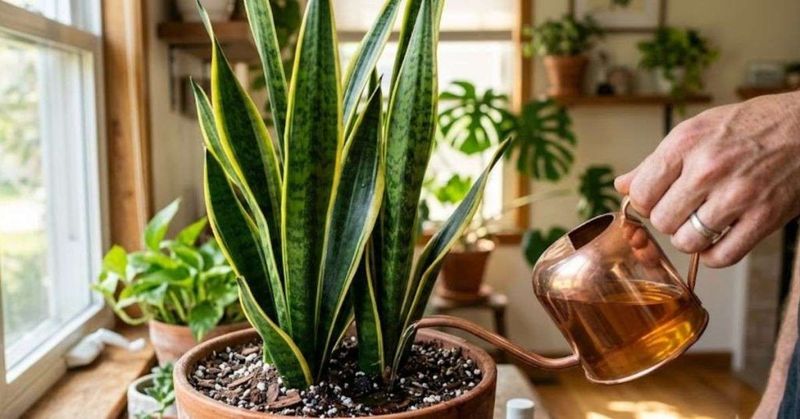
Here is a rule you can use all year. Hold fertilizer while growth is paused, then take another look when the plant starts producing new leaves.
The first fresh spear is your green light to think about feeding again.
That might happen in late winter if days are getting brighter, or in spring, or even in the middle of winter in a warm, sunny room. The season does not decide it.
Illinois Extension recommends feeding houseplants when they are actively growing, so the plant sets the schedule.
When you do start again, go gently. Follow the directions on your fertilizer label instead of mixing a stronger dose to make up for lost time.
Stronger is not better, and extra fertilizer can leave salts in the soil.
Many gardeners like to begin with a light first feeding and see how the plant responds. If new leaves keep coming and the plant looks healthy, you can carry on with the label schedule.
If growth stalls again, pause once more.
Iowa State University Extension also discusses winter houseplant feeding in terms of how the plant is growing. There is no universal winter cutoff date.
Water before you feed if the soil is bone dry, rather than pouring fertilizer onto dry roots. Keep the plan simple and let the plant lead.
Let soil conditions guide winter watering
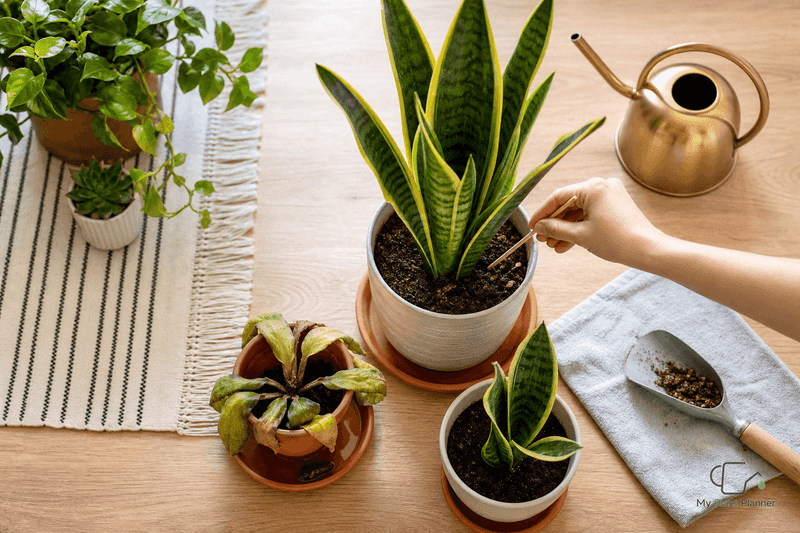
Water is where most snake plants get into real trouble. They like well-drained soil and do not enjoy sitting in wet conditions for long.
A gritty, fast-draining mix and a pot with a drainage hole make your job much easier.
NC State Extension gives watering every one to two months in winter as a broad guide. Treat it as a starting point only.
It may not suit every pot, soil mix, or home, since a warm, bright room dries soil faster than a cool, dim one.
Clemson Extension stresses that indoor plant watering depends on the plant, the pot, the soil, and the conditions. That is why a rigid monthly schedule can steer you wrong.
Try this instead. Push a finger a couple of inches into the soil, or use a wooden skewer.
If it comes out damp or dark, wait. If the soil is dry all the way down, water slowly until extra drains out, then empty the saucer.
A clay pot breathes and dries faster, while a plastic pot holds moisture longer. A heavy pot with no drainage is the riskiest of all.
Your snake plant would rather be a little thirsty than a little soggy.