
Prune These North Carolina Plants This October And They Wake Up Weeks Ahead Of Your Neighbors’ Next Spring
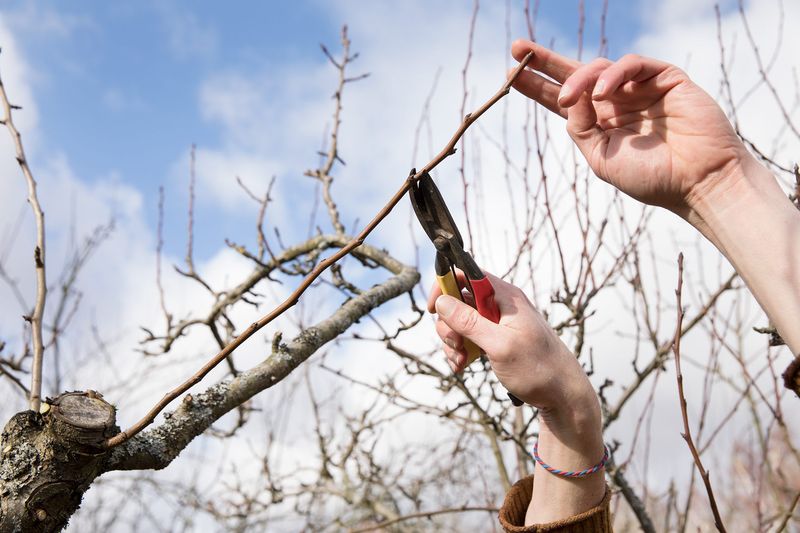
Most folks in North Carolina put their pruners away once the summer heat breaks, but October is quietly one of the smartest times to snip a few select plants. A careful fall trim lets roots soak up energy, clears out disease before winter, and sets the stage for strong, early spring growth.
The trick is knowing which plants love an October cut and which ones need to be left alone for the birds, bugs, and blooms you care about. Here are eight plants worth a visit with your pruners this month, plus a few good steward tips to keep your yard healthy and wildlife friendly.
1. Smooth Hydrangea (Hydrangea arborescens)
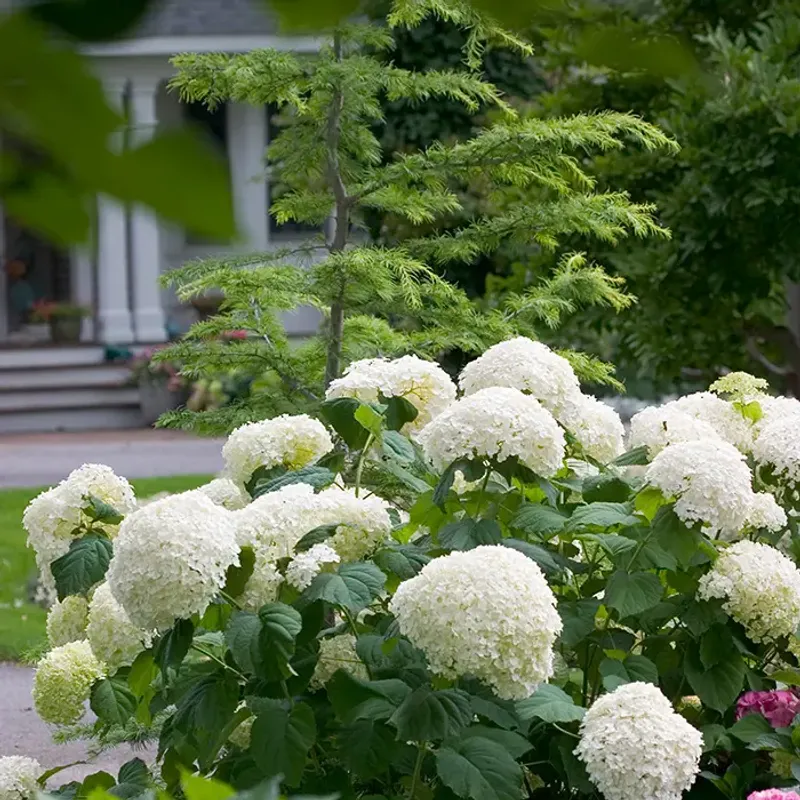
Long before it showed up in garden centers as Annabelle, smooth hydrangea was growing wild along shady creek banks from the mountains to the Piedmont. That native pedigree makes it one of the easiest shrubs to treat right in October.
Because it blooms on new wood, you can snip off the papery brown flower heads now without risking a single bloom next summer. Thin out a few of the oldest, thinnest stems right at the base, too.
That nudges the plant to push thick, sturdy shoots in spring that hold their flowers upright instead of flopping after the first thunderstorm.
Leave a handful of stems standing about a foot tall if you like. Small native bees sometimes tuck into hollow stems over winter, and a few left behind costs you nothing.
Think of it as a tidy cut with a little room left for the neighbors you can’t see.
2. Panicle Hydrangea (Hydrangea paniculata)
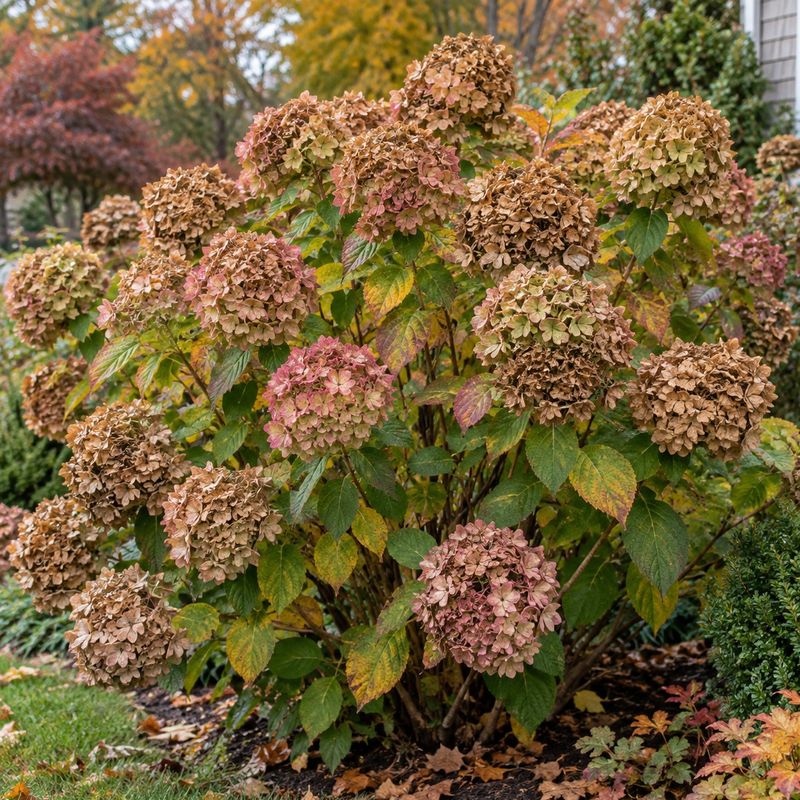
Ever notice those cone-shaped blooms blushing pink as nights cool off? Panicle hydrangeas put on their best show right before you prune them, which makes the job feel a little bittersweet.
Like its native cousin, this shrub flowers on new growth, so an October trim is safe. Remove spent flower cones and cut back any crossing or rubbing branches.
Save the heavier shaping for late winter, since a big cut now could invite tender growth if a warm November spell hits Charlotte or Greensboro.
One honest note for good stewards: panicle hydrangea is not native to North Carolina. It isn’t considered a major invasive here, but if you’re adding new shrubs, oakleaf hydrangea is a stunning native swap with gorgeous fall color that feeds local pollinators.
3. Re-blooming Roses
Picture a gusty January night in the Piedmont. Long rose canes whip back and forth like flags, loosening the roots underneath.
Gardeners call it wind rock, and a quick October trim is the cure.
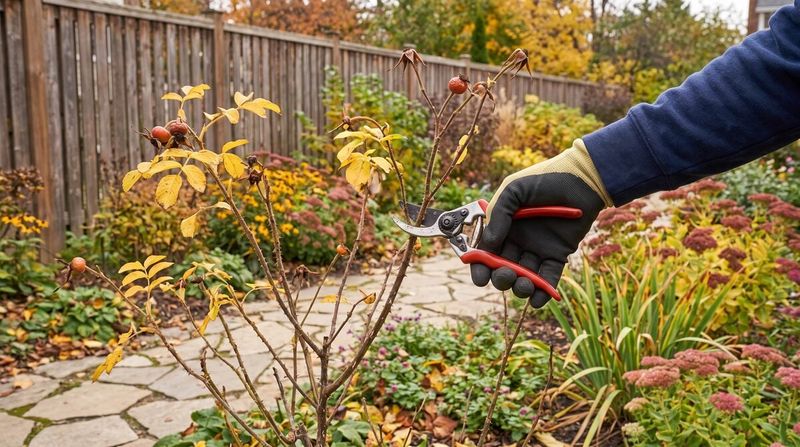
For hybrid teas, floribundas, grandifloras, and other repeat bloomers, cut the tallest canes back by about one-third in mid to late October. Snip out anything dead, diseased, or crossing while you’re there.
Bag up fallen leaves showing black spot instead of composting them.
Hold off on the serious pruning until late winter, usually around mid-February in most of NC. The fall cut is protective, not a makeover.
Roses that ride out winter with steady roots tend to leaf out stronger and faster when spring arrives.
4. Bee Balm and Garden Phlox
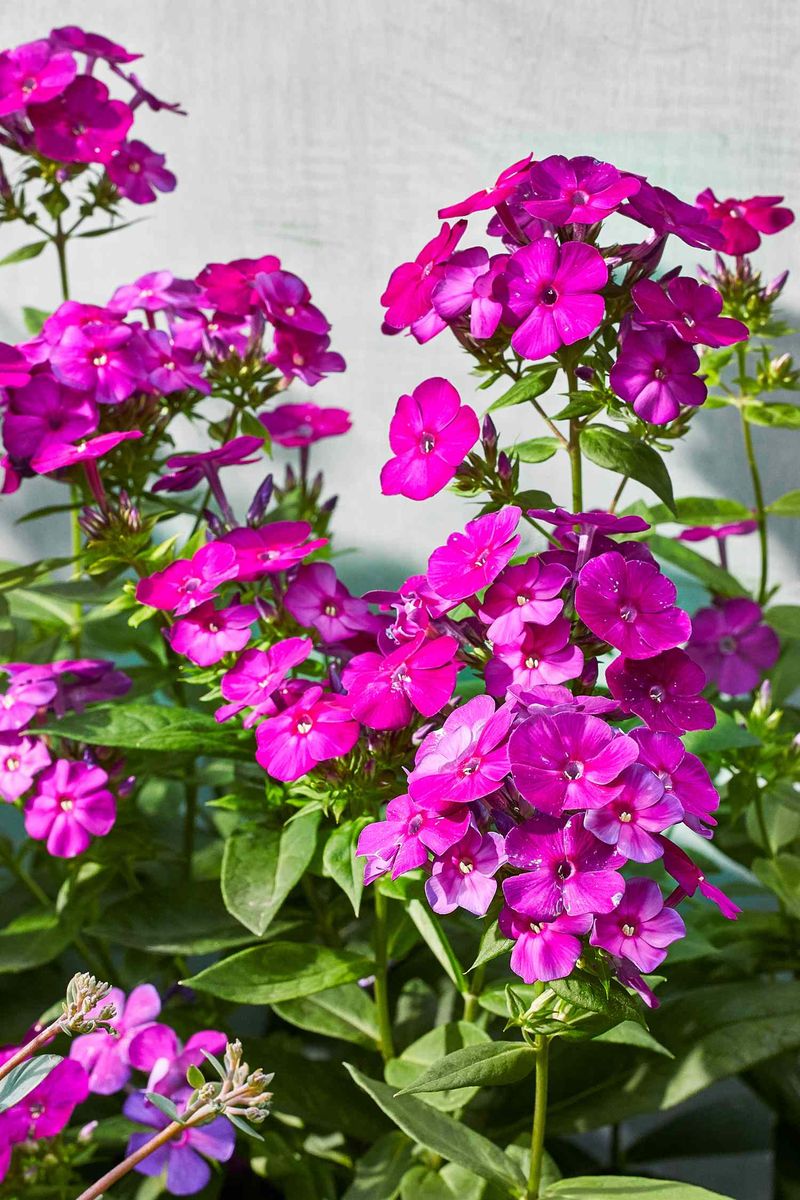
Powdery mildew is the uninvited houseguest of humid Carolina summers. By fall, bee balm and phlox leaves often look dusted in flour, and those spores are waiting to come back next year.
Cutting both plants down to a few inches in October breaks that cycle. Toss the infected stems in the trash, not the compost pile.
Your clumps will return in spring with cleaner foliage and more energy for blooms.
Native bee balm (Monarda) and native phlox are hummingbird and pollinator magnets, so this is a cut that pays wildlife back. Fun fact: bee balm’s other common name, Oswego tea, comes from Native peoples who brewed its leaves long before Europeans arrived.
5. Peonies
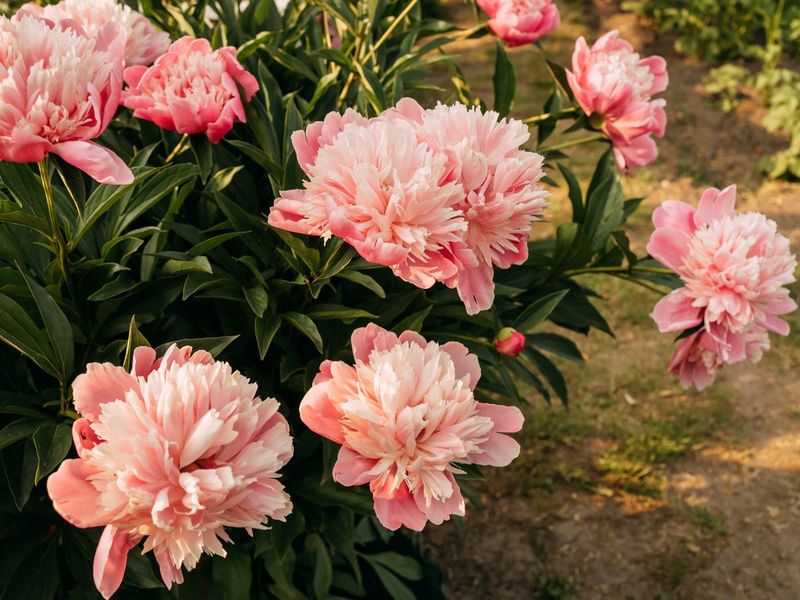
Grandma’s peonies might be the most loyal plants in the yard, coming back for decades if you treat them right. Treating them right in October means cutting every stem down to ground level.
Peony leaves often carry botrytis and leaf blotch by fall. Left in place, those fungal spores overwinter and attack fresh shoots as soon as they poke up.
Clean removal gives next spring’s red sprouts a fresh start.
Peonies do best in the cooler mountain and upper Piedmont areas, where they get the winter chill they need. Don’t pile mulch thickly over the crowns afterward.
Buried too deep, they sulk and skip blooming.
6. Hostas and Daylilies
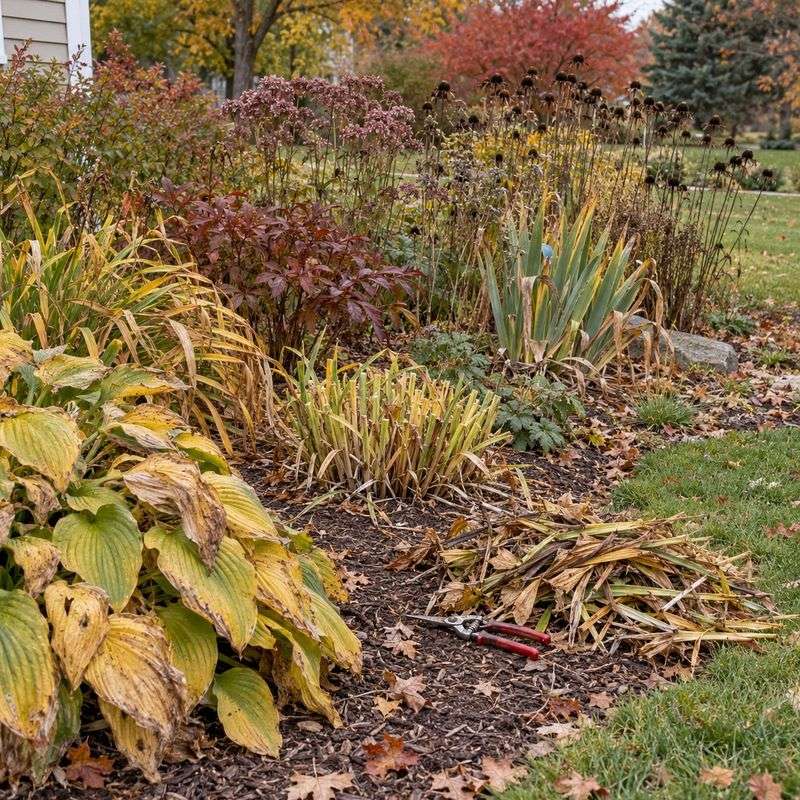
Slugs love a mushy hosta leaf the way kids love a pile of Halloween candy. Once frost turns hosta foliage soft and yellow, it becomes a winter hotel for slug eggs.
Trimming hostas to the ground in October can reduce next spring’s slug damage noticeably. Daylilies benefit too, since their tired, browning leaves hide pests and rust.
Clear them away and the crowns breathe easier through the winter.
Here’s a steward’s balance worth keeping: tidy these two, but leave nearby leaf litter under shrubs. Fireflies spend their larval stage hunting in moist leaf litter, and those glowing June evenings depend on it.
7. Apple, Pear, and Plum Trees
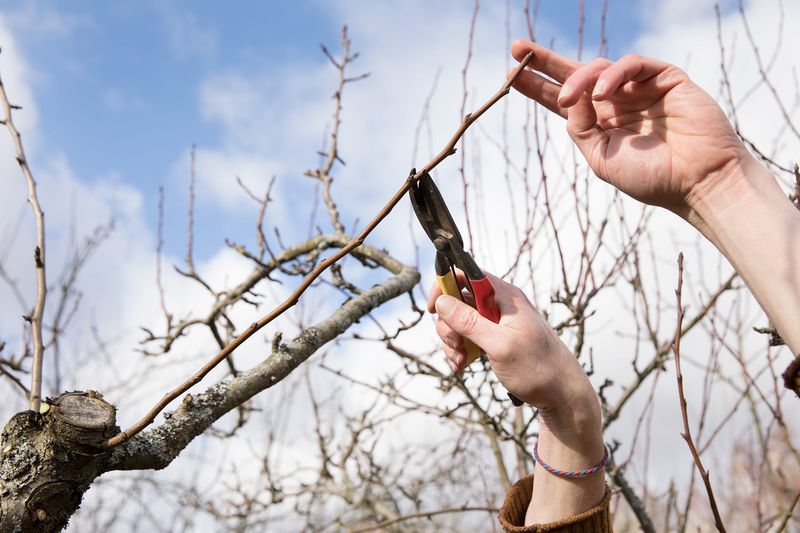
A backyard apple tree doesn’t need a full haircut in fall, just a little first aid. October is a good time to remove dead, broken, or obviously diseased wood from apples, pears, and plums.
Look for cankers, blackened twigs from fire blight on pears, and mummified fruit clinging to branches. Cut well below any diseased spots and wipe your pruners with rubbing alcohol between cuts.
Pick up fallen fruit too, since it can harbor pests over winter.
Save structural pruning for late winter, when trees are fully dormant. A heavy fall cut can push tender growth that freezes.
Done lightly, this cleanup improves airflow and can mean healthier blossoms when spring rolls in.
8. Raspberries
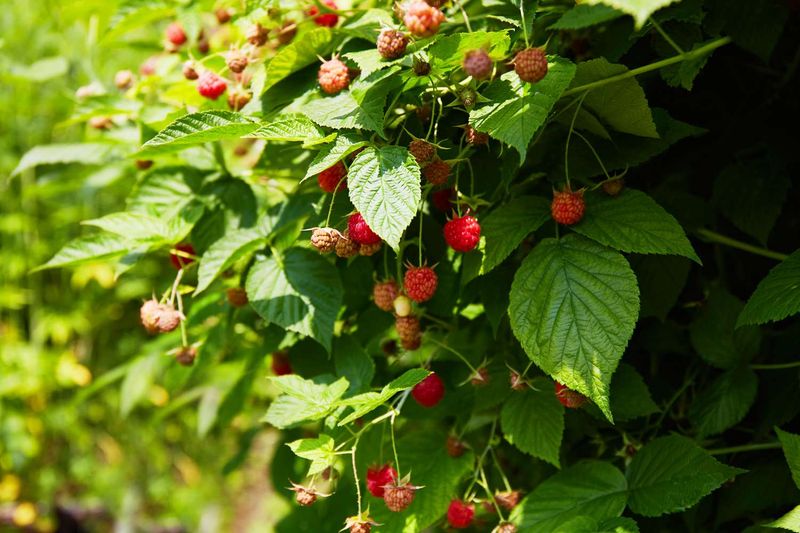
Raspberry patches can turn into a thorny jungle fast, but October gives you a simple sorting job. Old canes are brown and woody, new ones are green.
Out go the brown ones.
For summer-bearing raspberries, cut every cane that already fruited right at the soil line. Fall-bearing types are different.
If you want two harvests, only trim off the top part of each cane that fruited this fall, and leave the lower section to fruit next summer.
Thinned patches get more sunlight and airflow, which means fewer diseases and sweeter berries. As a swap idea for any wild wineberry spreading along your woods’ edge, native blackberries or black raspberries feed birds without the invasive baggage.