
Snake Plant Pups Are Shareable Plants, But a Pot Change Is Not a Proven Trigger
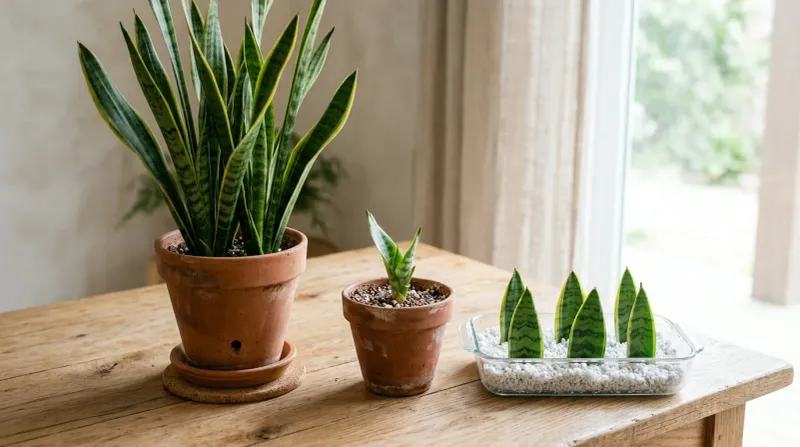
Snake plants can send up baby plants called pups, and those pups can become free plants for you or a friend. Many growers worry that repotting or dividing will hurt the plant they already have.
The good news is that routine care is simple, and dividing a ready pup is gentle when you do it right. Here is how to care for the parent plant and handle pups when they show up.
A pot change is not a proven pup trigger
Plenty of posts claim one pot change will get your snake plant making pups. Nothing in the guidance we reviewed backs that up.
Changing the pot size, shrinking it, or crowding the roots on purpose is not a proven way to make pups appear.
Here is what is solid. The Royal Horticultural Society says established snake plants produce offsets, and it advises repotting only when roots and leaves fill the container or it buckles.
It does not say a pot change sets offsets off. Offsets are real, though, and they can become new plants.
Once a plant already has pups, you can separate them. Iowa State Extension explains propagation by division and offsets, which means working with pups that are already there rather than forcing new ones.
So think of this as a two-part plan. First, keep the plant you own healthy.
Second, when a well-rooted pup appears, turn it into a separate plant. Nobody can promise a pup on a set schedule, so patience is part of the deal.
If your plant never sends one up, that does not mean you did something wrong.
A snug pot supports good care, not more pups
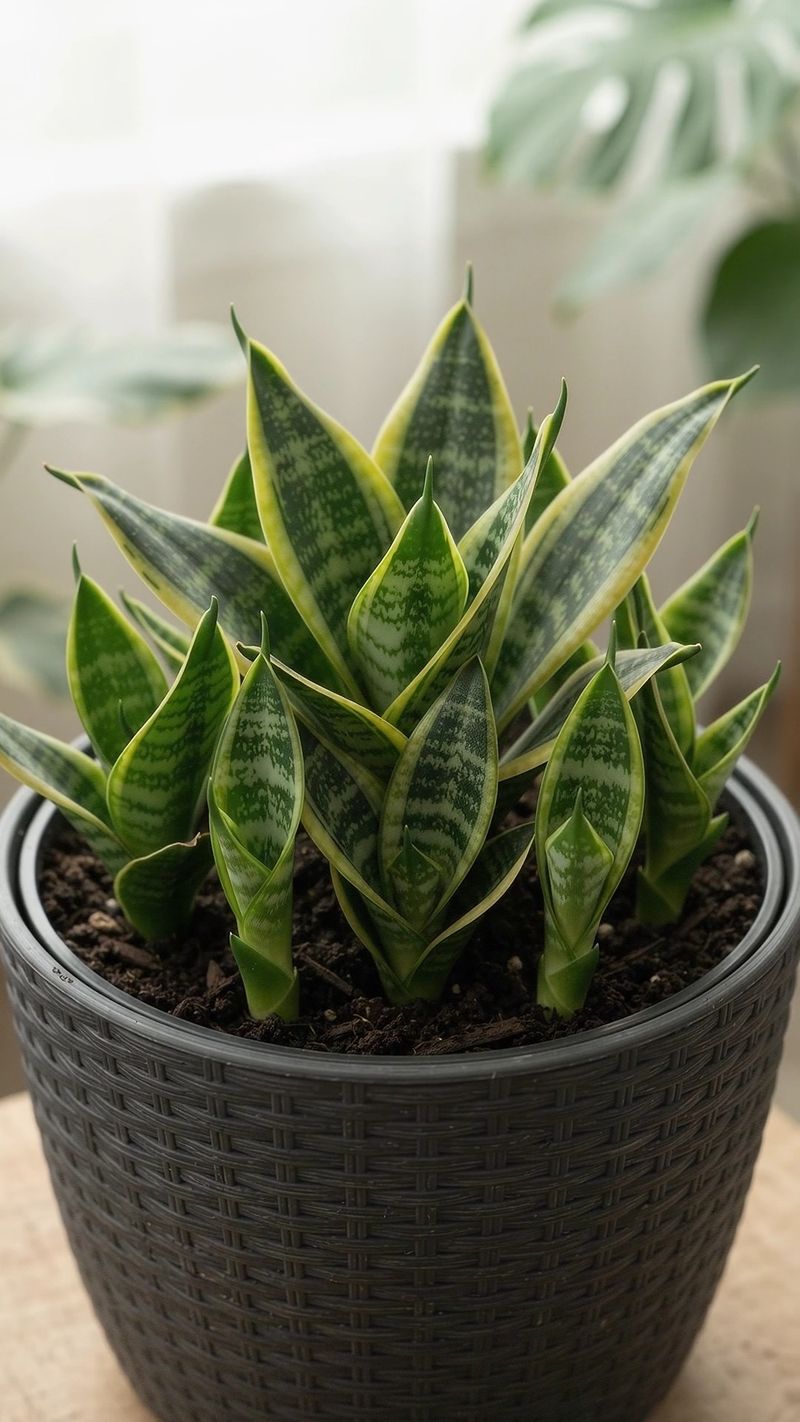
Snake plants do well in a snug container. Choose a pot with drainage holes and fill it with well-draining mix.
That is everyday good care, and it protects the roots. It is not a trick for making pups.
When should you repot? The RHS suggests doing it when roots and leaves fill the container or the pot buckles.
A plant that still has room does not need a new home. Skipping unnecessary repotting saves you work and spares the roots a disturbance.
When the time does come, go only slightly larger. An oversized pot holds extra compost that stays damp for a long time, and constantly wet mix can lead to root rot.
Rot is a far better-documented threat to snake plants than any benefit from a cramped pot.
A few clues tell you it is time. A plastic pot may bulge or crack.
Roots may push out of the drainage holes. Leaves may crowd so tightly that the plant tips over.
Seeing one or two of these is a sound reason to move up one size.
Notice what is missing here: no advice to squeeze the plant on purpose. Stressing it will not reliably make pups, and it can create problems you did not need.
Pick a pot that fits and then leave it alone.
Steady light and careful watering support the parent plant
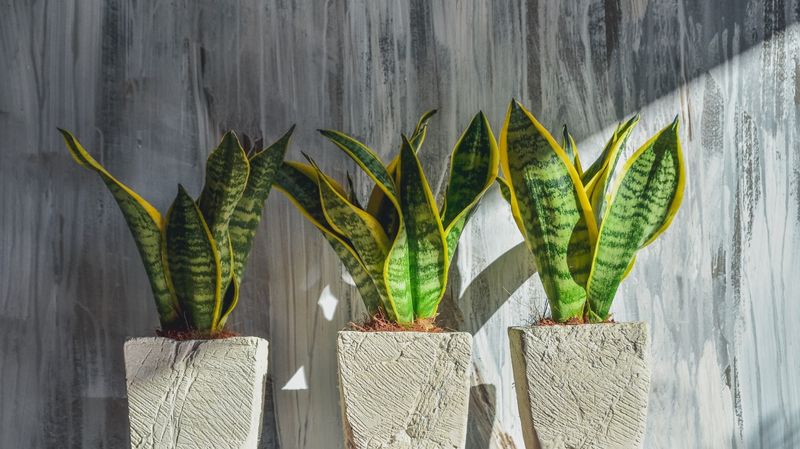
Picture the spot where your snake plant is happiest: bright, with a little shade. The RHS describes bright, lightly shaded conditions as a good target.
Snake plants also put up with lower light, so a dimmer corner will not doom yours. Harsh midday sun in summer, however, can scorch the leaves.
If you see pale, crispy patches after a hot afternoon, the plant may be getting too much direct sun. Slide it back from the glass or add a sheer curtain.
Better light is good routine care, but it does not guarantee pups.
Watering is where most worried owners go wrong. Let the potting mix dry out before you water again, and skip the habit of watering on a fixed day just because it is Sunday.
Poke a finger into the mix to check.
Give the plant a good drink, let the extra drain away, and never leave the pot sitting in a saucer of drained water. Soggy roots are the main danger.
Mushy, collapsing leaves at the base are a classic warning.
In winter, growth slows and the plant needs less water. Stretch the gaps between drinks and check the mix before you act.
Steady light and restrained watering simply keep the parent plant strong, which is the best starting point if pups do arrive.
Wait until an offset has healthy roots
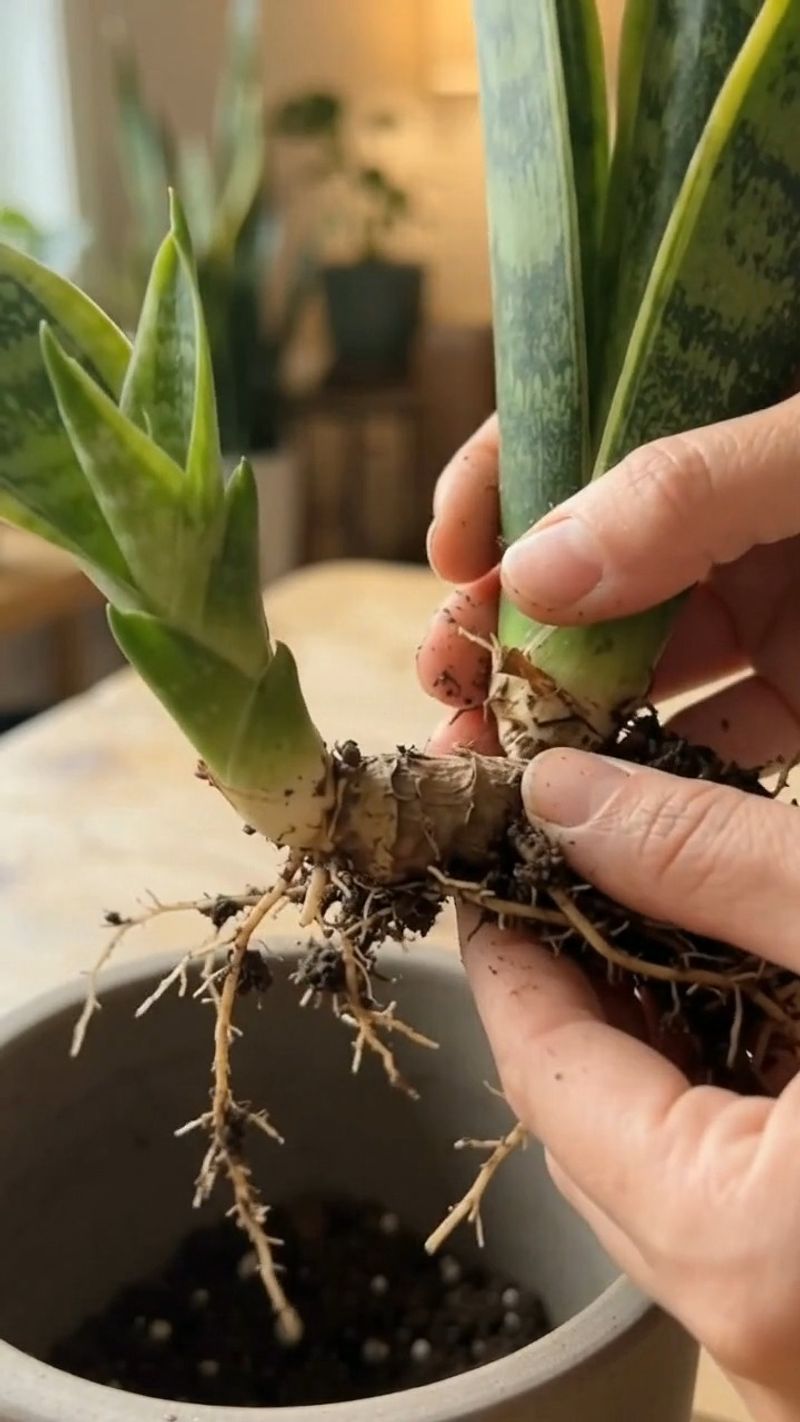
Spotting a tiny new shoot feels exciting, and the urge to snip it right away is strong. Hold off.
A shoot with no roots of its own is not ready to live alone.
The RHS recommends taking well-rooted offsets from established plants. Iowa State Extension likewise says each division should keep healthy roots.
Roots are what let the new plant drink and settle in.
How can you tell? You usually will not know until you look.
Nudge back a little soil near the base, and check whether the pup has its own roots or is still just a shoot attached to the parent. A larger pup with several leaves has a better chance of having roots, but size alone is not proof.
If the pup looks thin and has no roots, leave it be. It can keep growing with the parent while you carry on with normal care.
There is no firm timetable, and nobody can say when or whether another pup will show.
Dividing every visible shoot at once also risks stressing the parent. Take only the pups that clearly have healthy roots, and let the rest keep growing.
Separate and pot the rooted pup
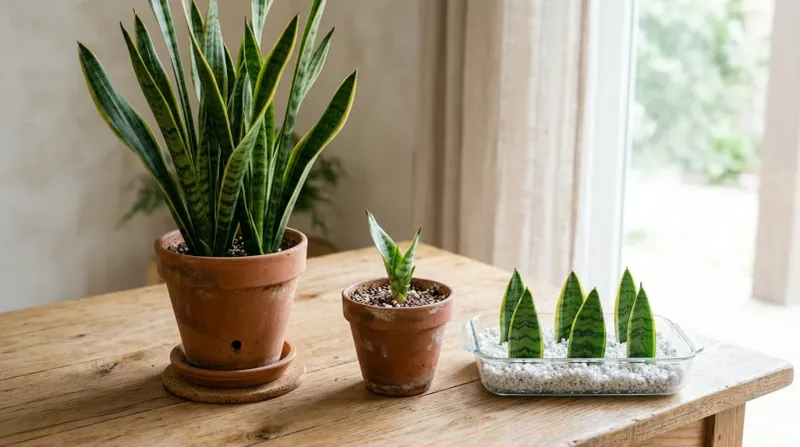
Once you have found a pup with healthy roots, the job takes just a few steps. Set out a clean pot with drainage holes, fresh potting mix, and a pair of gloves.
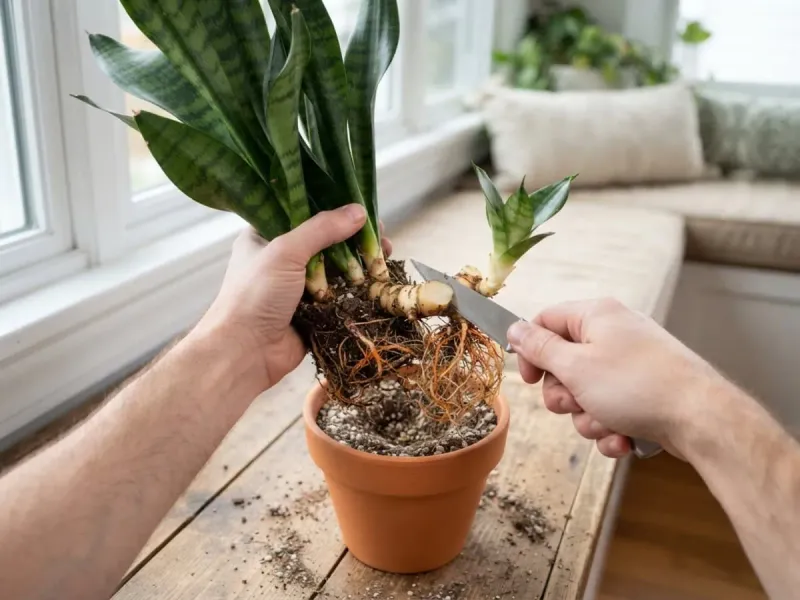
Start by easing the whole plant out of its pot. Tip it gently and loosen the root ball with your fingers.
Go slowly, because you want to keep as many roots as possible.
Next, find where the pup joins the parent. Pull or tease the offset away so it keeps its own healthy roots.
If roots are tangled, work them apart gently, and use a clean, sharp knife only if you must cut. Iowa State Extension outlines this same approach of dividing plants so each piece retains roots.
Then pot the division in fresh mix in a container that fits its roots, with a little room and no more. Set it at about the same depth it grew before, firm the mix lightly, and make sure the drainage holes are clear.
Finally, return the parent plant to its pot with fresh mix if needed. If the parent was already crowded, this is a sensible moment for the slightly larger pot the RHS suggests.
The goal here is simply turning an existing pup into a separate plant, not coaxing more pups.
Settle the new plant in before sharing it
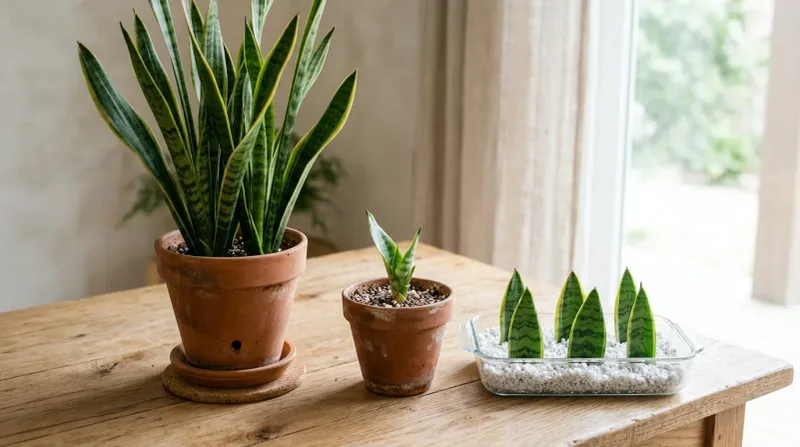
A fresh division needs a quiet start. Put it in bright indirect light, and hold off on fertilizer for a few weeks.
Iowa State Extension gives this same advice. Water carefully, letting the mix dry between drinks, since new plants are the most prone to rot.
Say you own a variegated snake plant with striped or edged leaves and want the baby to look the same. Choose division.
Leaf-section cuttings can make new plants, but Iowa State Extension warns that many variegated forms lose their pattern that way.
Once the pup shows steady growth, it is ready to give away. Tuck a note with it that covers the light and watering basics, so your friend does not drown it.
Handle the plant with care as well. The RHS advises gloves because the sap can irritate skin.
The ASPCA lists snake plant as toxic to dogs and cats if eaten, with possible nausea, vomiting, and diarrhea. Keep new pots out of reach of curious pets, and tell the friend who adopts one.
A pup is a small gift that costs nothing but a little patience.