
The Garden Hacks Seasoned Growers Use Every Fall That Save Them Hours Next Spring – 15 Worth Stealing
Spring gardening is a lot more fun when half the hard work is already done. Experienced growers know a secret: the chores you finish in fall save you hours of weeding, fixing, and worrying once the weather warms up.
A few simple steps now can protect your hydrangeas, tomatoes, geraniums, and more from winter damage and disease. Here are 15 smart fall hacks you can copy this weekend.
1. Clear Out Spent Plants and Debris
Old, brown plant stems might look harmless, but they make a cozy winter hotel for pests and disease spores. Bugs like squash vine borers and fungal problems like blight can hide in that mess until spring.
Then they wake up right next to your new plants.
Pull out dead annuals and any leaves with spots, mold, or holes. Healthy debris can go in the compost pile, but toss sick material in the trash so you don’t spread trouble.
A quick cleanup now may reduce the number of problems you fight next year. You’ll also start spring with tidy beds instead of a soggy, tangled mess.
2. Spread Compost Over Bare Beds
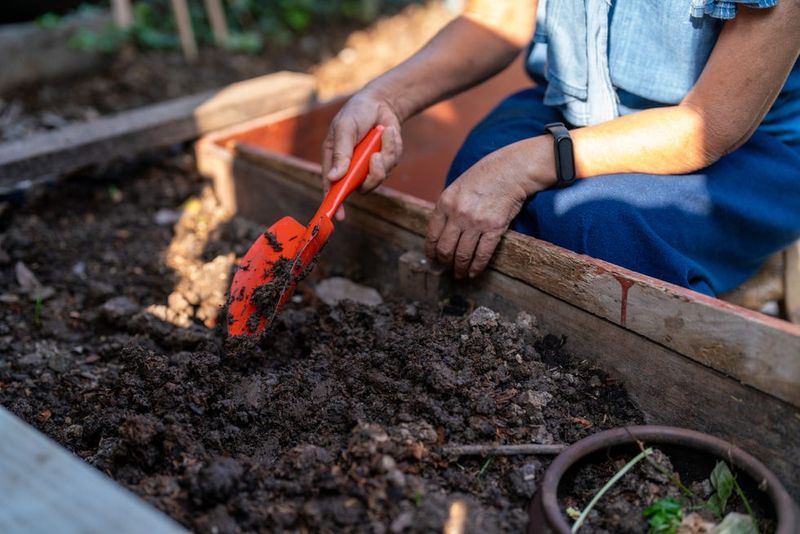
Think of fall compost as a slow-cooker meal for your soil. You add it now, and winter does the stirring for you.
Spread about 2 to 3 inches of compost, leaf mold, or shredded leaves over your empty beds. Rain, snow, and earthworms slowly pull those nutrients down into the ground.
By spring, the soil is softer, darker, and easier to dig.
Gardeners who skip this step often spend spring hauling bags and mixing amendments in a rush. Doing it in October means you can plant the day the soil warms up.
3. Sow a Cover Crop in Empty Vegetable Beds
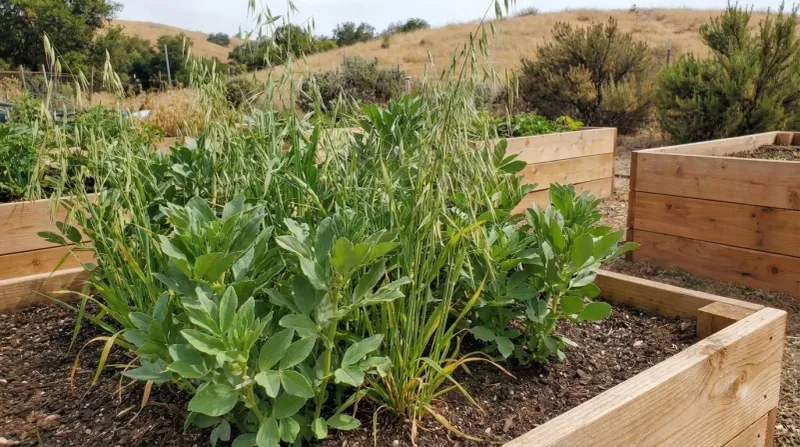
Bare soil in winter is like a house with the windows open. Rain washes away the topsoil, and weeds move right in.
Seasoned growers fix that by sowing a cover crop such as cereal rye or clover after the last harvest. The roots hold soil in place, and clover can add nitrogen to the ground.
In spring, you chop the plants down and turn them into the soil as free fertilizer.
Fun fact: farmers have been using this trick for thousands of years. Some folks call cover crops “green manure” because they feed the soil the same way.
4. Mulch After the Ground Cools
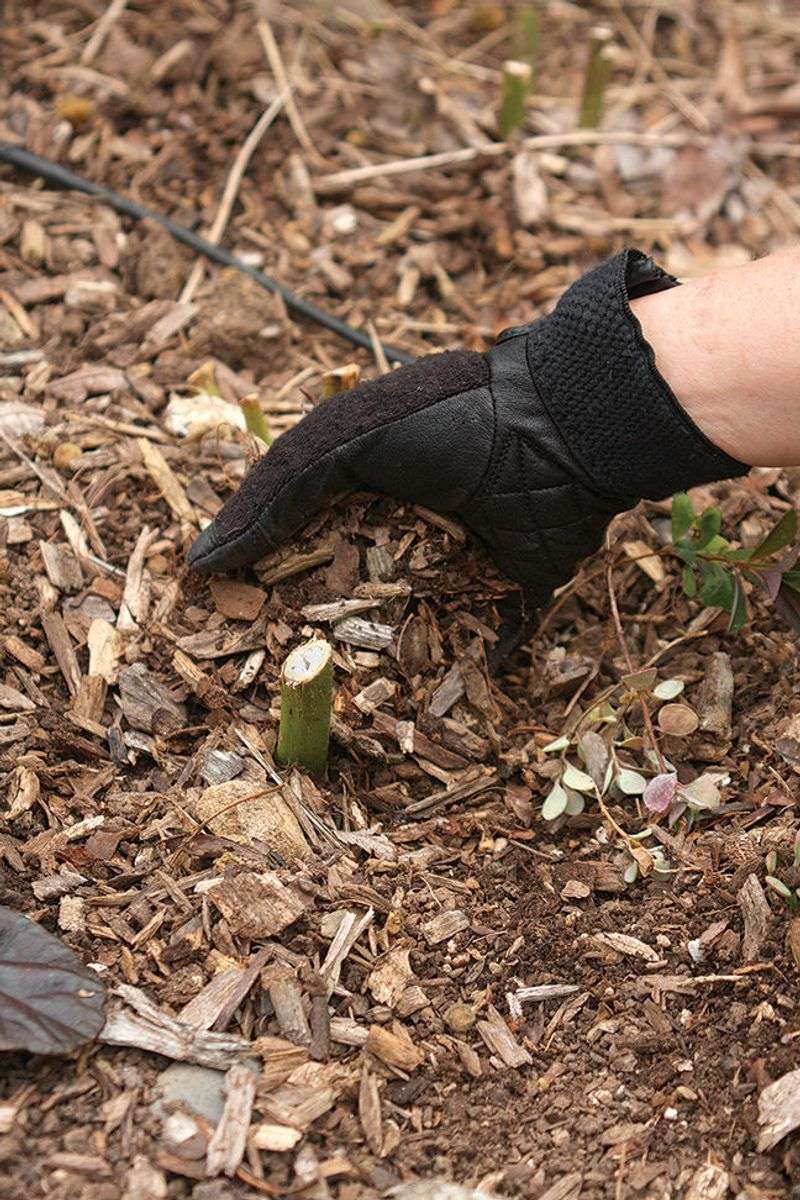
Timing is the whole trick here. Mulch too early and you keep the soil warm, which can invite mice to nest.
Wait until the ground has cooled, usually after a few hard frosts.
Then lay 2 to 4 inches of shredded bark, straw, or chopped leaves around perennials. The mulch acts like a blanket that keeps soil temperatures steady.
That matters because constant freezing and thawing can push plant roots right out of the ground.
Bonus: the same layer smothers many weed seeds. Come spring, you’ll pull far fewer weeds.
5. Test Your Soil Before Winter
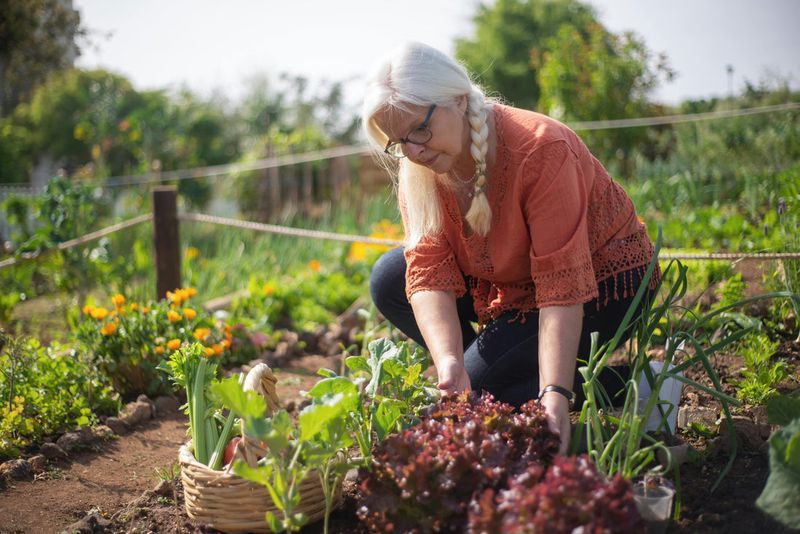
Here’s a question most gardeners never ask: what is actually in my dirt? A fall soil test answers it while there’s still time to act.
Labs are less busy in autumn, so results come back faster. If your soil needs lime to adjust its pH, fall is the best time to add it.
Lime works slowly, and winter rain and freezing help move it into the ground.
Many state extension offices offer cheap testing kits. One small bag of soil can save you from guessing and buying the wrong fertilizer next spring.
6. Clean, Sharpen, and Oil Your Tools
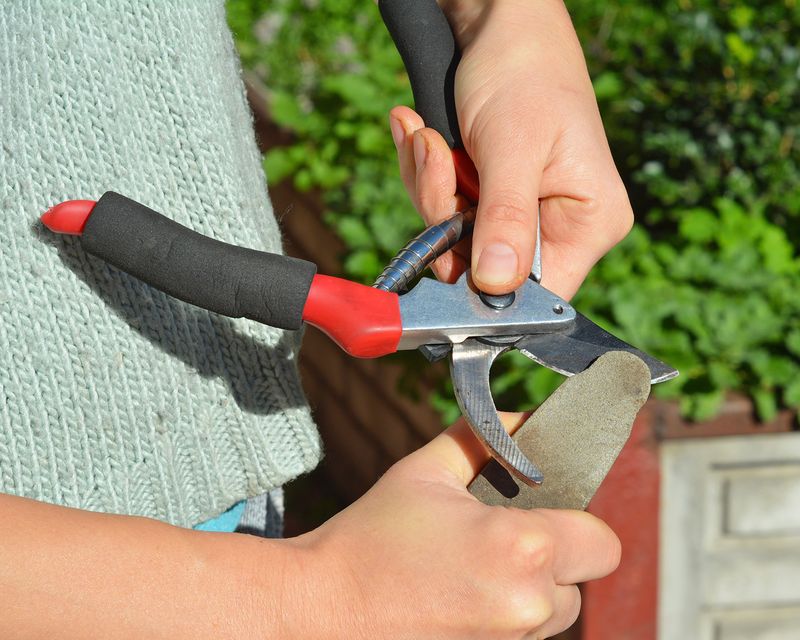
Nothing ruins the first warm Saturday of spring like finding your pruners rusted shut. Ask any longtime gardener and they probably have a story about it.
Scrub dirt off shovels and trowels with a stiff brush. Wipe pruner blades with rubbing alcohol to kill disease germs, then sharpen them with a file.
Finish with a thin coat of oil to block rust.
Store everything somewhere dry. In spring, you just grab and go, and sharp blades make cleaner cuts that heal faster on your plants.
7. Divide Crowded Perennials
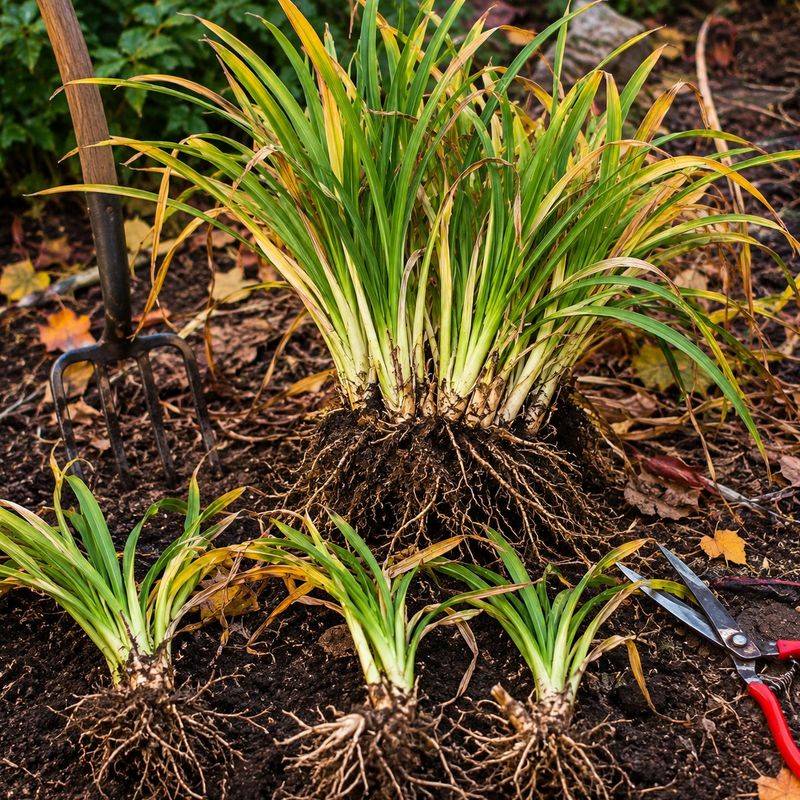
When daylilies or hostas start blooming less and get a hollow, dead-looking center, they’re begging to be split up. Fall is a great time to do it.
Dig up the clump, slice it into pieces with a sharp spade, and replant each section. The soil is still warm, so roots grow quickly before winter.
The cool air keeps the leaves from wilting while they settle in.
You get two wins at once. The old plant becomes healthier, and you have free plants to fill empty spots next spring.
8. Plant Spring Bulbs and Hardy Perennials
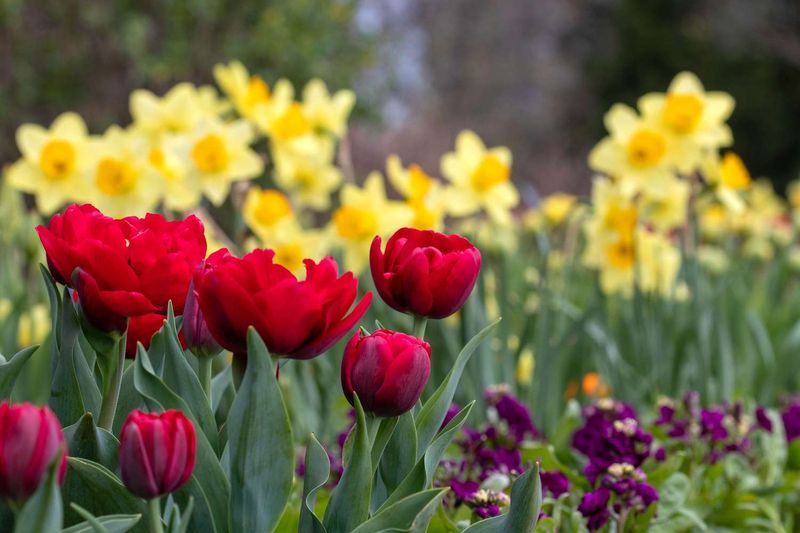
Tulips and daffodils pull off a neat magic trick. You plant a dry, papery bulb in fall, forget about it, and get a burst of color in spring.
Aim to plant 4 to 6 weeks before your first hard frost. That gives roots time to grow before the ground freezes.
Hardy perennials and shrubs also love this window because warm soil and cool air reduce stress.
A good rule is to plant bulbs about three times as deep as they are tall. Pointy end up, and you’re done.
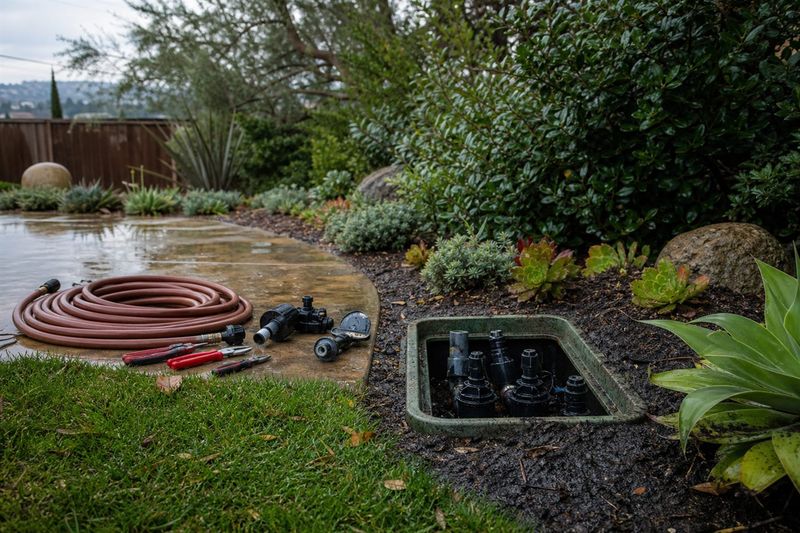
9. Drain Hoses and Irrigation Lines
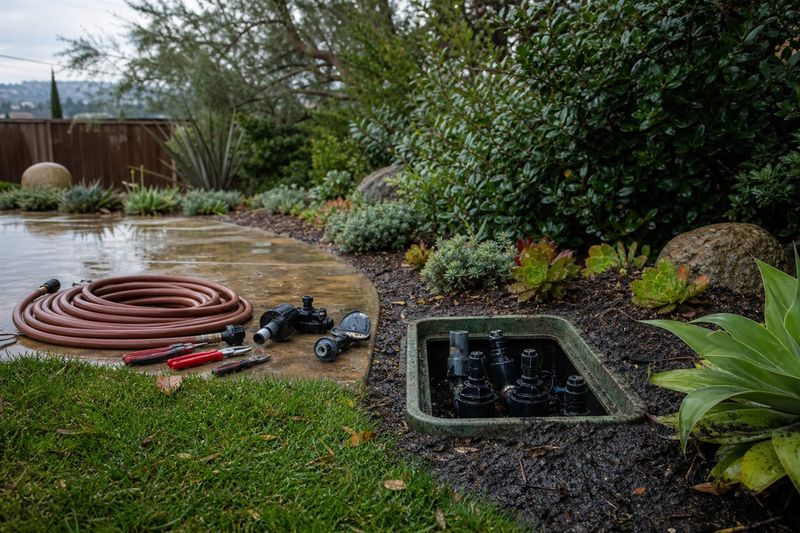
Water grows about 9 percent bigger when it freezes. Inside a hose or pipe, that can mean split rubber, cracked fittings, or a burst spigot.
Disconnect hoses, drain them completely, and coil them in a shed or garage. Blow out or drain drip lines, and empty fountains or pumps.
A cheap foam faucet cover adds extra protection.
It takes about 20 minutes. Replacing a burst pipe in spring takes a lot longer and costs a lot more.
10. Hydrangeas: Put Down the Pruners
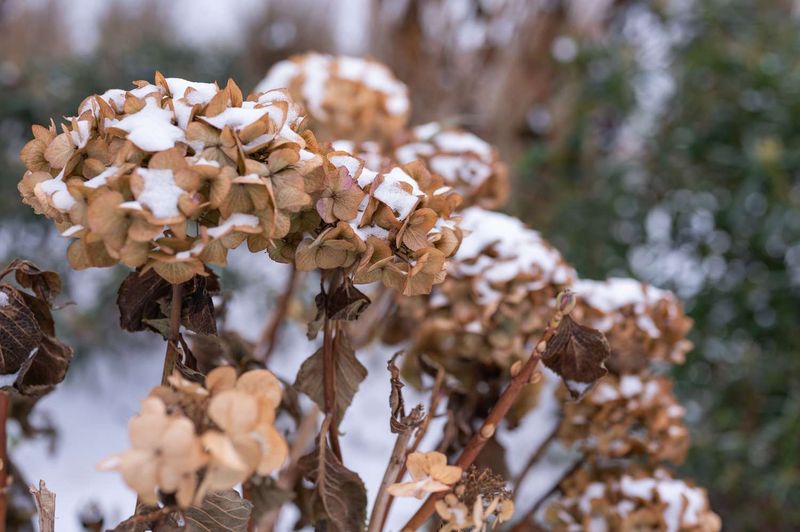
If your hydrangea leafed out beautifully last spring but never bloomed, a fall haircut may be to blame. Bigleaf and oakleaf hydrangeas form next year’s flower buds on old stems in late summer.
Cut those stems now, and you cut off next year’s flowers.
Instead, leave the dried flower heads on through winter. They may help shield the buds below, and they look lovely dusted with snow.
Add a few inches of mulch around the base for extra root protection.
Smooth hydrangeas like Annabelle and panicle types bloom on new wood. Those can be pruned in late winter or early spring without losing flowers.
11. Geraniums: Bring Your Favorites Indoors
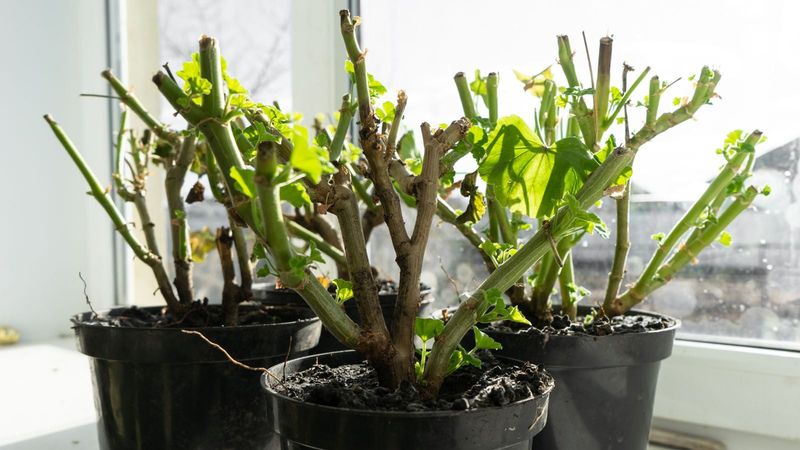
Grandmothers have been saving geraniums over winter for generations. Some even hung them upside down in the basement, and that old trick still works.
You have three choices. Take 4-inch cuttings and root them in small pots.
Bring the whole potted plant inside, cut it back by about half, and keep it in a cool, bright spot with less water. Or dig the plant up, shake off the soil, and store it dormant in a cool, dark place.
Whichever way you pick, you’ll have big, established plants ready for spring. They usually bloom weeks earlier than new nursery plants.
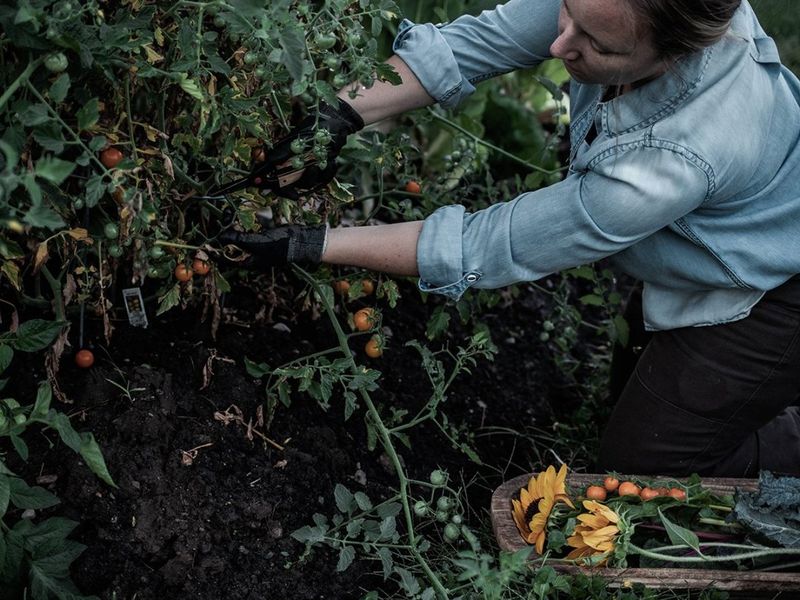
12. Tomatoes: Pull Spent Vines and Feed the Bed
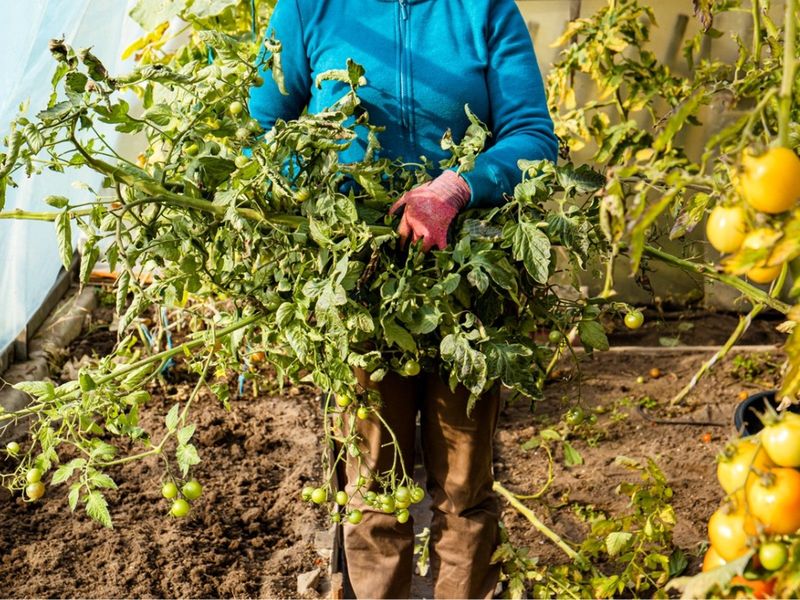
Those yellow, spotted leaves at the bottom of your tomato plants? Diseases like early blight can survive the winter on them.
Once harvest ends, pull the whole plant, including roots. Throw diseased vines in the trash rather than the compost.
Then refresh the bed with compost or alfalfa meal so it rebuilds nutrients over winter.
Next year, try planting tomatoes in a different spot if you can. Moving them around can reduce the chance of leftover disease showing up again.
13. Petunias: Stretch the Blooms, Then Plan Ahead
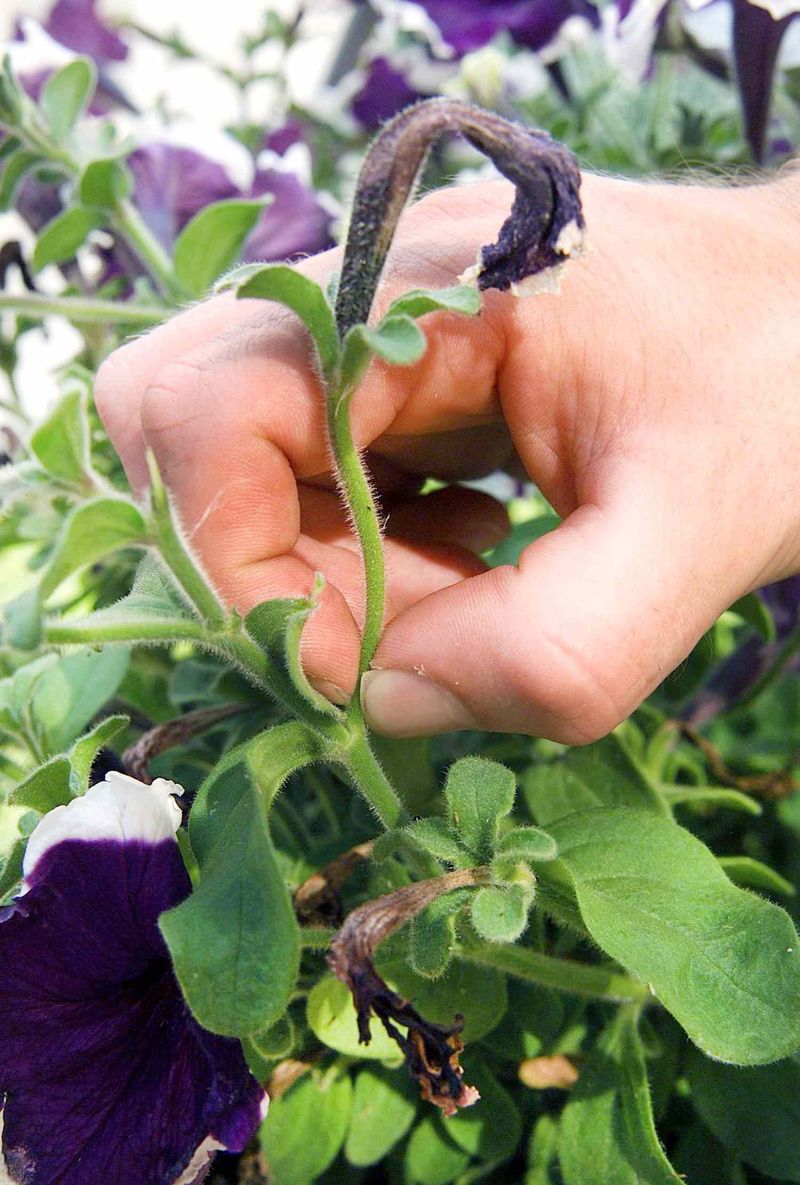
Petunias can keep putting on a show long after summer ends if you give them a little help. Leggy, tired stems are the most common complaint this time of year.
Keep pinching off faded flowers and trim long stems back by a few inches. The plant will push out fresh growth and new buds until frost.
In zones 9 to 11, you can even plant petunias in fall for color all winter.
In colder regions they act as annuals. Jot down which colors and varieties did best so spring shopping takes five minutes, not fifty.
14. Clematis: Feed the Roots, Skip the Big Cut
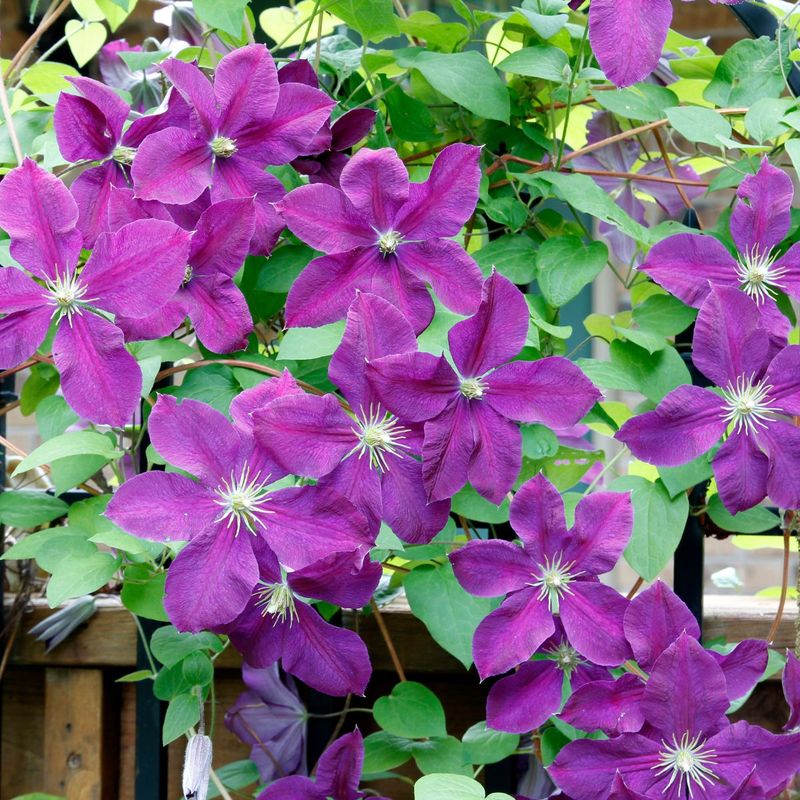
Clematis growers have a saying: heads in the sun, feet in the shade. Fall care is all about those feet.
Spread a generous layer of compost around the base, then top it with mulch to keep roots cool and protected. The compost feeds slowly over winter, setting up strong spring growth.
Hold off on heavy pruning, especially for spring and repeat bloomers, because you could remove flowering stems. Just snip anything dead or broken and leave the rest until you know your clematis type.
15. Hollyhocks: Cut Back and Tuck In
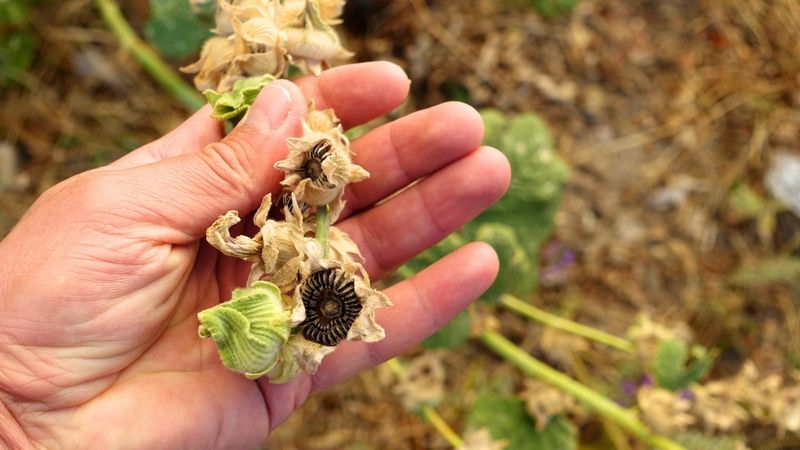
Tall, gorgeous hollyhocks have one famous weakness: rust, those orange bumps under the leaves. Fall cleanup is your best defense.
After blooming ends, cut stalks down to a few inches above the soil. Bag up any rusty leaves and throw them out.
In places with hard freezes, cover the root zone with straw or mulch.
Want more hollyhocks? Shake a few seed pods over bare soil before cutting.
Many gardeners get free volunteer plants the next year.