
The Hidden Reason Your Tomatoes Stayed Small This Year Most Gardeners Never Check
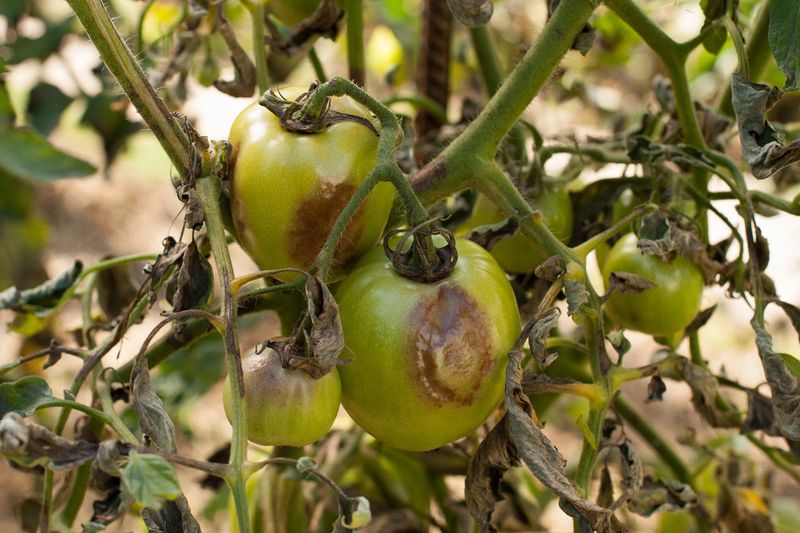
Pulling a tomato off the vine and finding it barely bigger than a golf ball is genuinely frustrating, especially after months of watering, staking, and waiting. Before you blame the weather or swap out your fertilizer, though, it helps to figure out exactly what went wrong. Small tomatoes can point to several different problems, and the fix depends entirely on which one you are actually dealing with.
Small fruit is not automatically a failed crop
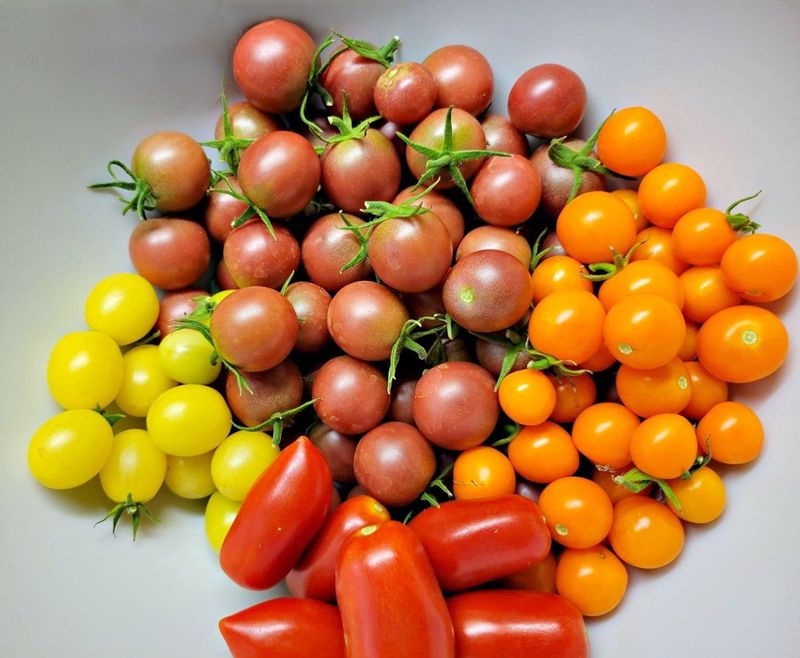
Before assuming something went wrong, pull out the seed packet or plant label and compare the fruit in your hand with the description printed there. Cherry tomatoes, grape tomatoes, paste types like Roma, dwarf cultivars, and full-sized slicing varieties all have genuinely different expected fruit sizes, and University of Illinois Extension guidance points out that cultivar genetics strongly shape how large a tomato will grow. A fruit that looks disappointingly small next to a neighbor’s beefsteak may actually be performing exactly as it was bred to perform.
One distinction worth clearing up early: determinate and indeterminate describe how a plant grows, not how large its fruit will be. Determinate or bush-type plants set most of their fruit in a concentrated window and stop growing at a fixed height, while indeterminate plants keep vining and flowering until frost. Penn State Extension’s cultivar selection guide notes that both growth habits exist across a wide range of fruit sizes, so calling a plant indeterminate tells you nothing reliable about whether its tomatoes should be small or large.
Research on tomato fruit development confirms that size is controlled by cell division and cell expansion processes that are largely set by genetics and then shaped by growing conditions. Knowing the cultivar’s expected size is the essential first step because it determines whether you are chasing a real problem or a mismatched expectation. Once you confirm that your fruit is genuinely smaller than the variety should produce, the useful questions become: did the flowers fail to set fruit at all, did fruit set but stop expanding too early, or do the tomatoes look distorted or diseased rather than simply small? Each of those symptoms points toward a different set of causes, and mixing them up leads to fixes that miss the mark entirely.
Check moisture and root space after fruit has set
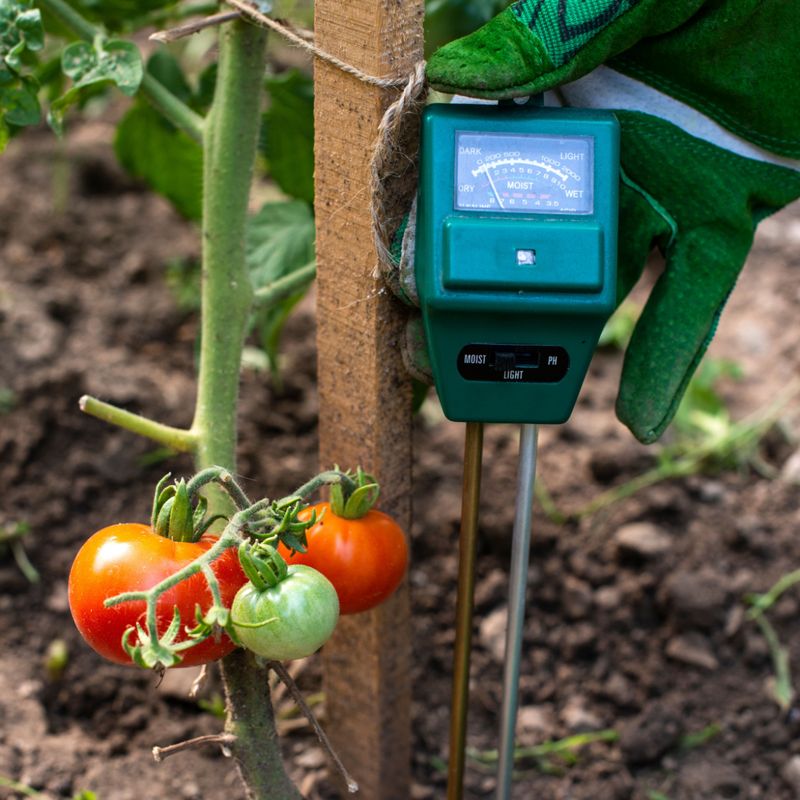
Once you have ruled out a naturally small cultivar, moisture and root-zone conditions are the first practical stops on the checklist. Fruit that has already set on the vine needs a consistent water supply to keep expanding, and repeated cycles of dry soil followed by heavy watering create stress that can slow or stop that process. Published research on water stress and tomato development links inadequate or erratic irrigation to reduced fruit size, though the degree of impact varies with soil type, plant size, and how long the stress lasts.
A general benchmark from University of Minnesota Extension’s tomato growing guide is roughly one inch of water per week from rain or irrigation combined, but that number is a starting point rather than a rigid rule. Sandy soils drain faster and may need more frequent watering. Raised beds can dry out quickly in hot, windy weather. In peak summer heat, water demand rises noticeably, so what worked in June may not be enough in late July.
The goal is thorough, even moisture throughout the root zone rather than frequent shallow watering that wets only the top few inches and leaves deeper roots dry.
Container tomatoes face these pressures in a more concentrated form. A pot with limited soil volume dries out much faster than an in-ground bed, and repeated daily watering can gradually flush nutrients out of the mix. UMN Extension’s tomato sleuthing guidance recommends a container of at least five gallons for most full-sized varieties, along with high-quality potting mix and regular fertilization to replace what watering removes. In very hot, dry conditions, a container may need water more than once per day.
A few practical checks to run: push a finger two inches into the soil near the plant base and feel whether it is moist or bone dry. Look at the drainage holes on containers to confirm water is moving through rather than pooling. Add a two- to three-inch layer of mulch over bare soil to slow evaporation and buffer temperature swings. Water at the base of the plant rather than overhead, since wet foliage increases the risk of fungal problems.
UMN Extension’s container fertilizing and watering guidance also notes that consistent moisture management and regular feeding work together in pots, because neither alone is enough to support fruit development through the whole season.
Light and fertility can limit fruit development
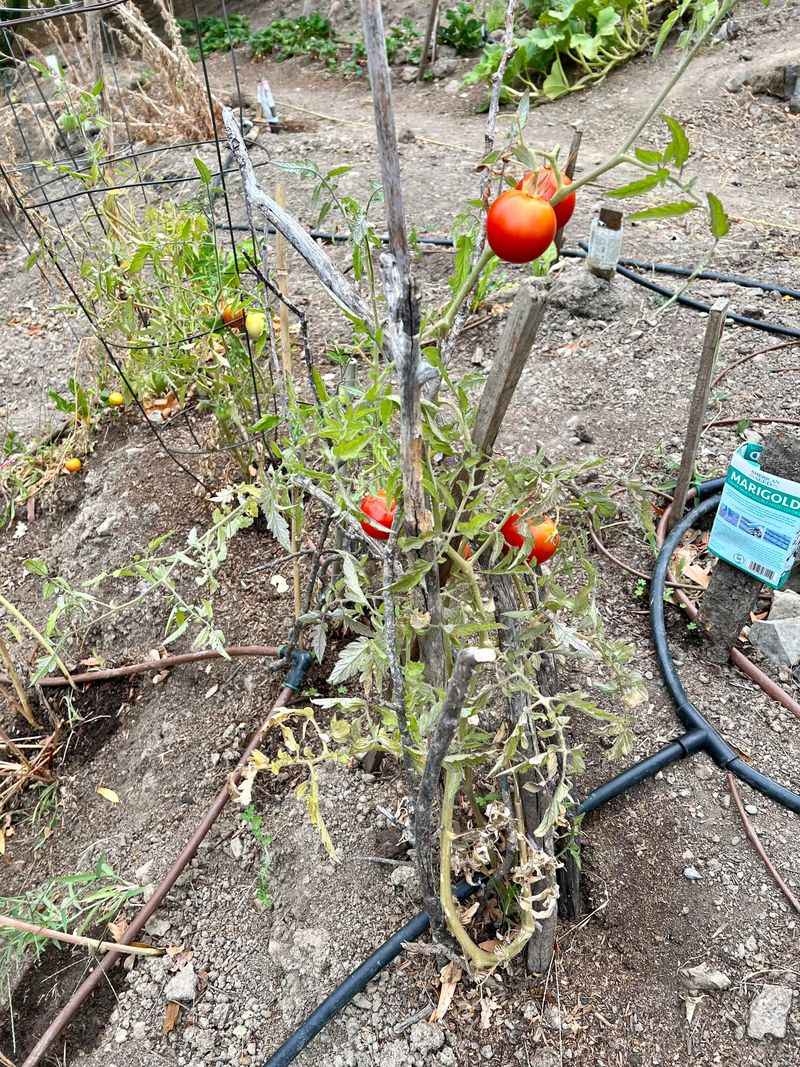
Sunlight is worth evaluating before you reach for any fertilizer product. Tomatoes are high-light plants, and Penn State Extension’s guide on growing tomatoes from seedling to fruit states that they need at least six hours of direct sun daily, with some guidance suggesting closer to eight hours for the best results. A plant growing under a canopy of trees, in the shadow of a fence, or in a spot that only gets good morning light before shade moves in may simply lack the energy to push fruit to full size, regardless of how well you water or fertilize.
Walk through the garden at different times of day and track where direct sun actually falls. Shadows shift through the season as the sun angle changes, and a spot that looked sunny in May can be partially shaded by midsummer. Oregon State University Extension’s tomato publication reinforces that adequate light is a basic requirement for healthy fruit development, and no amount of fertilizer compensates for a genuinely shaded location.
On the fertility side, more is not better. Excess nitrogen is a common issue: it encourages lush, dark-green leafy growth while delaying or reducing flower production and fruit set. If a plant looks beautiful but is producing few flowers or small fruit, a nitrogen-heavy fertilizer program is worth reconsidering. University of Georgia Extension’s soil fertility publication recommends soil testing as the reliable way to know what the soil actually needs before adding anything.
Random additions of calcium, phosphorus, or bloom-booster products are not universally helpful and can create nutrient imbalances or waste money without addressing the real cause.
For container growers, UMN Extension’s container plant guidance recommends following fertilizer label directions carefully and feeding regularly through the season, since potting mix does not hold nutrients the way garden soil does. In-ground gardeners should check whether a soil test has ever been done in that bed, because guessing at fertility without one often leads to the wrong correction. Always follow label-directed rates rather than doubling up in hopes of a faster result.
Pruning affects plant balance but does not guarantee larger tomatoes
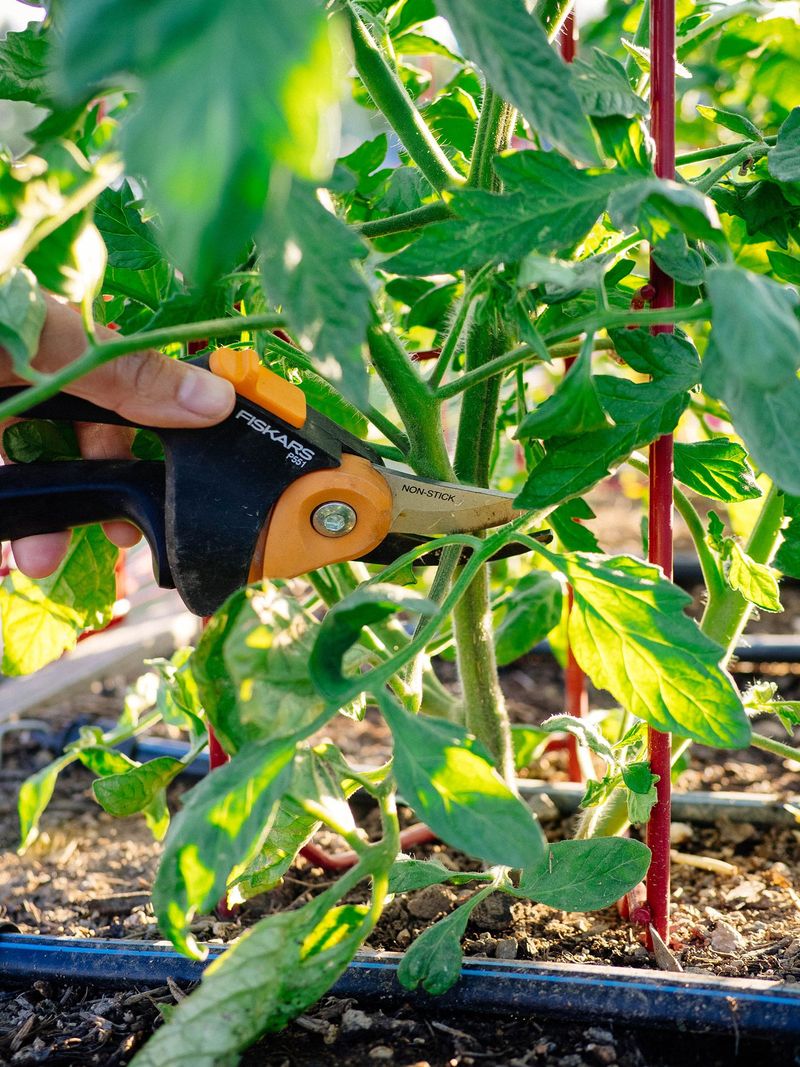
Aggressive pruning is often recommended online as a reliable way to grow bigger tomatoes, but the relationship between pruning and fruit size is more nuanced than that. The first thing to sort out is what kind of tomato you are growing. Determinate or bush-type varieties set their fruit in a concentrated flush and then essentially stop growing, so heavy pruning removes the productive growth they need. University of Illinois Extension’s tomato guide notes that determinate types generally need little or no pruning, and cutting them back aggressively can reduce yield without providing any size benefit.
Indeterminate plants, which keep growing and setting fruit all season, can be trained or selectively pruned to manage their size, improve air circulation, and make support easier. Removing a few suckers on an indeterminate plant is a reasonable management choice, but stripping the plant down to a single stem is a different matter. UMN Extension’s tomato guide cautions that severe sucker removal can stress the plant and expose fruit directly to intense sun and heat, which can contribute to problems like cracking or blossom-end rot rather than solving a size issue.
Fruit thinning, meaning removing some developing tomatoes to concentrate the plant’s resources on fewer fruit, is used in some commercial and research production systems with measurable results. However, Utah State University Extension guidance and similar sources treat this as a technique that depends heavily on the variety, the support system, and the gardener’s goals. Thinning a determinate plant or one already under stress from heat or inconsistent water is unlikely to produce the size gains seen in controlled research settings. Penn State Extension’s cracking guide also links overly bare plants to sun-exposed fruit problems.
The practical takeaway is to prune with a clear reason tied to your specific variety rather than assuming that removing more foliage will automatically result in bigger tomatoes.
Separate fruit-set trouble from fruit-growth trouble
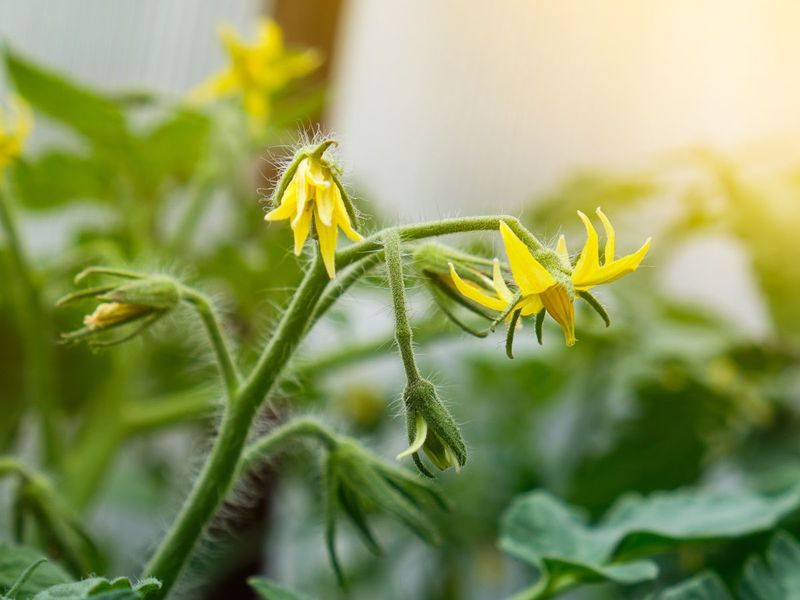
Weather gets blamed for small tomatoes more often than it deserves, but it also gets dismissed more quickly than the facts support. The key is knowing which part of the process the weather actually disrupted. Flower drop and poor fruit set are different problems from fruit that formed normally but stayed small, and they call for different responses.
When nights dip below roughly 55 degrees Fahrenheit or when daytime temperatures push into the high 80s and beyond, tomato pollination can become unreliable. Penn State Extension’s heat stress resource explains that excessive heat can cause pollen to become non-viable and flowers to drop before setting fruit. Penn State’s seedling-to-fruit guide and University of Illinois Extension both note similar approximate thresholds, though the exact temperatures that cause problems vary by cultivar, humidity, soil moisture, and how long the stress lasts. These are approximate ranges rather than hard cutoffs that apply equally to every plant in every garden.
Heat can also affect fruit that has already set. High temperatures can reduce fruit weight and quality even after the initial set succeeds, and the same heat that stresses pollination also increases the plant’s water demand. A stretch of hot weather combined with irregular watering can create overlapping problems that look like a single cause but actually require more than one correction. Colorado State University Extension’s tomato guide and University of Georgia Extension’s production guide both acknowledge weather as a genuine factor in fruit development, not just a convenient excuse.
Outdoor tomatoes generally self-pollinate with help from wind or the natural vibration of the plant. Routine hand-pollination is not normally needed for healthy plants growing outside. Oregon State University Extension’s tomato and tomatillo guide notes that gently vibrating the flower truss is mainly relevant in enclosed greenhouse conditions where air movement is limited, not a standard practice for backyard beds. If flowers are dropping during a heat wave, the most useful response is to make sure the plant is consistently watered and wait for temperatures to moderate, rather than adding hand-pollination to the routine.
Inspect leaves and new growth for plant-health clues
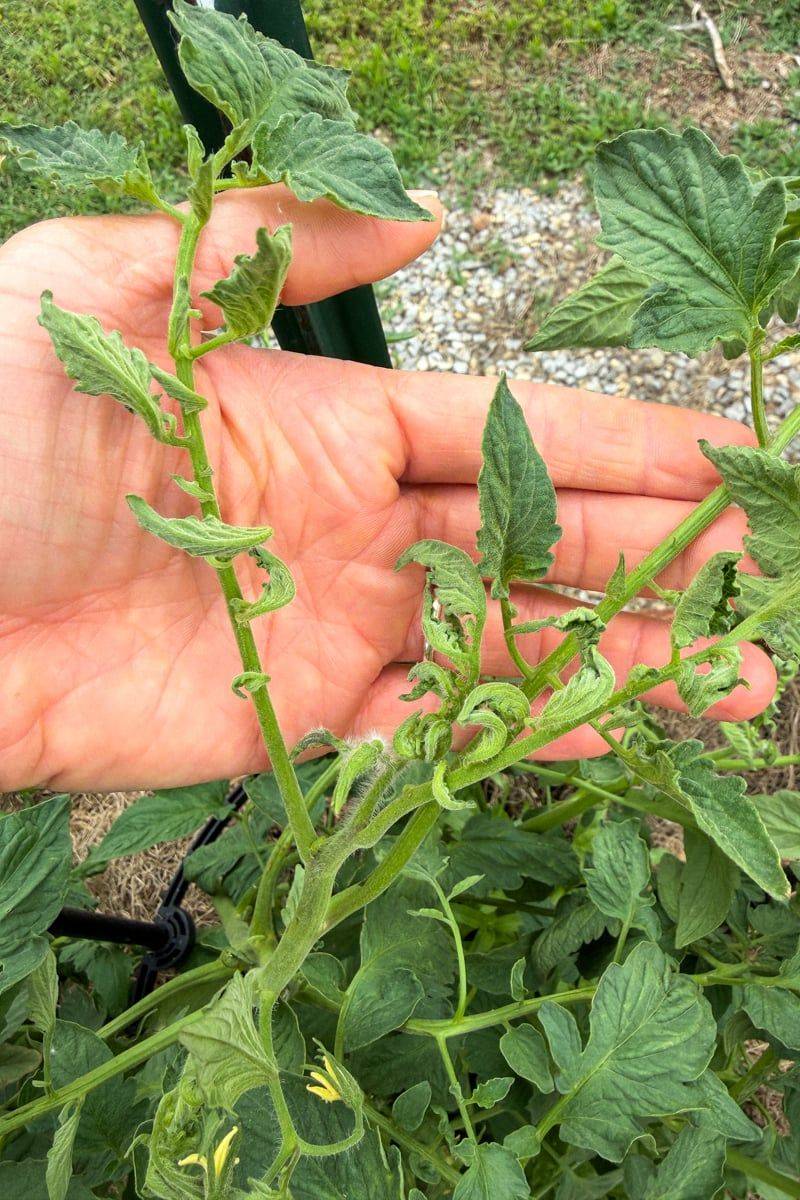
Environmental checks cover a lot of ground, but sometimes the real problem shows up in the leaves before it shows up in the fruit. Severe defoliation from disease or insect damage reduces the foliage available to convert sunlight into energy, which in turn limits the plant’s ability to support developing fruit. Penn State Extension’s guide to tomato diseases and disorders covers a range of conditions that can weaken plant health and reduce productivity, many of which are visible in the leaves well before fruit size becomes an obvious issue.
One pattern that deserves particular attention is distorted or abnormal new growth. Twisted leaves, cupped or curled foliage, strapped or strap-like new leaves, and mottled coloring can all signal virus-like conditions, root injury, or herbicide exposure. UMN Extension’s tomato disorders page lists several causes for these symptoms, and not all of them are related to water or nutrients. Assuming the plant just needs more fertilizer or a deeper watering when the leaves are showing distortion can delay finding the actual cause.
Herbicide injury deserves a specific mention because it is more common than many gardeners expect. If a neighbor recently sprayed a lawn herbicide, if a weed-and-feed product was used nearby, or if a sprayer that previously held an herbicide was reused for garden applications, the resulting exposure can produce twisted and distorted new growth that mimics nutrient deficiency or virus symptoms. University of Illinois Extension’s herbicide injury guidance advises gardeners to consider spray drift and sprayer contamination as possible causes before settling on a diagnosis. If you notice the distortion appearing shortly after nearby spraying activity, that timing is a meaningful clue worth investigating before adding any amendments or changing your watering schedule.
Use the strongest clue to choose the next correction
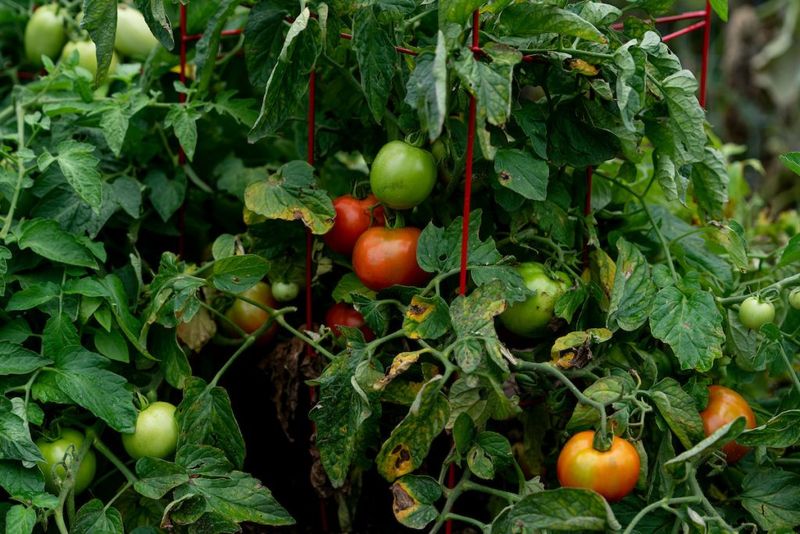
Working through a sequence of checks is more useful than guessing at a single cause and hoping the fix works. Start with the cultivar: confirm what size the variety is supposed to produce and compare that against what you harvested. If the fruit matches the label description, the investigation can stop there. If it falls noticeably short, the next question is where in the process the problem occurred.
Identify whether flowers dropped or failed to set, or whether fruit formed but stayed small. That distinction shapes everything that follows. For fruit-set problems, review recent temperature conditions alongside your watering record, since Penn State Extension’s heat stress information confirms that cool nights and excessive heat can both interfere with pollination and set. For fruit that formed but stayed small, work through the management factors in roughly this order: soil or pot moisture and consistency, root-zone space and drainage, available direct sunlight, fertilizer program and soil test history, and pruning practices relative to the plant’s growth habit.
Inspect the leaves and new growth as a separate step. Twisted, cupped, or mottled foliage points toward disease, virus-like conditions, root injury, or possible herbicide exposure rather than a simple watering or fertility adjustment. UMN Extension’s tomato disorders resource is a practical reference for matching symptoms to likely causes without jumping to conclusions from a single clue.
Match the response to the evidence rather than applying a generic fix. Stabilize moisture if watering has been inconsistent. Move containers to a sunnier spot or repot into a larger container if root space is limited. Stop adding fertilizer products that were not directed by a soil test.
Moderate pruning to suit the growth habit rather than removing everything in reach. If disease or spray injury looks likely, contact your local cooperative extension office with photos before treating. UMN Extension’s container plant guidance and Penn State Extension’s cultivar selection resource are both worth bookmarking as references for future seasons. Weather and routine management often interact, so forcing a diagnosis into one category or the other is rarely accurate.
Small tomatoes call for a diagnosis, not a single quick fix
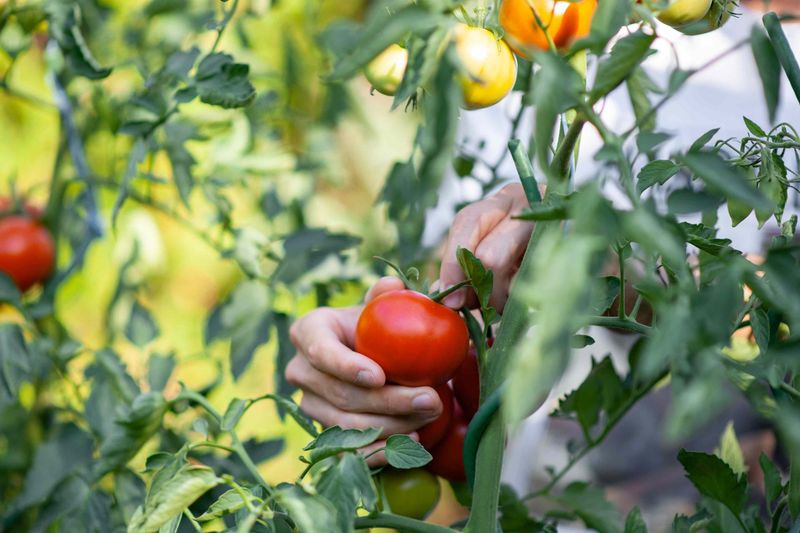
The pattern that runs through every section of this guide is the same: small tomatoes rarely have one cause, and the fix that works depends entirely on which cause is actually present in your garden. Start by confirming the cultivar’s expected size, then determine whether flowers failed to set or fruit set but stopped expanding, and work through moisture and root space, light, fertility, pruning, plant health, and weather conditions in sequence rather than at random.
Targeted corrections outperform generic ones every time. Adding calcium without a diagnosed need, overfertilizing with products not directed by a soil test, removing every sucker regardless of growth habit, or routinely hand-pollinating outdoor flowers are all responses that may fail to address the real cause while creating additional stress or imbalance. UMN Extension’s tomato growing guide, Penn State’s heat stress resource, and UMN Extension’s disorder guide all support the same conclusion from different angles: the evidence points to several possible causes, not one hidden reason that most gardeners overlook.
A garden that produced small tomatoes this year is not a failure. It is a set of clues worth reading carefully before next season begins.