
The Little-Known North Carolina Native Ferns That Actually Prefer The Heavy Clay Where Most Plants Sulk
If your North Carolina backyard has that sticky red clay that turns rock-hard in summer and slick as pudding after rain, you already know most plants throw a fit in it. The good news is that several native ferns don’t just tolerate heavy clay, they actually settle right in and flourish there.
Even better, these ferns feed and shelter the wildlife you love, from salamanders to nest-building songbirds, while deer usually leave them alone. Here are seven clay-friendly native ferns worth planting this season.
1. Sensitive Fern (Onoclea sensibilis)
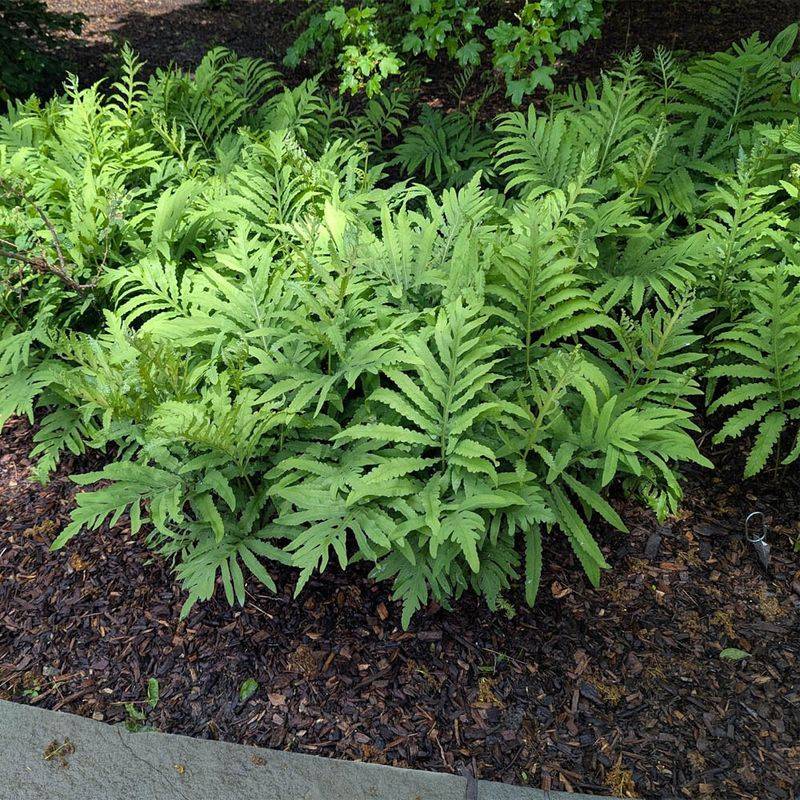
Named for how quickly it browns at the first fall frost, the Sensitive Fern is one of the toughest ground-covers you can tuck into damp, shady clay. It shrugs off the dense shade and heavy soil that make fussier plants pout.
The one thing it asks for is roots that can still breathe, so avoid stagnant, sour spots where water just sits. Give it consistently moist clay with some organic matter and it will spread by creeping rhizomes into a lush green carpet.
For a wildlife-friendly yard, this fern is a quiet hero. Its low fronds shelter salamanders, frogs, and other small creatures, and deer walk right past it.
Expect it to reach about 1 to 2 feet tall and 2 to 3 feet wide, filling in trouble areas beautifully.
2. Southern Lady Fern (Athyrium asplenioides)
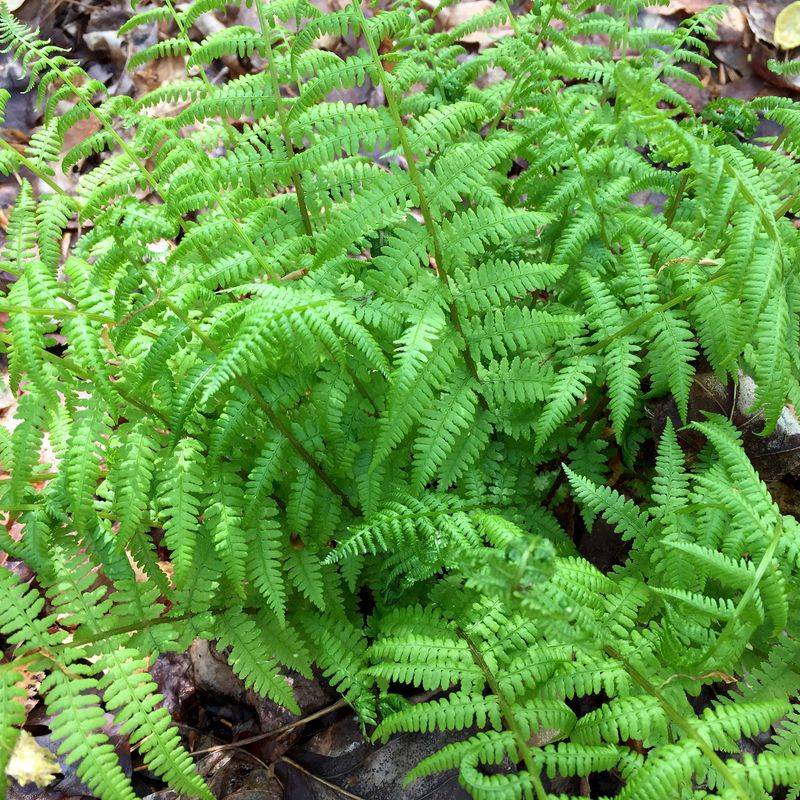
Delicate looks, sturdy attitude. The Southern Lady Fern wears feathery, lacy fronds that seem too refined for red clay, yet it thrives in clay loams across North Carolina as long as moisture stays medium to wet and the light is part to full shade.
Growing 2 to 3 feet long, its fronds knit together into a soft, dense mat that fills bare shady corners fast. Songbirds actually pull bits of it for building their nests, so you get beauty plus a little backyard construction crew.
Rabbits and deer tend to skip it, which is a relief for anyone tired of watching new plantings get nibbled to nubs. Plant it where you want a graceful, low-maintenance filler that earns its keep.
3. Royal Fern (Osmunda regalis)
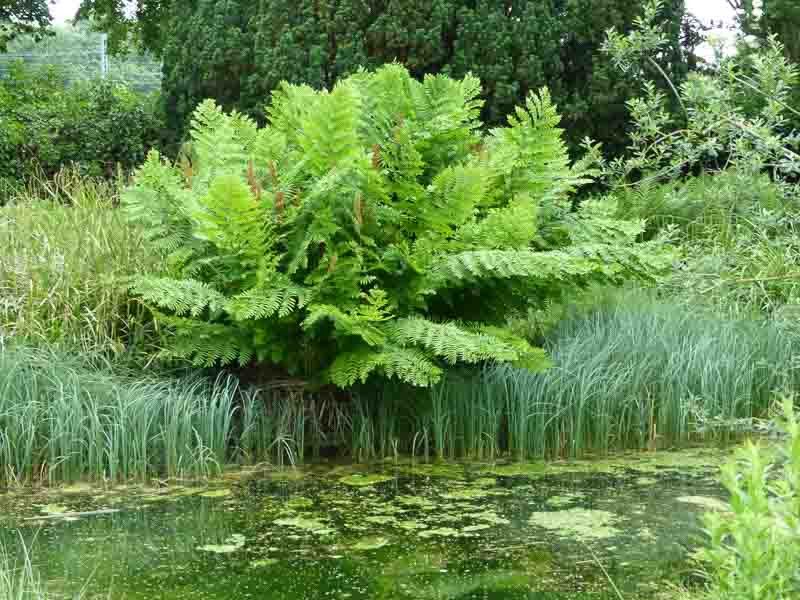
Regal by name and by presence, the Royal Fern rises in tall, vase-shaped clumps that can hit 3 to 6 feet, giving a shady wet spot real drama. Its bright green fronds look almost tropical against dull clay.
While it loves moist, rich, acidic ground, it adapts to lesser conditions and handles various wet soils, including clay and clay loam. That makes it a standout pick for rain gardens or those low areas of the yard that stay soggy after every storm.
The dense fronds double as shelter and nesting cover for small animals and birds, and deer generally leave the whole clump alone. If you have a wet clay problem child of a spot, this fern turns it into a showpiece.
4. Cinnamon Fern (Osmunda cinnamomea)
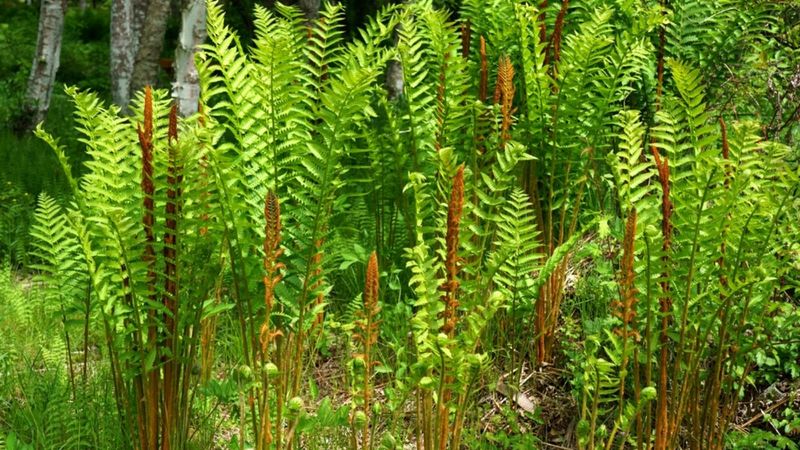
Come spring, this fern puts on a show that gives it its name: upright, cinnamon-brown fertile spikes shoot up from the center of the green fronds like fuzzy candles. It’s a moment worth watching for.
Growers often say it handles clay and heavy soils far better than most plants, as long as conditions don’t bounce between bone-dry drought and stagnant flooding. Keep the moisture steady and it stays happy.
Here’s a charming detail for bird lovers: the soft, scale-like fuzz on its young stems gets harvested by songbirds to line their nests. Deer are strongly repelled by it, and the plant makes excellent ground cover, so you protect the soil and feed the neighborhood birds at once.
5. Interrupted Fern (Osmunda claytoniana)
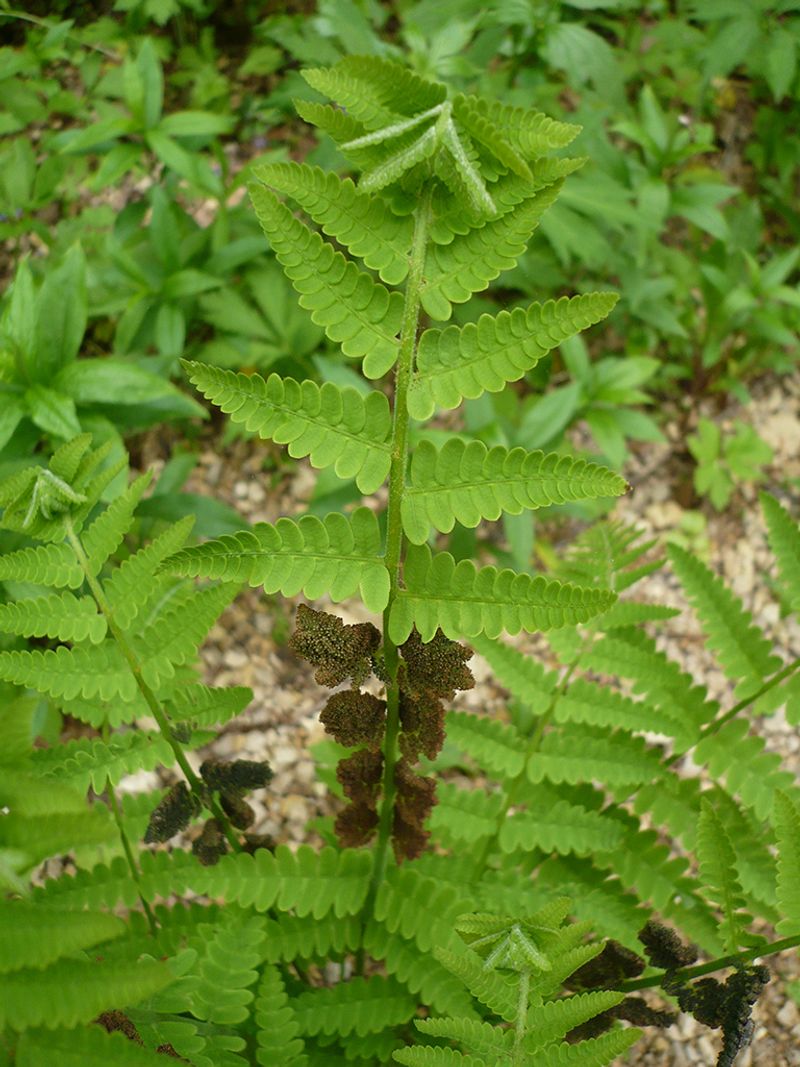
Oddly enough, this fern got its name from a gap. Partway up certain fronds, the green leaflets pause for a stretch of brown, spore-bearing ones, giving the frond an odd interrupted look that makes it easy to spot.
What sets it apart from its cousins is flexibility. It prefers moist, acidic, humus-rich soil, but it will tough it out in dry, stony, and clay-rich conditions where other ferns quit, making it a great choice for the harder, drier clay pockets in a yard.
Reaching 2 to 4 feet tall, it offers cover for small mammals and stays off the menu for both deer and rabbits. If your clay swings toward the dry and rocky side, this is the fern that won’t complain.
6. Ostrich Fern (Matteuccia struthiopteris)
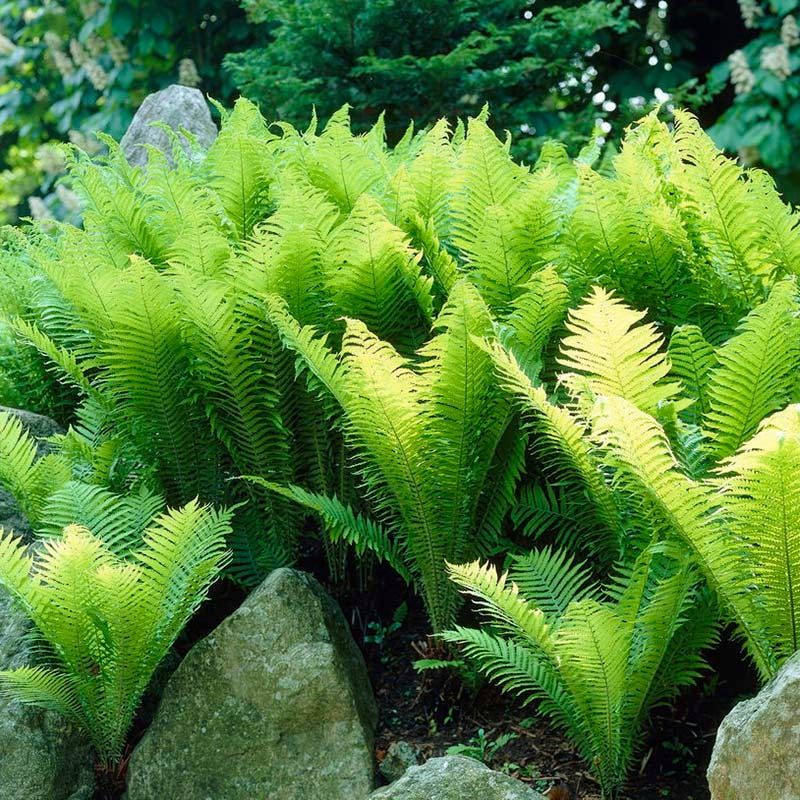
Big, bold, and a little bossy. The Ostrich Fern can tower up to 6 feet in wet ground, unfurling plume-shaped fronds that look like giant green feathers standing on end.
Gardeners describe it as super easy in clay to sandy loam, and it laughs off heavy shade, wet soil, and even erosion. Because it marches outward by underground rhizomes, it’s fantastic for holding a slope together or colonizing a difficult, boggy corner.
Small mammals and ground-loving birds hide among its fronds, and some moth species use it as a larval food plant. Fun fact: its young curled fiddleheads are edible.
Just know that its eager spreading means you may need to keep it in check in a small bed, so plant it where it has room to roam.
7. Planting and Caring for Clay-Loving Ferns in Your NC Yard
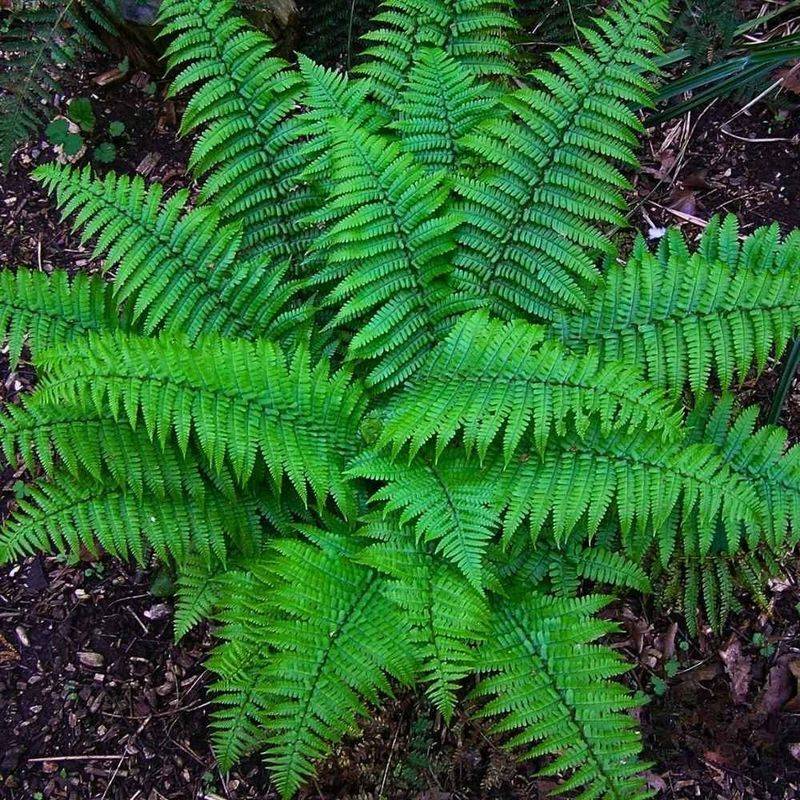
Getting these ferns established is easier than fighting your clay year after year. Spring and fall are the sweet-spot planting windows in North Carolina, when the soil is workable and roots can settle before heat or cold hits.
Loosen a wide planting hole rather than a deep one, mix in some compost or leaf mold to help clay hold air and moisture, and set the crown at soil level. A couple of inches of shredded leaf mulch keeps roots cool and steady, which is exactly what these ferns want.
Water consistently the first season so they don’t swing between soggy and parched.
Choosing these natives over invasive introductions like the widely sold Japanese climbing fern does real good for your yard’s ecosystem. You’ll cut back on the constant babying that clay-hating plants demand, give box turtles, salamanders, frogs, and nesting songbirds cover to use, and lean on the fact that deer and rabbits mostly leave ferns alone.
That’s a low-effort win for you and the wildlife that calls your patch of North Carolina home.