
The One Thing North Carolina Beets Need When You Seed Them In September Or They Never Sweeten Up
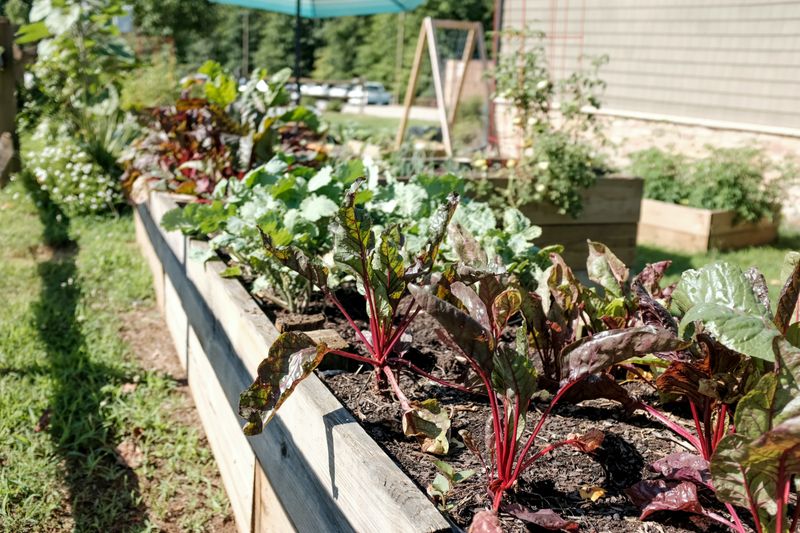
Fall beet growing in North Carolina has a tight window, and what you do right after sowing matters more than most gardeners expect. A dry seedbed in late summer heat can stop germination cold, leaving you with a patchy stand that never has a real chance at producing decent roots.
Keeping that seedbed consistently moist is the single most important thing you can do in the days right after sowing, though it is only one piece of a larger puzzle that includes timing, variety, temperature, and harvest decisions.
Keep the seedbed evenly moist first
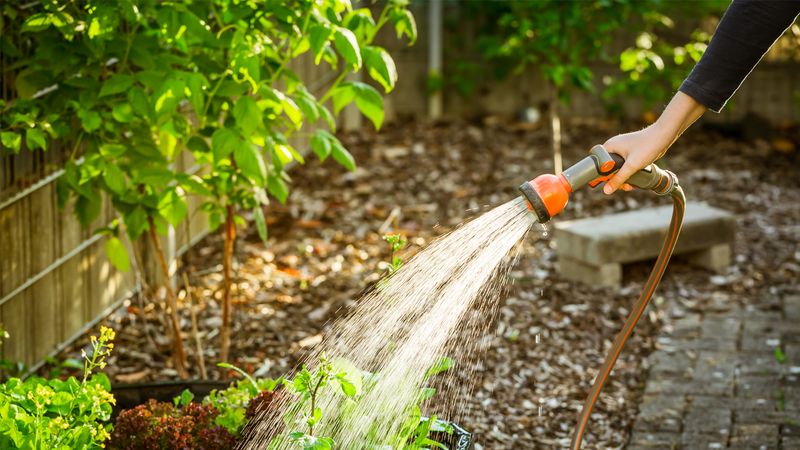
Moisture is the first thing beet seeds need after they go into the ground in September. According to NC State Extension’s beet plant profile, beets require consistent moisture for a good crop, and fall direct-seeding depends on keeping seedlings actively growing from the moment they sprout.
Let the surface dry out and crust over between waterings, and germination rates drop fast.
The goal is evenly moist soil, not soggy soil. Beets prefer well-drained ground, so if water is pooling or sitting for hours after a rain, drainage is a problem that needs fixing before you focus on moisture retention.
Poor drainage can weaken a stand just as quickly as drought stress can.
Repeated cycles of drying and rewetting are especially damaging in late summer. The soil surface heats up, moisture evaporates, a crust forms, and tender emerging seedlings cannot push through.
Water lightly and often enough to keep the top inch of soil from drying out completely during that first week or two after sowing.
Once seedlings are a few inches tall and established, a thin layer of organic mulch, such as straw or shredded leaves, can help slow evaporation and reduce surface crusting. Apply it carefully so it does not smother the small plants.
Think of mulch here as a moisture-management tool rather than a flavor treatment.
Practical steps right after sowing: water the bed gently at seeding, check soil moisture daily during hot and dry stretches, use a shallow hand tool to break any surface crust before it hardens, and add a light mulch layer once seedlings are standing on their own. These actions give your September beets the stable growing environment they need to establish before the real cool weather arrives.
Is September still the right window for your yard?
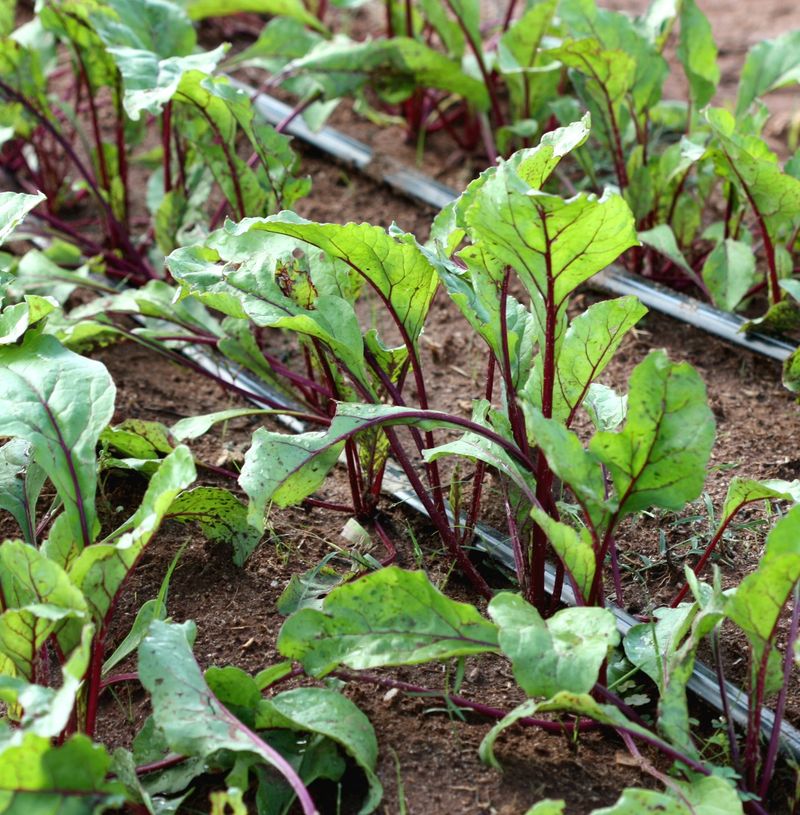
September does not mean the same thing in every North Carolina garden, and treating it as a universal deadline can lead you to sow too late or skip a planting that still had time. Where you live in the state makes a real difference.
The Southeastern Vegetable Crop Handbook lists fall beet planting windows as August 1 through September 15 for eastern North Carolina and July 15 through August 15 for western North Carolina. That difference is meaningful.
A gardener on the Coastal Plain may still have a workable window in early September, while a gardener in the mountains or much of the Piedmont may already be pushing the limit by Labor Day.
Elevation and local frost timing drive those regional differences. Higher elevations see killing frosts earlier in fall, which means beets seeded later have less time to size up before cold ends the season.
Heat and drought during the germination period can also delay establishment, effectively shortening the window even further even if the calendar date looks fine.
The most reliable approach is to work backward from your expected first killing frost date. Beets typically take 55 to 70 days from seed to a harvestable root, so count back that many days from your local frost date to find your planting deadline.
The NC State Eastern North Carolina Planting Calendar places beets at roughly 55 to 60 days, and you can look up your specific location using the NC State Climate Office Freeze Date Explorer to get a frost probability that fits your yard rather than a regional average.
Early September may still work for a Coastal Plain gardener with warm, moist soil and a late frost date. For mountain and many Piedmont gardeners, the better strategy is to aim for mid-August and treat early September as a backup only if conditions are ideal.
Checking your local frost date before you sow is a five-minute step that can save an entire planting.
Give fall seedlings a clean start

Consistent moisture does its job best when the seedbed is set up to support it. One of the clearest recommendations from NC State is to direct-seed beets rather than transplant them, because disturbing the taproot early in development can lead to forked or misshapen roots that never size up correctly.
Put the seed in the ground where you want the root to grow.
Seedbed preparation matters too. Loose, fine-textured soil without large clods or debris gives seeds good contact with the surrounding soil and reduces the chance of surface crusting.
If your bed has a heavy clay content, working in a little compost before seeding can improve both drainage and moisture retention without creating the waterlogged conditions that hurt beet roots.
One detail that surprises many first-time beet growers: what looks like a single beet seed is actually a cluster of seeds fused together. Each cluster can produce two to four seedlings.
According to the NC State Extension beet plant profile, you should thin plants to about 2 to 3 inches apart, and the Southeastern Vegetable Crop Handbook lists 3 inches as the target spacing. Crowded beets compete for water, nutrients, and space, and the roots that result are often small and uneven.
Thin seedlings when they are about 2 inches tall by snipping extras at soil level rather than pulling them, which can disturb the roots of neighbors you want to keep. The small thinned tops are edible greens, so nothing goes to waste.
Getting plant spacing right at this early stage sets up each root with the room it needs to fill out properly before harvest.
Cool weather does more for flavor than a magic fix
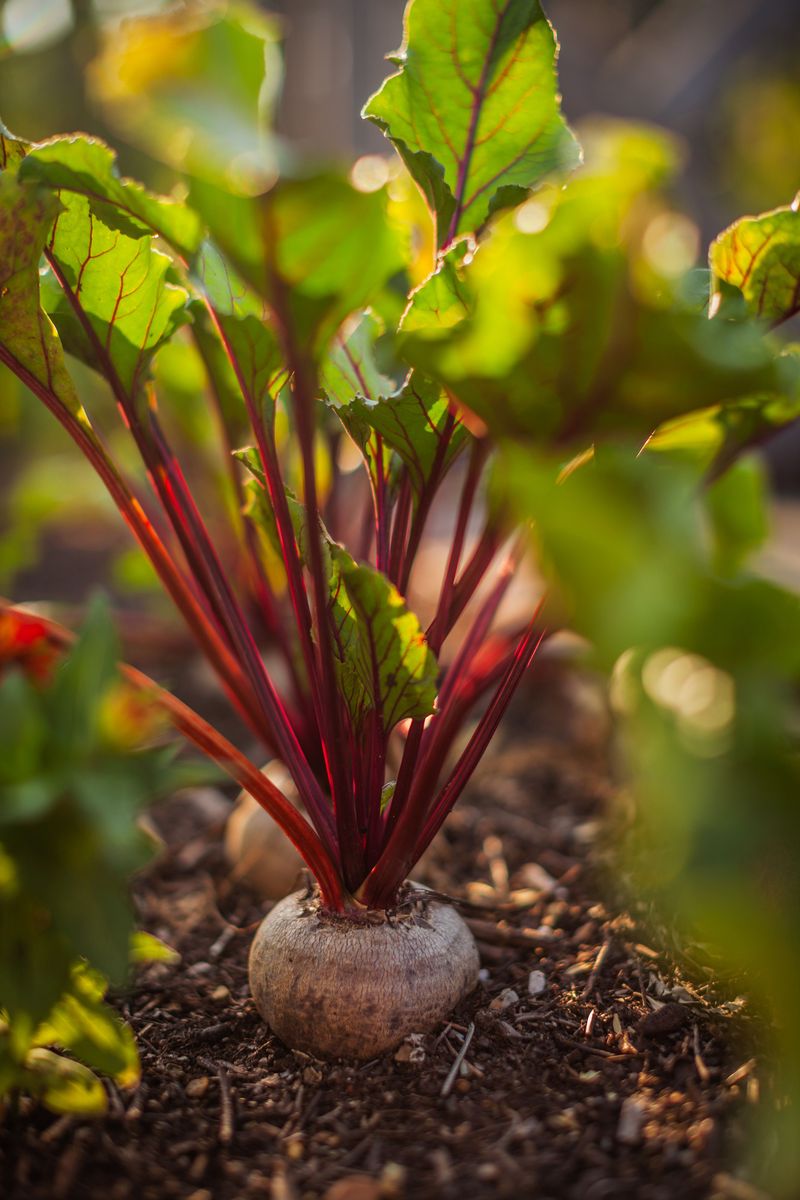
Beets and cool weather have a genuine relationship, but it is not as simple as “wait for frost and get sweetness.” NC Cooperative Extension’s Yadkin County guidance on growing beets notes that beets grow best in cool temperatures and may become sweeter as they grow into colder weather. That tendency is real, and it is one reason fall planting can produce good-quality roots in North Carolina.
What that guidance does not say is that one frost flips a bland beet into a sweet one. Cool temperatures support flavor development gradually as the plant matures, and a light frost at the end of the season is not a required ingredient.
Roots that have been growing steadily through cooling fall weather, well-watered and properly spaced, are more likely to taste good than roots that struggled through heat and drought and then experienced a single cold snap.
Cultivar choice also plays a larger role than many gardeners realize. A peer-reviewed study of beetroot genotypes grown organically found meaningful differences in soluble sugar content among open-pollinated varieties, which means the seed you start with can affect flavor outcomes as much as the growing conditions you provide.
Varieties bred for sweetness and tenderness, such as Chioggia, Cylindra, or Red Ace, tend to perform better for fresh eating than older or more generic types.
There is a real tension in the fall planting timeline. Sowing later in the season means the crop matures into cooler weather, which can help quality.
But sowing later also means the plant has to establish during the hottest and driest part of late summer, when germination is less reliable and heat stress can reduce stand quality before cool weather ever arrives. Managing that tension is why consistent moisture during establishment matters so much.
The cool weather benefit is real, but the plant has to survive long enough to experience it.
Skip unsupported sweetness shortcuts
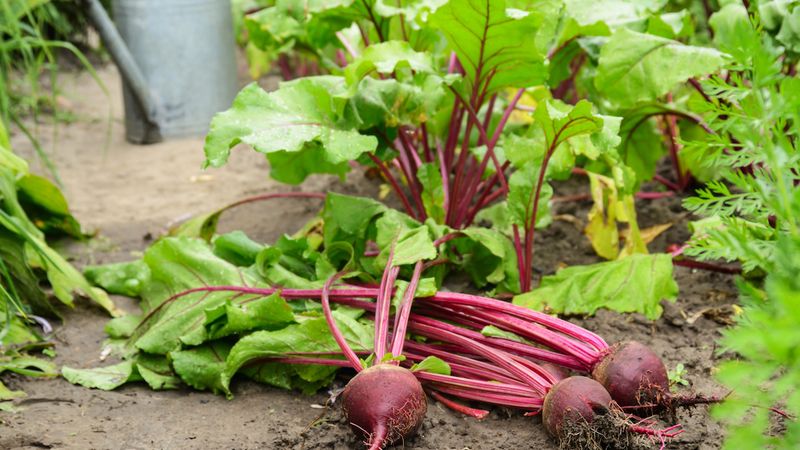
A soil test is the right starting point for any fertilizer or lime decision in a beet bed. NC Cooperative Extension recommends soil testing before adding amendments, because beets grown in well-prepared, properly balanced soil are more likely to produce usable roots than beets grown in beds loaded with fertilizers chosen by guesswork.
Adding extra phosphorus, potassium, boron, sugar, molasses, or any other specific amendment to “sweeten” backyard table beets is not supported by reliable Extension guidance. These approaches circulate online, but there is no consistent evidence that any single amendment reliably changes the flavor of garden beets the way crop management, timing, and variety do.
Spending money on supplements before getting a soil test is working in the wrong order.
Withholding water to concentrate sugars is another shortcut that backfires. Drought stress reduces overall plant growth and can make roots woody, stringy, or earthy rather than tender and flavorful.
The NC State beet plant profile is clear that consistent moisture supports a good crop, and pulling back on water to chase a flavor outcome is likely to reduce quality rather than improve it.
Sound crop management covers the ground that these shortcuts are trying to cover. Choose a variety suited for fresh eating, sow within your local fall window, keep moisture consistent, thin for root space, and let the crop mature through cooling temperatures.
That sequence, supported by a soil test and appropriate amendments where needed, is a more reliable path to quality roots than any single ingredient or trick.
Harvest size can decide whether quality holds
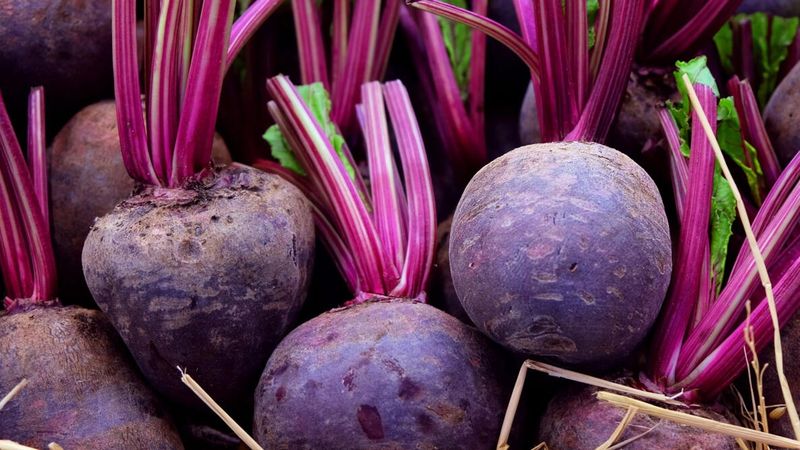
Roots left in the ground too long tend to lose the qualities that make beets worth growing. NC State Extension puts the harvest window at roughly 1.5 to 3 inches in diameter, and other Extension guidance reinforces that oversized roots can turn tough and stringy.
Checking root size regularly in the final weeks before frost is a better harvest signal than waiting for a specific weather event.
Texture and eating quality can shift quickly once a beet passes the ideal size range. A root that looks impressively large may have developed a woody core or lost the tender interior that makes it worth roasting or pickling.
Pulling a few test roots and cutting them open to check the interior is a practical habit worth building in October and November.
Harvest timing also interacts with flavor. Roots that have had several weeks of cool growing weather and are pulled at a reasonable size are more likely to taste good than roots that were left too long and experienced wide swings in temperature or moisture at the end of the season.
A frost is not a harvest signal on its own. A root at the right size, grown through steady cool conditions, is the better guide.
An edible beet may still be mild rather than intensely sweet, and that is a normal outcome rather than a failure. NC Cooperative Extension’s beet guidance describes flavor variation as part of the growing picture, not a binary result.
Judge each root on texture, size, and taste rather than holding out for a single defining moment in the weather.
The dependable September beet strategy
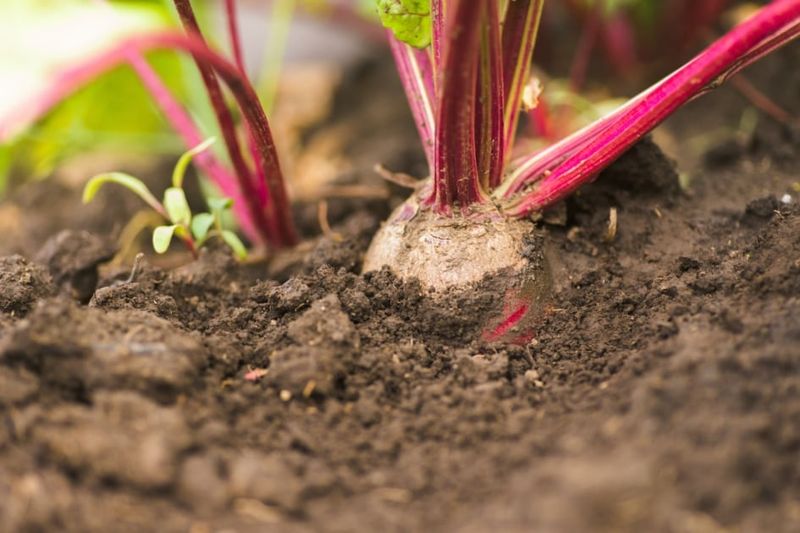
A reliable September beet planting comes down to a clear sequence. Check your local frost date, confirm you have enough days for the crop to mature, sow seeds directly into a prepared seedbed, and keep that seedbed evenly moist without letting water pool or the surface crust over.
Those first steps determine whether you get a stand worth managing.
From there, thin seedlings to 2 to 3 inches apart once they are established, as described in both the NC State beet plant profile and the Southeastern Vegetable Crop Handbook. Let the crop mature through cooling fall weather, monitor root size as harvest approaches, and pull roots before they outgrow the 1.5 to 3 inch range.
Consistent moisture gives a September planting its best chance to establish and produce quality roots. Sweetness, though, reflects the combined effects of timing, temperature, variety, plant health, maturity, and harvest, as NC Cooperative Extension’s beet guidance makes clear.
A well-managed fall beet is not sweet because of one intervention. It is good because every step along the way left the plant room to do its job.