
The One Thing North Carolina Hostas Need In September Or They Come Back Weaker Next Spring
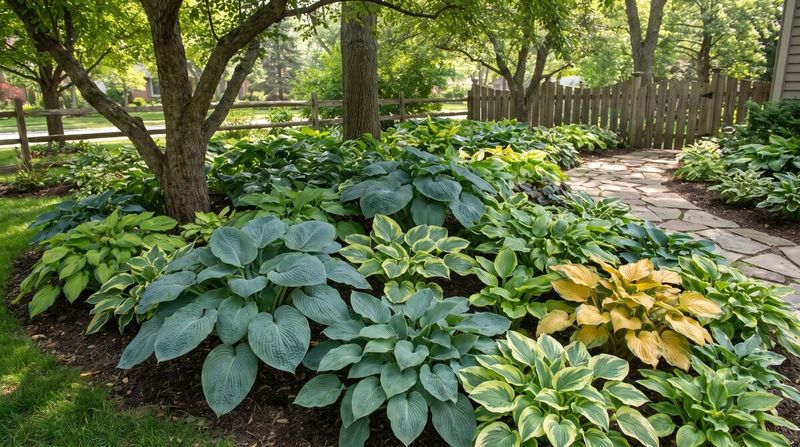
Hostas are some of the most forgiving plants in a North Carolina yard, but every fall a lot of gardeners start worrying that they missed something critical in September. The good news is that no single universal September task stands between your hostas and a healthy spring return.
What actually matters depends on your specific plant, its location, and what kind of summer it just had.
September Sets a Checkpoint, Not a Statewide Deadline

A lot of gardening advice frames September as a hard deadline for hostas, suggesting that one missed step guarantees a weaker plant the following spring. That framing is too simple for North Carolina, where conditions vary enormously from the Blue Ridge to the Coastal Plain and where plant history matters just as much as the calendar.
Established hostas growing in appropriate shade with decent drainage are generally resilient. NC State Extension’s hosta profile describes the plant as adaptable and long-lived in suitable sites, which means a healthy, well-rooted hosta in the right spot usually does not face a guaranteed spring setback simply because you skipped a September ritual.
The more useful approach is to treat September as an inspection checkpoint rather than a countdown clock. Walk through your beds and look at each plant individually.
Check whether the soil feels dry several inches down, note whether the plant was put in the ground this year or has been established for multiple seasons, and consider whether it spent summer in heavy shade or in a spot that got more sun than intended.
Foliage condition tells you a lot. A hosta with firm, green leaves and soil that stays reasonably moist after rain probably needs very little from you right now.
One that shows wilting, crispy edges, or soil that dries out within a day or two of watering deserves closer attention, especially if it was planted, divided, or transplanted recently.
Extension guidance on hosta performance confirms that spring results depend on multiple factors including plant age, drainage, shade, disease, and whether a plant was moved too late in the season. Planting history and site conditions carry more weight than any single September action.
Check Moisture First When a Hosta Is New or Drought-Stressed
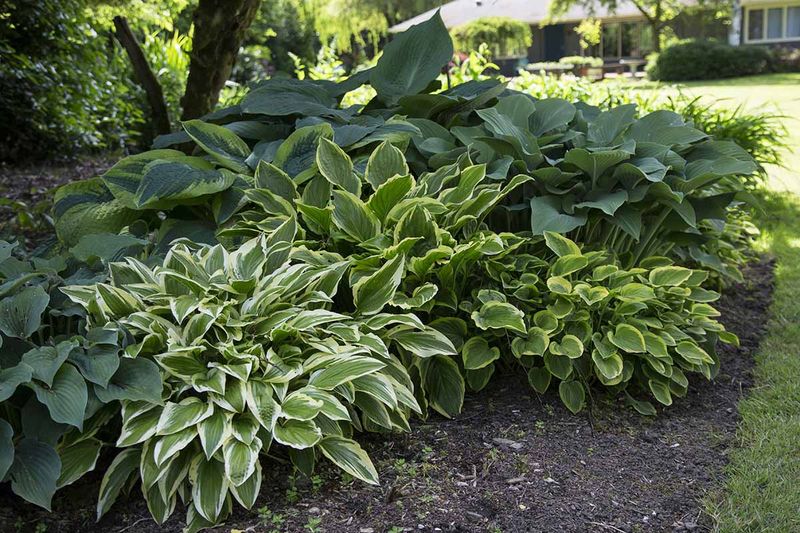
Moisture management is the most meaningful September check for hostas that are recently planted or visibly stressed from a dry summer. For established plants in well-drained, shaded beds that received adequate rainfall, the soil may already be in good shape and require nothing beyond a quick check.
To assess whether your hosta needs water, push a finger or a thin trowel into the soil two to three inches down. If it feels dry and crumbly at that depth, the root zone is running low.
If it feels cool and slightly damp, hold off. NC State’s woody ornamentals handbook identifies soil type, drainage, shade, mulch, and transplant status as the key variables that determine how quickly a planting dries out, and those same factors apply directly to hostas in ornamental beds.
When watering is warranted, apply it slowly at the base of the plant and let it soak in thoroughly before moving on. The goal is to wet the root zone to a depth of several inches, not just dampen the surface.
After watering, allow any excess moisture to drain freely. Frequent shallow watering encourages roots to stay near the surface, which makes plants more vulnerable to both drought and temperature swings.
Continually saturated soil creates its own problems. NC State’s hosta profile notes that while hostas prefer consistent moisture, they tolerate winter sogginess poorly.
Heavy clay soils, low spots, and beds with poor drainage warrant extra caution, because keeping those sites too wet can contribute to root and crown problems that show up the following season.
Extension guidance on hostas and drought reinforces that watering decisions should follow actual soil conditions and weather patterns rather than a fixed schedule. A rainy September in Asheville calls for a different response than a dry one in Raleigh or Wilmington.
Recent Transplants Deserve the Closest September Attention
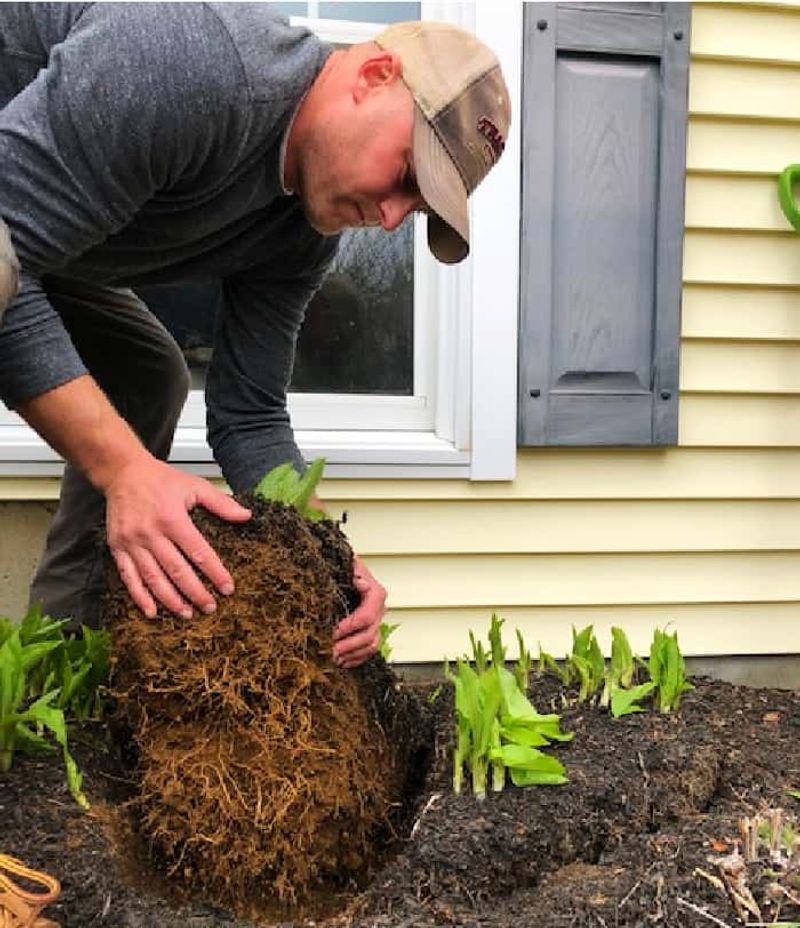
Not every hosta in your yard carries the same level of September risk. A clump that has been in the ground for three or more years, in a spot that suits it, is in a very different situation from one you divided last month or planted from a container in August.
Newly planted, divided, container-grown, and recently transplanted hostas have not yet built the root networks that help established plants handle stress. Their root zones are smaller, their moisture reserves are shallower, and they are more vulnerable to the combination of late-summer heat and early fall dry spells that North Carolina often delivers.
These plants need regular monitoring and thorough watering at the base whenever the soil dries out, continuing as long as the foliage remains green and active.
Fall planting and division can work in North Carolina, but timing matters. NC State extension guidance on landscape installation points to the general principle that perennial plantings benefit from several weeks of establishment before the ground freezes, which in practice means fall divisions need to go in early enough to root before hard freezes arrive.
A hosta divided and replanted in late September in the mountains faces a tighter window than one moved in early September along the Coastal Plain.
For most North Carolina gardeners, NC State’s hosta profile lists early spring as the preferred time to divide hostas, and that recommendation holds for anyone who wants the most forgiving conditions. Spring gives transplants a full growing season to settle in before facing winter.
If you already divided or transplanted a hosta this fall, focus on keeping the root zone evenly moist, not wet, and follow the mulch guidance in the next section. NC State’s herbaceous ornamentals handbook supports consistent aftercare for late-season plantings, with attention to drainage remaining a priority throughout.
Mulch Helps the Root Zone Only When It Can Still Drain
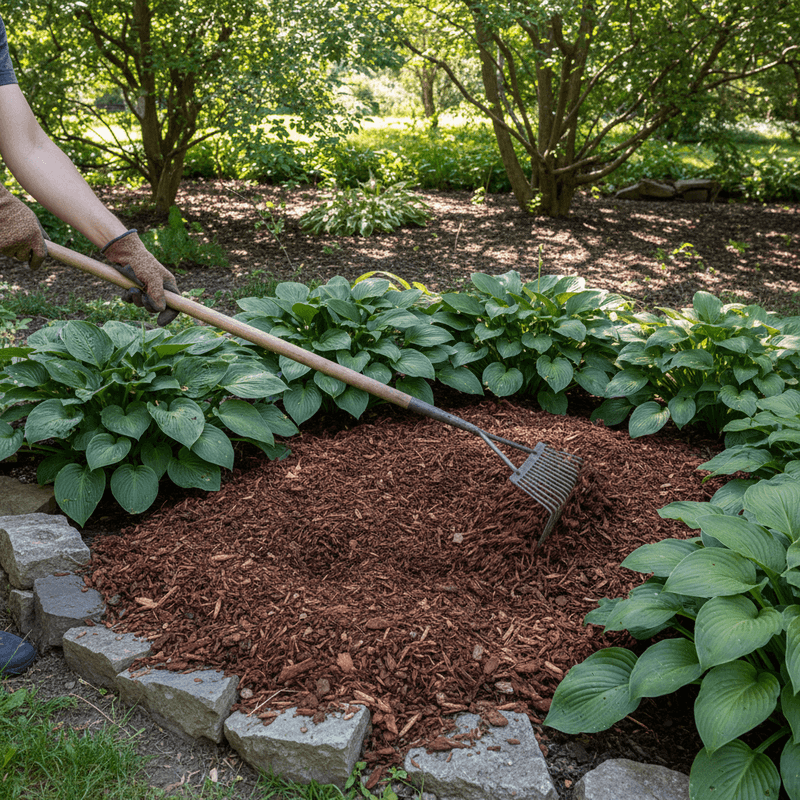
Mulch earns its place in hosta care by slowing moisture evaporation from the soil and buffering the root zone against temperature swings. Both benefits matter in fall, particularly for hostas planted or divided late in the season when roots are still getting established and soil temperatures can shift quickly overnight.
A two-to-three-inch layer of organic mulch, such as shredded bark, pine straw, or wood chips, applied around the bed does a solid job of both tasks. The placement rule is straightforward: keep the mulch across the root zone but pull it back from the crown and stems.
NC State’s herbaceous ornamentals handbook specifies mulching the bed while leaving crowns and stems uncovered, and that guidance applies directly to hostas in residential beds.
Piling mulch over or against the crown is one of the more common fall mistakes. Wet organic material sitting against the base of the plant can trap moisture and reduce airflow in exactly the spot where you least want either.
Over time, that combination can contribute to crown rot or create conditions that encourage disease.
Drainage is the other variable to keep in mind. NC State’s hosta plant profile notes that hostas handle winter sogginess poorly, so mulching a low-lying or clay-heavy bed that already drains slowly requires more restraint.
In those spots, a thinner layer that still allows rain to move through freely is safer than a thick one that holds water near the surface. The goal is to retain useful moisture and moderate temperature, not to create a wet blanket over the root zone.
Keep Healthy Green Leaves Working Until They Decline
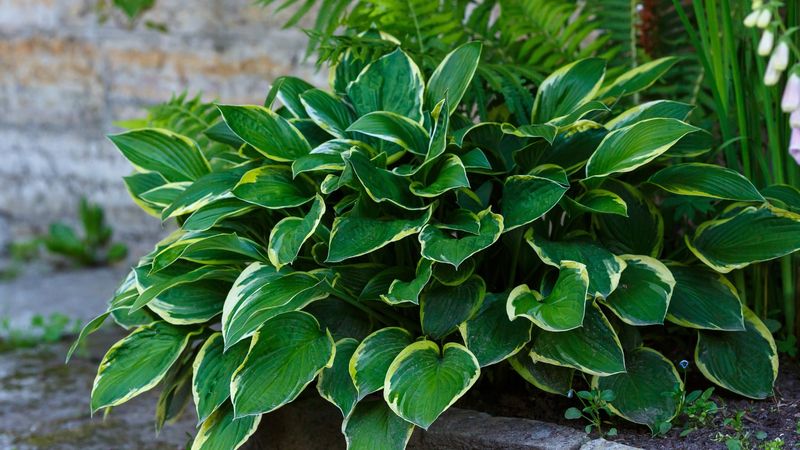
September arrives and some gardeners feel an urge to tidy up the hosta bed, cutting back leaves that look a little tired or simply because fall cleanup season feels like it has begun. Cutting healthy green hosta foliage too early is one of the more straightforward ways to reduce the plant’s readiness for the following spring.
Green leaves are still working. Photosynthesis continues as long as foliage is intact and receiving light, and perennial plants use that late-season energy to replenish carbohydrate reserves before going dormant.
Removing healthy tissue before the plant has finished that process shortens the window available for it. Extension guidance on hosta foliage timing is clear that cutting back should wait until leaves have naturally yellowed, collapsed, or been damaged by a hard frost.
The practical threshold is visible decline, not the date. When hosta leaves turn yellow and limp on their own, or when a frost flattens them overnight, that is the natural signal that the plant has moved into dormancy and cleanup can proceed.
Waiting for that signal costs nothing and gives the plant every opportunity to store what it needs.
Disease changes the calculation. University of Illinois Extension guidance on fall hosta care recommends removing and disposing of foliage affected by disease or foliar nematodes rather than leaving it in place or adding it to a home compost pile.
In those cases, earlier removal reduces the chance that pathogens or pests overwinter in the bed and reinfect plants the following season. Clean your tools between plants when removing diseased material to avoid spreading the problem.
Yellowing Does Not Automatically Call for Fertilizer
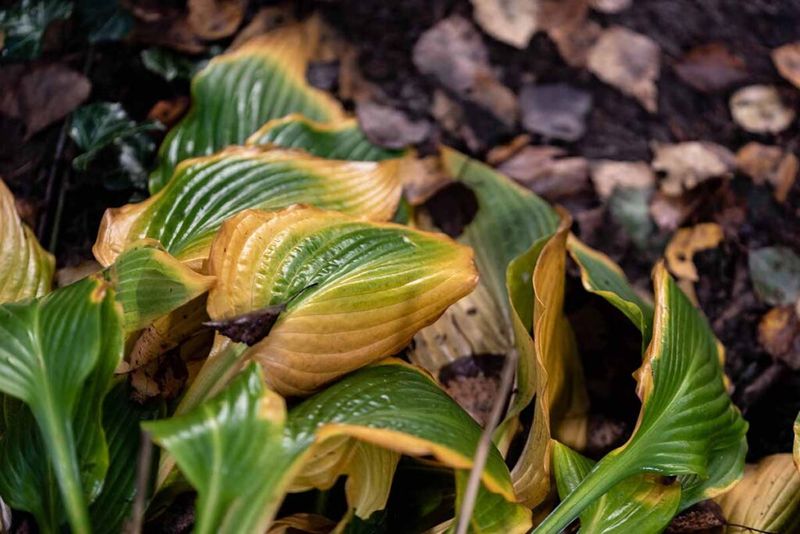
Late summer and early fall yellowing in hostas makes some gardeners reach for fertilizer, reasoning that the plant looks depleted and could use a boost before winter. That reaction is understandable but often misses the actual cause, and applying the wrong fix at the wrong time can create problems rather than solve them.
Yellowing has several possible explanations. Normal seasonal senescence is one of the most common, since hostas naturally begin to decline as days shorten and temperatures drop.
NC State’s hosta profile notes that foliage dies back in late fall or winter when temperatures reach around 28 degrees Fahrenheit, and some color change earlier in fall is simply the plant beginning that process. Drought stress, excessive sun exposure, disease, and root or crown problems can all produce similar-looking discoloration.
Diagnosing the actual cause before adding nutrients is the more reliable approach. A hosta that yellowed after a dry stretch and perked up after rain was probably drought-stressed, not starving.
One that yellows in patches or shows distorted new growth may have a disease or pest issue that fertilizer will not address. Extension guidance on hostas and drought reinforces that nutrient applications should follow an actual assessment of conditions, not a reflexive response to color change.
Late nitrogen fertilizer carries a specific risk. Nitrogen applied in late September can push tender new growth that has no time to harden before cold arrives.
Hostas generally need light fertilization overall, and spring feeding, timed when plants are actively pushing new leaves, is more effective and less likely to cause harm. If you genuinely suspect a nutrient deficiency, a soil test gives you a defensible answer.
Extension hosta Q&A supports the spring-feeding approach and cautions against guessing at nutrient needs without data from a soil test.
Approximate Frost Patterns Should Guide, Not Dictate, Fall Care
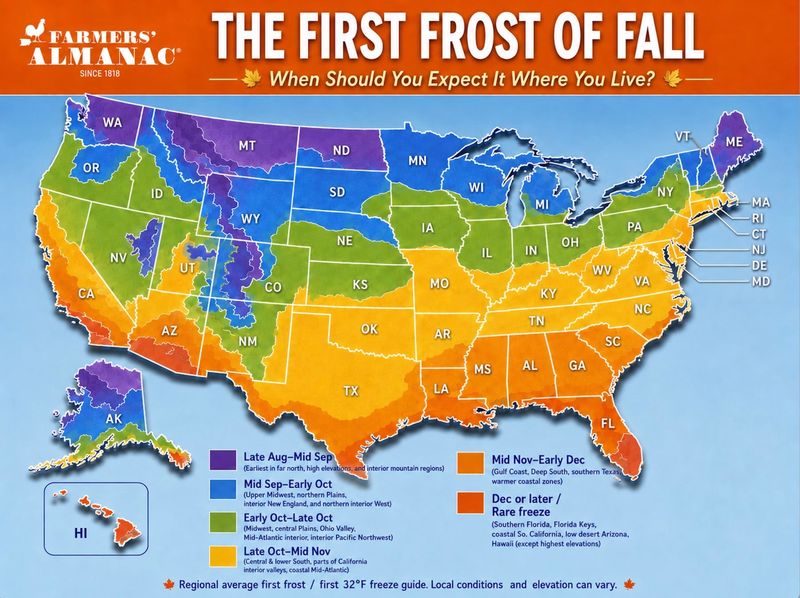
North Carolina spans a remarkable range of climates, and that range is one reason a single statewide September deadline for hostas falls apart quickly when you look at the actual numbers. NC State frost-date analysis places approximate first-frost ranges at September 27 through October 25 on the Blue Ridge plateau, October 19 through November 15 in the western Piedmont, October 19 through November 8 in the eastern Piedmont, and October 25 through December 13 on the Coastal Plain.
Those ranges are climatic approximations, not guarantees, and actual frost timing shifts from year to year and varies within each region depending on elevation, proximity to water, and local topography.
What those ranges tell a hosta grower is that a September hard freeze is a realistic possibility in the mountains but a much more distant concern along the coast. Treating September as a universal deadline ignores roughly six to ten weeks of meaningful difference in frost exposure across the state.
A gardener in Boone has legitimate reason to finalize fall plantings earlier than one in Wilmington or even Raleigh.
Use these approximate ranges as general context for timing decisions rather than as fixed deadlines. The more reliable guides are current soil temperature, visible plant condition, and whether your hosta is newly planted or long established.
Winter protection is another area where the established-versus-new distinction matters. Iowa State University Extension guidance on hosta winter protection notes that most established in-ground hostas do not require special protection, while hostas planted in late summer or early fall may benefit from correctly placed mulch that reduces freeze-thaw heaving of not-yet-rooted crowns.
Keep that mulch off the crown itself.
When foliage finally declines naturally or after a hard frost, remove dead or diseased material from the bed. University of Illinois Extension recommends disposing of diseased or nematode-affected foliage rather than composting it at home, and cleaning tools between plants to avoid spreading pathogens to healthy crowns nearby.
Match September Care to the Hosta in Front of You
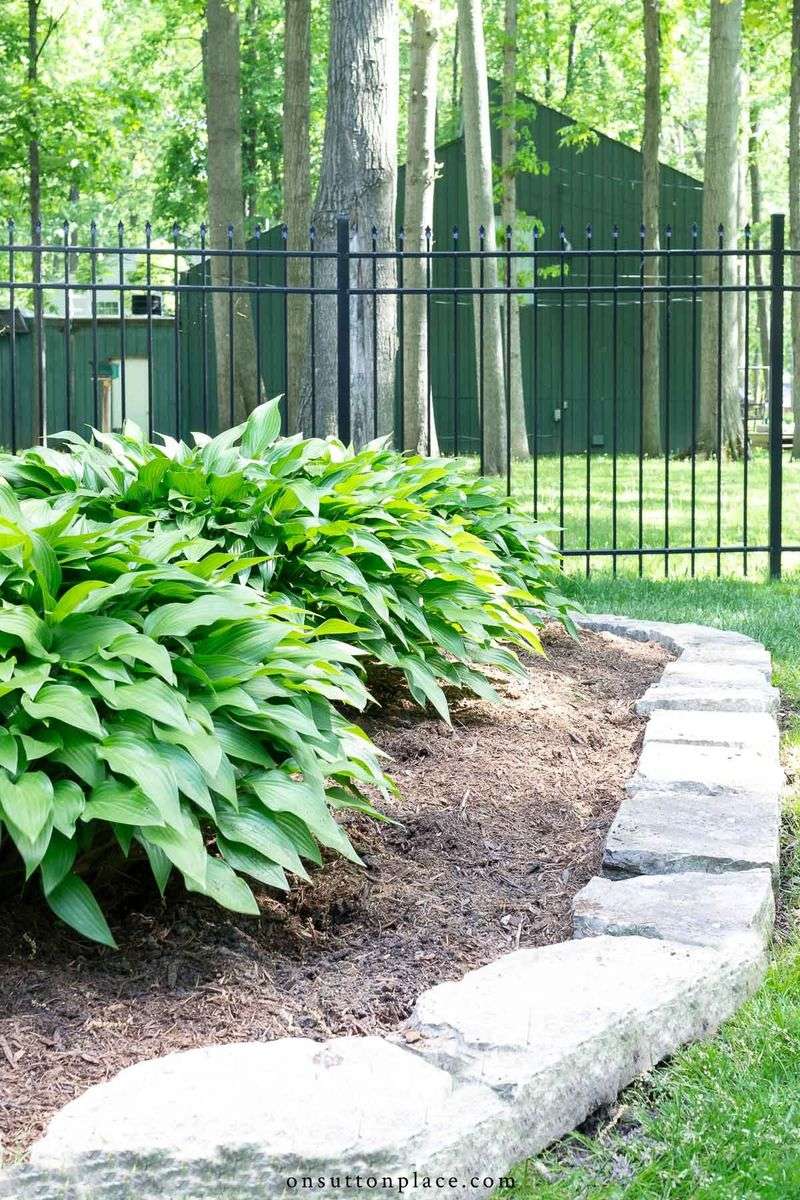
The most practical September approach is to treat each hosta as its own case. Start by checking the soil moisture a few inches down.
If it is dry and the plant is newly planted, divided, or visibly stressed from drought, water thoroughly at the base and allow the excess to drain. If the soil feels adequately moist and the plant is well established in a shaded, well-drained bed, it likely needs no intervention at all.
Keep mulch over the root zone and away from the crown. Leave healthy green foliage in place until it declines on its own or frost takes it down, and skip late fertilizer unless a soil test points to a specific deficiency.
NC State’s hosta profile and NC State’s herbaceous ornamentals handbook both support a light-touch approach for established plants in appropriate sites.
A hosta that declines year after year despite consistent care may have a site problem rather than a September-care gap. Too much afternoon sun, poor drainage, or compacted soil will limit recovery no matter how carefully you water in fall.
Extension guidance on hosta winter performance reinforces that site suitability carries more long-term weight than any single seasonal action. The hosta that keeps struggling is often asking for a better address, not a better September routine.