
The One Thing North Carolina Spinach Needs When You Seed It In September Or It Bolts Before Winter
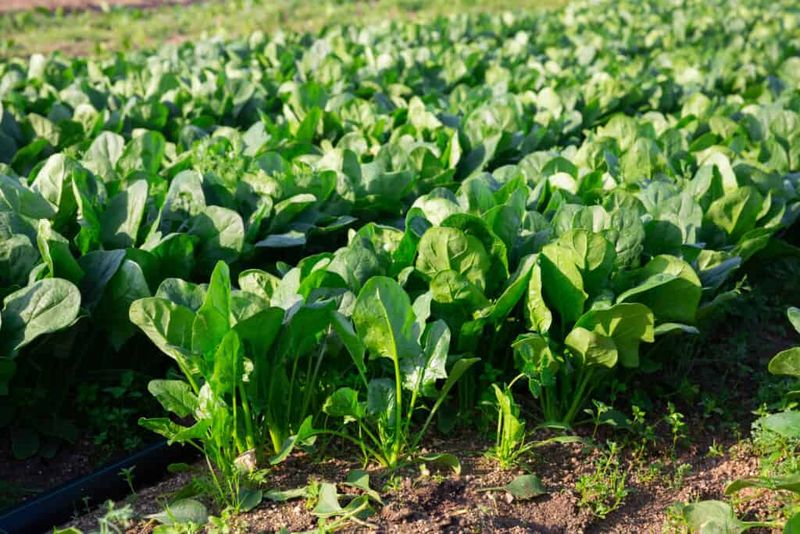
Spinach is one of the most rewarding fall crops a North Carolina gardener can grow, but getting seeds into the ground in September takes a little more planning than just tossing them in the soil. The state stretches from the mountains to the coast, and what works in Asheville looks very different from what works in Wilmington.
Getting the timing and moisture right during those first critical weeks is what separates a lush fall harvest from a bed that never really gets going.
Plan September spinach by region, not by one statewide deadline
Spinach is a cool-season annual, and fall is genuinely one of its best growing seasons across North Carolina. NC State Extension’s vegetable gardening guidance confirms that fall crops can overwinter and even resume growth in early spring, which means a well-timed September sowing can pay off well into the new year.
The key word there is “well-timed,” and timing is not the same across the state.
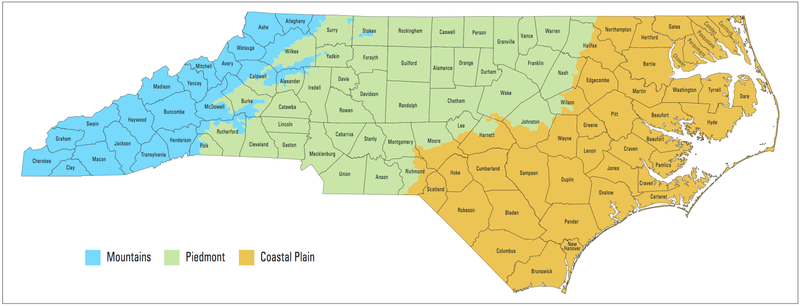
In the Piedmont, NC State uses approximately September 1 as a reference point for shorter-season leafy greens. That date is not a universal statewide deadline – it is a regional approximation, and treating it as a hard rule for every corner of North Carolina will get gardeners into trouble.
Western mountain areas generally need to plant earlier in the fall because cold arrives sooner, while the Coastal Plain typically allows planting later into September and sometimes into October.
The Eastern North Carolina Planting Calendar lists spinach as a 50-60 day crop with a seed-sowing window that runs through September and into October for coastal areas. That maturity estimate is a planning reference, not a guaranteed harvest date.
Weather, cultivar, and planting date all shift the actual outcome.
The most reliable approach is to count backward from your local average first frost date and give the plants enough time to establish before cold weather settles in. A mountain gardener in Boone might be seeding in late August, while a gardener near New Bern may have comfortable planting conditions through early October.
Knowing your region’s frost window and adjusting accordingly gives spinach a much better chance than following a single date pulled from a Piedmont-focused calendar.
Regional timing also determines whether seedlings face lingering summer heat or establish under more comfortable fall conditions. A Piedmont gardener seeding on September 1 may still contend with warm afternoons, while a coastal gardener waiting until late September often plants into genuinely cooler soil.
Starting from your local conditions, not a borrowed date, is the foundation everything else builds on.
Keep the seedbed evenly moist during germination and establishment
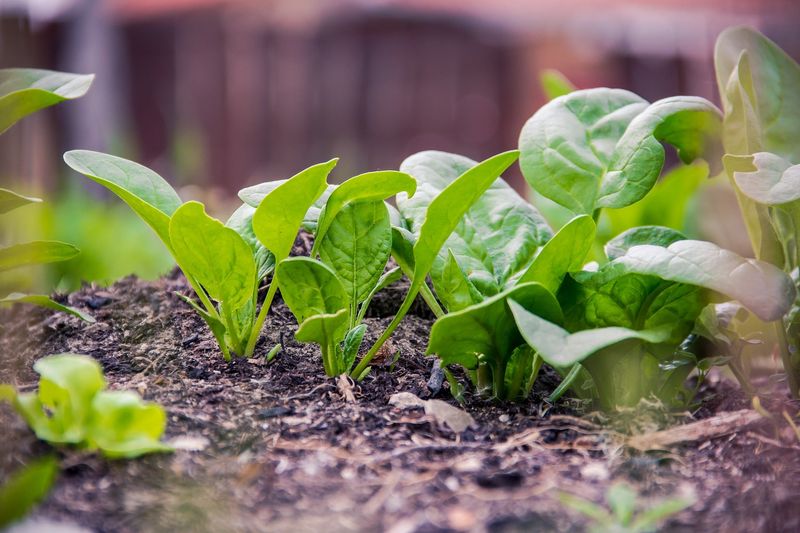
Once the seeds are in the ground, consistent moisture becomes the most immediate hands-on priority. NC State’s fall gardening guidance is direct on this point: direct-seeded fall crops need enough moisture to keep young seedlings actively growing.
September in North Carolina can still bring warm afternoons and stretches without rain, and a shallow seedbed dries out faster than most gardeners expect.
Checking the top inch of soil daily during germination is a practical habit. If it feels dry to the touch, water thoroughly rather than sprinkling the surface.
Light watering encourages shallow roots and leaves seeds vulnerable to the next dry spell. The goal is consistent moisture that reaches the seed zone without turning the bed into standing water.
How often you water depends on factors specific to your yard. University of Minnesota Extension notes that sandy soils require more frequent watering than heavier soils because they drain faster and hold less moisture between waterings.
Clay-heavy Piedmont soils may hold moisture longer but can also become compacted and shed water if they dry out completely. Container plantings lose moisture faster than in-ground beds and typically need more frequent attention.
Rainfall counts toward your total, but do not assume a brief afternoon shower has soaked the seedbed. A quarter inch of rain may wet the surface without reaching spinach seeds sown at a half-inch depth.
After any rain event, check the soil before skipping a watering session.
Keeping moisture even through germination and the first few weeks of growth also matters for reasons beyond simple plant survival. Drought stress during early establishment can weaken seedlings and make them more vulnerable to later problems, including a faster shift toward flowering.
Consistent moisture supports strong establishment and reduces one of the stressors that can push plants toward bolting, though it does not eliminate bolting risk on its own. Temperature, day length, cultivar, and planting date all remain in play.
Reduce lingering heat without trapping emerging seedlings
September heat is one of the real practical challenges for fall spinach in the Piedmont and parts of the Coastal Plain. Soil temperatures can stay warmer than air temperatures suggest, and a seedbed baking under afternoon sun can slow germination or kill young seedlings before they have a chance to establish.
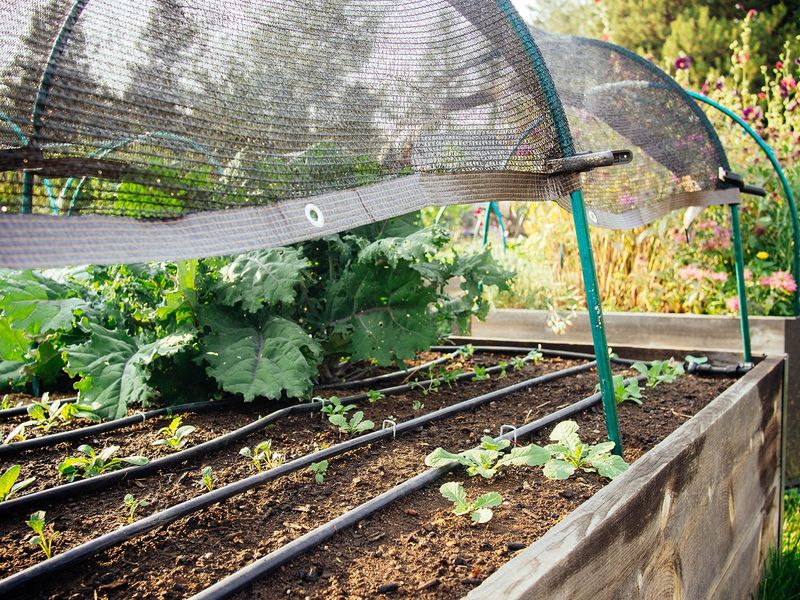
Temporary covers are a straightforward way to address this during the first week or two.
NC State recommends laying burlap, newspaper, or boards over the seeded area to help keep the soil cool and moist right after sowing. These materials block direct sun and slow moisture evaporation from the surface, creating a more stable environment for seeds to germinate.
The critical step is checking under the cover daily and removing it as soon as seedlings begin to push through the soil. Leaving a cover in place after emergence can trap heat, block light, and physically damage tender seedlings.
Partial shade is a separate and longer-lasting option for managing heat during September. NC State’s plant toolbox entry for spinach notes that it can grow with as few as 3-4 hours of direct sun and may benefit from some shade during hot weather.
A bed positioned where it receives morning sun and afternoon shade from a fence, building, or nearby shrubs can stay meaningfully cooler than a fully exposed spot during warm September afternoons.
Full sun is not a problem for spinach and remains acceptable throughout the season. Shade is a tool for managing heat, not a requirement for every planting.
Too much shade – particularly from dense tree canopy – can slow leaf development and reduce overall yield. The goal is strategic protection from the hottest part of the day, not permanent low-light conditions.
Keep temporary germination covers separate in your mind from frost cloth used later in the season. They serve different purposes at different stages, and the instructions for one do not transfer to the other.
Germination covers come off as seedlings emerge; frost protection goes on when temperatures threaten established plants and comes off before daytime warmth builds up inside the cover.
Separate a failed stand from a plant that has bolted
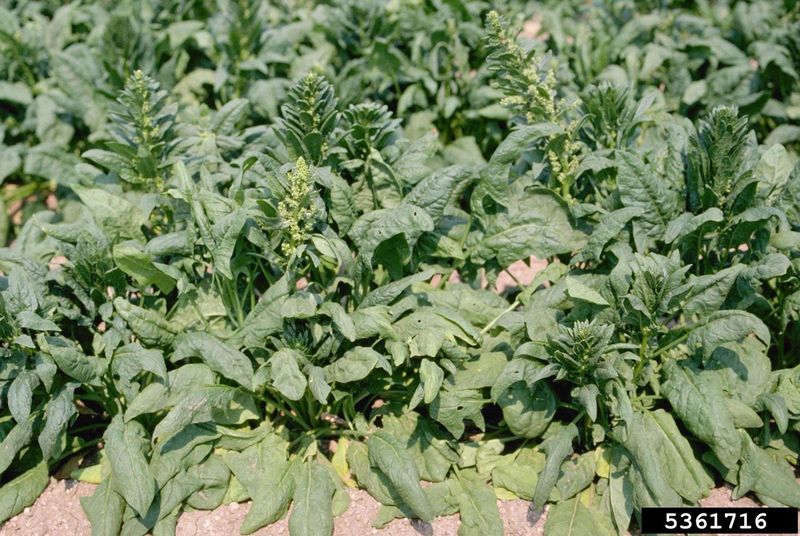
Two different problems can end a fall spinach planting, and mixing them up leads to the wrong diagnosis and the wrong fix. A failed stand and a bolted plant look like failure, but they happen at different stages and for different reasons.
Germination failure or early seedling loss is an emergence problem. Hot, dry soil can prevent seeds from germinating at all, or it can kill very young seedlings before they develop enough root mass to survive.
This shows up as a thin or missing stand within the first week or two after sowing. The cause is typically a hostile seedbed environment: too much heat, too little moisture, or both.
Fixing it means addressing those conditions before sowing again, not waiting to see if plants recover.
Bolting is something else entirely. University of Minnesota Extension explains that spinach bolts when it shifts from leaf production toward flowering and seed production, typically in response to increasing day length.
A bolting plant sends up a central flowering stalk and begins to slow or stop producing new leaves. This happens after the plant is already established, not during germination.
Heat and drought can contribute to both outcomes, which is part of why they get confused. But the conditions that dry out a seedbed and prevent emergence are not the same event as a mature plant responding to photoperiod and temperature signals.
Oregon State Extension notes that bolting risk depends on cultivar, plant density, temperature, day length, soil moisture, and nutrients – not on any single factor.
Fall planting does reduce one of those pressures. Shortening days as autumn progresses generally lower the photoperiod signal that triggers bolting compared with spring, when days are getting longer.
That does not make fall bolting impossible. A warm September with lingering long days, combined with drought stress and a bolt-prone cultivar, can still push plants toward flowering before they produce a useful harvest.
NC State’s vegetable handbook also notes that exposure of young plants to low temperatures can, in some circumstances, increase bolting risk. Knowing which problem you are actually facing – a seedbed that never worked or a plant that shifted into reproductive mode – points you toward the right adjustment for the next sowing.
Match the seed, depth, and spacing to the fall crop you want
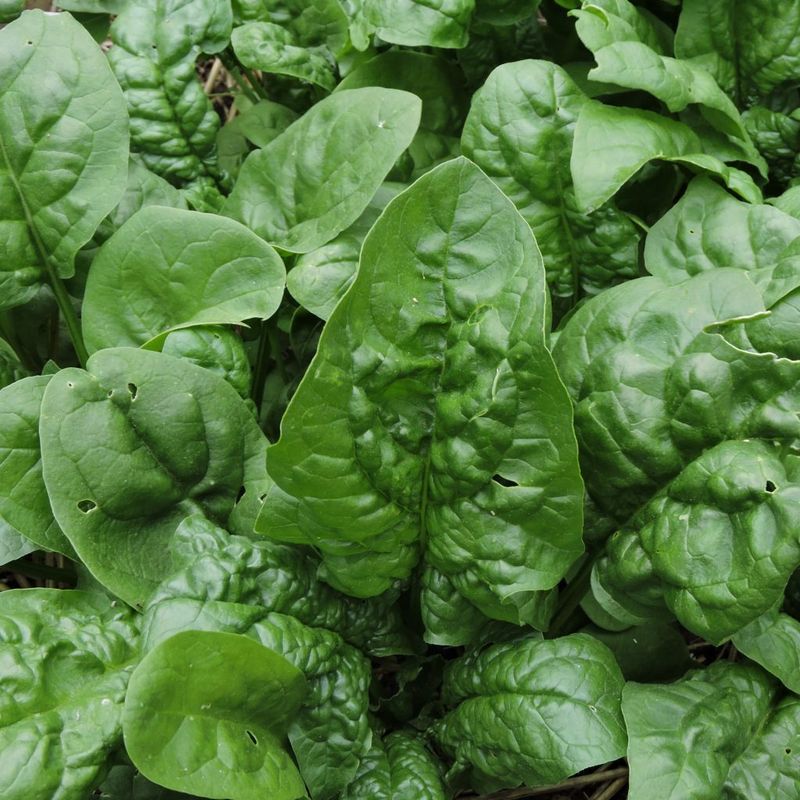
Practical planting setup makes a real difference in how a fall spinach crop performs. Starting with the seed packet is genuinely good advice – depth and spacing recommendations printed there reflect the cultivar’s specific characteristics and should be your first reference.
As a general range, NC State’s plant toolbox recommends sowing spinach at approximately one-quarter to one-half inch deep. Planting too shallow leaves seeds exposed to surface drying; planting too deep slows emergence.
Spacing depends on what kind of harvest you are planning. For baby leaves harvested young, closer thinning – around 2-3 inches between plants – works well for intensive production.
If you want larger, full-size leaves, thinning to 4-6 inches gives each plant room to develop without crowding. Crowded plants compete for moisture and nutrients, which can increase stress and raise the odds of problems down the line.
Neither spacing is universally correct; the right choice comes from knowing what you want to pick and when.
Cultivar selection matters more for fall than many gardeners realize. Oregon State Extension advises choosing vigorous, fast-growing types for fall, winter, and early spring plantings.
These varieties establish quickly and are better suited to the shortening days and cooling temperatures of the fall season. Slower-bolting cultivars are more useful for late spring and summer, when longer days and rising heat create more bolting pressure.
Some seed catalogs market varieties as bolt-resistant, and that trait is real and worth seeking out. What it does not mean is bolt-proof.
Extension guidance consistently describes these cultivars as more resistant or slower to bolt, not immune. A well-chosen cultivar lowers risk but does not remove it entirely, especially if planting date, moisture, or temperature conditions are working against the plant.
Buying fresh seed each season is a small investment that pays off in germination rates. Older seed stored in warm or humid conditions loses viability, and a poor germination rate in September can look like a disease or soil problem when the real issue is seed quality.
Check the packed-for date on the packet before you sow.
Carry established spinach through fall and cold weather
Once spinach seedlings are up and growing, the management priorities shift. The seedbed moisture work transitions into steady maintenance, and the focus moves toward protecting a healthy stand through the cooler months ahead.
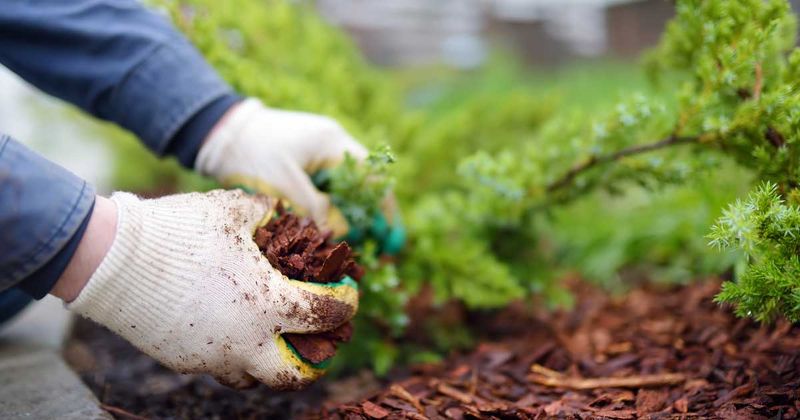
Mulch is one of the most useful tools at this stage.
University of Minnesota Extension recommends a 3-4 inch layer of organic mulch around established spinach to conserve soil moisture and suppress weeds. Straw, shredded leaves, or similar materials work well.
The practical caution is to keep mulch pulled back slightly from the base of young plants so it does not smother them or create a damp environment right at the crown. Apply mulch after plants are a few inches tall and clearly established, not immediately after emergence.
Spinach handles cold better than many gardeners expect. NC State notes that established spinach can survive temperatures below 26 degrees Fahrenheit for an extended period, though severe or prolonged cold can still affect foliage texture and overall yield.
Well-watered plants going into a cold snap tend to handle freezing temperatures better than drought-stressed ones, which is another reason consistent moisture remains relevant even after the seedling stage.
When temperatures are forecast to drop sharply, frost cloth adds a meaningful layer of protection. NC State’s frost and freeze protection guidance recommends monitoring any cover and removing it before daytime temperatures climb too high underneath.
Frost cloth traps heat as the sun rises, and leaving it in place on a warm fall day can stress or damage the plants you are trying to protect. Check under the cover on any morning that warms up faster than expected.
Fall spinach that establishes well in September and October can overwinter in much of North Carolina, then resume growth when temperatures rise in late winter or early spring. Mountain gardeners may need more consistent frost protection through December and January, while Coastal Plain gardeners often find their spinach keeps producing through mild winters with minimal intervention.
Knowing your region’s typical winter pattern helps you decide how much protective infrastructure is worth setting up.
Use plant signs to adjust the next sowing
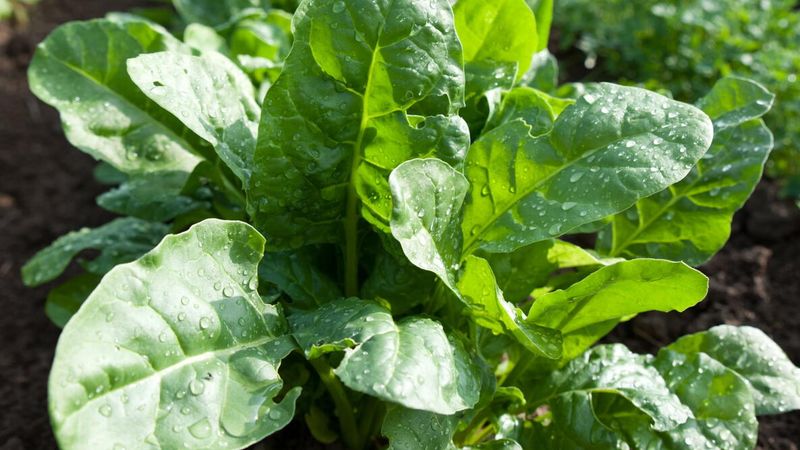
What the plants actually do after sowing tells you more than any calendar. A thin or missing stand in the first couple of weeks points to an emergence or establishment problem – usually hot, dry soil, poor seed contact, or old seed.
That is a seedbed issue, and fixing it means improving moisture management or timing the next sowing to avoid the hottest soil conditions.
A central flowering stalk rising from an otherwise established plant is bolting. NC State notes that bolted cool-season crops often develop bitter sap and become less palatable.
The leaves are not dangerous to eat, but quality drops noticeably once the plant commits to seed production. Harvesting remaining leaves quickly is a reasonable response.
If bolting happens, treat it as a signal rather than a verdict. Oregon State Extension points out that bolting reflects a combination of factors: timing, cultivar, spacing, moisture, temperature, and day length.
Adjusting one or two of those variables in the next sowing often produces a noticeably different result. Seeding a week or two earlier, choosing a more vigorous fall cultivar, or improving moisture consistency during establishment are all practical adjustments worth trying.
September spinach in North Carolina is not a guaranteed success or a guaranteed failure. Regional timing, consistent moisture, reduced heat during germination, and a suitable cultivar give the crop its best foundation.
When something goes wrong, the plant usually shows you where the gap was – and that information is worth more than any single date on a planting calendar.