
Thinking Of Bringing Your Porch Plants Indoors? These 13 Common Ones Cause More Trouble Inside Than You’d Expect
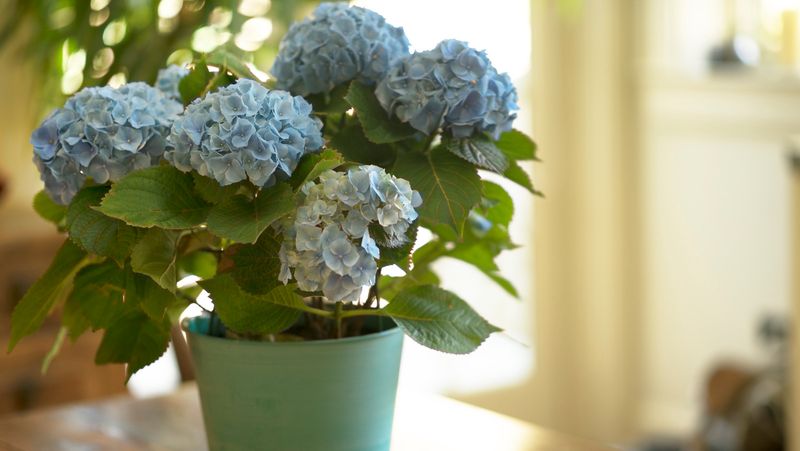
That pretty pot of geraniums on your porch looks like it would brighten up the living room all winter. But the inside of a house is a very different world, with dry heat, dim windows, and still air.
Some of the most popular porch plants sulk, drop leaves, or even sneak pests in with them once they cross the threshold. Here are 13 common ones to watch closely, plus simple fixes so you can keep them alive until spring.
1. Rosemary
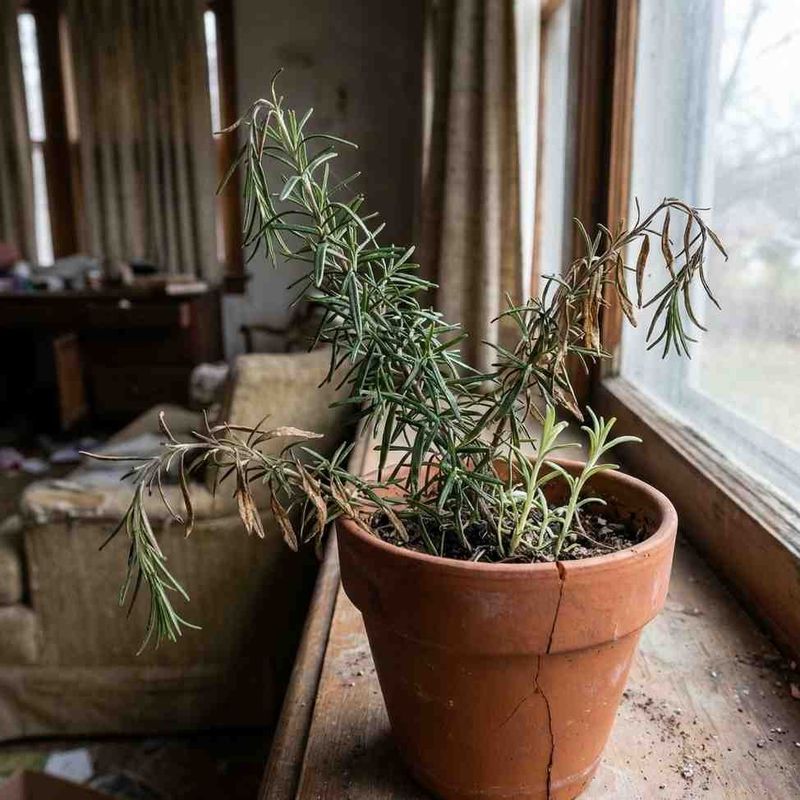
Plenty of gardeners have watched a healthy porch rosemary turn crispy and brown by January. The natural guess is that it got too dry.
Surprisingly, the real culprit is often the opposite.
Rosemary in a pot tends to get root-bound, and crowded roots sitting in damp soil can rot. Brown needles show up, you water more, and the problem gets worse.
Cool, still rooms also invite powdery mildew, that dusty white coating on stems.
The fix is fairly simple. Give it your sunniest south-facing window, let the top inch or two of soil dry before watering, and run a small fan nearby now and then to keep air moving.
A clay pot with a drainage hole helps the soil breathe too.
2. Hydrangea
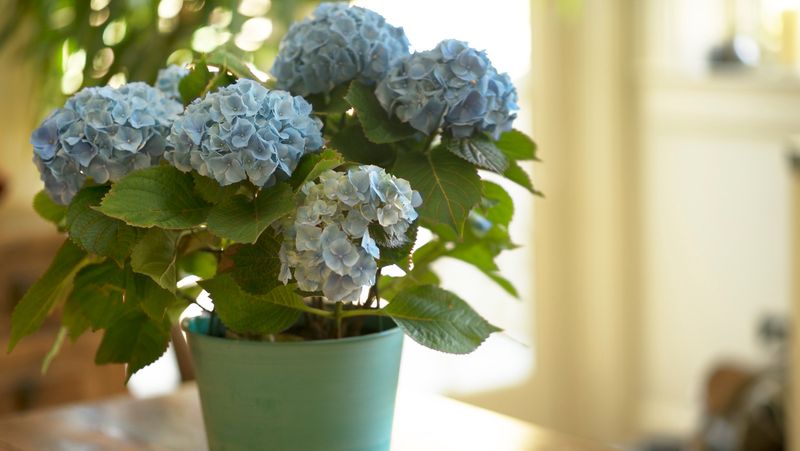
Hydrangeas are drama queens, and they save their best performances for the living room. Outdoors they wilt in afternoon heat and bounce back by evening.
Indoors, the wilting can just keep going.
Dry furnace air pulls moisture from those big leaves fast, so blooms get brown, crunchy edges and the foliage hangs limp. Leaf spot and powdery mildew can also creep in when air sits still.
If you want to try, check the soil daily and water when the surface feels dry, then set the pot on a tray of pebbles and water to raise humidity. Keep it in bright, indirect light and away from heat vents.
Honestly, many potted hydrangeas do better spending winter dormant in a cool garage or shed than fighting it out in a warm house. Bigleaf types can rest there with occasional water and return to the porch in spring.
3. Geranium
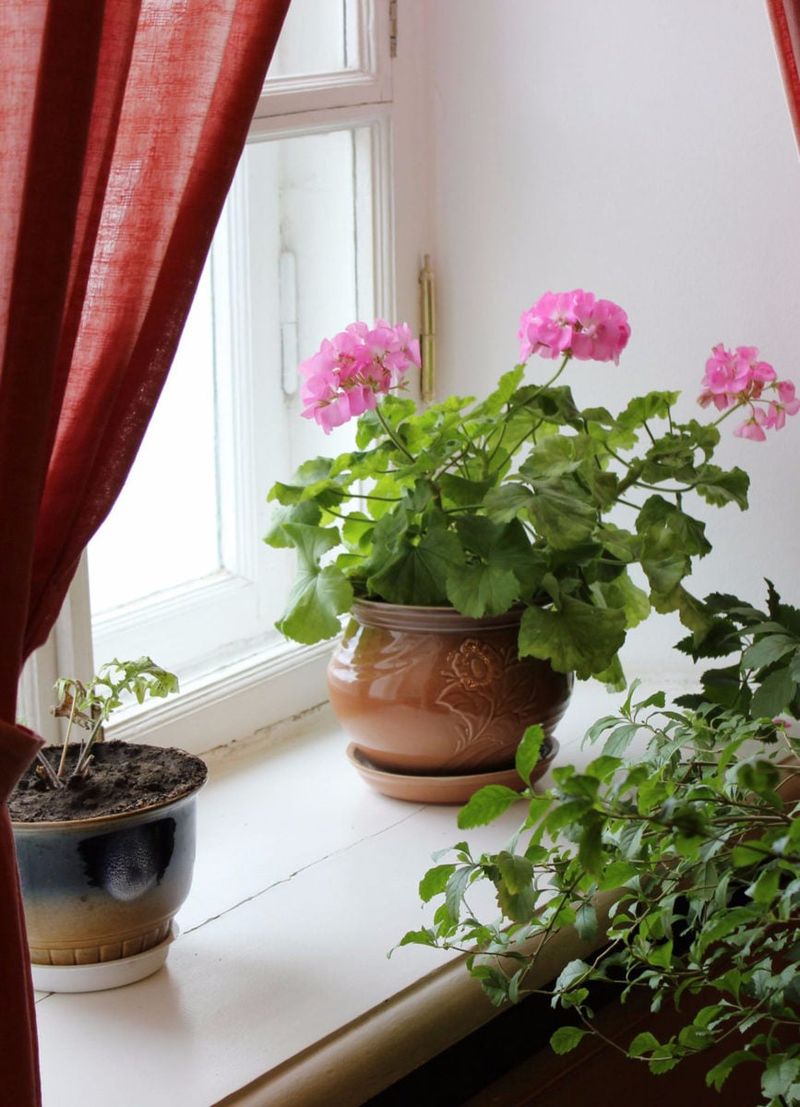
Grandma’s trick of overwintering geraniums is real, but she probably had a chilly sunroom. In a warm, dim house, your geraniums can turn into long, gangly stems with a few sad leaves at the tip.
Low light makes them stretch, and soggy soil turns lower leaves yellow. Whiteflies sometimes hitch a ride in from the porch, too.
Before bringing them in, cut stems back by about a third and check under the leaves for pests. Put the pot in the brightest window you have and water only when the soil feels dry.
Cooler spots, around 55 to 65 degrees, keep them compact. Another old-school option is storing them bare-root in a paper bag in a cool basement until spring.
4. Petunia
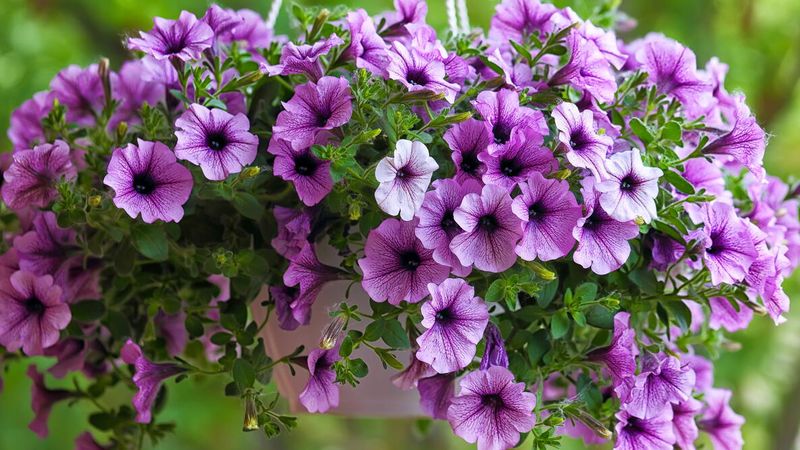
Think of petunias as sun worshippers on summer vacation. Once you move them inside, the vacation is over, and they let you know.
Without full sun, the stems stretch, flowering slows to a trickle, and the sticky foliage becomes a magnet for aphids and spider mites. Dry air makes mites multiply even faster.
If you love a particular variety, take a few 4-inch cuttings, root them in water, and grow them small on a bright sill. Small plants handle indoor life far better than a huge basket.
Rinse leaves in the sink every couple of weeks to knock off pests.
5. Citrus Tree
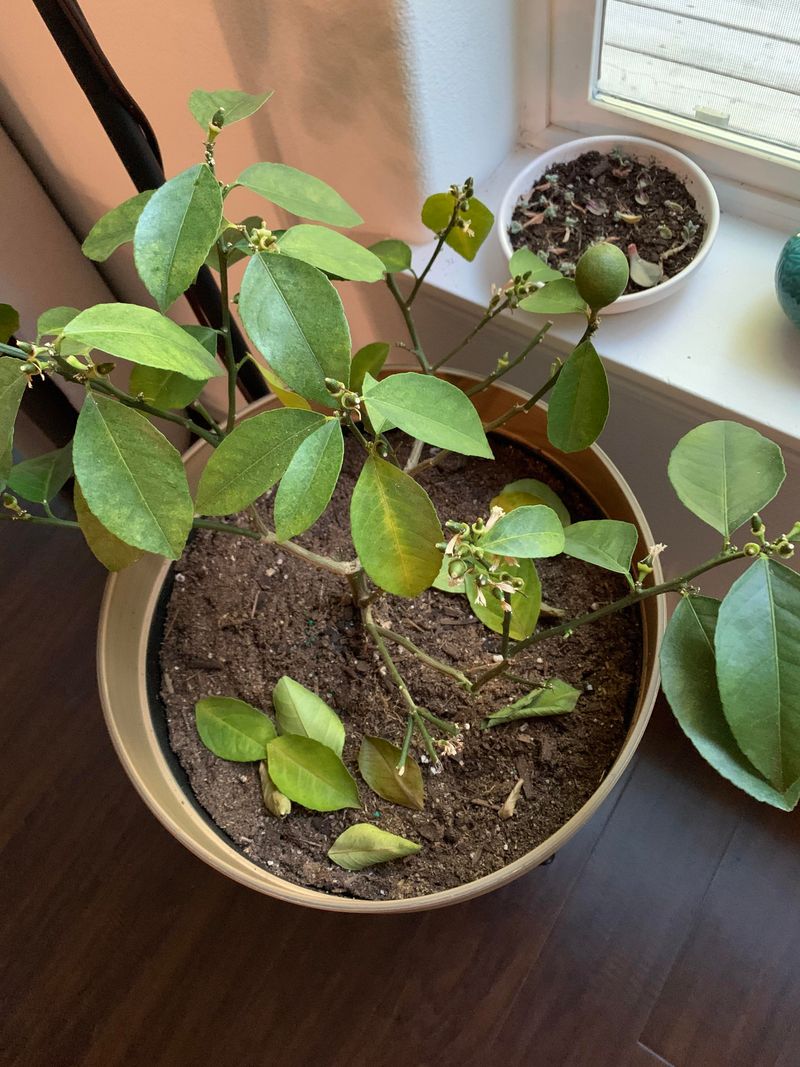
Few things feel as cheerful as a lemon tree by the window. Then one morning you find perfectly green leaves scattered on the floor, and panic sets in.
Citrus needs roughly 6 to 8 hours of strong light daily, and most windows fall short. Sudden drops in light cause leaf drop.
Overwatering is the other big trap, leading to root rot.
Scale, mealybugs, and spider mites love indoor citrus as well. Look for sticky leaves or tiny brown bumps on stems.
Use a grow light if your window is dim, water only when the top couple inches dry out, and wipe leaves with a damp cloth. If it flowers, a small paintbrush can help with hand-pollination since there are no bees inside.
6. Bougainvillea
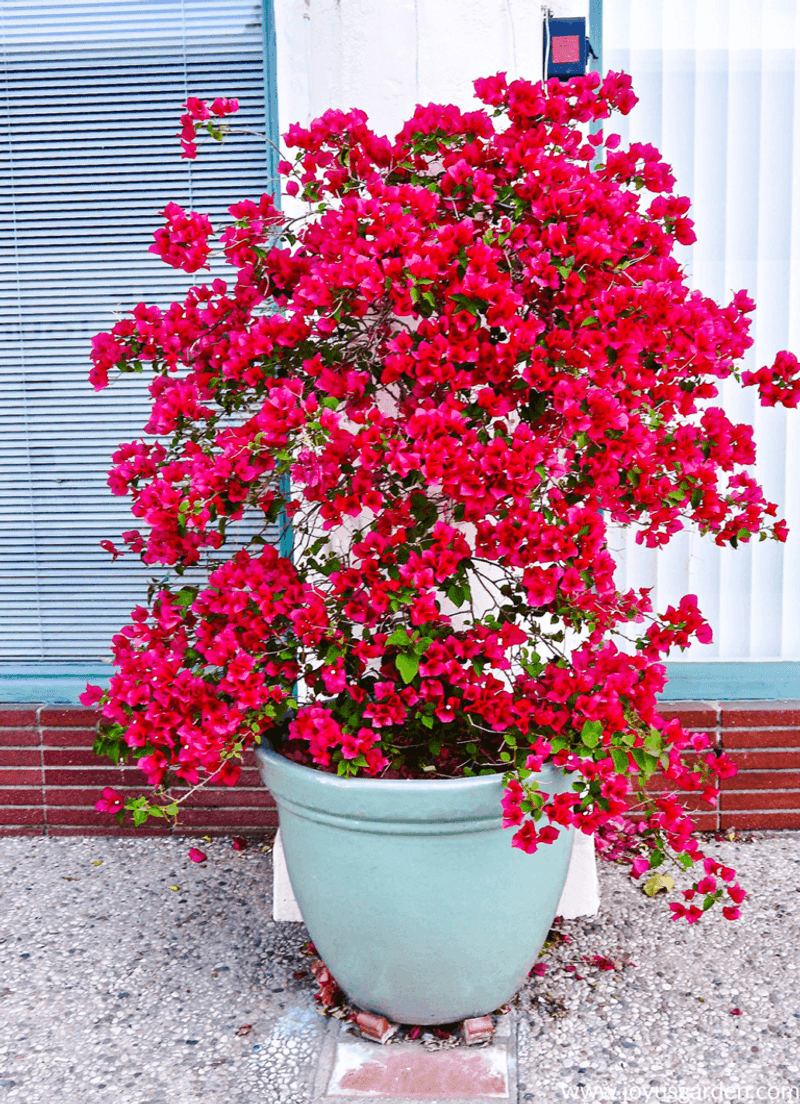
Here’s a fun fact: those bright pink “petals” on bougainvillea aren’t petals at all. They’re colorful leaves called bracts, surrounding tiny white flowers.
Indoors, those bracts often vanish. The plant wants at least 6 hours of full sun, and without it, blooming stops.
Too much water, too little water, or high-nitrogen fertilizer can also shut the show down.
Leaf drop is common in dark or cold rooms, especially under about 50 degrees at night. Keep it in your sunniest spot, let the soil dry well between drinks, and skip fertilizer in winter.
Expect a resting plant, not a blooming one, until spring.
7. Caladium
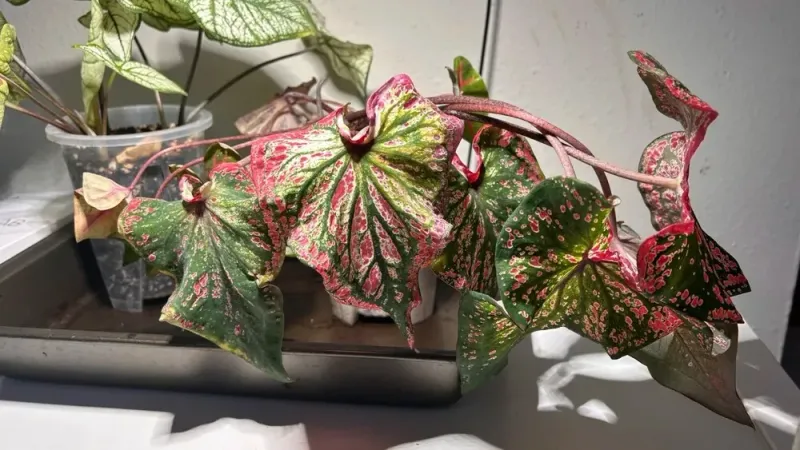
Caladiums are like party guests who leave early. Those painted, heart-shaped leaves look amazing all summer, then begin yellowing fast once fall arrives.
Part of it is natural. Caladiums grow from tubers that want to go dormant as days shorten, and trying to keep them growing confuses them.
Wet soil on top of that can rot the tuber.
Let the leaves fade, stop watering, and dig or keep the tubers in dry soil at about 60 to 70 degrees. Replant in spring when nights warm up.
8. Elephant Ear
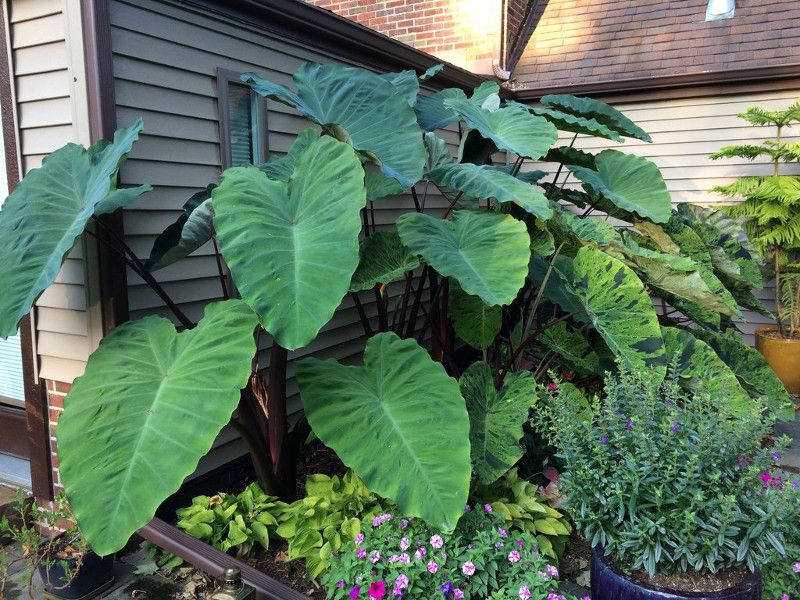
Picture a leaf the size of a serving platter trying to fit in your living room. Elephant ears are big, thirsty, and a little touchy about temperature.
Yellow, wilting leaves usually point to too little light or nutrients. Brown leaves often mean overwatering or a chilly draft from a door or window.
If you have the space and a bright window, keep soil lightly moist but never soggy, and keep the pot away from cold glass. Many gardeners find it easier to let it go dormant, cut back the foliage, and store the bulb dry until spring.
9. Sweet Potato Vine
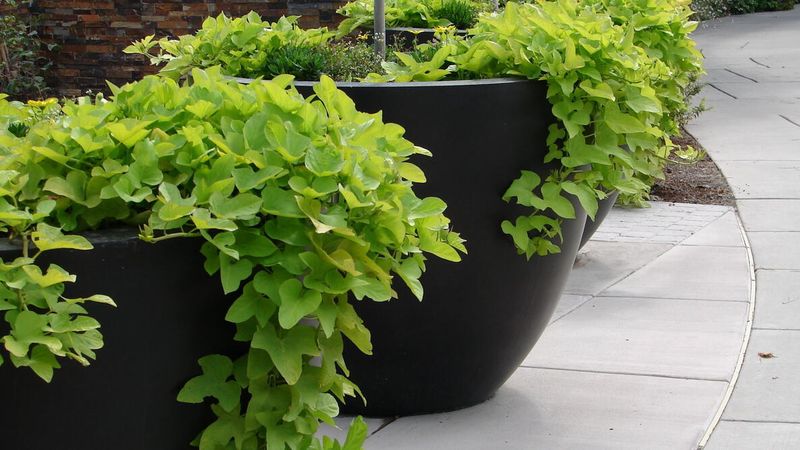
Outdoors, sweet potato vine practically climbs out of the pot. Indoors, it can look like a stringy, half-bald version of itself.
Weak light causes those long, sparse stems. Yellow leaves often signal overwatering, which can lead to root rot.
Aphids may tag along from outside.
The good news is that it forgives easily. Snip a few healthy tips and root them in a glass of water on a bright sill.
They take up little space and are ready to plant in spring.
10. Impatiens
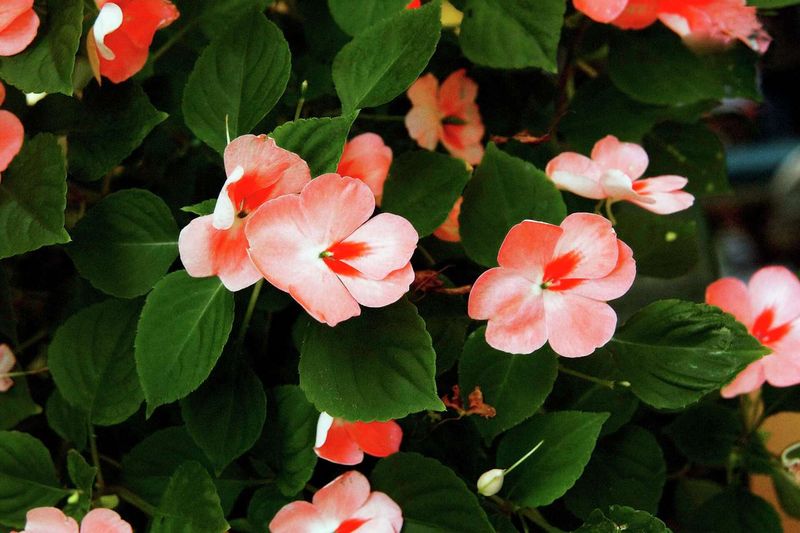
Impatiens have a reputation for being easy, which is exactly why they catch people off guard indoors.
Overcrowded pots with wet leaves invite blights and rots, while whiteflies and spider mites move in when air is dry. Downy mildew can also spread when humidity is high and air is still.
Too much fertilizer can burn the roots.
Thin the plant, water at the soil, never over the leaves, and feed lightly if at all. Keeping a few rooted cuttings is often more successful than hauling in a whole planter.
11. Coleus
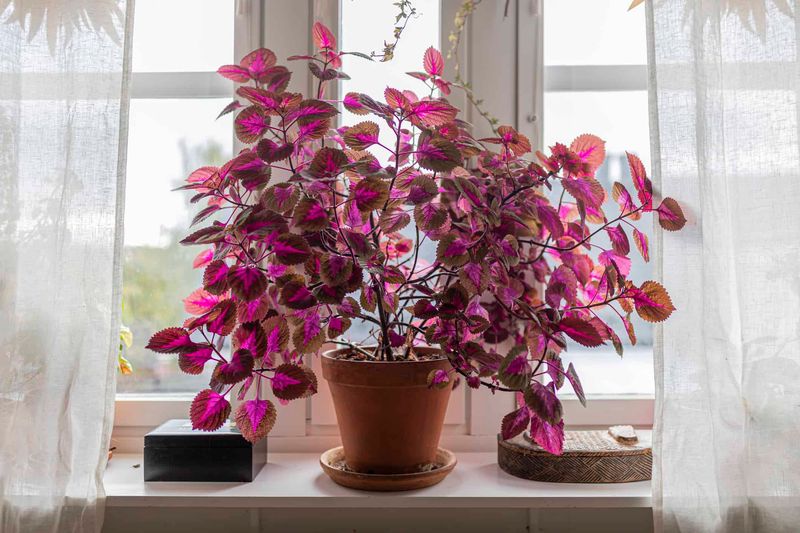
Those wild red, lime, and purple leaves are coleus’s whole personality. Lose the light, and the colors fade while the stems stretch tall.
Aphids love it, and cool rooms with damp soil can bring root rot or gray mold. Pinch off flower spikes and leggy tips to keep it bushy, and let soil dry slightly between waterings.
Cuttings root in water within about a week.
12. Begonia
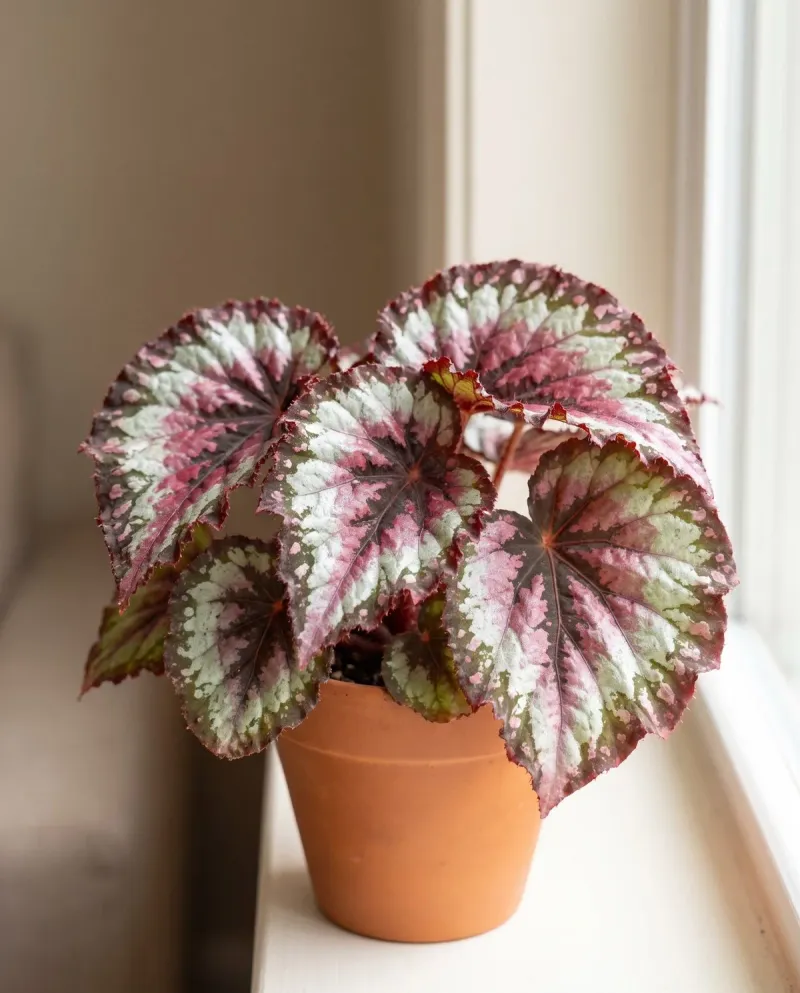
Begonias are a bit of a puzzle. They love humid air but hate wet roots.
Soggy soil and poor airflow lead to gray mold and bacterial spots. Dark marks can even come from watering with cold water.
Use room-temperature water, let the surface dry, and give the plant some breathing space. Rex and Angel Wing types adapt to indoor life better than bedding begonias, so those are the ones worth saving.
13. Clematis
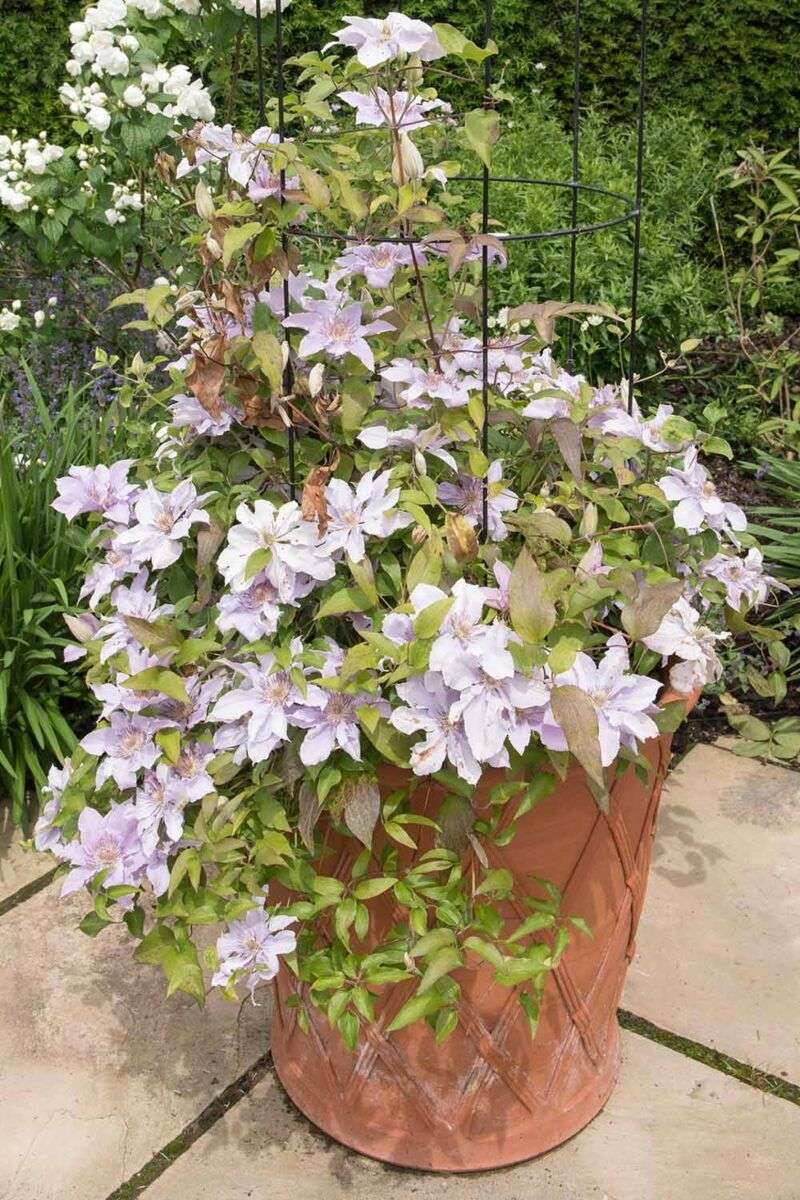
Some porch plants simply aren’t meant to come in, and clematis is the classic example. It’s a hardy vine that needs a cold winter rest to bloom well next year.
In a warm house, it may push weak growth, dry out, or fail to flower in spring because it never got its chill.
Leave potted clematis outside in a sheltered spot, or move it to an unheated garage. Wrap the pot in burlap or bubble wrap to protect the roots, and water lightly about once a month.
Your reward is a full flush of blooms when the weather turns warm again.