
Why North Carolina Gardeners Are Quietly Giving Up On Landscape Fabric For These Longer-Lasting Alternatives
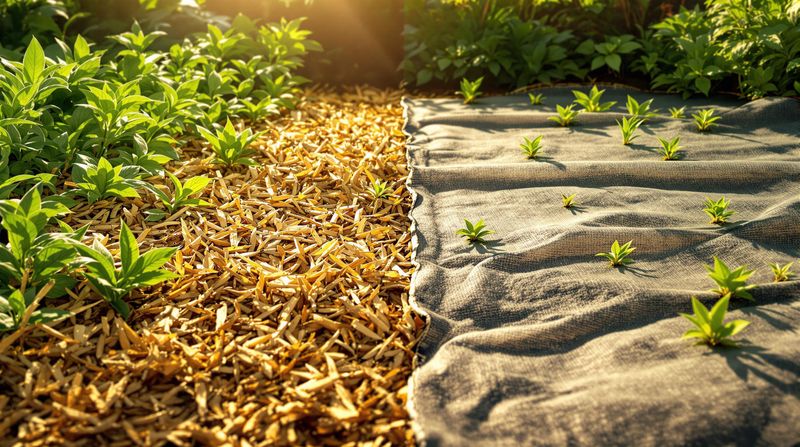
Landscape fabric sounds like a dream come true when you unroll it, but ask any North Carolina gardener who has fought with it for a few years and you’ll hear a different story. It chokes the soil, traps ticks near the edges, and quietly starves the box turtles, worms, and pollinators that make your yard feel alive.
The good news is that there are simpler, cheaper options that actually get better with age instead of falling apart into plastic scraps. Here are the alternatives Piedmont, Coastal Plain, and mountain gardeners are switching to, and why each one earns a spot in a healthy backyard.
1. Organic Mulch (Pine Bark, Pine Needles, and Wood Chips)
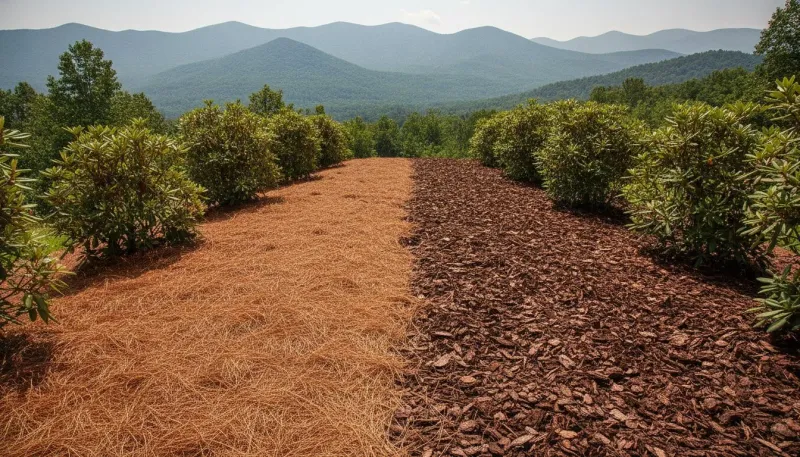
Walk through almost any thriving yard from Asheville to Wilmington and you’ll find a generous layer of organic mulch doing the heavy lifting. Pine bark is a Carolina favorite because it’s cheap, local, and holds its color for a good while.
Unlike fabric, mulch blocks sunlight from weed seeds while still letting rain soak straight through to thirsty roots. As it slowly breaks down, it feeds the soil instead of smothering it, building the kind of loose, crumbly dirt earthworms love.
Pine needles, often called pine straw here, are practically free if you have loblolly or longleaf pines dropping them every fall. They knit together on slopes and resist washing away during our summer downpours.
Cedar mulch adds a bonus: its natural oils may help deter some insects. Refreshing a couple of inches each year keeps weeds down and gives ground beetles and other beneficial bugs a cozy place to hunt.
Fun tip: a mulched bed stays several degrees cooler in July heat, which protects shallow roots during those brutal Piedmont dry spells.
2. Cardboard and Newspaper Sheet Mulching
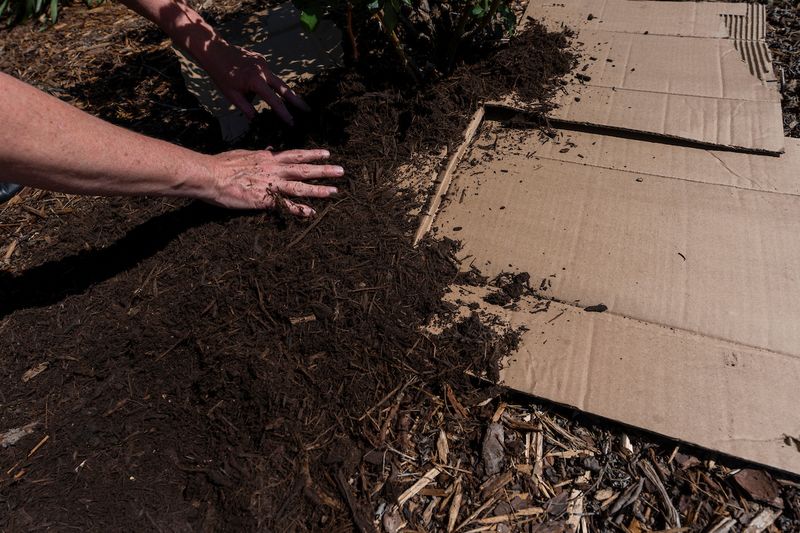
Before you toss those Amazon boxes in the bin, know that they might be the best weed barrier you already own. Flattened cardboard smothers grass and weeds by cutting off their light, and it costs absolutely nothing.
The trick is overlapping the sheets by six to eight inches so nothing sneaks through the gaps. Give them a good soaking, then pile two to four inches of organic mulch on top to hold everything in place and hide the seams.
What makes this different from plastic fabric is that it disappears the right way. Over a season or two, worms and microbes chew the cardboard into rich humus, and box turtles and beetles get a soft, moist layer to forage in.
Peel off any plastic tape and glossy printed panels first, since those don’t break down cleanly. Come next spring, you can plant straight into softer, healthier soil without wrestling a single stubborn root out of a synthetic mesh.
3. Native Groundcovers (Allegheny Spurge, Creeping Phlox, and Green-and-Gold)
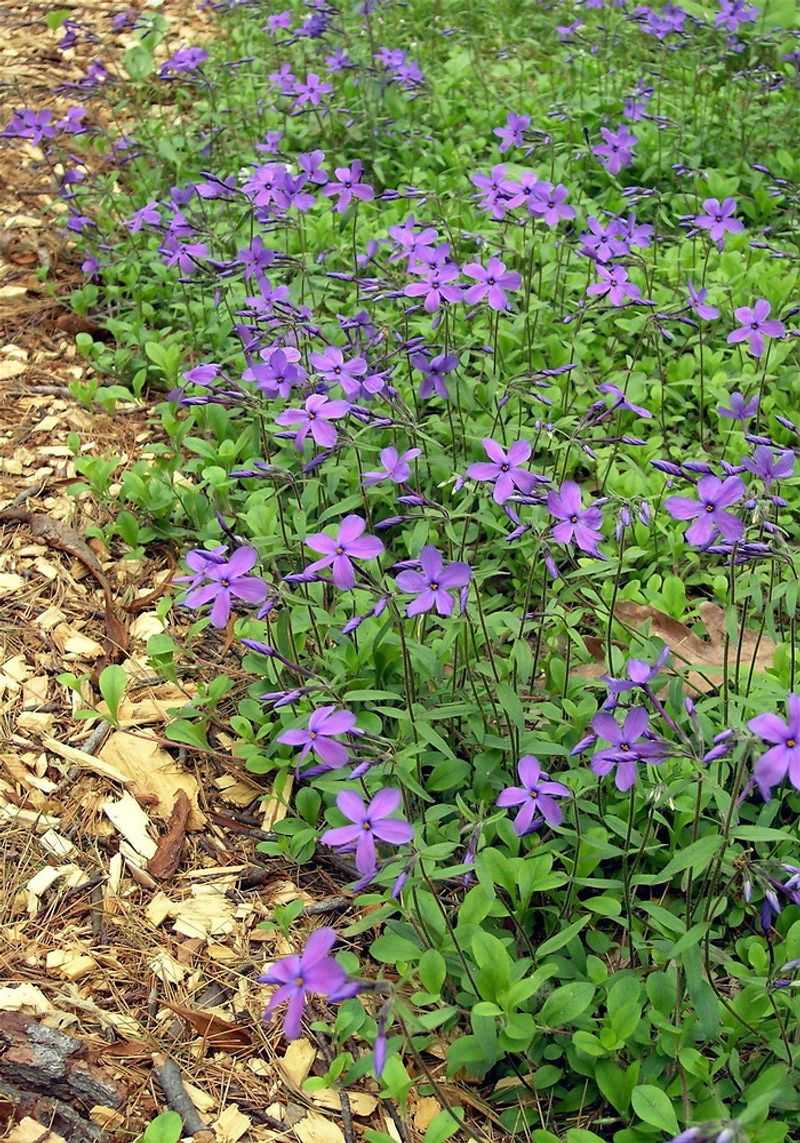
Imagine a weed barrier that blooms, feeds bees, and never needs replacing. Living groundcovers do exactly that by spreading into a dense green mat that crowds weeds out naturally.
For shady Piedmont and mountain spots, Allegheny spurge forms a tidy evergreen carpet that asks for almost nothing once established. In sunnier borders, creeping phlox and green-and-gold spill color across the ground while their roots knit the soil against erosion.
Here’s the part fabric can never match: these plants actively support the wildlife you love. Their flowers draw native bees, butterflies, and hummingbirds, while the leafy cover gives goldfinches insects to snack on and gives box turtles shade during summer scorchers.
Swap out invasive English ivy or periwinkle, which strangle native plants and offer little to local wildlife, for these Carolina-friendly choices instead. Once they fill in, your maintenance drops to almost nothing, and the yard hums with life all season long.
4. Shredded Leaf Mulch (Leaf Mold)
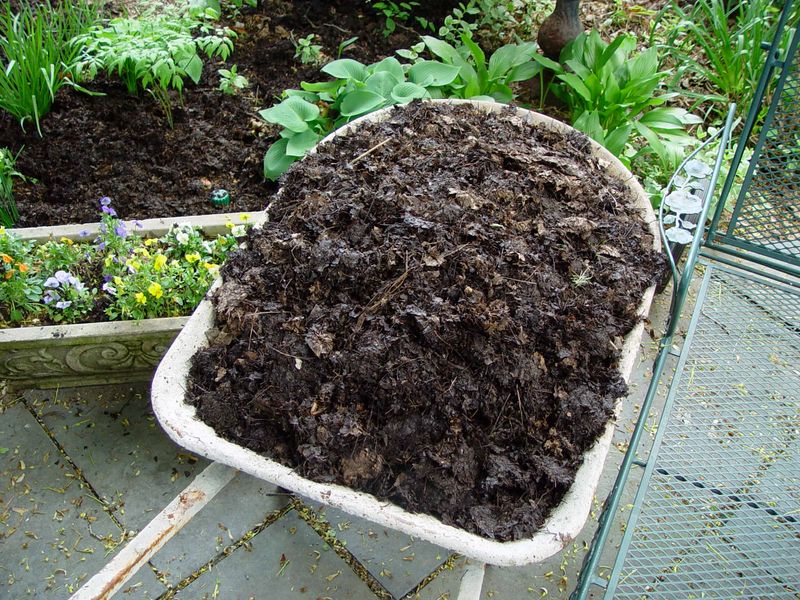
Every October, North Carolina hands you a free soil booster that most folks bag up and drag to the curb. Shredded leaves, once they mellow into what gardeners call leaf mold, might be the most underrated mulch around.
Run the mower over a pile a couple of times and spread the shreds two or three inches deep across your beds. They lock in moisture, smother weed seedlings, and rot down into a dark, spongy material that supercharges soil structure.
Leaf mold holds water like a sponge, which is a real gift during our hot, dry Julys and Augusts. It also creates a thriving underground world of fungi and microbes that plants depend on for nutrients.
Fireflies especially benefit here, since their larvae spend months living in damp leaf litter hunting slugs and snails. Leave a few leafy corners intact and you’re basically running a firefly nursery in your own backyard.
5. Burlap Fabric
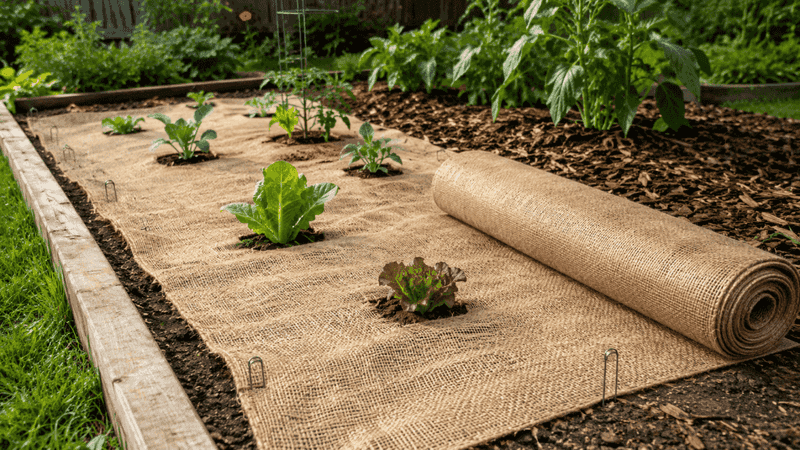
For gardeners who genuinely miss the roll-it-out convenience of landscape fabric, burlap is the honest compromise. Woven from natural jute fibers, it lays down just like the plastic stuff but behaves nothing like it once it’s on the ground.
Water and air pass right through the loose weave, so roots breathe and rain reaches the soil instead of pooling and running off. That breathability alone spares your plants from the root rot and stale, compacted dirt that plastic fabric tends to cause.
Burlap shines on slopes and freshly seeded areas, where it holds soil in place while young roots take hold. It’s handy in Coastal Plain sandy soils that erode fast during storms.
The best part is its exit plan. Over a year or two it quietly decomposes and adds organic matter to the earth, so you never end up peeling brittle plastic shreds out of your beds down the road.
6. No-Dig or Lasagna Gardening
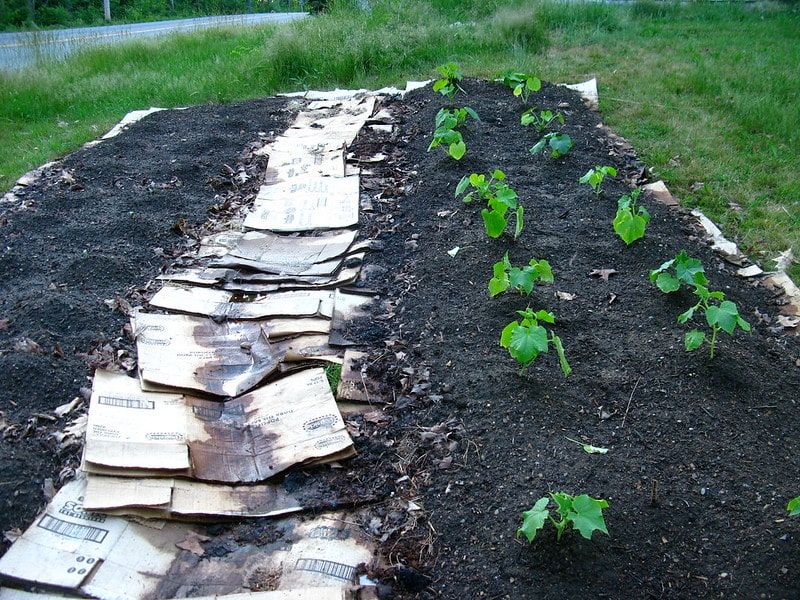
Think of lasagna gardening as building a bed the way you’d build a sandwich, one tasty layer at a time. You stack cardboard, compost, straw, shredded leaves, and grass clippings right on top of the existing ground, no tilling required.
The bottom cardboard layer smothers whatever weeds and grass were there, while the layers above rot into fluffy, fertile soil. Over a few months the whole pile settles into a planting bed so rich you’ll wonder why you ever owned a tiller.
Skipping the digging protects the delicate web of fungi and earthworm tunnels that make soil truly healthy. Every layer feeds the underground crew that keeps your plants fed naturally, cutting your need for synthetic fertilizers.
It’s a patient method, and that patience pays off. A no-dig bed started in fall is ready for spring planting, and it only improves with each passing season as the layers keep breaking down.
7. Manual Weeding and Hoeing
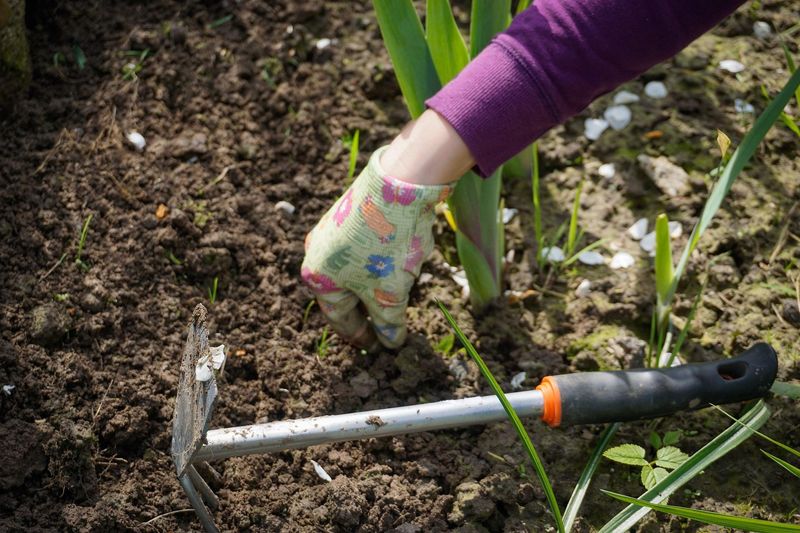
It’s the least glamorous option on this list, yet nothing beats a pair of gloves and ten quiet minutes in the garden. Hand pulling and hoeing give you complete control without a scrap of plastic anywhere in sight.
Timing is your secret weapon. Weed right after a rain when the soil is soft, and even deep-rooted troublemakers slide out whole instead of snapping off to regrow.
A sharp hoe skimmed just below the surface slices young weeds before they get a foothold, and it takes seconds compared to the hours you’d spend fighting weeds tangled in fabric mesh. Around delicate natives and vegetable roots, careful hand weeding is far gentler than any barrier.
There’s a stewardship bonus too. Every time you weed by hand you get a close look at your soil, spotting box turtles passing through or toad burrows before you ever disturb them.
Pair regular weeding with a good mulch layer and you’ll spend less time on your knees each year as the weed seed bank slowly runs dry.