
Why Shorter Days May Slow Your North Carolina Fall Greens, Even When Afternoons Feel Warm
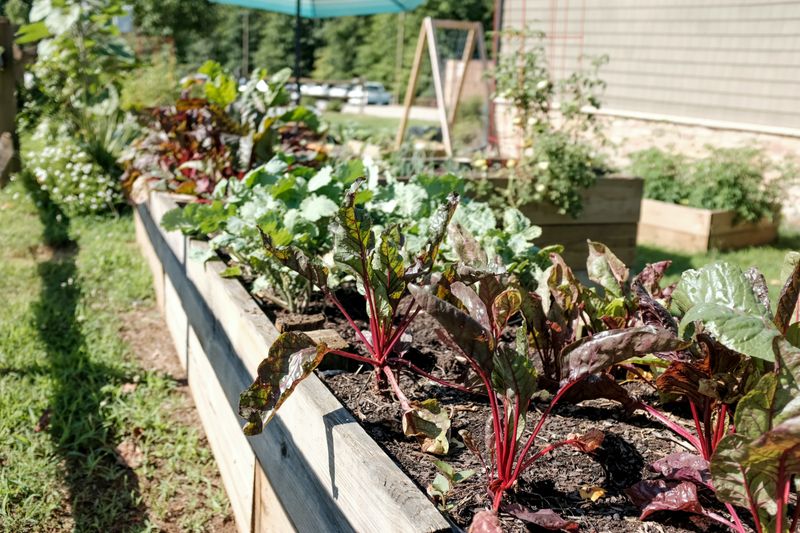
You water, you weed, and the afternoons feel perfect, yet your fall lettuce and collards seem stuck in place. Many North Carolina gardeners run into this every year.
Shorter days may be one reason, but they are not the whole story. Here is how to sort out what your beds really need.
A mild afternoon can hide a difficult growing day
Picture a 74 degree October afternoon in Raleigh. You step outside in short sleeves and assume your lettuce is thrilled.
The plants may tell a different story, because a forecast high only describes a few hours of the day.
Overnight lows matter just as much. A bed that warms to the mid 70s at 3 p.m. can slide into the 40s by dawn, and the soil often lags behind both numbers.
Utah State Extension guidance on extending the garden season gives broad temperature ranges for cool-season crops and stresses that soil temperature counts along with air temperature.
Light and other growing conditions pile onto that. A bed tucked behind a fence or under a bare oak may get far less usable sun than the sky suggests.
Crop timing, moisture, and the plant’s age all play a part too.
So a pleasant afternoon is a clue, not proof. Think of it as one dial on a dashboard with several dials.
NC State notes in its Extension Gardener Handbook chapter on vegetable gardening that fall crops depend on planting time and local conditions, not on one nice day.
A simple habit helps. Jot down the morning low, poke a thermometer into the soil, and note how many hours of sun hit the bed.
After a week or two, you will see patterns the forecast never shows you. A bed that stays cold and shaded all morning is telling you something that a cheerful afternoon cannot.
Shorter days can slow growth, but 10 hours is not a stop line
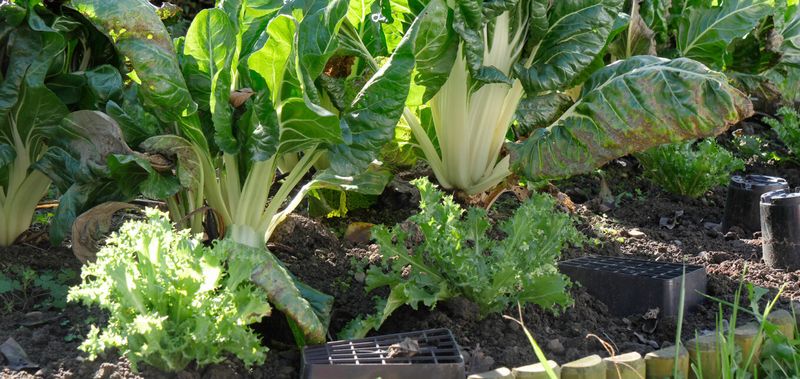
Fewer daylight hours can slow plants down. Photoperiod simply means how long the daylight lasts.
Growth also depends on how bright that light is and how much total light a leaf collects across the day.
That is why a short, bright day can beat a longer, gloomy one. A low autumn sun, a cloudy week, or a neighbor’s tall hedge can cut the light your greens actually use.
Virginia Tech Extension explains daily light integral as the total light a plant receives over a day, and it lists different ranges for crops like lettuce and spinach. Those numbers come from controlled and greenhouse settings, so they are not backyard targets.
You may have heard that greens stop growing once days dip under 10 hours. That figure does not work as a universal rule.
A West Virginia University Extension article on deep winter production uses the sub-10-hour period as a planning marker for getting some high-tunnel root crops near maturity. The same article says some greens can persist in high tunnels through winter.
In other words, no one has shown a cutoff that shuts down North Carolina backyard greens. Shrinking light is a likely contributor to slower growth, and it pairs with cold, crop age, and shade.
Treat 10 hours as a loose planning clue at most, and judge each bed by how the plants are actually doing.
Plant backward from your local frost window

Start with a frost estimate for your own county, then count backward. Take the days to maturity listed on your seed packet and subtract them from that date.
Add a little cushion, because growth tends to slow as fall deepens.
NC State offers county and station-based frost dates with an interactive map, so you do not have to guess from a statewide average. Frost dates are estimates, not promises, and some years will surprise you.
Region changes the calendar. NC State’s vegetable gardening chapter treats August as the main fall planting period in the Piedmont, with leafy greens seeded as late as around September 1.
It suggests moving dates 10 to 20 days earlier in western North Carolina and 7 to 14 days later in the Coastal Plain. Treat those as starting points and adjust for your elevation, microclimate, and variety.
Staggering helps too. Sow a short row every week or two, or mix varieties with different maturity dates.
That spreads out your harvest and keeps one cold snap from taking everything at once. It will not beat shorter days, but it does keep your salad bowl from going empty all in one week.
Give greens the brightest part of the yard
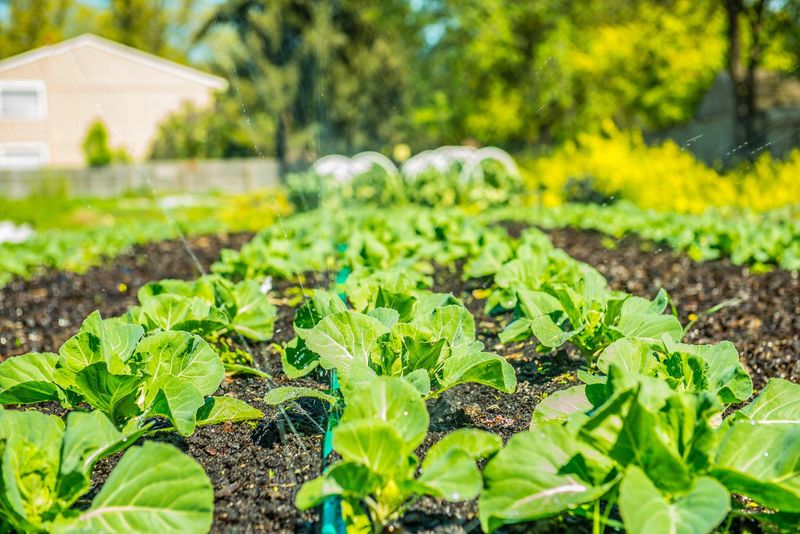
Walk your yard at 9 a.m., noon, and 3 p.m. and notice where the shade falls. Fall sun sits lower, so shadows from fences, sheds, and trees stretch farther than they did in summer.
A spot that was sunny in July may sit in shade by November.
NC State says leafy crops can grow with three to six hours of full sun. Think of that as a bare minimum for planning, not a promise of fast winter growth.
More light generally gives your greens a better shot.
Small changes can free up light. Trim a low limb, move a trellis, or shift a container to the sunniest corner.
If you plan to rake leaves anyway, take a look at which branches are blocking the bed.
Row layout matters in a sunny, level garden. NC State’s beginner’s vegetable gardening guide recommends north-south rows and tall crops on the north side so they do not shade shorter plants.
In a fall bed, that might mean kale or collards at the back and lettuce or radishes in front.
Check the bed before trying to force growth
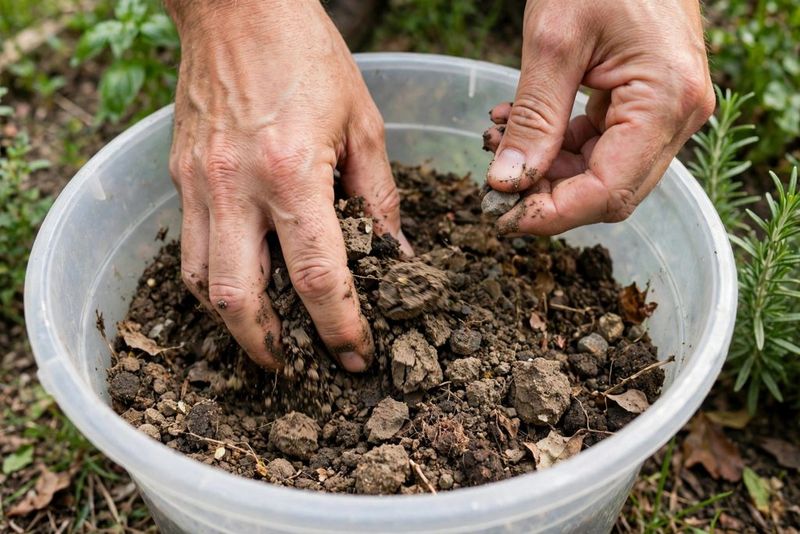
When greens sit still, resist the urge to throw something at the problem. Look first.
Check the soil temperature in the morning, since cool soil can hold back roots even if the afternoon air feels fine.
The Utah State Extension season-extension guide pairs air temperature ranges for cool-season crops with soil temperature, so a probe thermometer is a handy tool. Compare what you find with the crop’s needs rather than the weather app.
Next, read the plants. Pale, small leaves, purple tinges, soggy soil, or chewed edges each point in a different direction.
Dry soil two inches down means water, while constantly wet soil may call for better drainage.
Fertilizer is not a general cure for slow growth. NC State recommends a soil test and following its results, as described in the Extension Gardener Handbook vegetable chapter.
A test tells you whether a nutrient is actually missing, and adding extra without knowing can waste money and send runoff toward nearby streams. Once you know the bed’s temperature, moisture, and nutrient picture, you can fix the real problem.
Use covers for cold protection, not extra daylight
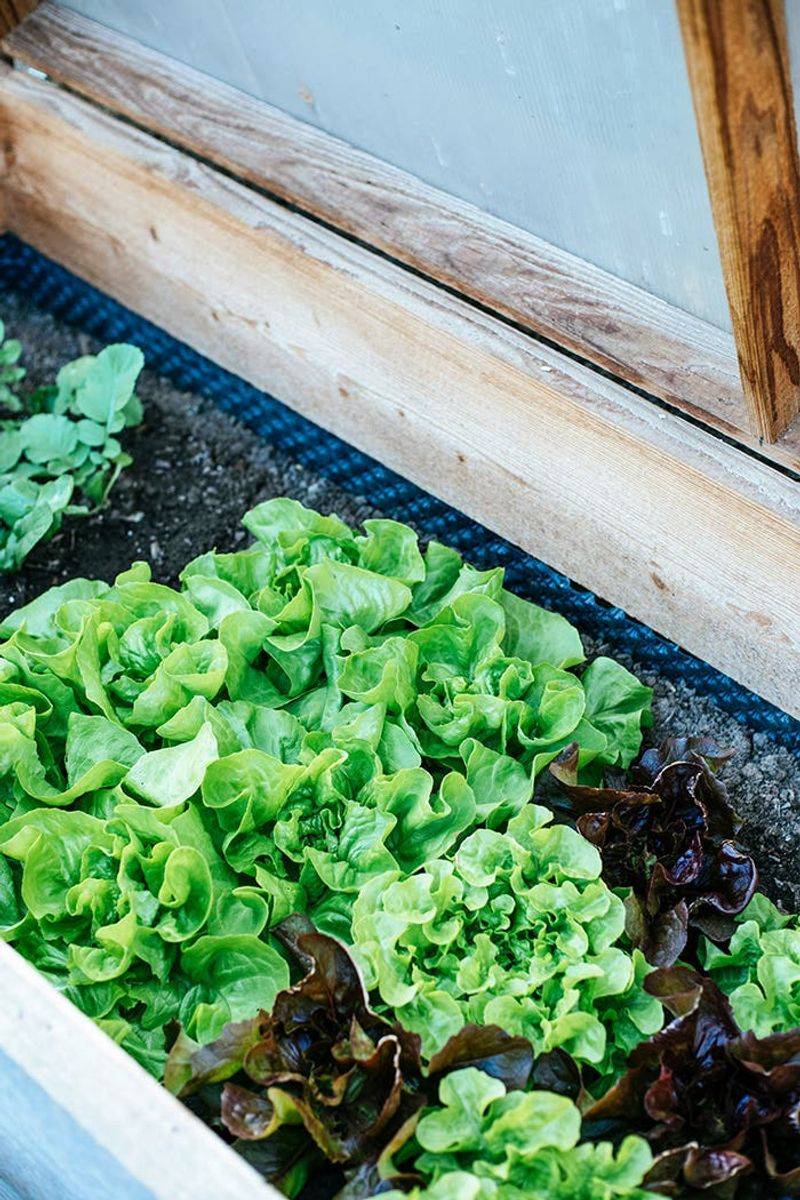
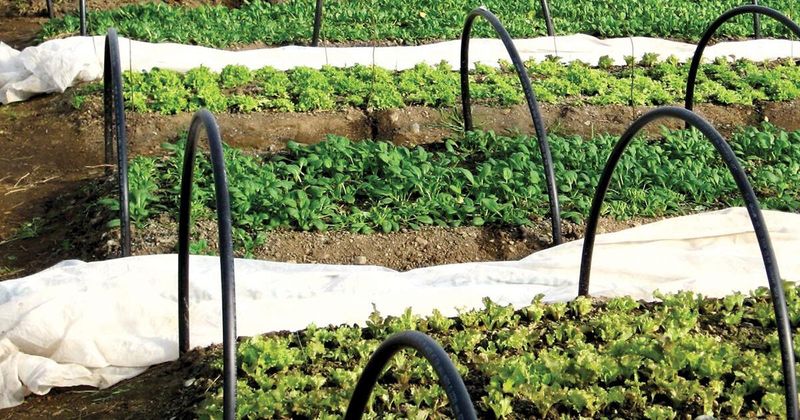
Frost cloth and cold frames earn their keep on cold nights. They hold in a little warmth and block frost, which can help your greens last longer into the season.
NC State’s vegetable gardening chapter recommends both to protect crops and extend the growing season.
What covers cannot do is add daylight. A shaded bed stays shaded under a cloth, and a short December day is still short.
Protection may keep leaves alive, but it does not guarantee active winter growth.
Cold frames come with a catch. On a sunny day, even a chilly one, the inside can heat up quickly and cook tender leaves.
Utah State Extension advises monitoring temperatures and venting structures as needed.
A small thermometer inside the frame takes the guesswork out. Prop the lid open in the morning when the sun comes out, then close it before dusk to trap the day’s warmth.
Frost cloth is simpler, but pull it back on mild days so plants get light and air. Used this way, covers act like a warm blanket rather than a grow light.
Winter may bring a pause, not a permanent stop
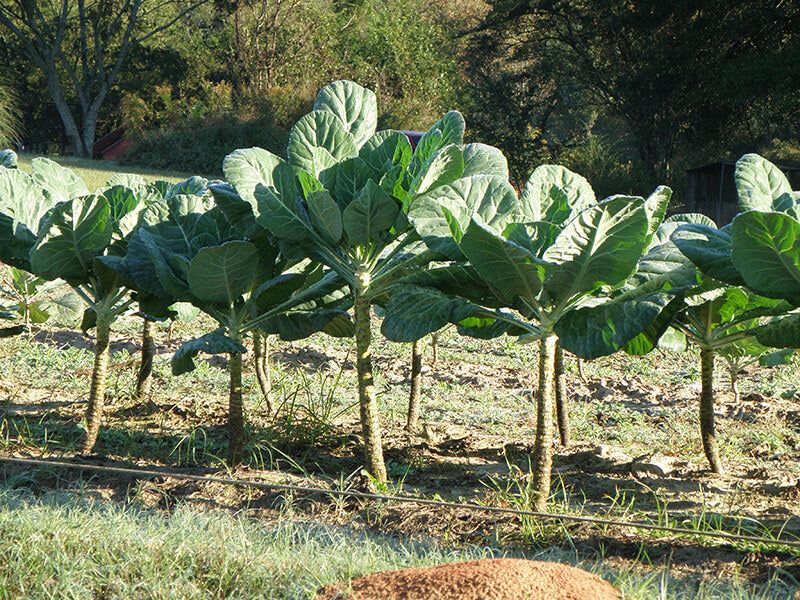
A stalled bed in December is not always a failed bed. NC State notes in its vegetable gardening chapter that established cold-hardy greens can carry through cold weather, and some overwinter, go dormant, and resume growth in spring.
Do not count on steady winter growth from a cover or a mild afternoon. Good timing, the sunniest spot you have, and sensible protection simply give your plants a better chance of making it through.
Leave the roots in place, keep an eye on moisture, and wait for the March warmup.
Sometimes the best winter gardening is patience, and spring tends to reward it.