
Your Mums Stopped Blooming? Here’s What To Do With Them Before You Toss Them In The Trash
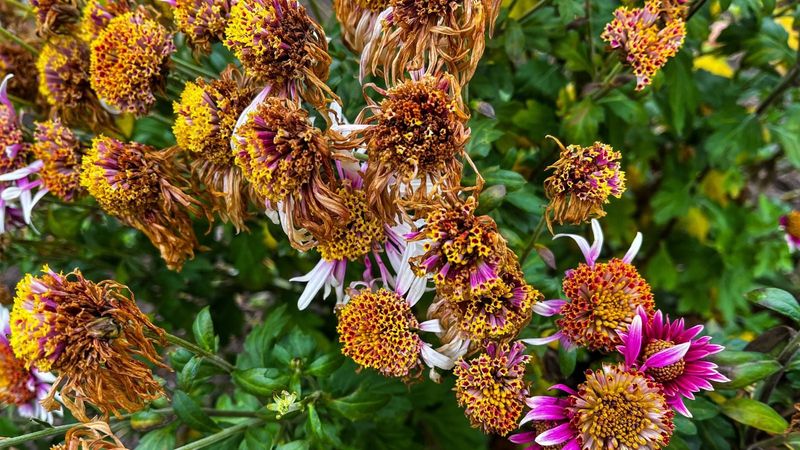
Those fall mums looked amazing a few weeks ago, and now the flowers are brown and droopy. Before you haul the pot to the trash, take a minute to figure out what you actually have.
A faded mum is not always a dead mum, but not every mum is worth the effort of saving either. Here is a clear plan for deciding what to keep, what to protect, and what to compost.
First, find out whether your mum is a garden or florist type
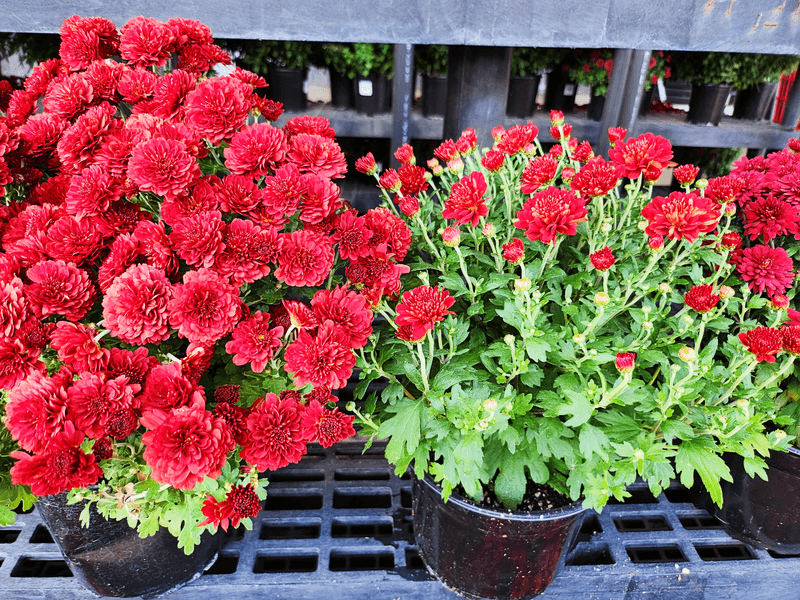
Start with the plant tag. If it is gone, call or visit the place where you bought the mum and ask whether it is a garden mum or a florist (pot) mum.
That one answer shapes everything else you do.
Looks will not settle it for you. Flower color and bloom shape are poor clues, because garden and florist mums can be the same species.
The difference is mostly in how the plants were bred and grown, as described in Virginia Cooperative Extension guidance on overwintering mums.
Garden mums, sometimes sold as hardy mums, have a better shot at living through winter outdoors. Florist mums are usually grown to be short-term displays and often do not last outside in cold weather.
Still, Iowa State Extension notes that survival depends on more than the label.
Even a true garden mum can fail. Cultivar, your climate, the site, drainage, and how well the plant settled in all play a part.
So think of the label as a starting point, not a promise.
If you cannot find out which type you have, you can still treat it as a garden mum and try the cautious steps in the next sections. You will just want to keep your hopes modest.
Are the faded blooms the problem—or just the season?
Brown, crispy flowers tell you the show is over. They do not tell you the whole plant has died.
Mums put their energy into one big bloom season, and then the plant winds down for winter.
Snipping off spent flowers, called deadheading, mostly tidies things up. It will not reliably trigger a second round of flowers this late.
Flowering in mums follows the cultivar and the shortening days of fall, as covered in University of Illinois Extension’s piece on mums and asters.
A second bloom after shearing can happen with some mums and asters earlier in the season. It is not a dependable rescue once the season has ended, according to University of Missouri Extension.
So what should you expect right now? Expect no more flowers this year.
If you like a neat look, go ahead and remove the dead blooms.
Whether the plant itself comes back is a separate question, and it depends on the type of mum and where it is growing. The next sections walk through each situation.
For an in-ground mum, leaving stems is a cautious option

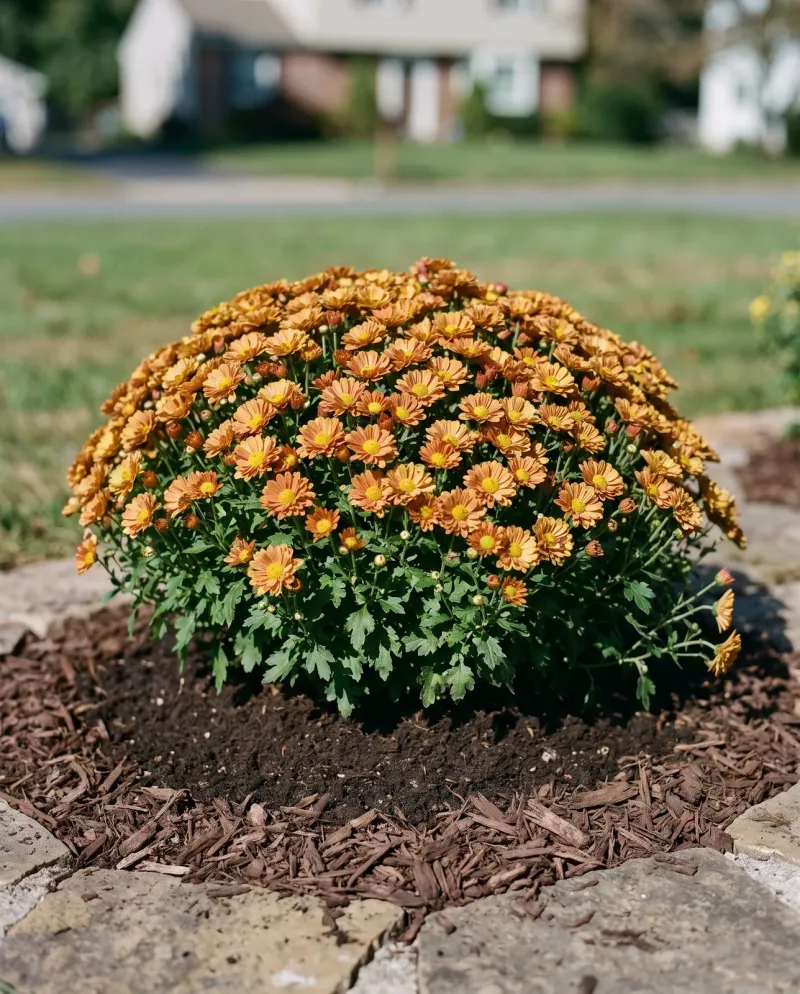
If your garden mum is already planted in the ground, one careful winter plan is simple. Leave the old stems standing, add mulch, and wait for spring.
Then clear out the dead growth once new shoots appear.
Several extension sources suggest this approach, including University of Illinois Extension and Virginia Cooperative Extension. Mulch can help shield roots from sharp temperature swings and from heaving, when freezing and thawing push plants up out of the soil.
Advice on cutting back is not the same everywhere. A more recent Illinois Extension article recommends cutting to the ground after a hard frost and adding a light layer of mulch.
Neither method is a rule for every yard.
Mulch depth varies too. Illinois Extension has suggested about four inches for perennial mums, while other sources mention a few inches or something lighter.
Treat any number as local guidance, not a fixed measurement.
The best next step is to call or search your state’s extension office for your area. University of Wisconsin Extension is another example of regional advice worth comparing.
Whatever you choose, these steps improve the odds but cannot guarantee your mum returns.
A potted garden mum needs a sheltered, nonfreezing winter
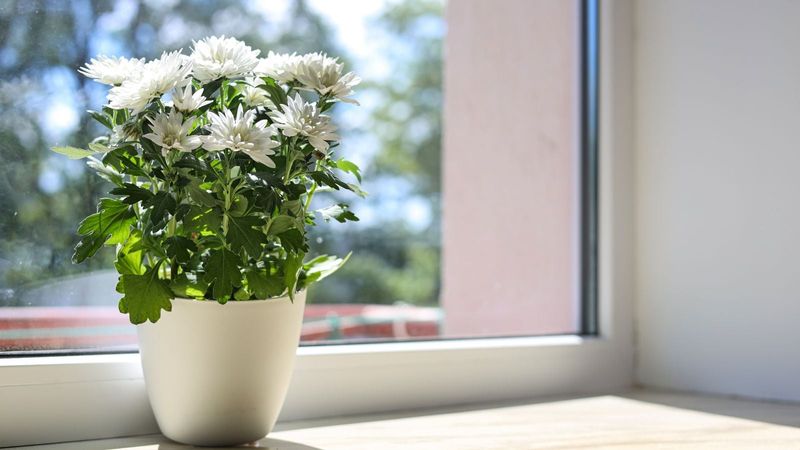
A mum that is still in its pot faces a tougher winter than one in the ground. Garden soil acts like a blanket for roots, and a container does not.
Roots in a pot are exposed to cold from every side.
That is why a plant’s hardiness rating is not a safe bet for a pot left on the patio. Virginia Tech suggests moving a potted garden mum to a cold frame or an unheated, insulated space, such as a basement or garage, where it will not freeze.
You can read more in their overwintering guide.
While the plant rests, check the potting mix now and then. University of Missouri Extension advises keeping it barely moist, not soggy and not bone dry.
A sunny living room is not the same thing. A warm indoor spot will not reliably lead to flowers, and the plant needs a cool rest instead.
Think of this as an experiment. Some pots will make it and some will not, depending on the cultivar and how cold your winter gets.
If yours wakes up in spring, you can plant it out once the weather settles.
Florist mums can be temporary displays
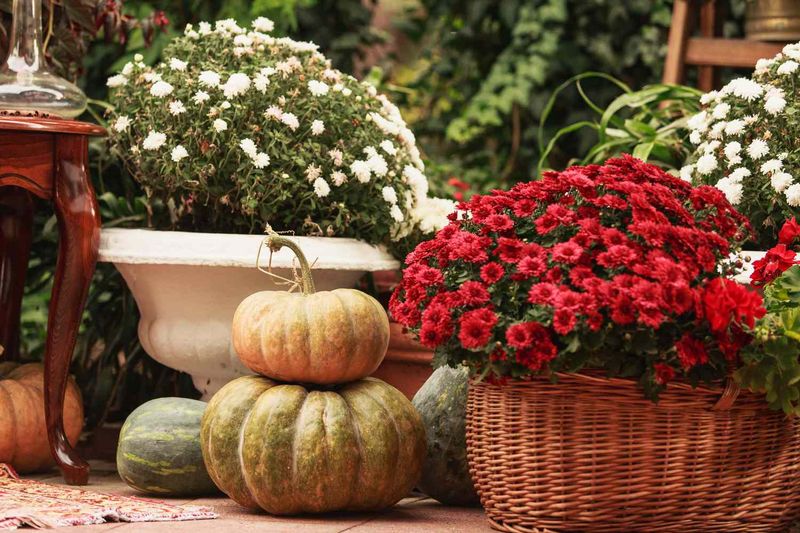
Some mums are simply meant to be enjoyed for a few weeks. If yours is a florist mum, you have full permission to compost it after the flowers fade.
You did not do anything wrong.
Florist mums are generally sold as temporary displays, and many are not reliably hardy outdoors, as Virginia Cooperative Extension explains. Getting them to flower again is difficult.
Iowa State’s florist plant guide describes the challenge.
Planting one in the garden will not turn it into a garden mum. The plant was grown for a short show, and Iowa State Extension points to variety as part of why some mums return and others do not.
Still curious? If you want to try anyway, tuck it in a sheltered spot and treat it as a low-cost experiment.
Just do not count on it.
Composting keeps the plant material out of the trash and frees up the pot. It is a perfectly reasonable ending for a plant that already did its job.
Fall planting lowers a garden mum’s odds
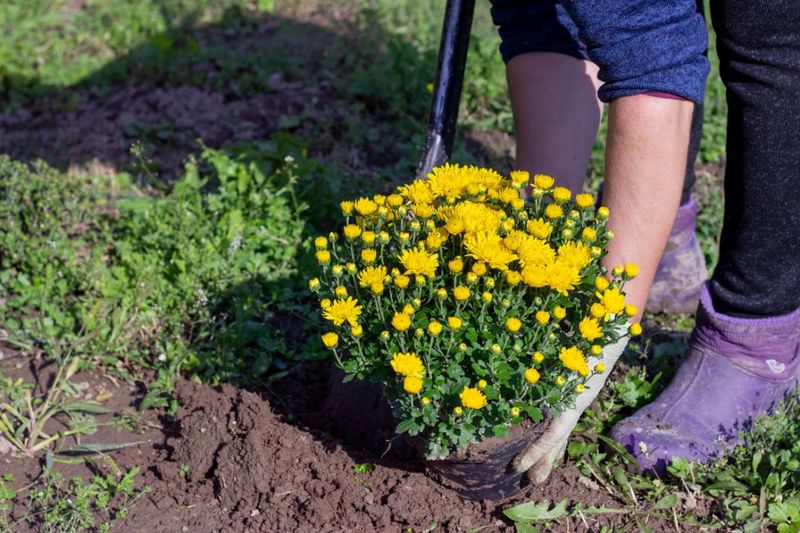
Timing matters a lot. A garden mum planted this fall has had little time to grow roots before winter arrives.
Shallow, young roots are more likely to get pushed around by freezing and thawing.
University of Illinois Extension recommends planting in spring when you can. Its guidance for fall planting is to get mums in the ground at least six weeks before the expected first frost so roots can develop.
You can read the details in their perennial mum article. That is one source’s recommendation, not a guarantee.
Iowa State Extension also notes that fall-planted mums are less likely to survive than spring-planted ones.
That does not mean failure is certain. Some late-planted mums do come through, especially in milder spots with good drainage.
It just means the odds are lower.
For this season, protect what you have and keep expectations realistic. Next year, consider buying garden mums in spring, and pinch the new growth in early summer for a fuller plant.
If this one does not return, you will have learned something useful for your own yard.