
If Your Garden Mums Grow Full And Bushy But Barely Bloom Before Frost, You Missed One Summer Pinch
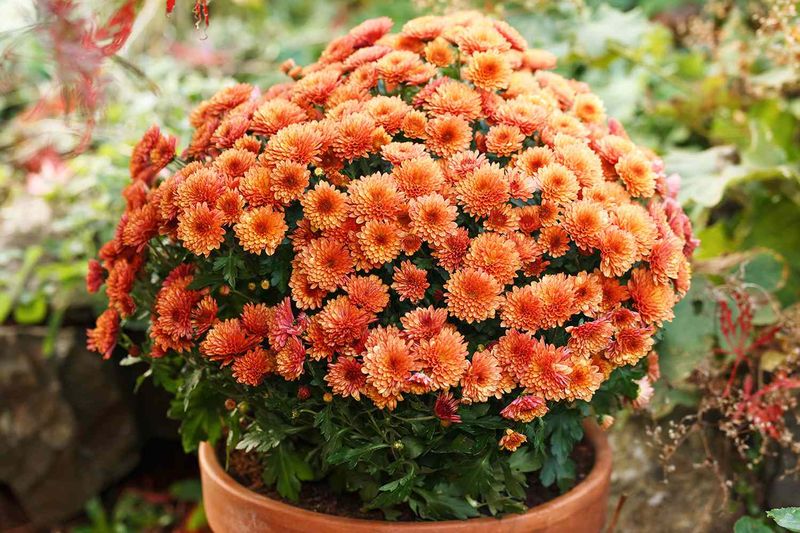
Every fall, some gardeners watch their mums grow into beautiful, full plants all summer long, only to see the first frost arrive just as the buds finally start to open. The frustration is real, and the usual advice points straight at one missed summer pinch. That explanation is partly right, but a bushy, healthy mum tells a more complicated story than a single skipped step.
A Bushy Mum Changes the Diagnosis

A tall, floppy mum with sparse flowers is the classic sign of a plant that never got pinched. But a mum that looks full, compact, and healthy all season long does not fit that picture at all. According to University of Illinois Extension guidance on pinching mums, unpinched plants tend to grow tall and weak with fewer blooms, so a genuinely bushy specimen suggests something else is going on.
Skipping a pinch and pinching too late are two separate problems worth keeping apart. Omitting a pinch mainly reduces the number of lateral branches and can leave flower heads less evenly distributed across the plant. Pinching after the recommended window is a different issue entirely, and that is the version more likely to push bloom timing past your local frost date.
A full, healthy mum that opens its buds just as frost arrives deserves a broader look before landing on one missed pinch as the verdict. University of Missouri IPM notes that bloom timing is primarily governed by how a cultivar responds to night length, and it is also shaped by temperature, drought, artificial light at night, plant type, and how your local frost window lines up with the plant’s natural calendar. The sections ahead work through each of those factors so you can find the real cause and fix it before next season.
What Pinching Actually Changes

Removing the growing tip of a mum shoot does one specific thing: it breaks what plant scientists call apical dominance. While that tip is intact, it sends signals that suppress the buds lower on the stem. Clip it off, and those side buds wake up and push outward into new branches.
More branches mean more potential flowering sites, and that is why pinching is consistently recommended for producing shorter, fuller, more floriferous garden mums. Each new branch can eventually carry its own cluster of buds, so a well-pinched plant ends the season with a broad framework of flowering stems rather than a single tall spike with a handful of blooms at the top.
An unpinched plant is more likely to stretch upward, stay narrow, and concentrate its flowering energy in fewer places. That is a real disadvantage, and it is worth correcting. What pinching does not do is set the date those flowers open. Utah State University Extension explains that the flowering calendar is driven by the plant’s response to night length and cultivar genetics, not by whether the stems were pinched or left alone.
Pinching shapes the plant’s architecture and raises its flower-carrying potential; it does not move the bloom date forward on the calendar by itself.
Think of pinching as building a bigger stage. More branches give the plant more room to put on a show, but the curtain still goes up when the plant’s internal clock decides the time is right, not when the last pinch was made.
The Pinching Window Closes Before Flower Buds Appear
Timing a pinch correctly matters more than most gardeners realize, and there is no single nationwide deadline that covers every mum in every state. Utah State University Extension recommends pinching every two weeks during spring and early summer, with cultivar-specific final dates of June 10 for early varieties, June 20 for midseason types, and July 1 for late varieties. Those dates shift earlier or later depending on your local frost risk and how quickly nights lengthen where you garden.
The practical trigger for each individual pinch is shoot length, not the date on the calendar. When new growth reaches roughly 6 to 8 inches or has developed several sets of leaves, that soft tip is ready to remove. Use clean fingers or sharp shears and take only the tender growing point, not the woody base of the stem. Repeat that process each time new shoots reach the same length, working through spring and into early summer.
University of Illinois Extension and University of Maryland Extension both describe a final pinch around mid-July as a common recommendation for mid-Atlantic and Midwest gardens, though they note that pinching past that point risks pushing bloom beyond the local frost window. A late pinch does not just slow things down a little; on some cultivars it can delay flowering by enough weeks to lose the display entirely to cold weather.
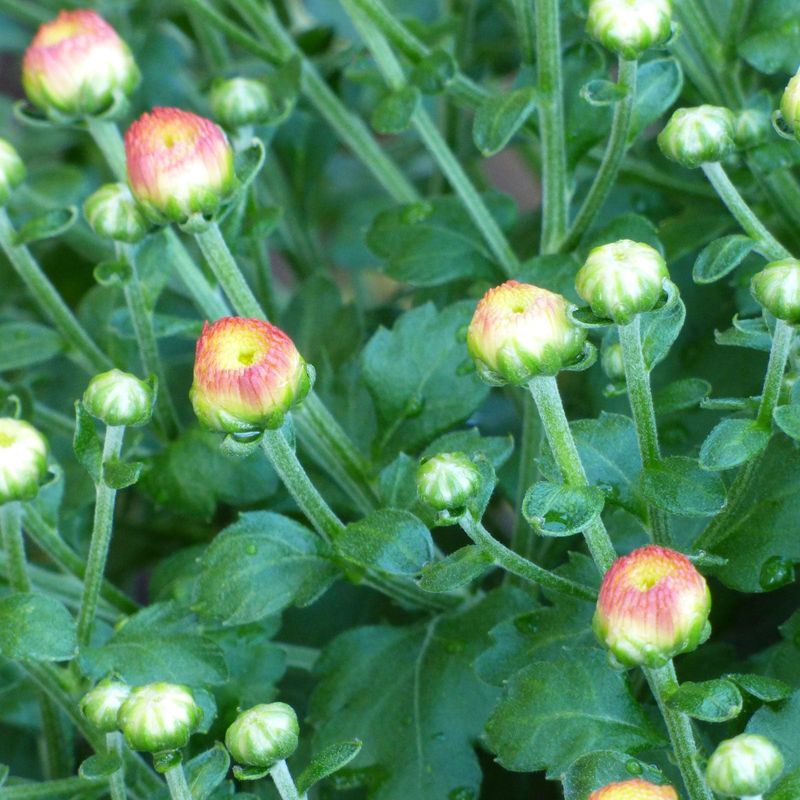
Once you can see actual flower buds forming on the stems, the normal summer pinching period has effectively ended. Buds are not vegetative tips, and treating them as though they are will cost you the current season’s flowers. Check your cultivar’s expected bloom period and your area’s average first frost date, then count backward to set your personal final-pinch deadline before next spring.
Once Buds Show, Stop Treating the Plant Like a Missed Pinch

Seeing flower buds on your mum in late summer or early fall is actually good news, even if the timing feels late. Those buds represent weeks of work by the plant, and the worst thing you can do at that stage is cut them off in hopes of triggering a better flush of bloom.
Pinching a soft vegetative tip in spring or early summer is a completely different action from removing developed flower buds in late summer. University of Maryland Extension distinguishes these clearly: vegetative pinching shapes the young plant before buds form, while cutting into budded stems either sacrifices the current display or delays it further into frost territory. Neither outcome helps a plant that is already running behind schedule.
There is a practice called disbudding, which involves removing most of the flower buds from a stem so the plant concentrates energy into one or a few larger blooms. University of Missouri IPM notes that disbudding is used for large-flowered exhibition mums where size matters more than quantity. Ordinary garden mums and spray types are grown for many smaller blooms across a wide, bushy plant, so disbudding is not the right tool there.
If buds are already visible on your mum this season, leave them alone and protect the plant from light frost if you can. A row cover or old bedsheet draped over the plant on a cold night can extend the display by days or even weeks, giving those buds a real chance to open before hard frost arrives.
Night Length Starts the Clock, but Conditions Modify It
Garden mums belong to a group of plants that use night length as their main signal to begin flowering. As summer shifts into fall and nights grow longer, the plant detects that change and starts the internal process that leads to flower buds. University of Missouri IPM explains that different cultivars require different amounts of uninterrupted darkness before flower initiation begins, and they also vary in how many weeks they need between that initiation and the moment flowers actually open.
That range matters enormously for fall timing. Some garden cultivars can move from short-day exposure to open flowers in roughly 6.5 weeks. Others may need 9 weeks or longer. A cultivar on the longer end of that range, planted in a yard where nights shorten the season, can easily run out of frost-free days before the flowers ever open, regardless of how well it was pinched.
University of Illinois Extension points out that artificial light is a surprisingly common culprit in delayed mum flowering. A porch light, streetlight, or security light that shines on your plants through the night can interrupt the dark period the plant needs to trigger bud initiation. Even a few hours of nighttime illumination can reset the plant’s internal clock and push bloom timing later than expected.
Night length is the primary trigger, but it is not the only one. Illinois Extension’s fall chrysanthemum guide confirms that temperature, cultivar genetics, and growing conditions all modify the schedule. Moving a container mum away from a lit porch or relocating a bed plant out of a streetlight’s reach can sometimes solve a late-bloom problem that looks like a pinching failure but is really a lighting issue.
Heat, Drought, and Plant Type Can Delay a Healthy Mum

High temperatures during late summer can slow or stall flower initiation even when night length is on track. Research on chrysanthemum production reviewed by Michigan State University Extension found that heat can delay bud development, and research published in the Japanese Society for Horticultural Science confirmed that flowering delay at high temperatures depends on both temperature and cultivar-specific responses. A mum sitting in a hot, south-facing bed during August may simply be too warm to initiate buds on schedule, even if the nights are long enough.
Drought adds to the problem. Dry soil during late summer can impair growth, reduce bud development, and leave flowers smaller or fewer than expected. University of Missouri IPM lists full sun, consistent moisture, and well-drained soil as the baseline conditions mums need to perform reliably. A plant stressed by drought may look healthy on the surface while quietly falling behind on its flowering schedule underground.
Plant type deserves a separate check. Not every mum sold at a garden center or grocery store is a hardy garden cultivar bred for outdoor fall performance. University of Wisconsin-Madison Extension notes that florist mums and greenhouse-grown potted types are often bred for indoor display or controlled production environments, not for outdoor fall gardens in variable climates. Those types may require a longer dark period, bloom later than hardy garden cultivars, or simply not perform well once temperatures drop.
Before assuming a pinching problem, check whether your mum spent August in baking heat without reliable water, and confirm whether the plant you bought was labeled as a hardy garden type or arrived as a seasonal florist pot. Illinois Extension recommends those hardy garden selections specifically for dependable outdoor fall color.
Choose a Mum That Fits Your Frost Window

The single most reliable fix for a mum that blooms too late is choosing a cultivar whose natural timing fits your local frost window. University of Missouri IPM recommends selecting early-season, hardy garden cultivars for outdoor fall displays, specifically because they respond quickly to shortening nights and finish flowering before the first hard freeze arrives in most regions.
Autumn-sold potted mums are not all the same plant in different colors. Some are early-blooming garden types that will perform predictably year after year. Others are florist types grown for a single indoor display, and those may bloom too late or fail to overwinter after being planted in the ground in fall. Utah State University Extension advises checking the cultivar’s expected bloom period and matching it to your region’s frost dates before buying.
Spring planting gives hardy garden mums the best chance of returning as perennials. University of Wisconsin-Madison Extension explains that spring-planted mums have the full growing season to establish deep roots before winter, while mums planted in late fall from a store display often have shallow root systems that freeze out over winter. University of Illinois Extension echoes that advice, noting that florist types and late-fall purchases are better treated as annuals rather than expected perennials.
Building a reliable fall mum display comes down to combining four things: a hardy cultivar matched to your frost window, uninterrupted dark nights free from artificial light, consistent sun and water through the growing season, and timely pinching on a schedule that fits your cultivar and region. No single factor replaces the others, but cultivar choice is the foundation everything else rests on.
A Missed Pinch Is a Clue, Not a Verdict

Skipping a pinch during the growing season mainly affects how many branches your mum develops and how evenly those branches carry flowers. A plant that never got pinched tends to be taller, less compact, and somewhat sparse in its bloom distribution. That is worth correcting next year, but it does not explain why a full, bushy mum opens its flowers just as frost arrives.
A pinch made after the recommended cutoff is a closer match to the late-bloom problem. University of Illinois Extension and University of Maryland Extension both note that pinching too late can push flowering beyond your frost window. If buds are already visible, leave them alone and protect the plant from cold instead of cutting.
When a healthy mum blooms late, work through the full checklist before settling on one cause. Check the cultivar’s natural response period, look for nighttime light sources near the planting spot, consider whether August heat or dry soil slowed bud initiation, and confirm whether the plant is a hardy garden type or a florist variety. University of Missouri IPM frames it well: a mum that looks great but blooms at the wrong time is usually telling you something about its cultivar and growing conditions, not just its pinching history. A missed pinch is worth noting, but it is the beginning of the investigation, not the end.