
16 Late-Summer Mistakes That Make Your Zinnias Wilt (And The Reset That Revives Them)
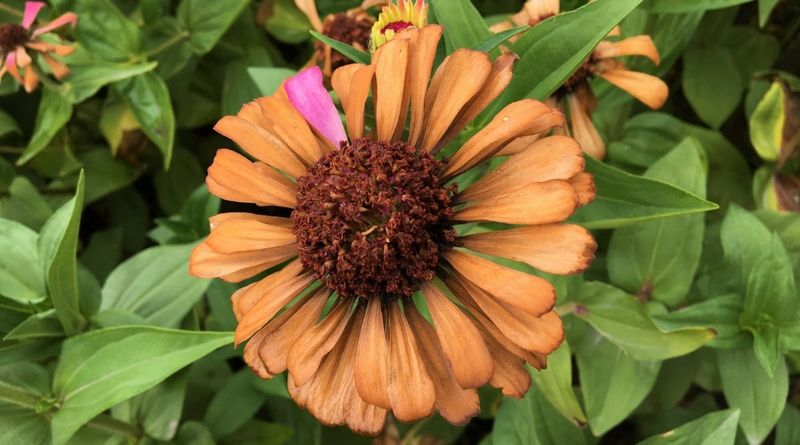
Zinnias should be the easy, cheerful workhorses of your late-summer garden, but by August a lot of them start flopping, browning, and looking sad. The good news is that most wilting comes from a handful of fixable habits, not some mystery disease that dooms your flowers.
Once you know what went wrong, the reset is usually simple and quick. Let’s walk through the 16 mistakes that make zinnias wilt and exactly how to bring them back to life.
1. Overwatering Until the Roots Drown
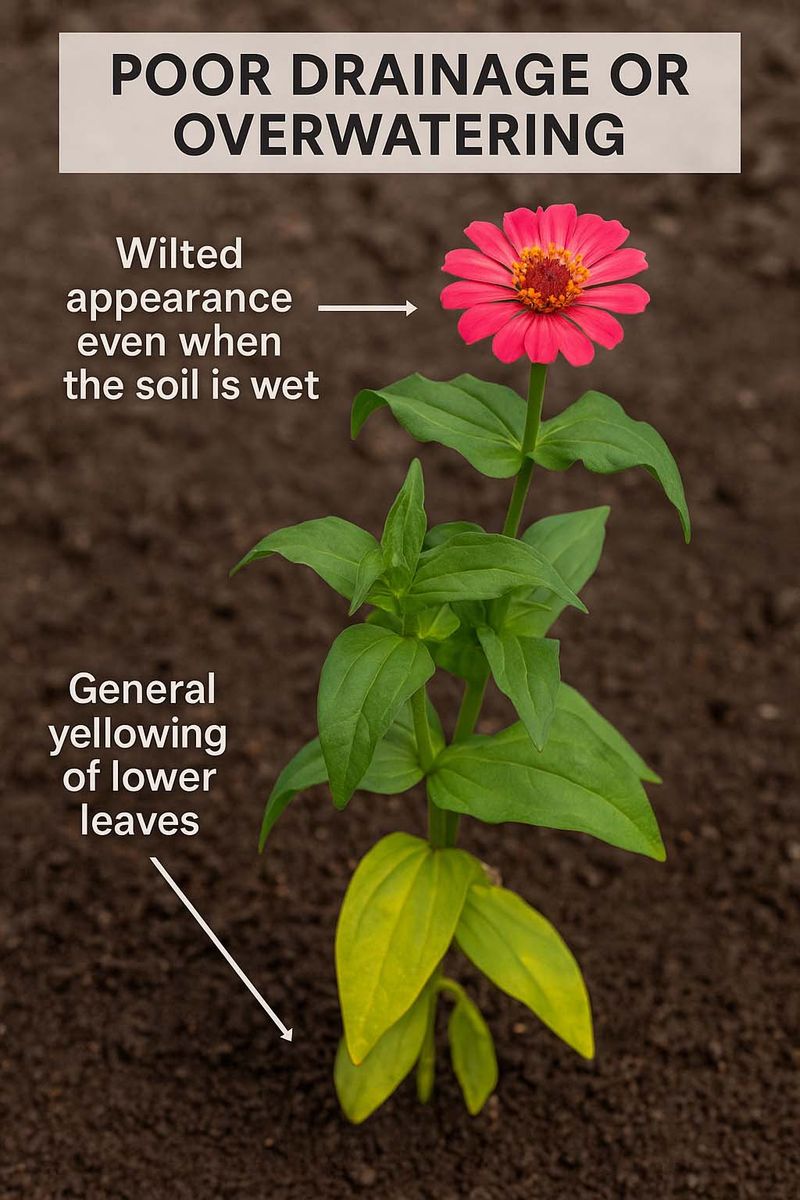
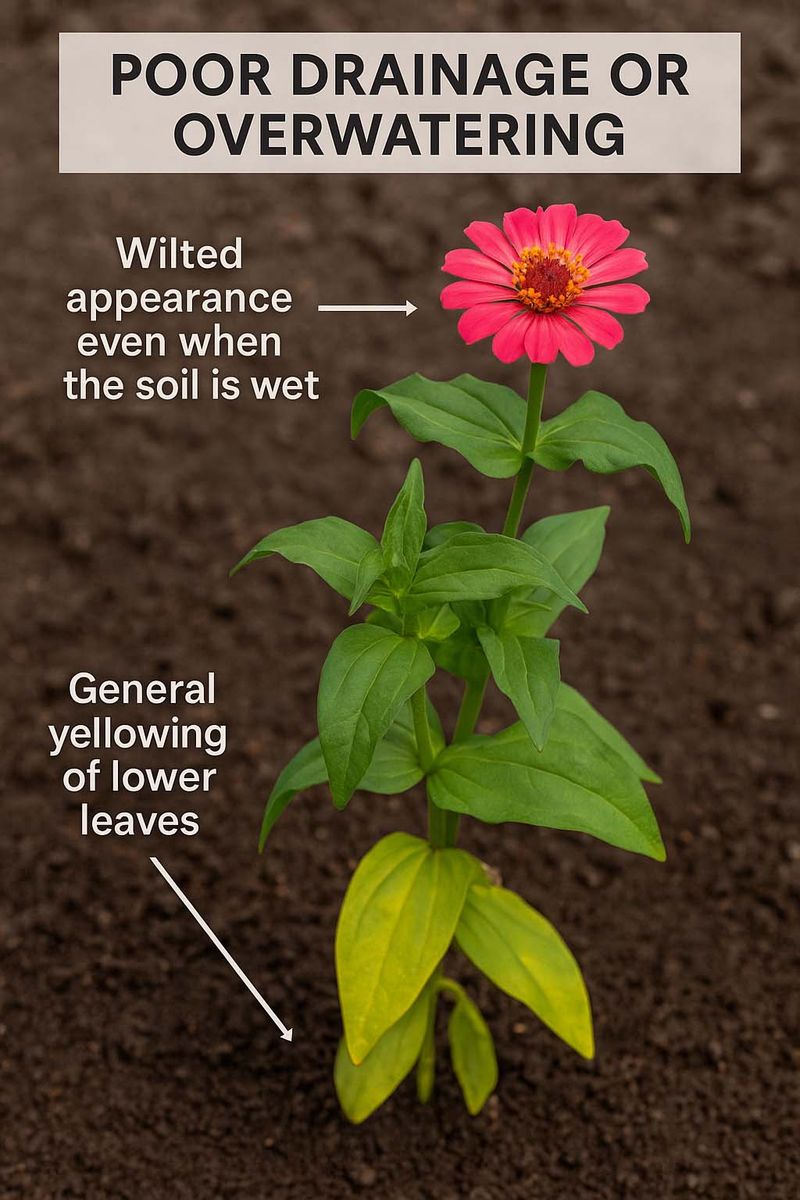
Here is a twist that surprises a lot of gardeners: a droopy zinnia sitting in soggy soil is often thirsty in disguise. When soil stays waterlogged, roots can’t grab the oxygen they need, so they suffocate and rot even though water is everywhere.
Watch for yellowing leaves, mushy stems at the base, and that limp look that doesn’t perk up no matter how much you pour on. In containers especially, overwatering is one of the biggest reasons zinnias collapse in late summer.
The reset starts with your finger. Poke it two inches into the soil, and only water when it feels dry down there.
Mix compost into heavy clay to loosen it, make sure every pot has open drainage holes, and switch to deep, less frequent soaks. In the worst cases, repot into fresh, well-draining mix and let those roots breathe again.
2. Letting the Soil Bake Bone Dry
On the flip side, a zinnia that goes too long without a drink will throw itself dramatically flat across the bed. Prolonged drought damages the fine root hairs and the plumbing that carries water up the stem, so the whole plant droops fast.
Dry, cracked soil and leaves that feel papery are your clues. In a July or August heat wave, a container can dry out in a single afternoon while you’re at work.
Bring it back by watering deeply and checking moisture about two inches down every day during hot stretches. A two-inch layer of mulch around the base slows evaporation and keeps things steady, which is exactly what zinnias crave.
Consistent moisture, not a swing between flood and drought, is the goal.
3. Leaving Containers to Overheat in the Afternoon Sun
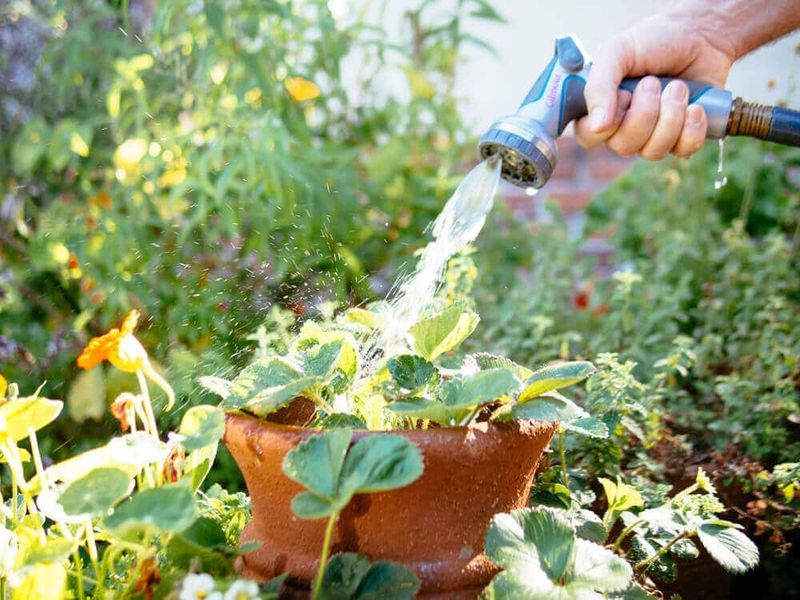
Zinnias adore full sun, but there’s a breaking point. Once temperatures climb past 90 to 95 degrees for days on end, even sun-lovers start to sag, and potted plants take the hardest hit.
Black plastic and metal pots act like little ovens, cooking the roots inside while the leaves flag above. A plant that looks fine in the cool morning can be face-down by 3 p.m.
Give your zinnias a break during brutal heat spikes by moving containers into afternoon shade or propping up a bit of shade cloth. Mulch keeps roots cooler, and an extra midday watering during a heat wave helps the plant coast through the worst of it.
When the temperatures ease, the wilting usually eases right along with them.
4. Ignoring Powdery Mildew Creeping Up the Leaves
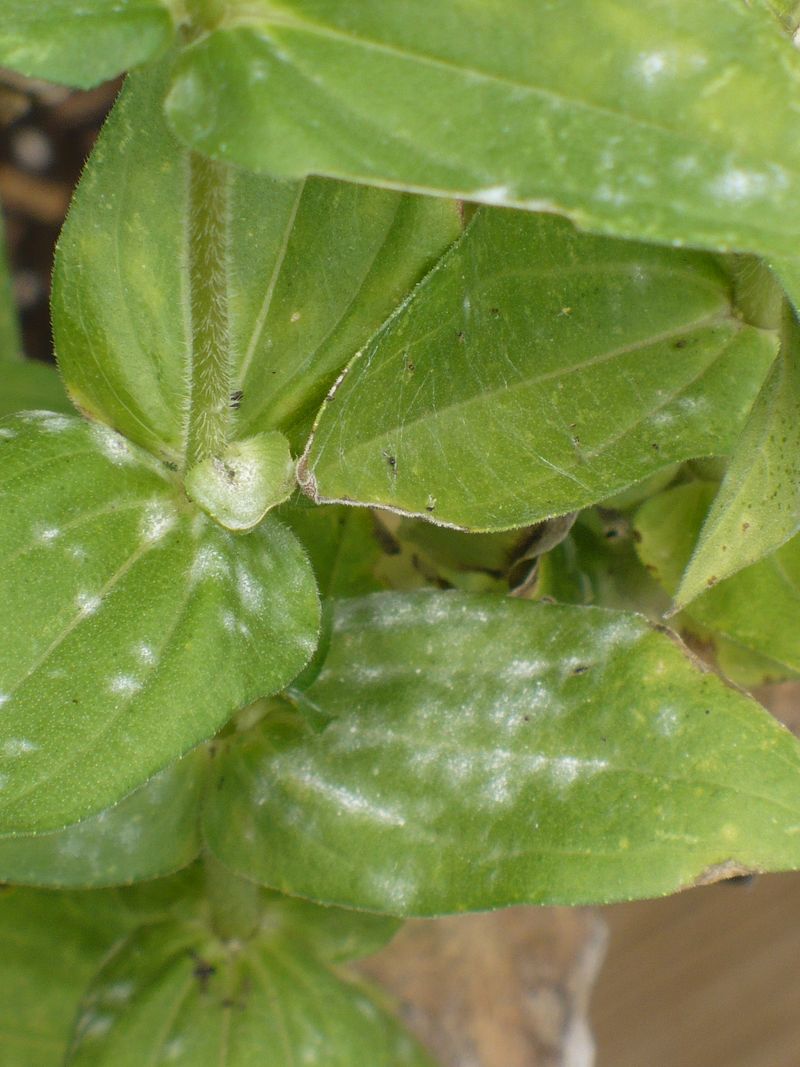
Ever notice a dusty white film coating your zinnia leaves like someone shook powdered sugar over them? That’s powdery mildew, and it absolutely loves the late-summer combo of warm days, cool nights, and muggy air.
Left alone, it spreads from the bottom up, turning leaves brown and leaving the plant wilted and weak. Crowded plants with stale air around them are its favorite targets.
Reset by opening things up: space plants for airflow, water at the base so leaves stay dry, and strip off infected foliage (toss it in the trash, never the compost). A spray of potassium bicarbonate or neem oil at dawn or dusk can help slow it down.
Next year, reach for resistant picks like the Zahara or Profusion series to sidestep the whole mess.
5. Missing the Signs of Fusarium Wilt in the Soil
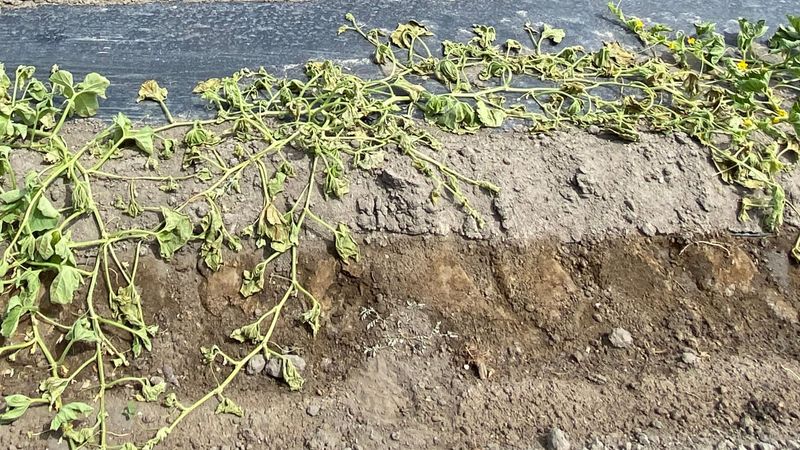
Some wilts you can nurse back, and then there’s fusarium wilt, the one that plays for keeps. Hiding in the soil, this fungus clogs the plant’s water-carrying vessels from the inside, so no amount of watering fixes the droop.
A plant that keeps collapsing despite perfect care, with wilting that starts on one side or one branch, is waving a red flag. Once it takes hold, there’s no cure for that individual plant.
The honest reset is removal. Pull the whole plant plus about six inches of the surrounding soil and send it to the landfill, not your compost pile.
For a bed that keeps struggling, soil solarization (clear plastic over moist soil in full sun for six to eight weeks) can bake out the lingering spores before you replant.
6. Overlooking Alternaria Leaf Spot Spreading Fast
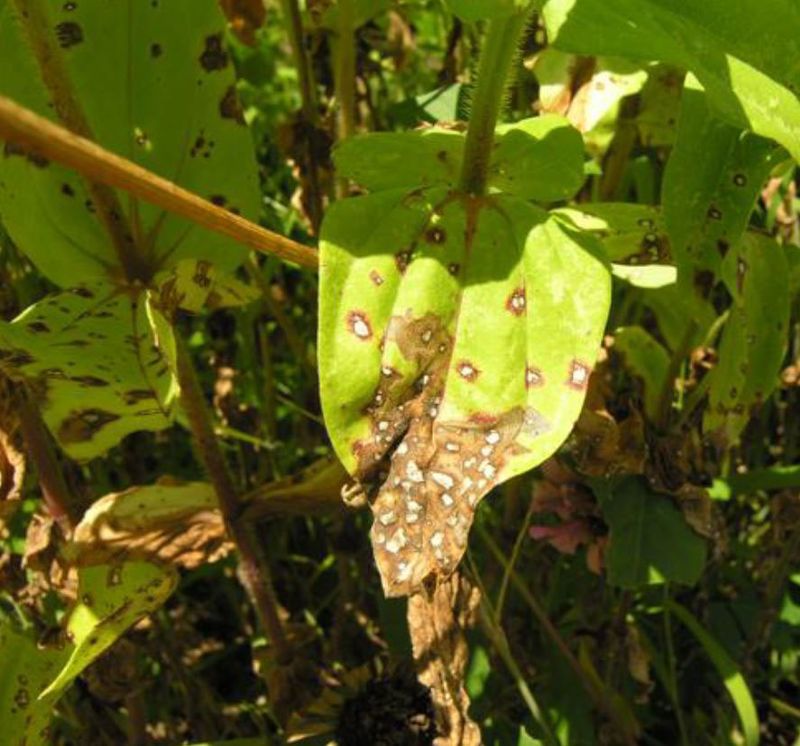
Reddish-brown spots with pale gray centers dotting your zinnia leaves point to alternaria blight, a sneaky fungal troublemaker. As those spots grow and merge, leaves shrivel, stems develop cankers, and the plant slides into a wilted, ragged state.
Warm, wet late-summer weather gives it a perfect runway, and it can move through a patch of zinnias quickly if the leaves stay damp.
Start your reset with good housekeeping. Clean up fallen debris around the plants, since spores overwinter and re-infect from that litter, and pull heavily spotted leaves.
A recommended protectant fungicide, applied early, helps guard the healthy foliage that’s left. Keeping water off the leaves and improving airflow makes your zinnias a far less inviting home for the fungus.
7. Letting Aphids and Sap-Suckers Drain the Plant
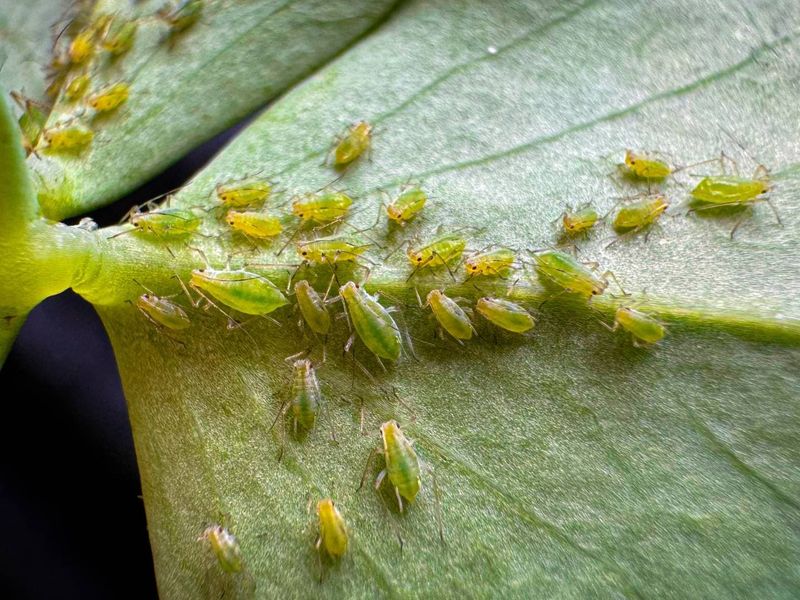
Flip a wilting zinnia leaf and you might find the culprit clustered underneath: tiny aphids, whiteflies, or thrips quietly sipping the plant’s juices. These sap-suckers weaken stems and leaves, and some spread disease as a nasty bonus.
A plant that’s losing vigor, curling at the tips, or hosting a sticky residue often has an insect problem, not a watering one.
The fix is refreshingly low-tech to start. Blast the pests off with a strong stream of water, then follow up with insecticidal soap or neem oil in the late evening so you don’t harm the bees and ladybugs working your garden.
Keeping the plant well-watered and unstressed also makes it a tougher target, since bugs love a plant that’s already struggling.
8. Underestimating Spider Mites in Hot, Dry Weather
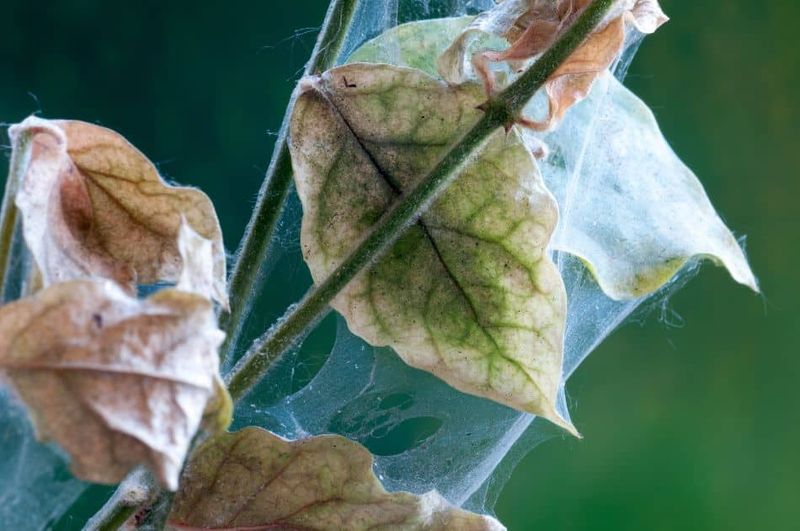
Spider mites are the pest that thrives exactly when your zinnias are already stressed, in the hottest, driest stretch of summer. They’re almost too small to see, so gardeners often blame the yellowing, stippled, dusty-looking leaves on the heat alone.
Fine webbing between stems and a leaf surface that looks freckled and faded are the giveaways. As populations explode, the whole plant can wilt and go crispy.
Here’s the counterintuitive reset: keep the plant well-watered. Spider mites explode in drought-stressed plants, so supplemental irrigation actually cuts them back.
Hose down the foliage, especially the undersides, and treat with insecticidal soap or neem oil in the evening. A little extra humidity and moisture makes your zinnias much less hospitable to these tiny freeloaders.
9. Letting Slugs, Earwigs, and Beetles Chew Away
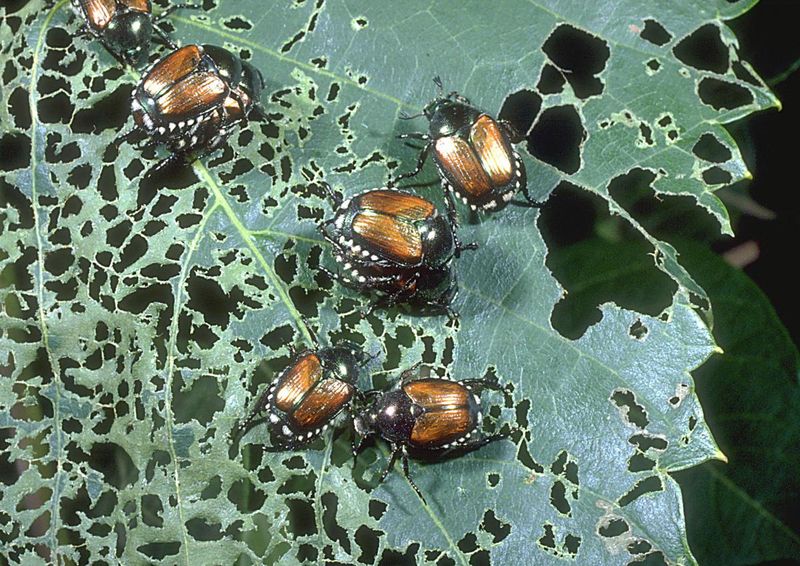
Sometimes the damage is less about disease and more about something taking bites out of your plant overnight. Slugs, earwigs, and Japanese beetles all treat zinnia leaves like a buffet, chewing ragged holes that sap the plant’s strength and can leave it drooping.
Beetles tend to feast in daylight, while slugs and earwigs do their munching after dark, so you often see the damage before you spot the diner.
Play detective first. Head out with a flashlight at night to catch the culprits in the act, then match the fix to the pest.
Slug pellets or simple beer traps handle the slimy crowd, hand-picking works well for Japanese beetles, and tidying up hiding spots discourages earwigs. Knock the population down and your zinnias can rebuild the leaf area they need.
10. Planting Zinnias Too Close Together
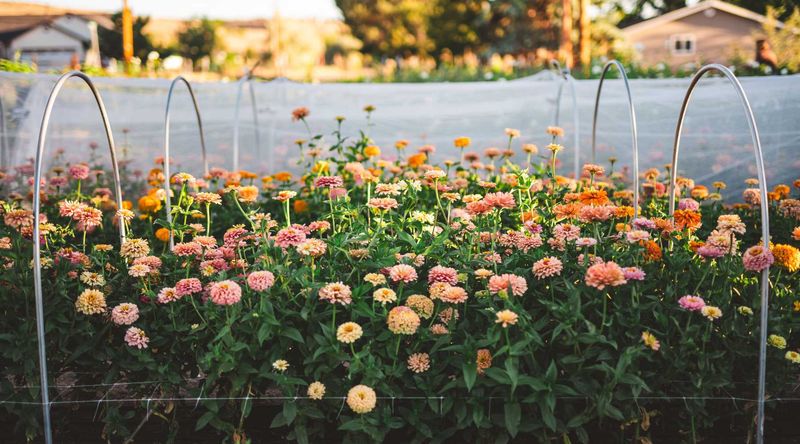
It’s tempting to pack seedlings in tight for a fuller, showier bed, but crowded zinnias set themselves up for trouble. Jammed together, they trap humidity and choke off airflow, which is basically an open invitation for powdery mildew and other fungal problems that end in wilting.
A dense, shoulder-to-shoulder planting also means the roots compete for the same water and nutrients, so everyone loses.
The reset here is more about prevention and thinning than rescue. Give each plant room to breathe according to its variety, and don’t be afraid to pull or transplant a few crowded ones to open up the stand.
Better spacing lets the leaves dry quickly after rain and dew, and dry leaves are the enemy of nearly every fungus on this list.
11. Watering Late in the Day
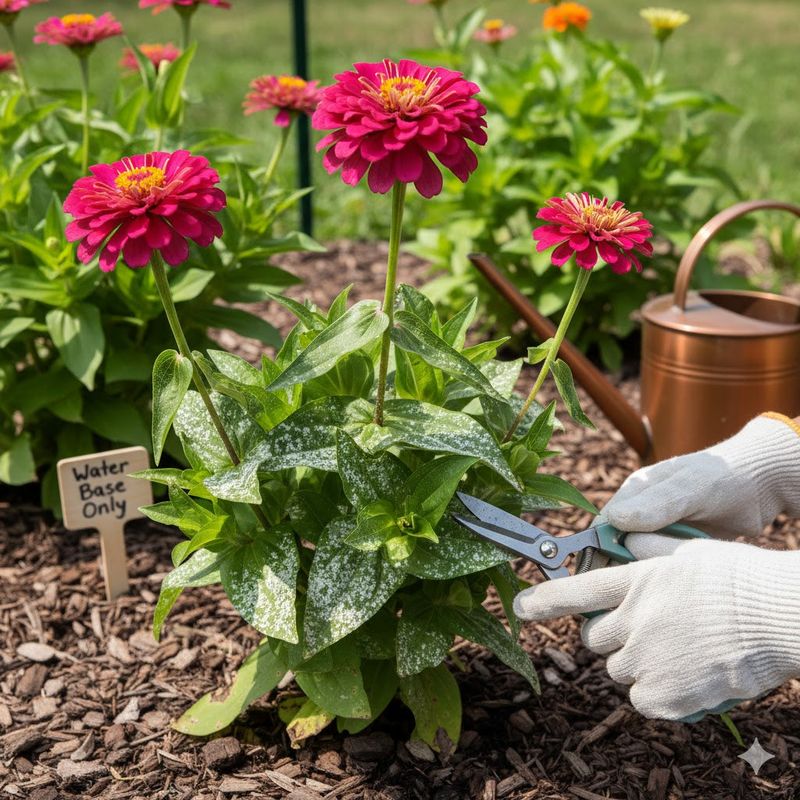
Grabbing the hose after dinner feels harmless, but timing your watering wrong can quietly set your zinnias up to wilt. Evening water leaves the foliage damp all night, and warm, wet leaves in the dark are exactly what fungal spores need to take hold.
Do it often enough and you may find powdery mildew or leaf spot showing up right as your plants hit peak bloom.
Shift your routine to the cool morning hours instead. Watering early gives the leaves all day to dry in the sun and breeze, so they head into evening dry and far less disease-prone.
Aim the water at the base of the plant rather than over the top, and you’ll knock out two mildew triggers at once. Small habit, big difference.
12. Feeding Too Much Nitrogen
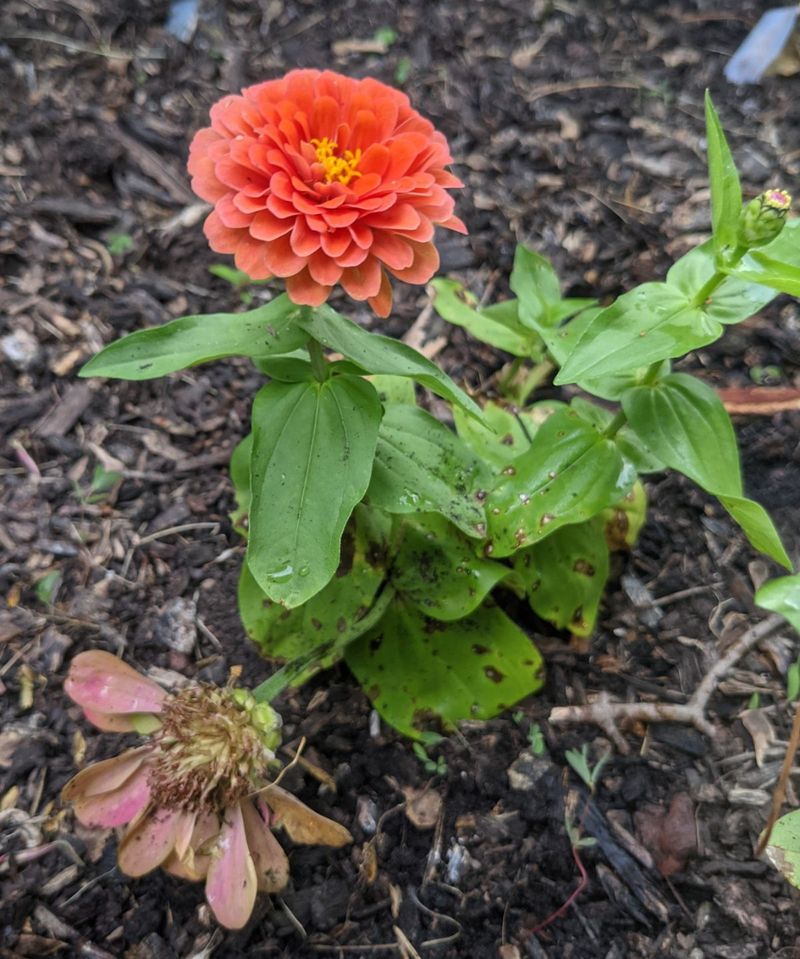
More fertilizer sounds like more flowers, but with zinnias a heavy nitrogen hand backfires. Too much nitrogen pushes the plant to pump out lush, leafy growth at the expense of blooms, and all that soft foliage is more prone to stress and problems.
You end up with a big green bush that flops easily and barely flowers, which is the opposite of what these cutting-garden favorites are supposed to do.
Rebalance by easing off the high-nitrogen feed and switching to a balanced fertilizer, or one a bit higher in phosphorus to encourage flowering. Zinnias aren’t heavy feeders to begin with, so less is genuinely more.
Sturdier stems and a fresh wave of blooms are usually the reward once the plant redirects its energy where you want it.
13. Skipping the Recovery Care After Transplanting
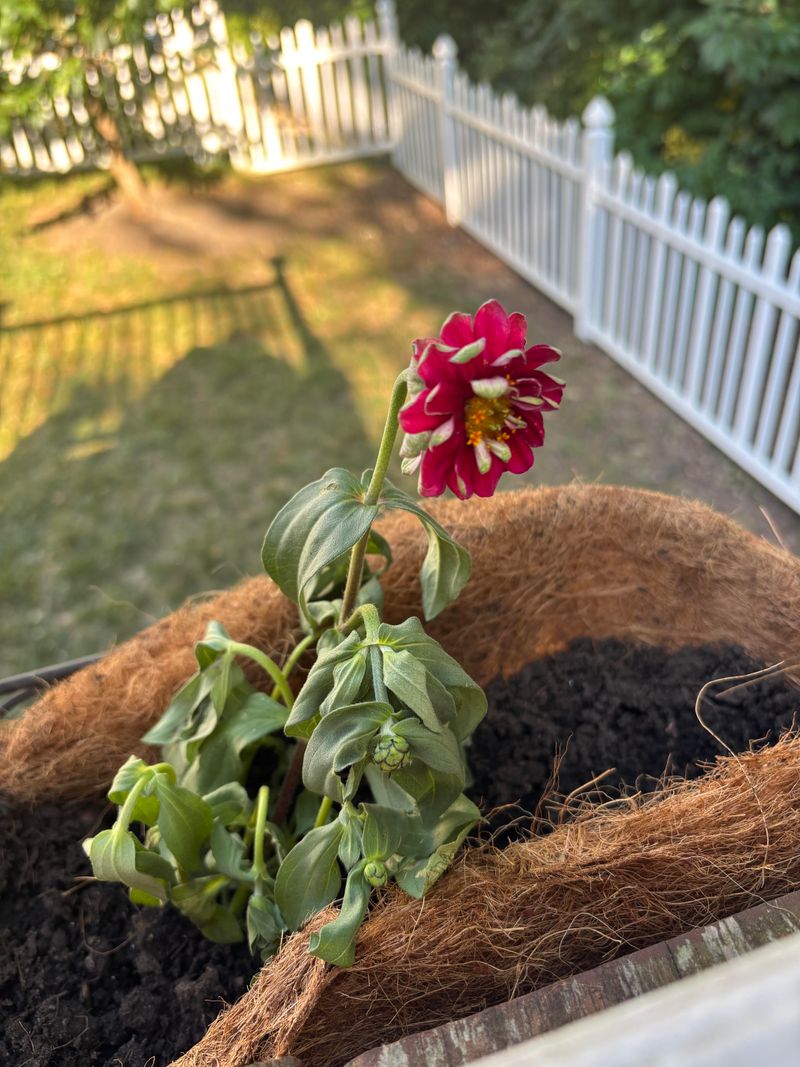
A freshly moved zinnia that suddenly wilts isn’t necessarily dying, it’s just in shock. Disturbing the roots during transplanting interrupts the plant’s water supply, and in the heat of late summer that stress shows up as immediate drooping.
Gardeners often panic and overwater at this stage, which only adds a second problem on top of the first.
Ease the transition instead. Give new transplants a spot of temporary shade for a few days, water consistently while the roots settle in, and resist the urge to fuss with them.
Hold off on pinching young plants during extreme heat, since they don’t have the reserves to bounce back. Once the roots re-establish, the wilting fades and the plant gets back to business.
14. Forgetting to Mulch the Root Zone
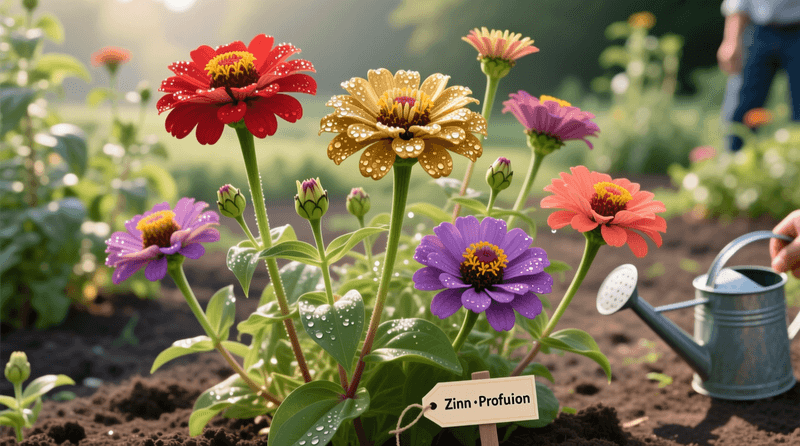
Bare soil around your zinnias is a small oversight with big consequences in the dog days of summer. Without a protective layer, the ground heats up, dries out fast, and swings between soggy and parched every time you water, and roots hate that roller coaster.
Unmulched beds also lose moisture to evaporation so quickly that even diligent watering can’t keep up during a heat wave.
Lay down a couple of inches of mulch around the base, keeping it slightly off the stems. That blanket cools the roots, holds moisture, and buffers the temperature swings that trigger midday wilting.
As a bonus, mulch smothers weeds that would otherwise steal water and nutrients from your flowers. It’s one of the cheapest, most effective resets you can make.
15. Ignoring Compacted Clay Soil and Poor Drainage
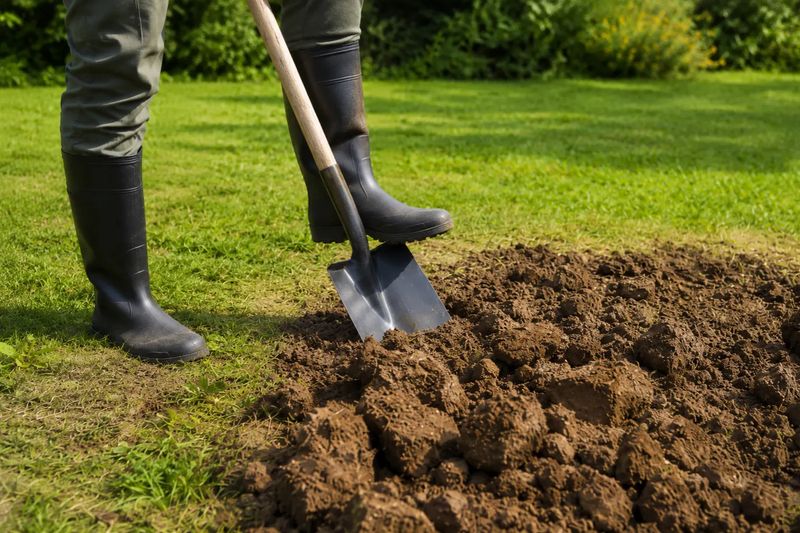
Dig down around a struggling zinnia and you might hit the real problem: dense, compacted clay that traps water like a bathtub. Even if you water perfectly, poor-draining soil keeps roots sitting in moisture, and that leads to the same suffocation and rot as flat-out overwatering.
You’ll often see plants that wilt after rain and never fully recover, no matter how gentle your care.
Loosen things up by working generous amounts of compost or other organic matter into the bed to open up channels for air and water. For pots, choose a light, well-draining potting mix rather than dense garden soil.
Raised beds and mounded planting spots also help water move away from the roots. Fix the drainage and a whole family of wilting problems tends to solve itself.
16. Never Deadheading the Spent Blooms
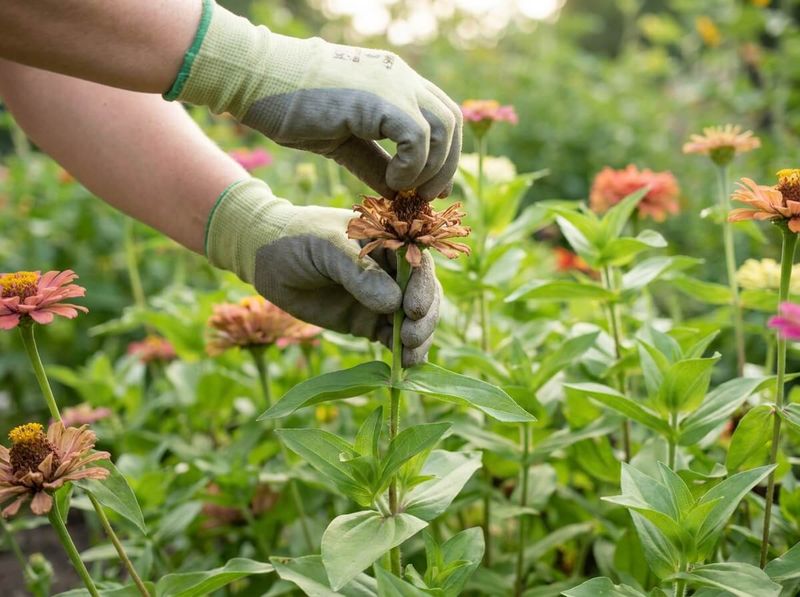
Letting old flowers linger might seem harmless, but it quietly drags your whole plant down by late summer. When faded blooms are left in place, the zinnia pours energy into making seeds instead of pushing new flowers and staying strong, leaving it tired and prone to a run-down, wilty look.
Spent flower heads also hold moisture and become soft landing spots for the fungal diseases already circulating in humid weather.
Snip those tired blooms off just above a set of leaves, and you’ll redirect the plant’s energy toward fresh buds and sturdier growth. Regular deadheading keeps zinnias blooming right up until frost and improves airflow through the plant at the same time.
Think of it as a light haircut that tells your zinnias the season isn’t over yet.