
How North Carolina Gardeners Can Help Cannas Survive Winter and Return Next Summer
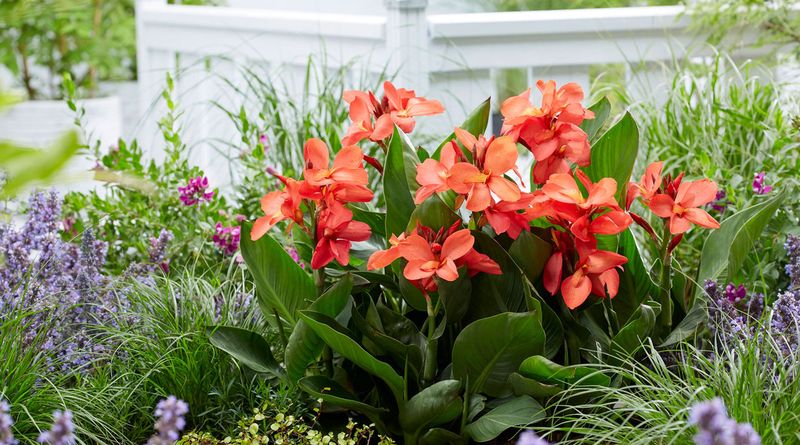
Cannas look tough all summer, but a hard freeze can quietly end the show underground. What you do with the rhizomes this fall can change whether they come back at all.
The right choice depends on your hardiness zone, your drainage, and your local frost. Here is how to pick a wintering method for your own yard, without any promises about bigger blooms.
Start with your hardiness zone—and the conditions in your yard
Before you grab a shovel, look up your exact zone instead of guessing from the region you live in. The USDA Plant Hardiness Zone Map lets you search by ZIP code.
Zones are built from the average yearly lowest winter temperature, so they say nothing about a windy slope, a sheltered brick wall, or a soggy corner.
That matters because North Carolina does not split neatly into one rule for the mountains, one for the Piedmont, and one for the coast. A Piedmont yard and a mountain yard can land in the same zone, and two beds in one yard can behave differently.
Treat the zone as a starting point.
NC State’s guidance is expressed by zone. Its canna storage and zone guidance points toward lifting rhizomes in Zones 6 and 7 and mulching in Zone 8.
Its pages do not fully agree on Zone 7, though. The main canna profile specifically calls for lifting in zones 6a and 6b.
So what should a Zone 7 gardener do? If you want to lower the risk of losing your plants, lifting and storing is the more conservative choice.
Leaving them in the ground can work in some yards, but it carries more risk, and nobody can guarantee the result.
Next, walk your beds and note which ones are exposed to wind and which hold water after rain. Those notes will help you choose in the sections ahead.
Let local frost conditions set the timing
There is no single fall date for the whole state. A mountain gardener may see frost weeks before someone near the coast, and the dates shift from year to year.
Even within one county, a low spot can freeze while a hilltop stays above the line.
NC State explains that freeze and frost probabilities differ by weather station and are estimates built on historic data. Think of them as a general pattern, not a forecast for this particular autumn.
Your local forecast and a nearby station’s information are better guides.
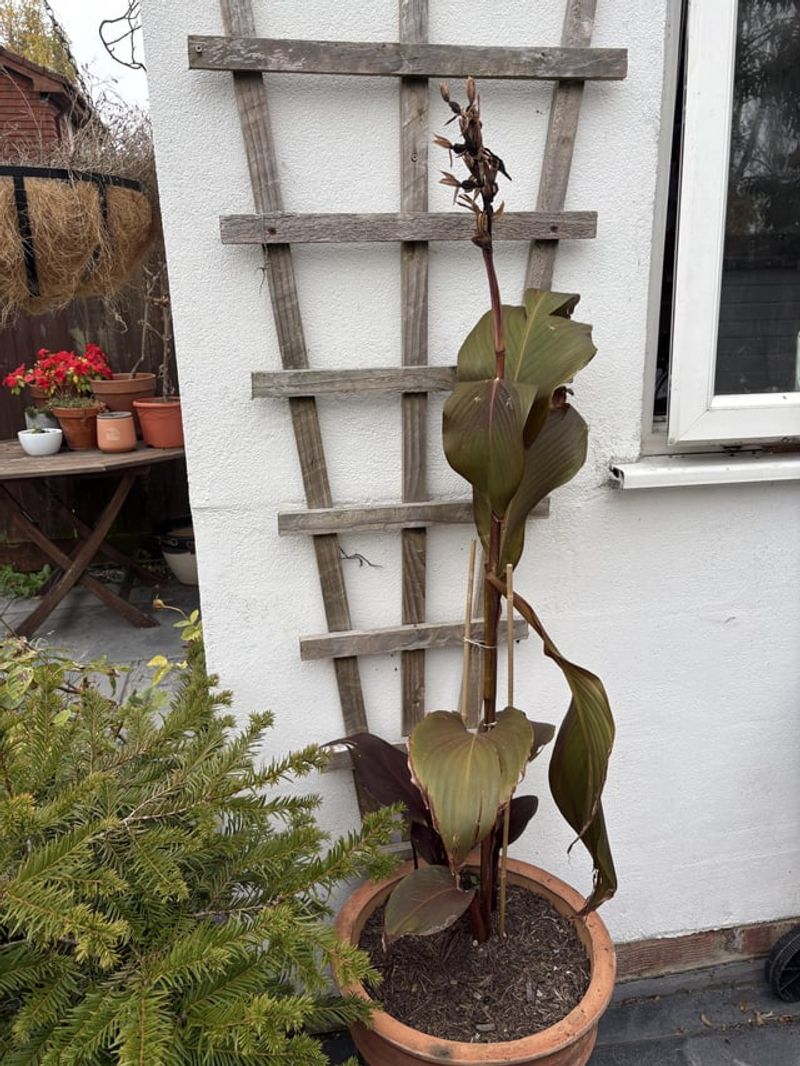
The cue to watch is frost on the plants themselves. NC State ties cutting back and then lifting or mulching to the first frost, once the tops have been hit and turned dark and limp.
Here is a simple habit. Check the forecast every few days once nights get cool, and keep your tools, a few crates, and your mulch ready.
When frost blackens the leaves, you can move without scrambling.
If a frost is only forecast and has not arrived, you can wait for the actual damage. Just do not let the job drift for weeks, because the decision is easier when you are ready.
For colder sites, lift the clumps carefully

Once frost has killed the tops, cut the stalks back and get ready to dig. Slow work pays off here.
A fork or spade pushed in a good distance from the stems helps you avoid slicing into the rhizomes, which are the thick underground parts that hold next year’s growth.
Work around the clump, loosen the soil, and lift the whole mass. NC State recommends lifting and storing in colder zones, and this is the step where careless digging can cause the most harm.
Do not scrub the clump clean. Iowa State Extension advises leaving a little soil attached.
Then let the clump dry for several hours in a spot out of the weather before you move it to storage.
A practical tip: label each clump with a tag or marker if you grow more than one variety. By spring, you will not remember which red one was which.
This job is about protecting the rhizomes through winter. You do not need to divide them now, and splitting them will not make flowers larger.
Keep each clump whole and save any dividing for a later decision.
Store rhizomes cool and dry until planting time
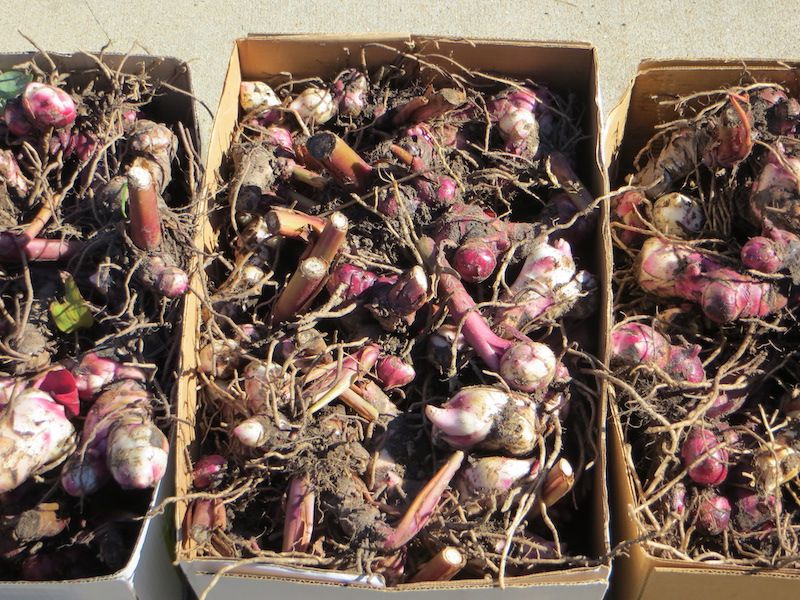
Lifting only helps if the storage spot is right. NC State recommends packing rhizomes in dry peat or vermiculite and keeping them in a cool, dry place above 40°F.
Its plant profile gives a range of 41 to 50°F.
Iowa State’s range is 40 to 50°F, and it suggests a crate, box, or mesh bag. Mesh lets air move around the clumps, which is useful if you have ever opened a box of something damp.
Two limits matter most. Do not let the rhizomes freeze, and do not keep them somewhere warm and wet.
A heated, humid room is the wrong answer, and so is an unheated shed that dips below freezing on the coldest nights.
An unheated but protected basement, or a closet on an inside wall of a cool room, may fit the range. A cheap thermometer left in the spot for a few days will tell you more than a guess.
Check on the clumps now and then through winter. Sources do not promise how long they last in storage or that every rhizome will survive, so a quick look lets you catch problems early.
In milder Zone 8 sites, mulch may let rhizomes stay put
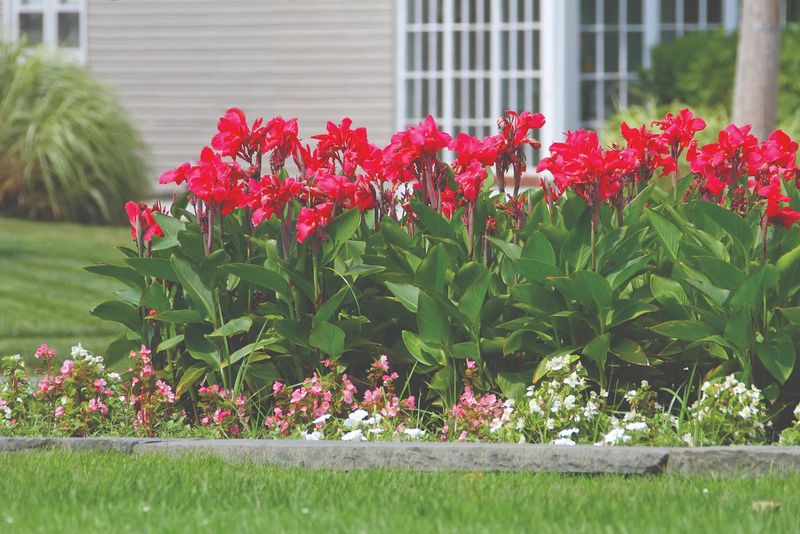
Some yards can skip the digging. For Zone 8, NC State lists mulching as the outdoor overwintering method.
Its Garden Canna page says that in warmer zones rhizomes may stay in the ground.
The order is simple. After the first frost, cut the foliage down, then cover the rhizomes with mulch.
Shredded leaves, pine straw, or bark all fit the job, and a layer several inches deep is a sensible target.
Drainage is the catch. NC State warns that poor drainage can rot rhizomes.
A bed where water pools after a heavy rain, or where clay stays soggy, can lose plants even in a mild zone, and a blanket of mulch can hold in that wetness.
Here is a quick test. After a good rain, see whether the bed drains within a day or stays squishy.
If it stays wet, lifting and storing may suit that spot better, even if your ZIP code says Zone 8.
Being in Zone 8 does not guarantee success, so treat mulch as a reasonable bet on a well-drained site and not a sure thing.
Next summer’s display also depends on spring and growing-season care
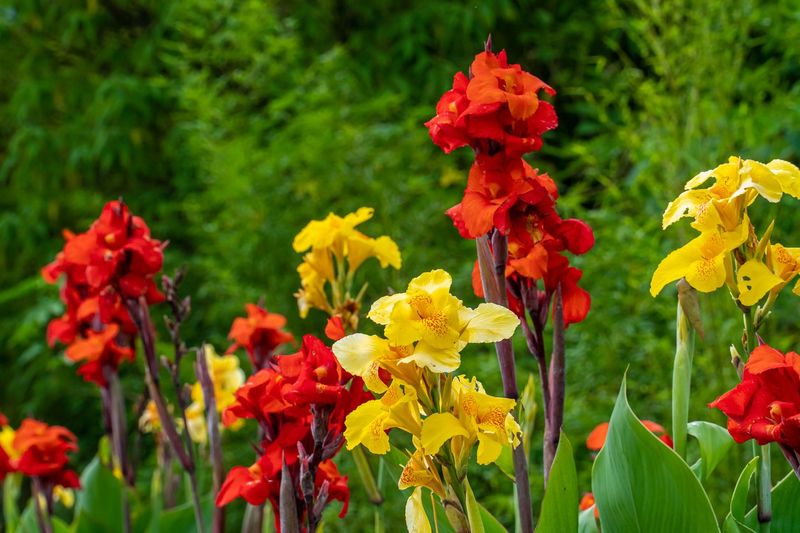
Getting rhizomes through winter keeps the chance of a display alive, but it does not tell you how big the flowers will be. The sources describe winter survival, and they describe the growing conditions cannas like.
They do not show that digging, storing, or mulching makes blooms larger.
For stored rhizomes, NC State recommends replanting after the last frost, 4 to 6 inches deep, with spacing from 12 inches to 3 feet. Wide spacing gives crowded varieties room to grow.
Sun is a big factor. UF/IFAS says cannas flower poorly in shade and grow best in full sun with enough water and fertilizer.
If a bed has gotten shadier as nearby trees have grown, that may matter more than anything you did in November.
NC State’s Garden Canna page points to organically rich, well-drained soil. Compost before planting and steady watering through hot Carolina summers cover most of that.
Division is not a yearly chore. UF/IFAS suggests dividing crowded stands, and a Cornell Cooperative Extension fact sheet mentions every two to three years for established plants.
Neither says that splitting clumps in fall will grow larger flowers, and cultivar choice also plays a part.
Choose the method that gives your rhizomes the best chance
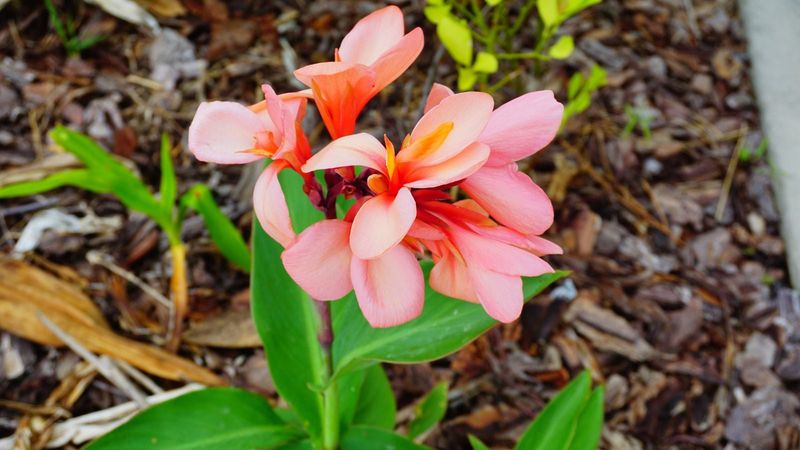
Check your zone and your drainage, then watch local frost instead of the calendar. Lift and store when you want the more conservative route, which fits NC State’s zone guidance for colder sites.
Consider mulch only where a Zone 8 yard drains well.
Either way, you are protecting the chance that rhizomes return, and NC State’s profile is clear that wet feet cause trouble. Bigger blooms are not part of the deal.
A rhizome that makes it to spring has earned a sunny bed.