
That Christmas Cactus Dropping Its Buds Right Now Isn’t Dying – It Just Hates Where You Moved It
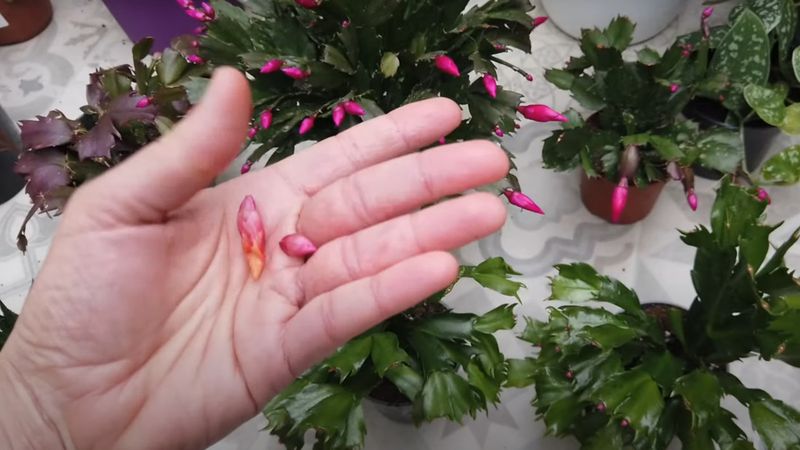
You walk past your holiday cactus and find a little pile of pink buds on the floor. That sinking feeling is common, and it does not automatically mean the plant is lost.
Buds fall for several reasons, and a recent move is only one of them. Here is how to sort out what may be going on and what to do next.
Bud drop is a symptom, not a verdict
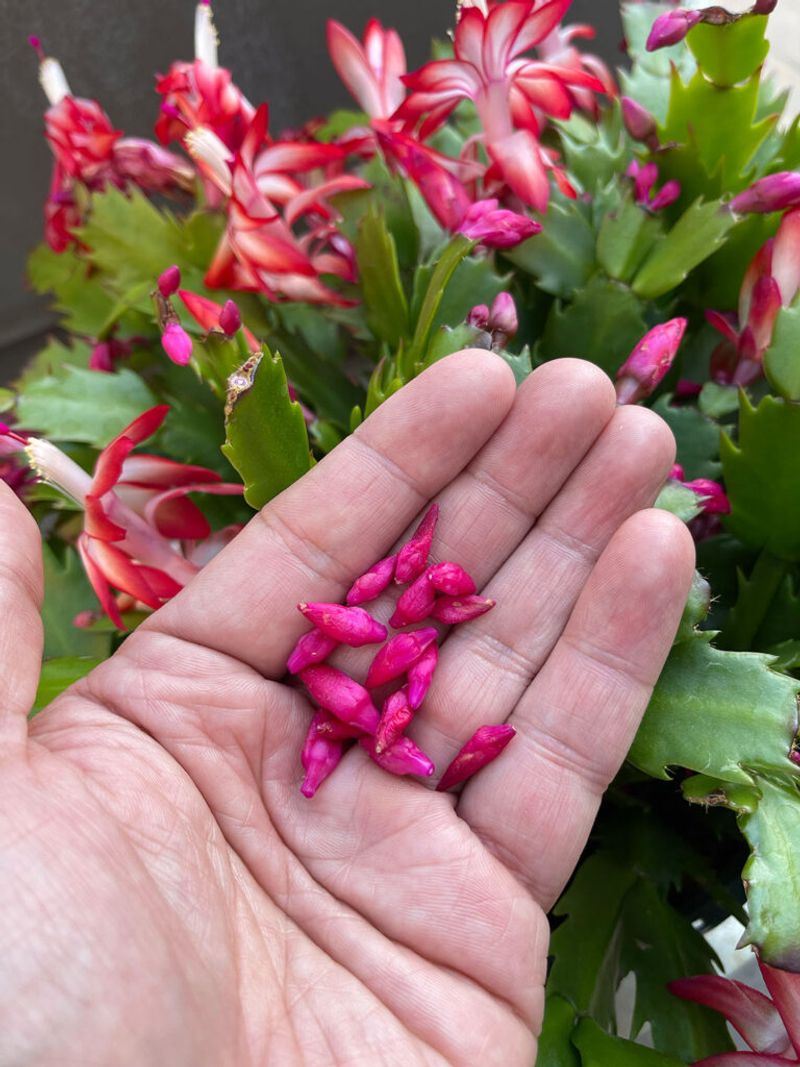
Finding buds on the floor feels like a bad sign, but dropped buds alone do not mean your plant is dying. Think of bud drop as the plant telling you something is off, not as a final answer.
Iowa State Extension lists changes in the environment and watering stress among the reasons buds fall.
That means timing is a clue, not a diagnosis. If the buds started dropping soon after you moved the plant, the move may have played a part.
But overwatering and letting the mix dry out too far can cause the same problem, and University of Minnesota Extension points to both kinds of causes. UConn Extension also treats bud drop as a stress response with several possible triggers.
One more thing about the name. Many plants sold as Christmas cactus are really Thanksgiving cactus or hybrids, and their bloom timing can differ.
So this article says holiday cactus, since the bud drop problem is the same whichever one you own.
Treat the next few sections as a checklist. You are looking for what changed, not for someone to blame, least of all yourself.
A move can change more than the view
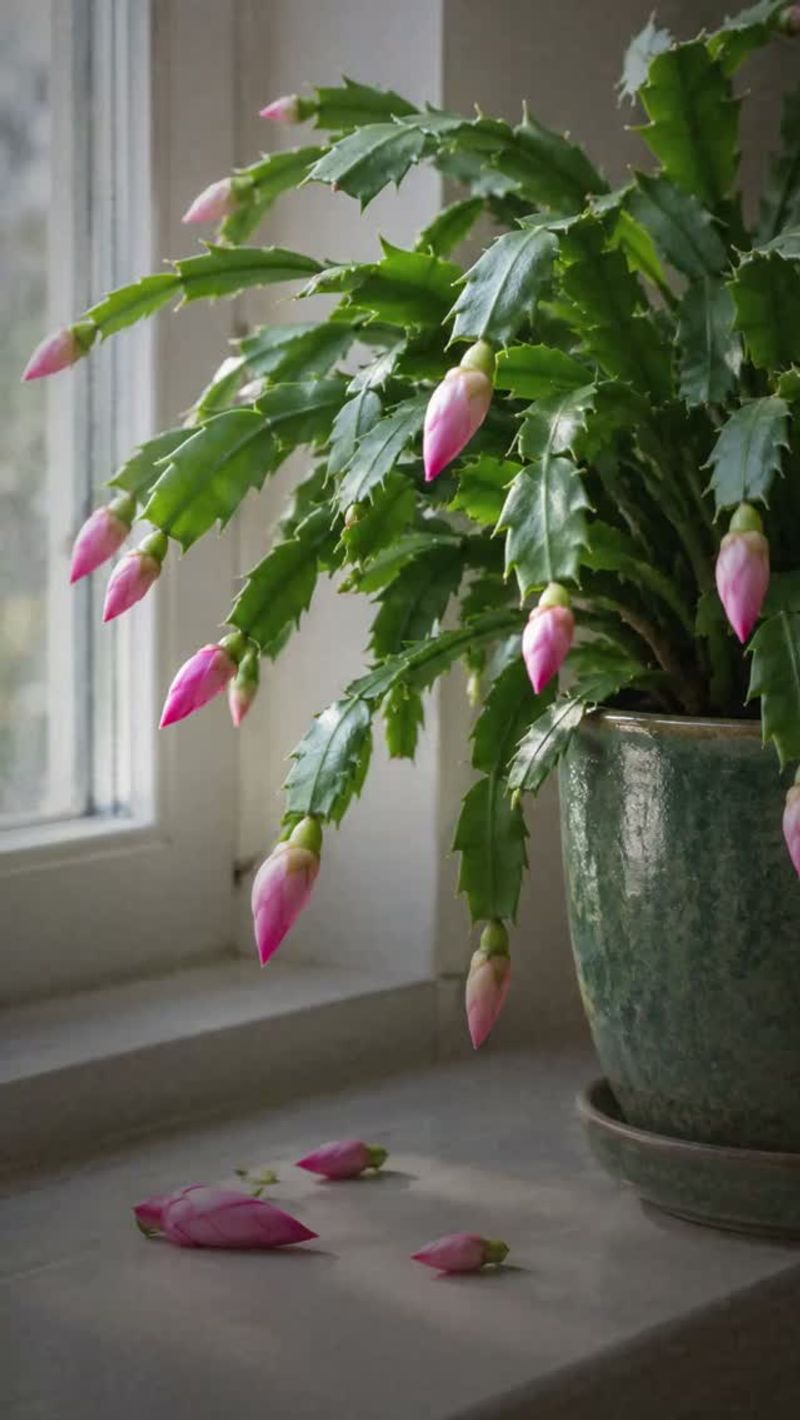
Carrying a plant from one room to another changes a lot more than where it sits. Light can be brighter or dimmer, the air can be warmer or cooler, and humidity may be very different near a heater than in a quiet corner.
Drafts from a door or a leaky window can also hit the plant in a way it never felt before.
According to Iowa State Extension, drafts and sudden shifts in temperature or humidity can prompt buds to drop once they are developing. Minnesota Extension gives similar advice about avoiding changes while the plant sets buds.
Try to rewind the last two or three weeks. Did the plant come home from a store, get shifted for guests, or end up next to a vent?
Did a heater kick on, or did someone open a nearby door often?
Write down what you recall, including any change in watering. A move might be the cause, but it could also just be the event you happened to notice, so keep the watering question open for now.
Choose a safe spot and keep it steady
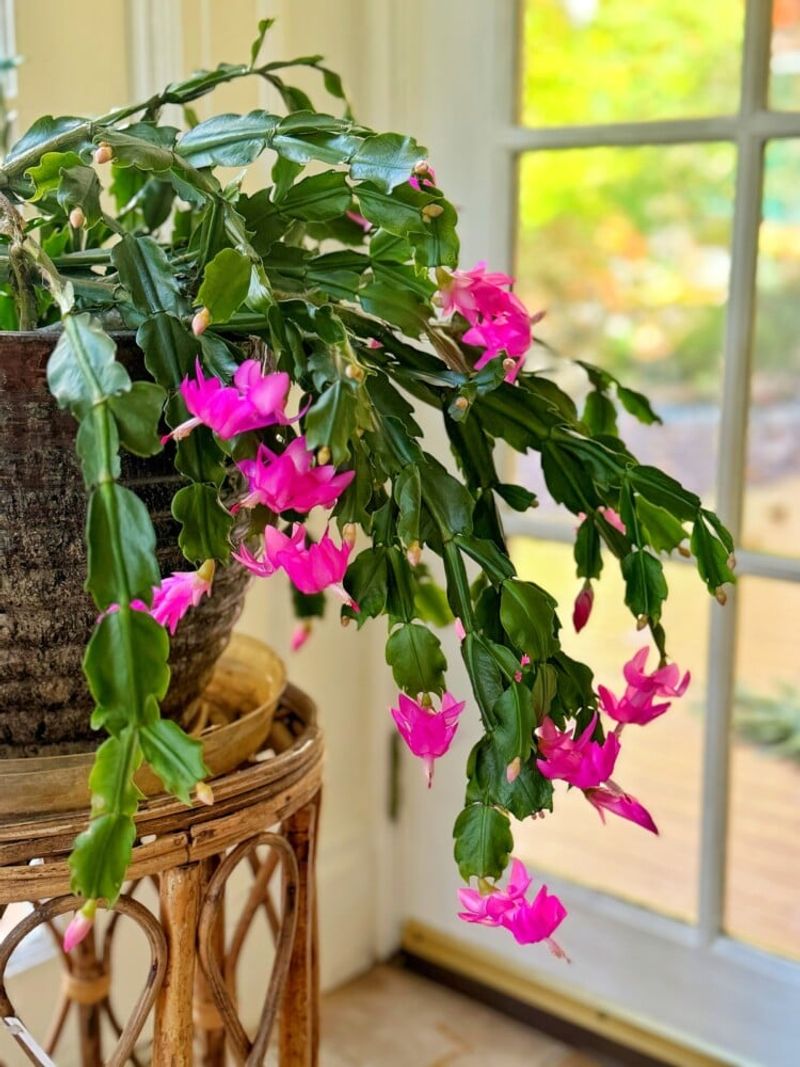
A good spot gives bright, indirect light, steady room temperatures, and distance from cold drafts and heat sources. Think of a bright room away from exterior doors, heating vents, fireplaces, and radiators.
Sheer curtains can soften strong sun.
Once buds are forming, the goal is to leave the plant alone. Iowa State Extension suggests not moving it for display until flowers begin to open.
Swapping it between a brighter and a darker spot is not a reliable fix, because changes in light can be stressful during bud development too.
If the current place really is harmful, such as right in a cold draft or against a heat source, one move to a safer spot makes sense. That is a practical inference from guidance on avoiding drafts and sudden changes, as in this University of Florida IFAS guide.
It is not a guaranteed rescue.
After that single move, stop shuffling. Minnesota Extension also stresses steady conditions, so give the plant time to settle.
Check the mix before you water
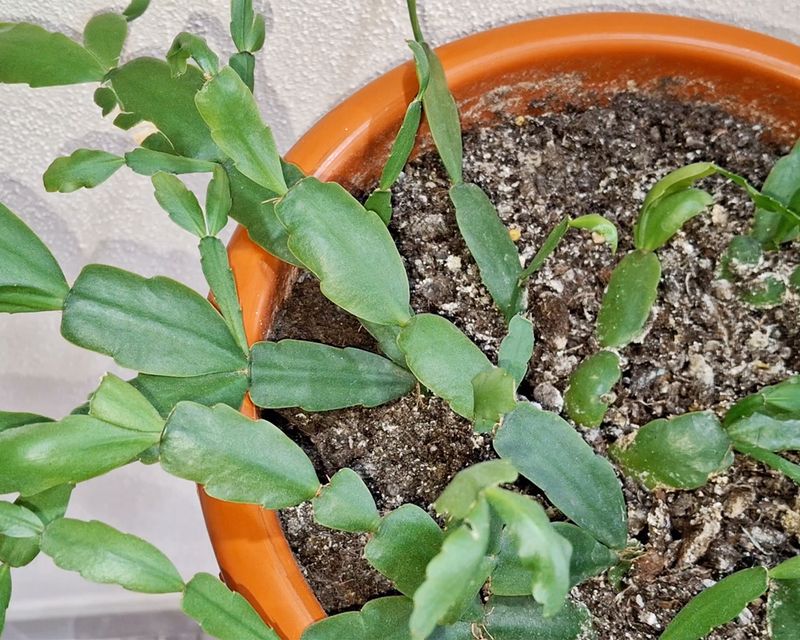
When buds fall, many people reach for the watering can. Hold off for a moment and check the mix first.
Push a finger an inch or so into the soil and see whether it feels soggy, damp, or dry.
Both extremes can hurt. Iowa State Extension warns against letting the plant get too dry and against overwatering while it is budding and blooming.
Minnesota Extension notes that waterlogged soil can lead to bud drop and root problems.
The two sources word their watering tips a little differently, so skip a fixed schedule. Instead, water when the mix tells you it needs it, let the extra drain out of the pot, and empty the saucer so roots do not sit in water.
If the mix is soggy, wait and make sure the pot has drainage holes. If it is bone dry and pulling away from the pot, water thoroughly and let it drain, rather than flooding it over and over.
A big reflex watering after a scare can add a new problem to the first one.
Persistent wilting or rot calls for a closer look
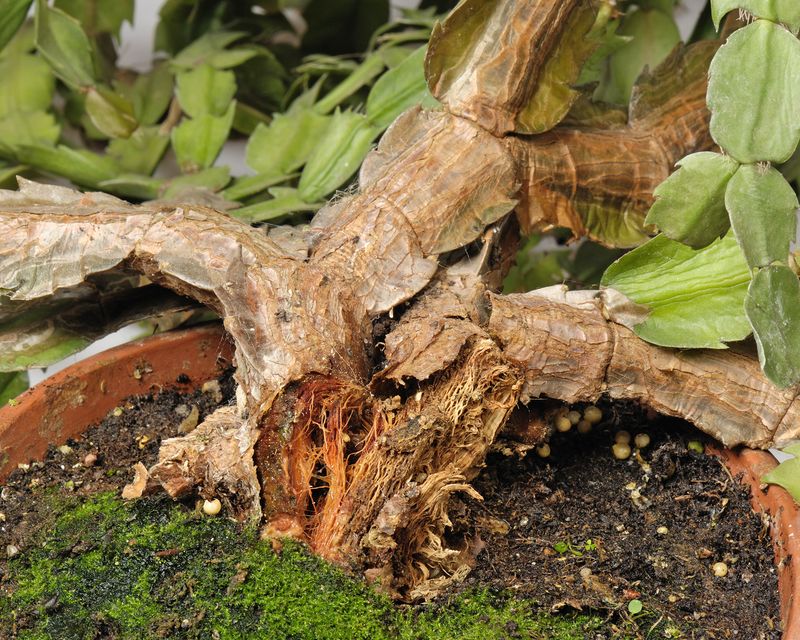
A few lost buds are one thing. Stems that keep wilting, segments that turn mushy, or branches that drop off are another, and they deserve a closer look.
Minnesota Extension describes bacterial soft rot as a serious problem that can cause branches to drop, wilting, and even plant death. Bud drop alone does not point to that disease, so there is no need to assume the worst.
It simply means that ongoing decline should not be written off as adjustment to a move.
Start by checking the basics. Is the pot draining?
Is the mix staying wet for days? Do the stems feel firm, or soft and discolored near the base?
If the problem keeps going, look at the roots and the stem bases for signs of rot. Remove soaked mix, improve drainage, and consider asking your local extension office for advice.
Persistent wilting, rot, or stem loss is worth investigating rather than waiting out.
Steady care cannot guarantee this year’s blooms
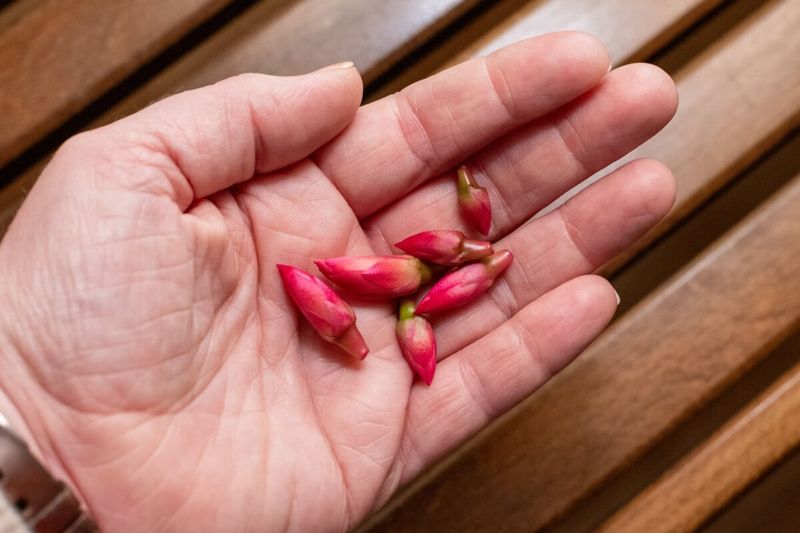
Keep the plant steady, away from drafts and heat, and water by checking the mix. These steps may limit avoidable stress, but they cannot promise that the buds left will open or bring back the ones already on the floor.
Remember that forming buds and protecting buds are different jobs. Day length and cooler nights help trigger flowering, as Minnesota Extension explains, but those cues are for next season.
For buds already formed, Iowa State Extension points to consistent conditions.
A cactus that loses some buds this year is still a plant that can try again later.