
Limp Christmas Cactus This Fall? Check the Potting Mix Before You Water
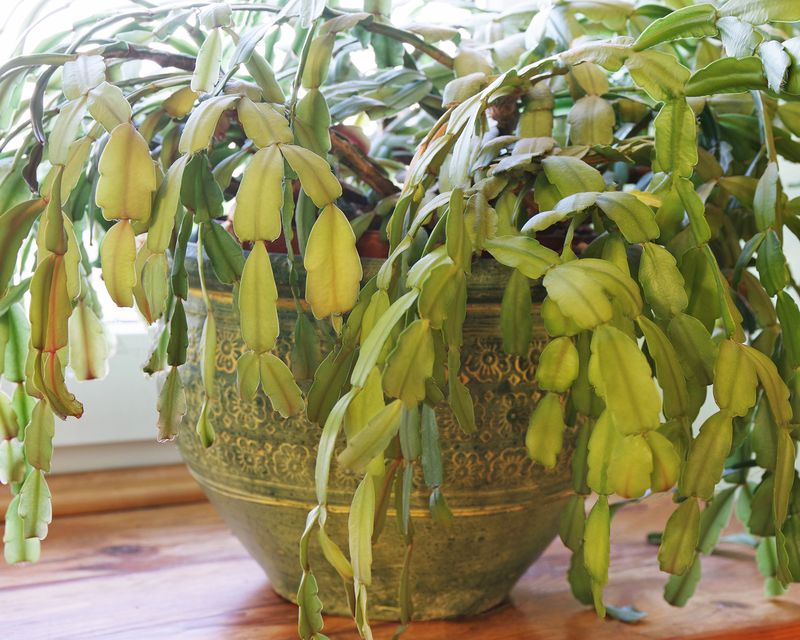
A droopy Christmas cactus in early fall can feel like a bad sign, especially when you were hoping for flowers soon. Your first thought may be to grab the watering can, or to hold back water instead.
Either move could be wrong, because a limp plant can come from too much water or too little. A quick check of the potting mix tells you far more than the droop does.
Limpness alone cannot tell you whether to water
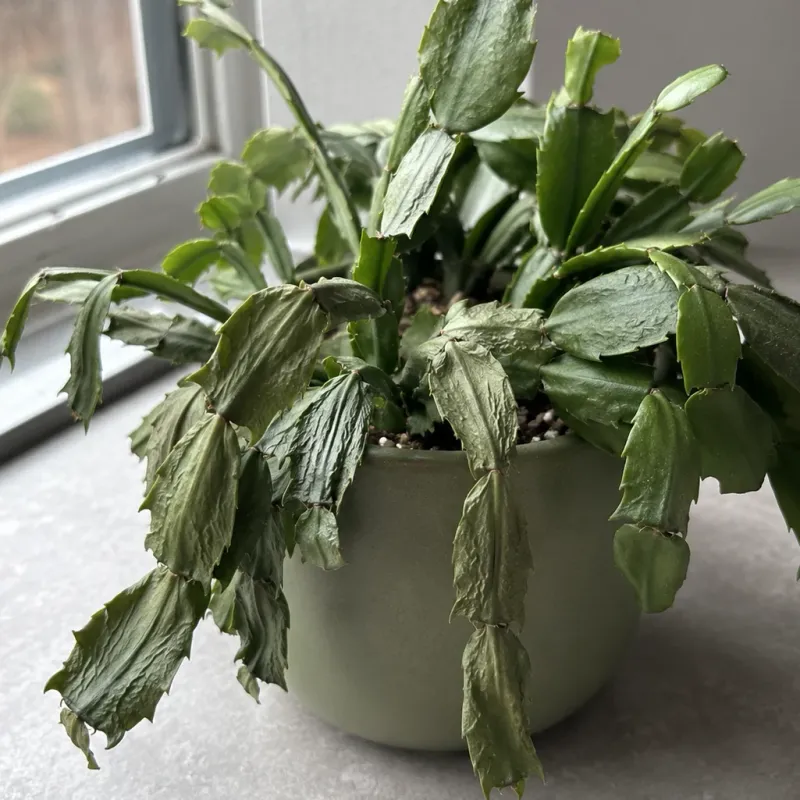
Picture it: you walk past your Christmas cactus and the stems look soft, a little wrinkled, and tired. It is easy to decide you know the cause.
Maybe you watered too much, or maybe you forgot it for a week. The truth is that the droop itself does not point to one answer.
Wet conditions can leave a holiday cactus limp, and so can dry ones. According to Iowa State University Extension, both excessive watering and excessive dryness can cause trouble for these plants, including bud drop.
A limp stem is the plant’s way of saying something is off with its water supply, not a note telling you which direction to go.
That is why the title idea that one fall watering habit is the culprit goes too far. Watering may be one factor, but it is not the only one, and it is not always a mistake of too much.
Light, temperature, and the pot itself also play a part.
The safest first move is simple. Before you add water or skip it, check the potting mix.
University of Connecticut guidance ties watering to how the mix feels, and that is the approach the rest of this article follows. Your fingers are the best tool you own for this job.
Why wet roots can leave a cactus looking thirsty
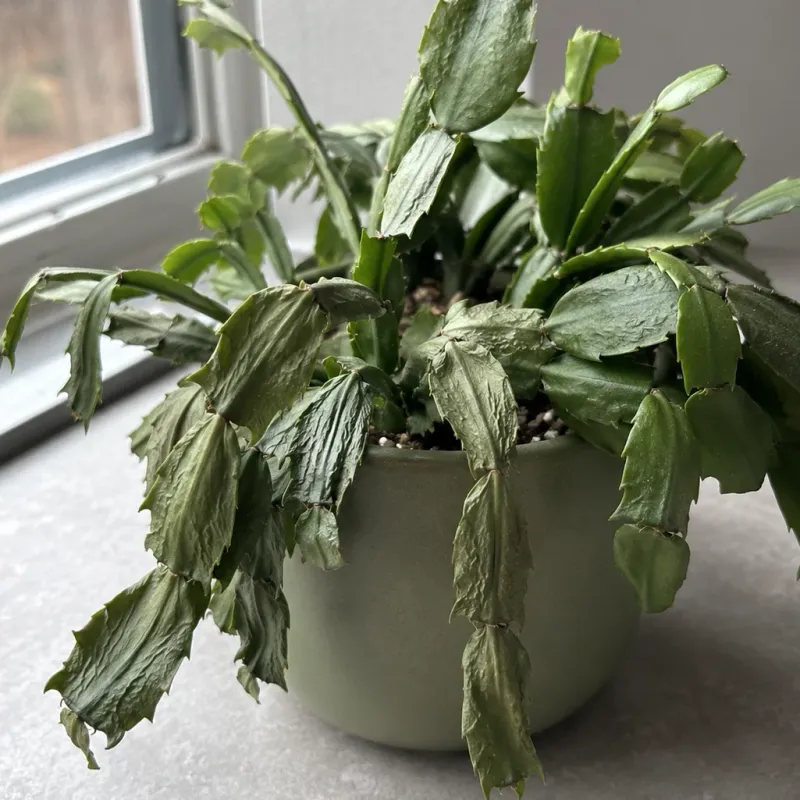
Here is the odd part: a plant sitting in soggy mix can look exactly like a thirsty one. Roots that stay wet for a long time can be damaged, and damaged roots have trouble taking up water.
The stems then go soft even though the pot feels heavy and damp.
It helps to remember where these plants come from. Holiday cacti are tropical-forest epiphytes, which means they grow on trees in nature rather than in desert sand.
As University of New Hampshire Extension explains, they need good drainage and should not be left sitting in standing water, since prolonged wet soil can lead to root rot.
Still, a limp plant does not prove the roots are harmed. Many droopy cacti simply need a drink, and some have wet mix that has not yet caused any lasting damage.
Guidance from University of Minnesota Extension also stresses well-drained mix for these plants.
So treat wet roots as one possible explanation, not a verdict. A saucer full of water or a pot that never seems to dry out are clues worth noting.
Limp stems alone are not enough to say what is happening below the surface.
Check the mix, not the calendar
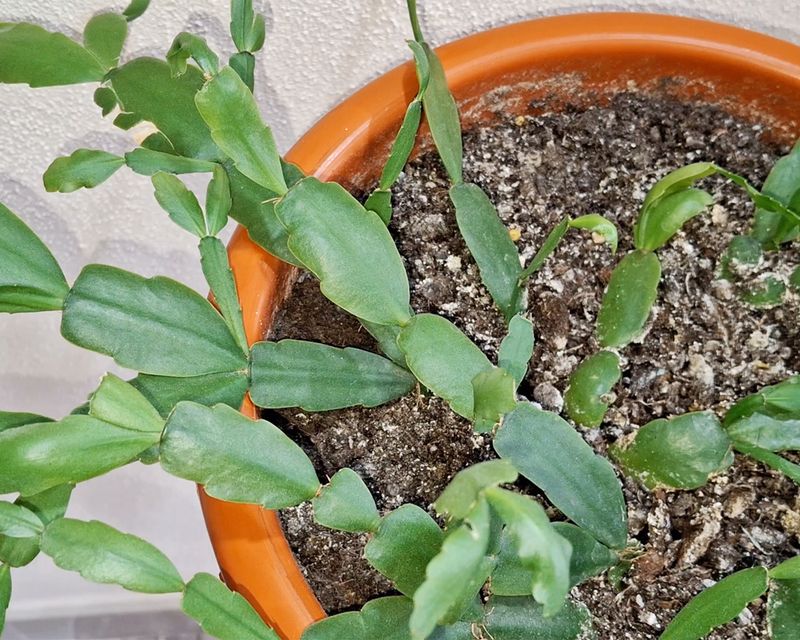
Forget the idea of watering every Sunday. Pots dry at very different speeds, and no single interval fits every home.
A small clay pot near a sunny window can dry out in days, while a plastic pot in a cool room can stay damp much longer.
The better rule is to feel the mix. Push a finger into the top layer of the soil.
UF/IFAS Gardening Solutions advises watering when the mix feels dry to the touch, and the same idea shows up in University of New Hampshire guidance. If the top layer is dry, it is time to water.
If it is still damp, wait and check again in a day or two.
Several things change how fast the mix dries:
The pot material, the type of mix, the amount of light, and the room temperature all matter. A cooler room in fall, for example, may slow drying compared with summer.
When you do water, let the extra drain out of the bottom of the pot. Then empty the saucer so the roots are not sitting in a puddle.
Lifting the pot now and then also helps, since a dry pot feels much lighter than a wet one.
Match the response to what you find
Once you have felt the mix, the next step gets much clearer. Dry mix and wet mix call for different responses, so it pays to treat them separately.
If the mix is dry, water thoroughly and let the excess run out through the drainage holes. UF/IFAS Gardening Solutions supports this soak-and-drain approach.
Then empty the saucer.
A plant that has been very dry and is wilting needs a gentler hand. UConn advises smaller, more frequent waterings in that case instead of one big deluge to make up for lost time.
Roots that have dried out badly may not handle a flood well.
If the mix is wet, hold off on adding more water. Let the pot drain freely, keep it out of standing water, and check the mix again in a day or two.
Moving the plant to a spot with good airflow and decent light may help the mix dry at a natural pace.
If the plant stays limp while the mix remains wet for a long stretch, roots may be struggling. There is no quick fix to promise here, so keep drainage good and avoid adding water until the mix dries.
Fall flowers need more than a dry spell
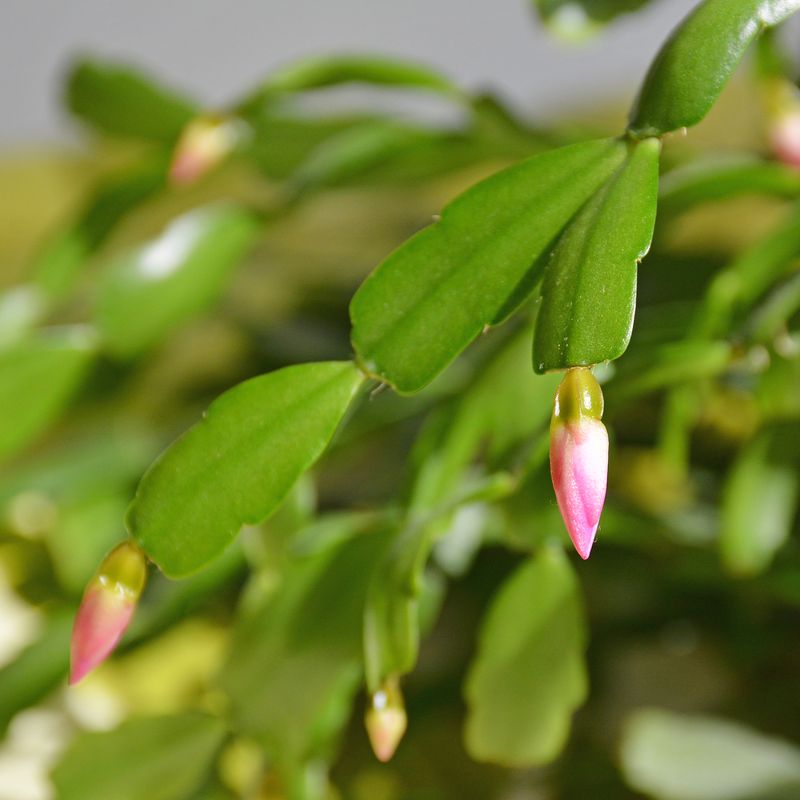
Many gardeners have heard that you must dry out a holiday cactus to make it bloom. That advice is incomplete.
The main fall cues are shorter days, or long uninterrupted nights, along with cooler temperatures, as University of Minnesota Extension describes. Drought on its own is not the trigger.
Watering advice does vary. Some sources suggest letting the plant get somewhat drier while buds form, as Oregon State University notes in its care tips.
Others focus on avoiding both extremes. That is why turning it into stop watering, or a fixed drought plan, is risky.
A middle path works for most homes. Skip prolonged wetness, and skip long stretches of dryness too.
Keep checking the mix and water when the top layer is dry.
Once buds show up, steadiness matters. Iowa State University Extension notes that excess water and excess dryness can both contribute to bud drop, so avoid big swings in moisture.
Consistent care gives those buds the best chance of staying put.
What else can cause buds to drop?
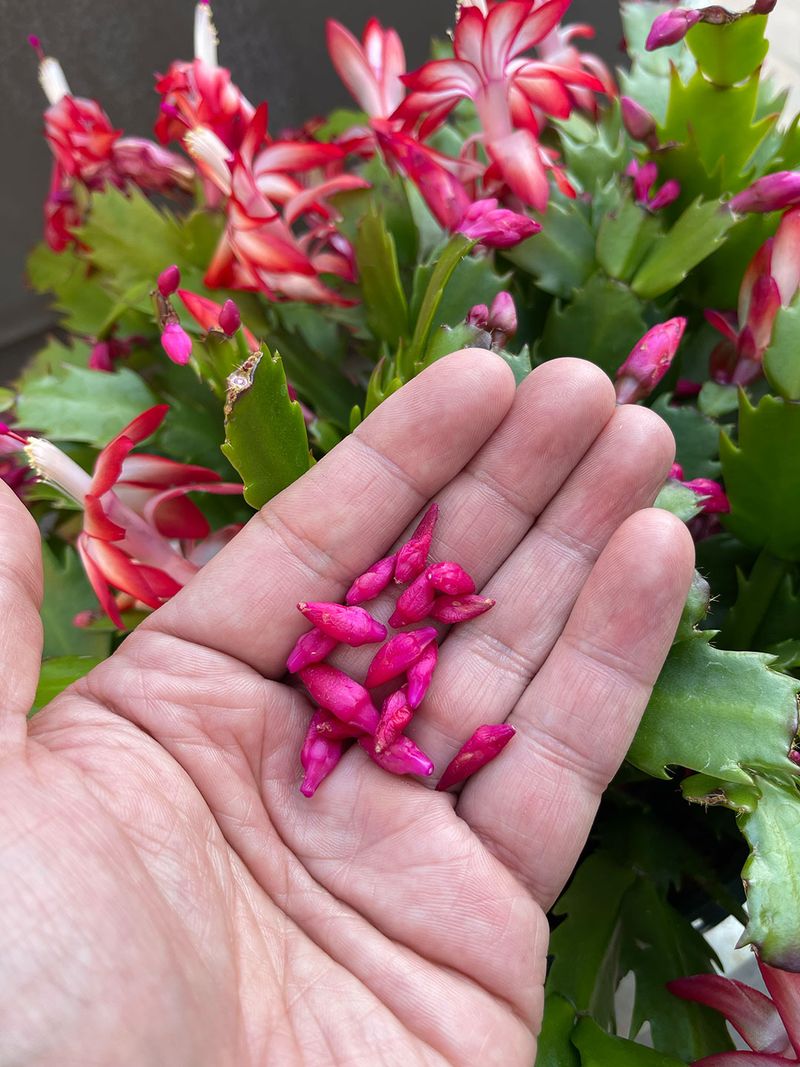
Lost a few buds? Watering may not be to blame.
Drafts, sudden temperature changes, low light, and other stress can all play a role, as UConn and UF/IFAS Gardening Solutions both point out.
Look at where the pot sits. A spot near a heating vent, a cold window, or a door that opens often can shock a plant that was settled.
Moving a plant with buds can also upset it, so try not to shuffle it around more than needed.
It also helps to know which plant you own. The name Christmas cactus is often used for several holiday cacti, and many store plants are actually Thanksgiving cactus.
Illinois Extension explains how to tell them apart.
Care is broadly similar, but bloom timing and some needs can differ, a point also made by University of New Hampshire Extension. Whatever you grow, the mix check still comes first.
Let the soil decide the next watering
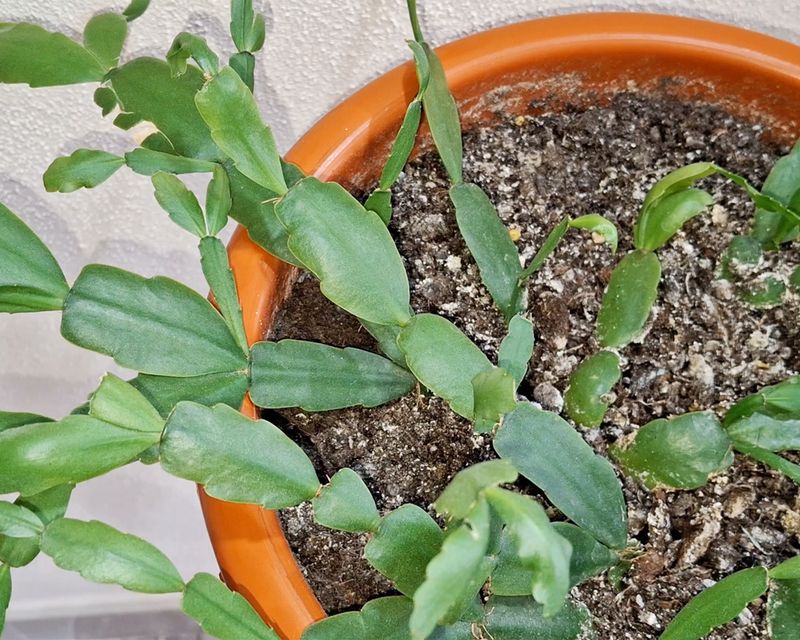
A limp holiday cactus is a prompt to look closer, not a signal to water more or less. Press a finger into the mix, see what it tells you, and respond to that.
Dry mix gets a thorough drink that drains, and wet mix gets time.
As buds develop, steady habits beat dramatic ones. Iowa State University Extension and University of New Hampshire Extension both favor moisture-based watering over rigid plans.
Your plant is not asking for a schedule. It is asking for a gardener who checks in.