
A December Hummingbird Feeder in North Carolina Can Offer Supplemental Nectar to an Unusual Winter Visitor
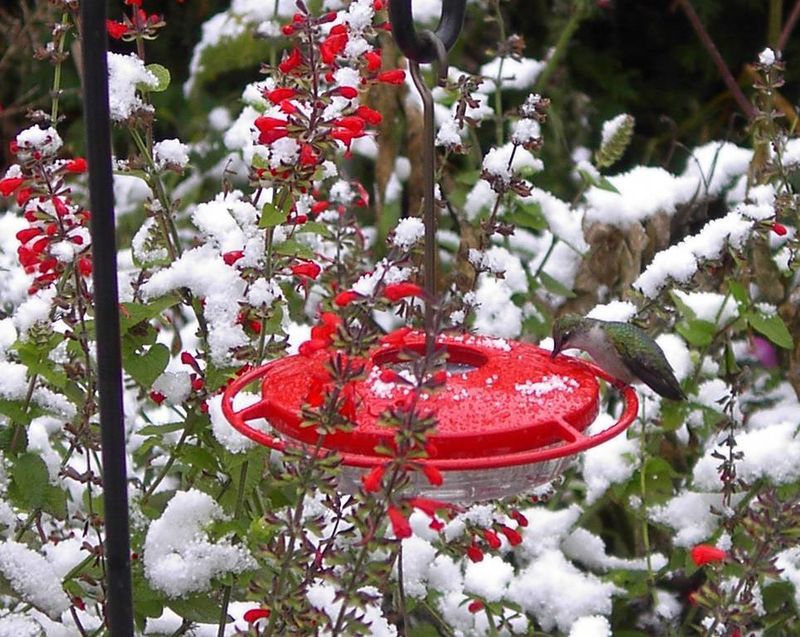
Most of us were taught to pull the hummingbird feeder down in fall. In North Carolina, that habit rests on a myth, and an odd little bird may be the one who pays for it.
Every winter, a few hummingbirds turn up in yards across the state, far from where they should be. Here is how to decide whether a feeder in December makes sense for your yard.
Leaving a feeder up does not stop Ruby-throats from migrating
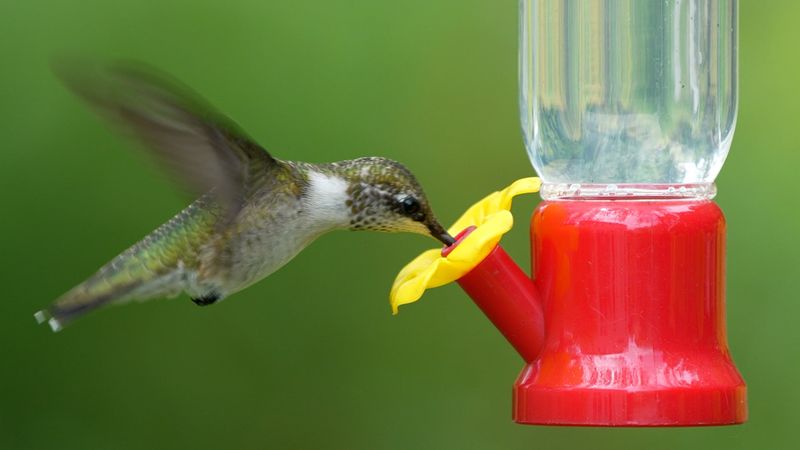
Many people believe a feeder left out in fall will trick hummingbirds into staying too long. NC State Extension says otherwise: Ruby-throated Hummingbirds migrate even when feeders remain available.
Shorter days and the pull of instinct send them south, not an empty feeder.
The Ruby-throat is the familiar summer visitor in North Carolina, the tiny bird that zips around your porch from spring through early fall. By the time December arrives, nearly all of them have left.
A hummingbird that shows up in the cold months is usually something different, a rare wanderer from somewhere else.
So taking the feeder down early does nothing to help your summer birds leave on time. That frees you to decide based on what you can realistically manage.
Keeping a feeder available can be a reasonable choice for a yard where a late or wintering bird might drop in.
Keep your expectations modest, though. Leaving nectar out does not promise a visitor will appear, and it does not guarantee the feeder will improve a bird’s chances in cold weather.
Think of it as a small, optional offering rather than a rescue plan. The rest of this article covers how to do it well.
A December hummingbird is possible, but uncommon
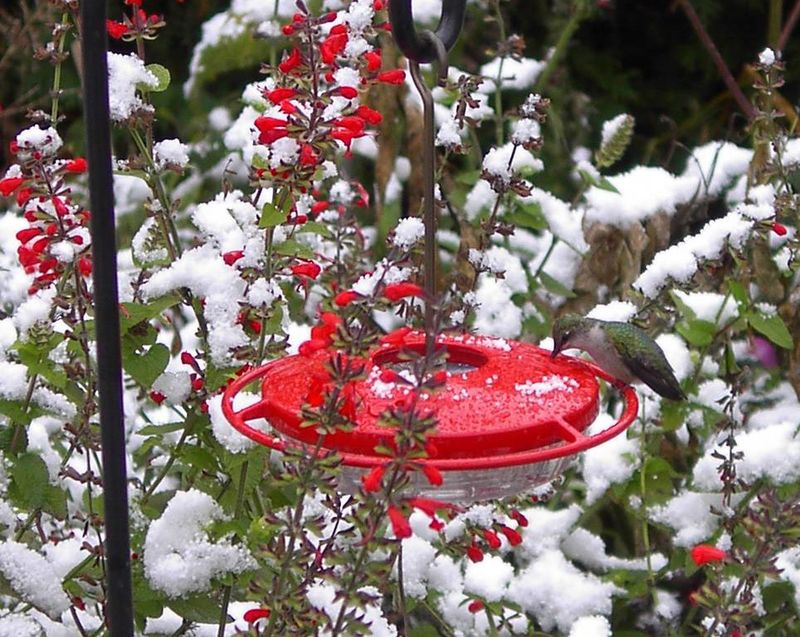
Winter hummingbirds are documented in North Carolina, though they are unusual. The NC Museum of Natural Sciences runs NC Hummers, a project that bands and tracks unexpected hummingbirds seen in the state from October through March.
The Carolina Bird Club notes that winter visitors include western species, especially Rufous Hummingbirds, and that Ruby-throats are uncommon among inland winter birds.
Where you live matters, and so does the species. For example, the Carolina Bird Club’s account of the Black-chinned Hummingbird describes winter records as more frequent near the coast, very rare in the Piedmont, and accidental in the mountains.
That pattern belongs to that one species. It is not a rule for every winter hummingbird.
Identification is tricky, too. Several species can turn up, and female and young birds are hard to tell apart, so avoid assuming any December visitor is a Rufous.
A good photo of the bird, its tail, and its bill helps experts sort it out.
If you think you have a winter hummingbird, report it to NC Hummers. Biologists may be able to visit, band the bird, and learn where it came from.
Your sighting adds to what we know about these rare guests.
A feeder offers supplemental nectar, not proven survival insurance
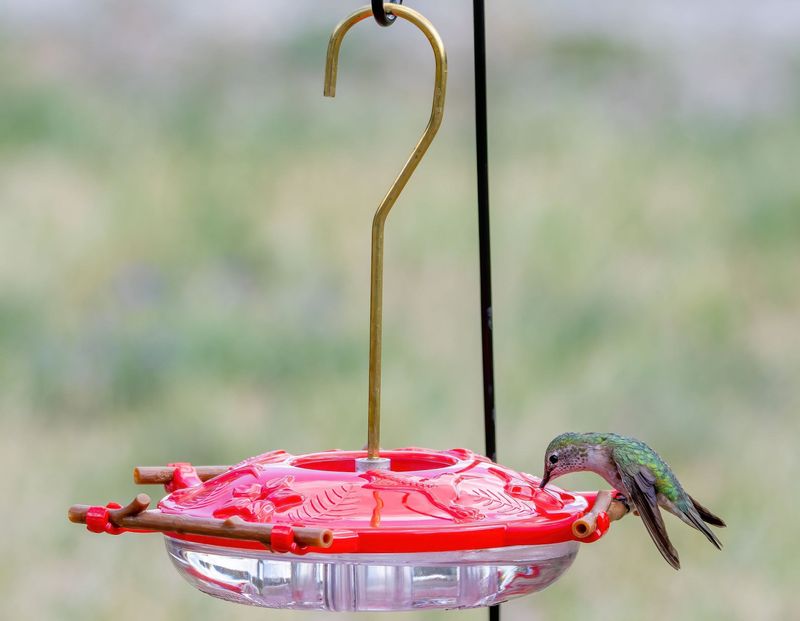
The Carolina Bird Club says an available feeder can supplement a winter visitor’s diet. That makes sense, since nectar is quick energy for a bird with a very fast metabolism.
It is a plausible food benefit, and a good reason to leave a feeder out.
What we do not have is proof that a feeder helps North Carolina winter visitors survive cold weather. No direct evidence of improved survival turned up.
A bird at your feeder may be doing fine on its own, and a bird without one is not automatically in danger.
Research on Anna’s Hummingbirds shows why caution helps. A peer-reviewed study of that species found links between its winter range expansion, city growth, winter temperatures, and supplemental nectar.
Those links do not show that a feeder in a North Carolina yard improves the survival of a western vagrant or any other winter visitor.
A feeder also cannot replace a healthy yard. NC State Extension lists nectar and small insects as hummingbird foods and recommends native nectar plants for habitat.
Your plantings and the insects they attract do the long-term work. The feeder is a helpful extra, nothing more.
Mix nectar with white sugar and water
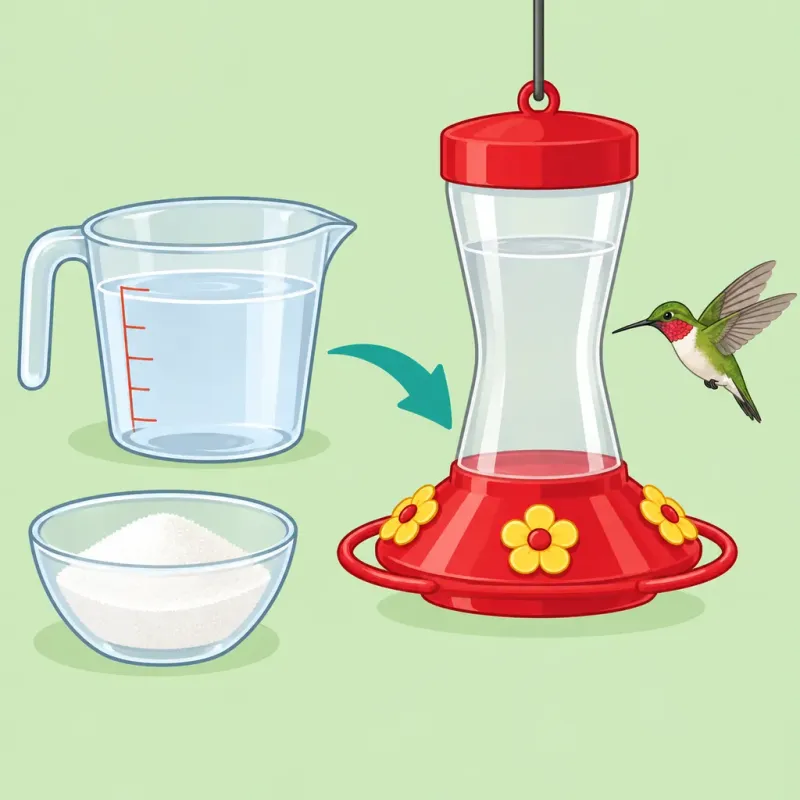
Homemade nectar is simple. Combine one part refined white sugar with four parts water, such as one cup of sugar in four cups of water.
Stir until the sugar dissolves, then let it cool before filling the feeder. Both NC State Extension and Audubon point to this basic recipe.
Stick to the recipe exactly. Red food coloring is unnecessary, and the clear mix works fine.
Honey and brown sugar are poor choices, and artificial sweeteners give a bird no energy at all.
Make only as much as you will use in a few days. Extra nectar can be kept in a clean, covered container in the refrigerator.
Small batches mean fewer wasted cups and fresher food for any bird that stops by.
Fresh nectar and a clean feeder matter in winter
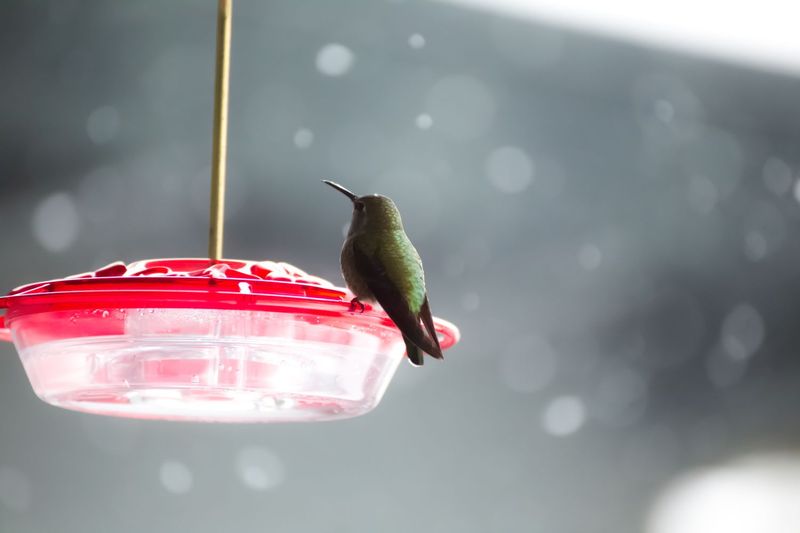
Cool weather slows spoilage, but it does not stop it. Look at the nectar often, and plan to clean and refill the feeder at least once a week.
Cloudy liquid, floating specks, or a sour smell mean it is time to empty and wash right away.
Guidance varies a little. Audubon suggests cleaning twice a week in cooler weather, and sooner if the nectar runs out or you see mold, illness, or insect contamination.
NC State Extension advises weekly cleaning. Weekly is a good minimum, and more often is better.
Skip the idea of cleaning every two weeks. That is too long for fresh, safe nectar.
Use hot water and a bottle brush to scrub the ports and base, and rinse well. A feeder with only a small amount of nectar is easier to keep fresh, since a lone winter bird drinks very little.
Bring the feeder in overnight when freezing threatens the nectar
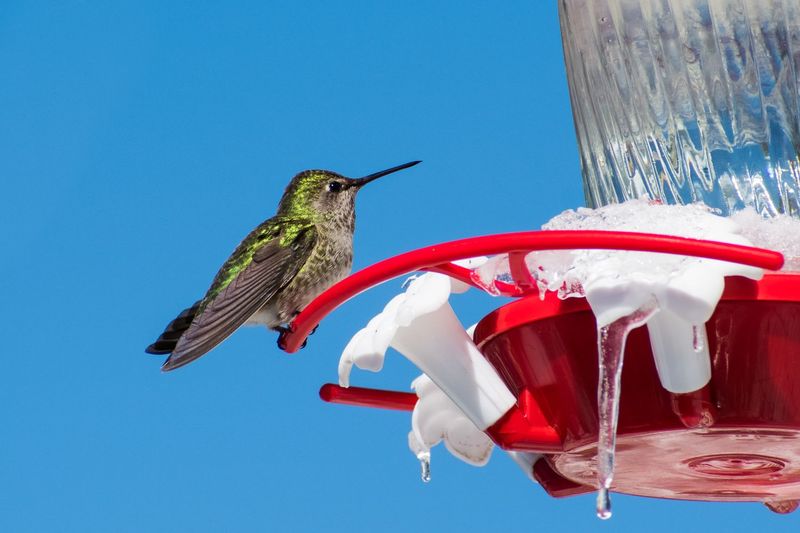
Check the feeder on cold mornings for ice. Frozen nectar is useless to a hungry bird, and it can crack some feeders.
When nighttime temperatures regularly fall below freezing, Audubon advises bringing the feeder indoors overnight and putting it back out early in the morning.
Guidance is not the same everywhere. The U.S.
Fish and Wildlife Service FAQ advises removing feeders in areas with subfreezing winter weather. That is a reminder that this is a judgment call, not a fixed rule for all of North Carolina.
Mountain yards will face hard freezes more often than the coast. If you can reliably swap the feeder in and out, keeping it available is reasonable.
If you cannot manage freezing nights, taking it down is the safer choice.
Avoid rigging up heating with bulbs or other homemade fixes. Carrying the feeder inside is simpler and lower risk.
Keep the feeder up only if you can care for it
A well-kept feeder can offer supplemental nectar to an unusual visitor, but it is not a proven way to help a bird through the cold. If you can keep nectar fresh and handle freezing nights, leaving it up is a kind gesture.
If you cannot, skip it without guilt.
Build a yard that feeds birds year-round, too. NC State Extension recommends native nectar plants, which also support the insects hummingbirds eat.
Should a strange hummingbird appear, report it to NC Hummers. Sometimes a single December sighting is the start of a scientific story.