
If Fall Aphids Are Colonizing Your Brassicas, These Strong-Smelling Companions Send Them Elsewhere
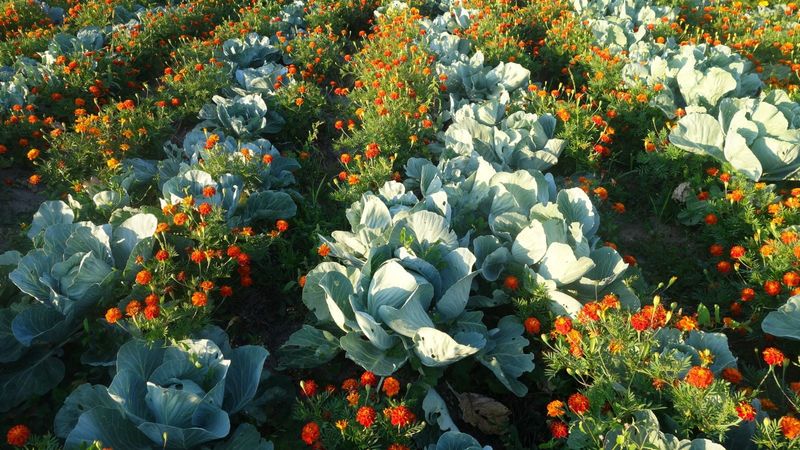
Fall is prime time for planting cabbage, kale, broccoli, and their brassica cousins, but soft-bodied aphids love those tender leaves just as much as you do. The good news is that a handful of pungent plants can throw aphids off the scent and keep your cool-season crops cleaner. Aphids hunt largely by smell, so surrounding your beds with loud, sharp aromas confuses them and pulls their attention away. Below are seven strong-smelling companions that may help send fall aphids packing before they build a colony on your favorite greens.
1. Garlic
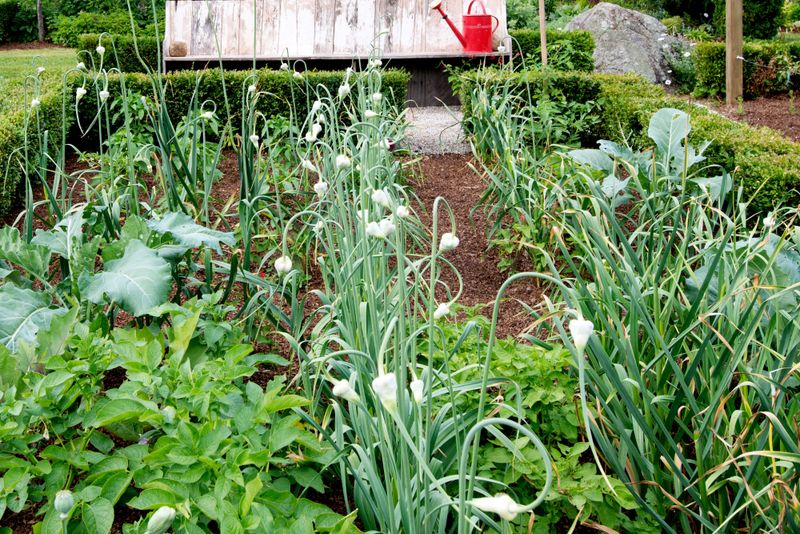
Few plants pack the pungent punch of garlic, and aphids seem to hate every bit of it. Tucking a border of garlic cloves around your cabbage and kale gives off sulfur compounds that mask the scent aphids follow to find dinner.
Fall is actually the classic time to plant hardneck garlic across most US zones, so it fits your brassica bed schedule perfectly. Poke cloves into the soil at the edges of the bed and let them stand guard through winter while your greens grow.
Beyond confusing aphids, garlic can also discourage cabbage maggots and a few other cool-season pests. Some gardeners even brew a quick garlic spray by steeping crushed cloves in water, then misting it on leaves where aphids already cluster. Between the living plants and the occasional spray, garlic pulls double duty in a fall brassica patch.
2. Chives
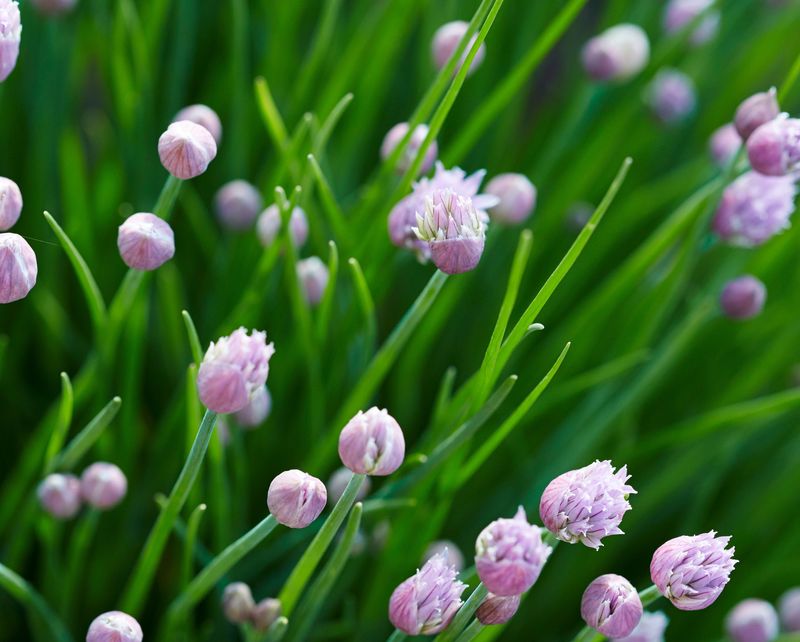
Grassy and mild-looking on the surface, chives hide an oniony bite that aphids would rather avoid. Their slender green blades tuck neatly between broccoli and cauliflower plants without hogging space or shading out your crops.
Because chives are a hardy perennial, a clump you plant this fall will keep returning to protect brassicas year after year. That makes them one of the lowest-effort deterrents on this list for a US backyard grower.
When those purple pom-pom flowers open in spring, they also invite hoverflies and other beneficial insects whose larvae feast on aphids. So chives work two ways: the sharp onion smell shoos pests off, while the blooms recruit tiny aphid predators to finish the job. Snip a few blades for your kitchen while you are at it, and the plant just keeps giving.
3. Marigolds
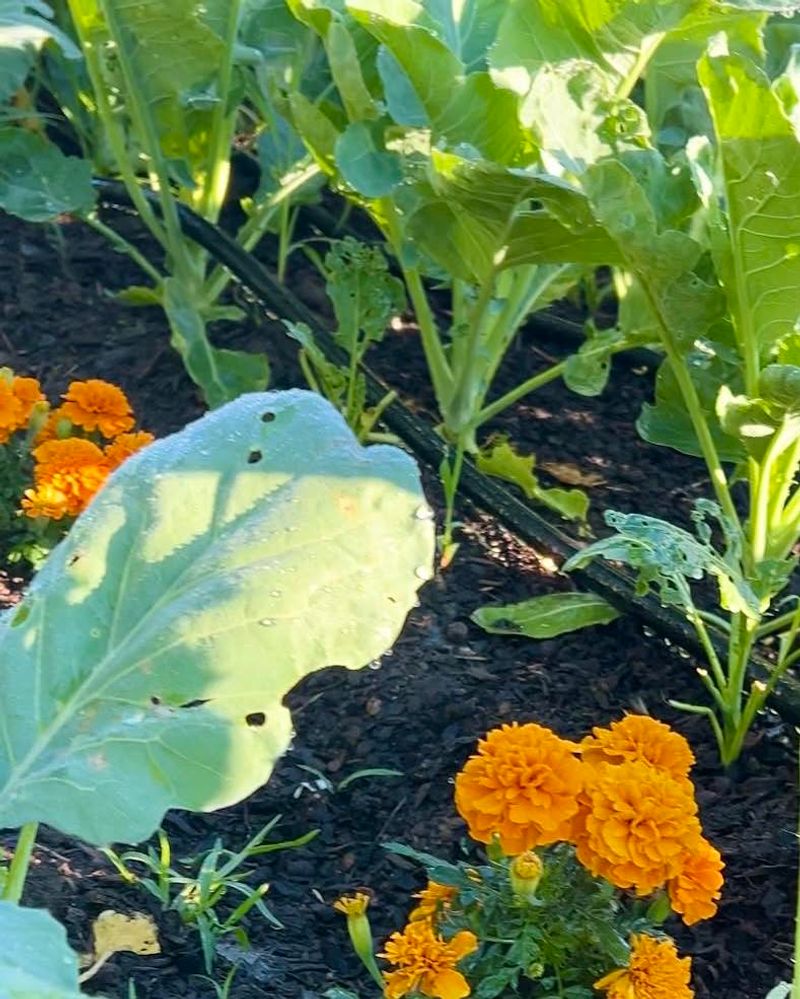
Bright and cheerful, marigolds look like pure decoration, but their spicy, musky foliage is doing quiet defensive work. That heavy scent muddies the air around your brassicas and makes it harder for aphids to lock onto a target.
French marigolds in particular give off a strong aroma that many gardeners plant as a living fence around cabbage and kale. In the cooler edges of fall they keep blooming until a hard frost finally knocks them back.
Did you know marigolds also earn their keep underground? Their roots release compounds that discourage root-knot nematodes in the soil, so the benefit reaches below the surface too. Set them along pathways and bed corners where their color brightens the fall garden while the smell keeps aphids guessing.
4. Nasturtiums
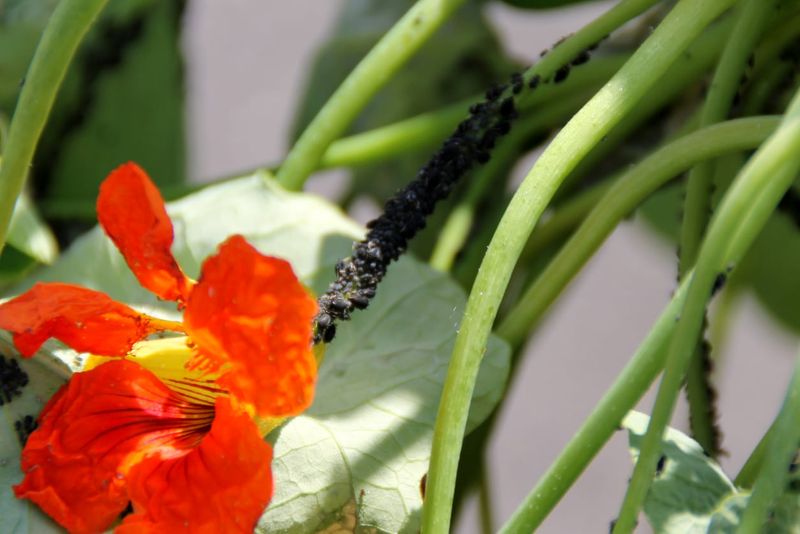
Here is a companion that plays a clever double game. Nasturtiums give off a peppery scent, yet aphids actually find them so tempting that the plants pull the pests away from your brassicas and onto themselves.
Gardeners call this a trap crop. You plant nasturtiums a short distance from your kale and cabbage, and the aphids swarm the sacrificial nasturtium leaves instead, leaving your harvest cleaner.
The sprawling vines and round leaves are easy to grow in cool fall weather until frost arrives, and the flowers are edible if you want a peppery kick in a salad. When aphids gather thickly on a nasturtium, you can simply snip that stem and toss it, removing a whole colony in one move. It is a rare deterrent that turns the pest’s own appetite against it.
5. Dill
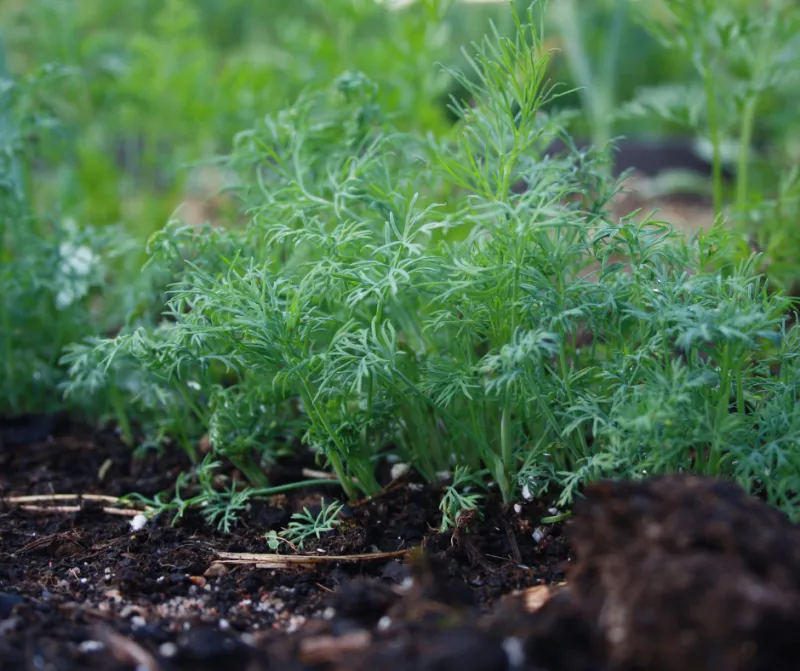
Feathery and fragrant, dill throws a sharp herbal aroma into the air that helps break up the scent trail aphids rely on. Its wispy foliage slips easily between broccoli and Brussels sprouts without crowding them.
What really sets dill apart is who it invites to the party. The flat yellow flower heads are magnets for ladybugs, lacewings, and parasitic wasps, and those insects treat aphids as an all-you-can-eat buffet.
In a fall bed, letting a few dill plants flower turns your garden into a hunting ground for aphid predators right when the pests are trying to establish. Sow it near, but not right on top of, your brassicas so both plants have room to breathe. You get free pest control, and a steady supply of dill for pickling your fall cucumbers or seasoning fish.
6. Onions
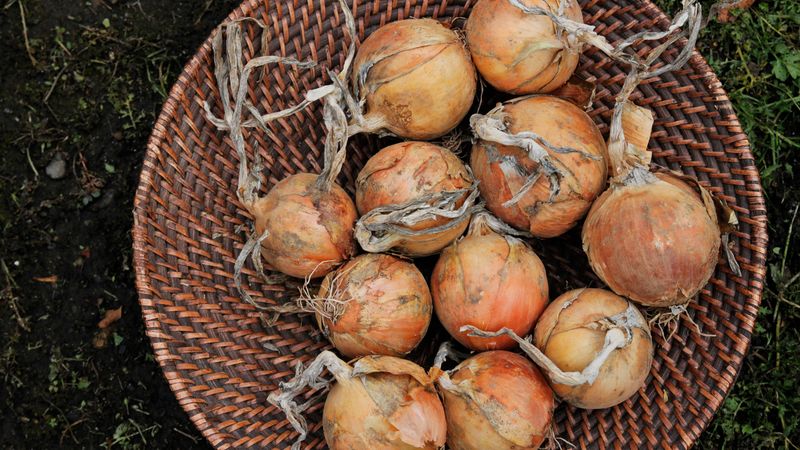
Simple, sturdy, and reeking of sulfur, onions are one of the most reliable aphid-confusers you can slip into a brassica bed. Their sharp smell overwhelms the softer scent of your cabbage and kale, so passing aphids struggle to zero in on a landing spot.
Fall-planted onion sets settle in through the cool months and grow alongside your greens without much fuss. Space rows of them between your brassicas and you build a scented barrier right where pests would otherwise travel.
Onions ask very little of you, which makes them a great pick for busy backyard growers who want protection without another chore. Come next season you also harvest a crop of onions, so the deterrent doubles as dinner. Pair them with garlic and chives for a full alliaceous wall of aroma that aphids would rather steer clear of.
7. Catnip
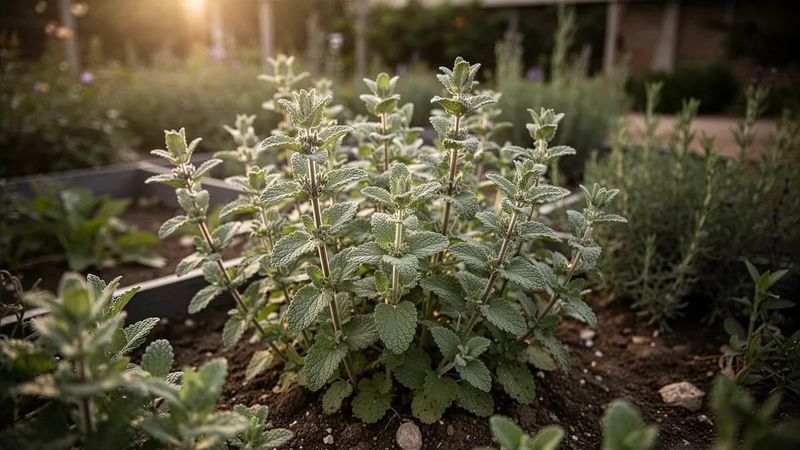
Best known for driving cats wild, catnip carries a minty, penetrating aroma that many garden pests find downright offensive. Studies have pointed to a compound in catnip called nepetalactone as a surprisingly powerful bug repellent.
Planted near your brassicas, its strong smell can help push aphids to look elsewhere for a meal. Just give catnip a defined spot or a container, because this vigorous mint relative loves to spread if you let it roam free.
The upside of that toughness is that catnip shrugs off cool fall weather and keeps releasing its scent late into the season. If neighborhood cats start lounging in your bed, that is simply the price of admission for such a potent aphid discourager. Set it at the perimeter, keep it contained, and let those pungent leaves guard the edges of your fall greens.