
The November Task Most North Carolina Gardeners Skip That Keeps Winter Violas Blooming Until Spring
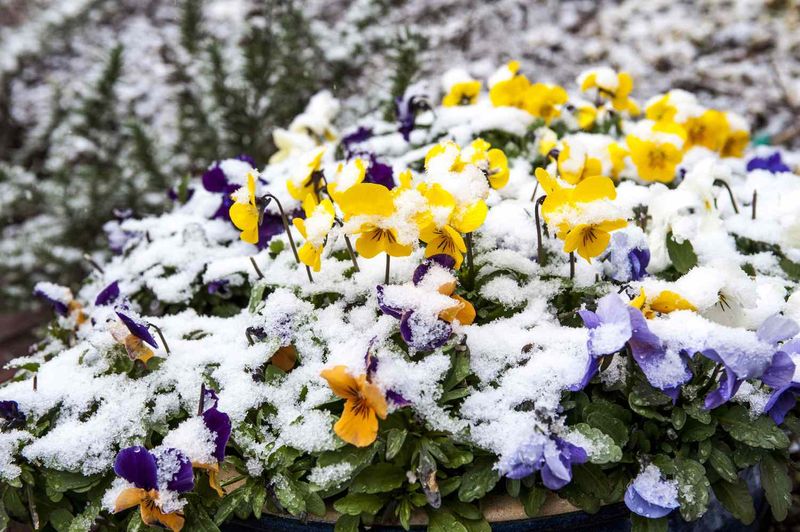
Pansies laugh at frost, yet their flowers can fade faster than you expect. A few simple habits in your North Carolina yard can help them stay colorful through the cold months.
Snipping off old blooms is one of them, but planting time, light, water, and weather matter too. Here is how to give your pansies a fair shot at a long season.
Regular deadheading can help pansies flower longer
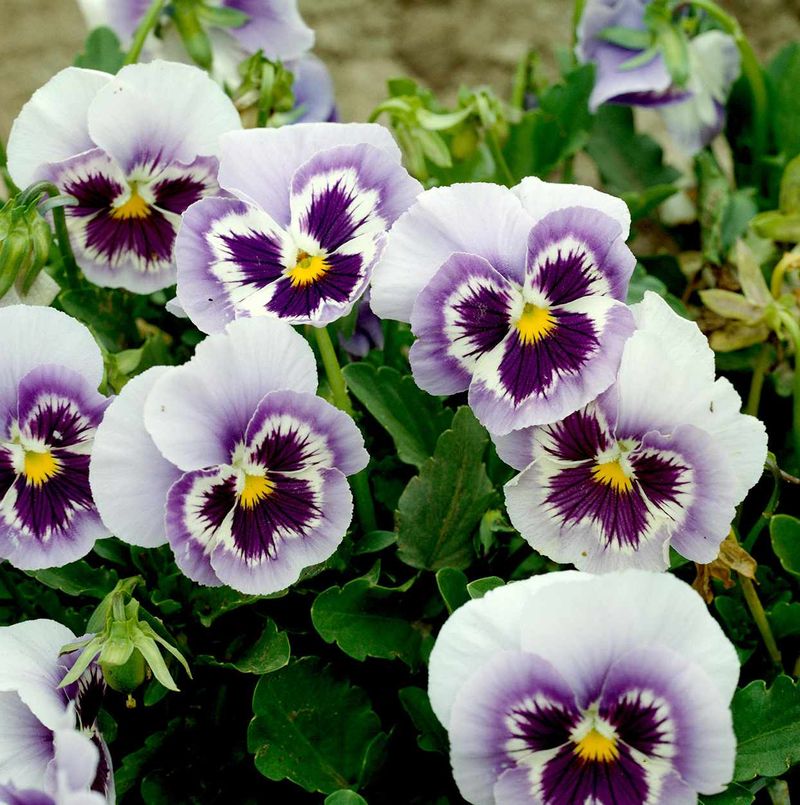
Pinching off a faded flower takes about two seconds, and it may be the easiest way to keep a pansy working. NC State’s Plant Toolbox says deadheading prolongs bloom in garden pansies (Viola x wittrockiana).
A Wayne County Extension article adds that it can help the plants produce more flowers later into winter.
Here is how to do it. Look for blooms that are drooping, shriveled, or losing color.
Follow the thin flower stem down to where it joins the plant, then pinch or snip it off cleanly. Also remove any small, plump seed capsules that form after a flower fades, since the plant puts energy into making seed instead of new blooms.
Think of this as regular upkeep rather than a once-a-year chore. A quick walk past your pots or border every few days, with a coffee in hand, is plenty.
There is no special November trick here, and the habit works whenever you have fading flowers to remove.
Keep your expectations realistic. Deadheading can extend flowering, but it does not guarantee blooms every week or all the way to spring.
Cultivars differ, and winters differ too. The advice also applies to garden pansies specifically, so do not assume every viola species or small-flowered type will respond the same way.
If you grow other violas, such as horned violets, watch how they behave in your own yard before deciding how much trimming they need. Treat your pansies as the reliable test case, and let the plants show you what works.
Planting time affects winter establishment
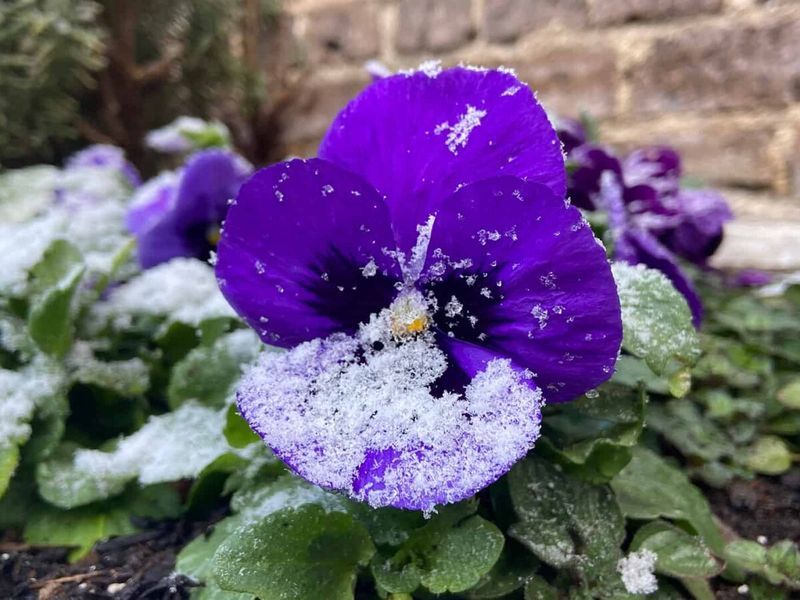
A pansy needs roots before it needs to face a hard freeze. Plants set out in a rush at the last minute may not settle in before winter, and no amount of flower snipping makes up for that late start.
As one local example, Richmond County Extension points to late October to early November as its planting window for pansies. That is guidance for that area of the Sandhills and southern Piedmont.
It is not a statewide deadline.
North Carolina is a big state. A gardener in the mountains faces cold earlier than someone near the coast, and a sheltered city yard can stay warmer than an open field a few miles away.
Your own microclimate, such as a spot against a south-facing brick wall, can shift the timing too.
So use the Richmond County dates as a reference point, then adjust. Check your local county Extension office for advice that fits your elevation.
Notice when your first frosts usually arrive and plan to get plants in the ground well ahead of the coldest stretch.
If you are already running late, plant anyway and give the roots a gentle start. Water them in, choose a good site, and keep your expectations modest for the first season.
Healthy establishment gives every other care step something to build on.
Choose a bright site with well-drained soil
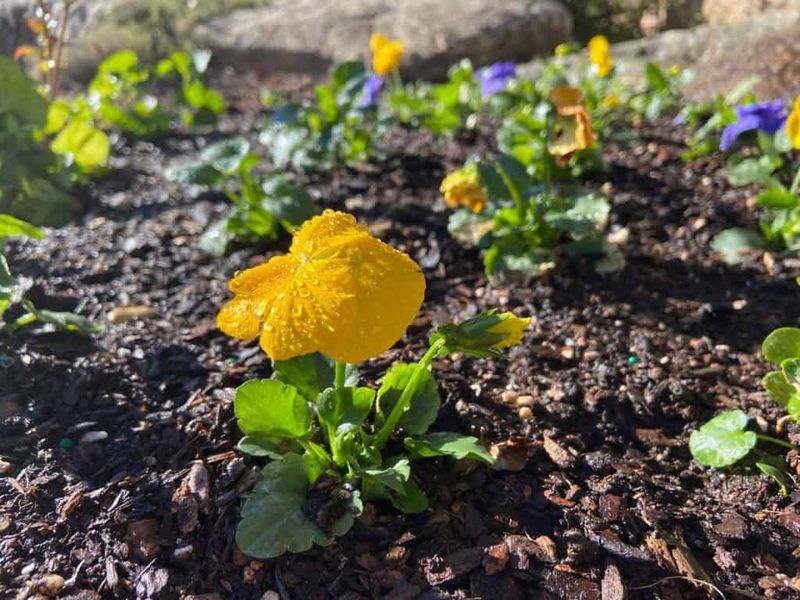
Walk your yard on a sunny November morning and watch where the light lands. Richmond County Extension recommends full sun for pansies, roughly six to eight hours a day.
Winter sun sits low, so a spot shaded by a house or evergreen can be much darker than it looks in summer.
Drainage matters just as much. The same guide warns against wet feet, meaning soil that stays soggy around the roots.
After a heavy rain, check your bed a few hours later. If puddles linger, that corner may be a poor choice for pansies.
In borders, you can improve a heavy clay spot by planting on a slight mound or choosing a different location. Red clay common in the Piedmont holds water, so be honest about how yours behaves.
For pots, pick containers with drainage holes and use a quality potting mix rather than garden soil. Lift a pot and tip it slightly to confirm water can escape.
A saucer that sits full of water can keep roots wet for days.
A bright, well-drained home gives pansies a better chance, but it does not ensure flowers without pauses. Cold snaps, cultivar, and care all play a part.
Think of good light and drainage as setting the stage, not promising the whole show.
Water according to weather and soil moisture
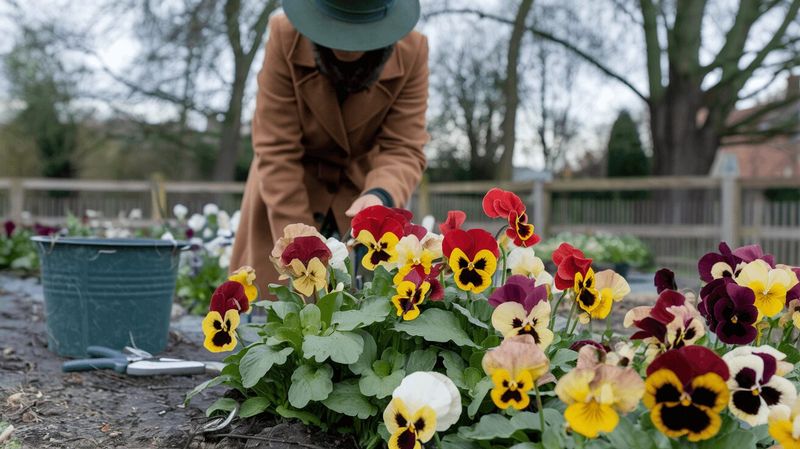
Rain is your first clue. Before you drag out the hose, think about the last week of weather and then touch the soil.
If it feels damp a couple of inches down, your pansies can wait.
Wayne County Extension advises watering pansies during dry spells but cautions against overwatering. Winter can be surprisingly dry in North Carolina, and cool air does not mean the soil is always moist.
A stretch of sunny, breezy days may leave beds drier than you would guess.
Timing matters as well. The same guidance suggests avoiding late-day watering that leaves foliage wet overnight.
Water in the morning instead, so leaves have time to dry in the daylight.
There is no fixed winter schedule that suits every yard. Sandy soils at the coast drain faster than clay in the Piedmont, and pots dry at their own pace.
Checking first beats following the calendar.
When you do water, soak the root zone slowly rather than sprinkling the leaves. A gentle flow at the base of the plants helps moisture reach the roots without soaking the foliage.
If a plant looks droopy, check the soil before assuming it is thirsty, since cold and soggy conditions can cause wilting too.
Containers bring different winter exposures
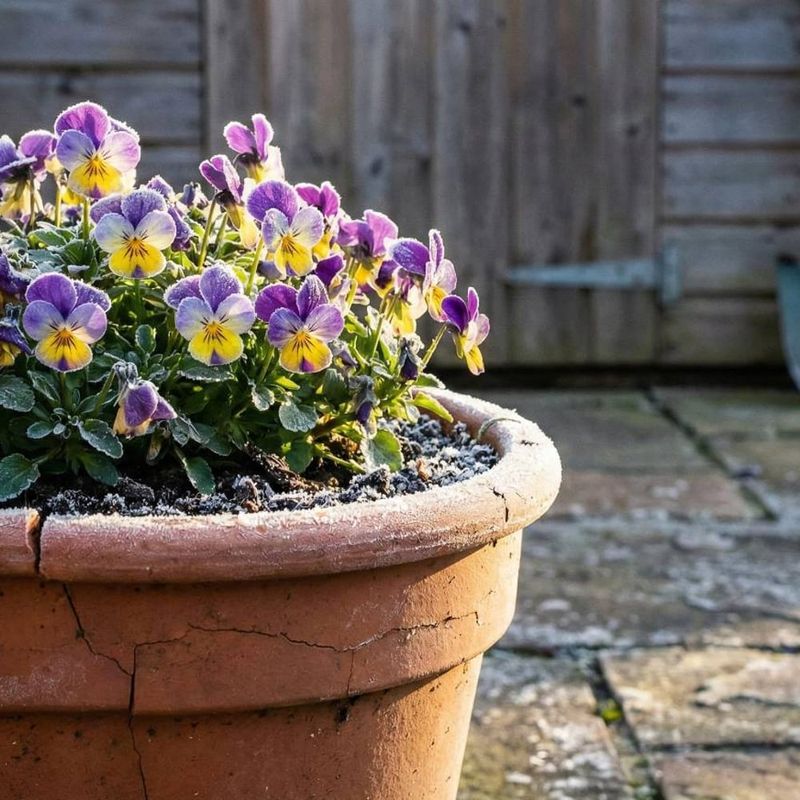
A pot is a small island of soil, and it behaves differently from a garden bed. Its sides are exposed to air, so the roots can swing between warm and cold more quickly than they would in the ground.
Pots can also dry out faster on windy or sunny days.
NC State’s guidance on preparing nursery plants for winter describes freezing and drying risks for container-grown plants in general. It was written for nursery growers, not as a trial on pansies in patio pots.
So treat it as a sensible reminder, not proof that any one step will save your flowers.
Start with the basics. Make sure each pot has drainage holes and that water flows out freely.
During dry spells, push a finger into the mix and check moisture before adding water, since a pot that looks fine on top may be dry below.
Position matters too. A spot with good sun that is sheltered from harsh wind may be easier on your plants than an open, exposed corner.
Grouping pots together can also keep them a bit more protected, though that is a practical idea rather than a guarantee.
If a hard freeze is forecast, you might move small pots closer to a wall or under an eave. Be flexible, watch how your plants respond, and remember that pauses in flowering can happen even in well-tended containers.
Do not fertilize on an automatic November schedule

Feeding every plant on the same date is tempting, but it can backfire. Richmond County Extension recommends a soil test before fertilizing pansies and cautions that high nitrogen can push soft, stretched growth that is more prone to winter injury.
So skip the reflex to fertilize in November. Instead, find out what your bed actually needs.
NC State says a soil test is the accurate way to decide how much fertilizer a yard requires, as explained in its soil FAQ. Testing is simple, and many North Carolina gardeners can send in a sample through the state’s soil testing service.
Your results may show that a bed already has plenty of nutrients. In that case, extra fertilizer adds cost and risk without helping.
If the report recommends a feed, follow it along with the product label.
Pots are different because they have no soil test in the same sense, and potting mixes vary. Even there, avoid heavy doses of nitrogen, and read the label on any product you use.
This article does not name a product, rate, or date, since the right answer depends on your bed.
Lush, leggy growth might look healthy in autumn, but compact, sturdy plants tend to handle a freeze better. Go light, test first, and let the soil guide you.
A cold-weather pause does not prove the plant is dead
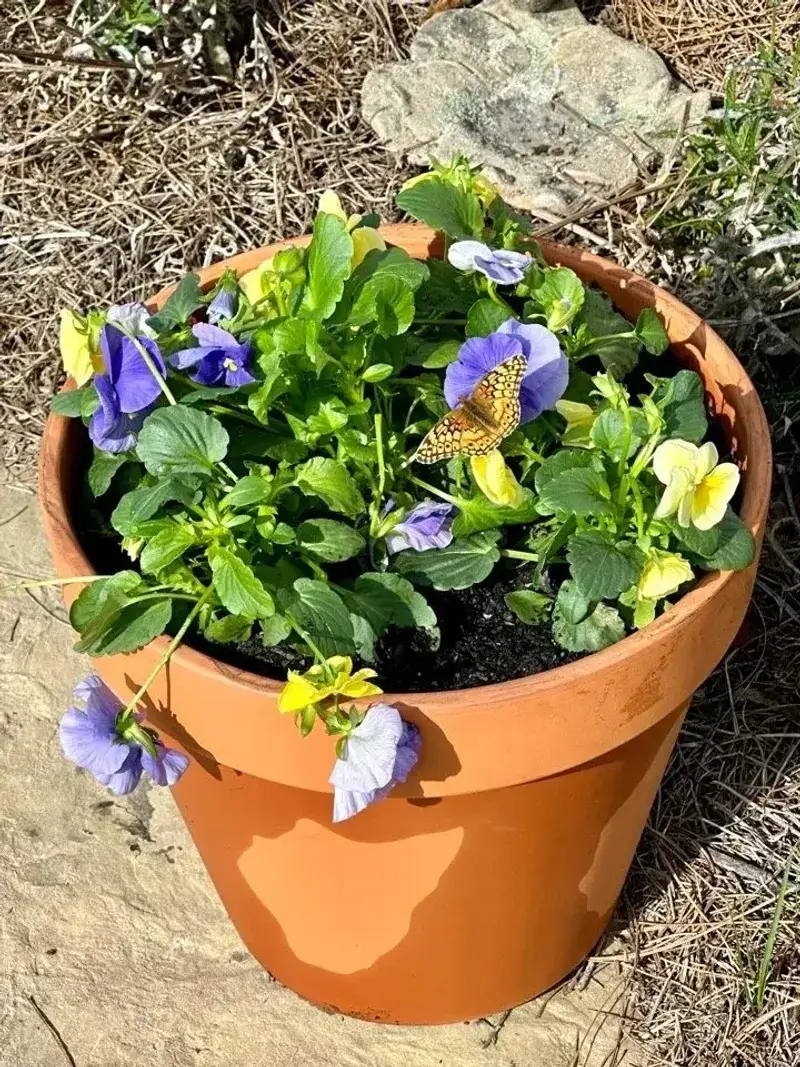
Pansies are tough, but tough does not mean nonstop. After a hard freeze you may find leaves drooping and turning a dull gray-green.
That can look alarming, yet a University of Georgia Extension bulletin describes wilted, gray-green foliage when temperatures drop below 25 degrees Fahrenheit as a normal cold response.
Flowering can slow down too. University of Maryland Extension notes that flowering may pause during the coldest periods and pick up again in milder weather.
A pause in blooms does not mean you missed a chore.
So before pulling anything out, wait. Give plants a few mild days and look again.
If leaves perk up and color returns, the plant was simply protecting itself.
Signs of real trouble look different. Stems that stay mushy, brown, and collapsed for weeks, or crowns that feel rotten, suggest the plant has not made it.
Sogginess from poor drainage can cause that kind of damage, so check the soil as well.
In the meantime, keep gentle habits going. Remove spent flowers when blooms return, water only when the soil is dry, and resist the urge to feed.
Pansies often reward patience.
Winter is a slow season, and a quiet pansy bed may simply be waiting for a warmer afternoon.