
The One Thing North Carolina Fall Greens Need In September Or They Will Bolt Before You Harvest
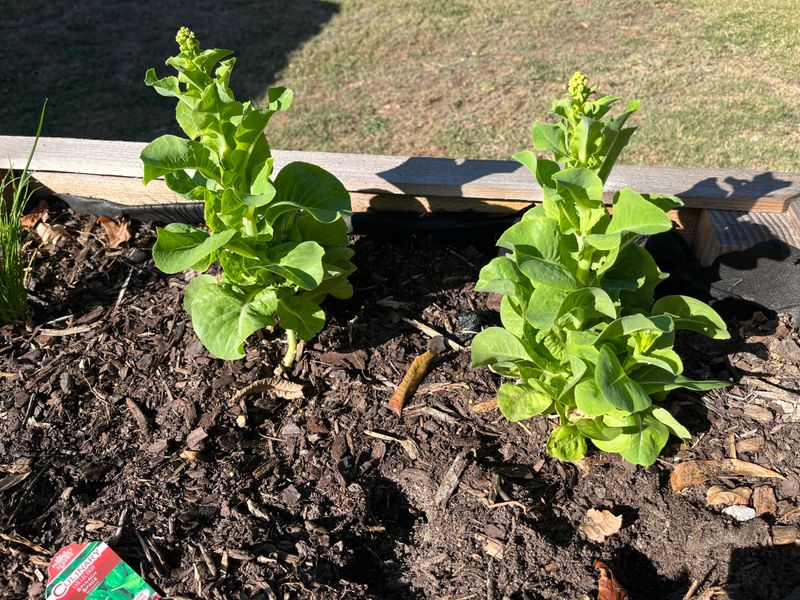
Growing fall lettuce or spinach in North Carolina sounds simple until September heat turns your seedlings into flower stalks before you ever pick a leaf. Bolting, when a plant rushes to produce seeds instead of tender leaves, can happen fast, but it is not guaranteed and it is not caused by one missing ingredient.
A handful of coordinated choices, including when and where you plant, how you water, and which cultivar you choose, give your greens a real fighting chance. This article corrects the headline’s all-or-nothing framing and walks you through the practical steps that actually matter for your NC backyard.
September is a planting window, not a statewide deadline
Plenty of gardeners read “plant in September” and assume that date applies equally to every corner of North Carolina. It does not.
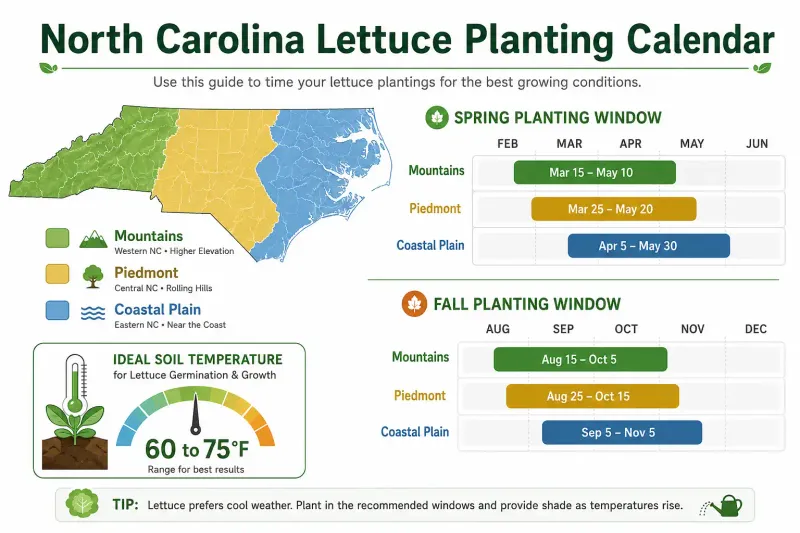
NC State’s vegetable gardening guidance explains that fall planting dates can shift 10 to 20 days earlier in western North Carolina and 7 to 14 days later along the Coastal Plain compared with the Piedmont. That difference is large enough to mean success in one county and a frost-killed crop in another.
In the Piedmont, August is generally the main month for starting a fall garden, though some shorter-season leafy greens may be seeded as late as September 1, depending on your local frost date and the crop’s days to maturity. Eastern North Carolina gardeners have a wider window.
NC State’s lettuce production guidance puts leaf and butterhead lettuce from late August through early October in the east, while romaine narrows to late August through mid-September. Fall lettuce production is generally not recommended in most western NC locations because of early frost risk.
Spinach has an even tighter regional schedule. The Southeastern Vegetable Crop Handbook lists August 1 through September 15 for eastern North Carolina and marks fall spinach as not recommended in western North Carolina.
Within western NC, individual mountain elevations vary considerably, so a gardener at 2,500 feet faces a very different frost risk than one at 4,500 feet. The safest approach is to look up your local average first frost date and count backward using your chosen crop’s days to maturity before you put a single seed in the ground.
Heat and long days affect lettuce and spinach differently
A September planting date does not automatically cool the air or shorten the day, and that matters because lettuce and spinach do not bolt for exactly the same reasons. NC State’s lettuce production resource reports that lettuce grows best near 60 to 65 degrees Fahrenheit and that prolonged heat, particularly warm nights, is the main driver of bolting in that crop.
Leaf and butterhead types generally handle heat better than head lettuce, with romaine falling somewhere between them.
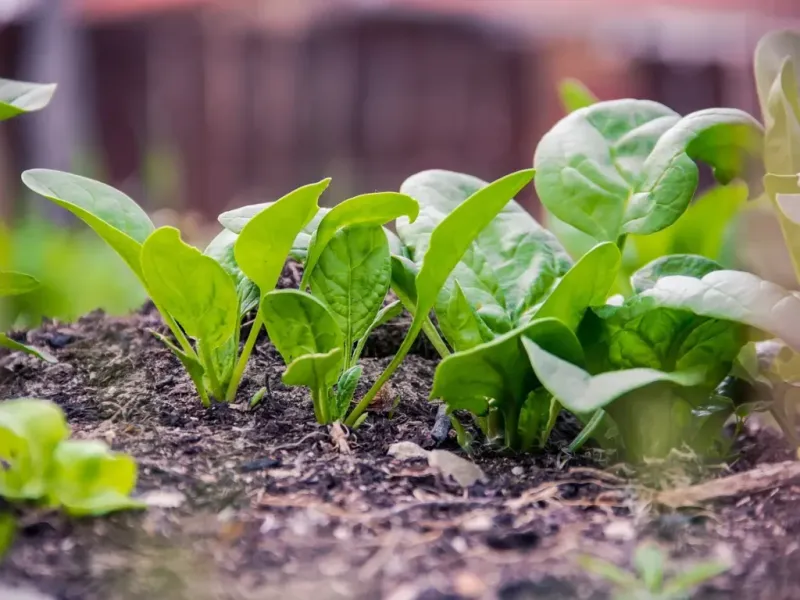
Spinach is a different story. Longer day length is a recognized bolting trigger for spinach, which means the plant is responding to light signals even before temperatures become extreme.
University of Minnesota Extension’s spinach guidance notes that heat, drought stress, poor establishment, and cultivar choice all compound the problem. A spinach plant that is also dry or struggling to root has less tolerance for whatever heat or day-length pressure arrives.
Neither crop is destined to bolt just because you plant in September. An NC State Cooperative Extension presentation specifically notes that bolting is typically not a major fall lettuce concern except during unusually warm weather.
The practical takeaway is that you need to manage heat and moisture for lettuce, while spinach requires attention to those same factors plus the added reality that day length in early September still runs longer than the crop prefers. Knowing which triggers apply to your specific crop lets you focus your effort rather than chasing a single cure-all.
The Southeastern Vegetable Crop Handbook treats these two crops as distinct in its regional planting schedules for exactly this reason.
Keep the root zone evenly moist without making it soggy
Consistent soil moisture is one of the most practical things you can manage this weekend, especially during the first weeks after seeding or transplanting. Lettuce roots stay shallow, which makes the plant surprisingly sensitive to even short dry spells.
NC State’s lettuce production guide says consistent soil moisture is essential for uninterrupted growth and quality, and any interruption in that supply can stress the plant at a critical moment.
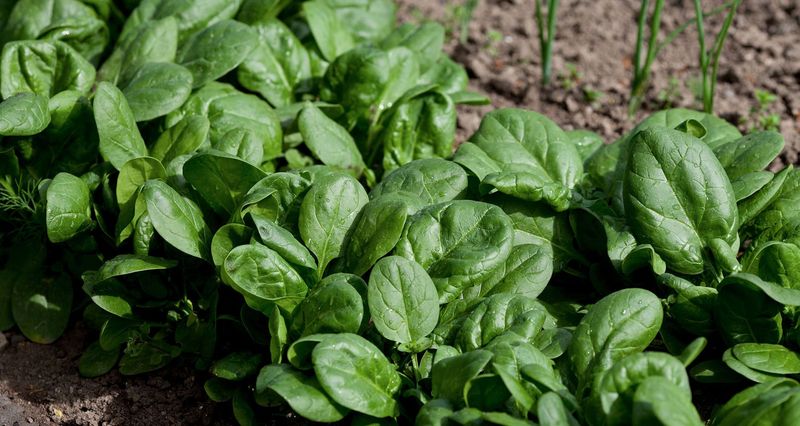
Spinach shares the shallow root habit but adds another vulnerability: it dislikes sitting in water. University of Minnesota Extension recommends thorough watering when rainfall falls short and more frequent irrigation on sandy soils that drain quickly.
The Southeastern Vegetable Crop Handbook reinforces the drainage point, noting that waterlogged beds can damage spinach roots and set the crop back at the worst possible time.
Adjust your watering to what is actually happening in your yard rather than following a fixed schedule. Seedlings fresh in the ground may need lighter, more frequent moisture than established plants.
Sandy Coastal Plain soils dry out faster than the heavier clay common in many Piedmont gardens. Rainfall this week might mean you skip irrigation entirely.
The goal is soil that stays consistently moist to the touch without puddling or staying wet for hours after watering. Keeping moisture steady removes one avoidable stressor, but it cannot override sustained heat, unsuitable timing, or a cultivar that is prone to bolting under your local conditions.
Cool the seed row before late-summer heat blocks germination
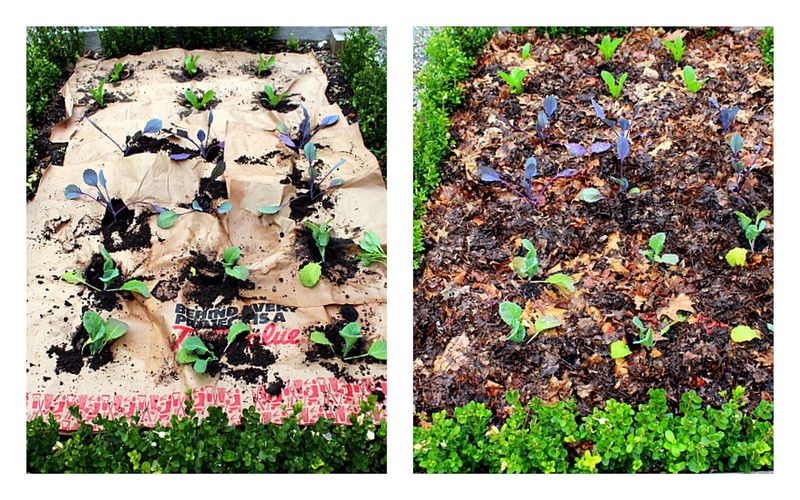
Putting seeds in the ground during late summer is only half the job. Soil that heats above 85 degrees Fahrenheit can stop lettuce and spinach seeds from germinating entirely, leaving you with an empty row and a shrinking planting window.
N.C. Cooperative Extension’s Wilson County fall gardening guidance recommends covering the seed row right after planting with burlap, newspaper, light boards, or a thin layer of mulch to hold moisture and shade the soil from direct sun.
These covers are a short-term germination aid, not a permanent canopy. Check the row every day.
The moment you see seeds sprouting, remove the covering so seedlings can reach the light they need. Leaving any opaque material over emerged seedlings will weaken or kill them quickly.
A temporary cover that keeps the seed row a few degrees cooler and noticeably moister can make the difference between a full stand and a patchy one.
This technique does not replace correct timing or cultivar choice, and it is not a reason to keep mature plants covered all day. Once your seedlings are up and growing, the management focus shifts to moisture, shade, and temperature management at the plant level rather than the soil surface.
Think of seed-row cooling as a one-time weekend task that sets the germination stage, after which the other practices in your management package take over.
Match the cultivar and starting method to the conditions
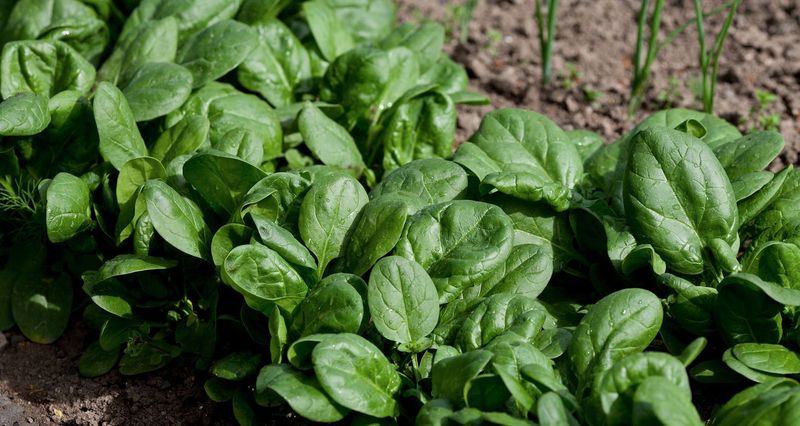
Choosing the right cultivar before you plant is one of the lowest-effort, highest-payoff decisions you can make for a fall garden. Not all lettuce and spinach varieties respond the same way to late-summer heat or day length, and picking one with documented bolting tolerance gives you a meaningful head start.
NC State’s lettuce production resource names several varieties with bolting tolerance, including ‘Slobolt,’ ‘Nevada,’ ‘Salad Bowl,’ ‘Tropicana,’ and ‘Cherokee.’ These are not foolproof under sustained heat, but they hold up better than less tolerant types when September temperatures stay stubbornly warm.
For spinach, the Southeastern Vegetable Crop Handbook identifies ‘Bloomsdale Long Standing’ and ‘Tyee’ as cultivars with bolting tolerance worth considering for the eastern NC fall window. Pairing a tolerant cultivar with correct regional timing reduces two risk factors at once rather than relying on only one safeguard.
Starting transplants in a protected space, such as a cool garage, basement, or small greenhouse, is another way to reduce early exposure to outdoor heat. NC State’s vegetable gardening handbook notes that starting greens indoors can help crops mature before outdoor temperatures trigger bolting.
Before moving transplants to the garden, harden them off for approximately five to seven days by setting them outside in a sheltered spot for increasing amounts of time each day. Skipping hardening often leads to transplant shock, which adds stress at exactly the moment plants need to establish quickly.
Use afternoon shade, then vent covers when temperatures rise
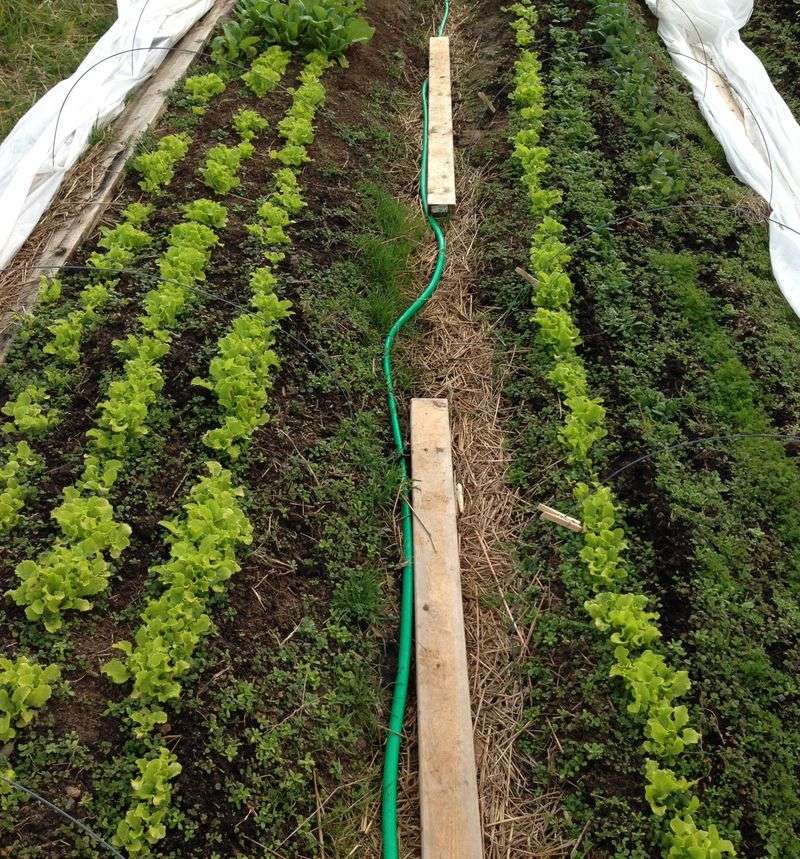
Once your greens are up and growing, managing the microclimate around them becomes a daily consideration in September. Lettuce and spinach tolerate partial shade, and afternoon shade is especially useful when the sun is at its most intense.
NC State’s container gardening guidance notes that cool-season leafy vegetables may thrive with as few as 3 to 5 hours of direct sun in some settings, making a spot that catches morning light but dodges the hottest afternoon rays a practical choice for fall greens. Dense shade is a different problem: too little light slows growth and reduces yield, so the goal is relief from peak heat rather than full cover.
Row covers and low tunnels become more relevant later in fall when frost risk climbs. NC State’s season extenders guidance puts the frost protection value of row covers at roughly 4 to 5 degrees Fahrenheit, which can extend your harvest window meaningfully.
The catch is that closed covers trap heat during warm spells and can damage the very crop you are trying to protect. Open or remove covers whenever daytime temperatures climb, and replace them before a frost-risk night.
Connecting cover use to regional frost averages helps with timing. NC State climate data place average first fall frost ranges from roughly late September to late October on the Blue Ridge plateau, mid-October to mid-November in the Piedmont, and late October to mid-December on the Coastal Plain.
These are historical averages, not certainties, so watch your local forecast rather than relying solely on regional generalizations. The NC State vegetable gardening handbook reinforces that planting dates and protective measures should be adjusted to actual temperature conditions as the season unfolds.
Harvest promptly when bolting starts
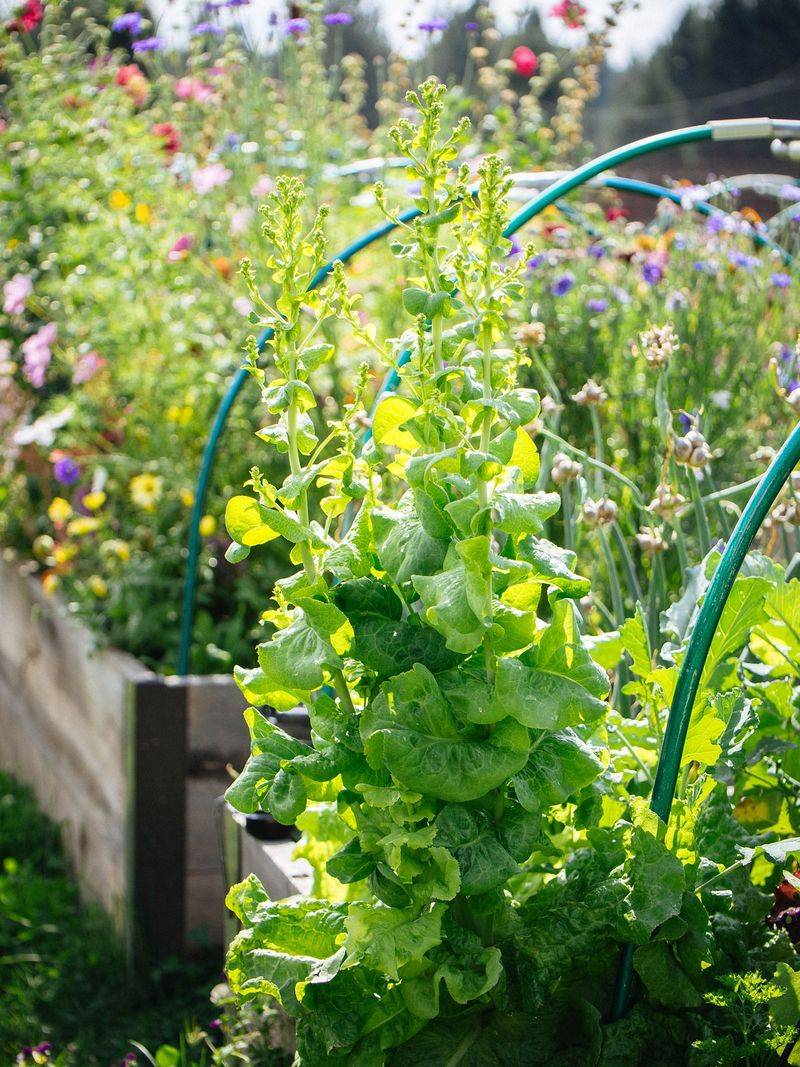
Even well-managed plants sometimes bolt, and recognizing the early signs quickly is what separates a partial harvest from a total loss. For spinach, the signal is a tall central stalk beginning to push up from the middle of the plant.
University of Minnesota Extension advises harvesting the remaining spinach as soon as one plant starts bolting, because neighboring plants in the same bed often follow within days. Waiting for a more convenient weekend can mean losing the whole planting.
Lettuce gives similar visual cues: a thickening central stem, increasingly upright growth, and leaves that start tasting noticeably bitter. Bolted cool-season crops can remain edible, but NC State’s vegetable gardening handbook notes that they often develop bitter sap and become less palatable as the bolting process advances.
Harvesting outer leaves regularly throughout the season, rather than waiting for a full head, keeps quality higher and may slow the visible bolting timeline slightly.
Bolting is not always a complete crop failure. Catching it early means you still get usable leaves, and in some cases a second planting later in fall, once temperatures drop, can fill the gap.
The key habit is checking your beds every two to three days during warm stretches in September and October rather than assuming things are fine until harvest day arrives.
Make the September decision with a coordinated checklist
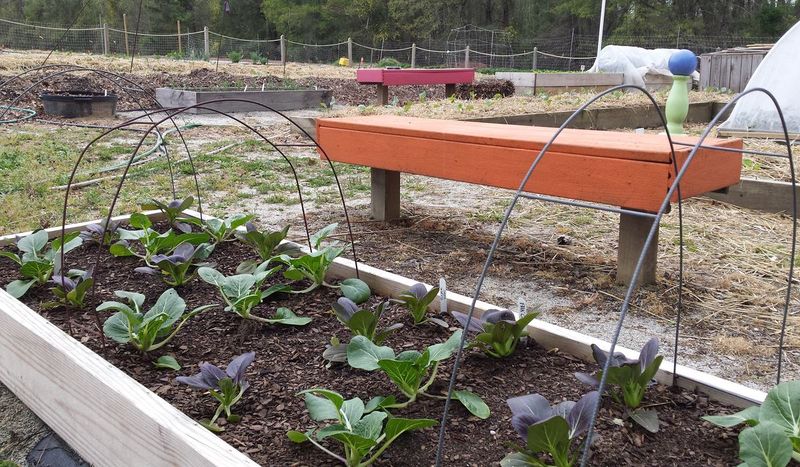
Before you plant this weekend, run through a short checklist that connects all the moving parts. Confirm your NC region and look up your local average first frost date, then count backward using your crop’s days to maturity to see whether your planting window is still open.
NC State’s vegetable gardening handbook provides regional guidance that separates the Piedmont, Coastal Plain, and western NC rather than treating the state as one zone.
Decide whether you are planting lettuce or spinach, since their bolting triggers and regional windows differ. Check your soil moisture and drainage before seeding, cool the seed row with a temporary cover right after planting, and choose a bolting-tolerant cultivar suited to your region.
Provide afternoon shade after germination, and keep any protective covers vented during warm weather. Harvest outer leaves regularly and act fast if bolting begins.
NC State’s lettuce production resource and the Southeastern Vegetable Crop Handbook together cover the regional and crop-specific details behind each of these steps.
These coordinated practices improve your odds of harvesting tender fall greens, but no single step and no combination of steps guarantees a bolt-free crop in every North Carolina September. The most useful question to ask right now is whether your crop, your timing, and your local frost conditions actually fit your yard.
If the answer is yes, plant this weekend with confidence and stay attentive as the season cools.