
Those Fading Coneflower Seed Heads Still Have A Job To Do – 13 Simple Tricks For Blooms Year After Year
When your coneflowers turn brown and droopy, it is easy to think they are finished and reach for the clippers. Those dark, spiky seed heads are actually still working hard for your garden, your local birds, and next year’s flowers.
A few smart choices now can mean healthier plants and more purple blooms every summer. Here are 13 simple tricks to keep your coneflowers coming back strong.
1. Leave Some Seed Heads for the Goldfinches
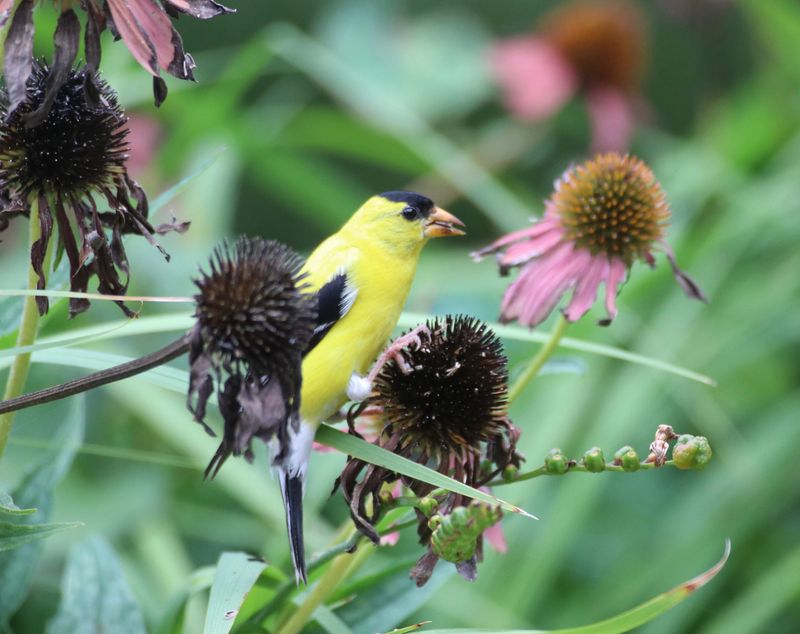
Picture a flash of yellow landing on a brown, spiky cone in October. American goldfinches love coneflower seeds, and they will happily pick them out one by one all fall and into winter.
Cutting every faded flower takes that free bird feeder away. Leaving even a handful of stems standing turns your flower bed into a snack bar that costs you nothing.
You do not have to choose between neat and wild. Keep a cluster of seed heads near the back of the bed, where they look intentional, and tidy up the front edge if you like a cleaner look.
2. Deadhead Selectively for a Longer Show
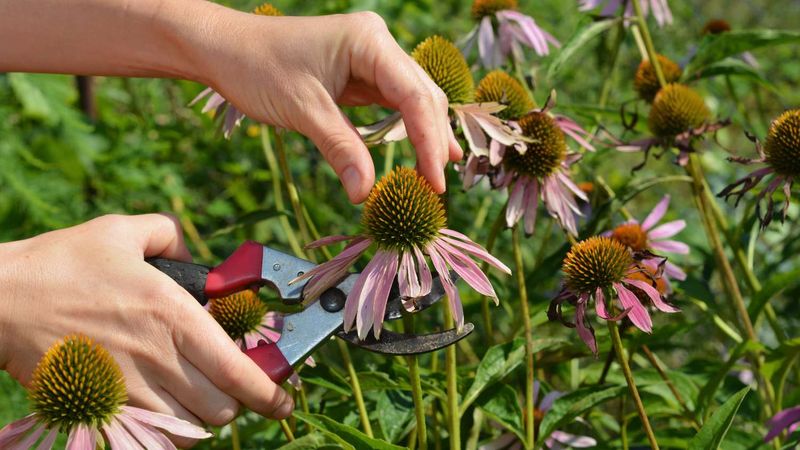
Here is the balancing trick most gardeners miss. Coneflowers will keep making new buds through summer if you snip some of the spent blooms before they set seed.
When a plant stops putting energy into seeds, it can push that energy into fresh flowers instead. Cut faded stems back to just above a leaf or side bud, and new blooms often follow in a few weeks.
Around late August, simply stop. Let the last round of flowers dry on the stem so the birds and the seed heads get their turn.
3. Let Native Coneflowers Self-Seed
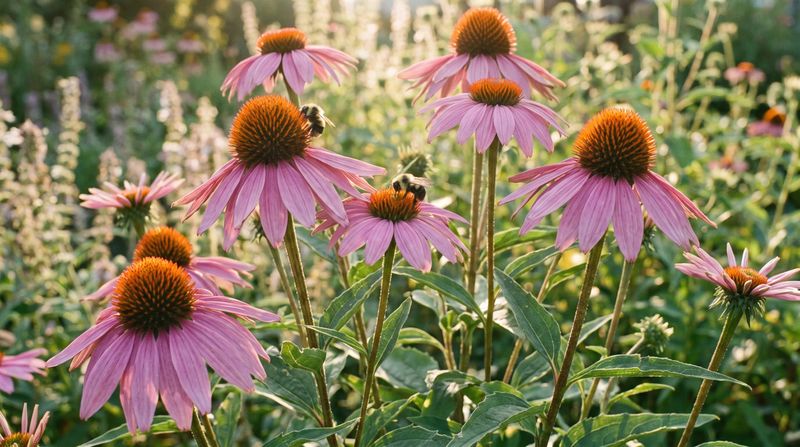
Did you know a single coneflower clump can quietly raise its own replacements? Mature plants often fade after three or four years, and self-sown seedlings fill the gap.
Native purple coneflower, Echinacea purpurea, is the best at this. Many fancy hybrids with double petals or unusual colors may not produce seeds that grow true, or any seeds at all.
In spring, watch for small, rough, oval leaves popping up near the parent plant. Keep the healthiest ones, pull the extras, and you have free plants for years.
4. Water Deep, Not Often
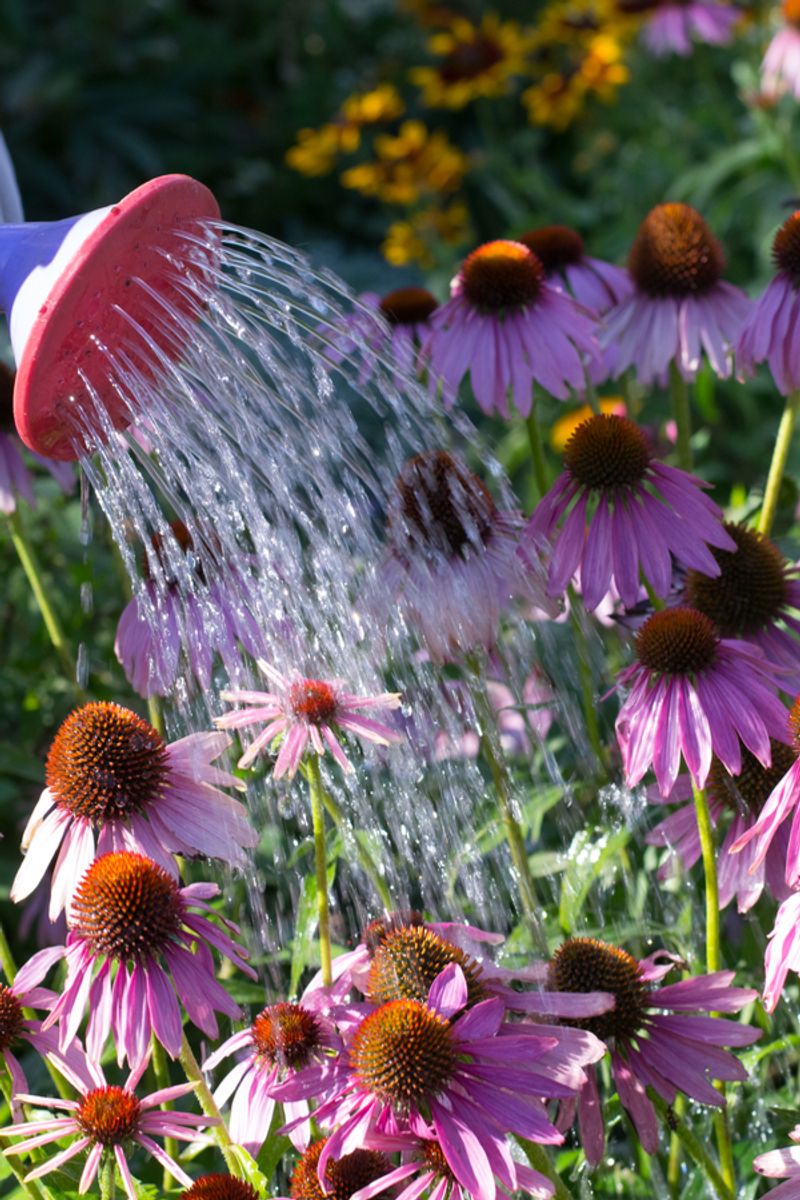
Coneflowers come from prairies, where rain can be scarce for weeks. That history makes them tougher than many garden flowers once their roots are settled.
During the first season, give new plants a deep soak about once a week if rain is missing. After that, water only during long dry spells, and aim at the soil rather than the leaves.
Morning is the best time, since wet leaves overnight can invite mildew. A slow trickle from a hose or soaker line reaches deeper roots than a quick spray ever could.
5. Fix Soggy Soil Before It Rots the Roots
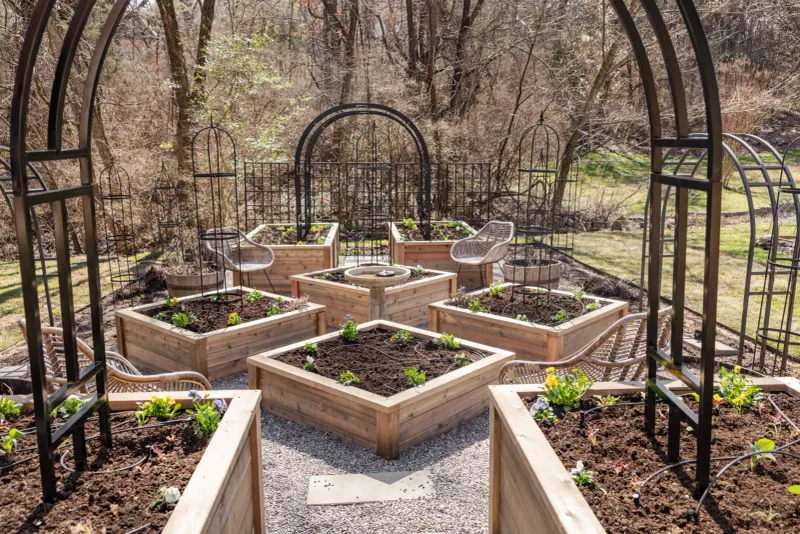
A wilting coneflower in wet ground is a sad sight, and it fools a lot of gardeners. They add more water, and the problem gets worse.
Coneflowers hate wet feet. If water puddles in your bed after rain, the roots may start to rot, and the plant can fade away by midsummer.
Mix compost into heavy clay to loosen it, or plant in a slightly raised mound. If a spot stays soggy no matter what, move your coneflowers somewhere higher and drier in early spring or fall.
6. Give Them Full Sun

Floppy stems and only a few blooms usually point to one thing: not enough light. Coneflowers want at least six hours of direct sun a day.
Plants in part shade tend to stretch toward the light and lean over. They also bloom less and can be more prone to mildew because leaves stay damp longer.
Take a look at your bed around noon and again at 4 p.m. If a neighboring shrub has grown up and started blocking the sun, either trim it back or move your coneflowers to a brighter spot.
7. Go Easy on Fertilizer

Lots of leaves and hardly any flowers? Too much feeding might be the culprit.
Coneflowers grow well in average soil. Heavy, high-nitrogen fertilizer pushes leafy growth at the expense of blooms and can make stems weak.
A thin layer of compost in spring is often all they need. If you use a fertilizer, pick a balanced, gentle one and use less than the label suggests.
8. Mulch Lightly Around the Crown
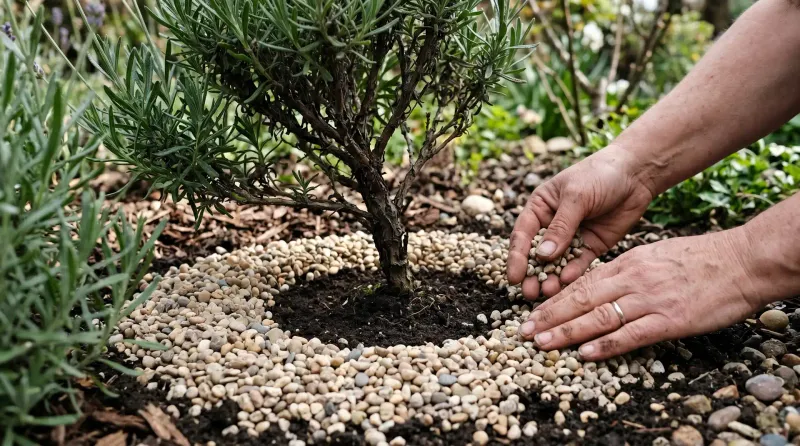
Mulch is one of those helpers that works quietly. A two-inch layer of shredded bark, compost, or chopped leaves keeps soil moist, cools roots, and blocks weeds.
The trick is keeping it away from the base of the plant. Piling mulch against the crown traps moisture and may lead to rot, which coneflowers dislike.
Pull it back a few inches to leave a small ring of bare soil. Refresh the layer in spring, and sprinkle seeds-friendly bare patches if you want seedlings to sprout.
9. Divide Crowded Clumps Every Few Years
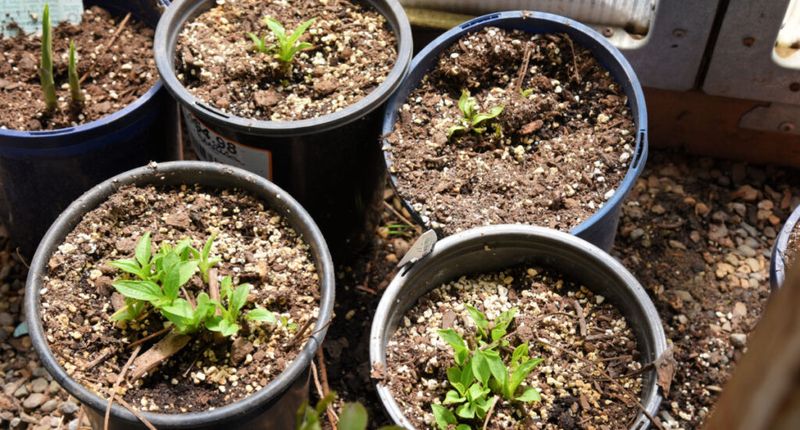
A coneflower that blooms only around its edges with a bare middle is telling you something. It has gotten crowded.
Every three to four years, dig up big clumps in spring, around May, or early fall. Slice them into sections with a sharp spade, making sure each piece has roots and a few shoots.
Replant the youngest, outer pieces and toss the woody center. Water them well, and you will often see stronger blooms the next season, plus extra plants to share.
10. Skip the Big Fall Cleanup
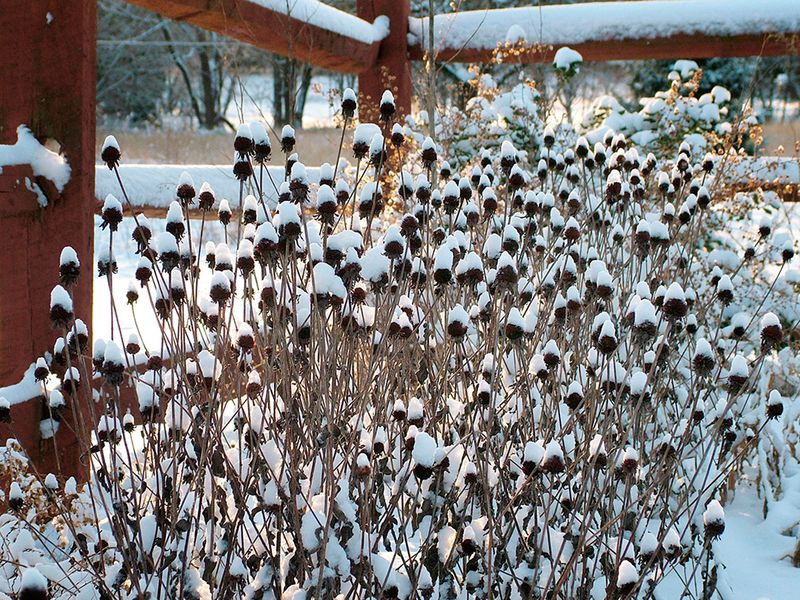
Frosty seed heads glittering on a January morning might be the prettiest thing in a winter yard. Leaving stems up gives you that view for free.
Hollow stems and old flower heads can also shelter native bees and helpful insects through the cold months. A rushed fall cleanup can toss those little guests out with the trash.
Wait until spring, when daytime temperatures stay in the 50s. Then cut old stems back as new green growth appears at the base.
11. Stake Tall Varieties Early
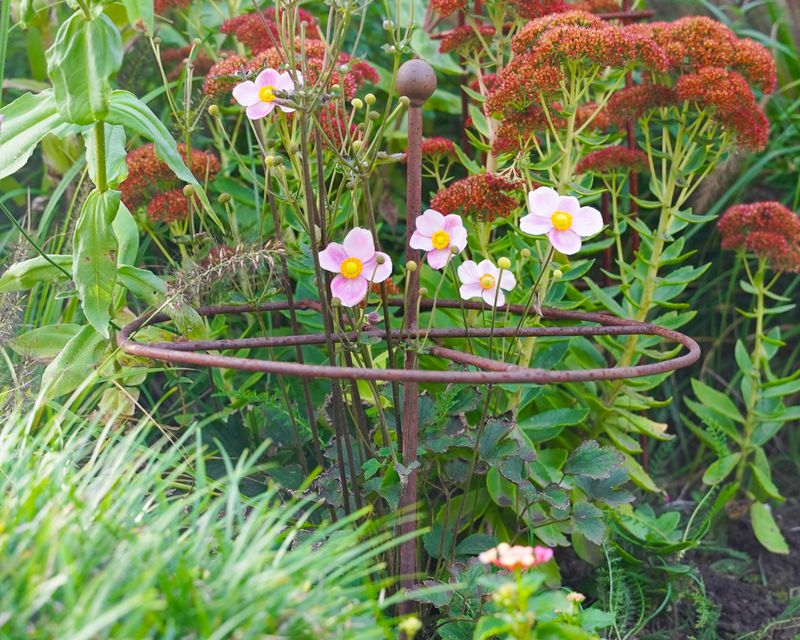
Nothing stings like a summer storm flattening your best coneflowers the week they open. Tall types, especially in rich soil, can flop under heavy rain.
Put a grow-through ring or a few stakes in place in late spring, while plants are still short. Stems grow up through the support and hide it by bloom time.
Planting in full sun and lean soil helps too. Sturdier stems often need less help in the first place.
12. Check Leaves for Trouble Weekly
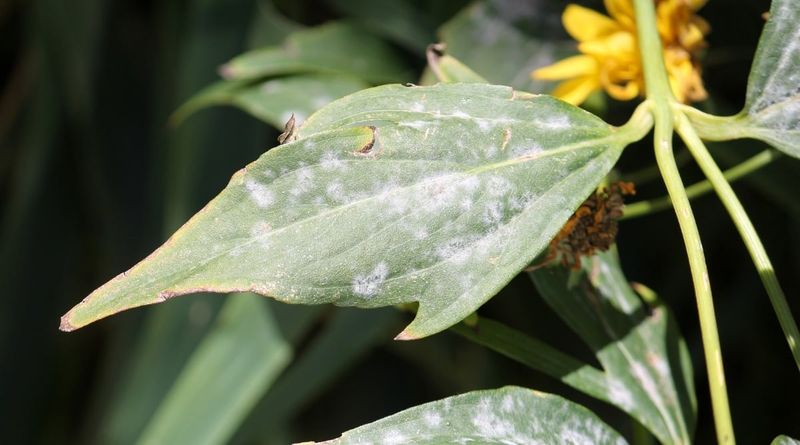
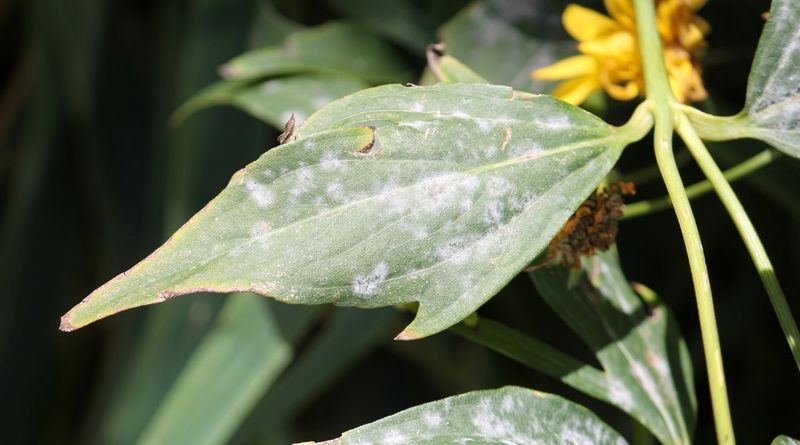
A quick five-minute walk each week can save your coneflowers. Look for white dusty coating, spotted leaves, or flowers that look green and twisted.
Powdery mildew is usually cosmetic and can often be reduced with better spacing and morning watering. Remove badly affected leaves to help slow its spread.
Green, deformed blooms may signal aster yellows, a disease with no cure. Pull those plants out entirely so the problem may not spread to healthy ones.
13. Pair Them With Different Bloom Times
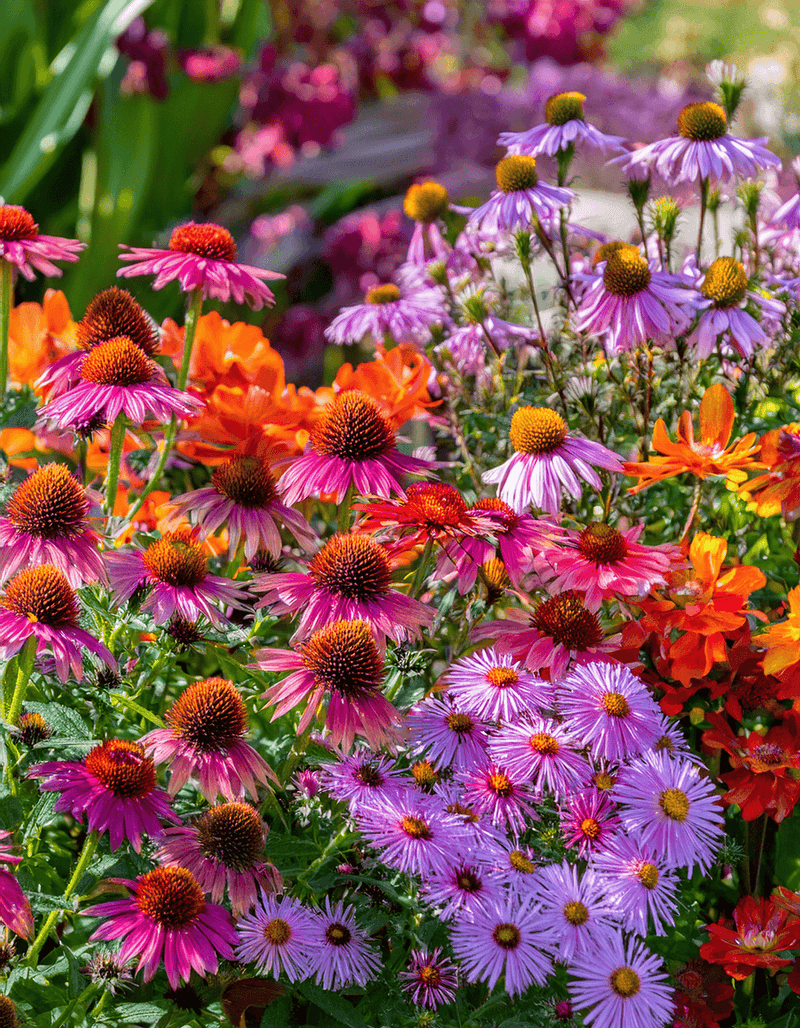
Coneflowers shine in mid to late summer, but they look even better with friends. Planting neighbors that bloom at other times keeps the bed lively from spring to frost.
Try spring bloomers like salvia, summer partners like black-eyed Susans, and fall stars like asters. Pollinators keep visiting, and many of them also help your coneflowers set seed.
When the coneflowers finally fade, the asters take the stage. Then the seed heads stand guard through winter until the whole cycle starts again.